- Materials Science
- Surface Science
- Geochemistry
- +۳ مورد دیگر
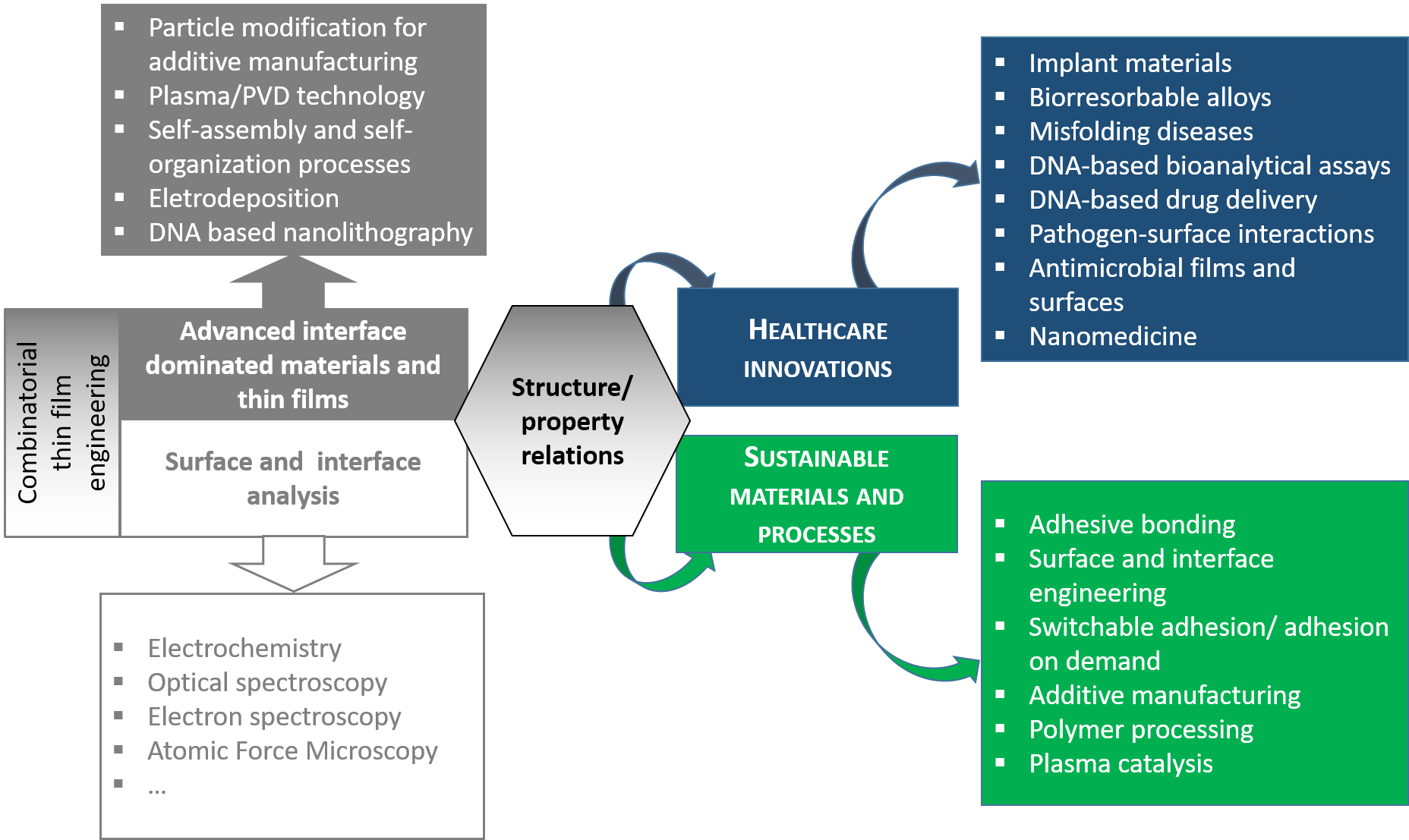
Leonid Lakshtanov serves as a Senior Researcher in the Department of Physics at the Technical University of Denmark (DTU), specializing in the physicochemical mechanisms governing silicate material behavior. His work integrates advanced surface characterization techniques to analyze dissolution processes at nanoscale resolutions. His research spans Materials Science, Surface Science, and Geochemistry with emphasis on glass dissolution kinetics, secondary phase formation, and nanoscale surface phenomena. Key interests include temperature-dependent dissolution rates, neutral pH effects on aluminosilicates, and depleted layer dynamics in engineered materials. This work bridges fundamental physics with practical applications in material durability and environmental geochemistry. Analysis of his publication record reveals consistent focus on calcium aluminosilicate glass systems using spectroscopy and atomic force microscopy. His research demonstrates interdisciplinary convergence across Materials Science, Chemistry, and Geochemistry, with particular expertise in nanoscale dissolution mechanisms and surface reactivity under varying chemical conditions. Scientific awards: No awards or honors were documented in the source materials. Dr. Lakshtanov actively mentors graduate researchers, currently supervising PhD candidate Erlacher, M. in the active DTU project "Mechanisms of silicate dissolution and formation of secondary phases" (2023-2026). His collaborative work involves spectroscopy and atomic force microscopy to investigate surface chemistry, with funding supporting advanced instrumentation and experimental design. He operates within DTU's Materials Physics research environment, utilizing specialized laboratories for time-resolved surface characterization. His team focuses on real-time analysis of dissolution processes, combining chemical perspective with nanoscale imaging to develop predictive models for silicate behavior in natural and engineered systems.