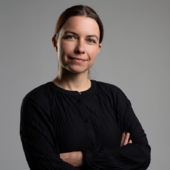
Ekaterina Hertog is an Associate Professor of AI and Society at the University of Oxford's Oxford Internet Institute (OII) and the Institute for Ethics in AI. Her research focuses on the intersection of digital technologies and family life, exploring how AI and digital tools transform parenting, childcare, and family dynamics. She holds a DPhil and MSc in Sociology from the University of Oxford. Education: DPhil in Sociology, University of Oxford MSc in Sociology, University of Oxford Research Interests: Digital technologies in family contexts, parental control technologies, future of unpaid work, gender practices in households, and time use patterns. Her work includes studies on data-driven parenting, domestic AI automation, and societal implications of digital monitoring. Projects: DomesticAI: Explores AI's potential to transform unpaid domestic work in the UK and Japan. Research on digital technologies in childcare, including parental control apps and ethical frameworks. Awards & Media: Her work has been featured in media outlets like BBC Ideas, The Guardian, and Newsweek. She contributes to policy discussions on digital parenting and AI ethics. Advising & Grants: Supervises doctoral students on topics like digital disconnection, remote work, and AI ethics. Leads ESRC-funded projects and collaborates with international institutions like the Dieter Schwarz Foundation. Labs/Teams: Active in the OII's AI & Society research cluster and collaborates with interdisciplinary teams on AI ethics and societal impacts.
Gary M. Shaw is the Rosemarie Hess Professor and Professor (Research) at Stanford University , with courtesy appointments in the Department of Epidemiology and Population Health and Department of Obstetrics & Gynecology - Maternal Fetal Medicine . He serves as Co-PI of the March of Dimes Prematurity Research Center at Stanford and PI of the California Center for Finding Causes and Preventives of Birth Defects . His research focuses on the Epidemiology of birth defects Gene-environment interactions in perinatal outcomes Nutritional factors in reproductive health . He has developed machine learning approaches for precision parenteral nutrition and predictive models for preterm birth, while investigating persistent metabolomic signatures following hypertensive pregnancy disorders. Shaw's recent work explores Climate change impacts on reproductive health Maternal-fetal immune interactions Epigenetic mechanisms in perinatal disease with applications of multiomics to neonatal intensive care units. As a member of Bio-X and the Maternal & Child Health Research Institute , he contributes to translational research networks while serving as Associate Editor for Birth Defects Research and American Journal of Medical Genetics . He supervises Med Scholar Project student Richard Liang Doctoral co-advisor for Saskia Comess and Richard Liang Master's advisor for Lenae Joe while leading the Division of Neonatology as Associate Chair for Clinical Research (2012-2025). His laboratory work integrates Metabolomic profiling Proteomic analysis Computational modeling Machine learning for biomedical data to advance neonatal care through precision medicine approaches.
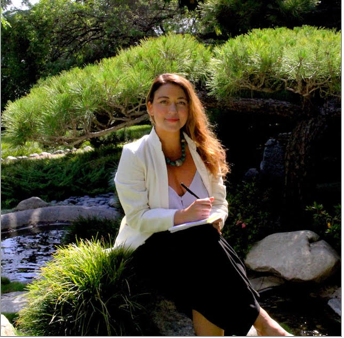
Elaine Gerber is an Associate Professor of Anthropology at Montclair State University (MSU), affiliated with the College of Humanities and Social Sciences. Her research focuses on the intersection of disability studies, medical anthropology, and food systems, emphasizing disability as a social construct. She holds a PhD from UCLA and has conducted extensive fieldwork on disability culture, accessibility, and food insecurity. Education: PhD, Anthropology, University of California, Los Angeles (1999) MA, Anthropology, University of California, Los Angeles (1999) BA, Anthropology, University of Michigan, Ann Arbor (1989) Research Interests: Disability studies and cultural anthropology Food insecurity among disabled populations Audio description and accessibility Intersection of race, gender, and disability Her work bridges theory and practice, including community-based participatory research projects like the #EatDis initiative examining barriers to food access for disabled individuals. Notable publications explore disability identity, food as a site of resistance, and the built environment's impact on marginalized groups. Awards & Grants: Recipient of the 2018 Society for Applied Anthropology Fellowship, Chateaubriand Fellowship (1996), and Montclair State’s “Best Professor” recognition (2019). Funded projects include a Robert Wood Johnson Foundation grant ($100k) on physical activity barriers for people with disabilities. Teaching & Service: Teaches courses on disability studies, medical anthropology, and food studies. Founded MSU’s Disability Caucus and volunteers with organizations like the Reelabilities Film Festival. Served as President of the Society for Disability Studies (2007–2009). Labs/Teams: Leads the #EatDis research project and collaborates with the World Institute on Disability on food education initiatives.
Ueli Grossniklaus is an Ordinary Professor at the University of Zurich within the Faculty of Mathematical and Natural Sciences , affiliated with the Department of Plant and Microbiology . His work focuses on plant developmental biology, particularly epigenetic and genetic mechanisms governing reproduction and adaptation. Key Courses: Epigenetics, Plant Biology Workshop, Group Seminars on Current Research Laboratory Techniques: Advanced methods in plant cell mechanics, transcriptomics, and genome editing Research Interests span plant epigenetics, reproductive biology, and the interplay between environmental stress and genetic regulation. He investigates: Mechanistic control of gametogenesis and fertilization Epigenetic contributions to plant adaptation Evolutionary implications of asexual reproduction Biophysical forces in plant cell growth Publication Trends (2025–2018) reveal expertise in: Arabidopsis and fern model systems Epigenetic regulation (DNA methylation, histone dynamics) Apomixis and hybrid seed failure mechanisms Biomechanics of pollen tubes and carnivorous plants Genome editing tools (CRISPR) and long-read sequencing Scientific Collaborations include interdisciplinary projects on: Microfluidic devices for plant cell analysis Gene drive ecology and ethics 3D imaging of plant reproductive structures Advising and Grants focus on mentoring through research internships in developmental biology, genetics, and systems biology. His lab engages in: Epigenetic response to environmental stress Cell wall mechanics in reproduction Computational modeling of plant growth Laboratory Teams integrate plant biologists, bioengineers, and computational scientists to study: Mechanistic gene regulation Evolutionary developmental biology Microrobotics for cellular force measurement
Dr. Alexandre Marques is an Assistant Professor at the University of Southern Mississippi. His expertise spans Microbiology, Immunology, and Parasitology, with a focus on vaccine development against parasitic infections like Leishmaniasis, Chagas disease, and Malaria. He holds a PhD from the Universidade de São Paulo (2007) and teaches courses such as Gen Microbiology and Microorg Hth Di at the university. His research integrates immunological, clinical, and molecular approaches to understand parasitic disease mechanisms and therapeutic interventions. Notable areas include α-Gal immunization strategies, transcriptomic analysis of breast cancer, and vaccine design against Leishmania. He has also explored applications in aquaculture nutrition and cosmetic safety assessments. Dr. Marques’ work spans interdisciplinary collaborations, including veterinary medicine, nanotechnology-based drug delivery, and antimicrobial stewardship in pediatrics. His contributions to animal models for Chagas disease and canine visceral leishmaniasis highlight translational research impact. Key themes in his publications include immune response modulation, pathogen-host interactions, and biomarker discovery in chronic infections. He has published over 50 articles across microbiology, immunology, and biomedical engineering since 2007.
Julie Yujie Chen is an Assistant Professor at the Institute of Communication, Culture, Information, and Technology (ICCIT) at the University of Toronto Mississauga, with a graduate appointment at the Faculty of Information. She holds a PhD in American Studies from the University of Maryland, College Park, and previously served as a Lecturer at the University of Leicester's School of Media, Communication, and Sociology. Her research focuses on the intersection of culture, digital technologies, and economic structures in shaping work experiences, particularly in China's platform economy. Key areas include ride-hailing and food-delivery sectors, worker resistance in digital capitalism, and the sociocultural impacts of platforms like WeChat. She is the lead author of *Super-sticky WeChat and Chinese Society* (2018), the first academic work analyzing WeChat's societal and political influence. Research interests: Digital labour, platform capitalism, AI-driven work, global labour patterns, and socio-technological change. Current supervision: Hiu-Fung Chung and Mathew Iantorno. Her recent work examines platform labour dynamics, national employment policies in China, and comparative studies of global digital economies. Articles often explore themes like worker agency, algorithmic management, and socio-technical resistance strategies.
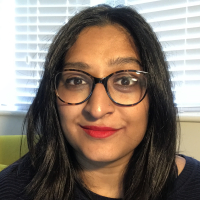
Dr. Rishita Nandagiri is a feminist researcher and academic currently serving as a Lecturer (Assistant Professor) in the Department of Global Health & Social Medicine at King's College London. She previously held research and teaching positions at the London School of Economics (LSE), including an ESRC Postdoctoral Fellowship and an LSE Fellow in Health and International Development. Her work is deeply rooted in reproductive justice, gender, and global health, with a focus on the Global South. PhD in Social Policy, London School of Economics (2019) ESRC Postdoctoral Fellow, LSE Department of Methodology (2020-2021) LSE Fellow in Health and International Development (2019-2020) Research Assistant, LSE Department of Media and Communications (2018-2019) Dr. Nandagiri’s research centers on reproductive (in)justices, interrogating how power and politics shape abortion access, self-managed abortion, care trajectories, and reproductive governance. Her work is interdisciplinary, drawing on feminist theory, qualitative and participatory methods, policy analysis, and co-production with communities and organizations. She has extended her research to examine the impact of the COVID-19 pandemic on abortion and the role of lay health providers in care delivery. Her methodological interests include multi-method designs that integrate interviews, archival research, and community engagement. The 15 most recent articles reflect a strong trajectory in reproductive justice, with increasing engagement with feminist economics, carceral systems, and global policy. Themes include structural violence, legal pluralism, care ethics, and transnational advocacy. Her publications span high-impact journals in public health, social policy, gender studies, and media, indicating a broad interdisciplinary reach. Scientific awards and recognitions include: ESRC Postdoctoral Fellowship (2020-2021) LSE Class Teacher Award (2020) LSE Research Investment and Infrastructure Funds (2020) Best PhD Poster Prize, British Society for Population Studies (2018) LSE PhD Studentship (2015-2019) Dr. Nandagiri has advised on and contributed to numerous research grants, particularly those related to reproductive health, digital privacy, and pandemic response. She has collaborated with major institutions such as UNFPA, the Women’s Global Network for Reproductive Rights, and FRIDA. She co-founded the Abortion Book Club and serves on editorial and advisory boards, including BMJ Sexual & Reproductive Health and the International Union for the Scientific Study of Population’s Abortion Research panel. She also co-convenes the Development Studies Association’s Women and Development Study Group, demonstrating strong leadership in academic and advocacy networks. She is actively involved in public engagement, contributing to LSE blogs, media outlets like Women's Health Magazine UK, and platforms such as the Oxford Human Rights Hub and Harvard’s Bill of Health. Her lab and team affiliations are not explicitly named, but her collaborative projects suggest strong ties to interdisciplinary research groups focused on global health, reproductive justice, and digital rights.
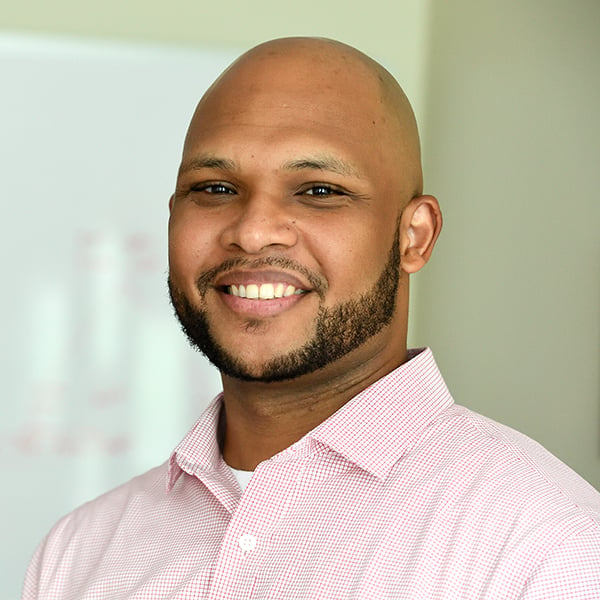
Jude M. Phillip, PhD, is an Assistant Professor in the Departments of Biomedical Engineering and Chemical and Biomolecular Engineering at Johns Hopkins University. His research integrates engineering principles with aging and cancer biology to develop cell-based biomarkers and mechanistic insights into age-related diseases. He leads the Phillip tiME Lab, which focuses on aging dynamics, tumor microenvironment interactions, and translational technologies. Education : PhD, Chemical and Biomolecular Engineering, Johns Hopkins University, 2015 Postdoctoral Research, Melnick/Cerchietti Labs, Weill Cornell Medicine, 2016-2020 B.Eng, Chemical Engineering, City College of New York, 2010 Research Interests : Dr. Phillip’s work spans aging mechanisms, cancer biology, and mechanobiology. Key areas include: Cell-based biomarkers for aging and disease Scale-dependent aging pathways Lymphoma tumor-immune microenvironment (tiME) Single-cell profiling of senescence subtypes ECM mechanoregulation of stem cell fate His lab employs longitudinal cell profiling, data science, and clinical measures to bridge biological aging research with translational medicine. Recent Highlights : 2025: NIH R35 MIRA Award for lymphoma microenvironment research 2024: Johns Hopkins Catalyst Award for aging biomarker studies 2023: AFAR-Glenn Foundation Award for senescence subtype classification Lab & Collaborations : The Phillip Lab collaborates with the Institute for NanoBioTechnology and maintains a living patient-derived tumor biorepository for lymphoma studies. Current projects include ovarian aging organoid models and immune-mechanical interactions in cancer progression.
Dr. Kara Miller is an Assistant Professor of Applied Anthropology in the Department of Anthropology at California State University - Long Beach (CSULB). Her work focuses on medical anthropology, body politics, and eco-social well-being, employing holistic approaches to address health equity through ethnography and empowerment-based methodologies. Education: PhD in Anthropology, University of California, Riverside (2017) MA in Anthropology, Louisiana State University (2010) BA in Anthropology & Applied Visual Arts, North Carolina State University (2006) Research Interests: Dr. Miller investigates embodied ecologies, toxic industrial practices, and health sovereignty. Her projects include studies on reproductive health policies in East Africa, mental health systems in New Orleans, migrant healthcare access in California, and a NIH-funded study on integrative medicine in Uganda. She emphasizes feminist epistemologies, health humanities, and critical social theory to explore how bodies interact with lifeworlds and environmental conditions. Teaching: She teaches courses such as Practicing Anthropology, Applied Anthropology, Ethnographic Methods, and Health and Healing. Past courses include Biological Approaches to Medical Anthropology and Embodied Futures. Current Projects: Dr. Miller’s ongoing work examines local environmental entanglements and community-based conservation strategies, linking embodiment to ecological health and justice.
Maria Camila Ceballos Betancourt is an Assistant Professor (Teaching & Research) in Beef Cattle Welfare at the Faculty of Veterinary Medicine , University of Calgary . She holds a Ph.D. and M.Sc. in Animal Welfare and Behaviour from São Paulo State University (UNESP) , Brazil, and a B.Sc. in Animal Science from National University of Colombia . Her research focuses on animal welfare , human-animal interactions , and cattle temperament , with an emphasis on livestock handling practices and sustainable production systems . Education: B.Sc. in Animal Science, National University of Colombia (2010) M.Sc. in Animal Welfare and Behaviour, UNESP (2014) Ph.D. in Animal Welfare and Behaviour, UNESP (2017) She teaches VETM322: Animal Welfare and Behaviour annually since 2020. Her research integrates animal behavior , physiological and reproductive performance measures , and applied handling interventions . Recent publications address grimace scales for pain assessment , human-animal dynamics in livestock systems , and technological innovations for piglet monitoring , reflecting her interdisciplinary approach between agricultural science , veterinary medicine , and behavioral neuroscience . Her work spans continents, including internships at the Animal Welfare Science Centre (University of Melbourne, Australia) and postdoctoral research at the University of Pennsylvania (USA). While no formal awards are listed, her research has been highlighted in media outlets like Canadian Cattlemen’s The Beef Magazine and CBC Calgary .
Dr Marcin Smietana is a Research Fellow at the University of Cambridge , affiliated with the Department of Sociology and the Reproductive Sociology Research Group (ReproSoc) . His work focuses on LGBTQ+ family formation , transnational surrogacy , and reproductive justice , funded by grants including a Marie Curie Fellowship and Wellcome Trust support. He teaches courses on Sociology of Gender , Health and Illness , and MPhil in Health, Medicine & Society . PhD in Sociology (University of Barcelona/AFIN) Postdoctoral work at UC Berkeley and Cambridge His research explores queer resistance to authoritarianism , racial dynamics in ART (assisted reproductive technologies), and reproductive decision-making among gay men. He co-edited the landmark volume Making Families: Transnational Surrogacy, Queer Kinship and Reproductive Justice (2018), which bridges reproductive anthropology with queer theory . Current projects examine queer ecologies and critical animal studies . Key contributions include: Identifying repro-regional moral frameworks in cross-cultural surrogacy studies (USA, India, Russia) Documenting the intersections of race and queer reproduction in international surrogacy markets Deconstructing emotional economies in U.S. commercial surrogacy He supervises dissertations on transnational surrogacy , queer kinship , and species relationships in reproduction , with publications spanning Reproductive BioMedicine & Society Online , Sociological Research Online , and edited volumes. His upcoming book examines gay men’s reproductive decision-making in transnational contexts.
Alexander Nikitin is a Professor of Pathology at Cornell University's College of Veterinary Medicine, Department of Biomedical Sciences. His research focuses on molecular mechanisms linking tissue homeostasis to cancer development using autochthonous mouse models. Key Affiliation: Cornell University, Ithaca, NY Research Niche: Cancer-prone stem cell niches in female reproductive tract and prostate Research Interests Dr. Nikitin investigates how aberrations in p53/miR-34/MET and Rb networks drive malignant transformation of adult stem cells. His work includes: Identification of ovarian surface epithelium stem cell niche Technology-oriented cross-disciplinary collaborations Characterization of cancer initiation mechanisms in reproductive tissues Article Trends His publications span 2003–2025, emphasizing: Mouse models for epithelial cancers Role of tumor suppressor genes (p53, Rb) in cancer miR-34 family's tumor suppression functions Stem cell niche mapping in reproductive tract cancers Genetic drivers of high-grade serous carcinomas Translational research applications Lab Members Current lab personnel include: Andrea Flesken-Nikitin (Assistant Research Professor) Christopher Ashe (Research Support Specialist) Technicians and student researchers
Dr. Bethany White is a Clinical Senior Lecturer at the Central Clinical School, University of Sydney. Her expertise lies in public health research, particularly in drug and alcohol use, hepatitis C epidemiology, and health services evaluation. She has led numerous clinical and community-based studies focusing on marginalized populations, including people who inject drugs and imprisoned women. Her work integrates harm reduction policies, healthcare access improvements, and substance use disorder treatments in custodial and community settings. Research Focus: Dr. White's research emphasizes epidemiological methods to address health inequalities, with a focus on opioid use disorders, hepatitis C prevention, and women's substance use. She has pioneered studies on depot buprenorphine treatment efficacy in prisons and developed models of care for substance-using mothers. Her work bridges clinical practice and policy, aiming to improve healthcare accessibility in high-risk groups. Key Themes: Health inequalities, harm reduction, custodial healthcare Recent Projects: Costing models for depot buprenorphine, contraception integration in opioid treatment centers Grants & Collaborations: Principal investigator on a 2025 NHMRC-funded grant exploring clinical evidence translation for substance use disorder outcomes. Collaborates with institutions like Edith Collins Centre and NSW Health. Labs/Teams: Affiliated with the Edith Collins Centre, focusing on addiction medicine and health service innovation.
Dr. Emily Lee serves as an Assistant Professor at Yale School of Medicine in the Department of Obstetrics, Gynecology & Reproductive Sciences, with a clinical focus in Maternal-Fetal Medicine. She completed her Maternal-Fetal Medicine fellowship at Yale in 2023 following her Obstetrics & Gynecology residency at UCLA. Dr. Lee earned her MD from the University of Michigan and completed her undergraduate studies at Yale University with a BA in Economics and Religious Studies. Dr. Lee's research primarily focuses on advancing fetal monitoring techniques, particularly in the areas of obstetric ultrasound and non-invasive fetal electroencephalography. Her work explores innovative approaches to prenatal diagnosis, fetal development assessment, and improving clinical outcomes in complex pregnancies including twin gestations. She has developed simulation-based educational programs for obstetric ultrasound training that enhance clinical skills for medical learners. Her recent publications demonstrate a strong emphasis on improving diagnostic accuracy in fetal cardiac assessment, understanding the implications of maternal obesity on prenatal procedures, and developing novel methods for non-invasive fetal neurological monitoring. Dr. Lee's research bridges clinical practice with technological innovation in maternal-fetal medicine. Among her notable recognitions are the prestigious 2024 Blavatnik Award and the Yale Innovation Summit Blavatnik Accelerator Award in 2023, highlighting her contributions to medical innovation. She has also received the Best Maternal-Fetal Medicine Oral Presentation award from the New England Perinatal Society in 2023, along with earlier recognition for her research at UCLA and international conferences. Dr. Lee actively contributes to medical education through her Point-of-Care Ultrasound Simulation Curriculum and regularly presents on topics including substance use in pregnancy, marijuana usage effects, and advanced fetal monitoring techniques. Her work with the Reproductive Sciences department at Yale focuses on translating research into clinical practice to improve maternal and fetal outcomes.
Malin Broberg is a Professor in Psychology and the current Vice-Chancellor (since 2023) and President of the University of Gothenburg. She was previously Dean of the Faculty of Social Sciences at the same institution. Educated at Umeå University, she is a licensed psychologist with a clinical background in child and youth habilitation. Her research focuses on: Welfare systems for families with disabled children Stress coping mechanisms Neurodevelopmental impacts of brain damage in children Augmentative and Alternative Communication (AAC) Parental well-being and resilience Recent publications (2024-2023) highlight her work in neuropsychology, health-promoting learning environments, and AAC interventions for children with profound disabilities. She has collaborated with researchers in Sweden and the USA, and her work appears in journals like Child Neuropsychology and Disability and Rehabilitation-Assistive Technology . Malin Broberg has supervised doctoral and Master’s theses in developmental psychology and disability research. She has also served as General Secretary of the International Association for the Scientific Study of Intellectual and Developmental Disabilities (IASSIDD).