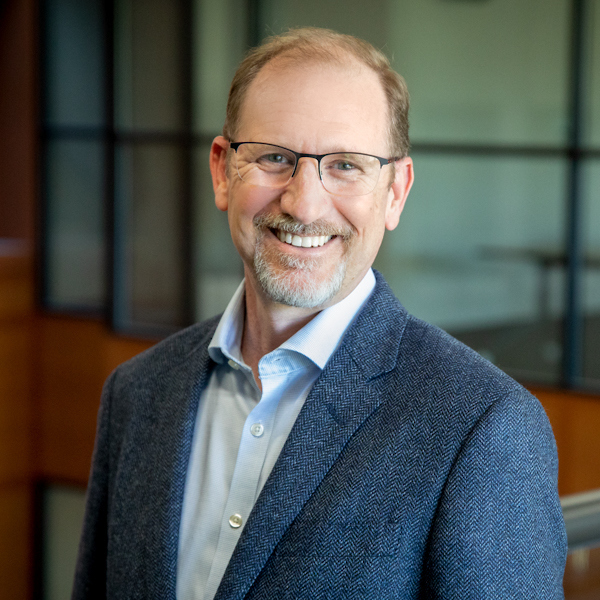
David Williamson Shaffer is the Sears Bascom Professor of Learning Analytics and Vilas Distinguished Achievement Professor of Learning Sciences at the University of Wisconsin-Madison's Department of Educational Psychology. He is also a Data Philosopher at the Wisconsin Center for Education Research. His work focuses on merging statistical and qualitative methods to model complex human collaboration. Shaffer holds an AB in History and East Asian Studies from Harvard University (1987), and MS/PhD in Media Arts and Sciences from MIT (1996/1998). Before academia, he was a teacher, curriculum developer, and game designer. His research emphasizes Quantitative Ethnography —a methodology combining big data analysis with cultural interpretation. Key contributions include Epistemic Network Analysis (ENA) and over 250 publications, including influential books like How Computer Games Help Children Learn (2006) and Quantitative Ethnography (2017). Awardees of the EU Marie Curie Fellowship (2008) and Spencer Foundation Fellowship (2003), Shaffer's work has been presented globally at conferences like Learning Analytics & Knowledge and Computer Supported Collaborative Learning. His interdisciplinary approach bridges education, data science, and humanities, addressing challenges in authentic STEM experiences, collaborative learning analytics, and culturally responsive pedagogy.
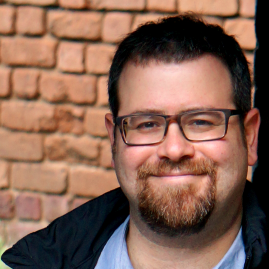
Eytan Adar is a Professor of Information and Computer Science at the University of Michigan, holding dual appointments in the School of Information and the College of Engineering's Electrical Engineering and Computer Science department. His work sits at the intersection of human-computer interaction and artificial intelligence, focusing on large-scale systems analysis and novel interface design. Adar's research spans multiple domains including social media analysis (Twitter, Reddit), academic citation networks, meme propagation, information extraction, and political networks. His methodological expertise includes data mining, data visualization, and graph-based network analysis. His work often operates at internet scale, examining language, creativity, social network dynamics, and text production. His recent publications reveal a strong focus on AI-human collaboration, with particular attention to generative AI interfaces, visualization techniques for complex data, and ethical considerations in AI systems. His work shows a consistent pattern of bridging theoretical insights with practical system implementations. Best Paper Award at ProtoAI: Model-Informed Prototyping for AI-Powered Interfaces, IUI'21 Honorable Mention Award at CHI'24 for feminist interaction techniques research Best Paper Award at ICWSM'18 for Wikipedia language edition analysis Best Paper Award at ICML 2016 Workshop for neural language model visualization Best Student Paper at WSDM'09 for web dynamics research Best of CHI at CHI 2008 for web revisitation patterns analysis Adar has advised numerous PhD students who have gone on to prominent positions at organizations including Google, Apple, RAND, Northwestern University, and Stanford. His research is generously supported by the NSF, IARPA, NIH, the Education Department, and major technology companies including Adobe, Microsoft, Facebook, Google, and Yahoo. He is also a founder of the International Conference on Web and Social Media (ICWSM) and has served as Co-General Chair for WSDM and Co-Program Chair for UIST.
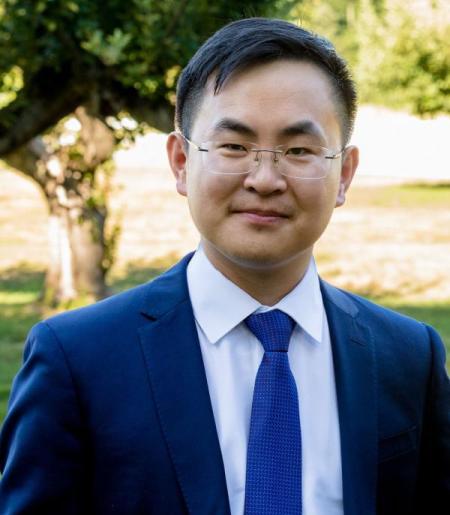
Christoph Keplinger serves as Managing Director of the Max Planck Institute for Intelligent Systems (MPI-IS) in Stuttgart, Germany, leading the Robotic Materials Department since 2020 and assuming overall institute leadership in 2023. He holds dual academic appointments as Honorary Professor at the University of Stuttgart and Eminent Visiting Professor of Soft Robotics at the University of Colorado Boulder, establishing him as a pivotal figure in bridging fundamental materials science with advanced robotics. His interdisciplinary approach integrates physics, chemistry, and engineering to pioneer breakthroughs in soft robotic systems. Keplinger's academic foundation includes a PhD in Soft Matter Physics from Johannes Kepler University Linz, Austria, followed by postdoctoral research at Harvard University focusing on mechanics and chemistry of soft materials. This unique background enabled his transition into robotics innovation, particularly in electrohydraulic actuation systems. His research program centers on three synergistic pillars: (I) soft robotics development through novel actuator technologies like HASEL artificial muscles; (II) energy capture mechanisms using soft materials; and (III) functional polymers engineered for robotic applications. This work produces transformative hardware that mimics biological functionality, with significant implications for human-robot interaction, medical devices, and sustainable robotics systems. His group employs cutting-edge materials synthesis and characterization techniques to create lifelike robotic components. Analysis of recent publications reveals dominant trends in wearable haptic interfaces, electrohydraulic actuation systems, and tremor-suppression technologies. The research consistently leverages HASEL (Hydraulically Amplified Self-healing Electrostatic) technology to achieve muscle-like performance in soft actuators, with applications spanning from fingertip haptic feedback to underwater manipulation systems. This trajectory demonstrates a clear progression from fundamental material properties toward practical implementations in medical rehabilitation and human augmentation. His exceptional contributions have earned prestigious recognition: 2017 Packard Fellowship for Science and Engineering, awarded for high-impact interdisciplinary research 2021 Alexander von Humboldt Professorship (declined to remain at MPI-IS), Germany's most valuable international research award 2013 EAPromising European Researcher Award from the European Scientific Network for Artificial Muscles As principal investigator, Keplinger leads a dynamic interdisciplinary research group while securing competitive funding for frontier projects. His entrepreneurial vision materialized in 2018 through co-founding Artimus Robotics, where he serves as Chief Science Officer to commercialize HASEL technology. This dual commitment to academic research and industry translation exemplifies his dedication to real-world impact, particularly in creating biodegradable and sustainable soft robotic solutions. The Robotic Materials Department operates state-of-the-art facilities for materials fabrication, robotic integration, and haptic interface development. The team maintains strong collaborations across MPI-IS departments and external institutions including the University of Colorado Boulder, fostering innovation in sustainable robotics through initiatives like biodegradable electrohydraulic actuators. Current projects focus on wearable tremor suppression systems, electrohydraulic locomotion platforms, and energy-autonomous soft robots that address critical challenges in medical rehabilitation and human augmentation.
Lara Ferry is the Vice President of Research at Arizona State University (ASU), holding the title of President’s Professor. She is affiliated with the New College of Interdisciplinary Arts and Sciences, specifically the School of Mathematical and Natural Sciences, and serves as graduate faculty in the School of Life Sciences. Her roles include advancing research strategies, fostering interdisciplinary collaborations, and enhancing partnerships with institutions, communities, donors, and industry. Ferry is also a PLuS Alliance Fellow, a Senior Global Futures Scientist at the Global Institute of Sustainability and Innovation, and affiliated with the Biodesign Institute and Global Security Initiative. She holds honors faculty status in ASU’s Barrett Honors College. Her academic background includes a B.S. in Biology from Cal Poly State University, M.S. in Marine Science from San Francisco State University, Ph.D. in Ecology and Evolutionary Biology from UC Irvine, and postdoctoral work at UC Davis. Her research focuses on functional morphology, particularly the evolution of jaws and skeletal materials in aquatic organisms. She has contributed to understanding prey capture mechanisms in fish and the biomechanics of cartilage in elasmobranchs. Ferry’s awards include the 2016 Outstanding Faculty Mentor Award, 2014 Outstanding Research/Creative Activity Award, and the 2018 President’s Professor title. She has led initiatives in equity, diversity, and inclusion (JEDI) and served on boards of professional societies like the American Elasmobranch Society and Society for Integrative and Comparative Biology. Her editorial roles include Senior Executive Editor of Functional Ecology and editorial board memberships in journals like Integrative & Comparative Biology . Her research activity spans functional morphology, biomechanics, and marine physiology, with grants focused on interdisciplinary education and diversity in STEM. Notable projects include studies on cartilage strength in sharks and collaborations on cultural change in professional societies.
Yao Yang is an Assistant Professor in the Department of Chemistry and Chemical Biology at Cornell University's College of Arts and Sciences. His research focuses on developing multimodal operando electron microscopy and synchrotron X-ray methods to probe electrochemical dynamics at solid-liquid interfaces for energy materials. PhD, Cornell University (2021) Miller Postdoctoral Fellow, UC Berkeley (2021-2024) Research interests span fundamental electrochemistry and energy material interfaces, particularly CO2 reduction, clean H2 production, and rechargeable batteries. The Yang group specializes in operando electrochemical liquid-cell scanning transmission electron microscopy (EC-STEM) and correlative synchrotron X-ray methods at Cornell Center for Materials Research (CCMR) and Cornell High Energy Synchrotron Source (CHESS). Recent publications highlight atomic-scale imaging of catalyst dynamics, Tafel slope analysis, and epitaxial growth techniques for enhanced electrocatalysts. Articles demonstrate interdisciplinary approaches combining electrochemistry, nanoscience, and advanced characterization. Scientific Awards: 2025 ACS Materials and Interfaces Outstanding Presentations by Young Investigators Award 2024 Journal of Materials Research Distinguished Invited Speaker Miller Postdoctoral Fellowship (2021-2024) 2023 Best Early Career Presentation at MRS Spring 2022 ACS AC/DC Rising Stars in Analytical Chemistry Contact: yaoyang@cornell.edu
John Gallagher is Associate Professor in English and Information Sciences at UIUC. His research examines how writers adapt to participatory audiences in digital environments, including social media interactions and AI writing tools. Using case studies and computational methods, he explores algorithmic audiences, ethical implications of AI, and technical communication in institutional contexts. He teaches courses in professional writing, digital rhetoric, and research methodologies. Recent projects analyze content creators' narratives about platform algorithms, inclusive emoji design, and academic integrity challenges posed by generative AI.
David Allcock is an Assistant Professor in the Department of Physics at the University of Oregon, part of the College of Arts and Sciences. His research focuses on ion trapping, quantum computing, and hybrid quantum systems, with an emphasis on manipulating atomic and molecular systems using electric and magnetic fields for quantum information applications. He leads the Ion Trapping Lab at UO, where he develops scalable quantum technologies and open-source control systems like ARTIQ and Sinara. His work bridges experimental physics with engineering, addressing challenges in qubit control, error mitigation, and large-scale quantum computer design. Education: MPhys from the University of Oxford (2007), D.Phil. in Physics from Oxford (2012). Prior to UO, he was a Lindemann Fellow at the National Institute of Standards and Technology (NIST) in Boulder, CO. His research includes innovations in trapped-ion qubit control, including laser-free entangling gates, scalable architectures, and applications in quantum sensing and dark matter detection. Key research themes include metastable qubit systems, photon scattering error mitigation, and the integration of superconducting detectors for state readout. He collaborates on open-source hardware-software stacks for quantum experiments and mentors students in quantum engineering through programs like the Quantum Technology Master’s Internship. Current projects explore hybrid quantum-classical interfaces and ultra-stable ion trap fabrication. His lab’s contributions span theoretical and experimental domains, with recent advances in geometric phase gates, microwave-driven control, and error-resilient qubit operations. The group also engages in interdisciplinary work linking quantum computing with precision measurement, such as SPUD (SPectroscopy for Ultralight Dark matter) and bosonic sensing tools.
Paulo Blikstein serves as Associate Professor of Communications, Media and Learning Technology Design at Columbia University. Previously, he was Assistant Professor of Education and (by courtesy) Computer Science at Stanford University and co-founded the Lemann Center for Brazilian Education (2008-2018). Education: Ph.D. in Learning Sciences, Northwestern University (2009) M.A. in Media Arts & Sciences, MIT Media Lab (2002) M.Eng. in Electronic Engineering, University of São Paulo (2000) B.S. in Metallurgical Engineering, University of São Paulo (1998) His research pioneers constructionist learning environments through digital fabrication, educational robotics, and tangible interfaces—focusing on equitable access for underserved communities. Inspired by Paulo Freire and Seymour Papert, he develops open-source tools like the GoGo Board robotics platform and leads the global FabLab@School initiative establishing fabrication labs in schools across four continents. Current work emphasizes multimodal learning analytics to study student interactions in maker-centered classrooms. Publications reveal strong focus on democratizing invention through maker education, with recurring themes in constructionist theory application, multimodal assessment, and context-specific technology adaptation. Brazilian education reform and low-cost computational solutions form significant threads, particularly in 2016-2017 publications. Scientific Awards: Two Google Faculty Awards National Science Foundation Early Career Award (highest U.S. government honor for early-career scientists) Blikstein directs the Transformative Learning Technologies Lab (TLTL) and co-founded Stanford's Center for Educational Entrepreneurship and Innovation in Brazil. His FabLearn conference established the first academic forum on Maker Movement applications in education. While specific grant details aren't listed, the NSF CAREER Award signifies major federal research funding. He spearheads the FabLab@School project deploying advanced fabrication labs in K-12 institutions worldwide and founded the FabLearn conference series. His work integrates teams of engineers, educators, and designers to create scalable solutions for resource-constrained learning environments.
Edgar Troudt, Ph.D., is the Assistant Dean for Research and Strategic Partnerships at Long Island University Brooklyn, where he serves on the entrepreneurship faculty. His work focuses on integrating entrepreneurship concepts into STEM fields through programs like the CUNY Community College Innovation Challenge and the Brooklyn Science Innovation Initiative. Doctor of Philosophy (Computer Science), CUNY Graduate Center Master of Philosophy (Computer Science), CUNY Graduate Center Master of Arts (Computer Information Systems), CUNY Brooklyn College Dr. Troudt’s research explores the intersection of STEM and entrepreneurship education, emphasizing virtual enterprise models, innovation in community colleges, and technology-driven curriculum development. His recent publications highlight strategies for embedding business skills into technical education. Scientific awards include the 2015 Homer Saunder’s Outstanding Paper Award, the 2011 CUNY Michael Ribaudo Award for technology innovation, and the 2008 Best of New York Award for creative technology applications. He has also received recognition for teaching excellence and NSF grant leadership.
Dr. Farha Sattar is a Lecturer in Education (Mathematics) at the Faculty of Arts and Society, Charles Darwin University. With over thirty years of teaching experience in Mathematics, Science education, GIS, Remote Sensing, and e-Learning technologies at undergraduate and postgraduate levels, Dr. Sattar brings extensive expertise to her academic role. She holds a PhD in Geospatial Science from Charles Darwin University, focusing on Spatial Mathematical Modelling for 3D Gully Mapping and Erosion Quantification. Her educational background includes: PhD in Geospatial Science (Three Dimensional Gully Mapping and Erosion Quantification within a Geoinformatics Framework), Charles Darwin University (2012) Prior academic experience at several Asian and European universities Dr. Sattar's research spans multiple interdisciplinary fields with a strong focus on the intersection of education and technology. Her primary research interests include Mathematics Education, STEM Education, Geoscience Education, Spatial Mathematical Modelling, Drone Technology, Remote Sensing, Geographic Information Systems, and Innovative Pedagogies such as experiential learning and inquiry-based approaches. She has developed expertise in cognitive development, particularly in fostering critical and creative thinking skills through iSTEM approaches. An analysis of Dr. Sattar's recent publications reveals a consistent trajectory toward integrating emerging technologies like drones, augmented reality, and geospatial artificial intelligence into educational contexts. Her work demonstrates a progression from foundational geospatial research on erosion mapping to innovative applications in STEM education. Recent publications increasingly focus on drone technology for educational purposes, spatial data infrastructure for policy development, and computational thinking development through technology-enhanced learning. Dr. Sattar has received numerous accolades for her contributions to education and research: NT Science Week Awards – Inspired NT STEM Hero of the Year award (2021) Long Service Recognition Award (2023) Finalist, CDU Alumni Award (2023) Multiple Best Presentation Awards (2008, 2010, 2017) Australian College of Educators - 2021 College Medal Nominee As a supervisor, Dr. Sattar mentors postgraduate research students including Ayesha Farhan, who is working on "A Framework for Cognitive Development: Fostering Critical and Creative Thinking Skills, Using iSTEM Approach." She actively secures research funding through various projects such as "DBELaSTEM: Drone-Based Experiential Learning and STEM Education," "STEM_D & VR: Youth STEM Learning and Empowerment with Drones and VR," and "CodProg Drone Lab." Her research is supported by grants from NT Government projects and other external funding sources. Dr. Sattar leads the CodProg Drone Lab, an innovative research space exploring drone technology applications in education. She is a certified drone pilot and aeronautical radio operator, which enables her to bridge theoretical knowledge with practical applications. Her work with the "Flying Forward: Drones, STEM Equity, and Indigenous Empowerment" initiative demonstrates her commitment to community engagement and addressing educational disparities through technology.
Laura Anderson is an Associate Professor in the Department of Mathematics at Binghamton University. She holds a Ph.D. from MIT (1994) and has been affiliated with Binghamton since 2001. Her research focuses on Combinatorics and Topology, with a specialization in matroid theory, hyperplane transversals, and topological combinatorics. She teaches advanced courses such as Introduction to Combinatorics (Math 511) and Discrete Mathematics (Math 314). Her academic contributions include groundbreaking work on oriented matroids, combinatorial Grassmannians, and hyperfield applications. Anderson has advised multiple Ph.D. students, including Olakunle Abawonse, Ulysses Alvarez, and Leandro Junes, whose theses explore topics like matroid extensions and tropical phased matroids. She actively participates in academic conferences, co-organizing the Binghamton University Graduate Conference in Algebra and Topology (BUGCAT). Anderson’s research integrates algebraic topology with discrete mathematics, addressing geometric realizations, hyperfield structures, and topological invariants. Her pedagogical innovations include experimenting with flipped classroom methods in calculus education. She maintains an active presence in academic service, contributing to journal reviews and editorial work in combinatorial geometry.
Professor Kay O'Halloran serves as Chair Professor and Head of Department of Communication and Media within the School of the Arts at the University of Liverpool since August 2019. She concurrently holds the position of Co-Director for the Digital Media and Society Institute (DMSI), demonstrating significant leadership across academic and research domains. Her career spans prestigious institutions including Curtin University (2013-2019) and National University of Singapore (1998-2013), where she directed the Multimodal Analysis Lab and served as Deputy Director of the Interactive & Digital Media Institute. PhD from Murdoch University (1996) Postdoctoral position at Martin Luther University (1997-1998) Visiting Distinguished Professor at Shanghai Jiaotong University (2017-2020) Professor O'Halloran's research focuses on multimodal discourse analysis, particularly the interaction of language with visual and mathematical resources. Her pioneering work in systemic functional multimodal discourse analysis (SF-MDA) has significantly impacted mathematics education and digital communication studies. Current research emphasizes digital tools for multimodal analysis and mixed methods approaches to big data analytics, addressing contemporary challenges in misinformation and public health communication. Her recent publications reveal strong thematic concentration in pandemic-related communication analysis, misinformation resistance mechanisms, and multimodal argumentation across social and cultural contexts. The 15 most recent articles demonstrate consistent application of multimodal frameworks to urgent societal issues including public health crises, political discourse, and digital literacy challenges. Founding editor of Routledge Studies in Multimodality book series (57+ volumes) Over 150 publications in leading international journals 50+ plenary/keynote presentations globally Competitive funding from National Research Foundation, MOE Singapore, US Air Force, ARC, NHMRC, and others Professor O'Halloran has directed interdisciplinary research teams comprising social scientists, computer scientists, and designers. Her leadership extends to developing commercial multimodal analysis software (Multimodal Analysis Image and Video) adopted internationally. Current projects include Eurovision 2023 wellbeing evaluation and COVID-19 misinformation immunity development, demonstrating continued relevance to contemporary societal challenges.
Christoph F. Schmidt is the Hertha Sponer Distinguished Professor of Physics at Duke University with cross-appointments in the Thomas Lord Department of Mechanical Engineering and Materials Science, Biology, and Biomedical Engineering. He serves as Co-Director of the Duke Materials Initiative and leads an active research program at the intersection of physics and biology. His educational background includes a D.R. from the Technical University of Munich (Germany) in 1988. Schmidt has established himself as a leading researcher in biophysics through decades of innovative work. Professor Schmidt's research spans multiple scales of biological organization, from single molecules to whole organisms. His lab investigates cellular mechanics using advanced techniques including optical trapping, atomic force microscopy, and microrheology. A significant innovation from his group involves single-walled carbon nanotubes for high-bandwidth intracellular tracking. Current research focuses on cardiomyocyte mechanics, Drosophila tissue dynamics, and computational analysis of complex biological systems. His work on motor proteins like Eg5 and ncd has provided fundamental insights into cellular division mechanics. His recent publications (2021-2025) demonstrate increasing integration of computational approaches with experimental biophysics, particularly in analyzing cardiac tissue mechanics and Drosophila sensory systems. The work shows progression from fundamental biophysical measurements toward applications in understanding disease mechanisms and biological function. Professor Schmidt teaches several courses including PHYSICS 995 (Graduate Training Internship), PHYSICS 493 (Research Independent Study), PHYSICS 415 (Biophysics II), PHYSICS 174 (Introduction to Frontiers of Biophysics), and BIOLOGY 425 (Biophysics II). He has successfully mentored numerous graduate students to completion, including recent PhD graduates Dr. Mingru Li and Dr. Xiaoxuan Jian. The Schmidt Lab, part of Duke's Physics Department and the Duke Soft Matter Center, maintains state-of-the-art equipment for optical trapping, atomic force microscopy, and advanced light microscopy. The lab participates in the Triangle Soft Matter Workshop, fostering collaborations with researchers from Duke, UNC Chapel Hill, and NC State University. Current research directions include mechanical responses of suspended cells, tracking non-equilibrium cellular fluctuations, nuclear mechanics, and bacterial membrane mechanics under turgor pressure.
ONG Soh Khim is a Professor in the Department of Mechanical Engineering at the National University of Singapore (NUS) and a member of the NUS Graduate School. She is a Fellow of CIRP (International Academy for Production Engineering), the first Asian and fourth female Fellow globally. Her research focuses on augmented reality (AR) and digital twins in manufacturing, with applications in assistive technology and sustainable design. She has authored/co-edited 6 books, over 300 journal/conference papers, and holds an H-index of 66 (Google Scholar) and 52 (Scopus). She has held leadership roles, including serving as a Nominated Member of the Singapore Parliament (2005–2006) and on multiple NUS governance boards. Her honors include the Singapore Youth Award (2004), M. Eugene Merchant Award (2004), and the 2021 Long Service Medal. She advocates for gender diversity in STEM, leading initiatives like the Girls2Pioneers program. Her current roles include Senior Principal Investigator at NUS Research Institutes in Suzhou and Guangzhou, and Visiting Professorships at Chinese universities.
Dr. Heidi Ashton is an Associate Professor in Cultural and Creative Ecologies at the University of Warwick's Centre for Cultural and Media Policy Studies (CCMPS). She holds a concurrent role as a global research fellow at the Creative Industries Policy and Evidence Centre (PEC). Her work bridges academic research with practical insights from over 25 years of experience as a freelance dancer, choreographer, and producer across global creative sectors. Key affiliations include Director of Education for SCAPVC and external PhD evaluator at Bahria University, Pakistan. Research interests focus on freelance workers' rights within creative industries, social security access, and policy impacts on arts education and cultural participation. Notable projects include collaborations with Equity Union on social security challenges and with Prof. Prue Huddleston on arts education policy. Her work has influenced UK policy debates, including House of Lords citations and Guardian features. Teaching responsibilities span undergraduate and postgraduate levels, including modules on creative industry workplaces and policy analysis. Current PhD supervision explores cultural policy-labour dynamics and digital platforms' role in creative work. Recent projects include the 'Urban Village' community arts initiative in Coventry and pandemic impact studies on cultural sectors. Publications address freelance worker vulnerabilities, comparative cultural policies (e.g., UK vs USA), and educational apartheid critiques. Her 2024 co-authored 'State of the Arts' report provides a UK-wide cultural sector health check, presented to DCMS officials and arts leaders.