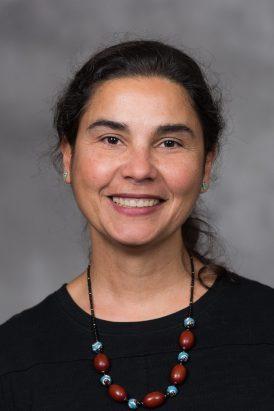
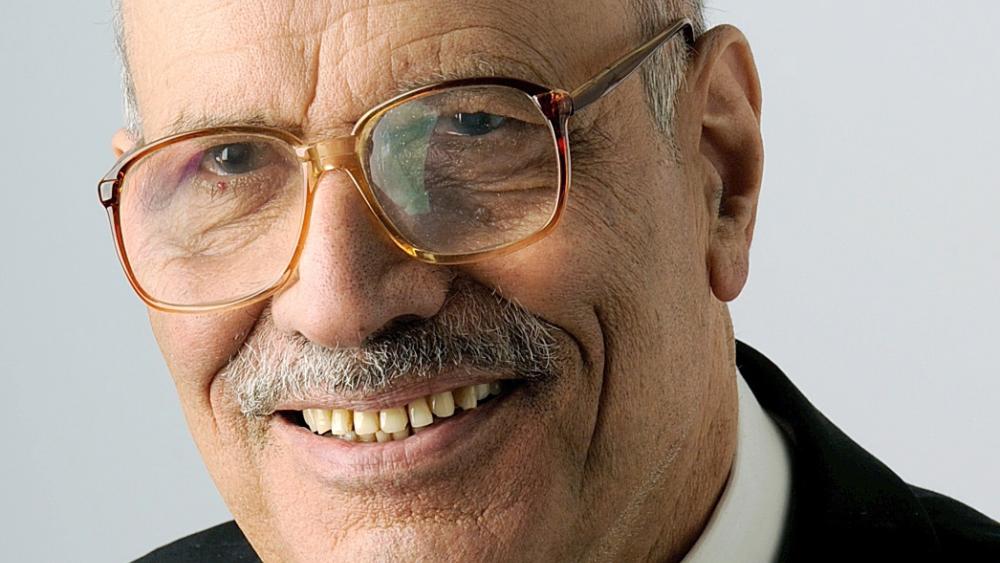
Marlyse Baptista is the President's Distinguished Professor of Linguistics at the University of Pennsylvania, Department of Linguistics. She is affiliated with the School of Arts & Sciences and MindCore initiative. Her research focuses on language contact, creolization processes, bilingualism, and experimental methods in creole studies. Baptista leads the Language Contact and Cognition Lab, previously known as the Cognition, Convergence and Language Emergence (CCLE) group at the University of Michigan. Education includes a PhD in Linguistics (Harvard, 1997), MA degrees from Harvard and the Université de Bordeaux III, and extensive training in multilingual education. Her work bridges generative syntax with experimental approaches, including artificial language learning to study language convergence. Key themes include the cognitive underpinnings of creole formation, bidirectional influences in Cape Verdean Creole, and the role of congruence in language acquisition. Research highlights include studies on Cape Verdean Creole's grammatical properties, genetic-linguistic admixture correlations, and pedagogical resources for creole language education. Recent projects explore experimental validation of creole genesis theories through multilingual acquisition studies. Scientific Awards: President's Distinguished Professorship (University of Pennsylvania) Labs/Teams: Language Contact and Cognition Lab, MindCore Grants/Projects: MULTI Project (creole language educational resources), NSF-funded studies on creole genesis mechanisms Baptista's work emphasizes interdisciplinary approaches, integrating syntax theory, psycholinguistics, and sociolinguistics to address foundational questions in contact linguistics and creolistics.
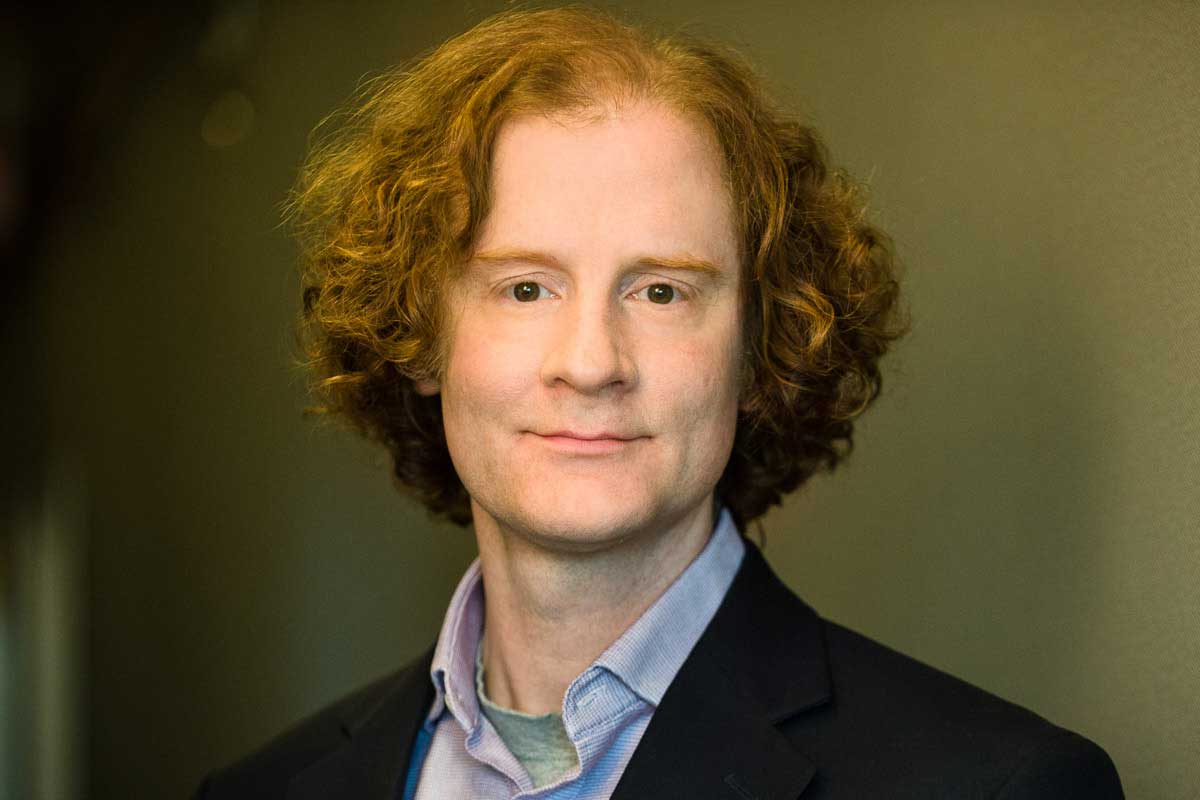
David A. Smith is an Associate Professor at the Khoury College of Computer Sciences, Northeastern University. His research focuses on Natural Language Processing (NLP) and computational linguistics, with applications in machine translation, information retrieval, digital humanities, and social sciences. He is a founding member of the NULab for Texts, Maps, and Networks, a research center focused on digital humanities and computational social sciences. Smith's work has been funded by grants from the Mellon Foundation, NEH, and IMLS, supporting projects such as the Viral Texts initiative analyzing 19th-century newspaper networks and the Oceanic Exchanges project tracking transnational information flows. He has contributed to advancements in OCR for historical texts, text reuse detection, and computational analysis of classical languages. He has advised numerous PhD students, including Shijia Liu, Si Wu, and Ryan Muther, and teaches courses like Natural Language Processing and Information Retrieval. His research has been featured in outlets like Wired and the Economist .
Sara Stymne is a Senior Lecturer in Computational Linguistics at the Department of Linguistics and Philology, Uppsala University, where she has been working since 2012. She initially joined as a post-doc (2012-2015), then worked as a researcher (2015-2017), and served as an assistant professor (2017-2023) before her current position as Senior Lecturer. Prior to Uppsala, she was a researcher at Linköping University's Department of Computer and Information Science. Dr. Stymne earned her PhD in Computational Linguistics from Linköping University in 2012 with the thesis 'Text Harmonization Strategies for Phrase-Based Statistical Machine Translation,' following a Licentiate degree in Computational Linguistics (2009) and a Master's degree in Cognitive Science (2006), both also from Linköping University. During her doctoral studies, she spent the autumn of 2010 and spring of 2009 at Xerox Research Centre Europe in Grenoble, France. Her primary research interests focus on cross-lingual natural language processing and digital humanities, with particular emphasis on multilingual dependency parsing. Dr. Stymne is passionate about applying computational linguistics to solve research questions in other fields, including language history, literary analysis, and political science. Her earlier work concentrated on machine translation, with specific interests in discourse-aware translation, compound processing, and error analysis. She has made significant contributions to the development of language technology tools for analyzing dialogue, narrative, and stylistic features in literature. Analysis of Dr. Stymne's recent publications reveals a strong focus on cross-lingual and cross-domain natural language processing. Her work spans multiple subfields including dependency parsing across genres and topics, discourse relation analysis in low-resource languages like Egyptian Arabic, direct speech identification in Swedish literature, and causality detection in governmental documents. A notable trend is her application of NLP techniques to digital humanities problems, particularly in analyzing literary texts and historical language change. Her research often involves creating and utilizing specialized datasets for specific linguistic phenomena across multiple languages. Dr. Stymne actively supervises graduate students, having guided numerous master's and bachelor's theses on topics ranging from speech recognition to multilingual parsing and causality detection. She leads or participates in several research projects including 'Fictional prose and language change' (funded by VR, 2021-2023) and 'Enabling climate-resilient development' (funded by Marianne and Marcus Wallenberg Foundation, 2023-2027), demonstrating her commitment to interdisciplinary research with practical applications. Her work has resulted in several notable software resources including uuPronPred for cross-lingual pronoun prediction, uuparser for dependency parsing, and Docent for document-level machine translation. Within the Computational Linguistics and Language Technology group at Uppsala University, Dr. Stymne contributes to multiple research initiatives focused on developing language technology tools for digital humanities applications. Her team works closely with literary scholars and historians to create computational methods for analyzing large corpora of literary texts, particularly focusing on Swedish literature across different historical periods. Her research bridges the gap between theoretical computational linguistics and practical applications in the humanities, creating new methodologies for quantitative analysis of literary and historical texts.
Dr. Simon O'Meara is a Professor at SOAS University of London , serving as Reader in the History of Architecture & Archaeology of the Islamic Middle East and Department Student Support and Experience Convenor. He holds a PhD from the University of Leeds (2004) in Arabic and Islamic Studies, following BA and MA degrees in Art History with a focus on visual theory. Key research areas: Islamic architecture , North African urbanism , material culture , and Islamic visual theory Specializes in analyzing how Islamic religious/legal discourses shape urban spaces and visual culture His publications include two monographs: Space and Muslim Urban Life (2007) on Fez's party walls, and The Kaʿba Orientations (2020) on Mecca's spatial symbolism. Current work examines Quranic exegesis through architectural lenses (2024) and Sufi cosmological centers (2023). PhD supervision topics include: Charlie Oubridge: The Nation in Egyptology Aydin Ozcandan: Ottoman fountains and epigraphs Contact: so20@soas.ac.uk | Office: Room 558, Russell Square: College Buildings
Alexander Key is an Associate Professor of Comparative Literature at Stanford University, specializing in Classical Arabic literature and the intellectual history of Arabic and Persian-speaking worlds from the 7th century onwards. His scholarship focuses on the philosophy of language, literary theory, and cross-cultural translation. Ph.D. in Arabic and Islamic Studies from Harvard University (2012) Current research: Arabo-Persian linguistic intersections, poetics in translation, and pre-modern theories of syntax and affect His articles span diverse eras and topics, including: Medieval Arabic language philosophy (5th–11th century) Modern Arabic political poetry analysis (20th–21st century) Comparative methodologies bridging Islamic and Western traditions A key editorial role includes: Board Member of Stanford University Press Advisory roles at Habib University and Stanford’s Markaz Resource Center His work bridges academic publication with public discourse through: Contributions to Arcade Colloquy Interviews on poetics, religion, and contemporary politics Podcasts and literary salon discussions
Peter Gordon is an Associate Professor of Neuroscience and Education and Cognitive Science in Education at Teachers College, Columbia University. He directs the Language and Cognitive Neuroscience Lab and holds affiliations with Biobehavioral Sciences, Human Development, and other departments. His research focuses on language acquisition, developmental neuroscience, cross-cultural numerical cognition, and MRI-based studies of language processing. Dr. Gordon earned a B.A. (Hons) in Psychology from the University of Stirling (Scotland) and a Ph.D. in Psychology from MIT. His fieldwork includes extensive studies with the Piraha in Amazonia, Brazil, and the Kadiweu in Mato Grosso do Sul, Brazil. His research interests span infant event representations, behavioral genetics of language, and the interplay between language structure and cognitive development. Notable contributions include work on anumeric cultures and the linguistic relativity hypothesis. Publications highlight cross-cultural studies, morphological processing, and cognitive neuroscience of language. He has conducted influential research on numerical cognition in Amazonian cultures and the genetic influences on language acquisition. Contact: pg328@tc.columbia.edu | Office: 1152 Building 528 | Lab: [Link Provided].
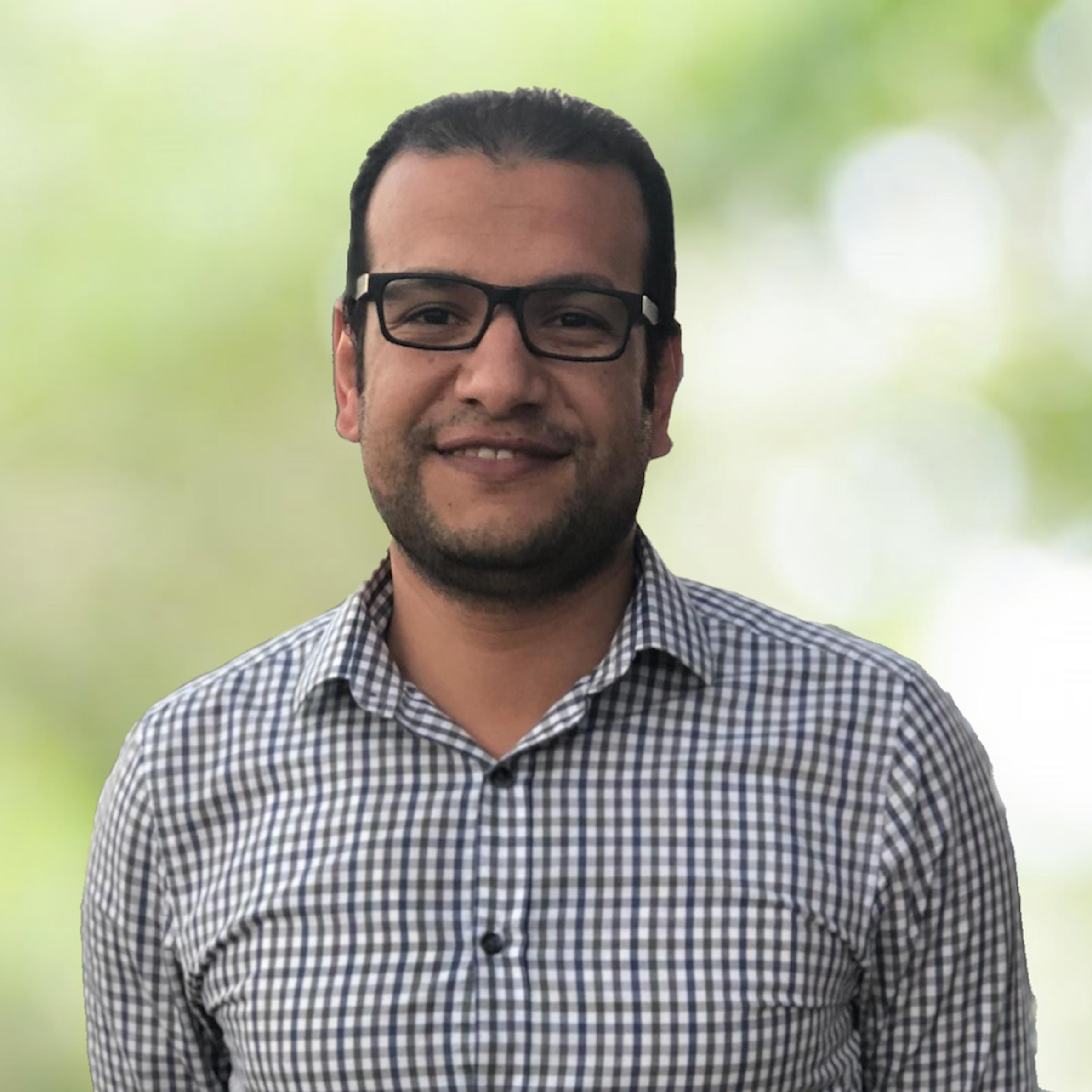
Elsayed Issa is an Assistant Professor in the School of Languages and Cultures at Purdue University. Specializing in Computational Linguistics and Arabic, his interdisciplinary research bridges Natural Language Processing (NLP) with Second Language Acquisition (SLA), focusing on conversational AI and speech technology for under-resourced languages. Ph.D. in Linguistics from the University of Arizona (2023) Research integrates NLP, conversational AI, and SLA methodologies Develops tools for computer-assisted pronunciation training (CAPT) Focuses on Arabic dialectology and large language models (LLMs) His work employs Transformer architectures and end-to-end machine learning to enhance language learning systems. Recent projects include ArabiBot development and dialect identification models. He specializes in speech-to-text systems , prosody modeling , and emotional speech analysis for Arabic language learning applications.
Professor Muhammad A S Abdel Haleem, OBE, is the King Fahd Professor of Islamic Studies at SOAS University of London, within the School of Languages, Cultures and Linguistics. He holds a BA from Cairo University and a PhD from the University of Cambridge (Cantab), with additional qualifications including FCIL (London). His research focuses on Quranic language, style, and translations, alongside Islamic family law and Arab society. Key interests include Qur’anic exegesis, comparative religious studies, and the intersection of scripture with contemporary issues like disability ethics and interfaith relations. Professor Haleem has supervised numerous PhD candidates exploring topics such as divine states in Sufism, gender relations in the Quran, and charitable work in multicultural societies. He has authored over 60 works, including translations of the Quran and influential studies on Quranic structure and theology. Awards: Order of the British Empire (OBE) Publications: Over 60 books and articles, including Understanding the Qur'an: Themes and Style and translations of the Quran. His work bridges academic theology with practical ethics, emphasizing contextual interpretation and intercultural dialogue. Current research continues to explore Quranic coherence, legal hermeneutics, and the Quran’s role in modern society.
Kay James is an Associate Professor of Neuroscience and Education at Teachers College, Columbia University, and serves as Director of the Graduate Program in Neuroscience and Education and the Neurocognition of Language Lab. Their work focuses on neural mechanisms underlying language disorders, second language acquisition, and cognitive processes in schizophrenia. Key affiliations include Biobehavioral Sciences, Neuroscience and Education, Human Development, and Cognitive Science in Education. Research interests emphasize the neural basis of language processing in pathological contexts such as developmental speech disorders and schizophrenia, alongside second language acquisition in adults. Their interdisciplinary approach bridges cognitive neuroscience with clinical and educational interventions. Publications span studies on mismatch negativity in speech disorders, syntactic development in Arabic diglossia, and brain-behavior asymmetry in schizophrenia. Ongoing work explores voice-related cortical potentials and emotional face processing through electrophysiological methods. Labs and teams include the Neurocognition of Language Lab, focusing on language neurobiology and clinical applications. Grants and advising roles are not explicitly detailed in the provided materials.
Dr. Salwa El-Awa is a Senior Lecturer in Arabic and Islamic Studies at Swansea University's School of Culture and Communication. She previously held positions at the University of Birmingham (2001-2010) and Ain Shams University in Cairo (2010-2015). Her academic roles include teaching Arabic linguistics, Qur’anic studies, and Hadith analysis, alongside supervising PhD students in translation and religious studies. Her research focuses on Qur’anic textuality, discourse markers, and Islamic movements. Key areas include textual coherence in the Qur’an, Arabic linguistic analysis, and the intersection of religion and counter-terrorism policy. Recent projects explore governance strategies engaging moderate Islamic groups to combat jihadism. El-Awa has published extensively on Qur’anic linguistics, including monographs like Textual Relations in the Qur'an (2005) and Al-Wujuh Wa al-Naza’ir (1998). Her work bridges religious studies, linguistics, and security studies, with notable contributions to Yale’s Dictionary of the Qur'an (2024) and interdisciplinary journals like International Journal of Law, Crime and Justice . She has secured £20,000 for the International Qur’anic Text Linguistics Conference (2020-2021) and served as an External Examiner for Westminster University’s Translation program (2019–2022). Her teaching includes advanced translation, healthcare interpreting, and world cinema studies.
Yaşar Fatih AKBAŞ is an Associate Professor at Kafkas University, Faculty of Theology, Department of Basic Islamic Sciences. He specializes in Arabic Language and Rhetoric, focusing on grammatical structures, semantic analysis, and classical Arabic texts. Education: PhD in Fundamental Islamic Sciences, Atatürk University (2016-2020) Master's in Arabic Language and Rhetoric, Atatürk University (2014-2016) BA in Theology, Atatürk University (1997-2002) Research Interests: Arabic Grammar Rhetoric and Stylistics Semantics and Syntax Quranic Exegesis Historical Linguistics Scientific Contributions: He has published 11 articles, focusing on topics like particle analysis, syntactic flexibility, and stylistic features in classical Arabic texts. His work spans journals such as Şırnak University Theology Faculty Journal and Sakarya University Theology Faculty Journal. Awards: Aylıkla Ödüllendirme (2010) Academic Collaborations: He has co-authored works with Yakup Kızılkaya (2024) and advised Master's theses for Adem Ağbaba (2025) and Fırat Çeledir (2023).
Prof. Dr. Jakob Leimgruber is Professor of English Linguistics at the University of Regensburg since 2022, where he is affiliated with the Department of English and American Studies within the Faculty of Languages, Literature, and Cultures. Previously, he served as Substitute Professor at the University of Freiburg (2020-2022) and Lecturer at the University of Basel (2018-2022). His academic journey includes a Habilitation in English Philology from the University of Freiburg (2018), a DPhil in English Language from the University of Oxford (2009), and a Licence ès lettres in English Linguistics from the University of Fribourg (2005). Leimgruber's research centers on World Englishes with particular focus on East and Southeast Asia, sociolinguistics, language planning and policy, linguistic landscapes, language contact phenomena, language variation and change, indexicality, and authenticity. His work employs empirical approaches including corpus linguistics, fieldwork, and eye-tracking methodologies to investigate multilingual contexts across Singapore, Montreal, Taiwan, and the UAE. He has made significant contributions to understanding Singapore English, linguistic landscapes in multilingual cities, and language variation in postcolonial contexts. His publication record demonstrates consistent research output across multiple high-impact journals in linguistics, with a strong focus on empirical studies of language variation in specific contexts. Recent work shows increased attention to East Asian Englishes beyond Singapore, including Taiwan, and expanding investigations into the linguistic landscapes of global cities like Dubai. His research often employs collaborative approaches with international scholars across multiple institutions. Leimgruber has been active in academic service through numerous conference presentations including invited talks at institutions worldwide, participation in research workshops, and contributions to edited volumes on World Englishes and multilingual cities. His work bridges theoretical linguistics with practical applications in language policy and education. As an academic leader, Leimgruber has directed research projects examining multilingualism in global contexts, with particular attention to the role of English in shaping linguistic landscapes and identity construction. His recent work has increasingly focused on comparative approaches across different multilingual settings, examining common patterns and context-specific variations in how English functions in diverse sociolinguistic environments.
Assoc. Prof. USAME İHTİYAR holds the position of Associate Professor at Bingöl Üniversitesi's Fen Edebiyat Fakültesi, specifically in the Arapça Mütercim ve Tercümanlık Anabilim Dalı. He previously held roles at Damascus University and Bilad Al Sham Üniversitesi, transitioning to Bingöl Üniversitesi in 2013. His academic journey includes a PhD from Damascus University (2004) focusing on Sicilian Arabic poetry and a career spanning over three decades in academic administration and editorial roles. Education: B.A. (1987-1991), M.A. (1998), and Ph.D. (2004) in Arabic Language and Literature from Damascus University. Academic titles include Doktor Öğretim Üyesi (2006-2011), Doçent (2006–present), and multiple international editorial board memberships. Research interests center on classical Arabic poetry, Islamic literary criticism, Andalusian literature, and Arabic language pedagogy. He has advised over 30 graduate students and authored/co-authored books on topics like Sicilian Arabic poetry, tasavvuf (Sufi) literature, and translation studies. His work appears in journals such as Şarkiyat Mecmuası and Fırat Üniversitesi İlahiyat Fakültesi Dergisi, with a focus on Quranic linguistics and medieval Arabic texts. Professional activities include editorial roles for Diyanet Arapça İlmi Dergisi (2019–2022) and membership in international academic committees like the Katar Üniversitesi's Postgraduate Academic Board. His contributions span editorial leadership, conference participations, and authoring textbooks on Arabic grammar and rhetoric. Notable works include Siciliya Şiirleri Antolojisi (2016) and Modern Tasavvuf Şiirinde Manevi Değerler (2022). His research bridges classical Arabic literary traditions with contemporary pedagogical challenges in teaching Arabic as a second language.
Professor El Mustapha Lahlali is a distinguished academic at the School of Languages, Cultures and Societies, University of Leeds, where he holds the position of Professor of Applied Linguistics and Media. His research and teaching focus on Arabic media discourse, critical discourse analysis, translation, ideology, and pedagogy. Education: BA in Applied Linguistics MA in Applied Linguistics PhD in Critical Discourse Analysis and Classroom Discourse His research interests span Arab media and society, discourse analysis in educational and political contexts, appraisal theory, translation and ideology, and teaching Arabic as a foreign language. He has published extensively on media discourse, political rhetoric, and translation practices in Arabic contexts, contributing significantly to the understanding of linguistic strategies in media and political communication. His recent publications reflect a strong focus on discourse in conflict, media framing, translation challenges, and pedagogical development. These works collectively emphasize critical analysis of Arabic media, political transitions, and intercultural communication, revealing trends in ideological representation and linguistic power dynamics. Scientific Awards: No specific awards listed in the text. Professor Lahlali has supervised 27 PhD students to completion and currently mentors several more on topics including media translation, ideology, discourse analysis, and pedagogy. He has served as internal and external examiner for over 100 PhD theses across the UK and internationally. He has secured and contributed to numerous research grants in Arabic, linguistics, and Middle Eastern studies. His leadership extends to organizing over 45 academic events, including conferences and workshops. He is actively involved in research groups and welcomes PhD applicants in areas related to Arabic media, discourse analysis, and translation. He is a key figure in professional associations such as BATA (Founder and President), BRISMES, UCML, and APETAU.
Na'ama Pat-El is a Professor in the Department of Middle Eastern Studies at the University of Texas at Austin, affiliated with the College of Liberal Arts and the Middle Eastern Languages and Cultures Graduate Studies Committee (MELC GSC). She holds a Ph.D. (2008) in Semitic Philology from Harvard University, preceded by studies at Hebrew University under Gideon Goldenberg and Harvard under John Huehnergard. Education: Ph.D., 2008, Harvard University (Semitic Philology) B.A. and M.A., Hebrew University of Jerusalem Her research focuses on Comparative Semitic Linguistics, Historical Linguistics, Syntax, and Language Contact , with a particular emphasis on syntactic change and morphological evolution. She investigates phenomena such as the development of verbal paradigms, plural morphemes, and copulae across Semitic languages, including Akkadian, Hebrew, and Aramaic. Recent publications address topics like the nondevelopment of third-person nominative pronouns in Semitic perfect/stative paradigms, the diachronic shift of East Semitic subordination markers into West Semitic indicative markers, and the reevaluation of Hebrew 'sign' terminology through epigraphic and comparative evidence. Her work also challenges assumptions about paired body part gender assignment in Semitic languages. Selected Publications (2025–2020) explore: Proto-Semitic verbal morphology Historical syntax in Akkadian and Neo-Assyrian Plural-gender mismatches in Hebrew Substrate influences in Levantine Arabic Biblical text linguistics