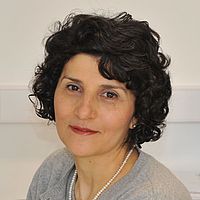
Prof. Dr. Deniz Tasdemir is a Full Professor (W3) of Marine Natural Products Chemistry at GEOMAR Helmholtz-Zentrum für Ozeanforschung Kiel and serves as Director of the GEOMAR-Biotech center and Head of the Marine Natural Product Chemistry Research Unit. Her career spans institutions including the National University of Ireland Galway and UCL School of Pharmacy. PhD in Pharmacy, ETH Zurich (1997) Post-doctoral work, University of Utah (2001) Dr. Helmut Legerlotz Fellowship, University of Zurich (2002-2025) Her research focuses on marine chemical ecology , metabolomics , and bioprospecting for bioactive compounds from sponges, algae, and marine microbiomes. Recent work explores seagrass pathogen reduction, microbiome interactions, and aquafeed applications. Scientific awards include: Waters Award for Natural Products Innovation (2016) Egon Stahl Silver Medal (2005) Pierre Fabre Prize (2004) ETH Zurich Medal (1997) She leads collaborative projects on ocean sustainability and marine drug discovery, with editorial roles in Marine Drugs , Planta Medica , and Phytochemistry Letters .
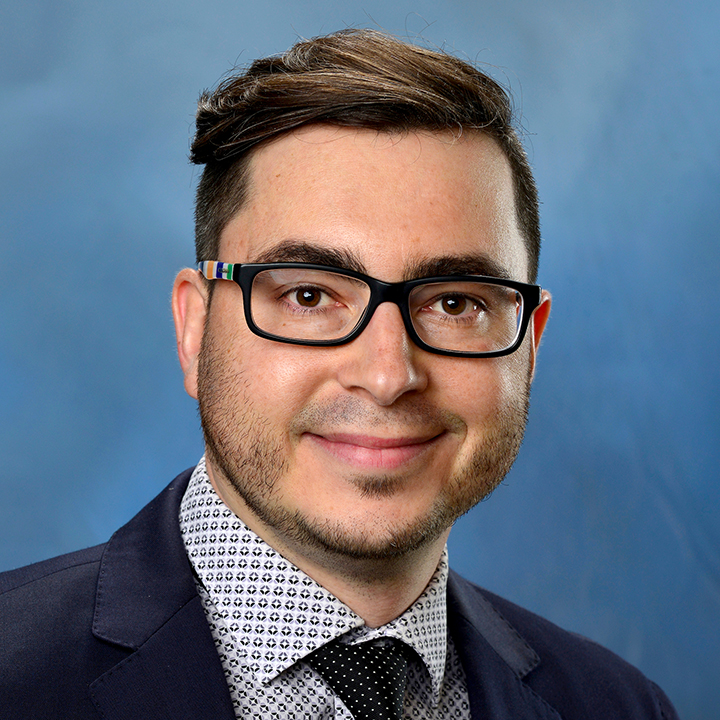
Jeppe Lund Nielsen is a Professor in the Department of Chemistry and Life Sciences at the Faculty of Engineering and Science, Aalborg University, Denmark. His research lies at the intersection of microbial ecology, genomics, and environmental biotechnology, with a strong focus on sustainable solutions for wastewater treatment, anaerobic digestion, and environmental monitoring. His primary research interests include Microbial Ecology, Functional Ecology, Genomics, Molecular and Technical Microbiology, Anaerobic Digestion, Metagenomics, and eDNA Metabarcoding . He applies molecular tools to understand microbial community dynamics in engineered and natural systems, particularly in wastewater and marine environments. His work contributes to the UN Sustainable Development Goals related to clean water, sustainable cities, and climate action. The recent publication trends reflect a strong emphasis on environmental applications of microbiome science, including nitrogen cycling in wastewater, bioaerosol exposure in workers, eDNA-based biodiversity monitoring, and valorization of waste streams through biotechnology. His articles frequently appear in high-impact environmental and microbiological journals and demonstrate interdisciplinary collaboration across engineering, ecology, and public health. Among his notable scientific contributions are leadership roles in significant research projects such as the AAU Bubble Project (Power2Proteins), JAMBO seabed impact study, and investigations into biotechnological pesticides. He has also contributed to public discourse through media engagement on topics like pesticide regulation and environmental innovation. Professor Nielsen has supervised PhD students, including M. Eskeldsen, and is actively involved in grants and collaborative research across Europe. He is a key member of research teams focused on environmental microbiology, wastewater biotechnology, and marine impact assessments. His lab integrates molecular biology, bioinformatics, and environmental engineering to address pressing sustainability challenges.
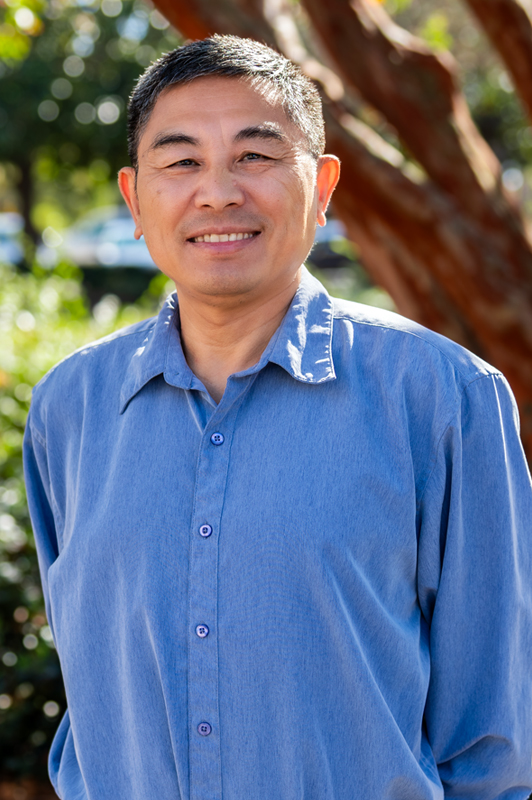
Professor Awadhesh N. Jha is a Professor in Genetic Toxicology and Ecotoxicology at the School of Biological and Marine Sciences , University of Plymouth, UK. He has been a leading figure in environmental toxicology since joining the university in 1996, rising to full professorship in 2010. He leads the Environmental and Applied Biology Research Group and the Genetic Toxicology and Ecotoxicology Research Group, and served as REF UoA6 Coordinator (2014–2022). His educational background includes a PhD in Radiation Cytogenetics from Banaras Hindu University, India (1989), followed by post-doctoral work at Leiden University, Netherlands, and a role at ICI/Zeneca’s marine toxicology lab before transitioning to academia. Professor Jha’s research focuses on the genotoxic and ecotoxic impacts of environmental stressors such as radionuclides, engineered nanoparticles, PAHs, and emerging contaminants on aquatic organisms. He employs multidisciplinary and innovative methodologies, including in vitro models like fish cell spheroids (‘Virtual Fish’ project), to assess DNA damage, develop biomarkers, and reduce reliance on live animal testing. His work integrates molecular biology, chemistry, and environmental science to evaluate risks to marine ecosystems and human health. The recent research articles reflect a strong trend in marine pollution, radiation biology, and environmental risk assessment , with increasing emphasis on emerging issues like tritium release from nuclear facilities, AI-assisted landfill risk modeling, and sunscreen toxicity. His studies often involve international collaborations and real-world policy implications. Scientific Awards and Recognitions: Jim Parry Award, UKEMS (2021) Fellow of the Royal Society of Biology (FRSB, 2015) VC’s World Class Researcher Award Finalist (2010, 2012) Plymouth Pioneers Recognition UK Nominated Expert, UN WOA III (2023) Supervision and Grants: Professor Jha has supervised 26 PhD students to completion and mentored over 10 post-doctoral researchers. He has led major funded projects including TRANSAT (€5M, Horizon 2020), SPHERTOX , and TITANS , funded by EU, NERC, BBSRC, IAEA, and industry partners like AstraZeneca and Unilever. His work directly informs environmental policy and nuclear safety regulations. Laboratories and Teams: He leads the Genetic Toxicology and Ecotoxicology Research Group and is central to the Environmental and Applied Biology Research Group at Plymouth. His team collaborates internationally with institutions in France, Italy, Spain, Brazil, and India, and contributes to the South West Nuclear Hub. The lab specializes in advanced analytical methods, comet assays, and 3D cell culture models.
Sven Würtz is a Research Group Leader in the Department of Fish Biology, Fisheries and Aquaculture at the Leibniz Institute of Freshwater Ecology and Inland Fisheries (IGB), Berlin. He leads the Molecular Fish Physiology research group, focusing on sustainable aquaculture, reproductive biology, stress, and nutritional physiology in fish. His research interests include Aquaculture Reproductive biology Stress physiology Nutritional physiology Molecular fish physiology Animal welfare in aquaculture Conservation of endangered fish species His recent publications reflect a strong trend in molecular and physiological research applied to aquaculture species such as sturgeon, pikeperch, tilapia, and turbot. Key themes include genomics of sex determination, stress responses, nutritional interventions (probiotics, creatine, carotenoids), animal welfare in RAS and crustacean farming, and responses to environmental stressors like algal toxins and nitrate. His work combines laboratory experimentation with field applications and policy-relevant outputs. Scientific contributions and projects include: Lead author on studies on shrimp and fish welfare Co-leader of the STURGEoNOMICS and CrustaWohl projects Contributor to IGB fact sheets on the Oder River environmental disaster Extensive collaboration with national and international researchers He mentors junior researchers and collaborates on projects involving grants and interdisciplinary teams. His work is often applied, aiming to improve aquaculture practices and conservation efforts. He is actively involved in research groups focusing on molecular mechanisms in fish and ecosystem resilience.
Dr. Ian A.E. Butts is an Associate Professor at Auburn University's School of Fisheries, Aquaculture & Aquatic Sciences. His research program addresses critical challenges in aquatic reproduction, focusing on gamete biology, environmental physiology, and aquaculture biotechnology. Research interests center on reproductive physiology of aquatic species, cryopreservation techniques, environmental impacts on fish reproduction, and innovative breeding technologies. His work spans diverse species including catfish, oysters, goldfish, and European eel, with emphasis on improving aquaculture sustainability through advanced reproductive management. Publications demonstrate consistent focus on gamete quality assessment, cryopreservation biomarkers, xenogenesis, and environmental stressors' effects on reproductive success. Recent work explores transcriptomic responses to temperature variations, salinity effects on bivalve reproduction, and molecular biomarkers for sperm quality evaluation.
Dr. Matthew James Slater is the Head of the Aquaculture Research Group at the Alfred Wegener Institute, focusing on sustainable marine bioeconomy. His work emphasizes integrated multitrophic aquaculture (IMTA), holothurian ecology, and economic development through aquaculture. He leads applied research with industry partners to develop sustainable feed solutions and improve aquaculture practices. Research interests include optimizing feed ingredients from by-products (e.g., black soldier fly larvae, shrimp processing remains) and exploring the ecological roles of sea cucumbers. He investigates the effects of environmental factors (soundscapes, light, temperature) on aquatic species and promotes circular economy principles in aquaculture. Key contributions span over 60 peer-reviewed publications, with recent work on microplastic contamination in fish and the economic value of small-scale fisheries. His research integrates interdisciplinary approaches to address global challenges in aquaculture sustainability and food security. Contact: matthew.james.slater@awi.de | +49(471)4831-2727 | Alfred Wegener Institute, Bussestraße 27, 27570 Bremerhaven
Karl-Erik Eilertsen is a Professor in Marine Biochemistry/Seafood Science at the Norwegian College of Fishery Science, UiT The Arctic University of Norway. He is based in Tromsø and is actively involved in research and teaching related to seafood composition, health effects, and sustainable marine resources. Research Interests: Seafood and health, particularly nutrition and cardiovascular disease Biologically active ingredients in seafood and seafood waste Effects of food processing on protein and lipid quality Antioxidant, anti-inflammatory, and anti-hypertensive properties of marine compounds Marine bioprospecting of benthic organisms His recent publications (2021–2025) focus on the nutritional analysis of Arctic macroalgae (e.g., Palmaria palmata), lipid extraction methods, bioactive peptides, and the use of low-trophic marine species in aquaculture and human nutrition. These works reflect a strong trend toward sustainable food systems, valorization of underutilized marine biomass, and the development of functional foods and feeds. Scientific Awards: No awards explicitly mentioned in the provided text. Advising and Grants: He supervises numerous students, as evidenced by co-authorship on multiple theses and research articles. He is a member of the SECURE project, which focuses on novel marine resources for food security and safety, indicating active grant involvement. Labs and Teams: Member of the Seafood Science research group at the Norwegian College of Fishery Science. Involved in collaborative research with colleagues such as Edel Oddny Elvevoll, Hanne K Mæhre, and Ida-Johanne Jensen.
Zhihua Jiang is the Auburn Pulp and Paper Foundation Associate Professor in the Department of Chemical Engineering at Auburn University and Director of the Alabama Center for Paper and Bioresource Engineering. His research focuses on bioresource engineering, lignin valorization, and sustainable pulp and paper technologies. He holds a Ph.D. in Organic Chemistry from McGill University and M.S./B.S. degrees in Wood and Pulping Chemistry from Nanjing Forestry University. Dr. Jiang leads multidisciplinary projects funded by organizations like the U.S. Department of Energy (DOE), including a $2.5M grant to convert industrial waste into aquafeed and a $1.88M study to reduce CO₂ emissions from pulp mills. His work spans CO₂ capture, lignin-based materials, and nanocellulose applications. He collaborates with industry partners such as Georgia-Pacific and Andritz, and his center trains students in advanced engineering disciplines like biosystems, environmental, and mechanical engineering. His research also addresses challenges in pulping processes, waste valorization, and biorefinery integration. Notable contributions include developing novel methods for lignin functionalization, biogas production from sludge, and transparent UV-protective films from cellulose-lignin composites.
Dr. Ashkan Pak Seresht is an Assistant Professor in Strategy and Innovation at Brunel Business School, Brunel University London, and a lecturer in International Business Economics. With a multidisciplinary background (PhD in Business Economics, MSc in Economics and Management, MBA in International Business, BSc in Engineering), he specializes in sustainability, blue economy, circular economy, and technology integration into business practices. Lecturer in International Business Economics Assistant Professor in Strategy and Innovation Education: BSc in Engineering MBA in International Business MSc in Economics and Management PhD in Business Economics CMBE Certified Management & Business Educator (2024) i5 PRME Certificate of Engagement (2024) Fellowship of the Higher Education Academy (FHEA) (2024) Research Interests: Dr. Pak Seresht focuses on innovation management in domestic and international business, digitalization of multinational enterprises (MNEs) and SMEs, and circular/sustainable business models in agri-food supply chains. His work explores the intersection of blockchain, AI, IoT, and big data with supply chain sustainability, as well as consumer behavior toward cultured meat and insect-based aquafeed. Recent Research Trends: His recent publications emphasize blockchain applications in circular economy transitions, consumer evaluation of sustainable food technologies, and institutional distance in international trade. Key projects include co-leading Brunel's Blue Bioeconomy Research Lab and investigating blockchain's role in Swedish food supply chains. Scientific Awards: Fellowship of the Higher Education Academy (FHEA) 2024 i5 PRME Certificate of Engagement (2024) CMBE Certified Management & Business Educator (2024) Teaching & Supervision: He teaches undergraduate and postgraduate courses in economics for business, international trade, strategic management, and entrepreneurship. As module leader of MG2012 Economics for Business and Management and programme leader for International Business and Entrepreneurship, he supervises BSc, MSc, and PhD theses. Current PhD projects include research on agroforestry in sustainable agriculture and digital twins in energy systems. Labs & Teams: Dr. Pak Seresht co-leads Brunel's Blue Bioeconomy Research Lab and collaborates with institutions like SLU University (Sweden), Novia University of Applied Sciences (Finland), and Swinburne University (Australia). His research network includes Dr. Georgios Batsakis, Dr. Carolin Decker-Lange, and Professor David Gallear.
David D. Kuhn is an Associate Professor and Extension Specialist in the Department of Food Science and Technology at Virginia Tech, Blacksburg, VA. His work bridges academic research with practical applications in aquaculture and related industries. Ph.D., Civil Engineering, Virginia Tech, 2008 M.S., Civil Engineering, Clarkson University, 2003 B.S., Civil Engineering, Clarkson University, 2001 B.S., Mathematics, Saint Lawrence University, 2000 Dr. Kuhn specializes in aquaculture systems , focusing on life-support infrastructure design, water quality management, and sustainable practices. His interdisciplinary research includes: Aquacultural Engineering : System design, lighting, and waste management Nutrition : Evaluating novel protein and lipid sources for aquafeeds Biotechnology : Converting by-products into feed ingredients, using probiotics/antibodies for aquatic health Food Science : Processing, packaging, and value-adding strategies He conducts research in Virginia Tech's aquatic laboratories and collaborates with private aquaculture facilities (finfish, shrimp, oysters, clams) as Principal Investigator. Outreach efforts include hosting the International Recirculating Aquaculture Conference (ICRA) and workshops.
Dr. Ana Rita C. Morais is an Assistant Professor and Deputy-Director of the Wonderful Institute for Sustainable Engineering at the University of Kansas, College of Engineering. She holds a B.S. in Biosciences (Portuguese Catholic University, 2010), M.S. in Food Engineering (Technical University of Lisbon, 2012), and Ph.D. in Sustainable Chemistry (New University of Lisbon, 2018). Her research focuses on sustainable chemical processes, including biomass valorization using supercritical CO₂, ionic liquids, and catalytic strategies for biofuel and high-value chemical production. She leads projects on CO₂-assisted biomass fractionation, refrigerant technology, and waste-to-resource innovations. Her work emphasizes green engineering principles, such as reducing environmental footprints through CO₂ utilization and developing circular economy solutions for plastics and agricultural waste. Key projects include enzymatic hydrolysis of biomass, hydrocarbon synthesis from lignocellulose, and the development of sustainable paper and packaging materials from pistachio shells. Research Themes: Biomass conversion, ionic liquids, CO₂ applications, catalytic upcycling, biofuel production. Recent Trends: Focus on industrial scalability of biorefinery processes and functional materials from food/agricultural waste. Dr. Morais has received prestigious awards including the Alexander von Humboldt Postdoctoral Award (2018) and Green Talents Award (2016). Her research has been highlighted as a Front Cover in Green Chemistry (2016) for breakthroughs in CO₂-catalyzed furfural production. She holds a patent for lignin extraction using imidazole (PT 108264). In teaching, she instructs the C&PE 626 Senior Lab , emphasizing hands-on experience in chemical engineering practices. Her grants include funding for polymer recycling and protein stabilization projects. Labs/Teams: Active in the Wonderful Institute for Sustainable Engineering, collaborating with industry partners on biorefinery and renewable materials initiatives.
Kirsten Heimann is a Professor at James Cook University (JCU), specializing in algal and microbial biotechnology with a focus on biofuel production, bioremediation, and environmental applications. Her research integrates microalgal cultivation, cyanobacterial physiology, and waste-to-energy systems, addressing global challenges in sustainable energy and pollution control. She has led interdisciplinary projects exploring methane mitigation, food waste valorization, and marine microbial ecology. Her work spans over 118 publications since 1989, with key contributions in journals like *Chemosphere*, *Frontiers in Bioengineering*, and *Journal of Applied Phycology*. She has authored book chapters on topics including algal cell biology, dinoflagellate bioluminescence, and microalgal biomass harvesting. Collaborations include partnerships with institutions in Australia, Europe, and Asia, emphasizing applied research with industrial and environmental relevance. Key research themes include: Cultivation of nitrogen-fixing cyanobacteria for biofuel precursors and biopolymer production Waste-to-biofuel systems using food waste and mine effluent Photodynamic therapy applications in aquaculture and microbial control Climate resilience of marine microorganisms in coral reef ecosystems Recent studies highlight innovations in methane conversion via methanotrophic consortia, optimization of algal biofilm systems, and understanding dinoflagellate toxin dynamics in warming oceans. Her work bridges fundamental biology with scalable biotechnological solutions.
Sofia Engrola is a Principal Researcher and Research Group Leader at the Center of Marine Sciences of Algarve (CCMAR) since November 2023. She holds a PhD in Aquaculture (2008) from the University of Algarve’s Faculty of Marine Sciences and Technology. Her primary roles include coordinating larval nutrition experiments, managing fish larvae and juvenile studies, and leading in vivo metabolic research. Engrola specializes in aquaculture nutrition, particularly in larval development, sustainable aquafeeds, and metabolic programming. Her research focuses on optimizing diets for species like cobia, tilapia, and seabream, addressing challenges such as fishmeal replacement, thermal stress effects, and nutritional strategies for enhanced growth and resilience. She leads projects such as the Blue Bioeconomy Pact (Vertical Algae) and MAXIMUS.PT, advancing aquaculture sustainability and innovation. Key contributions include studies on amino acid supplementation, pre/probiotics for eel larvae, and precision fish farming models. Engrola collaborates extensively, serving on CCMAR’s Board of Directors and Scientific Council, and contributes to training through workshops and seminars.
Margareth Øverland is a Professor at the Norwegian University of Life Sciences (NMBU), affiliated with the Faculty of Biosciences and the Department of Animal and Aquacultural Sciences. She serves as the Center Director of the Center for Research-based Innovation (CRI) Foods of Norway , a leading initiative in sustainable aquafeed development. Her work integrates advanced biotechnology and biorefinery approaches to create novel, renewable feed ingredients for aquaculture and livestock. Her research focuses on utilizing alternative resources such as tree biomass, marine macroalgae, insect meals, and microbial proteins (e.g., Paecilomyces variotii , yeast) to replace traditional feed components. She investigates their effects on animal growth, gut health, immune function, and product quality, with a strong emphasis on sustainability and circular economy principles. Her recent publications (2022–2025) reveal a clear trend toward high-impact, interdisciplinary studies involving meta-analyses, controlled field trials, and multi-omics approaches (proteomics, microbiome analysis). These works span aquaculture (Atlantic salmon, rainbow trout) and terrestrial livestock (pigs, poultry, dairy cows), demonstrating the broad applicability of her research. Keywords across her articles include sustainable feed, alternative proteins, immunonutrition, gut microbiota, and biorefinery technology. While no specific scientific awards are listed in the provided text, her leadership of a major CRI indicates national and likely international recognition. She is actively involved in advising through her research center and supervising projects, though individual student names are not provided. Her laboratory and team operate under the Foods of Norway CRI, which brings together interdisciplinary researchers to develop innovative feed solutions. The center likely includes expertise in bioprocessing, nutrition trials, microbiology, and environmental assessment, supporting large-scale, real-world applications of sustainable feed technologies.
Dr Taiwo Akanbi is a Senior Lecturer in the Department of Food Science and Human Nutrition at the University of Newcastle. His academic journey includes a BSc in Food Science (Nigeria), MSc in Food Biotechnology (Malaysia), and PhD in Food Chemistry (Australia). He specializes in food waste valorisation, enzymatic bioprocessing, and nutrient delivery systems. His research focuses on converting food industry byproducts into high-value compounds using enzyme technology and microencapsulation. Key roles include lecturing in FSHN1010 and FSHN3070 courses, and supervising projects on food waste innovation such as oyster shelf-life extension, winery waste valorisation, and bioactive compound extraction. He has held prior roles as Industry Research Fellow and Postdoctoral Researcher at Deakin University. Awards include the 2018 Excellence in Industry Engagement Award and 2021 Student Experience Excellence Award. His work bridges academia and industry through collaborations on sustainable food solutions, emphasizing the resilience of the food sector. Research highlights include lipid oxidation stabilization, structured lipid development, and extremozyme applications. Languages: English (Fluent), Yoruba (Native). Professional experience spans Australia, Malaysia, and Nigeria with emphasis on culturally diverse education environments.