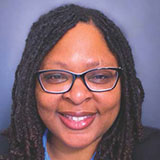
Dr. Tameca Beckett is an Assistant Professor of Instruction in the School of Information at the University of South Florida, part of the College of Arts and Sciences. She holds an Ed.D. from Delaware State University, an M.L.S. from San Jose State University, and a B.S. from the University of Maine at Augusta. Her research focuses on data-driven solutions, appreciative inquiry, and bridging gaps in information literacy through innovative models. Dr. Beckett has been recognized with the American Library Association's 2014 Emerging Leader Award and the Rodel Foundation iEducate Delaware Award. She teaches courses such as LIS 3353 (IT Concepts), LIS 4204 (Information Behaviors), and COP 2030 (Programming with Python). Her professional experience spans roles as a public library director, data engineering fellow, and academic librarian.
Dr Reece Chapman is an academic member of staff at Northumbria University who teaches primarily on the Sports Coaching (BSc) and Sport and Exercise Science (BSc) programmes. With expertise in sport coaching through pedagogical and sociological lenses, he also delivers Performance Analysis support to professional athletes and teaches across Northumbria's Performance Analysis modules. Dr Chapman's educational background includes: PhD in Football Coach Education MSc Professional Practice in Sports Coaching PGCE BSc (Hons) in Sports Science (Education) Fellowship to the Higher Education Academy (FHEA) UEFA B coaching qualification Dr Chapman's research focuses on Sport Pedagogy, Sport Sociology, Coach Education, Sports Coaching, Football, and Performance Analysis. His work explores coaching through pedagogical and sociological lenses, with a particular emphasis on football coach education. He has conducted research alongside major organizations like The FA and UK Coaching, examining the historical development and current state of coach education provision. His recent publications demonstrate a strong focus on the historical and sociological aspects of football coach education, with particular attention to community sport development, grassroots football, and the integration of pedagogical theories in coaching practice. His work often employs qualitative and historical research methods to understand the evolution of coach education frameworks. Dr Chapman supervises Master's and PhD level research projects that broadly consider coaching, coach education, sport pedagogy, and football. His practical experience spans various professional and grassroots football clubs, working as both a coach/manager and performance analyst. He has also collaborated with National Governing Bodies such as The FA and UK Coaching, and has taught across all levels of the UK national curriculum from primary education to higher education.
Ann Shivers-McNair is an Associate Professor in the College of Information Science at the University of Arizona and Director of the Professional and Technical Writing program. Her research focuses on justice-centered, transdisciplinary, and collaborative design approaches, including community science platforms and equity-centered education initiatives. She holds affiliations with the University’s graduate interdisciplinary programs in Applied Intercultural Arts Research and Social, Cultural, and Critical Theory. Her work emphasizes inclusive, equity-driven methodologies, such as appreciative inquiry and anti-racist reviewing practices. Notable projects include NSF-funded initiatives exploring makerspaces, AI literacies, and boundary-crossing design. She authored Beyond the Makerspace: Making and Relational Rhetorics (2021) and edits the ATTW book series with Routledge. Director, Professional and Technical Writing Program Core faculty in interdisciplinary programs Leadership in community-engaged research Shivers-McNair’s research spans technical communication, critical design, and equity-focused education. Her recent work analyzes AI literacy through social media rhetoric and advocates for inclusive instructional strategies in engineering. Grants and collaborations highlight her commitment to bridging theory and practice in marginalized contexts.
Dr. Kai Lehikoinen is a University Researcher at Uniarts Helsinki's Research Institute. With a PhD in Dance Studies (University of Surrey, 2003), his work bridges dance pedagogy, socially engaged arts, and cultural well-being research. His academic career spans leadership roles including Vice Director of ArtsEqual (2015–2021) and Director of CERADA (2015–2021). Research focuses on arts-health intersections and future-oriented pedagogy Developed arts-based futures workshop model for European higher education Pioneered dance ambassador programs in elderly care settings His recent publications include Creativity, Society, and the Role of Socially Engaged Art in Higher Arts Education (Routledge, 2025) and Socially Engaged Arts (SEA) Practices: Key Skills and Capabilities (2023). Current projects Embodying Futures and Cultural Well-being Materialization explore embodiment theory and interdisciplinary well-being frameworks. Dr. Lehikoinen contributes to policy-making through the WHO Regional Office for Europe collaboration and serves on editorial boards including Critical Studies in Dance Leadership and Frontiers in Psychology . He advocates for ethical leadership models and appreciative dialogue in arts education reform.
Tina Høegh is an Associate Professor at the Department of Design, Media and Educational Science, Faculty of Humanities, University of Southern Denmark. Her research focuses on dialogic teaching, intercultural pedagogy, multimodal communication, and the digitalization of classrooms. She leads the InDi project funded by the Independent Research Fund Denmark and co-leads the DiaMu focus area at SDU. PhD and MA in Nordic Studies and Linguistics (University of Copenhagen) Active in Nordic collaborations like QUINT and EU-funded MiCREATE Specializes in second-order didactics and autoethnographic methods Her work bridges micro-level classroom dynamics with macro-level educational policy, emphasizing democratic participation through aesthetic expression. She has supervised Master’s and PhD students and participated in ministerial projects on interdisciplinary teaching. Recent Trends : Recent publications highlight sustainable digital pedagogy, literacy-as-events in techno-scholastic environments, and collaborative production processes. Themes include multimodal interaction, intercultural competence, and AI as a dialogic partner. Scientific Collaborations : Co-founder of the FiDU network on dialogic teaching Chair of the ARLE Special Interest Group on dialogic practices Active in Nordic writing seminars and cross-country educational research
Chris Wagstaff is a Professor of Applied Psychology at the University of Portsmouth, affiliated with the Faculty of Science & Health and the School of Psychology, Sport and Health Sciences. He leads research in organizational sport psychology, focusing on elite sport systems, resilience, and psychological safety. His work influences national and international policies, including Olympic sport governance and practitioner ethics. Research Interests: Chris integrates psychological and sociological approaches to study organizational culture, employee well-being, and high performance environments in sport. He has published over 100 papers and shaped global standards in sport psychology training and ethics through roles at the British Psychological Society and International Olympic Committee. Recent Articles: His 2025 work includes studies on self-care among sport psychology practitioners, emotional contagion measurement, and organizational culture interventions. These highlight his focus on practitioner well-being, systemic approaches, and evidence-based policy. Scientific Awards: Dorothy Harris Memorial Award (2017) Advising & Grants: Chris leads projects like Norwich FC's psychologically informed environments and migrant athlete mental health initiatives. He managed a 33-member performance team for the UK Sports Institute ahead of the 2020 Tokyo Olympics. Labs/Teams: Active in the Centre for Integrated Health and Wellbeing, he collaborates globally with organizations like the IOC and UK Sport. His editorial roles include Editor of the Journal of Applied Sport Psychology .
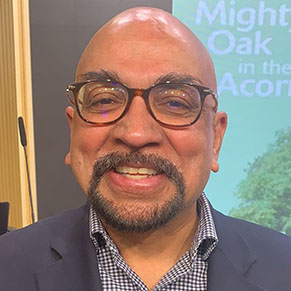
Tojo Thatchenkery is a Professor and Director of the Organization Development and Knowledge Management Program at the Schar School of Policy & Government, George Mason University, where he has been a leading figure for over 25 years. He is also affiliated with the NTL Institute of Applied Behavioral Science and the Taos Institute, contributing to the global discourse on organizational change. Research Interests: His work centers on Appreciative Inquiry, Appreciative Intelligence®, leadership, knowledge management, and organizational transformation. He explores how positive frameworks can drive innovation, sustainability, and resilience in both public and private sectors. His research extends into circular economy, entrepreneurship, nonprofit management, and South Asia contexts. Publications and Influence: A prolific author, Thatchenkery has written over a dozen books and 100 articles, including a feature in the Harvard Business Review . His seminal works such as Appreciative Intelligence and Making the Invisible Visible have shaped modern leadership and change theory. The articles reflect strong trends in positive organizational development, cognitive leadership, and sustainable innovation. Featured in the Palgrave Handbook of Organizational Change Thinkers Past Program Chair, Research Methods Division, Academy of Management Editorial Board, Journal of Applied Behavioral Sciences Editorial Board, Journal of Organizational Change Management Advising and Grants: He founded the Organization Development and Knowledge Management graduate program, mentoring generations of practitioners and scholars. His research has been supported by the National Science Foundation, NSA, and U.S. Postal Service. He brings extensive consulting experience across global institutions including the World Bank, IMF, IBM, 3M, and Tata Consulting Services. Labs and Teams: He founded and directed the Organizational Learning Laboratory at George Mason’s Johnson Learning Center (1995–2000), recognized by the Academy of Management and Project Management Journal as a pioneering facility in organizational learning and knowledge management, serving clients like Fannie Mae.
Dr Sarah Johnstone is a Research Fellow and Senior Research Officer at Queensland University of Technology's Faculty of Creative Industries, Education & Social Justice , specializing in co-design and design for diversity within the Design Lab research center. Research Focus: Accessible engagement methods, design justice, Indigenous methodologies, and social ecology. Key Projects: Navigating Aged Care Project with FECCA, accessibility manual development for art institutions, and Palliative Care Hospital Experience at St Vincent's Hospital. Teaching: Associate Fellow (Indigenous) of the Higher Education Academy, teaching units like Design Consequences and Impact Lab 2: People. Her recent publications in How Designers Are Transforming Healthcare (Springer, 2024) reveal trends in human-centered healthcare design , cross-cultural medical engagement , and creative service innovation . Scientific Contributions: 2021 Outstanding HDR Student award Lead author on 2021 White Skin, Brown Soil decolonial theory paper Key participant in Clinical Excellence Queensland's Health Excellence Accelerator Lab (HEAL) Dr Johnstone actively coordinates Australian Research Council-funded projects like Amplifying Voices from the Royal Commission into Aged Care , while exploring spiritual ecology through her ancestral connections.
Dr Sion Williams is a Senior Lecturer at Bangor University's School of Health Sciences, with a distinguished career in health and social care research. His work primarily focuses on dementia care, caregiving experiences, and innovative qualitative research methodologies. Williams has established himself as a leading researcher in narrative approaches to understanding dementia and caregiving. His research portfolio demonstrates expertise in co-constructed inquiry methods and developing grounded theories of adjustment and coping in chronic conditions, particularly Parkinson's disease and dementia. He has made significant contributions to understanding how people with dementia can maintain agency and voice through appreciative inquiry approaches. His research encompasses both theoretical development and practical applications in healthcare settings, with a strong emphasis on participatory methods that center the experiences of vulnerable populations. Williams has developed innovative approaches like 'Centre Stage Diagramming' for qualitative research with people experiencing cognitive impairment. Williams' scholarly output shows consistent productivity across multiple disciplines including social work, gerontology, palliative care, and health services research. His work demonstrates a trajectory from foundational research on Parkinson's disease adjustment to broader applications in dementia care, caregiving support, and health system evaluation. He has secured significant research funding for projects addressing critical issues in health and social care, including evaluations of NHS dental contract reform in Wales, development of short break services for dementia caregivers, and interventions supporting stroke survivors. As an academic leader, Williams has supervised numerous postgraduate students and contributed to the development of research methods in health sciences, particularly through his editorial work on participatory case study approaches in ageing studies.
Kristen Snyder is a Professor at Mid Sweden University, affiliated with the Department of Communication, Quality Management and Information Systems (KKI). She serves as Program Coordinator for the Master's in Quality Management and Leadership and focuses on four core research areas: Leadership and Culture (LC), Total Quality Management Systems (QM), Innovation (I), and Quality Services (QS). PhD in Organizational Development (1997, University of South Florida) Specializes in bridging theory-practice gaps in organizational transformation Developed theories on leadership and change based on chaos/complexity theory Conducts cross-sector research in education, healthcare, and manufacturing Her research explores systemic quality development through projects like SIMPLY LEAN (value-based leadership models) and SQMA Measurement Index (collaboration with Chalmers University). She employs methodologies such as storytelling and appreciative inquiry to create sustainable leadership frameworks. Kristen's recent publications focus on educational transformation (2025), arts-based organizational interventions (2025), and preschool quality assurance (2024). Her work consistently emphasizes cross-cultural collaboration and digital innovation in quality management. At Mid Sweden University, she teaches doctoral courses in Scientific Philosophy, Ethics, and Research Writing, while supervising Master's theses in quality management. Her collaborations span public health initiatives and private sector innovation projects across Sweden and international contexts.
Katie McShane is a Professor in the Department of Philosophy at Colorado State University. Her research focuses on the intersection of ethical theory and environmental ethics, particularly exploring the moral significance of emotional attitudes toward the natural world. She holds a Ph.D. from the University of Michigan and a B.A. from Northwestern University. Her work examines concepts like awe, respect, and valuing attitudes in environmental contexts, challenging anthropocentric perspectives and advocating for holistic ecological ethics. She has published extensively in journals such as Philosophical Studies and Environmental Ethics , and her recent research analyzes assumptions about value in environmentalist frameworks. McShane's scholarship bridges philosophy with practical issues like climate justice, animal welfare, and indigenous environmental knowledge. She previously taught at North Carolina State University and was a Visiting Scholar at Harvard University’s Center for Ethics and the Professions. Her articles reflect a commitment to interdisciplinary inquiry, addressing topics from food ethics to climate ethics and the role of emotions in moral reasoning.
Kevin Barge is a Professor of Communication and Interim Head of the Sociology Department at Texas A&M University. He holds a Ph.D. from the University of Kansas (1985). His research focuses on leadership theory, organizational change, and dialogic communication practices, emphasizing practical theory development and bridging academic and practitioner perspectives. He is a member of the Taos Institute and the Aspen Conference planning team, and has received major awards including the 2016 Gerald M. Phillips Award and 2017 Central States Communication Hall of Fame Award. Key research interests include reflexive leadership practices, appreciative inquiry in organizations, and communication strategies for managing polarized issues. He advocates for engaged scholarship that produces socially impactful knowledge. He has served on editorial boards for journals like Management Communication Quarterly and has extensive teaching experience in communication theory, organizational leadership, and group processes. Barge's work emphasizes collaborative methodologies, including co-inquiry approaches with practitioners and systemic constructionist frameworks. His publications span leadership theory, organizational communication design, and pedagogical innovation. He actively promotes academic-practitioner partnerships to enhance both theoretical and real-world applications of communication research.
Oluwatomisin Olayinka is an Assistant Professor in the School of Nursing at MGH Institute of Health Professions, where she also serves as Director of Prelicensure Programs. She is actively contributing to nursing education and clinical research with a strong focus on public health and chronic disease management. Education: BA, Mount Holyoke College, South Hadley, MA BSN, University of Massachusetts Amherst, Amherst, MA MPH, University of Massachusetts Amherst, Amherst, MA PhD, Case Western Reserve University, Cleveland, OH Dr. Olayinka's research centers on health behavior, self-management, hypertension, obesity, and innovative behavior change strategies such as Appreciative Inquiry. Her work emphasizes patient empowerment and resilience in clinical and community settings. She explores how climate change impacts maternal and public health, particularly through heat-related illness risk assessment. Her recent publications highlight interdisciplinary trends at the intersection of nursing, behavioral science, and environmental health. Key themes include the development of clinical screening tools for climate-related risks, family-centered obesity interventions, and innovative approaches to chronic disease self-management using positive psychology frameworks. Scientific Awards: Excellence in Leadership Award (2022), New England Regional Black Nurses Association Dr. Olayinka is actively involved in mentoring future nurses and shaping prelicensure curricula. While specific grant details are not listed, her leadership role and active scholarship suggest ongoing research funding and program development. She regularly presents her work at national conferences such as the Eastern Nursing Research Society and Midwest Nursing Research Society, demonstrating sustained scholarly engagement. She contributes to clinical innovation through the development of practical tools for clinicians and patient-centered programs, particularly in underserved populations. Her work bridges nursing science, public health policy, and educational leadership.
Ingela Bäckström is a Professor at the Department of Communication, Quality Management and Information Systems (KKI) within the Faculty of Science, Technology and Media (NMT) at Mid Sweden University. She specializes in quality management, sustainable health, and organizational leadership, with a focus on Lean methodologies and Appreciative Inquiry. As Chairperson of the Council of Teaching at Undergraduate and Graduate Level (GRUR), she contributes to academic governance. Research Interests center on leadership strategies that integrate customer satisfaction, employee wellbeing, and organizational profitability. Her work examines quality culture development, transitional care efficiency, and value-based leadership across healthcare and education sectors. Recent projects include digital transformation in healthcare and sustainable preschool quality frameworks. Publication Trends (2023-2025) highlight cross-sector quality improvement, with articles spanning elderly care, ICU transitional processes, preschool education, and Magnet hospital models. Methodologies combine systematic reviews, mixed-method studies, and practical implementations of Lean and TQM principles. Collaborative Projects include partnerships with Swedish Institute for Quality Development (SIQ), the Kamprad Family Foundation, and multiple public-private healthcare organizations. She co-developed coaching models for value-based leadership and measurement instruments for team collaboration in patient transfers.
Selena Chan, DO is an Assistant Professor in the Department of Psychiatry at the University of California, San Francisco School of Medicine. As Associate Director of Clinical Programs, she co-leads the development of Grand Rounds, Public Classes, the Community Care Fund (CCF), and Sharing Humanity through Arts, Reflection, and Expression (SHARE). Her work focuses on addressing the lack of integrative treatment options for low-income, underserved, and marginalized communities. Board-certified integrative psychiatrist Specializes in evidence-informed, cost-effective treatment options Integrates conventional medications, supplements, psychotherapy, and mind-body practices Dr. Chan's research interests center around integrative medicine, psychosomatic medicine, and mind-body therapies. Her work emphasizes culturally relevant communication approaches that improve therapeutic outcomes for mind-body conditions, particularly through non-verbal methods. She has dedicated twenty years to Integrative Health, with particular focus on community mental health, whole health approaches, and integrative health equity, especially for Asian American, Native Hawaiian, and Pacific Islander populations. Dr. Chan has received numerous awards including the Exceptional Long-Term Mentor Award, multiple Community+ UCSF Mount Zion Awards totaling over $500,000 in grant funding, and the UCSF School of Medicine Staff Appreciation and Recognition Plan (STAR) Award. Her grant work focuses on building community partnerships to advance integrative health equity. As a dedicated mentor, Dr. Chan has provided over 1,200 hours of structured clinical mentorship in Academic Year 2025 to faculty fellows, psychiatric nurse practitioner interns, and medical students. She serves as an Inquiry Advisor for the UCSF Inquiry Deep Explore Program and clinical attending for the UCSF Specialty Practice Ambulatory Sub-internship (SPAN). Dr. Chan leads the Osher Center for Integrative Health Mini Medical School for the Public, creating educational programming on creative expression for mind-body health and approaches to finding balance through integrative mental healthcare.