- Art History
- Modern Art
- Contemporary Art
- +۷ مورد دیگر
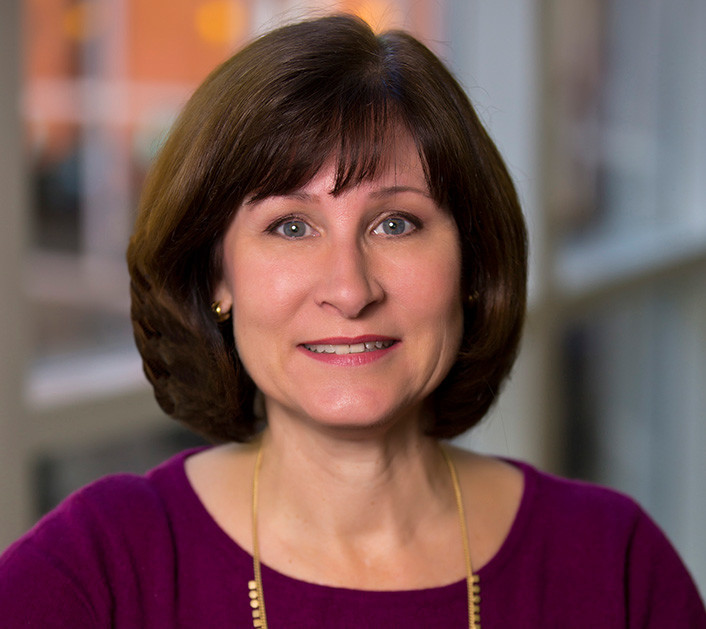
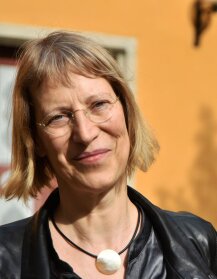
Verena Krieger is Chair of Art History at Friedrich Schiller University Jena, where she has held a professorship since 2011. Her academic career spans multiple institutions including the University of Applied Arts Vienna (2008-2011), and visiting professorships at the Universities of Bern, Jena, Munich, and Karlsruhe University of Art and Design. She previously served as a research assistant at the Institute of Art History in Stuttgart (1998-2008) and completed her doctorate at the University of Bochum in 1996 followed by habilitation at the University of Stuttgart in 2004. Her research interests focus on art and art theory of modern and contemporary periods, with particular emphasis on ambiguity in art, collage/montage techniques, monument and culture of remembrance, European avant-gardes, gender constructions in art, concepts of the artist and creativity, methods of art history, politics of art, visualization of unborn children, and temporality in art. She approaches these topics through both historical analysis and contemporary theoretical frameworks, often examining the political dimensions of artistic production and exhibition practices. Krieger's recent scholarly output demonstrates a consistent engagement with visual representation in politically charged contexts, particularly regarding Holocaust imagery, right-wing extremism, and memorial culture. Her work shows a methodological commitment to examining ambiguity as both an artistic strategy and a political tool, with increasing focus on decentralized memorial practices and artistic responses to intolerance. Her publications reveal a trajectory from studies of Russian avant-garde and modern art toward contemporary political art practices and memory culture. Professor Krieger supervises numerous doctoral candidates working on diverse topics including Jiri Kolár's work, artistic articulations from Buchenwald concentration camp, art in provenance research, Soviet architecture, art during the German reunification period, and feminist artistic practices in East Germany. Her academic leadership extends to organizing significant conferences on topics such as visual representations from Nazi camps, collage/montage practices, and ambiguous relationships in art and politics. She has directed several major research projects including 'Kunst zur 'Wende'-Zeit' examining artistic reflections of the 1989/90 transformation period, 'Jenseits der Undarstellbarkeit' analyzing artistic artifacts created by concentration camp prisoners, and the 'BrandSchutz' project addressing intolerance through contemporary art. The 'decentrale Denkmal' project for Eduard Rosenthal represents her innovative approach to memorial culture through decentralized artistic interventions across multiple locations in Thuringia.