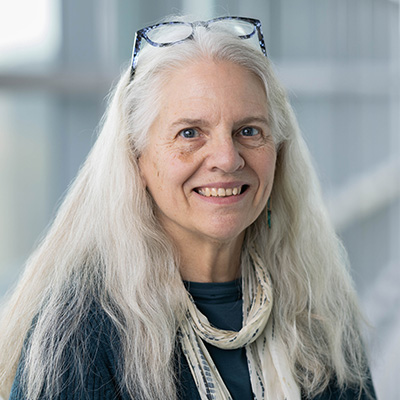
Arati Sharma is a Professor in the Department of Molecular and Precision Medicine at the Penn State Cancer Institute. Her research focuses on melanoma biology, chemopreventive agent development, and cancer signaling pathways. Key projects include studying AKT3 protein roles in melanoma and developing therapies against acute myeloid leukemia. She has led two NIH-funded grants (2009 and 2012) and published 72 peer-reviewed articles. Collaborations span institutions like National Cancer Institute and Weill Cornell Medicine. Her work addresses UN SDG 3 (Good Health & Well-being). Research Highlights: Targeting leukemia stem cells via GPR44 activation Identifying sphingolipidomic subtypes in AML Repurposing benzimidazoles from deworming agents into cancer therapies Grants & Projects: Establishing bioactive serum levels for Nanolipolee-007 (2012-2014) Chemopreventive efficacy of Plumbagin in melanoma (NIH-funded, 2009-2010)
Tanvir Khaliq is an Assistant Professor at South Dakota State University (SDSU), affiliated with the College of Pharmacy and Allied Health Professions and the Department of Pharmaceutical Sciences. He holds a Ph.D. in Medicinal Chemistry from the Central Drug Research Institute, followed by postdoctoral training at the University of Washington, University of Kansas, and University of Florida. His research focuses on anti-parasitic drug discovery (leishmaniasis, malaria), opioid pain/drug abuse mechanisms, and developing cost-effective screening methods for newborns' metabolic disorders. He teaches medicinal chemistry in pharmacy and graduate programs and chairs SDSU committees like the Faculty Development Committee and Pharm.D. Accreditation Committee. Dr. Khaliq's research employs medicinal chemistry and pharmacokinetic approaches to design novel compounds, including quinazoline alkaloids and macrocyclic peptides. His work has led to patents for newborn screening methods and grants from the South Dakota Board of Regents and National Institute on Aging. Notable awards include the American Chemical Society's Medicinal Chemistry Award and travel grants from the International Narcotic Research Committee. Key contributions include identifying orally active antiparasitic agents against drug-resistant strains and advancing kappa opioid receptor ligands for pain management. His publications span drug design, enzyme screening technologies, and natural product-derived therapeutics, reflecting his interdisciplinary expertise in organic synthesis, pharmacology, and translational medicine.
University of Illinois Urbana-ChampaignUnited States
Eric Oldfield is the Harriet A. Harlin Professor of Chemistry at the University of Illinois, Department of Chemistry, and holds an affiliation with the Center for Biophysics and Quantitative Biology. His research focuses on drug discovery for infectious diseases and cancer, leveraging techniques like X-ray crystallography, spectroscopy, and computational chemistry. He earned a BSc from Bristol University and a PhD in Biophysical Chemistry from Sheffield University, with postdoctoral work at Indiana University and MIT. Research interests span anti-infective agents targeting cell wall enzymes (e.g., UPPS, FPPS) and anticancer drugs modulating bisphosphonate effects on immune cells. His lab investigates dual-target inhibitors to combat drug resistance in bacteria and parasites. Awards include the Biophysical Society Avanti Award (2011), Royal Society of Chemistry Medals (Multiple Years), and AAAS Fellowship (2008). Key publications highlight SQ109’s broad-spectrum activity against fungi and malaria, bisphosphonates’ roles in cancer immunotherapy, and structural studies of prenyltransferases. His work integrates molecular dynamics, enzyme inhibition studies, and preclinical models to advance resistance-resistant antibiotics and immuno-antibiotics. Awards: Over 15 major accolades including Society Medals, AAAS Fellowship, and Teaching Excellence Recognition (2006). Grants/Advising: Long-term NIH-funded research on drug discovery; extensive mentorship of graduate students in anti-infective and anticancer projects. Labs: Active collaborations with the Center for Biophysics, focusing on membrane biophysics and enzyme mechanisms.
Avelina Espinosa is a faculty member in the Department of Biology at Roger Williams University's College of Arts and Sciences. Her research spans protistology, parasitology, and evolutionary biology with a specialized focus on Entamoeba species and related protists. Her primary research interests include: Mechanisms of kin discrimination in protists Development of antiparasitic compounds from natural sources Evolution education and public understanding of science Molecular mechanisms of amoebic pathogenesis Dr. Espinosa's recent research has investigated the anti-amebic properties of Chinese rhubarb extracts and anthraquinones, discrimination behaviors in Entamoeba, and the evolutionary implications of microbial social behavior. Her publication record from 2009-2021 demonstrates a sustained research program that bridges laboratory science with educational research on evolution literacy. Her work has practical implications for developing new treatments for amoebic infections and theoretical contributions to understanding social evolution in single-celled organisms. She has collaborated extensively with Guillermo Paz-y-Miño-C on numerous publications examining evolution acceptance among educators and students.
Fawzy A. Elbarbry is a Professor at Pacific University in the College of Health Professions Department of Pharmacy. He holds a PhD in Pharmacy (Drug Metabolism and Pharmacokinetics) from the University of Saskatchewan (2006), an MS in Analytical Chemistry from the University of Tanta (2002), and a BS in Pharmaceutical Sciences (1993). He is Board Certified in Pharmacotherapy (BCPS, 2018) and completed a Postdoctoral Fellowship in the Department of Medicine at the University of Saskatchewan (2006). PhD , Pharmacy (Drug Metabolism and Pharmacokinetics), University of Saskatchewan, Canada (2006) MS , Analytical Chemistry, University of Tanta, Egypt (2002) BCPS , American Pharmacists Association (2018) FPGEC , National Association of Boards of Pharmacy (2010) His research focuses on drug metabolism , particularly the impact of herbal remedies on drug-metabolizing enzymes and arachidonic acid metabolism for hypertension treatment . Recent work identified sulforaphane from broccoli as a potential antihypertensive agent through inhibition of arachidonic acid metabolism, with implications for herb-drug interactions . Dr. Elbarbry has received significant funding, including an NIH grant of $365,966 for a three-year project on alternative hypertension treatments. His publications span topics like pharmacokinetics in amputees , serotonin toxicity from antibiotics , and natural product translation to clinical practice . NIH Grant ($365,966, 2021) – Alternative Treatments for Hypertension Board Certified Pharmacotherapy Specialist (BCPS) – American Pharmacists Association (2018) His work integrates pharmacokinetics , natural product research , and clinical pharmacology to address challenges in drug interactions and cardiovascular disease management.
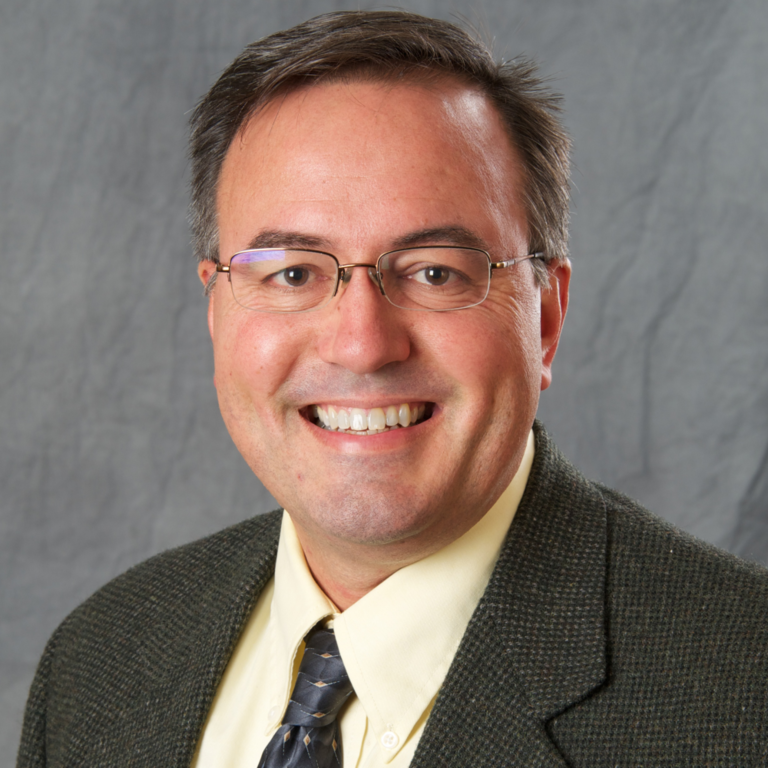
Robert Kerns is a Professor at the University of Iowa's College of Pharmacy and holds a secondary appointment in the Department of Chemistry. His research focuses on designing small molecule therapeutics for diseases like cancer, diabetes, and drug-resistant infections, with a particular emphasis on mitochondrial targeting. Education: BS in Chemistry (Iowa State University), PhD in Medicinal & Natural Products Chemistry (University of Iowa), Postdoctoral Fellow in Organic Chemistry (Princeton University) His lab develops chemical probes for drug target validation and explores fluoroquinolone derivatives for overcoming resistance. Recent work includes mitochondrial antioxidants for metabolic disorders and novel gyrase inhibitors. Publications span organic synthesis, enzymology, and translational pharmacology. Contact: robert-kerns@uiowa.edu , 438 College of Pharmacy Building, Iowa City, IA.
Chunming Liu, PhD, is a Professor in the Department of Molecular and Cellular Biochemistry at the University of Kentucky, with a joint affiliation at the Markey Cancer Center. His research is centered on the molecular mechanisms of Wnt/β-catenin signaling and its crosstalk with other pathways in human cancers, particularly colorectal, gastrointestinal, and lung cancers. Postdoctoral Fellowship, Harvard Medical School, 2003 Ph.D., Purdue University, 1997 B.S., Nankai University, 1988 Dr. Liu’s research focuses on understanding how dysregulation of Wnt signaling contributes to tumorigenesis, with a particular emphasis on β-catenin stabilization and the role of tumor suppressors like KLF4. His lab has identified novel components of the Wnt pathway and developed small-molecule inhibitors for cancer therapy. He collaborates extensively with clinicians and medicinal chemists to translate mechanistic insights into novel therapeutics. The recent publications highlight a strong trend in targeting Wnt signaling through small molecules, epigenetic modulators, and metabolic disruptors. His work spans drug discovery, molecular oncology, and translational models, including zebrafish and xenografts, with applications in colorectal, ovarian, and breast cancers. There is a clear focus on combination therapies and cancer stem cells. While specific scientific awards are not listed, Dr. Liu’s extensive publication record in high-impact journals such as Nature , Cell , PNAS , and Cancer Research underscores his significant contributions to the field. Dr. Liu has advised numerous graduate students and postdoctoral researchers, many of whom appear as co-authors on his publications. His collaborations include grants with the Markey Cancer Center and joint projects in drug development. His lab is involved in both basic mechanistic studies and applied pharmacological research. He leads a multidisciplinary research team that integrates molecular biology, biochemistry, and medicinal chemistry to investigate oncogenic signaling and develop novel anti-cancer agents. His lab collaborates with structural biologists and pharmacokinetics experts, particularly in the development and testing of fluorinated stilbenes and urea-based inhibitors.
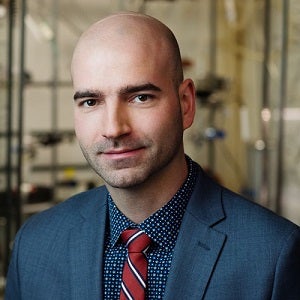
David Sarlah is a Professor of Chemistry at Rice University's Department of Chemistry. Previously, he served as faculty at the University of Illinois, Urbana-Champaign before joining Rice in 2024. His research focuses on total synthesis of complex natural products, methodology development in organic synthesis (particularly dearomatization reactions), and exploring asymmetric catalytic strategies. His group investigates the synthesis of biologically active molecules with applications in drug discovery and chemical biology. Education: B.Sc. in Chemistry from University of Ljubljana (Slovenia), Ph.D. in Chemistry from The Scripps Research Institute (2011) under Prof. K.C. Nicolaou. Postdoctoral research with Prof. Erick M. Carreira at ETH Zurich (Switzerland). Research interests emphasize innovative synthetic approaches to challenging targets, including terpenoids, alkaloids, and macrocyclic natural products. Key areas include: Development of catalytic dearomatization methods for arenes Synthesis of bioactive compounds with anticancer, antiparasitic, and neuroactive properties Exploration of iridium- and palladium-catalyzed asymmetric transformations Studies on cannabinoid metabolism and bioactivity Recent work highlights include: Discovery of novel arenophile-mediated dearomatization reactions Total syntheses of complex natural products like nimbolide and scabrolides Investigations into metabolic pathways of phytocannabinoids Lab activities are centered at Rice University's Sarlah Group, focusing on interdisciplinary projects bridging organic synthesis with biological applications. Active in developing scalable synthetic methods and exploring structure-activity relationships in drug candidates.
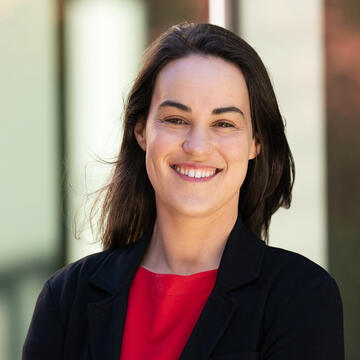
Louise Goupil is an Associate Professor in the Department of Biology at the University of San Francisco , within the College of Arts and Sciences. Her research and teaching focus on biochemical and molecular mechanisms in parasitic organisms and cell signaling pathways. BS (2011) and PhD (2016) in Chemical Biology from University of California, Berkeley, and San Francisco, respectively. Her research explores the role of cysteine proteases in parasitic flatworms, biochemical pathways in planarian digestion, and signal transduction dynamics. Recent work highlights her contributions to understanding enzyme function in neglected diseases and MAPK pathway regulation. Her publications span topics such as protease biology, antiparasitic drug discovery, and cell signaling, with a focus on mechanisms relevant to parasitic helminths and model organisms like Schmidtea mediterranea.
Dr. Roberto Docampo is a Distinguished Research Professor and Georgia Research Alliance Eminent Scholar in the Department of Cellular Biology at the University of Georgia's Franklin College of Arts and Sciences. His laboratory investigates metabolic pathways in parasitic protists, particularly focusing on calcium homeostasis, acidocalcisome biology, and polyphosphate metabolism in Trypanosoma cruzi, Trypanosoma brucei, and other pathogens. His work aims to identify parasite-specific targets for chemotherapy, such as the mitochondrial calcium uniporter and vacuolar proton pyrophosphatase. Faculty since at least 2016 Lab URL: docampolab.franklinresearch.uga.edu Dr. Docampo's research explores: Calcium signaling mechanisms in parasites Polyphosphate metabolism and its therapeutic implications Acidocalcisome structure/function across eukaryotes Drug target validation using CRISPR/Cas9 Osmoregulation via contractile vacuole complex Mitochondrial bioenergetics in trypanosomes Recent publications demonstrate expertise in: Inositol phosphate pathways Metal ion transport Membrane contact sites Antiparasitic bisphosphonates Organelle proteomics Protozoan stress responses Scientific awards mentioned in the text include: Mayara Bertolini (student): AHA predoctoral fellowship Noelia Lander (student): UGA Postdoctoral Research Award His lab collaborates with researchers across parasitology, biochemistry, and pharmacology, maintaining active projects on: Acidocalcisome-mitochondria interactions Calcium-dependent signaling pathways Development of novel antiparasitic compounds CRISPR/Cas9 applications in marine protists Evolutionary conservation of acidic organelles Protein trafficking mechanisms in trypanosomes
Liz Hedstrom is a Professor of Biology and Chemistry at Brandeis University, holding a primary appointment in the Department of Biology and an affiliated appointment in the Department of Chemistry. Her research laboratory operates at the interface between chemistry and biology, focusing on several key areas of biomedical importance. Her research interests span several interconnected fields including targeted protein degradation, antimicrobial discovery, enzyme structure-function studies, and mTOR inhibitors. Dr. Hedstrom's work on targeted protein degradation has pioneered strategies for ubiquitin-independent degradation, where small molecules localize target proteins directly to the proteasome. Her antimicrobial research has exploited the divergence of the cofactor binding site in IMPDH to identify pathogen-selective inhibitors with activity against Mycobacterium tuberculosis and other bacterial pathogens. Her laboratory's publication record demonstrates consistent productivity across multiple research fronts. Analysis of her recent publications reveals a strong focus on bacterial and parasitic enzyme targets, particularly IMP dehydrogenase (IMPDH), with applications in tuberculosis treatment, Cryptosporidium infection, and other antimicrobial applications. Her work increasingly incorporates protein degradation strategies as a novel therapeutic approach. Dr. Hedstrom has received numerous prestigious awards throughout her career including the Searle Scholar Award (1993-1996), Beckman Young Investigator Award (1995-1997), NSF CAREER Award (1995-1999), Louis D. Brandeis Teaching Award (2007), AAAS Fellowship (2010), and most recently the NIH Director's Transformative Research Award (2020). Her research has been supported by significant grant funding from the National Institutes of Health and other major funding agencies. She has mentored numerous graduate students and postdoctoral researchers who have gone on to successful careers in academia and industry. Her collaborative approach is evident through co-authorship with researchers across multiple institutions including Brandeis colleagues in the Kadener, Bisson, Marr, and Theobald laboratories. The Hedstrom Laboratory, recognized as a 2020 NIH Director's Transformative Research Awardee, employs a multidisciplinary team approach combining techniques from molecular biology, organic synthesis, protein crystallography, NMR spectroscopy, protein purification, enzyme kinetics, and mutagenesis to address complex problems at the chemistry-biology interface.
Olúwatóyìn Ajíbọ́lá Aṣojò serves as Professor of Biochemistry and Cell Biology at Dartmouth College's Geisel School of Medicine, with an additional leadership position as Associate Director for Inclusive Excellence at the Dartmouth Cancer Center. Her academic profile demonstrates a strong commitment to both research and educational initiatives within the biomedical sciences. Dr. Aṣojò's research program focuses on structural biology approaches to understanding infectious disease mechanisms, with particular expertise in protein crystallography of pathogen-derived proteins. Her work spans multiple parasitic and bacterial pathogens including Trypanosoma cruzi (Chagas disease), Plasmodium vivax (malaria), Helicobacter pylori, and various neglected tropical disease agents. She has developed significant expertise in structural vaccinology and enzyme inhibition for therapeutic development. Analysis of her recent publication record reveals a consistent pattern of high-impact structural biology research with applications to infectious disease treatment and prevention. Her work bridges basic structural science with translational applications, particularly in vaccine development and antiparasitic drug discovery. Notably, she demonstrates strong commitment to capacity building through her involvement with the Seattle Structural Genomics Center for Infectious Disease and her advocacy for supporting structural biologists in Africa. Dr. Aṣojò maintains active scholarly engagement through multiple professional platforms including ORCID (0000-0002-4043-2700), Google Scholar, LinkedIn, and Frontiers in Loop, reflecting her commitment to open science and professional networking within the global research community.