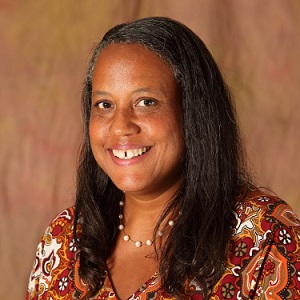
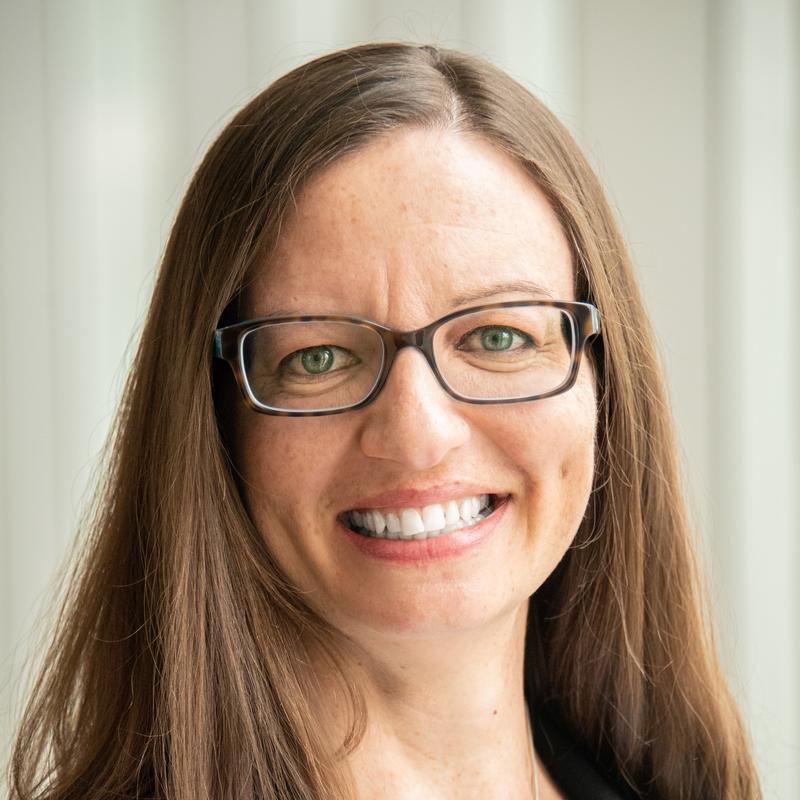
Ann Marie Garran, PhD, MSW, LCSW is an Associate Professor at the University of Connecticut School of Social Work. Her academic work focuses on social work education and practice with a strong emphasis on anti-oppressive approaches and addressing systemic inequalities. Dr. Garran's research interests include: Power, privilege and oppression as it pertains to social work education, including field instruction and advising Anti-oppressive social work practice, particularly anti-racism Intergroup dialogue Her scholarly work demonstrates a consistent focus on addressing racism and promoting social justice within social work education and practice. Through her publications, she has explored topics ranging from classroom safety in social justice education to cultural competence and human rights in social work. Her research often examines the intersection of race, power dynamics, and therapeutic practice, with particular attention to how these elements manifest in educational settings and clinical work. Dr. Garran's contact information: Email: annmarie.garran@uconn.edu Office: Room 326 HSSW
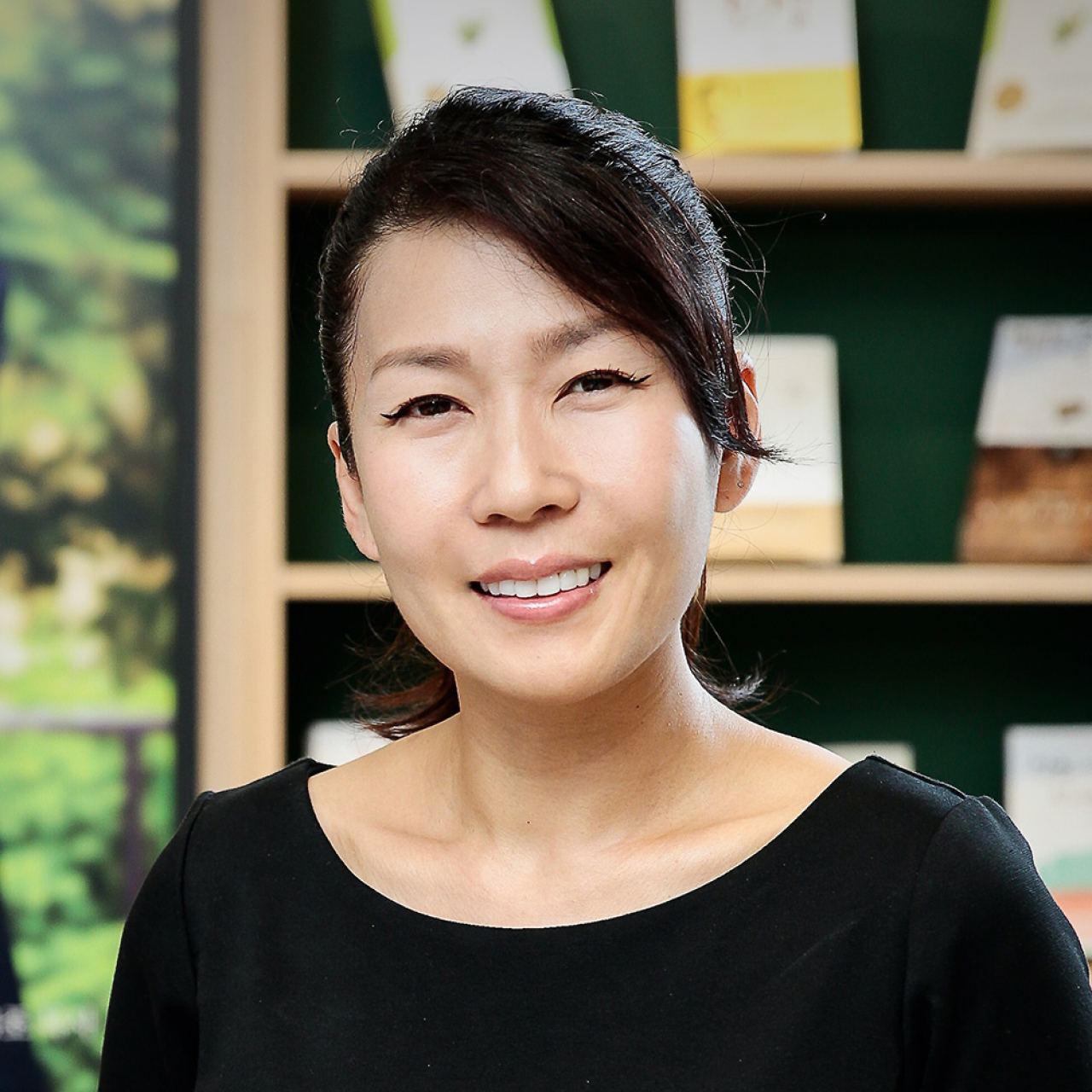
Josephine M. Kim is a Senior Lecturer on Education at Harvard University and former faculty director of the Office of Diversity and Inclusion at Harvard School of Dental Medicine. She is a licensed mental health counselor and affiliated faculty at the Center for Cross Cultural Student Emotional Wellness at Massachusetts General Hospital. Education: Ph.D., University of Virginia (2005) Her research focuses on cultural and racial identity development in youth, intergenerational trauma in immigrant families, mental health promotion in children and adolescents, intercultural understanding, and anti-racist pedagogy. She also specializes in designing equity-focused interventions for educational and organizational settings. Scientific Awards: The William Van Hoose Memorial Award (2005) Robert T. Canevari Scholarship (2004) The Buffett Fellowship Award (2004) Emerging Leaders Award (2003) Dr. Kim's publications emphasize self-esteem in education, cultural-specific counseling, and family therapy frameworks for Asian-American communities. She serves on multiple professional associations, including the National Board of Certified Counselors and the American Counseling Association, and is a sought-after expert in DEI initiatives and mental health across global institutions.
João Nemi Neto is a Senior Lecturer and Director of the Portuguese Language Program at Columbia University's Department of Latin American and Iberian Cultures. Department: Latin American and Iberian Cultures Academic Role: Senior Lecturer University: Columbia University Educational Philosophy : Focuses on queer pedagogy and inclusive language instruction, emphasizing: Queer visibility in language classrooms Resistance to heteronormative textbooks Safe spaces for gender-diverse students Integrating cultural/political context into language learning Research Themes : Interdisciplinary work at the intersection of: Queer cinema studies Brazilian telenovela analysis Language's role in gender expression Antropofagia theory applications Inclusive pedagogical frameworks Historical queer narratives Publication Trends : Recent work examines: Queer representation in Brazilian cinema (1970-2015) LGBTQIA+ inclusion in foreign language education Evolution of masculinity portrayals in media Gender theory in educational contexts Historical AIDS activism narratives Queer pedagogy methodologies Collaborations : Co-authored works with Daniela Jakubaszko analyzing Brazilian television gender dynamics.
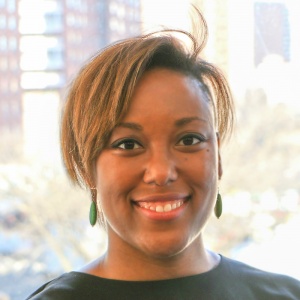
Courtney D. Cogburn is an Associate Professor of Social Work at Columbia University’s School of Social Work and a member of the Data Science Institute. She co-chairs the Computational Social Science Working Group and collaborates with the Virtual Human Interaction Lab at Stanford University. Her research focuses on racism’s role in health disparities, using transdisciplinary approaches to address cultural racism in media, chronic stress, and cardiovascular health inequities. She pioneered the 1000 Cut Journey , a virtual reality experience exploring systemic racism, which premiered at the Tribeca Film Festival and is used to study empathy and structural competence. Dr. Cogburn holds a BA in Psychology from the University of Virginia, an MSW from the University of Michigan, and a PhD in Education and Psychology from the same institution. She was a Robert Wood Johnson Foundation Health & Society Scholar at Harvard. She serves on the board of the International Center Advocates Against Discrimination and has received grants from NIH, RWJF, and the Brown Institute for Media Innovation. Her work emphasizes innovative solutions such as VR for health equity and digital tools to visualize structural racism, with recent projects addressing telehealth equity for Black communities and housing valuation biases. She received the 2022 Faculty Service Award for her contributions to social justice and academic leadership.
Dr. Jennifer Foster is an Associate Professor and Program Coordinator for the School Counseling Program at Western Michigan University's Department of Counselor Education and Counseling Psychology. She holds academic leadership roles including editorial board membership for Counseling and Values and serves on WMU's Institutional Review Board. With a Ph.D. from the University of Central Florida, Dr. Foster specializes in childhood trauma, trauma-informed practices, and anti-racist approaches in education. Her work emphasizes prevention of abuse, resilience-building, and culturally responsive interventions. Dr. Foster has authored over 25 peer-reviewed publications across journals such as Counselor Education and Supervision and Journal of Mental Health Counseling . Her research spans topics including trauma narratives, group interventions for survivors, and cross-cultural child protection strategies in India. Notable contributions include developing trauma-informed school programs and analyzing male experiences of sexual abuse through narrative analysis. Education: Ph.D., Counselor Education, University of Central Florida M.S., Counseling, Palm Beach Atlantic University B.A., Psychology, Cedarville University Her awards reflect recognition for both scholarship and advocacy, including the Journal for Specialist in Group Work Research Article of the Year (2019) and College of Education Multicultural Advocate Award (2019). Dr. Foster's community engagement includes consulting for trauma recovery programs and advising on trauma-informed school policies. She has secured $15,000+ in research grants exploring child abuse prevention in international contexts. Her work uniquely integrates creativity and spirituality in counseling practices, demonstrating how artistic expression can aid trauma recovery. Current projects focus on building anti-racist frameworks in school counseling to address systemic inequities affecting vulnerable youth.
Darius Green, PhD is an Assistant Professor in the Department of Counseling and Human Services at the University of Colorado Colorado Springs (UCCS). He holds a Ph.D. in Counselor Education from James Madison University. His research focuses on integrating social justice and multiculturalism into counseling practices, addressing systemic issues like police violence, race-based trauma, cyber racism, and substance use interventions. Key research themes include: Racial trauma and vicarious traumatization from police violence Cyber racism in digital counseling spaces Abolitionist approaches to substance use treatment Decolonization of counseling practices Recent publications (2020-2024) emphasize: Historical analysis of Black males' counseling experiences Crisis counseling during social justice movements Counselor training for racial equity No academic awards listed. His clinical experience includes trauma-informed counseling for substance use, domestic violence, and marginalized communities. Office: Columbine Hall 3009 | Phone: (719) 255-4963
James Haywood Rolling Jr. is an Interim Chair of the Department of African American Studies and Professor of Arts Education at Syracuse University, with a dual appointment in the School of Education and former affiliation with the College of Visual and Performing Arts. He holds an Ed.D. in Art Education from Columbia University and an MFA in Experimental Studios from Syracuse University. His research focuses on African American Studies, arts-based research methodologies, and creative leadership, with an emphasis on antiracist praxis and community-engaged scholarship. Dr. Rolling has authored over 35 peer-reviewed articles, numerous books including *Growing Up Ugly: Memoirs of a Black Boy Daydreaming* (2020), and served as President of the National Art Education Association (2021–2023). His work bridges art education with social justice, exploring themes like narrative inquiry, identity, and systemic inequities. He co-directs the Lender Center for Social Justice and has led initiatives to advance equity in education and creative leadership. Notable awards include election to the Cooper Union Board of Trustees (2024–present) and leadership roles in national arts education organizations. His teaching spans courses on art philosophy, creative processes, and narrative research, alongside grants strengthening K-12 arts pipelines into higher education programs.
Emily Taylor is a Senior Lecturer in Clinical Psychology and Dean of Quality Assurance and Curriculum Validation at the University of Edinburgh's College of Arts, Humanities and Social Sciences. Her roles include overseeing academic programs, leading quality improvement initiatives, and contributing to Senate committees. She holds additional affiliations with the Chartered Psychologist (Healthcare Professions Council), Senior Fellow of Advance HE, and the British Psychological Society. Education qualifications include a PGDip in Digital Education (2018), DClinPsychol (2002), and MA(Hons) Psychology (1998). Her teaching spans MSc Psychological Therapies, Clinical Psychology doctorates, and online courses like Trauma and Resilience in a Developmental Context . She previously directed learning and teaching for the School of Health in Social Science and led pandemic-era online education transitions. Research focuses on adolescent psychopathology, resilience in care-experienced youth, and trauma-informed interventions. Key projects include the Scaffolding the System initiative (analyzing foster carer needs), FAAST project (foetal alcohol assessment training), and evaluations of neuro-trauma training for childcare workers. She co-founded the CAMHR Centre and CAREHub research networks, supporting over 10 grant proposals. Publications span 40+ peer-reviewed articles on topics like kinship care dynamics, trauma-focused therapies, and mental health in LMICs. She actively reviews for journals including Child & Family Social Work and Journal of Family Violence . Current affiliations include Scotland's National Confidential Forum and the LIMITLESS II feasibility study steering group.
Dr. Edmund Adjapong is an Associate Professor of Educational Studies at Seton Hall University and Director of the Hip-Hop Culture, Equity, and Excellence Academy. His work focuses on leveraging hip-hop culture as a transformative tool in education, particularly in STEM and urban education settings. He co-founded the Science Genius program, which uses hip-hop to engage marginalized youth in STEM. Adjapong holds a PhD in Science Education from Teachers College, Columbia University (2017). His research explores culturally responsive pedagogy, equity-driven education, and systemic inequities in K-12 schools. Education: PhD in Science Education from Teachers College, Columbia University (2017). Research Interests: Hip-hop pedagogy, culturally responsive teaching, STEM equity, urban education reform, and youth empowerment. His approach integrates hip-hop with science education to foster curiosity and address racial disparities in STEM fields. Awards: AESA Book Critic Award (2024) AERA HipHop Praxis SIG Early Career Award (2024) Seton Hall University Faculty of the Year (2021) Adjapong leads initiatives like the Science Genius Academy, which supports students pursuing STEM careers. He advocates for hip-hop-based professional development for educators to create inclusive classrooms. His book Teach Like an MC provides practical strategies for integrating hip-hop into K-12 settings. His work bridges academia and community through projects like hip-hop music production in STEM education, emphasizing youth voice and culturally affirming practices.
Simon Goebel is a Professor for Social Work and Diversity at the Faculty of Humanities and Natural Sciences at Augsburg University of Applied Sciences. Appointed in 2021, he leads research and teaching in the Social Work (Bachelor of Arts) program, focusing on critical approaches to migration, diversity, and social justice. His academic work bridges theoretical frameworks with practical applications in social work contexts. Dr. Goebel earned his doctorate in European Ethnology/Folklore from the Catholic University of Eichstätt-Ingolstadt in 2016. His academic journey includes research positions at the Centre for Flight and Migration (2019-2021) and teaching assignments at multiple German universities since 2012. Prior to his professorship, he worked extensively with Tür an Tür – Integrationsprojekte gGmbH as a speaker and consultant on refugee labor market integration (2014-2020). His research interests span migration and asylum studies, media representation of refugees, postcolonial theory, diversity and anti-racism, and the legal anthropology of migration control regimes. Dr. Goebel examines how migration discourses are constructed in political talk shows and digital public spheres, with particular attention to the intersection of racism, culturalism, and policy frameworks. His work critically analyzes the relationship between migration control and social policy, especially regarding refugee camps and labor market access. Dr. Goebel's scholarly contributions reveal consistent themes across his publications: the critical examination of migration discourses in German media and politics, the intersection of racism and culturalism in public debate, and innovative approaches to refugee integration through projects like urban gardening. His work demonstrates how digital media shapes migration narratives while challenging deficit-oriented frameworks in integration policy. German Society for Social Work German Society for Empirical Cultural Studies Refugee Research Network Network for Critical Migration and Border Regime Research Migration Council Dr. Goebel actively engages in knowledge transfer through numerous lectures, workshops, and media appearances. He has supervised multiple theses on topics including racism in children's media, refugee family experiences at the intersection of disability, and accommodation standards for refugees. His current projects include 'Hello Diversity! Diversity Check,' an anti-racist analysis of children's books, and 'Urban Gardening with Refugees,' which explores sustainable social work methods.
Elizabeth Walker is an Associate Research Professor at Emory University's Rollins School of Public Health, specializing in behavioral, social, and health education sciences. She serves as Director of Graduate Studies for the BSHES MPH program and leads the Office of Evidence-based Learning. Her work focuses on mental health service evaluation, capacity-building for mental health workforces, and pedagogical innovation in public health education. She holds a PhD from Emory and completed a postdoctoral fellowship under Dr. Ben Druss at Rollins. Her research spans mental health implementation science (e.g., leading the Center for Mental Health Implementation Support) and teaching methodologies, including evaluations of online learning, team-based learning, and curriculum design. Notable projects include developing the WebEase epilepsy self-management platform and assessing compassion meditation for hospital chaplains. Publications highlight her contributions to understanding mental health comorbidities, disparities in healthcare access, and the impact of structural determinants on public health training. She has led mixed-methods studies on mental health workforce needs, emergency department transitions, and anti-racist pedagogy. Her teaching spans qualitative methods, mental health prevention, and evidence-based instructional strategies.
Dr. Alaina Davis is a tenured Associate Professor and Chair of the Department of Communication Sciences and Disorders at Howard University. She holds a Ph.D. from Howard University (2014), an M.S. in Speech-Language Pathology from Southern University and A&M College (2009), and a B.A. in Communication Disorders from the University of Houston (2005). Education: Ph.D. (2014), M.S. (2009), B.A. (2005) Her research focuses on cognitive-communication disorders from traumatic brain injuries, with a specialization in sport-related concussion and culturally responsive clinical practices. She examines return-to-learn/play/activity protocols for student-athletes and addresses health disparities in concussion management for racially diverse populations. The 2024-2023 publications highlight her work on cultural sensitivity in neurorehabilitation , racial bias in sports medicine , and cognitive learning styles affecting speech-language pathology education. Her research spans from clinical frameworks for meta-therapy to anti-racist pedagogy in communication sciences. Scientific Awards: Provost's Distinguished Service Award (2021), Certified Brain Injury Specialist Trainer (2019), multiple HU Summer Research Fellowships Dr. Davis directs the Cognitive-Communicative Skills Clinic and Research Lab (CCC Skills) and serves as Lead SLP on the Howard University Concussion Management Team. She co-chairs a 2024 ASHA-funded grant on culturally adapted rehabilitation and hosts the podcast Life, Language, & Lyrics , emphasizing holistic approaches to communication disorders.
Dr. Loretta Pyles is Professor at the University at Albany School of Social Welfare, holding PhD and MA degrees from the University of Kansas and a BA from Baker University. A certified yoga instructor, her critical social justice scholarship examines resistance to poverty, gender violence, racism, and disasters within contexts of climate crisis and neoliberalism. Her NSF-funded research employs transformative frameworks integrating holistic mind-body-spirit approaches. Research Focus: Transformative community organizing; Integrative wellness practices; Disaster resilience; Anti-oppressive methodologies; Climate justice frameworks. Publications: Authored Progressive Community Organizing (Routledge) and Healing Justice: Holistic Self-Care for Change Makers (Oxford). Recent work explores rewilding practices amid climate change. Awards: National Science Foundation grant recipient for disaster research.
Associate Professor Robyne Garrett is an academic in the Department of Education at UniSA Education Futures , University of South Australia. Her research focuses on culturally responsive pedagogy, embodiment in learning, and educational equity. She explores how creative and body-based approaches can foster inclusive environments for marginalized students, particularly in settings of poverty, trauma, and cultural diversity. Her work emphasizes transformative curriculum design that integrates somatic practices, Indigenous knowledge systems, and social justice frameworks. Notable areas include enhancing teacher training to address systemic inequities and redesigning STEM education through drama-based methodologies. Recent publications highlight themes of resilience in education, decolonizing practices in health and physical education, and the intersection of race/whiteness in sports media representation. Her research often bridges theory and practice, advocating for pedagogical innovations that center student agency and community well-being. Garrett is a dedicated research degree supervisor and media commentator on educational equity. Her contributions span over 30 years, with a focus on marginalized populations including refugee students, non-traditional university learners, and Indigenous communities.
Veronica Benavides is a researcher at Bank Street College of Education's Center on Culture, Race and Equity. Her work focuses on systemic equity initiatives, community-based education projects, and leadership development in early childhood education. She collaborates with organizations like Bronxworks and the Highbridge Advisory Council to co-design culturally responsive resources for families and educators. Key Roles: Researcher, Project Collaborator, Curriculum Developer Affiliations: Center on Culture, Race and Equity (Bank Street College) Her research emphasizes family engagement practices, anti-racist educational frameworks, and restorative approaches to schooling. Notable projects include the All Hands In Interactive Resource Guide and systemic change case studies for educational institutions. Publications highlight her expertise in early childhood policy, equity leadership, and counternarrative methodologies. She contributes to policy development through studies like the NYC Pre-K Leadership Project.