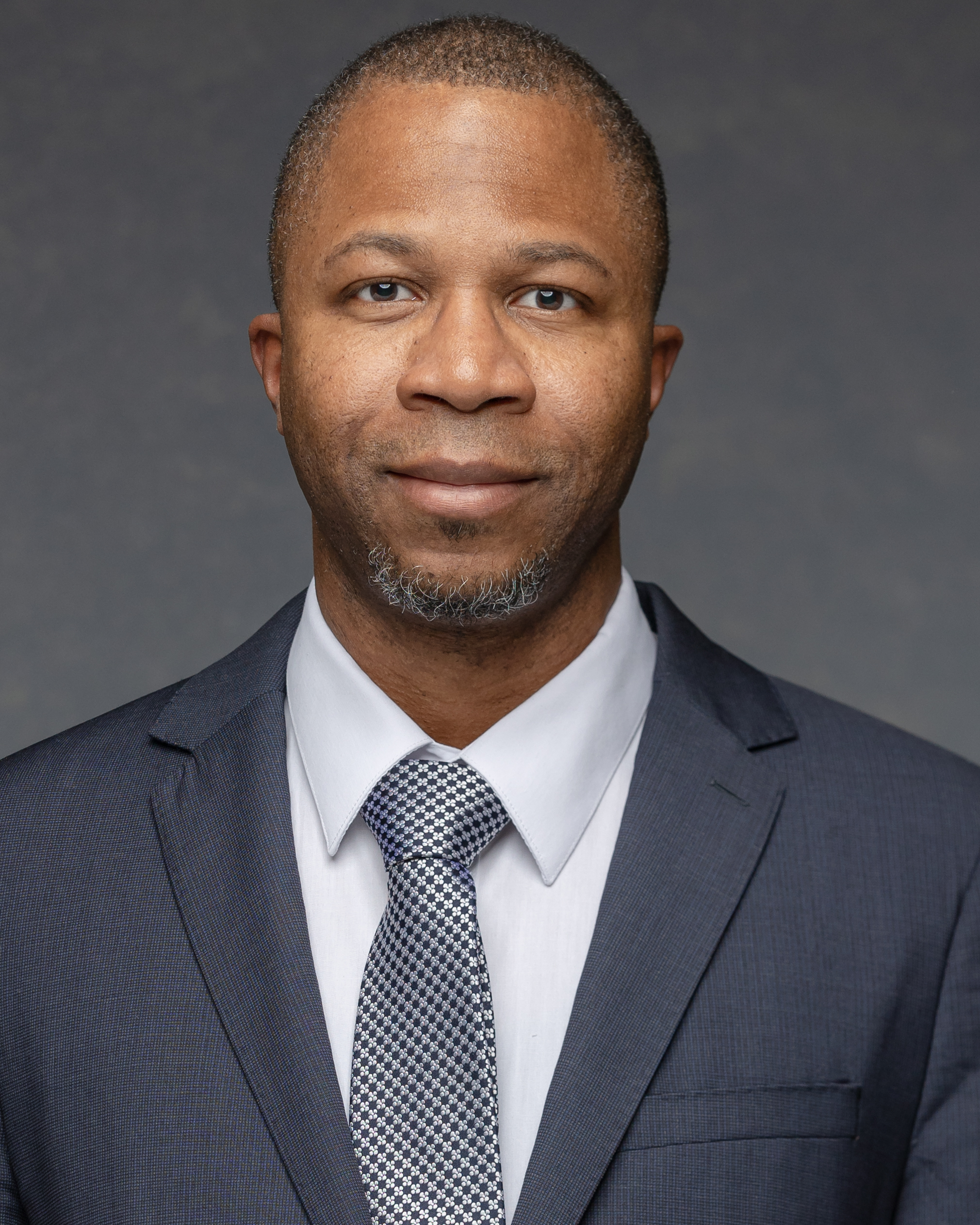
Prof. Waldemar Kolanus leads the Molecular Immunology and Cell Biology department at the University of Bonn's Life & Medical Sciences Institute (LIMES) . His research bridges immunoregulation , stem cell dynamics , and metabolic stress responses in immune cells. Unit 2 member at LIMES Principal investigator in SFB 704 and ImmunoSensation Cluster Leads a multidisciplinary lab with postdocs, PhD students, and technical staff His work focuses on intracellular signaling pathways connecting immune activation to tissue homeostasis, particularly through: Cytohesin proteins in integrin-mediated adhesion and migration TRIM71 in stem cell regulation and congenital hydrocephalus High-salt environments affecting macrophage function Publication trends show expertise in immune cell migration , genetic models , and chemical inhibition , with frequent use of mice and zebrafish for in vivo studies. Key articles explore: TRIM71's dual role in auditory development and germ cell maintenance Cytohesin family's Golgi regulation and insulin signaling Ruxolitinib's off-target migration inhibition of dendritic cells Contact details: Address: LIMES Institute, Carl-Troll-Straße 31, Bonn Email: kolanus.sekretariat@uni-bonn.de Phone: +49 228 73-62788
Eileen A. Lacey is the Class of 1933 Chair in Biological Sciences and Professor in the Department of Integrative Biology at UC Berkeley. She leads the Lacey Lab based at the Museum of Vertebrate Zoology, focusing on vertebrate social behavior and population biology. Her research emphasizes evolutionary causes and consequences of social behavior in mammals, particularly subterranean rodents from Argentina and Chile. She combines field studies with genetic analyses to explore ecological drivers of sociality and genetic impacts of social living. Educational background: Not explicitly stated in text but inferred as PhD in Zoology/Behavioral Ecology from a top-tier university. Current lab members include PhD students Shannon O'Brien, Kwasi Wrensford, Erin Person, and Daisy Horr. Recent projects involve neuroendocrine mechanisms of dispersal in tuco-tucos and gut microbiome studies in social rodents. Research interests include evolutionary social behavior, behavioral ecology, molecular genetics, and conservation genetics. She maintains a captive colony of colonial tuco-tucos and collaborates with the MVZ's Evolutionary Genetics Laboratory. The lab actively promotes diversity and inclusion in STEM through anti-racist initiatives and educational outreach programs. Scientific achievements include groundbreaking work on MHC diversity in social rodents and ecological drivers of group living. Recent recognition includes NSF postdoctoral fellowships for lab members and awards like the Ford Foundation Dissertation Fellowship. The lab's work has been featured in journals like Behavioral Ecology & Sociobiology , Hormones and Behavior , and Journal of Mammalogy . Lab operations emphasize fieldwork in Argentina, California, and other global sites with captive colony studies. Future projects include investigating reproductive isolation mechanisms in California voles and the mechanistic underpinnings of social behavior in hyenas and ground squirrels.
Dr. Xi Chen is a Professor in the Department of Chemistry at the University of California, Davis, where he has been a faculty member since 2003. His research spans carbohydrate chemistry, glycobiology, and cancer biology, with notable contributions to chemoenzymatic methods for glycoconjugate synthesis. Dr. Chen's work focuses on developing hybrid chemical-enzymatic approaches to synthesize complex carbohydrates and glycoconjugates, characterizing glycosyltransferase mechanisms, and designing enzyme mutants for improved catalysis. He also investigates carbohydrate-based diagnostics and therapeutics, particularly in cancer and inflammatory diseases. His recent publications highlight interdisciplinary studies linking carbohydrate metabolism to p53 tumor suppression pathways and RNA-binding protein regulation in cancer. Awards include AAAS Fellow (2015), ACS Isbell Award (2012), and NSF CAREER Award (2006). He earned his Ph.D. at Wayne State University (2000) and B.S. at Xiamen University (1994). Scientific Awards American Association for the Advancement of Science Fellow (2015) Dean's Team Award for Excellence (2013) Carbohydrate Research Award for Creativity (2013) ACS CARB Horace S. Isbell Award (2012)
Hans Steenackers is an Associate Professor at the Faculty of Bioscience Engineering, KU Leuven, where he leads the MICA Lab within the Department of Microbial and Molecular Systems. His research focuses on innovative antimicrobial strategies targeting microbial communities, including socio-active, anti-resistance, and observation-guided approaches. Key research areas include biofilm dynamics antimicrobial resistance evolution in situ microbial monitoring Salmonella Typhimurium pathogenesis anti-virulence therapies His recent publications highlight advancements in biofilm inhibition, triggered antimicrobial release systems, and evolutionary robustness of probiotics. The majority of his work involves interdisciplinary collaborations, particularly in projects like TARDIS, ULTiMatE-MS, and MICROTUNe, with a focus on translating fundamental research into clinical applications. As an educator, he teaches advanced courses in microbial physiology, biofilm research, and applied biotechnology. The MICA Lab actively partners with academic and industrial stakeholders in initiatives such as the Flemish Scientific Research Network on Biofilms and the Bioclean H2020 project.
Andrew McArthur is a Professor in the Department of Biochemistry & Biomedical Sciences at McMaster University, where he leads the McArthur Laboratory. His research focuses on bioinformatics , genomics , and computational biology with a specialization in genomic surveillance of antimicrobial resistance (AMR) . He spearheads the Comprehensive Antibiotic Resistance Database (CARD) and collaborates with the Canadian Anti-Infective Innovation Network (CAIN) , GenEpio Consortium , and IRIDA Platform for pathogen genomics. Education : PhD in Biochemistry (University of Victoria, 1996), Postdoctoral work at Marine Biological Laboratory (1998-1999) and National Museum of Natural History (1996-1998) His research spans antimicrobial resistance surveillance , machine learning applications , viral genomics (including SARS-CoV-2), and pathogen evolution . He has developed tools like CARD and IRIDA to standardize AMR data and enable rapid infectious disease analysis. Recent work includes machine learning models for predicting AMR, cloud-based pathogen detection , and resistome profiling in clinical and environmental contexts. He has mentored graduate students including Jalees Nasir (HSGSA Impact Award 2025), Dirk Hackenberger , Autumn Arnold , and Emily Bordeleau , as well as postdoctoral fellows like Sheridan Baker . His teaching includes courses in practical bioinformatics and biomedical consulting at McMaster University.
Professor Sarah Coulthurst is the Chair of Microbial Interactions and a Wellcome Trust Senior Research Fellow at the University of Dundee's School of Life Sciences. Her research focuses on understanding how Gram-negative bacterial pathogens cause disease, with a focus on protein secretion systems (especially the Type VI secretion system), inter-bacterial competition, and antimicrobial resistance mechanisms. She leads a molecular microbiology group using genetics, proteomics, and non-mammalian virulence models. Education: PhD in Molecular Microbiology from the University of Cambridge (2005), MSci in Natural Sciences (2000), and BA in Natural Sciences (1999), all from the University of Cambridge. Research Focus: Her work investigates the molecular mechanisms of the Type VI secretion system (T6SS), bacterial competition strategies, and antimicrobial peptide production. Key projects include studying Serratia marcescens's T6SS-mediated attacks and the role of lifestyle switches in clinical pathogen adaptation. Recent Work: Recent publications highlight discoveries in T6SS effector proteins, pore-forming mechanisms, and genomic regulation of bacterial competition. She also contributes to understanding antimicrobial resistance and Serratia's role in polymicrobial communities. Awards: Includes Fellow of the Royal Society of Edinburgh (2024), Wellcome Senior Research Fellowship (2020), and multiple prizes for contributions to microbiology and teaching excellence. Teaching & Supervision: Module manager for Advanced Molecular Microbiology and supervisor for PhD projects on T6SS mechanisms and bacterial adaptation. She also engages in public outreach and educational initiatives. Lab & Collaborations: Collaborates with institutions like the University of Newcastle and Heriot-Watt University. Her lab integrates cutting-edge omics approaches with traditional microbiology to study pathogen interactions.
Dr. Peter Zilm is an Associate Professor in the Adelaide Dental School at the University of Adelaide, part of the Faculty of Health and Medical Sciences. His research focuses on bacterial biofilm dynamics, particularly in oral pathogens linked to caries and periodontal disease, and their systemic implications. Key projects include developing oral microbiome transplantation therapies and pH-responsive 'intelligent particles' as antimicrobial agents. Collaborations with chemical engineers and industry aim to advance nano-technological solutions for dental applications. Research interests span biofilm inhibition mechanisms, the gut microbiome's role in gastrointestinal inflammation triggered by periodontitis, and the development of novel antimicrobial coatings for medical devices. His work integrates advanced technologies like cellular impedance (exCELLigence) and next-generation sequencing. He has secured NHMRC funding (2020-25) for oral microbiome transplantation research. Projects are based at the Helen Mayo South Building and involve collaborations with institutions in Spain, the UK, and elsewhere. Dr. Zilm supervises Honours, Masters, and PhD students across multiple translational projects, including anti-biofilm agents, oral microbiome transplantation efficacy, and the relationship between oral bacteria and systemic diseases like cardiovascular issues and cancer. His recent publications highlight innovations in nano-technology, biofilm disruption, and probiotic interventions for periodontal disease.
Joshua Modell is an Associate Professor in the Department of Molecular Biology and Genetics at the Johns Hopkins University School of Medicine. His research focuses on the fundamental biology of CRISPR-Cas systems and their roles in bacterial immunity against bacteriophages. Dr. Modell's research interests lie at the intersection of molecular biology, microbial genetics, and immunology. He investigates how CRISPR systems function during live infections, how they avoid autoimmunity, and how phage biology influences susceptibility to CRISPR attacks. His lab employs an interdisciplinary approach combining molecular biology, next-generation sequencing, functional genomics, biochemistry, bioinformatics, and time-lapse microscopy. The recent publications from the Modell lab reveal a strong focus on CRISPR regulation, anti-CRISPR mechanisms, phage defense strategies, and the evolutionary dynamics of CRISPR systems. The work spans from basic mechanistic insights into Cas9 function and spacer acquisition to understanding how viral recombination and anti-CRISPR proteins influence host-pathogen interactions. These studies are published in top-tier journals such as Nature , Cell , and Cell Reports , reflecting the impact and innovation of the research. Scientific Awards: No scientific awards mentioned in the provided text. Dr. Modell actively mentors graduate and undergraduate students, indicating a strong commitment to training the next generation of scientists. His lab includes multiple graduate students such as Katie King, Joshua Garcia-Colon, Marissa Feeley, Rhett Snyder, and Sarah Voss. While specific grant funding is not listed, the scope and productivity of the research suggest substantial extramural support. The lab operates at the forefront of CRISPR biology, aiming to uncover fundamental principles that can inform the development of next-generation genome-editing technologies. The Modell Lab is an active research group within the Department of Molecular Biology and Genetics at Johns Hopkins University School of Medicine. It uses cutting-edge techniques to study CRISPR immunity in its native biological context, focusing on type II CRISPR systems like Cas9. The lab integrates genetic, genomic, and cellular analyses to explore how CRISPR systems co-evolve with their bacterial hosts and viral predators.
Gary H. Perdew is the H. Thomas & Dorothy Willits Hallowell Chair of Agricultural Sciences and Director of the Center for Molecular Toxicology and Carcinogenesis at Penn State University. He holds a B.S. in Food Science from the University of Maryland, M.S. in Food Biochemistry from Oregon State University, and a Ph.D. in Food Toxicology from Oregon State University, followed by postdoctoral training at the University of Wisconsin. His research focuses on the Aryl hydrocarbon receptor (AHR), exploring its role in toxicology, carcinogenesis, and metabolic regulation, particularly in barrier tissues like the intestine and skin. His work has led to collaborations with pharmaceutical companies developing AHR-targeted therapies. Key honors include the NIH R35 RIVER Outstanding Investigator Award (2019–2025), Penn State Faculty Scholar Medal (2002), and Distinguished Professor title (2004–2006). He teaches BMB 433: Biochemical and Molecular Toxicology and serves on NIH study sections. His lab investigates AHR’s dual role in cancer progression and immune modulation, aiming to develop treatments for inflammatory diseases and cancer. Ongoing projects include AHR antagonists in clinical trials and microbiome interactions with xenobiotic responses. Perdew’s research bridges environmental toxicology, cancer biology, and translational medicine, with over 150 publications and an impact index of 65. His lab also explores AHR’s role in metabolic homeostasis, gut microbiota dynamics, and evolutionary differences in receptor function across species.
Jessica Blair is a Professor of Antimicrobial Resistance at the Institute of Microbiology and Infection , University of Birmingham. She serves as Director of the Doctoral School within the Vice-Chancellor's Office and accepts PhD students. Her research focuses on antibiotic resistance mechanisms in bacteria, particularly the role of efflux pumps in expelling antibiotics. Active in Antimicrobial Resistance and Efflux Pump studies Principal Investigator for projects funded by BBSRC and European Commission Key collaborator in Gram-negative Bacteria and Salmonella research Her 2024 publications address antibiotic delivery systems using silica nanoparticles, efflux pump impacts on bacterial physiology, and non-antibiotic drug interactions with Escherichia coli . Earlier work (2023) analyzed antimicrobial peptide mechanisms against bacterial membranes. She has participated in public engagement events like Soapbox Science (2017) and was featured in Michael Moseley's documentary vs the Superbugs (2016). Current projects include improving industrial processes via efflux-membrane potential relationships and high-throughput microbial community assembly pipelines.
Professor Lennart Randau is a leading researcher in the field of Genetics at Philipps University of Marburg, affiliated with the Faculty of Biology. His work is conducted in conjunction with the Max Planck Institute for Terrestrial Microbiology in Marburg, Germany, where he investigates molecular mechanisms underlying CRISPR-Cas systems and related biotechnological applications. Research focus on CRISPR-Cas evolution and inhibition mechanisms Investigates structural and functional diversity of prokaryotic defense systems Active in developing genome engineering tools from microbial systems His recent publications highlight CRISPR-Cas transitions from natural immunity to synthetic biology applications, with particular emphasis on anti-CRISPR proteins and transposon-associated gene integration mechanisms. Professor Randau's laboratory employs interdisciplinary approaches combining molecular biology, biochemistry, structural biology, and genomics to unravel the complexities of microbial genetic defense systems and their potential applications in biotechnology.
Kelly Sutherland is a Professor of Biology at the University of Oregon , affiliated with both the College of Arts and Sciences and the Oregon Institute of Marine Biology (OIMB) in Charleston. She holds a Ph.D. from MIT/Woods Hole Oceanographic Institution (2009), an M.S. from the University of South Alabama (2004), and a B.S. from Tufts University (1999). Her research bridges biology and physics, focusing on biomechanics and fluid-environment interactions in marine organisms, particularly gelatinous zooplankton. Education: B.S., Tufts University (1999) M.S., University of South Alabama (2004) Ph.D., MIT/Woods Hole Oceanographic Institution (2009) Sutherland’s lab investigates ecological and evolutionary roles of gelatinous plankton, which are understudied yet critical to marine food webs. Her work emphasizes predator-prey dynamics , multi-jet propulsion , and microbial-grazing interactions , employing in situ video, kinematic analysis, and flow visualization. Recent studies explore colonial salp swimming efficiency, appendicularian particle selection, and ctenophore ecological impacts in open oceanic ecosystems. Research Trends: Recent publications highlight Salp colonial architecture , multi-jet propulsion , microbial prey dynamics , particle surface properties , and hydrodynamic advantages in pelagic organisms . Collaborative themes span biomechanics , ecosystem impacts , and evolutionary adaptations . Advising & Outreach: Dr. Sutherland mentors undergraduate, MSc, and PhD students at both the Eugene campus and OIMB, with lab opportunities in lab/field studies and summer research. She encourages external funding applications and collaborates with environmental studies programs. Outreach includes partnerships with journalists, filmmakers, and artists to communicate science to broader audiences.
Anne McIntosh is an Associate Professor and Associate Dean at the Augustana Campus of the University of Alberta, with an adjunct appointment in the Department of Renewable Resources at the Faculty of Agricultural, Life and Environmental Sciences. Her research spans forest ecology, disturbance dynamics, and ecological reclamation, focusing on post-disturbance recovery of biodiversity and ecosystem services. PhD in Biology MSc in Ecology BSc (Honours) in Environmental Science Her research explores: Ecological recovery after natural and anthropogenic disturbances (mountain pine beetle, oil sands, reclamation) Microbial and plant community interactions Functional trait variability in forest ecosystems Conservation in mixed-use landscapes Teaching innovations in ecology and biology Her recent publications emphasize trait-based forest restoration, invasive species impacts, and monitoring reclaimed ecosystems globally. She leads the Ecological Recovery Lab and collaborates on cross-continental studies in Canada, Sweden, and Costa Rica. She teaches advanced courses in: AUBIO 315 - Advanced Biological Analysis (statistical methods) AUBIO 323 - Plant Biology AUBIO 253 - Ecological Interactions AUBIO 411 - Capstone Biology Perspectives AUSTA 215 - Statistical Methods for Natural Sciences Her lab focuses on long-term ecological monitoring, using field surveys and UAV technology to assess recovery trajectories in forest and grassland ecosystems.
Julian Hurdle, PhD, is a Professor at Texas A&M University and Director of the Center for Infectious and Inflammatory Diseases (CIID). His research focuses on antibiotic resistance in Clostridium difficile , novel therapeutic strategies, and chemical genetic approaches to pathogenic mechanisms. Research Interests: His multi-disciplinary work bridges high-throughput screening of chemical libraries, target identification via genomics, and in vivo modeling to understand C. difficile resistance and develop therapies. Collaborations with medicinal chemists and clinical scientists drive translational goals. Publications: His 15 most recent articles highlight studies on C. difficile's evolution of resistance, membrane-active antibiotics, and antivirulence strategies. Keywords span Microbiology, Pharmacology, and Chemical Genetics, with sub-fields like toxin-inhibiting mechanisms, phytochemicals, and drug hybridization. Academic Contributions: As Director of the IBT Postdoctoral Program, he mentors researchers in infectious disease innovation. His lab integrates molecular biology, animal models, and clinical data to impact human health.
Yuping Li is a Tenure-track Assistant Professor at the Biozentrum, University of Basel, where she leads a research group focused on the genetics and evolution of bacteria-jumbophage interactions. She was appointed in 2024 and received an SNSF Starting Grant the same year. Her research explores the unique biology of jumbophages—phages with large genomes and eukaryote-like properties—and their co-evolution with bacterial hosts, particularly the Pseudomonas phage phiKZ and the bacterial 'jumbophage killer' (Juk) immune systems. Nationality: Chinese Current Position: Tenure-track Assistant Professor, University of Basel, Biozentrum (since 2024) Previous Position: Postdoctoral Researcher, University of California, San Francisco (2019–2024) Visiting Scientist: EMBL, Heidelberg (2022–2023) Her research interests center on molecular microbiology, bacteriophage biology, bacterial immunity, and evolutionary genetics . She investigates how jumbophages form protective 'nuclei' inside bacterial cells to evade host defenses and how bacteria have evolved counter-mechanisms like the Juk system. This work combines genetics, microscopy, biochemistry, and structural biology to understand infection dynamics and evolutionary arms races. The ultimate goal is to harness jumbophages in fighting antibiotic-resistant bacteria. The recent publications show a strong trend in phage-host interactions, anti-CRISPR mechanisms, microbial evolution, and systems-level analysis of adaptation . Her work bridges fundamental virology with applied antimicrobial strategies, often using high-throughput sequencing, proteomics, and mathematical modeling. Articles span top journals like Cell , Nature Communications , and PLoS Biology , reflecting interdisciplinary impact. Scientific Awards: SNSF Starting Grant (2024) Postdoctoral Independent Research Grant, Program for Breakthrough Biomedical Research, UCSF (2021–2022) CEHG Predoctoral Fellowship, Stanford University (2018–2019) Genentech Foundation Predoctoral Fellowship (2016) Outstanding Student Scholarship (2007–2011) Yuping Li advises PhD students and postdoctoral fellows, including Elena Kaube, Dr. Marina Mahler, and Dr. Sam van Beljouw. Her group is supported by competitive grants such as the SNSF Starting Grant. She collaborates with leading scientists like Dr. Joseph Bondy-Denomy (UCSF) and Dr. Nassos Typas (EMBL). Her lab employs cutting-edge techniques in genetics, proteomics, and structural biology to dissect phage infection and bacterial immunity mechanisms. Her research group is part of the Biozentrum at the University of Basel, a leading institution in life sciences, and she is affiliated with the NCCR AntiResist initiative, focusing on antimicrobial resistance solutions.