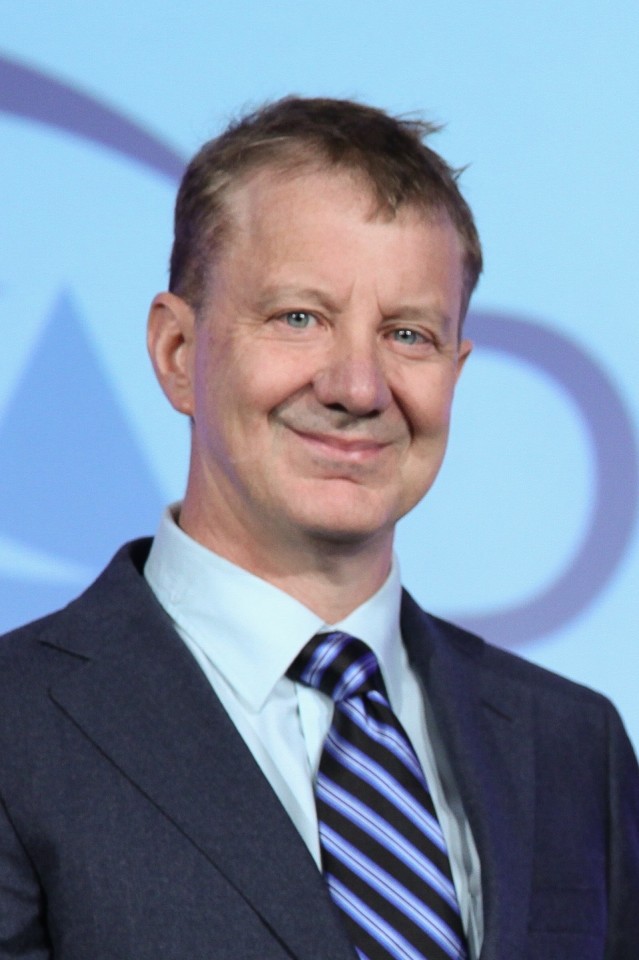
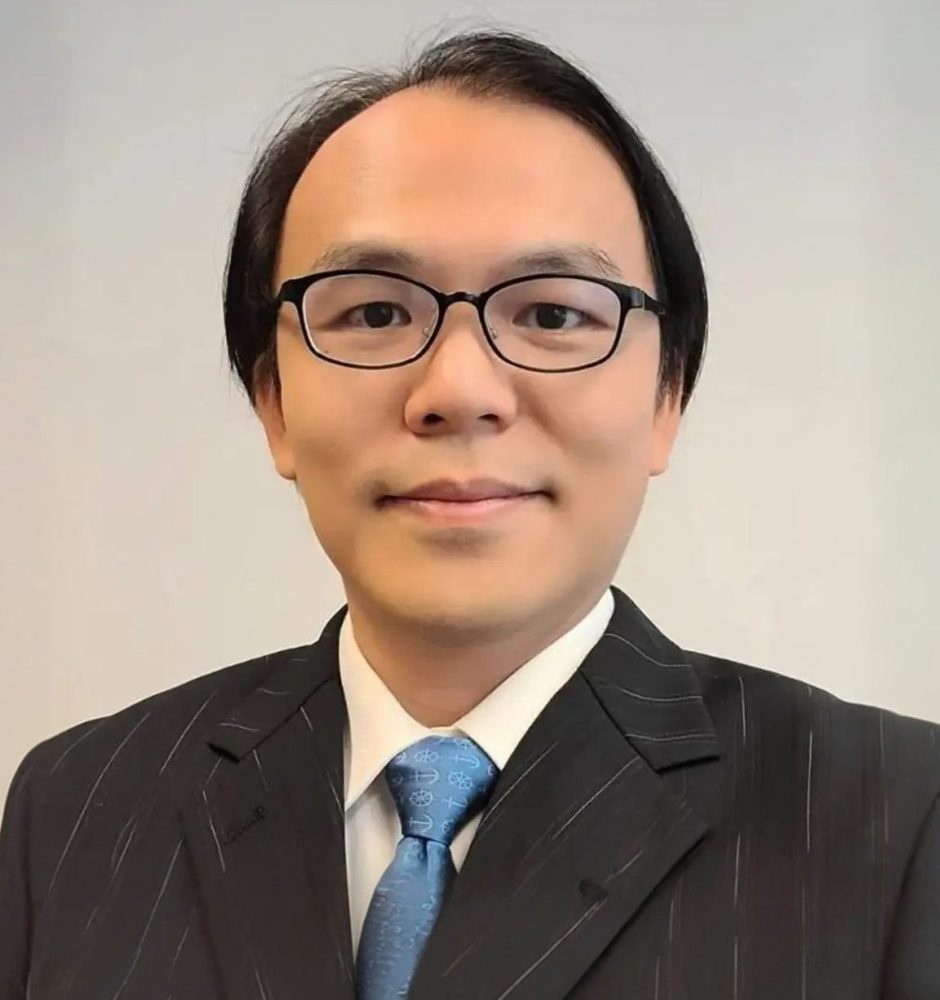
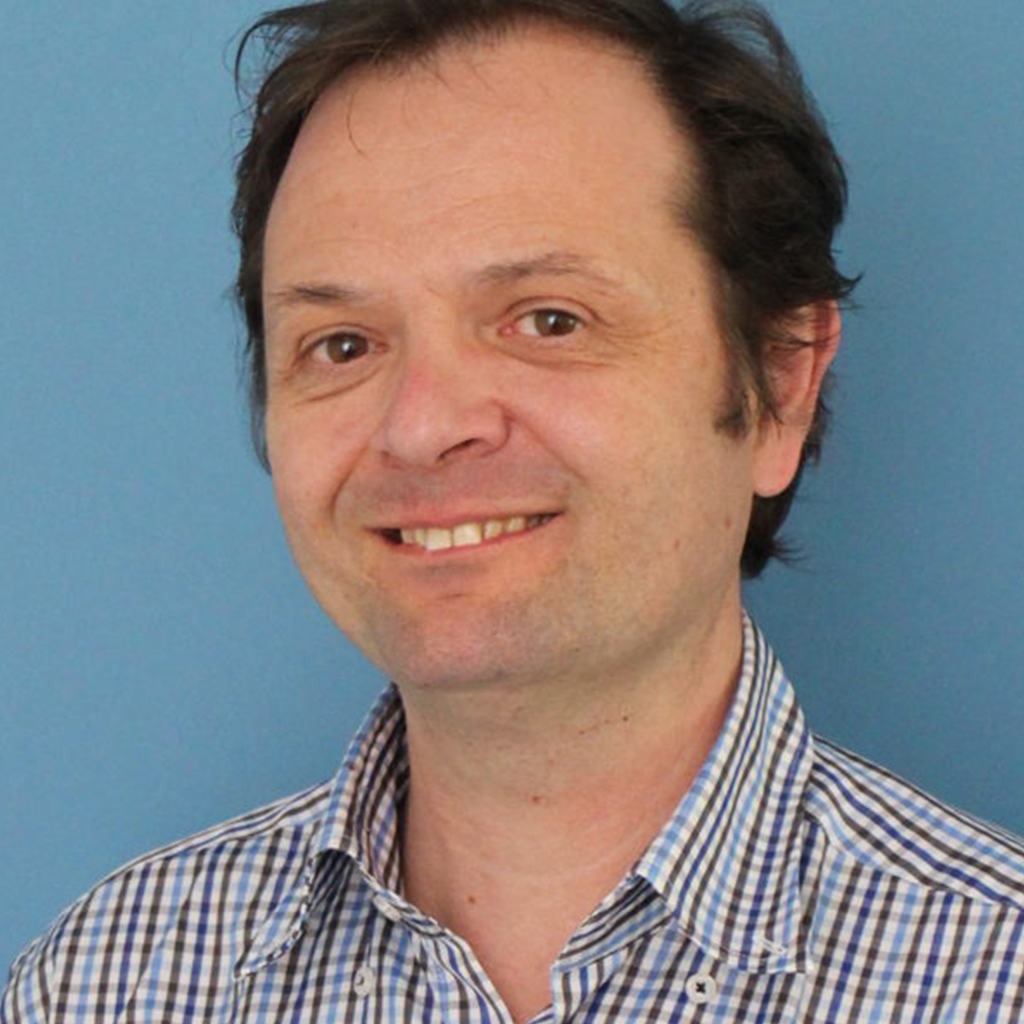
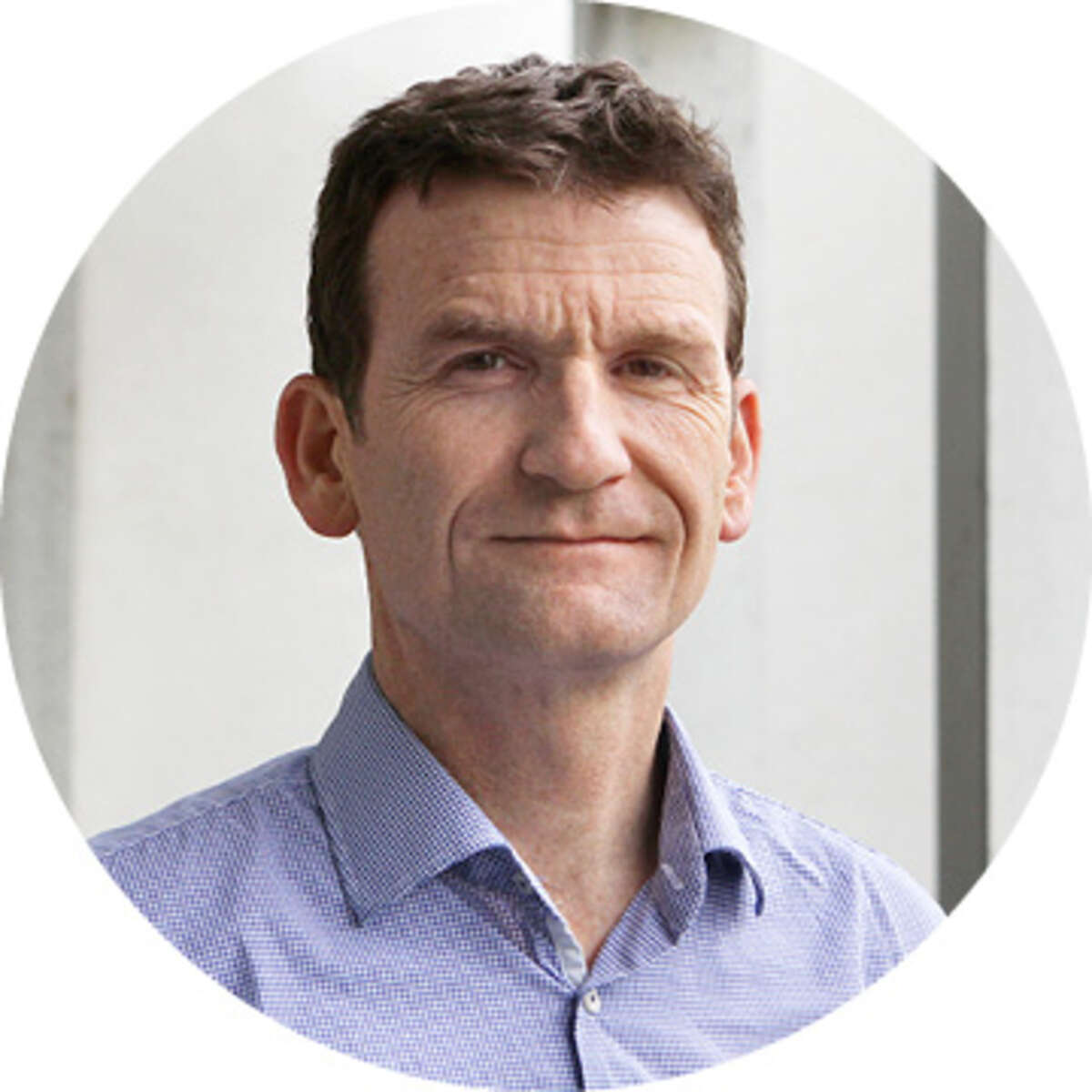
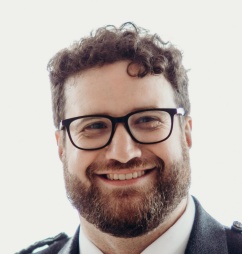
Dr. Sirui Li is a Lecturer at Murdoch University's School of Information Technology within the College of Science, Technology, Engineering and Mathematics. Her research focuses on Artificial Intelligence, Natural Language Processing (NLP), Machine Learning, Knowledge Graphs, Data Analysis, Temporal Data, and Multi-modal Models, with applications in medicine, agriculture, and mining. She collaborates with industry partners like BHP and has published in journals such as Food Chemistry and Knowledge and Information Systems , as well as conferences like ICSME and IJCNN. Education: Bachelor of Advanced Computing (Honours) in Computer Science at Australian National University Master of Computing (Specialising in AI) at ANU Ph.D. in Information Technology (AI) at Murdoch University Research interests include interdisciplinary applications of AI, such as clinical coding privacy solutions, disease spread modeling, and drug repurposing for pandemics. Her work emphasizes practical industry integration, demonstrated through awards like the 2024 EMNLP Best Demo Award and the 2023 Iron Ore Circuit Hackathon innovation prize. Professional roles include IEEE Western Australia Section committee membership, conference chair positions, and peer review for top journals. She actively mentors students pursuing Honours, Master's, or PhD projects in her areas of expertise.
Christopher M. Overall is a Full Professor at the University of British Columbia in the Faculty of Dentistry, Department of Oral Biological and Medical Sciences . He is also a Principal Scientist at the Centre for Blood Research and holds associate memberships in UBC's Biochemistry & Molecular Biology , Obstetrics and Gynecology , and Bioinformatics Graduate Program departments. As a Canada Research Chair Laureate , he pioneered the field of degradomics to study proteases in vivo. B.D.S., University of Adelaide Ph.D., University of Toronto Postdoctoral Fellowship, UBC (with Nobel Laureate Michael Smith) Dr. Overall’s research focuses on protease proteomics and systems biology , particularly degradomics to analyze protease substrates in diseases like COVID-19 and immunodeficiency . His work on matrix metalloproteinases has revealed new therapeutic strategies for inflammatory diseases and cancer . His 15 most recent articles (2015–2008) demonstrate expertise in TAILS proteomics , protein terminomics , and protease network analysis with applications in arthritis , antiviral immunity , and precision medicine . Scientific Awards 2022 Helmut Holzer Award 2018 Royal Society of Canada Fellow 2014 Tony Pawson Canadian Proteomics Award 2013 IADR Distinguished Scientist Award Dr. Overall has mentored 61 trainees , including 9 full professors with department chairs, and received the UBC John McNeill Mentorship Award (2023). He leads the HUPO Chromosome-centric Human Proteome Project and consults for Genentech and Novartis .
Emmanuel J. Candès is the Barnum-Simons Chair in Mathematics and Statistics at Stanford University, with joint appointments in the Institute of Computational and Mathematical Engineering and as Professor of Statistics and Electrical Engineering (by courtesy). His research spans mathematical signal processing , high-dimensional statistics , and data science , focusing on compressive sensing, inverse problems, and applications to imaging sciences. 2021 IEEE Jack S. Kilby Signal Processing Medal 2020 Princess of Asturias Award for Technical and Scientific Research 2017 MacArthur Fellow His recent work on conformal prediction and uncertainty quantification has advanced machine learning reliability, particularly in high-dimensional settings. Publications include breakthroughs in medical imaging, gravitational wave detection, and AI validation frameworks. Key collaborations include Terence Tao (UCLA) and Justin Romberg (Georgia Tech) for IEEE Kilby Medal recognition. He serves as Co-chair of Stanford's Data Science Institute and previously as Statistics Department Chair (2016–2019).
Eamonn Keogh is a Professor in the Computer Science and Engineering Department at the University of California, Riverside. His pioneering work centers on the Matrix Profile, a transformative approach to time series data mining enabling efficient solutions for motif discovery, anomaly detection, and similarity search. His algorithms (STAMP, STOMP, SCRIMP, DAMP, SCAMP) offer exact, parameter-free, and scalable solutions across domains like seismology, bioinformatics, and industrial IoT. Research areas include: Development of ultra-fast algorithms for time series joins and motif discovery at unprecedented scales (breaking the 100 million barrier) GPU acceleration for time series mining Domain-agnostic methods for semantic segmentation and anomaly detection Novel primitives like Time Series Chains, Snippets, and Consensus Motifs His work is highly cited and recognized by industry and academia, with applications ranging from NASA's Cassini mission to detecting BGP anomalies in computer networks.
Professor Michael C.L. CHAU serves as Professor and Deputy Area Head of Innovation and Information Management at The University of Hong Kong's Faculty of Business and Economics. He also holds the position of Associate Director at the HKU HKJC Centre for Suicide Research and Prevention, and serves on the HKU Senate and Court. His academic journey includes a Ph.D. in Management Information Systems from the University of Arizona and a B.Sc. in Computer Science (Information Systems) from the University of Hong Kong. Dr. Chau's research spans business analytics, artificial intelligence, web mining, fintech, smart health, and security informatics. His work focuses on applying data/text/web mining techniques to business, education, and social domains. He leads the Artificial Intelligence Research Group at HKU Business School, which has secured significant funding from the Hong Kong Research Grants Council, Food and Health Bureau, and other agencies for projects including 'The Invisible Hand in Crowdfunding' and 'Factors Moderating the Predictive Power of Social Media Sentiment on Stock Returns'. His publication portfolio includes over 150 articles in premier journals like MIS Quarterly, JMIS, and IEEE Transactions, with recent work exploring large language models, hate speech detection, and disaster-related social media analysis. His research demonstrates strong interdisciplinary connections across computer science, information systems, and business applications. INFORMS ISS Design Science Award (2020) IEEE ITSS Leadership Award in Intelligence and Security Informatics (2020) AIS Sandra Slaughter Service Award (2016) HKU Outstanding Young Researcher Award (2014) Faculty Research Postgraduate Supervision Award (2020 & 2025) Cited over 9,400 times (h-index = 47) Dr. Chau actively mentors doctoral students and has supervised numerous PhD graduates who now hold academic positions at institutions including Fudan University, Xi'an Jiaotong-Liverpool University, and the University of Maryland. His research grants portfolio demonstrates sustained funding success across diverse areas including blockchain, mental health applications, and social media analytics. The Artificial Intelligence Research Group he leads maintains strong industry connections through projects with Hong Kong Red Cross and the Hospital Authority.
Prof. Anya Belz is Full Professor of Computer Science at Dublin City University's School of Computing and Science Lead at ADAPT Research Centre. A leading NLP researcher with PhD-level expertise, she specializes in natural language generation, evaluation methodologies, and multimodal systems. Recipient of multiple best paper awards and NAACL Test of Time Award nomination. Research innovations include foundational work on statistical language generation (deployed in weather forecasting systems), comparative evaluation frameworks, vision-language integration, and reproducibility quantification. Current EPSRC-funded ReproHum project coordinates 20 global labs studying evaluation consistency. Achievements : Developed industry-deployed generation systems for accessibility applications Pioneered cross-modal alignment techniques for image description Authored 100+ publications spanning generation, evaluation, and reproducibility
Robert Wellington serves as Associate Professor and Director of the Centre for Art History & Art Theory at the School of Art & Design, Australian National University (ANU), within the College of Arts & Social Sciences. His academic leadership focuses on advancing art historical research and public engagement through institutional initiatives. His research spans Art History, Early Modern European Art (particularly Louis XIV's France), Museum Studies, Public Humanities, and Cultural Heritage. Wellington investigates transcultural object exchange, royal iconography, and identity construction through material culture, with emphasis on Versailles, medals, and marginalia. His work bridges historical scholarship with contemporary public humanities applications in museums and digital archives. Analysis of his 2020-2024 publications reveals concentrated exploration of Louis XIV's cultural legacy, Versailles' global impact, and the evolving role of humanities institutions. He pioneers digital critical editions while examining how objects shape identity across cultural boundaries, consistently connecting historical practices to modern museum and archival challenges. No scientific awards were documented in the provided materials. As Centre Director, Wellington oversees research programs and institutional partnerships, though specific student advisees and grant details remain unlisted in available sources. His leadership facilitates interdisciplinary projects including the Jean-Benjamin de Laborde digital edition initiative. The Centre for Art History & Art Theory functions as a research hub under Wellington's direction, driving public humanities innovation through the ANU's Art & Design Seminar Series, Visiting Artist Program, and collaborative projects with national collections. Current initiatives focus on digital heritage and community-engaged scholarship within the School of Art & Design framework.
Gerold Schneider is an Associate Professor at the University of Zurich , affiliated with the Department of Computational Linguistics under the Faculty of Arts and Social Sciences and Faculty of Business, Economics and Informatics . He leads the Text Crunching Center (TCC) , focusing on interdisciplinary research at the intersection of NLP, Digital Humanities, and Health Data Science. Research Interests His work spans Text Analytics , Digital Humanities , Corpus Linguistics , and Health Data Science , with applications in: Biomedical NLP (e.g., Alzheimer’s detection, clinical trials) Digital Humanities projects (e.g., analyzing Charles Dickens, UN archives) Migration discourse framing across languages Adversarial data collection for hate speech detection Interdisciplinary methodologies for digital unstructured data Recent Publications 2025–2024 research highlights include annotated corpora for preclinical and neurological studies, AI-driven analysis of historical linguistic variation, and innovative tools for language learners. His NLP applications address health diagnostics, ethical AI, and cross-lingual political discourse. Labs & Teams As TCC leader, he spearheads collaborative projects within the Digital Society Initiative (DSI) communities (AI & Law, Health, Ethics, etc.), integrating computational methods with humanities and health research.
Jianming Liang is a full professor at Arizona State University's College of Health Solutions, specializing in biomedical informatics, data science, and computer vision. His research focuses on self-supervised learning, foundation models, and improving transfer learning techniques for medical imaging applications. National Academy of Inventors Fellow (2021) ASU Faculty Innovation Award (2019) ASU Distinguished Faculty Award (2023) NIH R01 grant recipient Led lab producing FDA-approved medical imaging products His lab has developed multiple open-source frameworks like Ark , Foundation_X , and ModelsGenesis for medical image analysis. Team has received over 70 student research awards including NCWIT Collegiate and AMIA Ph.D. Dissertation honors. Key research contributions include: Anatomically consistent foundation models Domain-adaptive pretraining strategies Annotation-efficient deep learning Integrated classification/localization/segmentation frameworks 40+ US patents (50+ pending) Major publications demonstrate leadership in self-supervised learning for chest radiography, pulmonary embolism detection, and medical AI explainability.
Professor Urs Jenal is a Full Professor at the Biozentrum of the University of Basel, Switzerland, where he has led research on bacterial signal transduction since 2008. His laboratory investigates the molecular mechanisms of bacterial persistence and antibiotic resistance, with particular focus on pathogens causing chronic infections in humans. Previously, he served as Associate Professor (2002-2008) and Assistant Professor (1996-2002) at the same institution, and completed postdoctoral training at Stanford University and ETH Zurich. Education 2000: Habilitation and VENIA DOCENDI in Microbiology, University of Basel 1987-1991: PhD in Molecular Microbiology, ETH Zurich (supervisor: Prof. T. Leisinger) 1982-1986: Studies of Experimental Biology, ETH Zurich 1977-1981: Gymnasium with Matura Type C, Chur Research Focus Prof. Jenal's research centers on understanding how bacterial pathogens persist in the human body despite antibiotic treatments. His laboratory investigates cyclic nucleotides, particularly c-di-GMP, as signaling molecules that control bacterial biofilm formation, virulence, and antibiotic tolerance. His team studies pathogenic Escherichia coli causing recurrent urinary tract infections and Pseudomonas aeruginosa causing long-term lung infections in cystic fibrosis patients. Recent work has revealed how "sleeping" bacteria survive antibiotic treatments and how pathogens breach respiratory epithelia through goblet cell invasion. Scientific Recognition 2014: Elected member of the European Academy of Microbiology (EAM) 2013: ERC Advanced Investigator Award 2012: Elected member of the European Molecular Biology Organization (EMBO) 2011: Elected member of the American Academy of Microbiology (AAM) Mentorship and Collaborations Prof. Jenal has mentored numerous PhD students and postdocs, many receiving awards for their research. His laboratory is part of the NCCR AntiResist initiative focused on developing novel approaches against antibiotic resistance. He collaborates extensively with clinical researchers and has developed innovative models, including human mini-lungs, to investigate pathogen-host interactions. His recent publications demonstrate how understanding bacterial persistence mechanisms can lead to new therapeutic strategies against chronic infections.
Finlay Maguire is an Assistant Professor jointly appointed in the Faculty of Computer Science and the Department of Community Health & Epidemiology at Dalhousie University. He leads the Maguire Lab, which develops data-driven methods to address health and social crises through genomic epidemiology and interdisciplinary health data science. He is also affiliated with the Shared Hospital Laboratory, Sunnybrook Research Institute, and multiple national and international public health consortia including PHA4GE, CanCOGeN, and IRIDA. PhD: University College London / Natural History Museum (2016) MA: University of Oxford (2011) Donald Hill Family Fellowship, Dalhousie University (2021) Dr. Maguire's research focuses on two main areas: genomic epidemiology of infectious diseases and interdisciplinary health data science collaborations . His work in genomic epidemiology includes developing bioinformatics and machine learning tools to study antimicrobial resistance (AMR) and SARS-CoV-2 dynamics, often in collaboration with public health agencies. His broader health data science work addresses issues such as online radicalization, healthcare access for refugees, and autism-related language use, combining computational methods with social science. His recent publications (2023–2025) reflect a strong trend in pathogen genomics , AMR , zoonotic spillover , and computational social science . He has published on novel coronaviruses in bats, SARS-CoV-2 animal models, invasive Group A Streptococcus, and sociological analyses of incel communities. Much of this work involves tool development (e.g., ArgNorm, Pathoplexus) and data standardization (e.g., PHA4GE metadata standards). Finalist, 2024 Discovery Awards (Emerging Professional) 2023 President’s Research Excellence Award for an Emerging Investigator, Dalhousie Finalist, 2023 Discovery Awards (Emerging Professional) Funding from CIHR, NSERC, Genome Canada, SSHRC, BMGF Dr. Maguire actively mentors graduate students and postdocs, including PhD candidates in Computer Science and MSc students in Community Health & Epidemiology. He has secured major training grants such as the CIHR Health Research Training Platform and the Canadian One Health Training Program for Emerging Zoonoses. He also contributes to capacity-building initiatives like MicroResearch in Ghana and Kenya. The Maguire Lab is embedded in a rich network of collaborations, including the CARD database, Public Health Agency of Canada, Canadian Food Inspection Agency, and Sunnybrook Health Sciences Centre. The lab emphasizes open science, reproducible research, and interdisciplinary training, as seen in the development of open-source tools and participation in international consortia.
Mohammad Aliannejadi is an Assistant Professor at the IRLab (formerly ILPS) within the Informatics Institute at the University of Amsterdam. His research focuses on Information Retrieval (IR), machine learning, natural language processing (NLP), and conversational systems, particularly in modeling user information needs on mobile devices and conversational search systems. He holds a Ph.D. in Informatics from Università della Svizzera italiana (USI), Lugano, Switzerland, and a M.Sc. in Computer Engineering from Tehran Polytechnic. During his Ph.D., he visited the CIIR Lab at the University of Massachusetts Amherst, USA. His research interests include conversational search systems, recommender systems, unified search frameworks, and user-centric evaluation methodologies. Notable contributions include work on clarifying questions in open-domain dialogues, contextual suggestion systems, and cross-market recommendation. Aliannejadi has organized major shared tasks and workshops, including the IGLU Contest (NeurIPS 2021) and XMRec Workshop (RecSys 2021). He serves on program committees of top IR conferences like SIGIR, CIKM, and ECIR, and has authored over 50 peer-reviewed publications in these areas. His work has received recognition, including top performance in TREC Contextual Suggestion tracks (2015, 2016). He actively contributes to the IR community through teaching, including courses on Information Retrieval and Human-in-the-Loop Machine Learning at the University of Amsterdam.
Devis Tuia serves as Associate Professor at the Swiss Federal Institute of Technology Lausanne (EPFL), holding appointments in the Institute of Environmental Engineering (IIE) within the School of Architecture, Civil and Environmental Engineering (ENAC). He leads the Environmental Computational Science and Earth Observation Laboratory (ECEO) since 2020 and contributes to EPFL's Doctoral Program in Civil and Environmental Engineering. His academic journey began in Lausanne with studies at UNIL and EPFL, culminating in a PhD in remote sensing from UNIL. Postdoctoral research followed at institutions in Valencia, Boulder, and EPFL, focusing on machine learning model adaptation. He progressed from Research Assistant Professor at University of Zurich to Associate and Full Professor at Wageningen University before joining EPFL. Tuia's research bridges Earth observation with artificial intelligence, specializing in interpretable deep learning for environmental applications. His lab develops algorithms for making remote sensing accessible, with particular emphasis on digital wildlife conservation through automated censuses using drone and satellite imagery. Current projects tackle the 'black box' problem in environmental modeling while advancing spatial intelligence for sustainable urban development. His 2023-2025 publication portfolio reveals three dominant trends: (1) species distribution modeling using incomplete observations, (2) multimodal fusion of satellite/drone data with textual descriptions, and (3) interpretable AI frameworks for environmental decision-making. This work consistently addresses real-world challenges like wildfire forecasting and biodiversity monitoring. As an educator, Tuia supervises 12 current PhD students and has graduated 4 former EPFL doctoral candidates. His teaching portfolio includes Frontiers of Deep Learning for Engineers , Sensing and Spatial Modeling for Earth Observation , and Image Processing for Earth Observation courses. The ECEO laboratory maintains active collaborations with ESA-NASA initiatives and conservation organizations globally.
Bistra Andreeva is a full Professor of Phonetics and Phonology at Saarland University, Department of Language Science and Technology. She is also a principal investigator of the DFG-funded project “Judeo-Spanish in Bulgaria: a contact language between archaism and innovation” (2022-2025) and leads or co-leads several other externally funded projects on prosody, information structure, and language contact. She teaches and has taught at Saarland University, Sofia University “St. Kliment Ohridski”, and other European universities. Education & Academic Background Habilitation (kumulative Habilitationsschrift): “Contrastive Prosody: Bulgarian vs. German”, Saarland University, 2016. PhD (Dr. phil.): “Zur Phonetik und Phonologie der Intonation der Sofioter-Varietät des Bulgarischen”, Saarland University, 2007. Research Interests Andreeva’s research focuses on the phonetics and phonology of intonation and rhythm, cross-language and individual differences in the production and perception of syllabic prominence, the relation between intonation and information structure, minority languages (especially Judeo-Spanish in Bulgaria), and the interaction between information density and prosodic structure. Her methodological expertise includes experimental phonetics, corpus-based studies, and acoustic analysis. Major Projects SFB 1102 C1: “Information Density and the Predictability of Phonetic Structure” (DFG, 2014-2026) JuSpa: “Judeo-Spanish in Bulgaria: a contact language between archaism and innovation” (DFG, 2022-2025) Prosodic aspects of Bulgarian compared to other languages with lexical stress (Bulgarian National Science Fund, 2019-2024) Prosodic manifestations of focus in French and English from a Bulgarian point of view (DAAD & Sofia University, 2021-2023) Scientific Awards & Recognition While no major named prizes are listed, Andreeva’s work has been continuously supported by competitive grants from the German Research Foundation (DFG), DAAD, and Bulgarian National Science Fund. Her publications appear in top-tier journals and conference proceedings (Journal of the Acoustical Society of America, Interspeech, Speech Prosody, International Congress of Phonetic Sciences). Teaching & Supervision She offers a broad spectrum of courses including Experimental Phonetics, Prosody, Phonetics & Phonology of Slavic Languages, Introduction to Instrumental Phonetics, and seminars on language contact. She has supervised numerous BA, MA, and PhD theses and regularly teaches at the PhD School of Sofia University. Labs & Teams She is affiliated with the Phonetics Laboratory at Saarland University and collaborates closely with the Institute for Bulgarian Language (Bulgarian Academy of Sciences), working in interdisciplinary teams involving phoneticians, computational linguists, and field linguists.
Karoline Faust is an Associate Professor at KU Leuven, affiliated with the Laboratory of Molecular Bacteriology (Rega Institute) and the Faculty of Medicine . She contributes to the iSi Health and Leuven One Health institutes, and serves on senior academic councils. Her research spans microbial systems biology, focusing on community dynamics and network analysis. Education: PhD in bioinformatics (2010, KU Leuven) Affiliations: KU Leuven, ISME Journal editorial board, Belgian Society for Microbiology Her research investigates microbial community dynamics , systems biology approaches to microbiomes, and bioinformatics tool development . She specializes in modeling human gut microbiota , synthetic microbial communities , and environmental microbiomes (e.g., microplastic impacts on Daphnia microbiomes). Her work integrates metabolic modeling , network analysis , and experimental systems to understand microbial interactions. Recent publications highlight her contributions to microbial network inference , 16S rRNA sequencing protocols , microfluidics , and ecological modeling of microbiomes. She develops tools like manta , miaSim , and CoNet to analyze community structures. Teaching: Karoline co-teaches courses in microbiology, bioinformatics, and network analysis at KU Leuven, and has contributed to international workshops on microbial network inference. Scientific Engagement: She serves as Senior Editor at ISME Journal and Secretary of the Belgian Society for Microbiology .