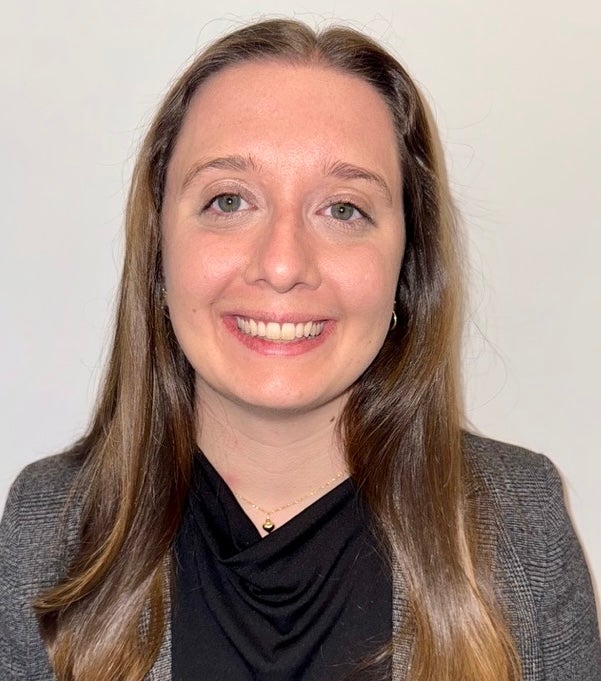
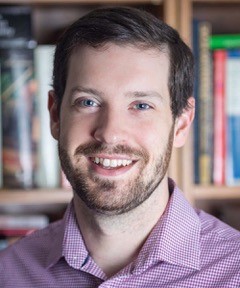
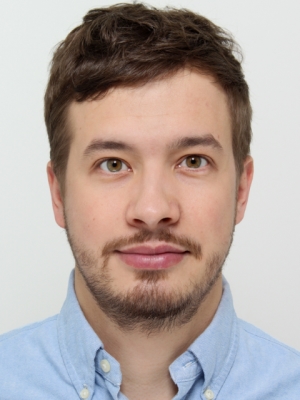
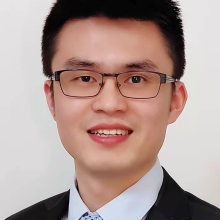
Prof. Dr. Elisa Marie Hoven is a professor at the Faculty of Law, University of Leipzig, specializing in German and foreign criminal law, criminal procedural law, and commercial/media criminal law. She works at Burgstraße 21, Room 1.10, Leipzig. Education: Law at Free University Berlin, Radboud University Nijmegen, and University of Cambridge Professional Background: Legal clerkship in Berlin and at the International Criminal Court; visiting roles at Berkeley, Harvard, Sydney, and others Her research focuses on: Corporate criminal law (particularly corporate sanctions) Media criminal law and digitalization (hate speech) Sentencing law reform Anti-doping legislation Animal welfare criminal law Current third-party funded projects: "Gerechte Strafzumessung" (DFG-funded, analyzing sentencing practices and proposing reforms) "Hate Speech im Internet" (funded by German Federal Ministry of Justice, interdisciplinary collaboration with media studies and sociology) Scientific awards: Habilitation award from the University of Erlangen-Nuremberg Dissertation prize from the Free University of Berlin She leads the "Legal Lab Hate Speech" and founded the national Moot Court Strafrecht. Her work spans legal education, empirical research, and public science communication.
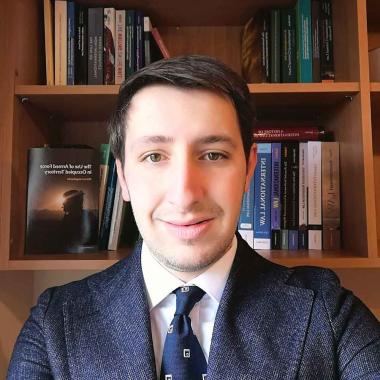
Dr. Marco Longobardo is a Reader in International Law (equivalent to Associate Professor) at the University of Westminster's School of Law. He holds a master's degree from the University of Messina (2012) and a PhD from Sapienza University of Rome (2016). In 2023, he served as a Visiting Professor at the University of Trento, University of Messina, and Université Libre de Bruxelles. He is a Fellow of the Higher Education Academy. His research specializes in Public International Law , with emphasis on International Humanitarian Law, International Criminal Law, Law of Armed Conflict, and Peacekeeping. Current projects examine military occupation, ICC jurisdiction, and ICJ procedures for community interests. His work is cited by the ICC Prosecutor, UN Special Rapporteurs, and national courts. Longobardo has published monographs with Cambridge University Press and articles in leading journals including the American Journal of International Law and European Journal of International Law . His scholarship analyzes trends in occupation law, IHL compliance, peacekeeping legitimacy, and human rights in conflict zones. Awards & Honors: Paul Reuter Prize (ICRC, 2021) Lieber Prize Honorable Mention (ASIL, 2023) Italian Society of International Law Prize (2021) Rosalyn Higgins Prize (Third Place, 2020) He mentors PhD students in international law topics and serves on editorial boards for the Journal of International Humanitarian Legal Studies and International Community Law Review . He is a member of the European Society of International Law and International Law Association.
Kelsey Swingle is an Assistant Professor of Bioengineering at Rice University, where she leads the Swingle Lab at the intersection of biomaterials science, immune engineering, and reproductive biology. Her research focuses on engineering therapeutic and vaccine technologies with translational potential. Ph.D. in Bioengineering from the University of Pennsylvania B.S.E. in Biomedical Engineering from Case Western Reserve University Dr. Swingle’s research explores the design of lipid nanoparticles (LNPs) and nucleic acid therapeutics for women’s health applications, including pre-eclampsia, preterm birth, and gynecologic cancers. Her work integrates bioengineering principles with immune modulation strategies to develop targeted therapies. The trends in her publications highlight advancements in LNP elasticity optimization for placental mRNA delivery, targeted systemic RNA delivery to the brain, and in utero gene editing applications. Her lab prioritizes interdisciplinary approaches to overcome biological barriers in women’s health. 2025 Solomon R. Pollack Award for Excellence in Graduate Bioengineering Research 2024 Muriel Joan Drew Hege Award for Women in Cellular Immunotherapy Research 2024 Penn Engineering Outstanding Teaching Award 2023 Gordon Research Conference Travel Award 2022 Society for Biomaterials STAR Award 2020 NSF Graduate Research Fellowship The Swingle Lab collaborates with the Texas Medical Center to develop precision nanomedicines. Her team employs in vitro, ex vivo, and in vivo models to study biomaterial interactions with female-specific tissues, emphasizing translational research and inclusive scientific communication.
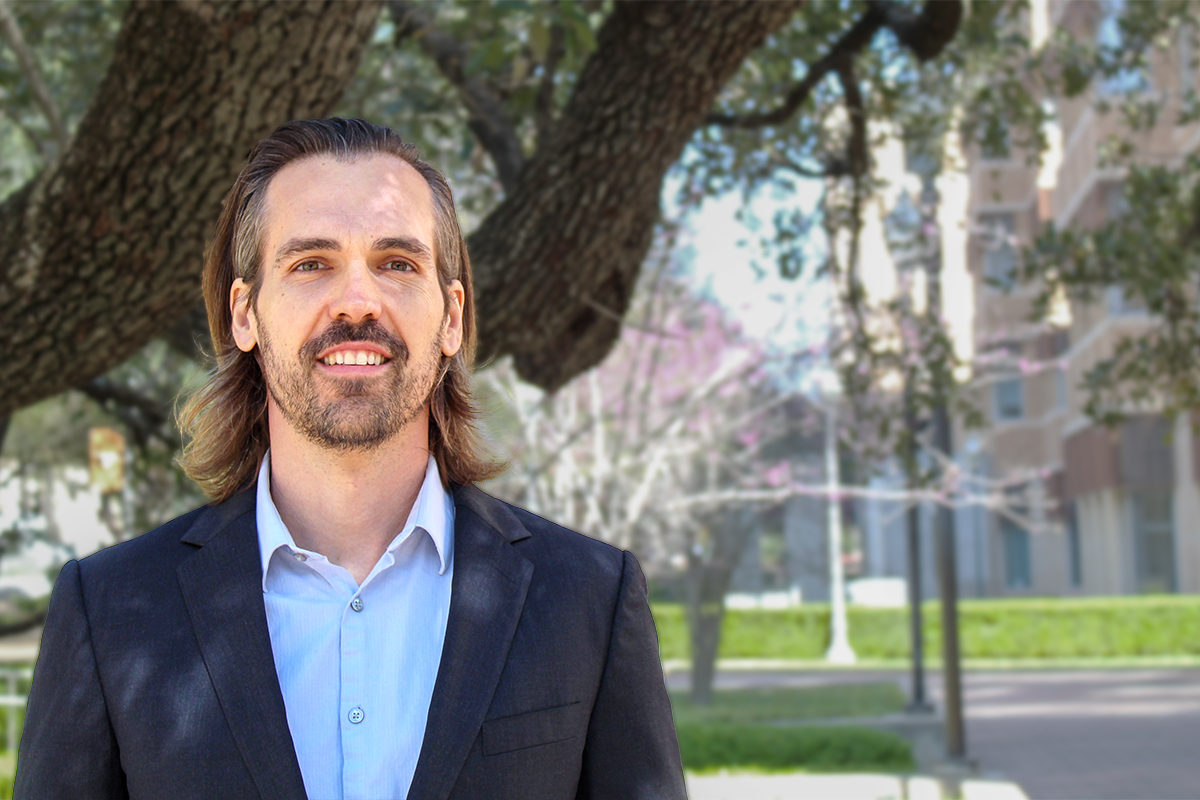
Brad Knox is a Research Associate Professor in the Department of Computer Science at the University of Texas at Austin . His work bridges machine learning, human-computer interaction, and computational cognitive science, with a focus on developing systems that learn from human feedback. Key research areas: Reinforcement Learning, Human-AI Interaction, Reward Design, Autonomous Systems Notable contributions: TAMER framework for human-guided learning, empirical studies on reward misdesign, and human preference modeling for autonomous agents Research Trends : His recent work (2023-2025) emphasizes reward alignment, safety in autonomous systems, and preference-based learning frameworks. Earlier studies (2012-2020) established foundational methods for integrating human feedback into reinforcement learning architectures and exploring behavioral signatures in decision-making. Scientific Honors : Bert Kay Dissertation Award (2013) Victor Lesser Distinguished Dissertation Award (IFAAMAS, Runner-up, 2013) NSF SBIR Grant (PI, 2016) NSF Graduate Research Fellowship (2008-2011) IEEE Intelligent Systems AI 10 to Watch (2013) Teaching & Leadership : Knox served as Principal Lecturer for MIT's Interactive Machine Learning course (2013) and held organizational roles at major conferences including Reinforcement Learning Conference (Scheduling Chair, 2025) and RLDM workshop (Co-chair, 2022).
Dr. Renske Hijbeek is an Associate Professor at the Plant Production Systems group of Wageningen University & Research. Her research focuses on nutrient management in arable farming systems, emphasizing soil fertility improvement through organic waste recycling, legume cultivation, and minimizing environmental impacts like greenhouse gas emissions. She teaches courses including 'The Carbon Dilemma - A Soil Perspective' and 'Analysing Sustainability of Farming Systems'. Key projects include the GRA Benchmarking Nutrient Circularity and EDF Soil Carbon Sequestration initiatives. Her work integrates agronomy with ecological principles to achieve sustainable agricultural practices globally. Research Contributions: Dr. Hijbeek's projects address nutrient circularity, soil carbon dynamics, and organic amendment efficiency across temperate and tropical regions. Recent work explores dietary impacts on nitrogen fertilizer dependency and systemic redesign of food production systems. Collaborations: Active in international collaborations like the Global Crop Nutrient Removal Database and the CATCH-C Legumes project in Tanzania. Her interdisciplinary approach bridges crop science, environmental management, and policy analysis.
Stephen Darwall is the Andrew Downey Orrick Professor of Philosophy at Yale University and John Dewey Distinguished University Professor Emeritus at the University of Michigan. His research focuses on the foundations of ethics, moral psychology, and the history of moral philosophy, particularly in the 17th and 18th centuries. He has authored influential works such as Impartial Reason , The British Moralists and the Internal 'Ought' , and The Second-Person Standpoint . Darwall’s scholarship bridges historical and contemporary ethical theory, emphasizing the centrality of second-personal accountability in moral obligation. Education: Ph.D. in Philosophy from the University of California, Berkeley. He previously taught at the University of Michigan (24 years) and University of North Carolina at Chapel Hill (12 years). His edited anthologies include Moral Discourse and Practice and Contractarianism/Contractualism . His research interests include moral obligation’s psychological basis, the role of respect in ethics, and the historical development of moral concepts from Grotius to Kant. He has held prestigious fellowships and leadership roles, including NEH Fellowships (four times) and presidency of the Central Division of the American Philosophical Association. Notable contributions: Founded Philosophers’ Imprint with David Velleman, a pioneering open-access philosophy journal. His work on second-personal ethics explores how moral demands arise from interpersonal accountability rather than abstract principles. Key awards: Fellow of the American Academy of Arts and Sciences (2008), Distinguished Fellow of the APA’s Central Division.
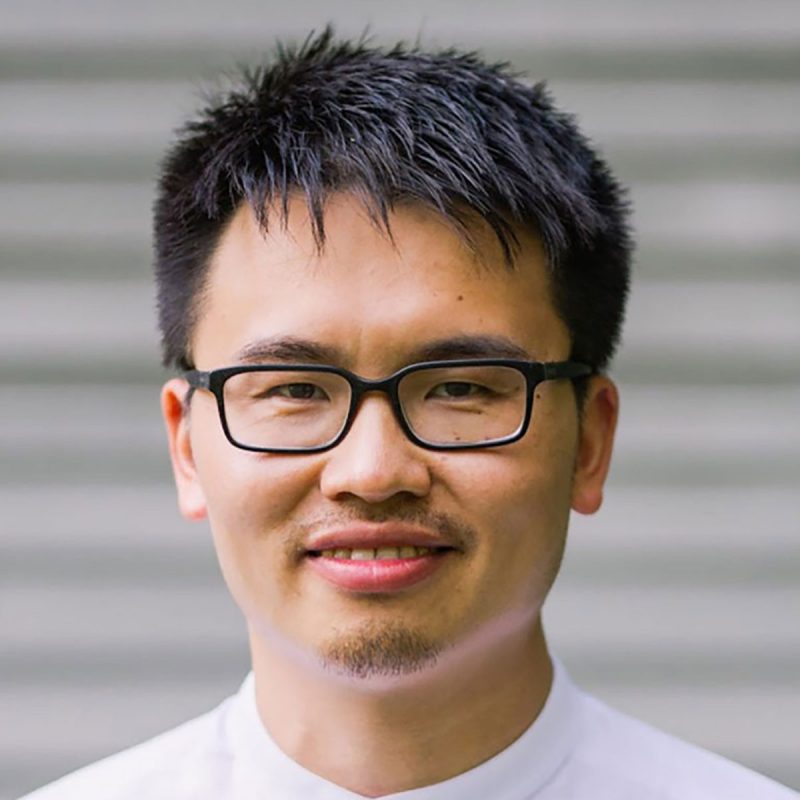
Suyi Li is an Associate Professor in the Department of Mechanical Engineering at Virginia Tech's College of Engineering, where he leads the Dynamic and Architected Robot and structurE (DARE) Lab. Previously, he served as an Assistant Professor at Clemson University from 2016-2022 after completing postdoctoral research at the University of Michigan. Ph.D. in Mechanical Engineering, University of Michigan, Ann Arbor (2014) M.Sc. in Mechanical Engineering, Pennsylvania State University (2008) B.S. Summa Cum Laude in Mechanical Engineering, University of Michigan, Ann Arbor (2006) Dr. Li's research focuses on pioneering new paradigms of intelligent robots and functional structures by exploiting the interplay between geometry, mechanics, actuation, and computation. His work spans origami-inspired morphing structures, physically computing materials that perform machine learning tasks without traditional electronics, and soft/reconfigurable robots that can move like animals or grow like plants. His innovative approach combines mechanical engineering principles with computational thinking to create systems with 'mechano-intelligence'. Analysis of Dr. Li's recent publications reveals a strong trajectory toward embodied intelligence and mechanical computing, where physical structures themselves perform computational tasks. His work increasingly integrates origami/kirigami principles with advanced materials to create systems that can sense, process information, and actuate without conventional electronics. The research shows progression from fundamental mechanics of adaptive structures to sophisticated applications in robotics and computing. Dean's Awards of Excellence – Faculty Fellow, Virginia Tech (2024) C.D. Mote Jr Early Career Award, ASME Design Engineering Division (2022) Gary Anderson Early Achievement Award, ASME Aerospace Division (2021) Junior Researcher of the Year Award, College of Engineering, Clemson University (2020) CECAS Dean's Faculty Fellow, Clemson University (2018) CAREER Award, National Science Foundation (2018) ASME Freudenstein Young Investigator Award Dr. Li has secured nearly two million dollars in research funding, including the prestigious NSF CAREER award and an NSF EFRI project to build mechano-bio hybrid reservoir computers. He advises multiple Ph.D. and Master's students in the DARE Lab, with recent successes including Vishrut Deshpande's Ph.D. defense. His research has generated close to 80 journal and conference papers, demonstrating significant impact in the fields of adaptive structures and materials systems. Dr. Li also serves on editorial boards for several prominent journals including Journal of Intelligent Material Systems and Structures and Philosophical Transactions of the Royal Society A. The DARE Lab at Virginia Tech comprises a multidisciplinary team of researchers working on origami-inspired meta-structures, physically computing materials, and soft robotics. Current projects include developing electronics-free crawling robots with mechanical central pattern generators, creating kirigami-based wearable medical devices, and engineering metamaterials with programmable mechanical properties. The lab actively collaborates with institutions across the country and has received recognition for its innovative approaches to combining mechanical design with computational capabilities.
Stephen Ferrigno is an Assistant Professor and Chair of the Biology of Brain and Behavior Area Group at the University of Wisconsin-Madison's Department of Psychology. His research investigates the origins of uniquely human cognition through developmental, comparative, and cross-cultural methodologies. He focuses on foundational cognitive abilities such as number sense, recursive grammar, logical reasoning, and metacognition, exploring their evolutionary and developmental bases. Ferrigno's work bridges disciplines including cognitive neuroscience, developmental psychology, and cultural anthropology, with practical applications in early childhood education and curriculum design. His research employs cross-cultural studies with indigenous populations (e.g., the Tsimane) to assess cultural variability in cognitive development. Key themes include spatial mappings of numerical concepts, recursive sequence processing in non-human primates, and the metacognitive capacities shared between humans and monkeys. The Cognitive Origins Lab, led by Ferrigno, seeks to uncover universal cognitive principles while identifying culturally mediated differences. No scientific awards or grants are explicitly listed in the provided materials. While no advisees are mentioned, his research program suggests involvement in mentoring graduate students through the Department of Psychology's PhD program. Current projects include investigating the developmental trajectories of logical reasoning, the neural correlates of recursive sequence processing, and the design of culturally adaptive educational interventions targeting early math and language skills in preschool settings.
Prof. Dr. Soeren Lienkamp is an Assistant Professor at the Institute of Anatomy , Faculty of Medicine , University of Zurich . His work bridges digital education and genetic research , focusing on enhancing medical teaching through innovative formats. Research Interests : Genetics, developmental biology, kidney disease modeling, CRISPR applications, digital medical education, and advanced microscopy. Methodologies : Combines Xenopus tropicalis models, deep learning , and bioengineering to study genetic kidney disorders and improve diagnostic tools. Publication Trends : His recent articles highlight predictable genome editing , 3D imaging technologies , and mechanistic insights into kidney and eye development. Earlier works focus on ciliary function , Wnt signaling , and metabolic stress in renal cells.
Dr. Anton Lavrinienko is a Lecturer at the Department of Health Sciences and Technology at ETH Zürich, affiliated with the Biotechnology of Food Systems group. His research focuses on microbiome studies, environmental health, and the impact of pollution and radiation on ecosystems and microbiota. He is based in Zurich, Switzerland, and teaches the course Applied Bioinformatics: Microbiomes (Autumn Semester 2025). His work integrates molecular biology, ecology, and public health to address challenges in food systems and environmental sustainability. Research interests include microbial diversity in polluted environments, radiation effects on wildlife, and the application of genomics to biodiversity conservation. He collaborates on projects such as the European Reference Genome Atlas and studies microbial responses to anthropogenic contamination in urban and natural ecosystems. Dr. Lavrinienko’s studies often involve fieldwork in regions like Chernobyl, investigating how chronic radiation and metal pollution alter microbiota and organismal health. His findings contribute to understanding ecological resilience and human health implications of environmental stressors. He emphasizes open data standards and FAIR principles in microbiome research.
Dr. Wanju Huang is a Clinical Assistant Professor in the Learning Design and Technology program at Purdue University , where she focuses on enhancing online learning experiences through innovative instructional design and emerging technologies. Prior to joining Purdue in Fall 2016, she served as an instructional design manager at Teaching and Learning Technologies and spent six years as a lecturer and instructional designer at Eastern Kentucky University. Education: Ph.D. in Curriculum & Instruction (Technology concentration) from University of Illinois at Urbana-Champaign Her research interests center on technology-mediated online communities, instructor presence in digital learning, augmented reality applications, and faculty development programs. She has published extensively on these topics, including studies on multimedia interventions for teaching presence, immersive technologies in ESL education, and adaptive cyber training platforms. Dr. Huang's publications reflect a strong focus on EdTech innovation , with trends spanning AI integration in K-12 , model-based systems engineering , and microlearning strategies . Her work bridges theoretical frameworks like social constructivism with practical implementations in professional education. Professional memberships include the American Educational Research Association, Association for Educational Communications and Technology, and Quality Matters. She teaches courses on learning design foundations, e-learning systems, and professional competency demonstrations in LDT.
Jian Zhao is an Associate Professor at the University of Waterloo's School of Computer Science, specializing in Information Visualization (InfoVis), Human-Computer Interaction (HCI), and Data Science. With a Ph.D. from the University of Toronto (2016), his research emphasizes interactive visualization techniques, AI integration in design processes, and socio-technical systems. He explores how human-AI collaboration can enhance data analysis, presentation, and user experience in complex systems. Key research areas include: 1) AI-Driven Design (e.g., code generation via sketching, infographic creation), 2) Health Informatics (therapeutic AI tools for autism support), 3) Immersive Technologies (VR/AR interfaces for presentations and education), and 4) Social Computing (remote family communication, multi-modal emoticons). His work bridges technical innovation with human-centered design principles. His publications (2021–2025) reflect a focus on interactive visualization frameworks (e.g., iTrace for cross-view data analysis), AI-human collaboration (CoLadder for hierarchical code editing), and specialized applications like TherAIssist for art therapy and EMooly for autism support. Zhao frequently explores novel interaction modalities , including gesture-based VR interfaces and sketch-based programming tools. He leads projects in computational notebooks (EDAssistant, Slide4N), visual analytics (MissBin for bipartite networks), and neurofeedback training games (Eggly). His work often emphasizes systematic design considerations for missing data, cross-view analysis, and contextual visualization in spatial AR environments.
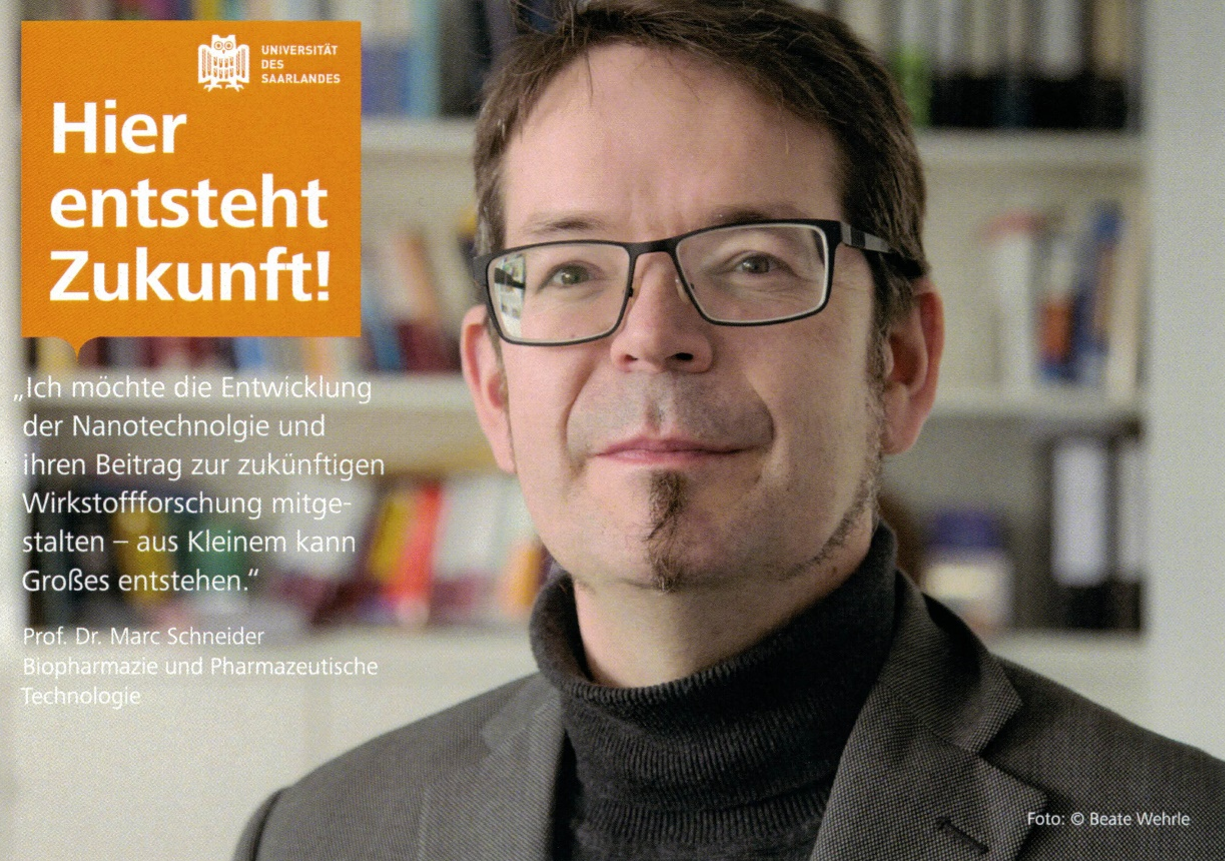
Prof. Dr. Marc Schneider holds a professorship in Biopharmaceutics and Pharmaceutical Technology at Saarland University's College of Pharmacy . His research focuses on colloidal drug delivery systems, particularly nanostructured and non-spherical particle engineering for overcoming biological barriers in pulmonary and transdermal applications. He leads an internationally recognized lab in Saarbrücken, collaborating with Helmholtz Institute for Pharmaceutical Research Saarland (HIPS) and trinational institutions. Research Highlights: Development of inhalable nano/microparticle systems Surface modification of gelatin nanoparticles Characterization of mucus-penetrating particles 3D printing for microneedle fabrication Atomic Force Microscopy (AFM) for nanoparticle analysis Selected Scientific Awards: European Journal of Pharmaceutics and Biopharmaceutics Best Paper Award (2018) for mucus-penetrating nanoparticles Recognized in 'Ausgezeichnete Orte im Land der Ideen' competition (2018) for 'Nano-Mais' drug delivery system Collaborative Networks: Co-editor for Advanced Drug Delivery Reviews special issue on biological barriers Key participant in trinational Master's program in Biomedicine with Strasbourg, Mainz, and Luxembourg Active in Controlled Release Society (CRS) conferences and local chapters
Dr. Pulin Gong is an Associate Professor in the School of Physics at the University of Sydney. His research focuses on understanding the self-organizing mechanisms of neural circuits' spatiotemporal dynamics and their computational principles. He investigates distributed dynamic computation via propagating neural waves, irregular neural activity variability, and coherent spatiotemporal patterns in large-scale neural data. His work combines experimental and computational approaches to unravel neural coding principles. Research interests include: Distributed dynamic computation (e.g., visual feature integration) Irregular neural dynamics and membrane potential fluctuations Coherent spatiotemporal wave patterns (e.g., spiral waves) Recent projects involve analyzing cortical wave patterns in mice and primates, fractional neural sampling, and Lévy walk dynamics in neural systems. Collaborators include institutions like Fudan University and Kyoto University. Current research student: Andrew LY, working on cortico-cortical loop dynamics and AI applications.
Guojun Chen is an Assistant Professor at the Department of Biomedical Engineering and a member of the Rosalind & Morris Goodman Cancer Institute (GCI) at McGill University . His research focuses on engineering intelligent biomaterials for precision medicine , with emphasis on non-viral genome editing , cold atmospheric plasma (CAP) therapy , and biomaterials-mediated immunotherapy . The lab operates in a multidisciplinary environment , integrating principles from materials science , chemistry , biology , and health sciences . Education : Ph.D. from University of Wisconsin-Madison (2017), Postdoc at UCLA (2020) Research Themes : Genome Editing Delivery : Designing non-viral vectors for efficient CRISPR/Cas9 delivery in vivo. CAP-mediated Immunotherapy : Developing portable cold plasma devices to synergize with immune checkpoint blockade and study CAP’s immunological mechanisms. Biomaterials-based Immunotherapy : Reprogramming tumor microenvironments using bioresponsive materials to enhance immune responses. Publication Trends : Recent work spans responsive nanomaterials , genomic editing systems , and plasma oncology , with a focus on cancer immunotherapy , diabetes diagnostics , and bioinspired medical devices . Scientific Awards : Canada Research Chair (2024, 2025) McGill's President's Prize for Emerging Researchers (2025) FRQS Chercheurs-boursiers (2022) Chinese Association for Biomaterials Young Investigator Award (2022) NSERC Discovery Grant (2021) Advising & Grants : Supervises 14 current graduate and undergraduate students. Secured $5M+ in funding from CIHR , NSERC , CCS , and CFI , including multi-institutional collaborations with Dr. Morag Park , Dr. Réjean Lapointe , and Dr. Ian Watson .