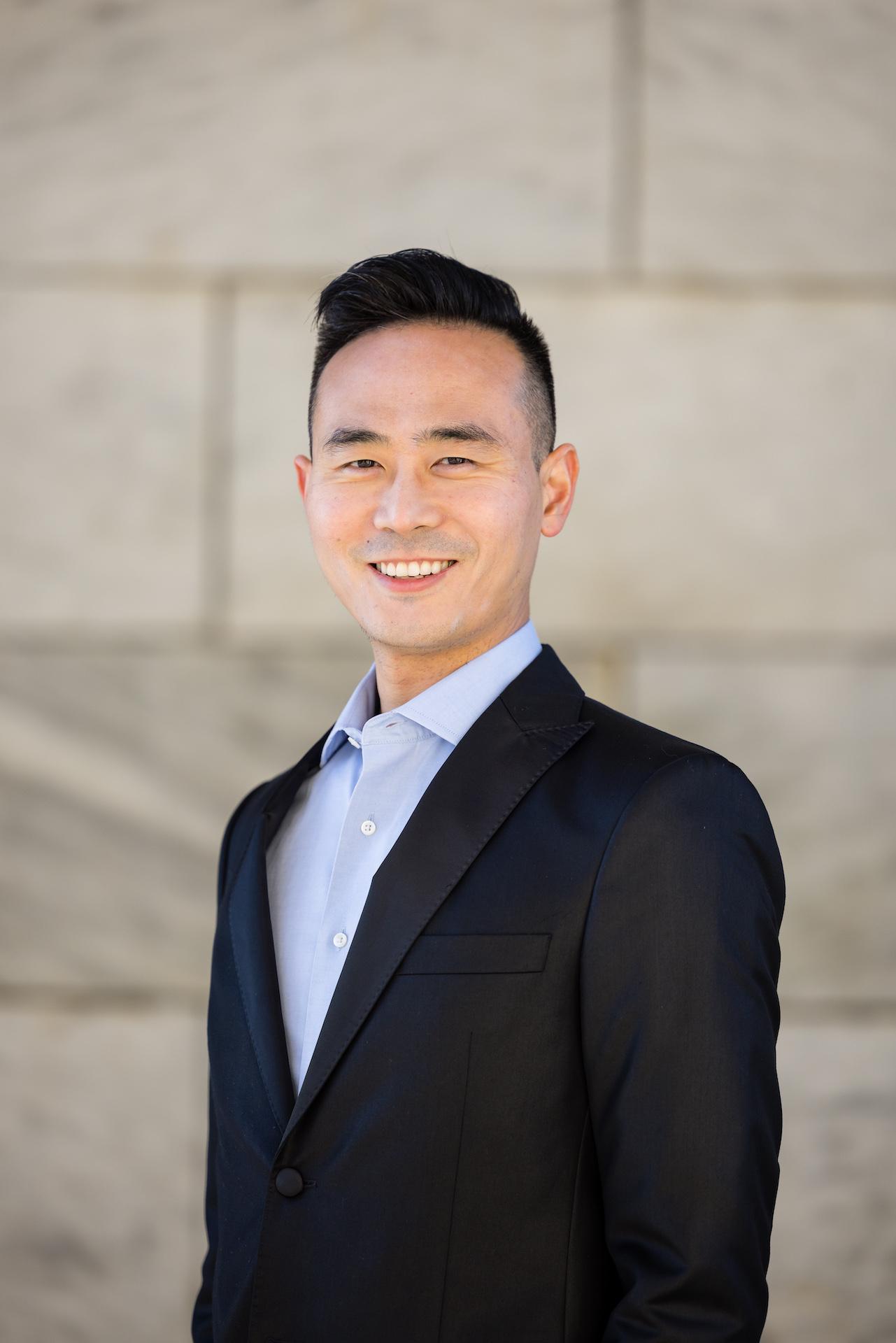
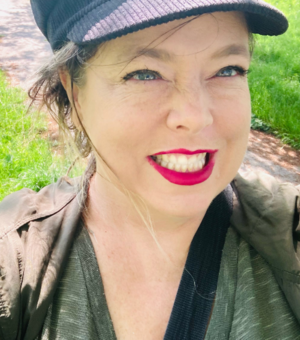
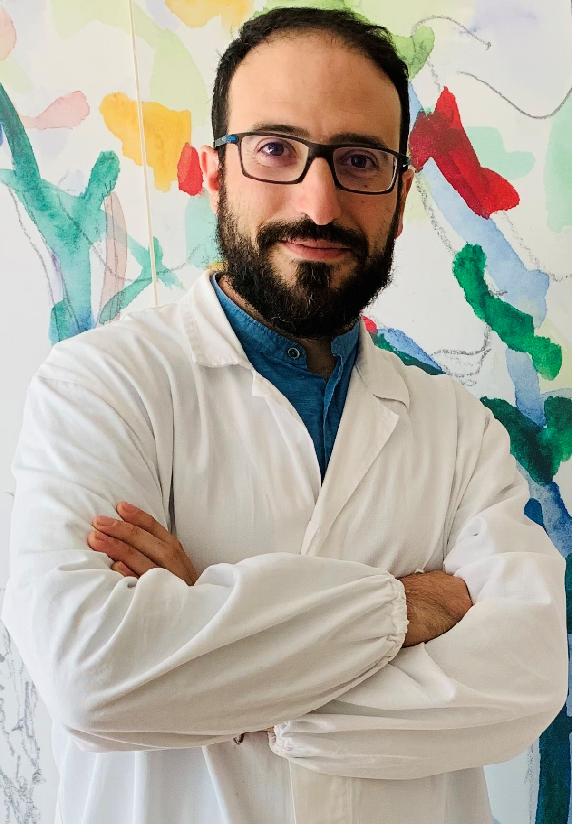
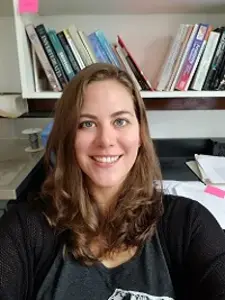
Lex Lu is an Associate Professor of History at Clark University, specializing in Chinese, Japanese, Korean, and Asian American histories. He has been at Clark since 2016 and holds a Ph.D. in History from Syracuse University (2016), alongside earlier degrees from East China Normal University. His research focuses on political legitimacy in Chinese history and the cultural history of aphrodisiacs in East Asia, intersecting with animal trade, environment, medicine, and fertility. Ph.D. in History, Syracuse University, 2016 M.Phil. in History, Syracuse University, 2013 M.A. in History, East China Normal University, 2010 B.A. in History, East China Normal University, 2006 His first monograph, Appearance Politics: Legitimacy Building in Late Imperial and Modern China (2024), examines how physical appearance influenced political legitimacy in Chinese history. His ongoing project explores aphrodisiacs in East Asia, linking to broader themes of ecology and medicine. He has published on topics like the Yongzheng Emperor’s masculine ideals and Manchu court dynamics. Awards: Fellowships for Higher Education (Marion & Jasper Whiting Foundation) Major Research Grants (Higgins School of Humanities, Clark) His work has been supported by grants to advance research and teaching. He regularly reviews scholarly works, including a 2024 review on Ming China physiognomy for International Journal of Divination and Prognostication .
Stephen Andrew Taylor is Professor of Composition-Theory at the University of Illinois, Urbana-Champaign, where he co-directs the Illinois Modern Ensemble. His interdisciplinary work bridges music composition with scientific exploration, creating innovative works that transform complex data into compelling musical experiences. With a career spanning over three decades, Taylor has established himself as a significant voice in contemporary classical music. Northwestern University Cornell University California Institute of the Arts Taylor's research focuses on the intersection of music and science, particularly data sonification where he transforms genetic sequences, astronomical phenomena, and environmental data into musical compositions. His work spans multiple genres including orchestral, chamber, choral, and electronic music, often incorporating live electronics and multimedia elements. He has developed specialized techniques for representing DNA sequences, protein structures, and environmental data through sound, creating what he calls "data-driven music." His theoretical writings explore African rhythm, the music of György Ligeti, and popular artists like Björk and Radiohead. Taylor's recent compositions demonstrate a consistent exploration of scientific concepts through musical form. His works frequently engage with genetics (Winged Helix, Indian Hedgehog), astronomy (Piranesi, Ocean of Air), and environmental concerns (Maumee River Index). The composer employs sophisticated sonification techniques while maintaining strong musical integrity, creating works that are both scientifically informed and artistically compelling. His approach often involves direct collaboration with scientists, resulting in pieces that illuminate complex phenomena through musical expression. Guggenheim Foundation Fellowship (2014-15) American Academy of Arts and Letters Award Howard Foundation Award Conservatoire Américain de Fontainebleau Award Debussy Trio Composition Contest (First prize, 2000) Multiple ASCAP Foundation Awards As an educator, Taylor follows the philosophy of Olivier Messiaen, focusing on helping students develop their own musical personalities rather than imitating his style. His teaching emphasizes the importance of prolific composition as the path to mastery. Taylor has received numerous commissions from major institutions including the Chicago Symphony, Northwestern University, University of Illinois, Pink Martini, and the American Composers Orchestra. His collaborative work extends to popular music, with arrangements performed by orchestras worldwide including the Los Angeles Philharmonic, San Francisco Symphony, and Chicago Symphony. Taylor co-directs the Illinois Modern Ensemble, which serves as a laboratory for contemporary music performance and exploration. His creative partnership with visual artist Hua Nian (his spouse) has resulted in numerous multimedia works where visual elements complement his musical compositions. Through his work with data sonification projects and scientific collaborations, Taylor has established interdisciplinary connections between the School of Music and other departments across the University of Illinois campus.
Dr. Kathleen Bryson is a Postdoctoral Research Associate at the Oxford Martin School’s Programme on Women’s Equality. She holds a PhD in Evolutionary Anthropology from University College London (UCL), an MA in Independent Film from the University of the Arts London (UAL), and dual BA degrees in Anthropology and Swedish from the University of Washington. Her research focuses on androcentrism, dehumanization, ambiguity tolerance, and the intersections of evolutionary theory with social identity. She is co-authoring The Quiddity Question: Essentialism, Ambiguity Tolerance and Ultrahumanisation with Volker Sommer, analyzing cultural dichotomies and their temporal patterns. Her academic career includes teaching roles at UCL, the City Literary Institute, and Westminster School, covering topics like human evolution, primatology, and extraterrestrial bioanthropology. Bryson’s interdisciplinary approach bridges anthropology, media studies, and artistry, exemplified by her novel The Stagtress (2019) and media appearances discussing evolutionary perspectives on dance and fictive othering. Her current research investigates women’s unpaid labor and bias in education/employment contexts within the WEIR programme. She has contributed to journals like Society & Animals and Journal of Posthuman Studies , exploring themes ranging from speciesism to AI ethics in mixed reality platforms.
Giacomo Carta is a Senior Scientist at the University of Vienna's Department of Pharmaceutical Sciences. His pharmacological research focuses on neurobiological mechanisms of pain, therapeutic interventions, and neural regeneration. Current projects investigate nerve response to treatments and physiological testing methodologies. Research consistently addresses neural modulation of pain pathways and rehabilitation strategies, with clinical applications in physiotherapy and neurology.
Susan Broomhall is an Honorary Fellow and former Professor of History at The University of Western Australia. She holds a Diploma in Arts (Korean Studies) from the University of Western Australia. Her research focuses on women and gender, emotions, science, material culture, cultural contact, and early modern history. She has held roles as Series Editor for multiple academic presses and serves on advisory boards for institutions like the Australian Research Council Centre of Excellence for the History of Emotions. Her current projects include leadership roles in the Korea Research Centre and international collaborations on topics like displacement histories and gendering the Italian Wars. Upcoming works include books on Korean women narratives, Dutch East India Company history, and Catherine de' Medici's identities. Key awards include the Frank Watson Prize (2016) and CHASS Australia Prize (2017). She has secured grants from the ARC and Academy of Korean Studies, totaling over 25 funded projects. Her work intersects with UN Sustainable Development Goals related to gender equality and environmental sustainability. Advisory roles: ARC Centre of Excellence, Pakistan Journal of Historical Studies, Limina (journal) Grants: $7,911 (ARC emotions project), $25K (UWA Alumni grant) Labs/Teams: Korea Research Centre (2020–2025), Writing Doctors project (2019–2021)
Dr. A.C. Flipse (Abraham Flipse) is a University Historian at Vrije Universiteit Amsterdam , affiliated with the Faculty of Humanities and the Cultural History research group . His work focuses on the history of universities, science, medicine, and science-religion interactions. He teaches courses on Science and Society, Medical Humanities, and Academic History, while also advising on institutional heritage and public outreach. Research Focus : University history, science-religion debates, neo-Calvinist traditions, life sciences, academic publishing, and campus spatial transformations Public Engagement : Maintains the Geheugen van de VU project and contributes to Idea magazine His recent research trends examine university organizational identity (e.g., autonomy vs. governance), science-religion intersections, and heritage preservation. Key works include analyses of Dutch neo-Calvinist creationism, comparative studies of Catholic and Protestant scientific thought, and campus development since 1945. PhD students supervised include Jelmer Heeren (science-religion debates) Floris van Berckel Smit (New Public Management in academia) Piet Slootweg (divine attributes and animal suffering) Additional roles include public commentary on university heritage (e.g., UNESCO-recognized VU archives) and academic freedom challenges. He holds a University Teaching Qualification and C1 English proficiency certification.
Marc H Gershow is an Associate Professor and Director of Undergraduate Studies for Physics at New York University's College of Arts and Science. His research focuses on understanding sensory processing and decision-making in model organisms like Drosophila larvae and C. elegans. He develops advanced microscopy techniques, including CRASH2p and 3D tracking two-photon imaging, to study neural activity in freely behaving animals. His work bridges neuroscience, physics, and engineering to uncover how organisms integrate sensory information with learned and innate behaviors. Education & Background While specific educational details are not explicitly listed, his research trajectory suggests a strong background in biophysics and neuroscience. His lab homepage indicates ongoing projects in olfactory circuits, sensory integration, and neurophysiological imaging. Research Interests Gershow's lab investigates neural mechanisms underlying navigation, olfactory learning, and decision-making. Key areas include: Olfactory circuits in Drosophila larvae and C. elegans Development of closed-loop imaging systems (e.g., CRASH2p) Multi-neuronal recording in unrestrained animals Integration of learned and innate sensory valences Awards & Recognition NSF CAREER Award (2015) NIH Director's New Innovator Award (2015) Lab & Collaborations His lab integrates engineering and biology, with a focus on creating tools for real-time neural activity analysis. Collaborations likely span physics, neuroscience, and computational biology. The lab homepage provides further details on ongoing projects and publications.
Dr. Shiuan-Ni Liang is a Lecturer at the Malaysia School of Engineering, Monash University, specializing in Biophysics, Biomedical Engineering, and Nonlinear Dynamics. Her research focuses on cardiac arrhythmias control, contributing to smart defibrillator development. She teaches first-year engineering mathematics, emphasizing visual learning through MATLAB animations. Education: PhD in Physics (Monash University), M.Sc. in Physics (National Central University), B.Sc. in Mathematics (National Central University). Research interests include understanding cardiac arrhythmia mechanisms and developing nonlinear control methods. She explores biomedical engineering applications, such as cardiac dynamics modeling and medical device innovation. Recent projects involve smart inventory management, photobiological effects on sleep cycles, and multimodal human physiological responses to stimuli. Collaborations span biometric security, traffic optimization, and machine learning applications. She has led or co-led projects like 'Control of Cardiac Alternans' and 'Ant Colony Optimization for Inventory Routing.' Awards: None explicitly listed, but her work contributes to UN SDGs related to health and innovation. Teaching evaluations are consistently high, with student praise for her pedagogical methods.
Prof. Wang Yulan is a Professor of Metabolomics at the Lee Kong Chian School of Medicine (NTU) and Director of the Singapore Phenome Centre (SPC). She holds an honorary appointment at Imperial College London's School of Public Health. She earned her PhD in Physical Chemistry from the University of East Anglia (UK) in 1997. Her career includes postdoctoral research at the Institute of Food Research and John Innes Centre (UK), followed by roles at Imperial College London and the Chinese Academy of Sciences under the '1000 Talents Program.' Her research integrates NMR and LC-MS spectroscopy with computational modeling to study metabolic effects in infectious diseases and nutritional interventions. She leads the Singapore Phenome Centre, focusing on systems-level metabolic studies. Prof. Wang's work spans microbiome medicine, aging, and translational metabolomics applications. Education: PhD in Physical Chemistry, University of East Anglia, UK (1997) Research Interests: Metabolomics and systems biology approaches Microbiome-host interactions Metabolic biomarker discovery Applications in infectious diseases and public health Lab/Teams: Singapore Phenome Centre (SPC), collaborating with Dr. Low Yanwen Dorrain and international institutions.
Arion-Xenofon Fokion Hadjioannou, Ph.D. serves as Professor, Department Vice Chair, and Director of Molecular and Medical Pharmacology at the University of California Los Angeles (UCLA) School of Medicine. He holds the prestigious Crump Chair in Medical Engineering, reflecting his significant contributions to the field of medical imaging technology development at one of the world's leading research institutions. Dr. Hadjioannou's research spans multiple disciplines including Molecular Imaging , Nuclear Medicine , Biomedical Engineering , and Medical Physics . His expertise focuses on PET technology development specifically for preclinical applications with small animal models. His work has advanced detector technology, image reconstruction algorithms, and multimodal imaging approaches that combine PET with optical imaging systems (OPET), enabling more comprehensive visualization of biological processes at the molecular level. Analysis of Dr. Hadjioannou's publication record from 2000-2005 reveals a consistent trajectory of innovation in molecular imaging instrumentation. His research progressed from fundamental detector development to sophisticated multimodal imaging systems, with particular emphasis on achieving high-resolution imaging for small animal studies. His publications in high-impact journals like IEEE Transactions on Nuclear Science and European Journal of Nuclear Medicine demonstrate technical expertise that has influenced the field of preclinical imaging. Among his notable achievements is the Crump Chair in Medical Engineering, an endowed position recognizing exceptional contributions to medical engineering. His work has been referenced in multiple patents and has garnered significant attention in the scientific community, as evidenced by citation metrics across his publications. Dr. Hadjioannou has established productive collaborations with leading researchers including Simon Cherry at UC Davis and Richard Leahy at USC. These partnerships have extended the impact of his work beyond UCLA, contributing to the broader development of microPET technology that has become essential for preclinical research worldwide. His leadership as Department Vice Chair and Director positions him at the forefront of shaping research directions in molecular and medical pharmacology.
Dr. Joshua Dijksman is a Visiting Professor at the Institute of Physics (IoP WZI) within the Faculty of Science at the University of Amsterdam. His research focuses on granular matter, soft matter physics, rheology, and tribology, with interdisciplinary applications in biophysics and ecology. He explores phenomena such as particle dynamics in complex fluids, frictional regimes in model systems, and phase separation mechanics in biomaterials. His work integrates advanced experimental techniques like MRI-based rheology and particle imaging to study microstructural behavior in materials ranging from food dispersions to hydrogel networks. Recent contributions include studies on predator-prey ecosystem dynamics and the rheological properties of feed materials relevant to agricultural engineering. Publications span topics from granular flow characterization to biomimetic fastener mechanics, demonstrating a strong emphasis on both fundamental physics and applied material science. His research often bridges macroscopic observations with microscopic mechanisms to explain emergent phenomena in complex systems.
Connie J Rogers is a Professor and Department Head of Nutritional Sciences at the University of Georgia's College of Family and Consumer Sciences. Previously, she held faculty positions at Penn State University (2010-2022) and served as a Senior Research Fellow at the National Cancer Institute (2008-2010). Her research focuses on the intersection of nutritional interventions, inflammation, and chronic disease prevention. Ph.D. in Cell Biology and Physiology (University of Pittsburgh, 1998) M.P.H. in Epidemiology (University of Pittsburgh, 2003) Rogers' laboratory investigates how energy balance (obesity, exercise, dietary restriction) and nutritional factors like spices and prunes modulate inflammatory mediators, metabolic hormones, and immune pathways in breast cancer and cardiometabolic diseases. Her work spans both animal models and human clinical trials, including the long-term Prune Study examining bone health in postmenopausal women. Recent publications highlight her leadership in nutritional immunology, particularly in understanding how dietary compounds affect monocyte activation, gut microbiome composition, and vascular function. Awards include the Women's Leadership Fellow (2023), multiple Collaborative Research Awards, and the Broadhurst Career Development Professorship. Women’s Leadership Fellow (University of Georgia, 2023) Collaborative Research Award (Penn State, 2021) Broadhurst Career Development Professorship (2010)
Dr. Laura Parkes is a Professor of Neuroimaging at The University of Manchester, specializing in neuroimaging techniques such as MRI and MEG. She holds a MPhys (Oxford), MSc (UCL), and PhD (UCL) in neuroimaging and cerebrovascular physiology. Her research focuses on quantifying neurophysiological properties of the human brain, particularly cerebral blood flow (CBF) and oxygen metabolism using arterial spin labeling (ASL). Key areas include aging, cerebrovascular disease, Parkinson’s, Alzheimer’s, and mechanisms of brain plasticity. She has received a Medical Research Council New Investigators Award (2006). Teaching roles: Neuroimaging Techniques (MSc), Physics of Medical Imaging (MPhys), Advanced MRI (MSc), Neuroscience tutoring (BSc) Collaborations: External with UCL, Lancaster, Nottingham, Liverpool, Leeds; Internal with over 15 Manchester researchers Professional memberships: International Society for Magnetic Resonance in Medicine, Society for Neuroscience Her work addresses cerebrovascular dysfunction in neurodegeneration, blood-brain barrier integrity, and sensory-motor plasticity. Recent advancements include MRI-based blood-brain barrier permeability measurements in rat models and human studies of oxygen extraction fraction in aging populations. Research outputs include 116 peer-reviewed articles (2025 highlights: ATRT tumor analysis, FEXI BBB measurements, and ENIGMA-PD neuroimaging collaboration). Projects funded by MRC and industry partnerships focus on vascular dysfunction in Parkinson’s, stroke, and dementia.
Professor Zhiyong Wang is a faculty member at the School of Computer Science, University of Sydney, serving as Deputy Director of Sydney Informatics Hub and Director of the Multimedia Computing Laboratory. His research focuses on multimedia computing, including information retrieval, computer vision, AI, and applications in agriculture, healthcare, and environmental monitoring. He holds a B.Eng., M.Eng. from South China University of Technology, and a Ph.D. from The Hong Kong Polytechnic University. His work bridges theoretical advancements and real-world applications, with over 200 peer-reviewed publications. He is a member of IEEE and former President of Australia Pattern Recognition Society (APRS). Research Interests: Enabling computers to understand and create multimedia content, with emphasis on human-centric computing, remote sensing, and interdisciplinary applications. Notable areas include action recognition, medical image analysis, and environmental monitoring. Current Roles: Leads the Multimedia Computing Lab, collaborates with Sydney Institute of Agriculture and Brain and Mind Centre. Teaches COMP5216 (Mobile Computing), COMP5405 (Digital Media Computing), and COMP5425 (Multimedia Retrieval). Students: Supervises 9 Ph.D. students focusing on topics like precision agriculture, biomedical engineering, and AI-driven video analytics. Key projects include soil moisture forecasting, biomechanical risk analysis for knee osteoarthritis, and explainable machine learning.
Stephanie Crofts is an Assistant Professor of Biology at the College of the Holy Cross. Her research focuses on biomechanics and functional morphology, applying principles from physics and engineering to study how organisms adapt their morphology to ecological roles. She earned her Ph.D. from the University of Washington, Seattle, and teaches courses such as Introduction to Mechanisms of Multicellular Life and Comparative Vertebrate Anatomy . Her work investigates functional trade-offs and evolutionary constraints in specialized morphologies, particularly in dentition and defensive structures like spines and fangs. She employs CT scanning, physical specimens, and computational models to explore how morphological changes enable diversification and ecological adaptation. Key research themes include puncture mechanics in snake fangs, sea urchin spine functionality, and the biomechanics of predator-prey interactions in marine species. Crofts’ recent articles span studies on frugivorous fish dentition, sea urchin anatomy under environmental stress, and the biomechanics of defensive spines across taxa. Her interdisciplinary approach bridges comparative anatomy, evolutionary biology, and material science. No scientific awards are explicitly listed, though her active research program includes grants and collaborations in biomechanical modeling and ecological adaptation studies.