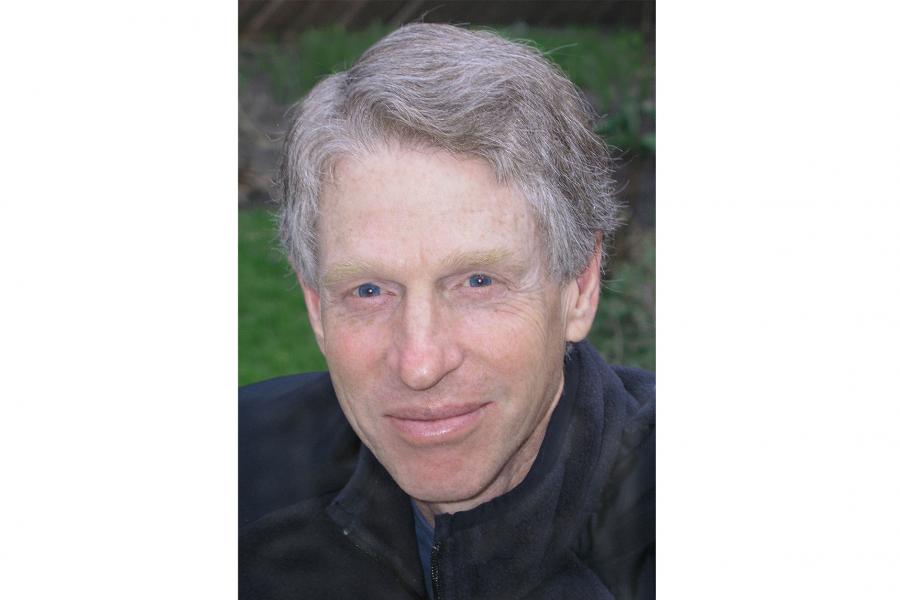
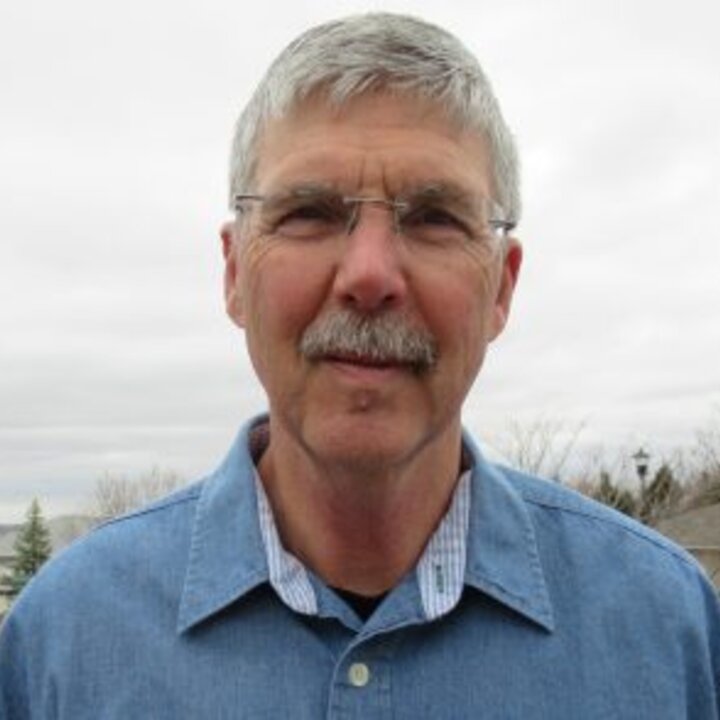
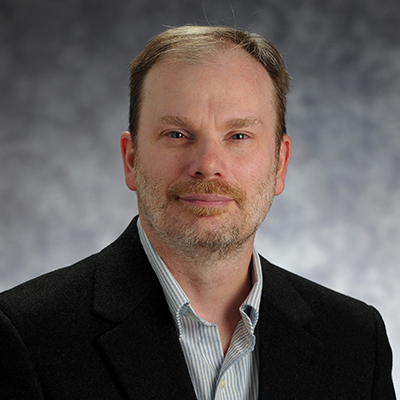
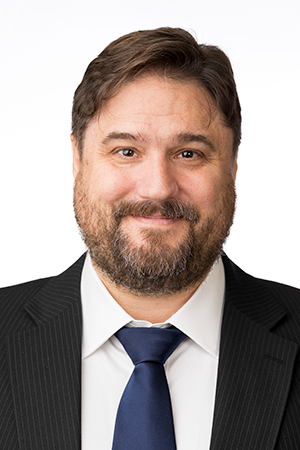
Oswald J. Schmitz is the Oastler Professor of Population and Community Ecology at the Yale University School of the Environment. His research bridges biodiversity and ecosystem services, focusing on species interactions, climate change impacts, and conservation strategies. He employs field experiments and mathematical models to study predator-herbivore-plant dynamics, nutrient cycling, and carbon sequestration. Education: B.Sc., M.Sc., University of Guelph Ph.D., University of Michigan Research areas include: Trophic rewilding for climate solutions Human-wildlife conflict dynamics Meta-ecosystem nutrient flows Animal-driven carbon cycle modifications Context-dependent conservation strategies His 2024 Bormann Prize-winning work on calving impacts in nutrient cycles and other recent publications highlight innovative ecosystem science. Schmitz mentors students like Kristy Ferraro and collaborates with alumni such as Rob Buchkowski and Julia Monk. He teaches three conservation-focused courses with an emphasis on quantitative skills and real-world applications.
Zion Zibly, MD, MBA is an Associate Professor in the Department of Neurosurgery at Yale School of Medicine . He holds multiple leadership roles including Director of the Center of Neuromodulation , Director of the Center of Neurosurgical Cancer Pain , and Head of Stereotactic & Functional Neurosurgery and the Focused Ultrasound Institute . Previously served as Chair of Neurosurgery at Sheba Medical Center after graduating from Technion’s Faculty of Medicine (MD) and Coller School of Management (MBA). Research Interests: Specializes in Neuromodulation for movement disorders (Parkinson’s, tremors, dystonia), Deep Brain Stimulation , Gene Therapy for pediatric neurodegenerative conditions, Oncological Neurosurgery , and Neurological Pain Management . Combines Functional Neurosurgery with Focused Ultrasound technology. Scientific Contributions: Participated in pioneering Alzheimer’s brain stimulator procedures and Gene Therapy applications. Active member of the North American Association of Functional Neurosurgery and Israeli Neurosurgical Society . Clinical Expertise: Implantation of electrostimulators for Parkinson’s and essential tremor, treatment of Benign/Malignant CNS Tumors , and management of Neurological Pain Conditions . Affiliated with Yale Cancer Center and Center for Brain & Mind Health .
Arthur Schafer is a Full Professor in the Department of Philosophy at the University of Manitoba's Faculty of Arts and Founding Director of the Centre for Professional and Applied Ethics. He serves as a National Research Associate of the Canadian Centre for Policy Alternatives and previously held roles as ethics consultant for the Winnipeg Regional Health Authority and Head of the Section of Bio-Medical Ethics in the Faculty of Medicine. His academic credentials include a BLitt in Philosophy from the University of Oxford (1967) and a BA Honours from the University of Manitoba. His distinguished career spans over five decades of ethical scholarship and public engagement. Professor Schafer specializes in professional and applied ethics with intensive focus on bioethics , research ethics , and biomedical conflicts of interest . His work critically examines medical assistance in dying , informed consent , clinical trial ethics , and human rights frameworks , establishing him as a leading voice in Canadian ethical discourse. His philosophical approach bridges theoretical rigor with practical policy applications across multiple professional domains. Analysis of his 13 most recent publications reveals enduring engagement with evolving ethical challenges, particularly the tension between institutional interests and professional integrity. His scholarship demonstrates consistent progression from foundational ethical theory toward contemporary policy applications, with recent work heavily concentrated on medical assistance in dying and pharmaceutical industry influence in healthcare systems. His scientific recognition includes: D. R. Campbell Outreach Award (1984) Olive Beatrice Stanton Award for Excellence in Teaching (1976) Canadian Commonwealth Scholarship (1964) Woodrow Wilson Fellowship (1964) Canada Council Fellow As an active supervisor for Master's and PhD students, Schafer extends his mentorship through ethics consulting for professional associations in Medicine, Engineering, Architecture, Nursing, and Pharmacy. His policy impact is evidenced by service on the Provincial-Territorial Expert Panel on Medical Assistance in Dying and two published reports for the Canadian Centre for Policy Alternatives. His extensive media contributions—including hundreds of CBC appearances and newspaper columns—demonstrate exceptional public scholarship. The Centre for Professional and Applied Ethics, which he founded, functions as a vital interdisciplinary hub connecting academic philosophy with real-world ethical challenges across healthcare, law, and public policy sectors, facilitating ongoing dialogue between scholars, practitioners, and community stakeholders.
Dr. Gary Brewer is a Professor in the Department of Entomology at the University of Nebraska-Lincoln, with a 60% research and 40% teaching appointment. He has served as department head at NDSU (1997-2006) and UNL (2006-2018). His research focuses on field crops entomology, IPM of pasture cattle flies, salt creek tiger beetle conservation, and pollinator health. He has pioneered a push-pull strategy using coconut oil-derived repellents and led curriculum design for Rwanda’s Conservation Agriculture program. Education: B.S. in Zoology, University of Nebraska-Lincoln (1974) M.S. in Entomology, University of Nebraska-Lincoln (1978) Ph.D. in Entomology, Kansas State University (1984) Research Interests: Brewer’s work spans insect ecology, pest management, and conservation. Key areas include stable fly and horn fly control, pollinator protection, and endangered species recovery (e.g., Salt Creek tiger beetle). His lab develops natural product-based pest repellents and evaluates biopesticides for sustainable agriculture. Grants & Contributions: $362,150 USDA grant for undergraduate research in beneficial insect protection (2018) $325,000 USDA grant for multi-tactic stable fly control (2017) NE Game and Parks funded salt creek tiger beetle reintroduction programs Labs & Teams: Brewer’s team collaborates with industry (e.g., Vestergaard Frandsen) and international partners to advance IPM strategies. His work bridges field research with applied solutions for farmers and conservationists.
Jeff Schorey is the George B. Craig Jr. Professor and a full Professor in the Department of Biological Sciences at the University of Notre Dame, where he has been a faculty member since 2004. He currently serves as Director of the Integrated Biomedical Sciences (IBMS) graduate program and previously held leadership roles including Chair of the Institutional Animal Care and Use Committee (IACUC) and Associate Director of the Eck Institute for Global Health. His research focuses on the pathobiology of mycobacterial diseases, particularly Mycobacterium tuberculosis and M. avium . His work investigates the molecular interactions between mycobacteria and host macrophages, with a special emphasis on the role of exosomes in immune modulation, diagnostics, and vaccine development. He also explores novel antibiotic development in collaboration with chemists at Notre Dame and global partners. His recent publications reveal a strong trend in extracellular vesicle biology, host-pathogen signaling, and translational applications in TB diagnostics and treatment. The articles span immunology, microbiology, and molecular biology, with recurring themes in exosome function, RNA sensing, and antimicrobial development. George B. Craig Jr. Collegiate Professor Dr. Schorey has advised graduate students and leads an active research lab focused on mycobacterial pathogenesis. His work is supported by collaborations across disciplines and institutions, particularly in drug development and clinical translation. He has contributed significantly to understanding how exosomes can serve as both biomarkers and therapeutic tools. His lab employs cellular immunology, animal models, and clinical sample analysis to study mycobacterial infections. He leads the IBMS program, shaping graduate education in biomedical sciences at Notre Dame.
Jonathan Santo is a Professor of Psychology at the University of Nebraska at Omaha (UNO), where he serves as Director of the Graduate Developmental Psychology Program and as a faculty member in the Office of Latino/Latin-American Studies. His research explores peer relations, cultural differences in self-esteem, and classroom-level influences on child and adolescent development, with a focus on improving school environments and fostering positive social interactions. ORCA Faculty Fellow His research spans broad areas including Developmental Psychology , Social Support Systems , and Cross-Cultural Peer Dynamics , with specific attention to peer victimization , self-continuity , school climate , and developmental trajectories in Brazilian and Colombian youth . Recent publications analyze topics like hikikomori experiences , friendship security , and HPA axis dysregulation in adolescents. Scientific awards include the ORCA Faculty Fellow recognition. His work often involves longitudinal assessments of peer relationships cross-cultural comparisons (Brazil, Colombia, China, Nigeria, Singapore, U.S.) policy-focused blog posts on family separations and school interventions
Jan Dijkstra is an Associate Professor at Wageningen University specializing in Animal Nutrition . His research focuses on dairy cattle nutrition, methane emissions, and nutrient efficiency. Academic Rank: Associate Professor Department: Animal Nutrition His work emphasizes: Mathematical modelling of methane production Phosphorus and nitrogen balance optimization Feed supplementation strategies for reduced emissions Genotype-environment interactions in dairy systems Recent publications highlight advancements in methane mitigation , nutrient cycling , and rumen microbiome dynamics . He serves as a promotor for multiple PhD projects and contributes to datasets on equine microbiomes and rumen metabolites. Scientific Awards American Feed Industry Association Award (2015) Publicatieprijs ASG (2013) Supervision PhD candidates: Kozorezov, Henry, Koning, Vivares Martinez EngD candidate: Holshof
Professor Lorraine Maltby , OBE, is a distinguished academic at the University of Sheffield , specifically within the School of Biosciences and the Department of Animal and Plant Sciences . She currently serves as the Deputy Vice-President for Research at the university (2017–2022). With a career spanning over three decades at the University of Sheffield, she has held various significant roles including Head of the Department of Animal and Plant Sciences (2008-2012) and progression from Lecturer to Professor of Environmental Biology (2004). PhD – University of Glasgow (1984) BSc – University of Newcastle (1981) Research Interests: Professor Maltby is a leading expert in freshwater ecology and ecotoxicology , focusing on the impacts of anthropogenic activities on freshwater ecosystems. Her research examines how pollution and climate change affect these delicate environments and the ecosystem services they provide. She aims to develop a mechanistic understanding of key ecosystem services and the ecological processes that underpin them, particularly how they are affected by human inputs and activities. Her recent publications reflect her research focus on topics such as spatial variation in macroinvertebrate sensitivity to chemicals, linking ecotoxicity to ecosystem service damage , and heterogeneity in biological assemblages for chemical risk assessment. Scientific Awards and Recognition: Officer of the Most Excellent Order of the British Empire (OBE) for services to Environmental Biology and Animal and Plant Sciences (2020) Elected Fellow of the Royal Society of Biology (2021) Elected Fellow of the Freshwater Biological Association (2019) Portrait of a Woman Exhibition (2017) Elected Fellow of the Society of Environmental Toxicology and Chemistry (2016) Society of Environmental Toxicology and Chemistry Environmental Education Award (2009) Society of Environmental Toxicology and Chemistry Exceptional Service Award (2005) Professional Activities: Professor Maltby has significant leadership and service roles in her field, including: Chair of UK-SCAPE Programme Advisory Board Chair of Irish Research Council COALESCE International Review Panel Member of NERC peer review panels Member of European Centre for Ecotoxicology and Toxicology of Chemicals Scientific Committee (2010-) Member of European Food Safety Authority Stakeholder Bureau (2023-) Member of SETAC Panel on Chemicals Management (2023 - )
Robert Östling is a Professor of Economics at the Stockholm School of Economics (SSE), affiliated with the Department of Economics and the Karl-Adam Bonnier Center for Governance within the House of Governance and Public Policy. He holds a PhD from SSE (2008) and previously worked at Stockholm University's Institute for International Economic Studies until 2018. His research focuses on applied microeconomics and behavioral economics, particularly examining how wealth impacts attitudes, behavior, and life outcomes using Swedish lottery data. He teaches econometrics, behavioral economics, and economics for MBA students, and serves as program director for SSE's MSc in Economics. Key roles include board membership of the Swedish Economics Association and the Expert Group on Public Economics (ESO), and membership in the scientific advisory board of the Swedish Consumer Protection Agency. He co-founded the popular economics blog Ekonomistas , recognized as 'Swede of the Year' in 2017. Awards include the Assar Lindbeck Medal (2021) and the Arnberg Prize (2009). His research spans wealth effects on labor supply, health, child development, and political behavior. Notable projects include studying lottery winners' long-term well-being and portfolio decisions. Teaching innovations include using animated GIFs for econometrics instruction. He has contributed to policy debates on economic reforms, consumer protection, and pandemic responses. Outreach activities include public writing and policy advisory roles. His research has been featured in outlets like the New York Times and Swedish media. He remains active in academic networks, including the Network for Evidence-Based Policy.
Adrian Linacre is a Professor and Chair in Forensic DNA Technology at Flinders University, within the College of Science and Engineering, Department of Biological Sciences. He is a leading figure in forensic science, with a focus on DNA analysis, wildlife forensics, and crime scene investigation. BSc in Biological Sciences (Hons), University of Edinburgh, 1984 DPhil in Molecular Genetics, University of Sussex, 1988 His research centers on getting more from less at crime scenes , particularly through developing highly sensitive DNA typing methods and studying the transfer and persistence of biological materials. He also pioneers the use of non-human DNA in forensic investigations, notably in wildlife forensic science , aiding in species identification and combating illegal wildlife trade. His recent publications reflect a strong trend in trace DNA analysis , body fluid identification , and DNA transfer dynamics , with applications in drug cases, sexual assault investigations, and environmental DNA degradation. His work increasingly integrates molecular techniques with real-world forensic challenges. Notable scientific awards include: Medal of the Order of Australia (OAM), 2020 Inspirational Scientist of the Year, Royal Society of Edinburgh, 2005 Fellow of the Royal Society for the Encouragement of Arts and Commerce (FRSA) Finalist, South Australian Science Excellence and Innovation Awards (2023, 2024) He has successfully supervised several students, including Piyamas Kanokwongnuwut and Alicia Haines, many of whom have won international recognition. He has secured significant research funding and contributed to national and international forensic policy, including a key review for the UK Home Office on low-template DNA. His professional leadership includes presidencies of the ANZFSS and ISFG, and vice presidency of the IAFS. Linacre is actively involved in editorial roles, serving as Associate Editor for Forensic Science International: Genetics and on the boards of Forensic Science, Medicine and Pathology and the Australian Journal of Forensic Science . He is a sought-after expert witness and media commentator in forensic science.
Nick Haddad is a Professor of Integrative Biology at Michigan State University and serves as the Director of the Long-Term Ecological Research (LTER) site at Kellogg Biological Station. His research focuses on ecological experimentation, particularly examining how habitat loss and fragmentation impact biodiversity and ecosystem functioning. He specializes in reversing these negative effects through landscape connectivity strategies and diversified working landscapes, with a strong emphasis on insect conservation, including critically endangered butterfly species. Role: Professor, Integrative Biology Directorship: KBS LTER Site Location: 322 Kellogg Biological Station Email: haddadn3@msu.edu Haddad's research spans habitat fragmentation, biodiversity conservation, climate change impacts, and agricultural sustainability. His lab conducts large-scale experiments like the Corridor Project and studies rare butterflies (e.g., St. Francis’ satyr, Miami blue) to understand extinction risks and recovery strategies. Recent work explores pesticide effects, prairie restoration, and long-term ecological trends. The 15 most recent publications highlight habitat fragmentation's ecological impacts, climate-driven phenological shifts, and innovative conservation approaches. Key themes include biodiversity monitoring, pesticide-driven declines, prairie restoration for pollinators, and climate adaptation strategies. His work leverages long-term datasets (e.g., 40-year LTER) and integrates theory with applied conservation. Lab activities include mentoring undergraduate and graduate students at KBS, leading the Haddad Lab, and collaborating on projects like the KBS-LTER and SRS Corridor initiatives. Research spans both terrestrial and agroecosystems, emphasizing actionable solutions for conservation and sustainable land use.
Dr Jonathan Green is a seabird biologist and currently serves as Programme Director for the BSc Environmental Science at the University of Liverpool. He has held roles such as Head of Discipline in Ecology & Marine Biology and Deputy Assessment Officer within the School/Institute. His professional activities include chairing conferences, convening sessions, and serving on editorial boards for journals like Emu - Austral Ornithology (since 2008) and Endangered Species Research (2009–2013). Education: Zoology, University of Cambridge (1995) PhD in Zoology, University of Birmingham (2001) Postdoctoral Research, University of Birmingham Fellowship at La Trobe University, Australia (2005–2008) Research Interests: Jonathan Green's research explores the intersection of ecology, physiology, and behavior in seabirds. He investigates how seabirds adapt to contrasting marine and terrestrial environments, particularly regarding foraging strategies, energy expenditure, and moult ecology. His work addresses anthropogenic threats such as overfishing, climate change, and offshore wind farm developments. He also leads conservation projects in the Caribbean UK Overseas Territories, collaborating with local organizations and government bodies to protect seabird populations. Advising and Grants: Jonathan Green supervises PhD student Elayna Daniels through the CASE studentship grant. His research is supported by grants from NERC, Defra's Darwin+ programme, and UKRI, focusing on topics like marine bird energetics, wind farm impacts, and Caribbean conservation. These projects often involve collaboration with government agencies and industry partners to ensure applied outcomes. Labs/Teams: Jonathan Green collaborates with interdisciplinary teams and institutions, including the Joint Nature Conservation Committee (JNCC), RSPB, BTO, and renewable energy developers. His fieldwork is conducted at sites such as Puffin Island, North Wales, and various locations in the Caribbean UK Overseas Territories.
Prof. Ilse Dewachter is the head of the Biomed Neuroscience research group at Hasselt University (UHasselt), specializing in Alzheimer’s therapy and prevention for over 25 years. Her work focuses on multi-targeted therapies targeting tau, inflammation, and ApoE, alongside pioneering research into disease prevention via blood-based biomarkers. Recent studies explore a protective APOE3ch mutation that halted Alzheimer’s progression in a patient, offering hope for new treatments. Research Interests: - Alzheimer’s disease mechanisms (Abeta, tau, inflammation) - Multi-target therapies and biomarker development - Neurodegenerative disease prevention strategies - Genetic mutations impacting disease progression Articles Overview: Her most recent work (2025-2022) addresses neuroinflammation, tau propagation models, and AI-driven neuroimaging. Key themes include APOE genetics, blood-brain barrier dynamics, and exercise impacts on cognition. Funding & Grants: Current projects require significant investment for advanced biomarker equipment and clinical trials. A notable €300,000 grant funded research on brain lipid metabolism’s role in Alzheimer’s. Labs & Teams: Leads the BIOMED Neuroscience group at UHasselt, collaborating internationally on preclinical models and drug development.
Prof. Dr. Elisa Marie Hoven is a professor at the Faculty of Law, University of Leipzig, specializing in German and foreign criminal law, criminal procedural law, and commercial/media criminal law. She works at Burgstraße 21, Room 1.10, Leipzig. Education: Law at Free University Berlin, Radboud University Nijmegen, and University of Cambridge Professional Background: Legal clerkship in Berlin and at the International Criminal Court; visiting roles at Berkeley, Harvard, Sydney, and others Her research focuses on: Corporate criminal law (particularly corporate sanctions) Media criminal law and digitalization (hate speech) Sentencing law reform Anti-doping legislation Animal welfare criminal law Current third-party funded projects: "Gerechte Strafzumessung" (DFG-funded, analyzing sentencing practices and proposing reforms) "Hate Speech im Internet" (funded by German Federal Ministry of Justice, interdisciplinary collaboration with media studies and sociology) Scientific awards: Habilitation award from the University of Erlangen-Nuremberg Dissertation prize from the Free University of Berlin She leads the "Legal Lab Hate Speech" and founded the national Moot Court Strafrecht. Her work spans legal education, empirical research, and public science communication.
Jocelyn Davies is a University Fellow at the Faculty of Arts and Society, Northern Institute, Charles Darwin University. She lives and works in Alice Springs and has specialized in arid rangeland environments. As a geographer and predominantly qualitative researcher, she is skilled in participatory action research methods with extensive experience in Aboriginal land management initiatives across Australia. Her research profile demonstrates significant engagement with: Climate change adaptation in arid environments (70% research focus) Land management practices (66% research focus) Protected area management (61% research focus) Rangeland systems (59% research focus) Dr. Davies' scholarly work shows a strong international dimension, with research conducted in sub-Saharan Africa, Vietnam, and Inner Mongolia. Her fingerprint analysis reveals significant contributions to Environmental Impact Assessment (52%) and Ecosystem Function studies (52%). Her publications demonstrate consistent scholarly output with significant impact, particularly her 2020 article on Indigenous adaptation pathways which has received 117 Scopus citations and influenced policy development. Her research has been widely disseminated through platforms like Mendeley with hundreds of readers across multiple publications. Dr. Davies' work contributes substantially to UN Sustainable Development Goals related to climate action, life on land, and reduced inequalities through her focus on indigenous knowledge systems and sustainable land management practices. She maintains active research collaborations across multiple countries and has documented 16 research outputs with significant policy engagement, including references in multiple policy documents and news outlets. Her current work focuses on documenting the 50-year history of the Central Australian Aboriginal Congress through participatory methods.