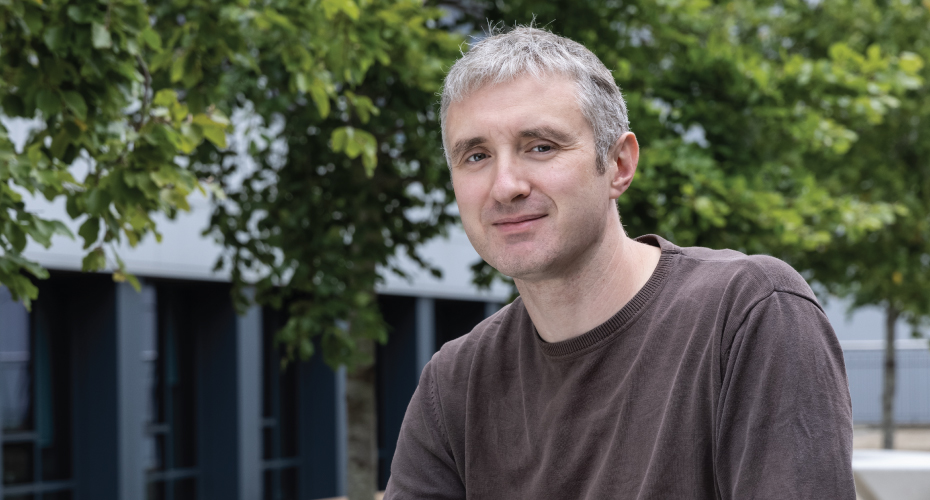
Jonny Kohl is a Group Leader at the Francis Crick Institute , where he established the State-dependent Neural Processing Laboratory in 2019. His work bridges neural circuits and internal physiological states (e.g., hunger, pregnancy) to decode instinctive behaviors like parenting and aggression in mice. PhD: MRC Laboratory of Molecular Biology, Cambridge (2013) Postdoc: Harvard University (2014–2019) with support from EMBO, HFSP, and Wellcome Trust fellowships Research Interests : Kohl investigates how hormonal and metabolic states dynamically rewire neural circuits to drive adaptive behaviors. His lab combines circuit neuroscience , molecular biology , and behavioral profiling to study: State-dependent neural processing in parental behavior Chemosensory dominance hierarchies in mice Plasticity mechanisms in aggression circuits Development of ultrafast tissue labeling and cryoanesthesia tools Scientific Trends : His recent publications highlight hormone-mediated synaptic remodeling (2023), cost-effective lab tools (2023), and brain-wide activity mapping (2016). Collaborative work spans computational biology , metabolism , and imaging disciplines. Honors: NARSAD Young Investigator Award (2019), ERC Starting Grant (2019), Wellcome Trust Discovery Award (2025) Grants: BBSRC Research Grant (2025), BBSRC Pioneer Grant (2023) His lab mentors PhD and MSc students and has developed open-source neuroscience tools (e.g., cryoanesthesia device, 2023). Kohl's research has been featured in Nature , Science , and Cell .
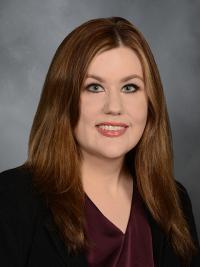
Christine Clark, MD, MSc is an attending laryngologist at Weill Cornell Medicine’s Sean Parker Institute for the Voice and Assistant Professor in the Department of Otolaryngology-Head and Neck Surgery at Weill Cornell Medical College. She earned her B.A. from the University of Pittsburgh (2011) and her M.D. from Pennsylvania State University College of Medicine (2017), followed by residency at Georgetown University Medical Center and a fellowship in Laryngology at Weill Cornell, where she also obtained a master’s degree in Clinical and Translational Science. B.A. - University of Pittsburgh (2011) M.D. - Pennsylvania State University College of Medicine (2017) Residency - Georgetown University Medical Center Fellowship - Sean Parker Institute for the Voice (Laryngology) Master’s - Clinical and Translational Science at Weill Cornell Dr. Clark specializes in evaluating and treating swallowing, voice, and airway disorders. Her research focuses on chronic cough, laryngeal hypersensitivity, and benign phonotraumatic vocal fold lesions. She has developed clinical tools like the 3D-printed injection laryngoplasty simulator and quality improvement initiatives for surgical airway management. Her clinical work and research span topics such as vocal fold hemorrhage management, pharyngeal residue quantification in dysphagia, and granuloma as markers of malignancy. Recent publications emphasize global otolaryngology capacity building and performer-specific voice injury care. Scientific awards include: Teaching awards for excellence in medical student education during residency Dr. Clark is affiliated with the Sean Parker Institute for the Voice at Weill Cornell Medicine and serves as an Assistant Professor of Otolaryngology.
Tarmo Lipping is a Professor in the Department of Computer Science and Engineering at the Faculty of Information Technology and Electrical Engineering, University of Oulu. His work bridges computing sciences with biomedical engineering, environmental modelling, and data-driven societal applications. Doctor of Science (Technology), Information Technology – Awarded 14 Feb 2001 Master of Science (Technology), Information Technology – Awarded 10 Sept 1993 His research focuses on electroencephalography (EEG) , mental workload assessment , depth of anesthesia monitoring , and machine learning applications in healthcare and human-computer interaction. He also contributes to environmental informatics , particularly in land uplift modelling and radionuclide transport , aligning with UN Sustainable Development Goals. Recent publications highlight trends in transformer networks for EEG analysis , wearable HCI systems , data-driven food safety , and participatory municipal governance . His work integrates deep learning, signal processing, and real-world deployment. Scientific awards include: CIMO opettajavaihto (2017) Lipping has supervised numerous master’s students and served as an examiner in diverse topics including data vault modelling , telecom revenue estimation , and EEG hyperscanning . He has evaluated funding applications, acted as a journal reviewer (65 times), and contributed to editorial work. His activities reflect strong engagement in academic service and interdisciplinary research mentorship. He has contributed datasets on Fennoscandian land uplift , lake isolation , and archaeological shorelines to PANGAEA, supporting open science in geosciences and environmental history.
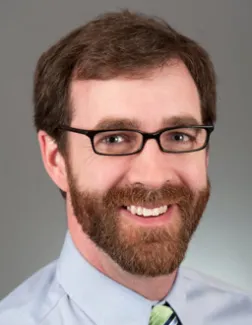
Jay G. Berry, MD, MPH is a general pediatrician and hospitalist at Boston Children's Hospital , and a researcher affiliated with Harvard Medical School . His work focuses on care delivery, clinical outcomes, and healthcare resource utilization for children with medical complexity. He has secured NIH and foundation funding for initiatives like developing contingency plans, hospital discharge standards, and machine learning models for predicting healthcare needs. Education : MD (University of Alabama School of Medicine, 2001), Pediatrics Residency (University of Utah), Harvard Pediatric Health Services Research Fellowship (2006). Leadership : Founder of the Complex Care Quality Improvement Research Collaborative and Co-Chair of the Academic Pediatrics Association Complex Care Special Interest Group. Research Themes include healthcare integration for children with tracheostomies, discharge planning, medical complexity classification, and machine learning applications. His recent publications span Pediatrics , JAMA Pediatrics , and BMJ , analyzing topics like readmissions, resource use in neurological disorders, and pandemic impacts on surgical volumes. Scientific Awards include: Agency for Healthcare Research and Quality (AHRQ) Outstanding Achievement for Scientific Contribution Using HCUP Award Young Clinician Research Award from CIMIT AcademyHealth Nemours Child Health Services Research Award Grants include NICHD K23 HD058092-01A1 and AHRQ R21 funding. He has contributed to national standards for pediatric discharge care and developed the Hospitalization Resource Intensity Scores for Kids (H-RISK).
Christine Ball is an Adjunct Associate Professor of Anaesthesia at Monash University and an anaesthetist at Alfred Hospital, Melbourne. She co-manages the Master of Medicine (Perioperative) program and serves as the 2020–2024 Wood Library-Museum Laureate for Anesthesiology History. For three decades, she has been an honorary curator at the Geoffrey Kaye Museum of Anaesthetic History. Her work bridges clinical practice and historical scholarship in anaesthesia. Research interests include anaesthesia techniques, perioperative medicine, and the history of anaesthesia. Key contributions span clinical studies (e.g., tracheal tube cuff pressure) and historical analyses of figures like Joseph Clover. Awards: Queen’s Birthday Honours (AM), David M. Little Awards (Best Book, Article, Media), and the Australian Society of Anaesthetists Biennial History Award. Editorial Roles: Editor-in-Chief of International Anesthesiology Clinics and Editorial Board member of Journal of Anesthesia History . Activities: Invited speaker at Euroanesthesia 2016 and Asia Pacific Post Polio Conference, visiting researcher at the University of Mississippi. Her legacy includes over 90 publications and advocacy for preserving anaesthesia history through museum curation and academic writing.
Neda Esmaeili, Ph.D. is a Research Fellow in Medicine at Brigham and Women's Hospital, specializing in sleep medicine research with a particular focus on sleep apnea and its cardiovascular implications. Her work is conducted within the Department of Medicine and involves extensive collaboration with leading researchers in the field. Dr. Esmaeili's primary research interests center on obstructive sleep apnea, hypoxic burden measurement, cardiovascular consequences of sleep disorders, and treatment efficacy assessment. Her work bridges clinical sleep medicine with cardiovascular physiology, examining how sleep apnea contributes to hypertension, atherosclerosis, and other cardiovascular conditions. She has developed expertise in analyzing physiological burdens of sleep apnea and their relationship to adverse health outcomes. Analysis of her recent publications (2023-2025) reveals a strong focus on hypoxic burden as a key metric in sleep apnea severity assessment and treatment response. Her research increasingly incorporates community-based cohort studies and meta-analyses to establish population-level relationships between sleep apnea phenotypes and cardiovascular outcomes. Much of her work examines how specific interventions affect physiological parameters beyond traditional apnea-hypopnea index measurements. Dr. Esmaeili maintains active collaborations with a network of sleep researchers including Ali Azarbarzin, Ludovico Messineo, Scott Sands, and Susan Redline. Her research appears to be supported by institutional funding from Brigham and Women's Hospital and likely involves participation in multi-center studies given the scale of some of her meta-analyses involving thousands of participants. Her research team appears to be part of a larger sleep medicine research infrastructure at Brigham and Women's Hospital that has access to advanced physiological monitoring equipment, multi-ethnic cohort data, and clinical trial infrastructure for testing both pharmacological and device-based interventions for sleep apnea.
Kai Kuck, PhD, ME, serves as Director of Bioengineering in the Department of Anesthesiology at the University of Utah School of Medicine since 2014. With expertise spanning multiple engineering disciplines and clinical applications, he bridges the gap between medical technology development and clinical practice in anesthesia and critical care settings. His educational background includes doctoral training at the University of Utah, an ME from Hamburg University of Applied Sciences, and executive education from Babson College. This diverse academic foundation supports his interdisciplinary approach to medical device innovation. Dr. Kuck's research focuses on three primary areas: cardiorespiratory monitoring systems, intelligent decision support tools for clinicians, and advanced ventilation technologies. His work emphasizes practical solutions that address real-world clinical challenges, particularly in the operating room and critical care environments. He has pioneered non-invasive monitoring techniques, including urine oxygen monitoring for acute kidney injury detection and novel approaches to anesthetic gas concentration sensing. Analysis of his recent publications reveals a strong emphasis on solving critical clinical problems through engineering innovation. His work spans from fundamental research on physiological monitoring to practical device development, with particular focus on kidney injury prediction, propofol dosing algorithms, and ventilator technology - especially highlighted during the COVID-19 pandemic with the Utah-Stanford Ventilator project. Dr. Kuck has co-authored numerous patents related to anesthesia monitoring and delivery systems, demonstrating his commitment to translating research into practical clinical tools. His collaborations span engineering, clinical anesthesia, and critical care medicine, reflecting the interdisciplinary nature of modern medical technology development. His leadership in developing the Utah-Stanford Ventilator (Vent4US) during the pandemic exemplifies his ability to rapidly mobilize engineering resources to address urgent clinical needs. This project, along with his work on urine oxygen monitoring and propofol dosing algorithms, demonstrates his focus on technologies that improve patient outcomes through better physiological monitoring and treatment delivery.
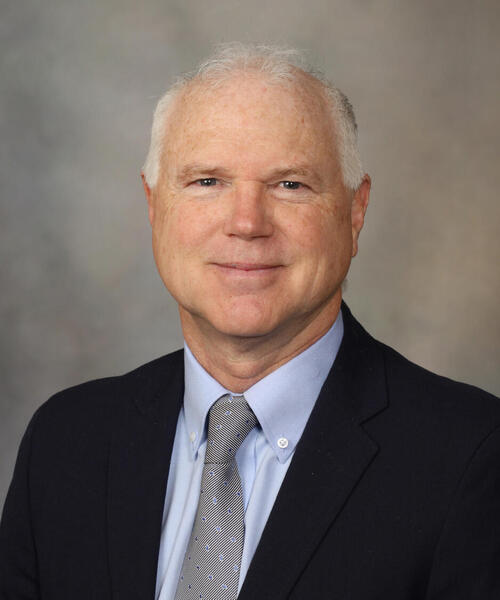
Bruce D. Johnson, Ph.D., is a Professor of Medicine and Physiology at Mayo Clinic, holding appointments in the Department of Cardiovascular Medicine, Division of Preventive, Occupational, and Aerospace Medicine, and the Department of Physiology & Biomedical Engineering. His research focuses on heart-lung interactions in clinical and extreme environments, including chronic heart failure, exercise physiology, and wearable technology development. He leads the Mayo Clinic's Energy Balance Core Laboratory and has conducted field studies in Antarctica, high-altitude mountains, and with unique populations such as breath-hold divers and military pilots. Education: Ph.D. in Respiratory Physiology and Biodynamics from the University of Wisconsin, Madison; Fellowships in Anesthesia Research and Preventive Medicine. Research Interests: Human performance limits, environmental physiology, disease detection via noninvasive methods, and health technology innovation. His work integrates clinical research with industry partnerships to advance wearable devices for chronic disease monitoring. Notable projects include studies on high-altitude physiology funded by NSF and DOD collaborations. Grants & Projects: NIH-funded studies on pulmonary limitations in heart failure, NSF projects on Antarctic expeditions, and DOD-supported research on cardiac resynchronization therapy optimization. Dr. Johnson's 335+ peer-reviewed publications span cardiovascular medicine, respiratory physiology, and environmental health. He has received multiple NIH fellowships and awards for exceptional research contributions.
David Huggins is an Associate Professor at the School of Health Sciences, University of East Anglia, specializing in Operating Department Practice (ODP). With nearly 30 years of experience in operating theatre environments globally, he has held pivotal roles in developing ODP curricula, leading mentorship programs, and bridging academic-practice gaps. Education: Certificate in Education (2001), BA (Hons) in Policy, Planning, and Leadership (2003), and a Master’s in Higher Education Practice (2011). Leadership: Course Director for ODP, Module Leader for mentorship programs, and collaborator in NMC validation processes. His research focuses on mentorship in healthcare education, clinical training optimization, and the integration of educational theory into practice. Recent work emphasizes technology-driven anatomy/physiology teaching and mentorship coaching for nursing education. Collaborations with clinical teams highlight his commitment to real-world application. Publications span ODP practice, airway management, anesthetic agents, and clinical education. Key themes include mentorship frameworks, procedural updates, and learner preparedness. He serves on the editorial board of a professional ODP journal.
Dr. Albert Yoon-Kyu Han is an Assistant Professor of Clinical Otolaryngology-Head and Neck Surgery at the Keck School of Medicine of the University of Southern California. He is a fellowship-trained head and neck surgical oncologist and board-certified otolaryngologist at Keck Medicine of USC, where he provides expert care for benign and malignant tumors of the head and neck at the USC Norris Comprehensive Cancer Center. Dr. Han completed his MD-PhD through the UCLA-Caltech Medical Scientist Training Program. His educational background includes undergraduate studies in computer science at UC Berkeley, reflecting his early recognition of technology's critical role across future domains. Dr. Han's research focuses on the molecular mechanisms driving head and neck cancer formation and recurrence, with particular emphasis on the tumor microenvironment. His work explores how fibroblasts and other non-cancerous cells interact with tumors to support cancer growth and treatment resistance. He investigates the "ecosystem" in which cancer cells live, studying how to reprogram fibroblasts to deprive tumors of their supportive environment. His research also examines the role of viruses (particularly HPV) and bacteria in cancer progression, as well as biomarkers for early, noninvasive cancer detection. Analysis of Dr. Han's recent publications reveals a strong focus on head and neck oncology with particular attention to surgical outcomes, tumor biology, and translational applications. His work spans basic science investigations of tumor microenvironment mechanisms, clinical studies of surgical techniques and outcomes, epidemiological analyses of cancer patterns, and innovative approaches to cancer detection and treatment. A notable trend is his growing interest in the interplay between microbiome, viruses, and cancer development. Mentored Career Development in Clinical and Translational Science Scholar through the Southern California Clinical and Translational Science Institute (SC CTSI) Dr. Han is deeply committed to mentorship, designing research projects that align with trainees' interests and timelines to facilitate lead-author publications. He provides immediate access to equipment, reagents, and patient-derived samples to minimize logistical barriers for medical students and residents spending limited time in his lab. His mentorship philosophy emphasizes equipping trainees with both scientific judgment and practical skills, guiding them through the entire research process from hypothesis development to publication. Dr. Han credits the mentorship of Dr. Yang Chai (Interim Dean of the Herman Ostrow School of Dentistry) and Dr. Uttam K. Sinha (Division Chief of Head and Neck Surgery) as pivotal to his development as a physician-scientist. Dr. Han leads the Han Lab at USC, where his research team investigates molecular mechanisms of head and neck cancers. He collaborates with leaders in cancer biology, population science, and translational medicine within the USC research ecosystem. His lab focuses on innovative approaches to cancer therapy that target the tumor microenvironment rather than cancer cells directly, representing a paradigm shift in cancer treatment strategy.
Dr Kevin Nolan is a Researcher at the UCD School of Mechanical and Materials Engineering , University College Dublin, specializing in fluid dynamics , aerosol transmission , and medical engineering . His work spans surgical safety , renewable energy systems , and microfluidic technologies , with a focus on real-world applications like infection control and wind turbine aerodynamics . Recent research includes modeling surgical smoke leakage , developing standards for face coverings , and analyzing wind turbine blade erosion using advanced fluid dynamic techniques. Collaborations with Mater Hospital , Cisco Systems , and NUI Galway highlight the interdisciplinary impact of his work. Key contributions: Schlieren optical technique for visualizing airflow, European standard development for community face coverings Current projects involve IoT-based air quality monitoring , 3D facial mapping for mask design , and reducing dead spots in air purification Publications address gas leaks in laparoscopy , reusable cloth mask efficacy , and flow friction dynamics , with a strong emphasis on computational fluid dynamics (CFD) and practical mitigation strategies across medical and engineering domains.
Diana Anca , Clinical Associate Professor of Anesthesiology at Weill Cornell Medical College, Cornell University , specializes in clinical anesthesiology with a focus on gastrointestinal endoscopy, nonoperating room anesthesia (NORA), and pandemic response protocols. Her work bridges anesthesiology and electrophysiology, particularly in pulmonary vein isolation and atrial fibrillation ablation. Education: M.D., Carol Davila University of Medicine and Pharmacy (Romania), 1992 Research Trends: Recent publications highlight perioperative management for endoscopic patients on GLP-1 receptor agonists/SGLT-2 inhibitors, safety protocols in NORA, and innovations in apneic oxygenation during cardiac procedures. Her work emphasizes patient safety, risk mitigation, and adaptation to clinical challenges. Appointments: Associate Attending Anesthesiologist, NewYork-Presbyterian Hospital Associate Professor of Clinical Anesthesiology, Weill Cornell Medical College Board Certifications: American Board of Anesthesiology National Board of Echocardiography
Steve L. Lerner, Ph.D., is a Teaching Professor of Mechanical Engineering and Director of the Master of Science in Mechanical Engineering Program at Southern Methodist University. He holds ten US patents and has extensive corporate leadership experience as CTO and SVP at Praxair, Inc. (now Linde). His research focuses on thermal systems design, sustainability, corporate innovation practices, and medical devices. Education: Ph.D. (Mechanical & Aerospace Engineering, Princeton University), B.S. (Mechanical Engineering, Cooper Union), Executive Program (Stanford University). Advisory Roles: Boards of Praxair Technology Inc., Industrial Research Institute, SUNY Buffalo, University of Connecticut, and multiple tech firms in energy and materials industries. His honors include the Guggenheim Fellowship, NSF Fellowship, and Dean’s Award from SUNY Buffalo. He has served as Commencement Speaker for SUNY Buffalo’s Engineering School.
Isaac Salisbury is a Researcher at the School of Psychology, University of Queensland (UQ), specializing in human factors and ergonomics within healthcare and high-tempo environments. His work focuses on optimizing clinical monitoring systems through innovative display technologies and auditory interfaces. Research Highlights Human-computer interaction in clinical settings Medical sonification and auditory display design Head-worn display usability for patient monitoring Evaluation of medical device ergonomics Healthcare workflow optimization Key Collaborations Regularly collaborates with: Penelope M. Sanderson (UQ) Robert G. Loeb (UQ) Paul D. Schlosser (UQ) Ismail Mohamed (UQ) Publication Trends Recent scholarship demonstrates expertise in: Development of head-worn displays for clinical monitoring Comparative studies of tablet vs wearable devices in healthcare Optimization of auditory displays for critical care Human factors analysis in high-tempo environments (restaurants, EMS) Experimental evaluation of medical device interfaces through simulation
Rosanna Vaschetto is an Associate Professor at the University of Eastern Piedmont (UPO) in the Department of Translational Medicine, with primary research focus on mechanical ventilation and sepsis biomarkers . Her work spans both in vitro/in vivo pathophysiological studies and clinical trials. Specialty: Anesthesia, Intensive Care, and Pain Management Location: Bellini Palace, Corso Mazzini 18, Novara Contact: rosanna.vaschetto@med.uniupo.it | +39 0321 3733406 Research Interests: Investigations into ventilator-induced lung injury mechanisms, noninvasive ventilation optimization, and novel sepsis diagnostic pathways. Developing alveolar matrix monitoring techniques Improving weaning strategies from mechanical ventilation Exploring extracellular vesicle roles in inflammatory diseases Multi-center collaborations on ARDS and trauma management Key Contributions: Participated in international trials (WEAN SAFE), developed peri-partum respiratory protocols for neuromuscular disorders, and pioneered noninvasive ventilation interface rotation studies.