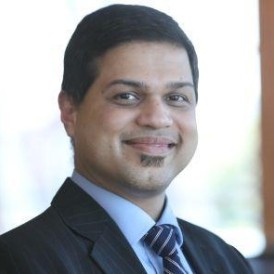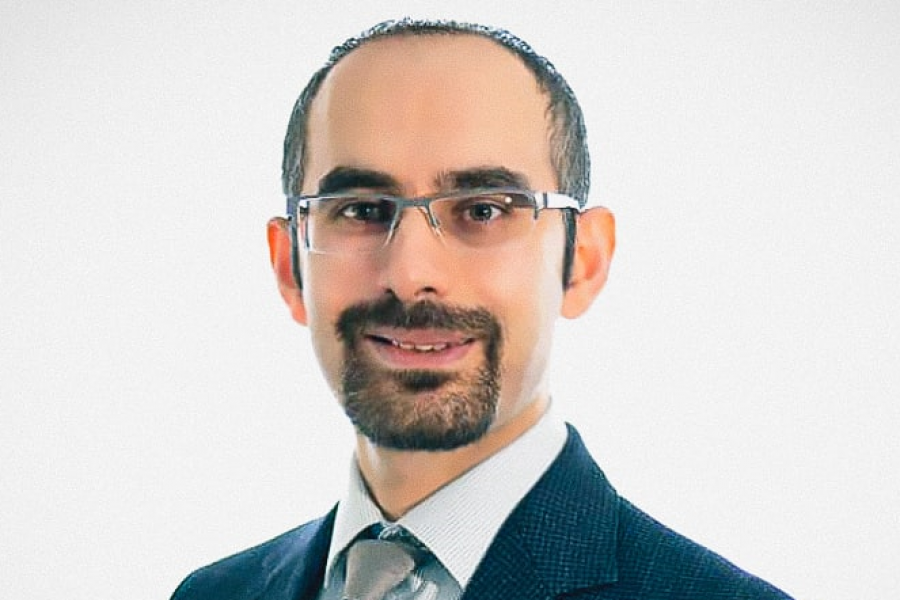
Tom Shohfiمشاهده پروفایل
دانشیار
- Finance
- Financial Markets
- Investor Behavior
- +۱۲ مورد دیگر
Tom Shohfi is an Associate Professor of Finance at the Mike Ilitch School of Business, Wayne State University. He previously served as a financial economist at the U.S. Securities and Exchange Commission’s Division of Economic and Risk Analysis and as an assistant professor at Rensselaer Polytechnic Institute’s Lally School of Management. His academic background combines computer science, mathematics, and finance, reflecting his interdisciplinary research approach. Education: Ph.D. in Finance, University of Pittsburgh—Katz Graduate School of Business M.B.A. in Investment Management and Entrepreneurship, University of North Carolina at Chapel Hill—Kenan-Flagler Business School B.A. in Computer Science and Mathematics, New York University—College of Arts and Sciences Tom Shohfi’s research centers on fraud, investor behavior, disclosure practices, and capital markets, with a growing emphasis on data analytics and artificial intelligence in finance. His work often explores ethical dimensions in financial decision-making, including self-dealing, honesty in markets, and the behavioral consequences of taxation and environmental policies. He utilizes advanced textual analysis and large-scale financial datasets to uncover patterns in market behavior and investor psychology. His recent publications span top journals in accounting and finance, revealing a consistent focus on information asymmetry, market transparency, and behavioral anomalies. Themes across his work include the role of public information (e.g., Wikipedia) in IPOs, the ethics of individual philanthropy among blockholders, and the illicit dynamics of restricted goods like bourbon. His integration of machine learning and AI in financial modeling is evident in his teaching and research trajectory. Professional Designations: Chartered Financial Analyst (CFA) Chartered Alternative Investment Analyst (CAIA) Financial Risk Manager (FRM) Tom Shohfi actively contributes to academic and regulatory discourse through his research and teaching. He has advised regulatory policy through his work at the SEC and continues to influence finance education through courses in financial statement modeling, data analytics, and AI in finance. His collaborations with scholars across disciplines highlight his integrative research style. He is affiliated with no explicitly named lab or research center, but his methodological focus suggests engagement with data-driven finance initiatives. His ongoing work likely extends into AI applications in financial forecasting and ethical behavior modeling in capital markets.