Angel Ruiz Moreno is a researcher at the University of Groningen with expertise in biochemistry, genetics, and molecular biology. His work contributes to multiple UN Sustainable Development Goals, particularly those related to health and well-being. His research focuses on: Computational modeling of biological systems Small molecule drug discovery and development Gut microbiome analysis and metabolite prediction Cancer cell biology and therapeutic targeting Enzyme function and modulation Ruiz Moreno's work integrates computational approaches with experimental validation to advance understanding of complex biological systems. His research spans gut microbiome dynamics, cancer therapeutics, and mitochondrial function, with a particular emphasis on small molecule interactions with biological targets. He has developed computational tools like MicrobeRX for metabolite prediction and has contributed to understanding host genetic regulation of gut microbial variation. His publication in Nature (2024) on host genetic regulation of gut microbial structural variation has received significant attention with 68 citations, demonstrating the impact of his work. His research portfolio shows a consistent pattern of interdisciplinary collaboration across microbiology, pharmacology, and computational biology. Ruiz Moreno actively collaborates with researchers across multiple institutions, as evidenced by his co-authorship on projects spanning microbiome research, cancer biology, and drug discovery. His six datasets related to experimental crystal structure determination demonstrate his contribution to structural biology research.
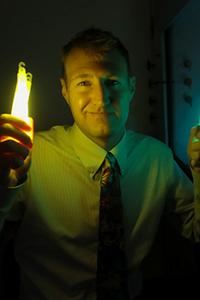
Dr. Isaac T. Schiefer is a Professor of Medicinal and Biological Chemistry at the University of Toledo, serving as Director of the Center For Drug Design And Development (CD3) and Associate Director of the Shimadzu Laboratory For Pharmaceutical Research Excellence within the College of Pharmacy and Pharmaceutical Sciences. His laboratory is housed in the Frederic and Mary Wolfe Center. Dr. Schiefer's educational background includes a Post-doctoral Fellowship in Chemical Biology from Northwestern University (2013), a Ph.D. in Medicinal Chemistry from the University of Illinois at Chicago (2012), and a B.S.P.S. in Medicinal and Biological Chemistry from The University of Toledo (2007). His research program focuses on CNS drug discovery at the interface of medicinal chemistry and chemical biology. The Schiefer lab conducts work in two primary areas: target identification using chemical and cellular biology techniques, and small molecule hit-to-lead optimization using synthetic, bioanalytical, and bioorganic chemistry approaches. The lab employs a genuine multi-disciplinary approach including organic synthesis; bioanalytical characterization in primary neurons; metabolic stability analysis; in vivo pharmacokinetic studies (using HPLC and LC-MS-MS); analysis of pharmacodynamic markers (via ELISA, western blot, microscopy); and behavioral efficacy studies using murine and zebrafish models of learning, memory, and motor function. Analysis of Dr. Schiefer's recent publications (2021-2024) reveals a strong focus on neurodegenerative disorders, particularly Alzheimer's disease, with significant work on nitric oxide mimetics and furoxans. His research has expanded into the gut-brain axis, investigating how gut microbiome components affect drug efficacy, especially for cardiovascular medications. This emerging research direction demonstrates his ability to identify innovative paths with potential clinical impact across multiple therapeutic areas. Dr. Schiefer has received substantial research funding as Principal Investigator on multiple grants including a New Investigator Award from the American Association of Colleges of Pharmacy, an NIRG grant from the Alzheimer's Association, and multiple NIH grants (R01, R03) from NIA and NIDA. He serves on NIH study sections including The Blood-Brain Barrier, Neurovascular System and CNS Therapeutics, and has been a guest editor for a special issue on 'Pharmacology & Medicinal Chemistry of Nitric Oxide' in the journal Nitric Oxide. As Director of CD3 and Associate Director of the Shimadzu Laboratory, Dr. Schiefer leads research teams focused on translating basic discoveries into clinical applications. His laboratory maintains state-of-the-art facilities for organic synthesis, bioanalytical characterization, and in vivo studies using zebrafish and murine models, creating an integrated environment for drug discovery from target identification through preclinical development.
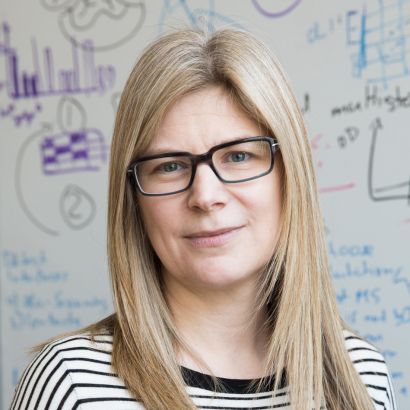
Tanja Kortemme is a Professor and Vice Dean of Research at the University of California San Francisco (UCSF) School of Pharmacy , with primary appointments in the Department of Bioengineering and Therapeutic Sciences . She leads research at the intersection of computational biology, protein engineering, and synthetic biology, focusing on designing novel molecular functions and unraveling cellular network principles through predictive modeling and experimental validation. Research Interests : Her work integrates robotics-inspired computational methods with experimental approaches to solve challenges in protein design, including: Developing predictive algorithms for protein structure and function (Rosetta software) Engineering light/phosphorylation-activated protein switches Mapping allosteric regulation in cellular networks Designing SARS-CoV-2 neutralizing receptor traps Publication Trends : Recent articles emphasize machine learning for protein design, multi-input drug-controlled gene expression systems, and structural analysis of SARS-CoV-2 interactions. Collaborations with Nevan Krogan's lab and the QBI Coronavirus Research Group highlight her interdisciplinary impact. Scientific Awards : Chan Zuckerberg Biohub Investigator (2022, 2017) AIMBE Fellow (2019) NSF CAREER Award (2008) Sloan Research Fellow (2005) W.M. Keck Medical Research Award (2013) Grants & Collaborations : Leads NIH-funded research on protein interaction networks, participates in QBI's $67.5M coronavirus therapeutic initiative, and contributes to structural biology consortia like QCRG. Her lab's work on protein design principles has been continuously supported by federal and foundation grants.
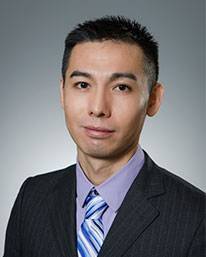
Zhijun Li, PhD , is a Professor in the Department of Chemistry and Biochemistry at Saint Joseph's University. His research integrates computational chemistry, bioinformatics, and AI-driven approaches to advance drug discovery and protein engineering, with a focus on G-protein coupled receptors (GPCRs) and allosteric modulation. Education: BS, Tsinghua University MS, Tsinghua University PhD, Vanderbilt University Research Interests: Dr. Li's work spans three core areas: (1) Allosteric regulation of GPCRs , particularly designing positive allosteric modulators for GLP-1R to treat diabetes and obesity; (2) AI-based protein design , leveraging cutting-edge tools to engineer proteins/antibodies for therapeutic targets like T-cell receptors; and (3) Computational molecular design , applying bioinformatics to solve biomedical challenges collaboratively. Publication Trends: His recent articles emphasize GPCR allosteric modulation, AI-driven drug discovery, and antiviral therapeutics, reflecting a trajectory toward translational applications in metabolic and infectious diseases. Scientific Awards & Grants: W.W. Smith Charitable Trust (PI): "Formyl peptide receptor 2 modulators for heart disease" ($114,777, 2023) NIH/NIAID R01 (Co-I): "Non-nucleoside reverse transcriptase inhibitors for HIV" (sub-award $299,192, 2021-2024) NIH/NIGMS R15 (PI): "Common allosteric GPCR binding sites" ($527,500, 2020-2023) Labs & Teams: Dr. Li directs the Li Lab , relocated to SC 113H at Saint Joseph's University, and collaborates with the West Center for Computational Chemistry and Drug Design , fostering interdisciplinary computational research.
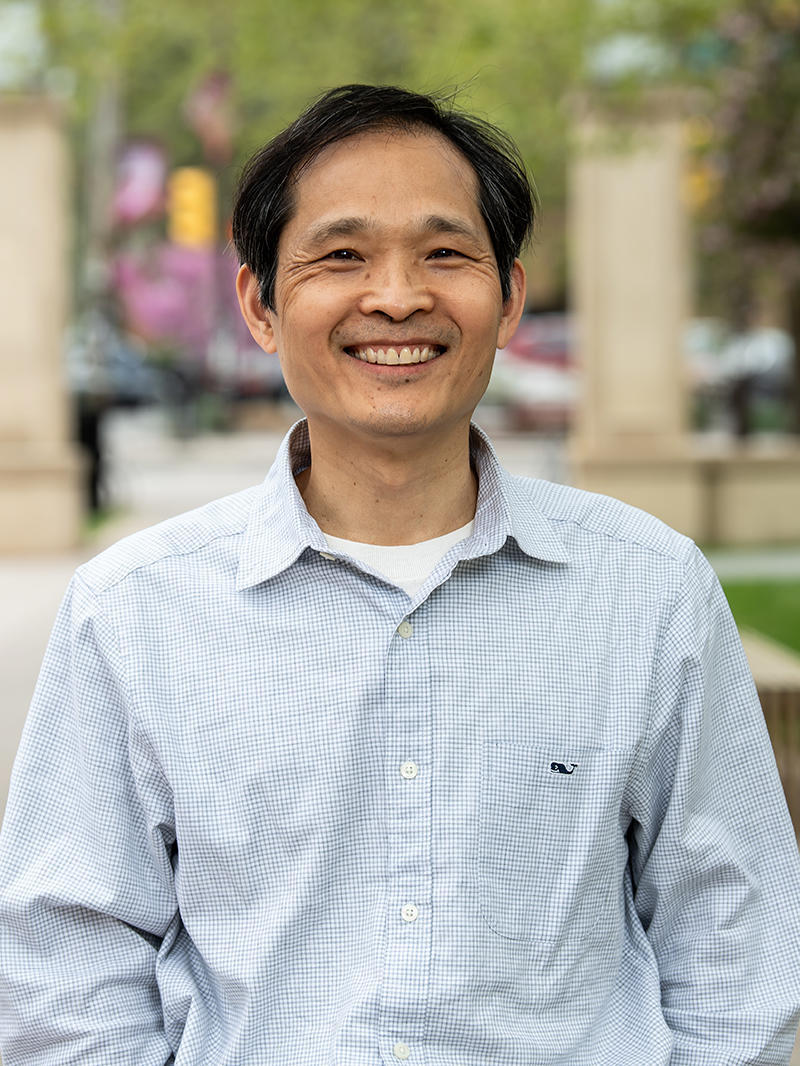
Dr. Miao Zhang is an Associate Professor in the School of Pharmacy at Chapman University, specializing in ion channels, structural biology, electrophysiology, drug discovery, and movement disorders. His research focuses on understanding the structure and function of small-conductance Ca 2+ -activated K + (SK) channels and developing structure-aided drug discovery approaches for neurological and cardiovascular diseases. Hebei Medical University, Bachelor of Science Hebei Medical University, Master of Science Kyoto University, Ph.D. in Pharmaceutical Sciences (2007) Dr. Zhang's research program utilizes structural biology techniques to investigate ion channels as potential drug targets. His laboratory focuses on two primary research areas: (1) structure-aided drug discovery targeting SK2 channels for movement disorders including ataxia and essential tremor; and (2) structure-aided drug discovery targeting SK3 channels for vascular diseases. His work bridges molecular structure, channel function, and therapeutic applications, with particular emphasis on understanding how mutations and pharmacological modulators affect channel behavior. Analysis of Dr. Zhang's recent publications reveals a consistent focus on the structural determinants of potassium channel function, particularly the role of specific domains like the HA/HB helices and S4-S5 linker in channel gating and modulation. His research demonstrates how subtle structural changes can dramatically alter channel properties and how these insights can be leveraged for developing subtype-selective therapeutics. The publications span multiple disciplines including molecular pharmacology, structural biology, and disease modeling. Dr. Zhang is an active member of several professional organizations including the Biophysical Society, Society for Neuroscience, and American Heart Association, reflecting the interdisciplinary nature of his research. With over 20 peer-reviewed publications in high-impact journals such as Nature Chemical Biology, Science Advances, PNAS, and Nature Communications, Dr. Zhang has established himself as a significant contributor to the field of ion channel research and drug discovery. His work has been cited extensively, demonstrating its impact on understanding channel structure-function relationships and therapeutic targeting.
George Khelashvili is an Associate Professor of Systems and Computational Biomedicine at Weill Cornell Medical College, specializing in biophysics and computational biology. His research focuses on membrane protein dynamics, lipid-protein interactions, and structural mechanisms of GPCRs and transporters. Ph.D., Illinois Institute of Technology (2005) M.Sc. & B.Sc., Tbilisi State University (Georgia) (1999 & 1997) His research investigates how cholesterol modulates membrane elasticity, lipid scrambling by GPCRs, and conformational transitions in transporters like MFSD2A. Recent work includes structural analysis of SARS-CoV-1 fusion peptide interactions and computational modeling of lipid dynamics. Key trends in his publications (15 most recent) span membrane biophysics, GPCR signaling, transporter mechanisms, and disease-related studies (e.g., SARS-CoV, lymphoma pathogenesis). His work integrates molecular dynamics simulations with experimental validation. Scientific Awards National Institute of Child Health & Human Development Grant (2023-2028) - Principal Investigator Subaward Khelashvili collaborates on protein-membrane interactions and consults for Adiutrix Therapeutics, LLC. His contributions include methodological advancements in lipid mechanics, cholesterol regulation of membrane proteins, and kinetic modeling of amyloid formation.
Franziska Otto is a Researcher at the Max Planck Institute for Terrestrial Microbiology, Germany. She is affiliated with the Erb Research Group, where her work centers on advancing enzymatic efficiency in plant biochemistry. Research Interests: Franziska investigates strategies to enhance Rubisco's catalytic efficiency through allosteric modulation via protein-protein interactions. Her research explores both naturally occurring and synthetic binding partners targeting the enzyme's large subunit, aiming to improve photosynthetic carbon fixation without modifying the catalytic core. Contact: Her professional address is Karl-von-Frisch-Strasse 10, 35043 Marburg, Germany. The email address provided is franziska.otto@mpiwgbiochem.mpg.de.
Subha Kalyaanamoorthy is an Assistant Professor at the University of Waterloo, specializing in computational biology and structural modeling. Their research bridges virology, neurodegenerative diseases, and drug design, with a focus on molecular mechanisms and inhibitor development. Institution: University of Waterloo Position: Assistant Professor Contact: subha.kalyaanamoorthy@uwaterloo.ca Research interests include: Structural and molecular dynamics of SARS-CoV-2 proteases Neurodegenerative disease mechanisms (tau, hnRNP A1) Computational drug discovery (PROTACs, COX-II inhibitors) Enzymatic catalysis and sustainability applications Recent publications highlight trends in: Targeting viral proteins with novel inhibitors Elucidating post-translational modifications in tau pathology Developing computational platforms for drug modeling Exploring nanotechnology for neurodegenerative therapy
Jonas Sigurd Mortensen serves as an Assistant Professor in the Department of Drug Design and Pharmacology at the University of Copenhagen, specifically within the Molecular and Cellular Pharmacology division. His research program bridges fundamental biochemistry with pharmacological applications, focusing on two interconnected domains: the development of novel detergents for membrane protein stabilization and investigations into neurotransmitter systems, particularly GABA transporters and kinase signaling pathways. Dr. Mortensen's research interests center around membrane protein biochemistry and neuropharmacology. His work in detergent development addresses a critical technical challenge in structural biology—maintaining the stability and functionality of membrane proteins outside their native lipid environment. He has systematically investigated how structural variations in detergents (including rigidity-flexibility balance, core flexibility, and pendant chain characteristics) affect protein stability. This foundational work enables more effective structural and functional studies of membrane proteins, which represent important drug targets. Concurrently, his pharmacological research explores GABA transporter modulation as a therapeutic strategy for neurological disorders and examines allosteric factors in kinase regulation related to GHB pharmacology, demonstrating the translational potential of his biochemical expertise. Analysis of Dr. Mortensen's publication record reveals a strong trajectory in membrane protein biochemistry, with numerous papers describing innovative amphiphile designs including various maltosides, tetraglucosides, and other specialized detergents. His recent work has expanded into neuropharmacology, with publications examining GABA transporter modulation for neurological disease treatment and investigating calcium/calmodulin-responsive kinase II domains. This evolution demonstrates how his technical expertise in membrane protein stabilization directly supports investigations of pharmacologically relevant targets. Dr. Mortensen maintains extensive collaborations with researchers across multiple institutions, as evidenced by his co-authorship on numerous publications with scientists including Claus J. Loland, Paul R. Eriksson, and various international collaborators. His research output includes 35 publications comprising 33 journal articles, 1 book chapter, and 1 review article, with significant citations and engagement on academic platforms like Mendeley and social media. His laboratory likely employs a comprehensive suite of biochemical, biophysical, and pharmacological techniques to investigate membrane protein structure-function relationships and develop novel pharmacological tools. While specific grant information isn't detailed in the available text, his productive publication record across high-impact journals suggests successful funding of his research program. Dr. Mortensen's work has practical implications for drug discovery, particularly in neurological disorders where membrane proteins serve as important therapeutic targets, positioning his research at the critical intersection of basic science and therapeutic development.
Gertrud Malene Hjortø is an Associate Professor at the University of Copenhagen's Faculty of Health and Medical Sciences, Department of Biomedical Sciences, specializing in Molecular and Translational Pharmacology. Her research focuses on chemokine receptors, particularly CCR7, and their role in immune cell recruitment and positioning in the body. Dr. Hjortø leads a research group of four people and teaches approximately 550 hours per year across various medical and dental programs at the university. Dr. Hjortø earned her PhD from the Department of Molecular Biology and Virology at the University of Copenhagen and Novo Nordisk in 2002. Her educational background includes a Master's degree from Novo Nordisk A/S and the Department of Molecular Biology at KU (1996-97), and undergraduate studies in Biology (1992-97) and Biochemistry (1991-92) at the University of Copenhagen. Dr. Hjortø's research centers on understanding the molecular mechanisms of chemokine receptors, with special emphasis on CCR7 and its ligands CCL19, CCL21, and CCL21Tailless. Her work investigates how these receptors control immune responses through dendritic cell and T cell recruitment to lymph nodes. A key discovery from her lab is that post-translational modifications of chemokine receptors can be targeted with externally added peptides to enhance ligand-receptor interactions. This led to a patent application for "Chemotaxis potentiating peptides and uses thereof," which aims to improve immune responses, particularly in cancer immunotherapy. Her research employs classical pharmacological methods, time-lapse microscopy for tracking immune cell migration, and analysis of receptor-mediated signaling events. The publication record of Dr. Hjortø demonstrates a strong focus on chemokine receptor pharmacology, with recent work expanding into related receptors like GPR183 and broader applications in cancer immunotherapy and inflammatory diseases. Her most recent publications (2022-2024) explore structural determinants of receptor-ligand interactions, biased signaling, and the role of glycosaminoglycans in chemokine presentation. Many of her papers involve international collaborations, particularly with researchers in the United States, reflecting the global nature of immunological research. Patent: "Chemotaxis potentiating peptides and uses thereof" Research funding from Innovation Foundation Denmark (2021, 1.385.000 DKK) Novo Nordisk BII grant (2020, 952.000 DKK) Carlsberg Foundation grants (2018, 600.000 DKK; 2013, 380.000 DKK) PoC KU grant (2018, 225.000 DKK) Gangsted Foundation grant (2015, 340.000 DKK) AP Møller Foundation grant (2014, 46.000 DKK) Dr. Hjortø actively supervises multiple graduate students across various projects related to chemokine receptor pharmacology and immune cell migration. Her supervision spans PhD, M.Sc., and B.Sc. levels, with current projects including "Immune boosting peptides for improved immune cell activation" and "Microshaping hydrogels and their chemistry in 3D for optimizing/validating DC migration." She has secured significant research funding from multiple Danish foundations and international organizations, supporting her work on chemokine receptor modulation and its therapeutic applications. Dr. Hjortø collaborates with leading researchers worldwide, including Brian F. Volkman and Christopher T. Veldkamp from Wisconsin (US), Benjamin A.H. Jensen from the University of Copenhagen, and cancer immunotherapy experts Inge Marie Svane and Pawel Kalinski. Dr. Hjortø leads the Hjortø group, which investigates how CCR7 and its ligands orchestrate immune responses through controlled recruitment of dendritic cells and T cells to lymph nodes. Current work explores the potential of C21-TP (a naturally occurring peptide) to improve dendritic cell-based anti-cancer vaccines. The group employs advanced techniques including time-lapse microscopy for tracking immune cell migration, pharmacological analysis of receptor signaling, and structural studies of receptor-ligand interactions.
Søren Gøgsig Faarup Rasmussen serves as an Associate Professor in the Department of Neuroscience within the Faculty of Health and Medical Sciences at the University of Copenhagen. His research is conducted through the Neuropharm and Genetics research group, with laboratory facilities located at Blegdamsvej 3B in Copenhagen. Dr. Rasmussen's research focuses on molecular neuropharmacology, particularly the structural and functional characterization of G protein-coupled receptors (GPCRs) and neurotransmitter transporters. His laboratory employs advanced techniques including single-molecule imaging, structural biology approaches, and biophysical analyses to investigate conformational dynamics of receptors at unprecedented resolution. His work bridges fundamental molecular mechanisms with implications for neurological disorders and drug development. Analysis of his publication record reveals a consistent trajectory of high-impact research on membrane protein dynamics, with publications spanning top-tier journals including Cell, Nature Communications, and Science Advances. His work demonstrates strong interdisciplinary collaboration across biochemistry, biophysics, and pharmacology, with notable contributions to understanding receptor activation mechanisms and transporter function. Dr. Rasmussen leads an active research laboratory (Rasmussen Lab) that maintains a strong publication output, with 54 documented research contributions. His work has attracted significant scientific attention, with several publications receiving substantial citations and media coverage, including news features and social media discussion across multiple platforms.
Gáspár Pándy-Szekeres serves as an Academic Employee at the University of Copenhagen's Faculty of Health and Medical Sciences within the Department of Drug Design and Pharmacology. His research focuses on computational approaches to G protein-coupled receptors (GPCRs) and related signaling proteins, with significant contributions to bioinformatics resource development. His primary research interests include GPCR bioinformatics, molecular dynamics simulation of receptor systems, computational drug design methodologies, and specialized database construction for biological targets. He employs advanced computational techniques to analyze receptor structure-function relationships, ligand binding mechanisms, and allosteric modulation sites critical for pharmaceutical development. Recent publications demonstrate a clear trajectory toward integrating artificial intelligence (AlphaFold2) with experimental data to model physiological ligand complexes and receptor dynamics. His work emphasizes large-scale analysis of molecular dynamics trajectories to identify cryptic binding pockets and lateral access pathways in GPCRs, advancing targeted drug discovery. As a core contributor to the GPCRdb platform, he leads international collaborations focused on expanding receptor classification systems, developing structure-similarity search tools, and incorporating odorant receptor data. His research group maintains active partnerships across European institutions for advancing computational pharmacology frameworks.
Mette Homann Poulsen serves as an Assistant Professor in the Department of Drug Design and Pharmacology at the University of Copenhagen, with additional affiliation as a Guest Researcher in the Biopharmaceuticals section of the same department. Her research bridges molecular pharmacology and drug design with a focus on ion channel mechanisms. Her primary research interests span Ion Channel Pharmacology , Receptor Biology , and Molecular Pharmacology , particularly investigating P2X and AMPA receptor families. Her work examines pH-sensing mechanisms, transporter-channel crosstalk, and receptor variants in disease contexts including cancer and mental disorders. She employs techniques ranging from protein engineering to cellular electrophysiology to develop pharmacological tools and understand disease mechanisms. Analysis of her recent publications (2018-2025) reveals a strong emphasis on receptor variant functionality, with significant contributions to understanding P2X7 receptor polymorphisms in pancreatic cancer and mental health disorders. Her work integrates biophysical approaches with disease modeling, demonstrating translational potential in oncology and neuroscience. No scientific awards were explicitly mentioned in the source material. Dr. Poulsen maintains active collaborations with researchers including S.A. Pless, N.R. Jørgensen, and I. Novak across multiple institutions. Her research has attracted substantial attention, with publications generating significant Mendeley readership and social media engagement, particularly her 2020 Nature Communications paper which garnered 117 Mendeley readers and 17 social media interactions. While specific laboratory or team structures weren't detailed in the source material, her publication patterns suggest active participation in interdisciplinary research groups focusing on receptor pharmacology and protein engineering within the Department of Drug Design and Pharmacology.
Patrick Griffin is a Professor and Scientific Director at The Scripps Research Institute (TSRI) Scripps Florida, where he serves in the Department of Molecular Therapeutics. With over 25 years of experience in drug discovery and development, Dr. Griffin has established himself as a leading researcher in protein structure and nuclear receptor signaling. His career spans both industry and academia, with significant contributions to pharmaceutical development including key work on Januvia (a DPP4 inhibitor now in clinical use). Ph.D. in Chemistry from the University of Virginia under Professor Donald F. Hunt Postdoctoral Fellowship with Professor Leroy Hood at Caltech Former Chief Science Officer at ExSAR Corporation Former Senior Director of Chemistry at Merck Research Laboratories Dr. Griffin's research program focuses on understanding nuclear receptor (NR) signaling using structural, chemical and biological approaches. His laboratory has made significant contributions to understanding the mechanism of ligand activation of NRs such as PPARs, RORs, REV-ERBs, LRH1, VDR, ER, GR, and PR. Through the use of mutagenesis, HDX-MS, crystallography, proteomics and genomics, his team studies the structure-function relationships of nuclear receptors, enzymes, and G protein coupled receptors (GPCRs). A major emphasis of his chemical biology program is developing functionally selective and promoter-specific modulators targeting diseases such as cancer, autoimmune disorders, obesity, and diabetes. Dr. Griffin's lab is particularly well-known for developing and applying biophysical methods including HDX and XL-MS platforms for analyzing protein plasticity, with a focus on nuclear receptors, enzymes, and GPCRs. Dr. Griffin's recent publications (2022-2025) demonstrate continued innovation in structural proteomics, nuclear receptor biology, and therapeutic development. His work shows a clear trajectory from fundamental protein structure research toward translational applications, particularly in metabolic disorders, cancer, and neurological conditions. A significant theme across his recent work is the development of non-muscle myosin II inhibitors with therapeutic potential, reflecting his long-standing interest in protein structure-function relationships and their therapeutic modulation. His research continues to bridge structural biology, chemical biology, and drug discovery, with particular emphasis on nuclear receptor signaling pathways and their role in metabolic regulation. Dr. Griffin's research impact is evidenced by his publication record of over 240 peer-reviewed manuscripts, an h-index of 83 (58 since 2016), and an i10-index of 223 according to Google Scholar. Dr. Griffin has served as PI, Co-PI, and co-investigator on numerous NIH-funded grants. Notable funding includes leadership of "The Comprehensive Center for Chemical Probe Discovery and Optimization at Scripps," a 6-year U54 MLPCN Roadmap initiative. He co-founded Ember, a biotech company funded by Third Rock Ventures, based on work from a RC4 collaboration with Bruce Spiegelman at Dana Faber. Dr. Griffin has maintained a 13-year collaboration with Eli Lilly and serves as PI on grants with private biotechs including Synkine Therapeutics. As Co-PI on a NIH Blueprint UH3 grant, he co-founded Myosin Therapeutics, whose clinical candidate emerged from this NIH-funded program. Dr. Griffin leads a research program that integrates structural biology, chemical biology, and drug discovery approaches. His laboratory has developed advanced HDX-MS and XL-MS platforms for protein structure analysis. The team's work spans from fundamental protein structure studies to translational drug discovery, with particular expertise in nuclear receptor biology. His lab has made significant contributions to understanding nuclear receptor signaling mechanisms and developing novel therapeutic approaches targeting these pathways.
Patrick Griffin is Professor and former Chair of the Department of Molecular Therapeutics at The Scripps Research Institute, with over 25 years of experience in protein structure research and drug discovery. His career spans both industry and academia, with significant contributions to structural proteomics and nuclear receptor pharmacology. Dr. Griffin earned his Ph.D. in Chemistry from the University of Virginia under Professor Donald F. Hunt, where he contributed to groundbreaking work in protein sequencing using tandem mass spectrometry. He completed postdoctoral training with Professor Leroy Hood at Caltech before holding leadership positions at Merck Research Laboratories and ExSAR Corporation. His research program focuses on protein structure-function relationships, particularly mutational- and ligand-mediated alterations in protein structural plasticity. Using mutagenesis, HDX-MS, crystallography, proteomics and genomics, his laboratory investigates nuclear receptors (PPARs, RORs, REV-ERBs, LRH1, VDR), enzymes, and GPCRs. The lab has made significant contributions to understanding ligand activation mechanisms and developing functionally selective modulators for diseases including cancer, autoimmune disorders, obesity, and diabetes. Analysis of Dr. Griffin's recent publications reveals a strong emphasis on nuclear receptor structural biology, particularly PPAR family members, with increasing integration of structural proteomics techniques to study therapeutic targets. His work shows a clear trajectory from basic structural understanding to therapeutic applications, with multiple discoveries translated into clinical candidates. Dr. Griffin serves as PI or Co-PI on multiple NIH-funded projects including a U54 MLPCN Roadmap initiative, RC4 programs, and U19 NCDDDG grants. He maintains a 13-year collaboration with Eli Lilly and has co-founded biotech companies including Ember and Myosin Therapeutics based on his research findings. His laboratory has developed advanced biophysical methods, particularly in HDX and XL-MS platforms for analyzing protein plasticity. The research group operates at the intersection of structural biology, chemical biology, and translational medicine, with strong industry partnerships facilitating the translation of basic discoveries into therapeutic candidates.