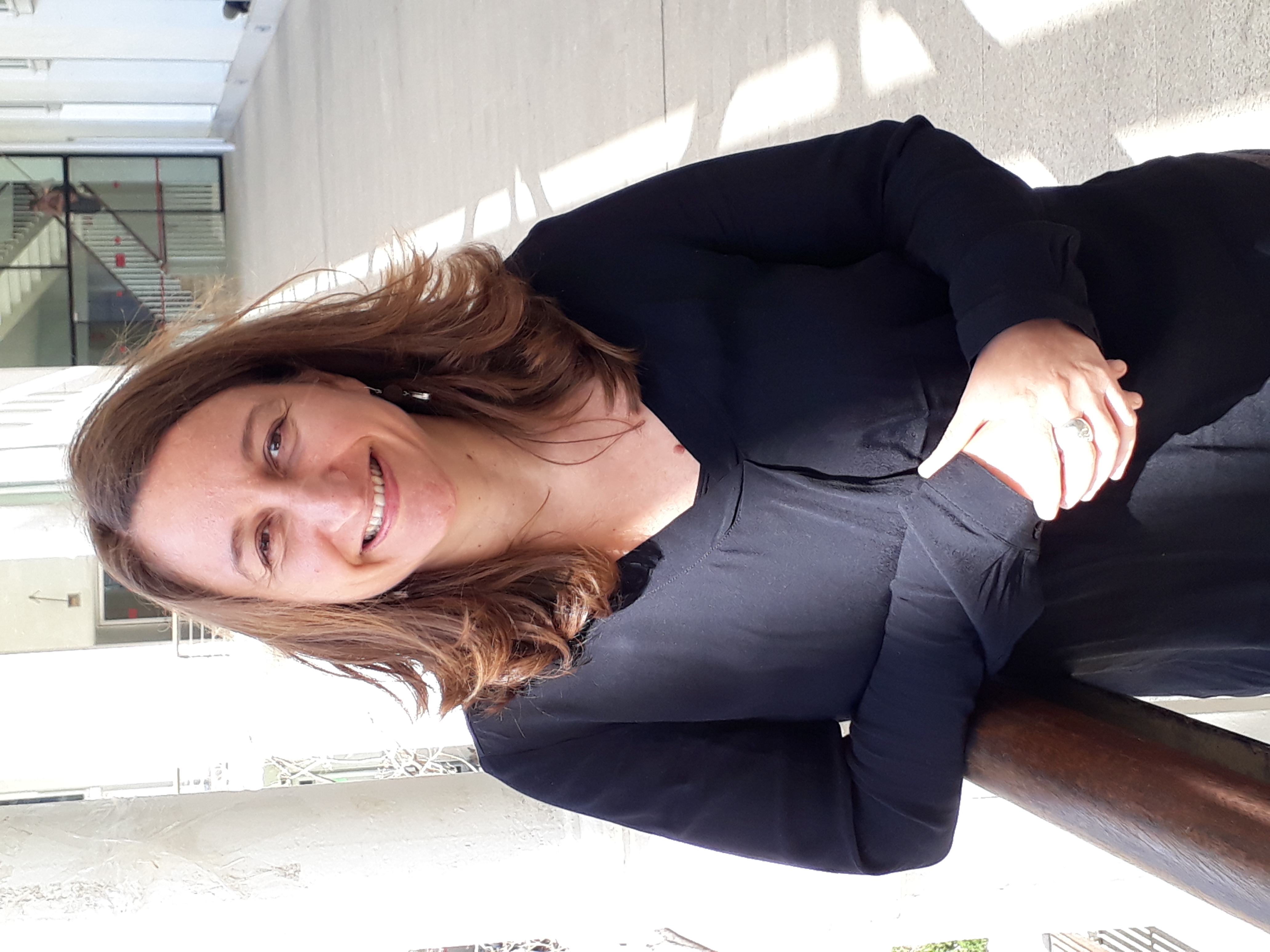
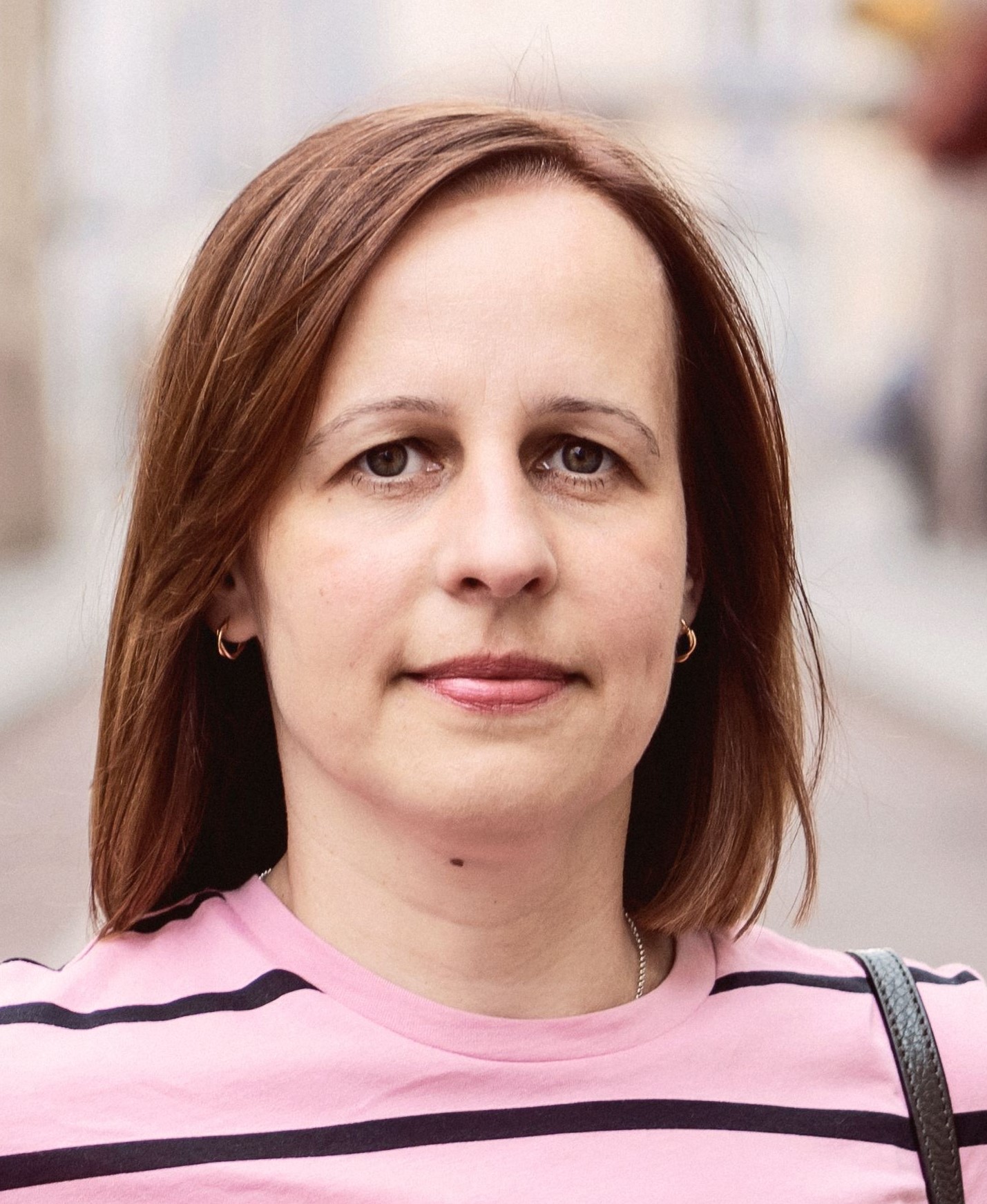
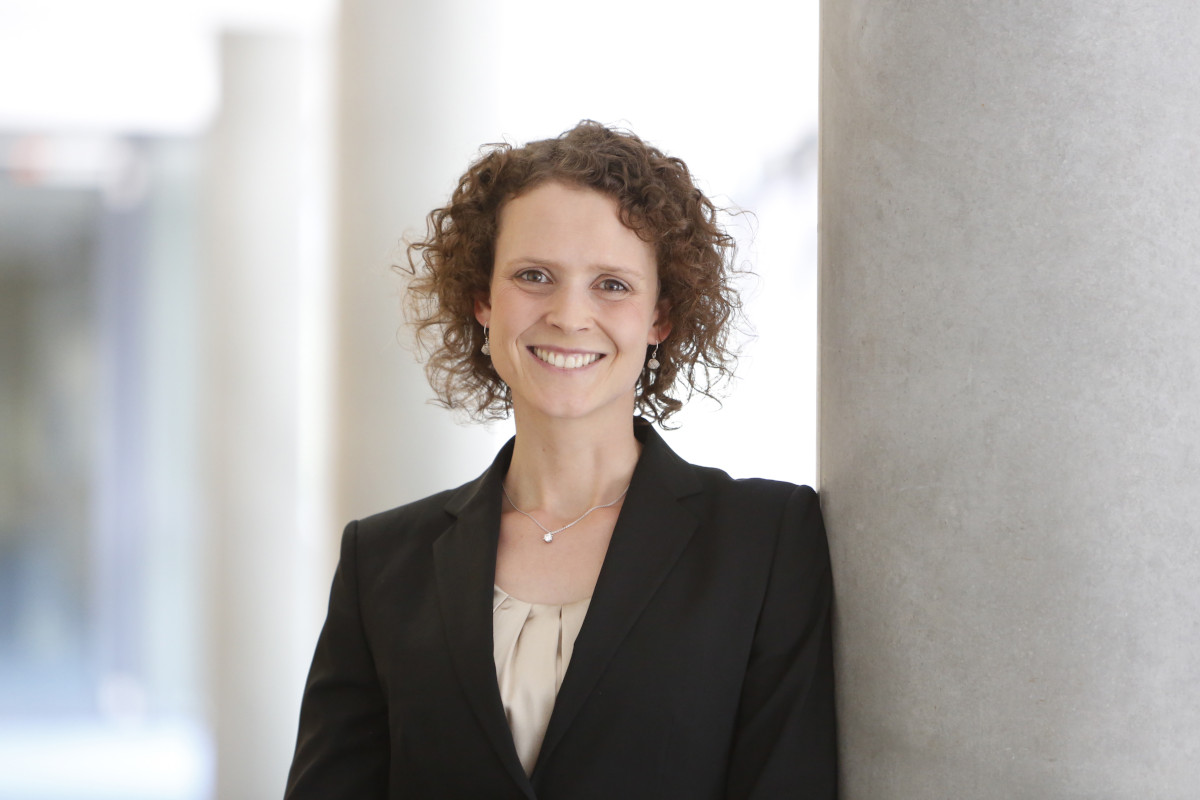
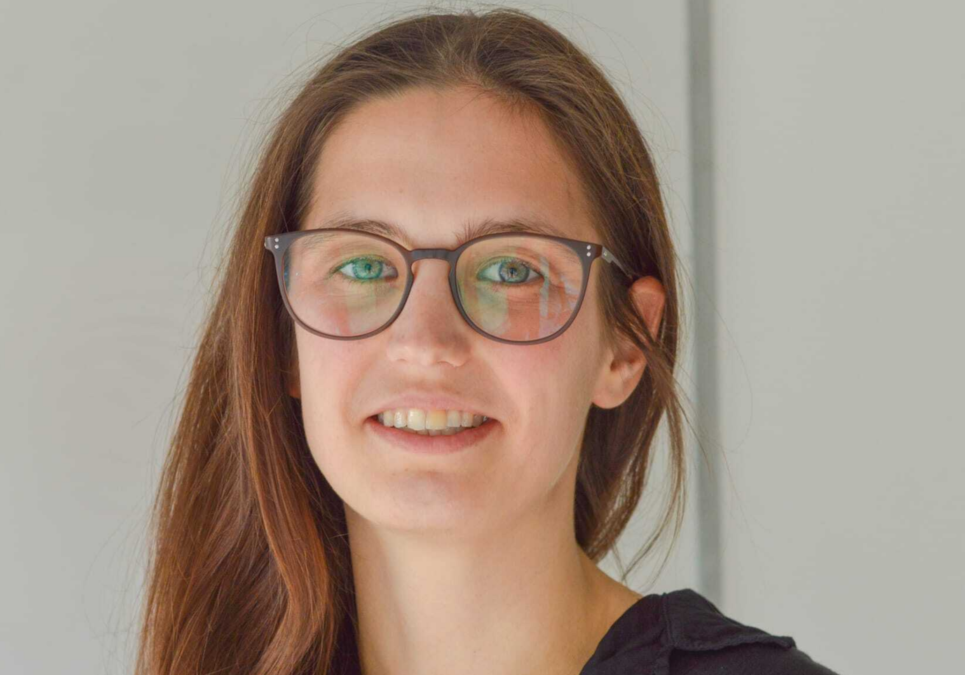
Dr. Benjamin Blumenthal serves as a Researcher at ETH Zurich within the Professorship for Political Economy and eDemocracy, focusing on the intersection of digital technologies and democratic governance structures. His institutional affiliation places him at the Zürichbergstrasse 18 campus in Zurich, Switzerland. His core research spans Political Economy and eDemocracy, with specific emphasis on Digital Governance mechanisms, Political Science theory, and Economic implications of digital transformation. He investigates how computational systems reshape citizen-state interactions, electoral processes, and policy formulation in modern democracies, particularly examining algorithmic transparency and participatory frameworks. Available contact channels include his institutional email address bblumenthal@ethz.ch, facilitating scholarly collaboration on digital democracy initiatives and political economy research.
Mireia Artigot Golobardes is an Associate Professor of Civil Law at the Faculty of Law, Pompeu Fabra University, where she holds a Ramón y Cajal research fellowship. She is admitted to the bar in both New York and Barcelona and previously clerked for Hon. Edwin H. Stern at the New Jersey Appellate Division. Her interdisciplinary research examines private law through economic lenses, with specializations in contract law, consumer protection, and digital market regulation. Education: JSD & LLM, Cornell Law School Law Degree & BA Economics, Pompeu Fabra University BA Music, Conservatory of Barcelona Research Focus: Her work investigates algorithmic decision-making in consumer transactions, AI's impact on fundamental rights, sustainability in contract law, and regulatory frameworks for digital markets. She leads significant projects including: JuLIA (Justice, Fundamental Rights and AI) - EU-funded judicial training program AlgorithmLaw - Examining algorithmic transparency in legal norms iConsumers - Studying digital market impacts on consumer rights Publications: Her scholarly output demonstrates consistent focus on law-economics-technology intersections. Recent works examine algorithmic personalization in consumer contracts (2022), sustainability challenges in market regulation (2024), and limitations of data protection frameworks (2021). The publications show progressive engagement with emerging digital law challenges. Awards & Honors: Ramón y Cajal Research Fellowship (Spain's prestigious research award) Professional Activities: She maintains international connections through visiting professorships at Brooklyn Law School, University of Kassel, University of Trento, and research visits to NYU and University of Western Cape. She serves as Teaching Fellow for the Europaeum Program at Oxford University and is affiliated with UPF's Center for Studies in AI and Natural Intelligence.
Dr. Olga Kurasova is a Professor and Senior Researcher at Vilnius University's Institute of Data Science and Digital Technologies, where she leads research in the Cognitive Computing Group. Her work focuses on developing advanced computational methods for real-world applications. Her primary research explores machine learning paradigms including deep learning for cybersecurity (keystroke dynamics, adversarial attacks), medical image analysis (pancreatic cancer detection), industrial monitoring, and explainable AI. She maintains strong collaborations across disciplines, particularly in healthcare and security domains. Analysis of her recent publications (2023-2025) reveals three dominant themes: (1) Advanced biometric authentication systems using behavioral analysis and deep learning, (2) Medical AI applications focusing on pancreatic cancer detection through CT image analysis, and (3) Theoretical advancements in explainable AI methodologies for high-stakes domains. Significant scientific recognition includes: 2021 Lithuanian Science Prize for the cycle 'From Data Science to Artificial Intelligence Technologies' 2024 Vilnius University Rector's Science Prize She has led multiple national research projects, including a 2024-2027 LMT-funded initiative on 'adversarial machine learning for cybersecurity' and coordinated interdisciplinary teams for projects on cognitive computing capabilities and optimal data mining solutions. She directs research within the Cognitive Computing Group, focusing on developing intelligent systems for data analysis, visualization, and decision support across healthcare, cybersecurity, and industrial applications.
Dr Matthew Cole is an Assistant Professor in Technology, Work and Employment at the University of Sussex Business School. His research focuses on unpaid labour, technological change, and platform capitalism, with significant contributions to understanding wage theft and AI ethics in workplace contexts. He serves as a Co-investigator on the ESRC Digital Futures at Work Research Centre and is on the editorial board of Work, Employment and Society . PhD in Political Economy from the University of Leeds (2014–2018) Postdoctoral Research Fellow at the University of Oxford and University of Leeds His research explores the political economy of work and technology, emphasizing wage theft in hospitality, algorithmic exploitation, and regulatory frameworks for AI. His 15 most recent publications span debates on digital labor platforms, cloudwork, and the historical evolution of unpaid work. Scientific Awards Associate Fellow of the Higher Education Association Cole leads the masters-level module 'Managing Human Resources' and has developed courses on human-industrial relations. His work intersects with labor unions like the GMB and New York Taxi Workers Alliance, advocating for fair pay and transparency in digitalized labor markets. He is actively involved in public scholarship, contributing to outlets like Jacobin and Tribune, and co-authoring policy briefs for the ESRC Centre for Digital Futures at Work.
Andang Sunarto is an Associate Professor affiliated with the State Islamic Institute (IAIN) Bengkulu, Indonesia and the Lepage Research Institute, Slovakia . His work bridges Numerical Analysis , Computational Mathematics , and Algorithm Design with applications in Robotics , Image Processing , and Sharia-Compliant Systems . Research Focus: Fractional Calculus, Nonlinear PDEs, GPU-Accelerated Algorithms Collaborations: International institutions including Union of Czech Mathematicians and Physicists and University of Prešov His recent publications (2021–2025) emphasize Iterative Methods for solving Time-Fractional Diffusion Equations and Porous Medium Models . He also explores Digital Islamic Education and Halal Tourism Development . Despite no listed awards, his work spans diverse domains like Mobile Banking Evaluation , Environmental Pollution Analysis , and Ethnobotanical Applications . Andang actively designs EdTech tools (e.g., Wordwall-based modules) and contributes to computational methods in Climate Modeling and Nonlinear Diffusion .
Verena Tiefenbeck is a Professor and Chair of Digital Transformation at Friedrich-Alexander-Universität Erlangen-Nürnberg (FAU), leading a Bavarian Ministry-funded junior research group since 2019. Her work bridges digital transformation with behavioral science, focusing on high-resolution behavioral data to drive sustainability in energy, mobility, health, and human-AI collaboration. Education: MSc in Mechanical Engineering & Management (TU Munich, Ecole Centrale Paris) Doctorate: ETH Zurich (2014) Research explores how digital technologies shape human behavior through real-time feedback, algorithmic transparency, and nudges. Key areas include energy conservation, sustainable mobility, and AI adoption in organizational contexts. Her recent publications examine peer-to-peer energy markets, digital food labeling, and algorithmic fairness in HR. Core research themes across 2024-2025 publications include: Digital feedback mechanisms for energy/water conservation Algorithmic transparency in AI-driven recruitment Behavioral economics of renewable energy communities Digital nudges in health decisions and sustainable consumption Methodological transparency in design science research
Dr. Saidi Siuhi serves as an Associate Professor of Civil Engineering at South Carolina State University, where he teaches undergraduate and graduate courses while conducting research and providing institutional service across departmental and university levels. His academic credentials include: Ph.D. in Civil Engineering from the University of Nevada, Las Vegas (2009) M.Sc. in Civil Engineering from Florida State University (2006) B.Sc. in Civil Engineering from the University of Dar-es-Salaam (2003) Specializing in transportation engineering, Dr. Siuhi's research focuses on traffic safety, transportation planning, and microscopic traffic simulation. His work addresses critical transportation challenges including distracted driving/walking behaviors, traffic management during special events (notably the 2017 solar eclipse), and the application of advanced computational methods to transportation networks. He integrates emerging technologies like virtual reality, machine learning, and deep learning to develop innovative safety solutions for complex transportation systems. Analysis of his recent publications (2021-2025) reveals a strong trajectory toward computational transportation safety, with increasing emphasis on AI-driven solutions for pedestrian safety, driver behavior analysis, and infrastructure monitoring. His work consistently bridges theoretical transportation models with practical safety applications, particularly in distracted behavior analysis and event-based traffic management. Dr. Siuhi actively mentors students through senior design projects (CE 459/460) and graduate coursework, though specific advisee names aren't documented. His service contributions span departmental, college, and university committees, supporting academic operations and strategic initiatives within the engineering program.
Heini Kujala serves as Research Director at the Finnish Natural History Museum (LUOMUS), which is part of the University of Helsinki's Faculty of Biological and Environmental Sciences. She leads the Biodiversity Informatics Unit and Conservation Informatics Research Group, and serves as Supervisor in the Doctoral Programme in Wildlife Biology. Her research focuses on systematic conservation planning, climate change impacts, and decision-making under uncertainty. Dr. Kujala's research interests center on spatial conservation optimization, spanning from reserve network design to cost-efficient management and biodiversity offsetting. She specializes in computational approaches to conservation problems, with particular expertise in how uncertainty affects conservation outcomes. While not specializing in any particular taxonomic group, her work frequently involves bird species as indicators. Her scientific fields include ecology, evolutionary biology, climate change, biodiversity conservation, conservation area planning, and modeling species distribution areas. Her recent publications demonstrate a strong focus on practical conservation applications, particularly examining how biodiversity offsetting can be made credible through transparent accounting systems, how species distribution modeling affects conservation outcomes, and how data quality influences spatial conservation prioritization. Her work bridges theoretical conservation science with practical policy implementation. Among her scientific recognition are the Olli's prize (2010) and the Young Influential Woman in Society Award (2008). She has secured significant research funding through multiple projects including BOOST II, NaturaConnect, and No Net Loss City. Dr. Kujala actively engages in academic service through board memberships with the Ministry of the Environment, USGS Patuxent Wildlife Research Center, and IUCN. She regularly hosts visiting researchers at the University of Helsinki and participates in peer review activities. Her work has received media attention for findings on the importance of small and isolated habitat patches for species survival.
Professor Meng Tao is a full Professor in the School of Electrical, Computer and Energy Engineering at Arizona State University (ASU), Tempe campus. He also holds the concurrent appointment of Senior Global Futures Scientist within ASU’s Global Futures Scientists and Scholars initiative. Since joining ASU in 2011, he has led the Laboratory for Terawatt Photovoltaics and played a pivotal role in founding the U.S. Photovoltaic Manufacturing Consortium under SEMATECH. Education: Ph.D. Materials Science and Engineering, University of Illinois at Urbana-Champaign, 1998 M.S. Semiconductor Materials, Zhejiang University, China, 1986 B.S. Ferrous Metallurgy, Jiangxi Institute of Metallurgy, China, 1982 Research Focus: Professor Tao’s research is broadly centered on the science and engineering challenges of scaling photovoltaics to the terawatt level while ensuring sustainability and cost-effectiveness. His group investigates earth-abundant chalcogenide semiconductors and transparent conducting oxides for thin-film devices, substitutes silver with low-cost aluminum in Si solar cell metallization, develops energy-efficient electro-refining routes to upgrade metallurgical-grade silicon to solar-grade purity, pioneers value-added recycling technologies for end-of-life Si modules, and explores solar-powered electrolysis using metal/metal-oxide loops for long-term electricity storage. Grant Portfolio & Trends: Recent funding from NSF and DOE has supported projects on high-efficiency Schottky-barrier silicon cells, theoretical/experimental studies of iron oxysulfide absorbers, doping of cuprous oxide in electrolytes, and CVD-based valence-mending passivation for crystalline silicon. These grants underscore a consistent emphasis on materials innovation, process intensification, and circular-economy solutions for PV. Teaching & Mentoring: Professor Tao teaches and mentors across the EEE, MSE and CHE programs, offering courses ranging from introductory circuits to advanced photovoltaic energy conversion and doctoral dissertation supervision. While specific advisee names are not disclosed, the extensive thesis and research course listings indicate a large, active graduate group. Laboratory & Collaborative Networks: The Laboratory for Terawatt Photovoltaics under his direction serves as the central hub for experimental work on solar cell fabrication, electroplating, electrochemical recycling, and materials characterization. The lab collaborates closely with national consortia such as SEMATECH and leverages ASU’s advanced clean-room and analytical facilities.
Ali Dorri is an Associate Professor in the School of Computer Science at Queensland University of Technology's Faculty of Engineering. His research focuses on the intersection of blockchain technology, Internet of Things (IoT), and cybersecurity, with significant contributions to privacy-preserving systems and energy trading applications. He maintains an active research profile with consistent publications in top-tier venues including IEEE Transactions, ACM Computing Surveys, and various IEEE conferences. Dr. Dorri's research interests center on blockchain technology and its applications to real-world problems. His work addresses critical challenges in IoT security, privacy-preserving systems, energy trading mechanisms, and supply chain management. He has developed innovative solutions including Tree-Chain (a lightweight consensus algorithm for IoT-based blockchains), LSB (a lightweight scalable blockchain for IoT security), and various blockchain storage optimization techniques. His research bridges theoretical concepts with practical implementations, often targeting specific industry challenges in manufacturing, energy, and supply chain sectors. Analysis of his recent publications reveals a strong focus on optimizing blockchain for resource-constrained environments like IoT networks, developing privacy-preserving mechanisms for sensitive applications, and creating practical implementations for energy trading systems. His work shows increasing sophistication in addressing scalability challenges while maintaining security and privacy guarantees. The interdisciplinary nature of his research connects computer science fundamentals with applications in energy systems, manufacturing, and supply chain management. Dr. Dorri has established productive research collaborations with colleagues at QUT including Raja Jurdak, Salil Kanhere, and Gowri Ramachandran, as well as international collaborators. His publications demonstrate consistent productivity with multiple high-impact papers each year, including several that have received significant citations within the blockchain and IoT research communities.
Matthias C. Kettemann is Professor and Chair for Innovation, Theory, and Philosophy of Law at the Institute for Theory and Future of Law, University of Innsbruck. He simultaneously leads the research group 'Global Constitutionalism and the Internet' at the Humboldt Institute for Internet and Society (HIIG) and directs the research programme 'Regulatory Structures and the Emergence of Rules in Online Spaces' at the Leibniz Institute for Media Research | Hans Bredow Institute. Additionally, he heads the Innsbruck Quantum Ethics Lab and serves as a board member and research group leader for 'Platform and Content Governance' at the Sustainable Computing Lab, Vienna University of Economics and Business. Prof. Kettemann's research focuses on the legal foundations of digital societies, examining regulatory mechanisms for digital platforms and the interaction between states and private actors. His work spans internet governance, platform regulation, digital rights, and the ethical implications of emerging technologies including AI and quantum computing. He has published extensively on the normative order of the internet, with his 2020 monograph 'The Normative Order of the Internet: A Theory of Online Rule and Regulation' establishing him as a leading scholar in the field. His recent publications reveal a clear trajectory toward examining the intersection of law, technology, and democratic governance. The articles demonstrate particular attention to the Digital Services Act implementation, human-in-the-loop systems for AI governance, and the relationship between cybersecurity and privacy. His work consistently addresses how legal frameworks can protect democratic values while accommodating technological innovation, with increasing focus on quantum technology ethics and international dimensions of digital governance. Prof. Kettemann has advised numerous international organizations including the Council of Europe, UNESCO, OSCE, and various national ministries. His current research projects include the 'DSA research network,' 'Human in the Loop,' 'Cybersecurity,' and 'The Public International Law of the Internet,' reflecting his commitment to addressing pressing challenges in digital governance through interdisciplinary research and practical policy engagement. He is actively involved in multiple research teams and labs, particularly the Innsbruck Quantum Ethics Lab which explores ethical dimensions of quantum technologies, and contributes to shaping global digital governance through participation in international expert groups and advisory roles with governmental bodies across Europe.
Laura State serves as a Research Fellow at the Humboldt Institute for Internet and Society (HIIG) in Berlin, Germany, where she contributes to the AI & Society Lab's Impact AI project. This initiative develops transdisciplinary auditing methodologies to evaluate artificial intelligence systems' contributions to societal transformation and ecological sustainability through rigorous impact assessment frameworks. Her academic credentials include: PhD in Data Science from Scuola Normale Superiore, Pisa, Italy (Advised by Salvatore Ruggieri and Franco Turini) MSc in Neural Information Processing from the University of Tübingen BSc in Physics from the University of Rostock State's research synthesizes hard sciences with social perspectives to investigate AI's societal and planetary implications. She specializes in transparency and accountability mechanisms for non-interpretable machine learning models, developing assessment methodologies to determine how AI can foster sustainable futures. Her interdisciplinary approach integrates technical AI development with regulatory frameworks and ecological impact analysis, emphasizing real-world applicability through industry-academia collaboration. Her 2023-2025 publications reveal a cohesive research trajectory centered on explainable AI and regulatory compliance, particularly regarding GDPR requirements. Key themes include legal-technical alignment for explanation systems, bias/fairness policy frameworks, and innovative evaluation tools like REASONX. The work consistently bridges machine learning theory with societal accountability, demonstrating methodological rigor in translating technical capabilities into public-interest applications. As a core member of HIIG's AI & Society Lab, State collaborates on transdisciplinary teams examining AI's role in sustainability transitions. The Impact AI project coordinates researchers from computer science, law, and social sciences to develop evaluation frameworks that measure AI's contribution to UN Sustainable Development Goals, with active engagement in policy dialogues and public science initiatives like Lange Nacht der Wissenschaften.
Brian Nussbaum is an Assistant Professor in the College of Emergency Preparedness, Homeland Security and Cybersecurity (CEHC) at the University at Albany. He is concurrently a Fellow of the Cybersecurity Initiative at New America and an Affiliate Scholar at Stanford Law School's Center for Internet and Society (CIS). Previously, he served as a Senior Intelligence Analyst at the New York State Office of Counter Terrorism (OCT), where he established the Cyber Analysis Unit (CAU) at the New York State Intelligence Center (NYSIC). Education: Ph.D. in Political Science, University at Albany, 2009 M.A. in Political Science, University at Albany, 2007 B.A. in Political Science, Binghamton University, 2002 Nussbaum's research examines cybersecurity governance with emphasis on state/local capabilities, critical infrastructure protection, and intelligence communication. His core interests include: Policy frameworks for municipal cybersecurity resilience Threat assessment methodologies for emerging technologies Cross-jurisdictional information sharing architectures Operational challenges in smart city security His recent publications (2020-2024) demonstrate multidisciplinary analysis of cyber-physical threats, with recurring themes in: Critical infrastructure vulnerability and crisis management Evolution of financial cybercrime and regulatory responses Attribution challenges in cyber incidents Intersections of disinformation, surveillance, and democratic processes Nussbaum contributes to field-building through affiliations with New America and Stanford CIS, extending his impact beyond academia into national policy discourse. His prior operational experience at NYSIC informs applied research on public-sector cybersecurity capacity.
Tuukka Ruotsalo serves as Associate Professor in the Machine Learning Section at the Department of Computer Science, University of Copenhagen. His research bridges human cognition with computational systems through brain-computer interfaces and physiological computing. As Academy Research Fellow at University of Helsinki (2019-2024), he maintained dual institutional affiliations while leading cutting-edge work in neuro-linguistic modeling and affective relevance. His research focuses on brain-computer interfaces for information retrieval , where he pioneers methods to decode cognitive states from neural signals to improve search systems. Key areas include affective relevance modeling that integrates emotional states into search algorithms, and neuro-linguistic reconstruction that translates brain activity into language. His work on fairness-relevance tradeoffs in recommender systems established Pareto frontier evaluation frameworks now widely adopted in ethical AI research. Recent publications demonstrate how physiological signals like EEG and galvanic skin response can create more adaptive human-information interaction systems. Ruotsalo's scientific recognition includes the prestigious Academy Research Fellow position. His publications in IEEE Transactions on Human-Machine Systems , Journal of the Association for Information Science and Technology , and Communications Biology reveal growing interdisciplinary impact. His advising spans cognitive neuroscience and machine learning students, with notable collaborations across the SCIENCE AI Centre. Current projects include the TreeSense initiative for remote sensing of global tree resources and development of quantum-inspired neural architectures. His lab leverages the department's powerful compute cluster for large-scale physiological data analysis.
Ayesha Ali is a Professor of Statistics and Director of the Master of Data Science program at the University of Guelph. She holds a PhD in Statistics from the University of Washington (2002) and has expertise in statistical methods for complex high-dimensional systems, including ecological networks, causal inference, and bioinformatics. Her research integrates graphical Markov models, machine learning, and statistical computing to address challenges in plant-pollinator networks, livestock genetics, and disease risk modeling. Education: B.Sc. Honours in Statistics and Actuarial Science, University of Western Ontario (1996) M.Sc. in Statistics, University of Toronto (1998) Ph.D. in Statistics, University of Washington (2002) Research Interests: Graphical Markov models and ecological networks Causal inference and longitudinal data analysis Machine learning and high-dimensional predictive modeling Statistical methods for livestock genetics and animal health Computational statistics and bioinformatics Articles Trends: Her recent work spans interdisciplinary applications, including veterinary oncology biomarker discovery, remote sensing for agricultural suitability, and pipeline development for cross-species transcriptomics. She emphasizes graphical structure exploitation in regression and predictive modeling, with contributions to both theoretical and applied statistical methodologies. Awards: Canadian Journal of Statistics Award (2020) for groundbreaking work on doubly sparse regression NSERC Discovery Grant (2018) NSERC Collaborative Research and Development Grant (2015) Advising & Grants: She has supervised numerous graduate and undergraduate students on projects ranging from plant-pollinator network analysis to bioinformatics. Her grants include NSERC-funded research on milk fatty acid genetics and statistical methods for clustered data. Labs/Teams: Involved in the Bioinformatics program at the University of Guelph, contributing to interdisciplinary research collaborations in ecology and animal science.