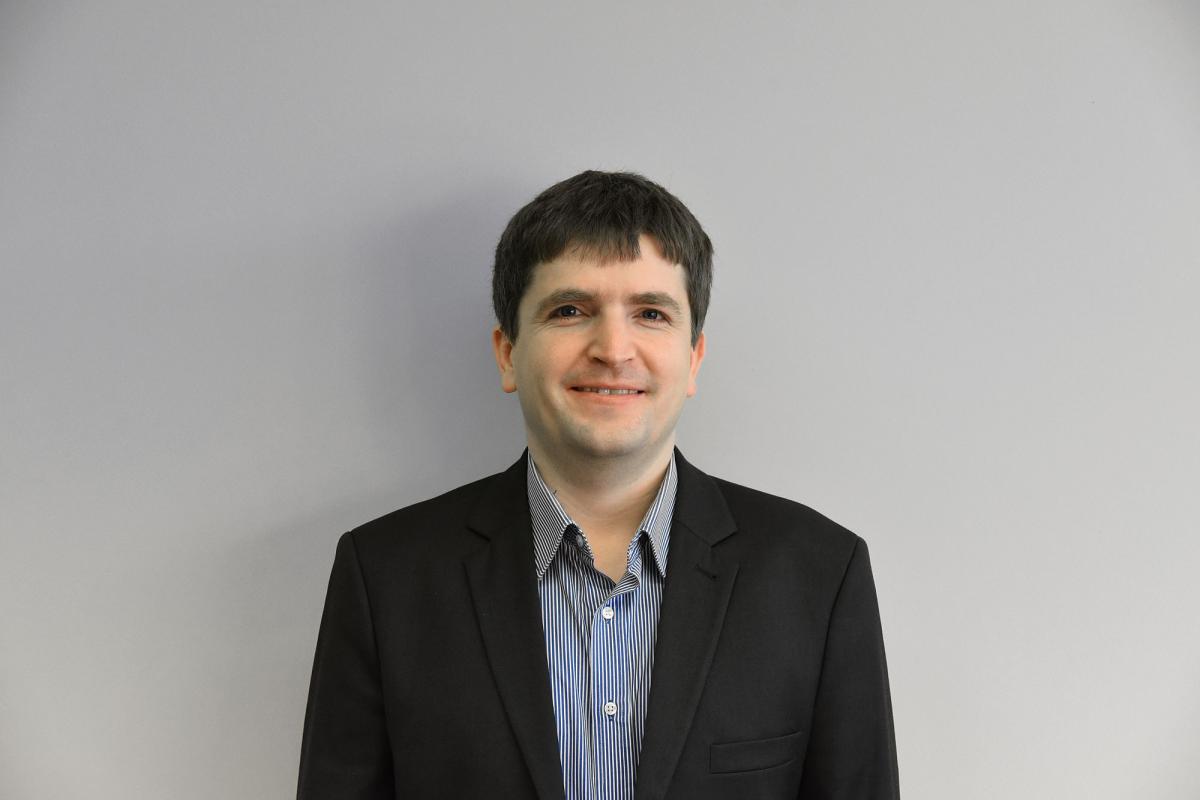
Anthony Masure is an Associate Professor at Geneva University of Art and Design (HEAD – Genève) , part of the University of Applied Sciences and Arts Western Switzerland (HES-SO) . His work bridges Artificial Intelligence , Blockchain , and Digital Humanities through critical design lenses. He explores tensions between creative automation and human agency , questioning how machine learning and smart technologies reshape authorship, value systems, and ecological practices in design. Key research areas: AI ethics , NFT implications , post-digital design , and technological accountability Projects like "Design et machine learning : l'automatisation au pouvoir?" (2021-2023) and "Post digital Graphic Design" (2019-2022) demonstrate his focus on critical technological engagements Advocates for open access and non-traditional research formats through initiatives like HEAD-Publishing His recent articles analyze generative AI in design, NFT governance , and circular design frameworks. Collaborations with researchers like Guillaume Helleu and Yves Citton emphasize socio-technical implications. Current projects include "L'organisation autonome automatisée (OAA)" (2024), exploring future enterprise models under climate constraints.
Alice Haynes is a Digital Futures Postdoctoral Fellow at KTH Royal Institute of Technology, working on the Felt Connections project under the Division of Media Technology and Interaction Design . She collaborates with Prof. Kristina Höök and Associate Prof. Iolanda Leite to create shape-changing textile interfaces that foster meaningful bodily interactions for children and adults. Education PhD in Engineering Mathematics, University of Bristol (2022) Specialization in Soft Robotics and Haptic Interfaces Her research blends soft robotics, e-textiles, and soma design to develop tactile technologies that prioritize bodily engagement over traditional visual/auditory interfaces. Current work explores: first-person design for scoliosis, symmetry-asymmetry dynamics in bodily interactions, and soma-driven methods that emphasize felt experiences. Key article trends include shape-changing textiles (SMA-actuated smocking, machine embroidery), emotional/therapeutic applications (anxiety relief, social touch), and multisensory integration (audio-tactile mappings, biosignal interaction). Scientific Contributions Recipient of Digital Futures Postdoctoral Fellowship Co-design methodologies for child-centered technology Material-driven evaluation frameworks for e-textiles Embodied interaction paradigms through haptic cushions Alice teaches Human-Computer Interaction Research Seminars (DH2632) and Media Technology and Interaction Design (DM2601) , while actively seeking Master's students for collaborative thesis work.
Prof. Ulrich Schwaneberg serves as a University Professor at RWTH Aachen University's Faculty of Mathematics, Computer Science and Natural Sciences within the Institute of Biotechnology. His research group operates from the Biology Sammelbau facility (Worringerweg 3, Aachen) and maintains strong ties with the DWI - Leibniz Institute for Interactive Materials. His primary research focuses on protein engineering and biocatalysis , with significant contributions to plastic degradation technologies (particularly PET hydrolases), material-binding peptide development , and high-throughput screening methodologies . Key research thrusts include engineering enzymes for plastic recycling, developing anchor peptides for industrial applications, and creating novel biocatalytic systems for sustainable chemistry. Recent publications reveal a strong trend toward computational-guided enzyme design (using MD simulations and machine learning) combined with practical applications in environmental remediation . His team actively develops solutions for microplastic detection, phosphate recovery, and textile functionalization using biohybrid systems. The 2025 article portfolio demonstrates particular emphasis on PET degradation technologies and enzyme immobilization strategies. Prof. Schwaneberg leads the recently launched Materials Lab Incubator (MerLIn) funded with over 7 million euros from BAFA, and coordinates the Bio4MatPro competence center connecting industry partners with academic research. His group actively recruits Chinese students through CSC fellowships and organizes the annual Aachen Protein Engineering Summer School (AcES2) . The Schwaneberg group maintains state-of-the-art facilities for directed evolution, high-throughput screening, and biocatalytic process development, with strong industry partnerships focused on sustainable material innovations. Current initiatives include the development of flame-retardant textile coatings using biohybrid anchor peptides and scalable systems for plastic upcycling.
Josep Maria Bergadà Granyó is an Associate Professor in the Department of Fluid Mechanics at the Escola Superior d'Enginyeries Industrial, Aeroespacial i Audiovisual de Terrassa (ESEIAAT), Universitat Politècnica de Catalunya (UPC). He is actively involved in research through the UPC MICROTECH LAB and CATMech – Centre Avançat de Tecnologies Mecàniques. With a Doctorate in Industrial Engineering, he has a strong academic and research profile spanning decades. His research interests focus on fluid dynamics, particularly Active Flow Control , Fluid Power (Hydraulics) , Piston Pumps , Gas Dynamics , and Computational Fluid Dynamics . He applies these areas to enhance aerodynamic performance in wind turbines and industrial systems. His work employs advanced numerical methods such as the lattice Boltzmann method and RANS simulations, with a strong emphasis on optimizing flow behavior in complex geometries and energy systems. The recent publications highlight a consistent trend in aerodynamic efficiency optimization , especially in wind turbines using active flow control and synthetic jets. His research spans both theoretical modeling and practical applications, including dimensional modifications in fluidic oscillators and turbulence boundary condition effects. These efforts contribute significantly to renewable energy and sustainable engineering solutions. Among his recognitions is the Premi Iniciativa Digital Politècnica 2019 . He has led and participated in multiple competitive R&D projects, demonstrating strong grant acquisition and collaborative capabilities. He has supervised doctoral students such as K. Karimzadegan, M. Baghaei, and B. An, indicating an active role in academic mentoring. His collaborations extend across various research groups at UPC, particularly with experts in mechanical, aerospace, and textile engineering. He is a key figure in the Fluid Mechanics Department, contributing to both teaching and cutting-edge research in fluid dynamics and its industrial applications.
Dr. Łukasz Frącczak is a researcher at Lodz University of Technology, specializing in medical robotics and minimally invasive surgical technologies. He has been a member of the Robotics and Automation Research Group since the early stages of his career, focusing on the development of the Robin Heart cardiac surgery robot in collaboration with the Foundation for the Development of Cardiac Surgery in Zabrze. His recent work extends to robotic diagnostics for the human digestive system. Education: Master's and doctorate from Lodz University of Technology. Frącczak’s research spans medical robotics, pneumatic actuators, and textile engineering, with a particular emphasis on friction properties in surgical contexts. His publications highlight innovations in flexible robotic propulsion, control algorithms, and legal-ethical implications of autonomous systems. Scientific trends include interdisciplinary applications of robotics in healthcare and textiles, with a focus on soft robotics, friction optimization, and path planning. His work bridges mechanical engineering, biomedical applications, and practical ethics.
João Luís Marques Pereira Monteiro is a Full Professor at the Department of Industrial Electronics, School of Engineering, University of Minho, Portugal. He has been with the university since 1980, progressing from Assistant Trainee to his current position. He has held significant leadership roles including Pro-rector (2005-2009), Director of the Algoritmi Center (1998-2006, 2010-2013), and Dean of the School of Engineering (2013-2019). He currently coordinates the Embedded Systems Research Group (ESRG) and is a Senior Researcher at the Algoritmi Research Center. His educational background includes: Bachelor's degree in Electrical Engineering and Computers from the University of Porto (1980) PhD in Informatics and Systems Engineering - specialization in Computer Engineering - from the University of Minho (1991) Habilitation (Dr habil) from the University of Minho (2003) Professor Monteiro's research spans multiple domains in engineering and computer science, with a strong focus on practical applications. His work in embedded systems has led to innovations in real-time processing, sensor networks, and hardware-software co-design. In medical applications, he has developed textile-based sensors for vital sign monitoring. His recent work focuses on computer vision for autonomous vehicles, particularly 3D object detection from point clouds. He also contributes to educational initiatives in data science and AI, particularly in developing countries. His recent publications show a clear progression toward applications requiring real-time processing on resource-constrained devices. There's a strong emphasis on autonomous systems, particularly self-driving vehicles, with multiple papers on 3D object detection from point clouds. His work bridges embedded systems, computer vision, and wireless communications, often focusing on practical implementations for real-world applications like emergency responder localization and medical monitoring. Professor Monteiro has supervised more than a dozen doctoral students, many of whom have gone on to become faculty members at national and international universities. His research has been supported by various funding agencies including FCT (Portuguese), ADI (Portuguese), and FP7 (European funding), as well as industry partners. He leads the Embedded Systems Research Group (ESRG), which is part of the Algoritmi Research Center. The ESRG focuses on developing embedded solutions for various applications including autonomous vehicles, medical devices, and industrial monitoring systems. The group works on both hardware and software aspects of embedded systems, with particular expertise in real-time processing and resource-constrained environments.
Rob Comber is an Associate Professor at KTH Royal Institute of Technology's School of Electrical Engineering and Computer Science , affiliated with the Media Technology and Interaction Design (MID) department. His research spans Human-Computer Interaction (HCI) , focusing on social and environmental sustainability , social justice , and feminist design . He explores technology's role in civic society , food systems , and social media through equity-driven design and qualitative social science methods. Research interests include: Democratic technology and equity in access Environmental stewardship via digital systems Feminist and decolonial approaches to HCI Community-driven design practices Smart city sustainability His recent publications highlight sustainable design , colonial archive transformations , and AI labor mapping , emphasizing constraint-based innovation and visceral technology ethics . No scientific awards are listed, and no formal advisees are mentioned. He teaches courses including Digitalization and Sustainable Social Transformation and Human-Computer Interaction .
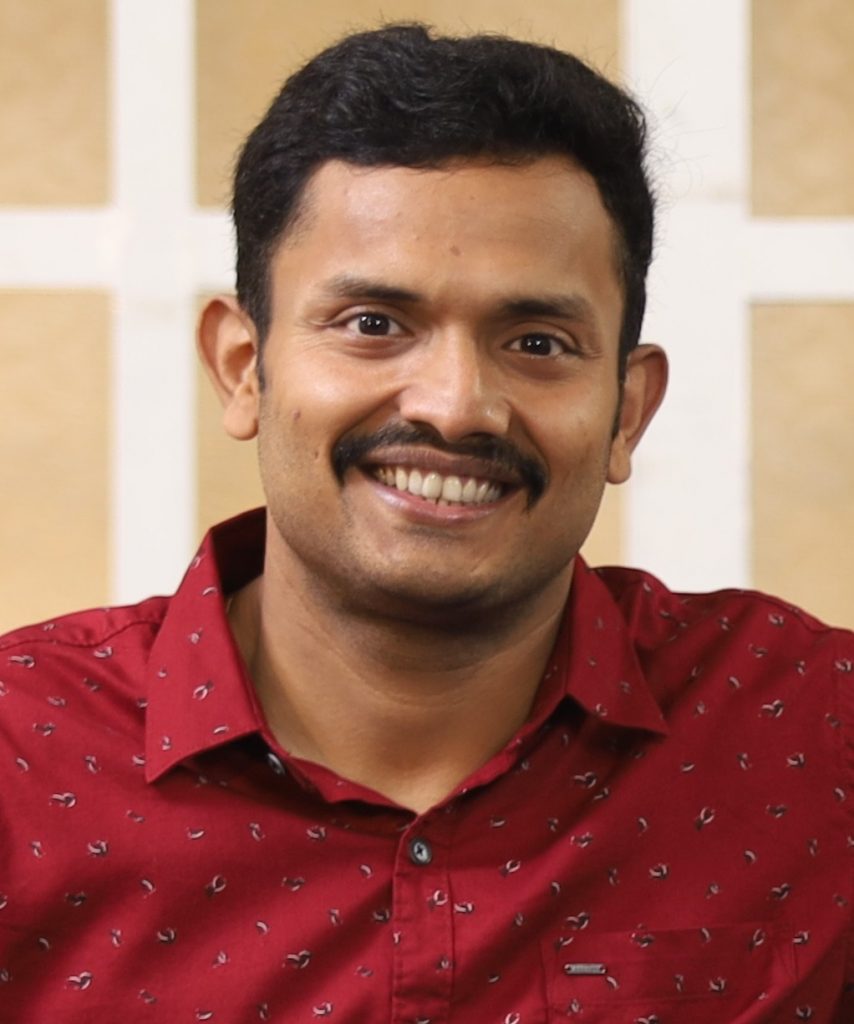
Jayakrishnan M. Purushothama is an Assistant Professor in the Microwave and Antenna Engineering Research Group at Heriot-Watt University's School of Engineering and Physical Sciences since March 2023. Previously, he held roles including Post-Doctoral Researcher (2019–2021) and Ph.D. scholar (2016–2019) at Université Grenoble Alpes, and Research Fellow (2014–2016) at Cochin University of Science and Technology. Education: B.Sc. (Electronics) & M.Sc. (Electronics Science), Mahatma Gandhi University & Cochin University of Science and Technology (2012–2014), both with first rank honours. Ph.D. (RF and Microwave Electronics Engineering), Université Grenoble Alpes (2019). Research interests focus on microwave antennas, beamforming, chipless RFID systems, CBRAM-based RF switches, medical biosensors, and electromagnetic compatibility. His work emphasizes reconfigurable systems, energy efficiency, and non-volatile memory applications in passive devices. Awards include the URSI Young Scientist Award (2020), 4th Prize in URSI Student Competition (2018), and UGC NET/JRF qualification (top 0.6% in 2013). Grants include ERC-funded ScattererID project (2019–2021) developing CBRAM-based RF switches. His lab explores innovations in antenna engineering, RF materials, and wearable electronics. Key contributions include reconfigurable antennas, low-cost RFID tags, and metamaterial-based shielding solutions.
Kaiyan Qiu is the Berry Family Assistant Professor of Mechanical Engineering at Washington State University , leading interdisciplinary research at the intersection of 3D printing , artificial organs , and flexible electronics . His work combines advanced manufacturing techniques with biomedical innovation. Ph.D. in Fiber Science & Biopolymers from Cornell University (2012) Postdoctoral experience at University of Minnesota, Princeton University, and Dartmouth College Research focuses on: Medical Applications : 3D printed presurgical organ models (prostate, aortic root) with integrated sensors Wearable Electronics : Stretchable tactile sensors and photodetectors for health monitoring Biomimetic Systems : Bioinspired actuators and surfaces for robotics Advanced Printing : Multimaterial and multiscale additive manufacturing Recent publications address machine learning-enabled 3D printing , biomimetic device fabrication , and direct printing on freeform surfaces . Collaborations with Medtronic Inc. and Visible Heart Laboratory at UMN demonstrate clinical impact. Honors include: Berry Family Assistant Professor (2021) Best of 2018 article selection National Textile Center Competition Awards Liu Memorial Scholarship Qiu's lab develops customized 3D printing systems with motion control, ink dispensing, and monitoring subsystems for biomedical and robotics applications.
Dr. PK Langshaw is a Full Professor in the Department of Design and Computation Arts at Concordia University's Faculty of Fine Arts, and a Fellow of the Loyola College for Diversity & Sustainability. With over three decades at Concordia University (1987-present), including chairing her department from 2001-2006 and 2015-2018, she leads the D_verse Lab which investigates poetic intersections of biophilic design, feminist technology critique, and sustainable innovation in media arts. MFA from Université de Québec Montréal (2002) Current research focuses on social design, textile materiality, and urban futures through projects like Wild Cities and Community Masks Her work spans textile fabrication , multimedia performance , and interdisciplinary sustainability , with recent projects including: 2023 In.site symposium on cross-disciplinary sustainability 2022 Community Masks project during pandemic 2022 Wild Cities book series for interspecies design 2022 Parachute garment transformations 2014-2016 Urban Reverse Dress studies Scientific recognition includes: 2013 Loyola College Fellowship 2005 Seed grant for arts-engineering collaboration 2003 FQRSC $153,750 team grant 2014 Outstanding Contribution to Student Life Award Mentoring 6+ CUSRA-funded students since 2016, she pioneered D_verse lab's sensor-controlled environments and Remove Before Flight garment series, while serving on Concordia Volunteer Abroad Board (2012-2016) and leading Faculty of Fine Arts' sustainability subcommittee (2017-2020) that shaped university-wide SDG implementation strategies.
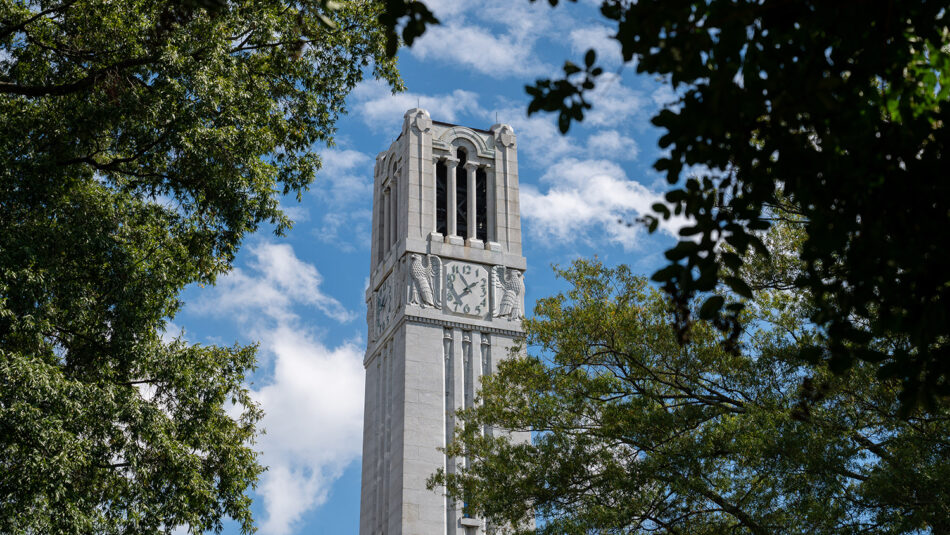
Dr. Joey Huang is an Assistant Professor of Learning, Design, & Technology in the Department of Teacher Education and Learning Sciences at North Carolina State University's College of Education. She is affiliated with the Digital Transformation of Education cluster through the Chancellor's Faculty Excellence Program. Her work bridges educational psychology and computing to create innovative learning environments that promote equity and collaboration in STEM education. Dr. Huang's research focuses on computational thinking, educational technology design, and broadening participation in STEM among underrepresented groups. She explores how hands-on, interdisciplinary activities—such as fiber crafts, robotics, and creative coding—can deepen students' understanding of computational concepts. Through NSF-funded projects like ReCrafting Computer Science, she integrates tangible crafts with computational thinking to create more inclusive pathways into computer science education. Her methodological approach combines both qualitative and quantitative methods to investigate collaborative learning, identity formation, and equity in technology-rich educational contexts. Dr. Huang's publication record shows a clear trajectory toward creating personalized, interactive learning experiences for K-12 and undergraduate students. Her recent work emphasizes virtual and augmented reality learning environments, gender-inclusive maker education, and AI-enhanced educational technologies. She has made significant contributions to understanding how learners co-design with AI in STEAM contexts and how interdisciplinary collaboration serves as a core skill in modern education. ACM CHI Honorable Mention AERA's Best Student Paper Best Paper Nomination for CSCL 2024 NSF CAREER Award recipient Dr. Huang has advised numerous research projects and collaborated extensively with colleagues across disciplines. Her work with the Friday Institute and Belk Center demonstrates her commitment to translating research into practical educational applications. She actively participates in professional development initiatives to help K-12 teachers integrate digital technologies into their classrooms, supporting NC State's mission of preparing educators for 21st-century classrooms.
Nikolaos Efkolidis is an Assistant Professor at the University of Western Macedonia in the Department of Product and Systems Design Engineering . He is a member of the Computational Design and Digital Fabrication Research Lab ( codeplus.uowm.gr ) and co-founder of the design studio heptahedron.studio . Research Focus : Computational design, digital fabrication, AI-driven optimization, and sustainable product development. Key Techniques : Response Surface Methodology (RSM), Genetic Algorithms, Finite Element Analysis (FEA), and Additive Manufacturing. His recent publications highlight trends in multi-material 3D printing , machine learning for machining processes , and user-driven customization . Applications span footwear, marine robotics, and industrial design.
Ahyeon Koh is an Associate Professor in the Department of Biomedical Engineering at Binghamton University. She earned her BS and MS from Sogang University, followed by a PhD from University of North Carolina at Chapel Hill, and completed postdoctoral training at University of Illinois at Urbana-Champaign. Her research focuses on overcoming biocompatibility challenges in biosensors through innovative approaches including therapeutic release systems, flexible/stretchable platforms, and bio-inspired materials. Research interests center on developing biocompatible sensing systems for real-time physiological monitoring. The Koh Lab pioneers wearable biosensors with specific emphasis on breathable epidermal devices, electrochemical detection, and microfluidic sweat analysis. Key innovations include skin-interfaced microfluidic systems for sweat capture/storage, ultrathin injectable sensors for cardiac monitoring, and sustainable electronics from upcycled materials. Her 15 most recent publications (2018-2025) primarily focus on wearable biosensors (73%), microfluidics (13%), sustainable electronics (7%), and wound monitoring (7%). Emerging trends include epidermal electronics, stretchable nanofibers, non-invasive biomarker detection, and mobile health integration. Patented technologies cover epidermal biofluid characterization devices and organ-mounted electronics. Significant contributions include NSF CAREER Award research advancing biosensor design and leadership in Mayo Clinic inflammatory disease projects. Current investigations target flexible bioelectronics, enhanced sweat biomarker analysis, and smart wound care platforms serving clinical, point-of-care, and diagnostic applications.
Jeremy Gummeson is an Adjunct Assistant Professor at the University of Massachusetts Amherst, affiliated with the College of Information and Computer Science. He currently works in the Sensors Lab under Deepak Ganesan and the Laboratory for Advanced Systems Software under Prashant Shenoy. His research focuses on energy harvesting for wearables, backscatter communication systems, and distributed wireless sensing technologies. Education: Ph.D. in Computer Systems Engineering from the University of Massachusetts Amherst (2013). Research Interests: Jeremy’s work spans energy-efficient wearable devices, privacy in sensor systems, metamaterial-based mmWave networks, and low-power environmental monitoring. His innovations include intra-body power transfer for health wearables and acoustic-based sensing for vision-impaired environments. Recent projects emphasize sustainable computing and secure authentication mechanisms within smart spaces. Article Trends: His recent publications (2024-2025) highlight advancements in privacy-preserving audio systems, metamaterial networks, and intra-body communication. These reflect a focus on integrating biomedical applications with cutting-edge wireless technologies to enhance both functionality and security. Leading the Way award (Hewlett Packard, 2015) IEEE Outstanding Senior (2006) Betterment of the ECE Department award (2006) Outstanding Teaching Assistant (2006) Advising & Grants: Jeremy has no listed advisees. He has served as a reviewer for ACM MobiSys, ACM UbiComp, ACM CHI, IEEE RFID, and multiple transactions journals. As Web Chair for ACM HotMobile (2016), he contributed to conference organization. His current lab affiliations drive collaborative research in sensor systems and network software. Labs/Teams: Active member of the Sensors Lab and the Laboratory for Advanced Systems Software, working on projects involving energy autonomy, wireless communication, and health monitoring through wearable technologies.
Dr T. Thang Vo-Doan is a Lecturer at the University of Queensland in the School of Mechanical & Mining Engineering . He directs the UQ Biorobotics Lab and serves as an affiliate of both the Future Autonomous Systems and Technologies and the Queensland Brain Institute . PhD in Mechanical Engineering, Nanyang Technological University (2016) M.Eng. in Manufacturing Engineering, Ho Chi Minh City University of Technology (2010) B.Eng. in Mechanical Engineering, Ho Chi Minh City University of Technology (2008) His research focuses on biohybrid robotics , integrating biological systems with technology through cyborg insects , bio-inspired robotics , and fast lock-on tracking systems. He explores insect biomechanics and brain imaging in untethered insects , developing platforms for search-and-rescue missions and environmental monitoring. Recent work trends include: 2025: On-demand climbing control for cyborg beetles 2024: High-resolution insect tracking and soft textile muscles 2023: Intelligent insect–computer hybrid robots 2022: Autonomous navigation and robotic leg design 2018: Ultralightweight living robots Scientific honors: Human Frontier Science Program Cross-disciplinary Fellowship (2019-2022) He supervises projects on: Insect-machine hybrid robots Insect-inspired robotics Fast lock-on tracking Insect locomotion biomechanics Current grants include: NHMRC IDEAS Grant (2025-2028): Infrared and AI for Ross River virus surveillance Queensland Corrective Services Grant (2024-2027): Wastewater drug misuse analysis