- Software Engineering
- E-Learning
- Case Management
- +۷ مورد دیگر
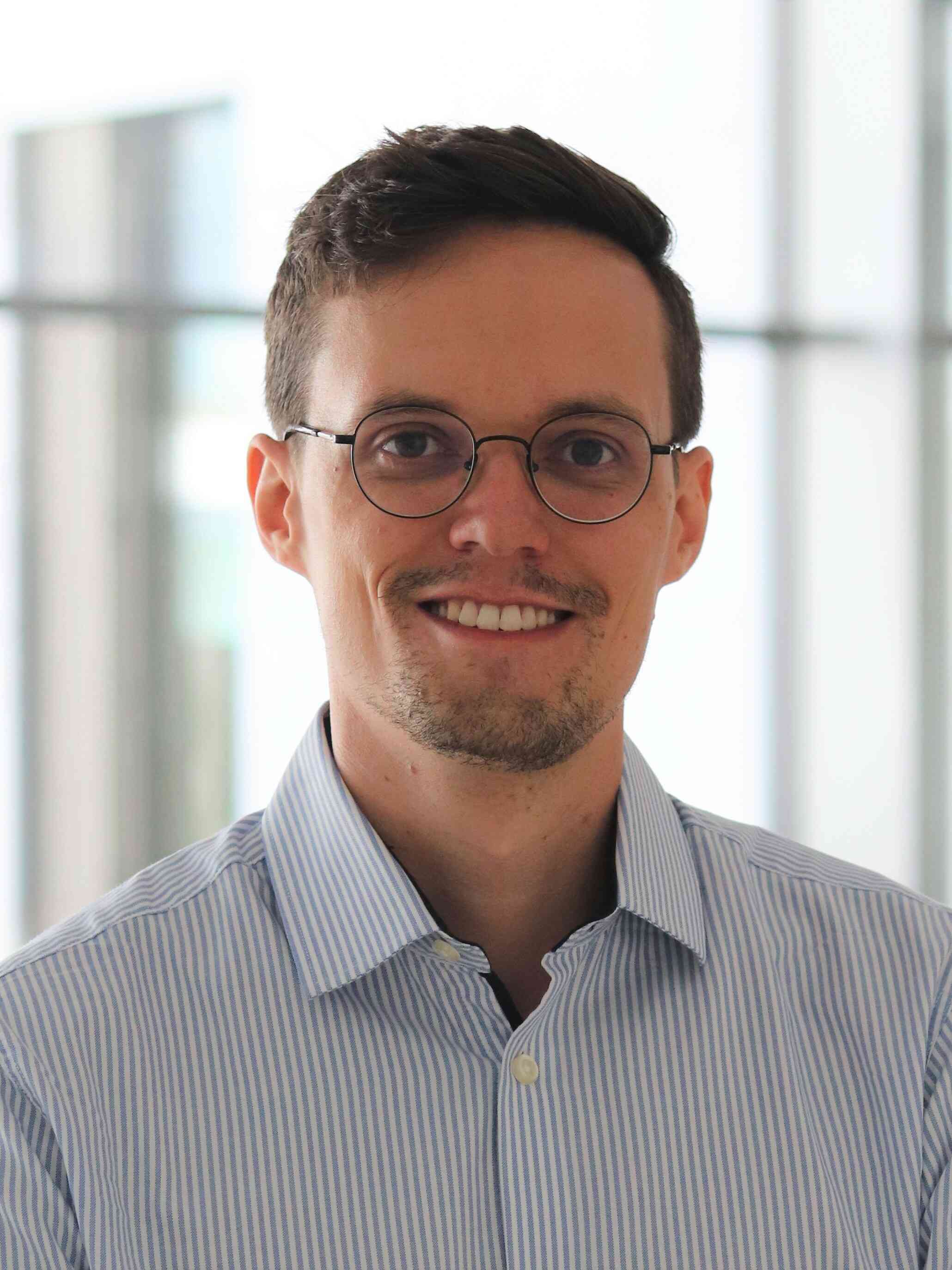
Prof. Marian Benner-Wickner is a Professor of Computer Engineering at IU University of Applied Sciences, where he has been a faculty member since 2018. He leads the Industrial Engineering & Management and Industry 4.0 online study programs, focusing on software engineering and gender-neutral e-learning methodologies. His professional background includes roles as an IT specialist trainer at CampusLab GmbH and a software developer at the Fraunhofer Institute for Software and Systems Technology. He holds a PhD in Software Engineering (2016) from the University of Duisburg-Essen, where he managed the “Agenda-Driven Case Management” research cluster. His research interests span software engineering, case management techniques, process flexibility, smart home technologies, and digital youth protection. Notable contributions include work on adaptive case management systems, ontology-based recommendation systems, and e-learning metadata frameworks. Prof. Benner-Wickner actively contributes to organizations like the Wikimedia Foundation, CPS.HUB NRW, and the Society for Computer Science. His publications address topics such as IT integration architectures, automated grading systems, and security frameworks in mobile networks. His recent projects emphasize integrating IT applications, enhancing educational technologies, and optimizing knowledge-intensive business processes through semantic web technologies and process mining. In advising and grants, he oversees company-specific final theses in IT and technology, emphasizing practical industry collaboration. He has developed guidelines for design science research in academic works and advocates for empirical approaches to software process improvement. His leadership in Industry 4.0 programs reflects his commitment to bridging academic research with industrial applications. Leveraging his role as department head, he fosters innovation in curriculum design, particularly in leveraging digital tools for inclusive and adaptive learning environments. His interdisciplinary work intersects computer science, education, and policy, addressing societal challenges like digital youth protection and smart home security.