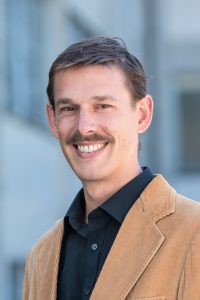
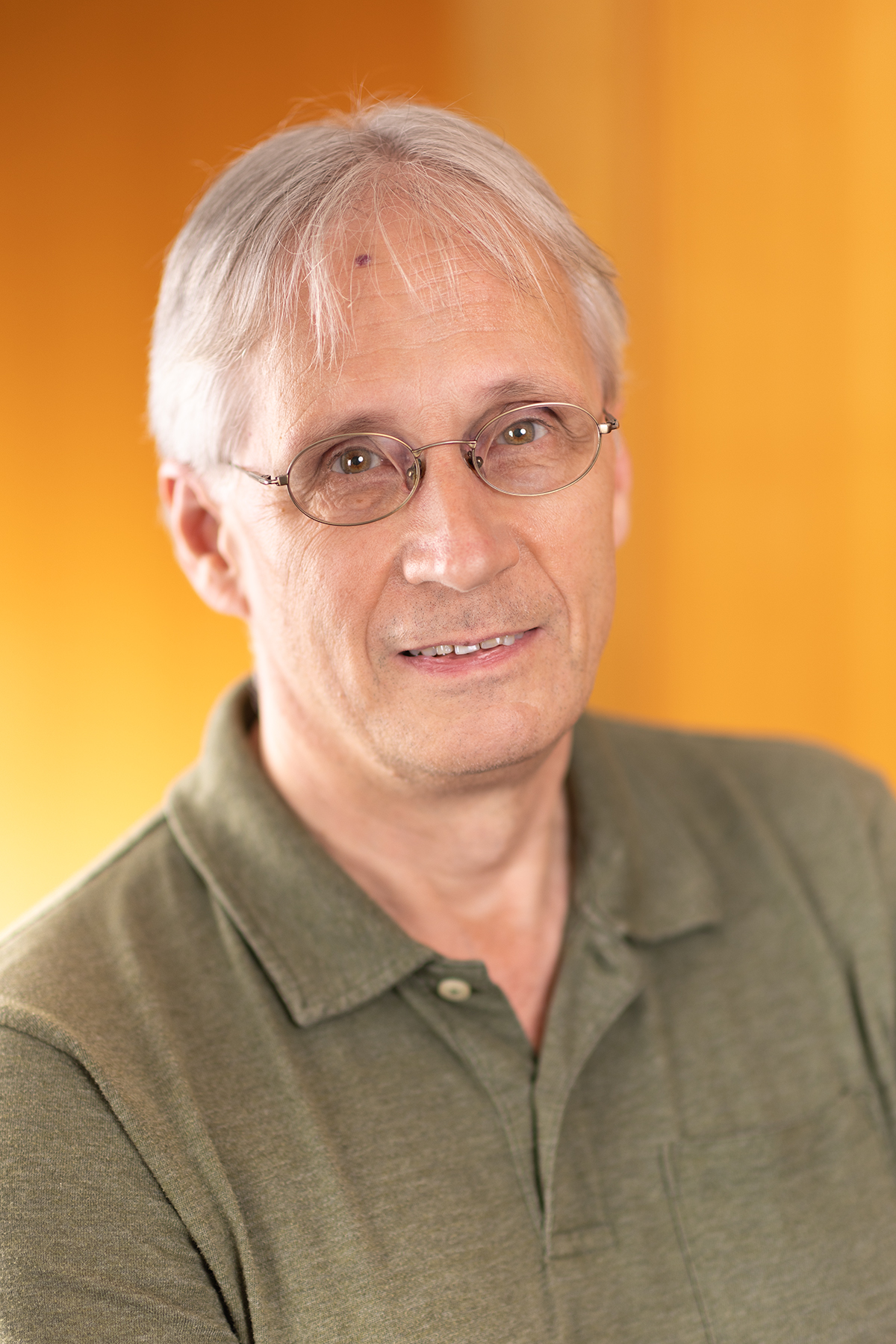
Dr. Alex Bigazzi is an Associate Professor and Associate Head (Undergraduate Program) in the Department of Civil Engineering at the University of British Columbia (UBC), with a joint appointment in the School of Community and Regional Planning. He leads the REACT Lab, focusing on active transportation, micromobility, and sustainable infrastructure design. His research emphasizes the intersection of physics, physiology, and behavior in active travel, particularly for pedestrians and cyclists, and addresses emissions reduction and equitable urban mobility. Bigazzi holds a B.M. in Jazz Saxophone from the University of Miami and a Ph.D. in Civil Engineering from Portland State University. His career includes academic and practical contributions, such as founding the REACT Lab and leading projects on e-bike incentives, air pollution exposure, and infrastructure design. His work has earned awards like the 2024 Wall Legacy Award for inclusive transport design and the 2023 Climate Action Award. He teaches courses on pedestrian/bicycle facility design and capstone projects, mentoring students through UBC’s Civil Engineering programs.
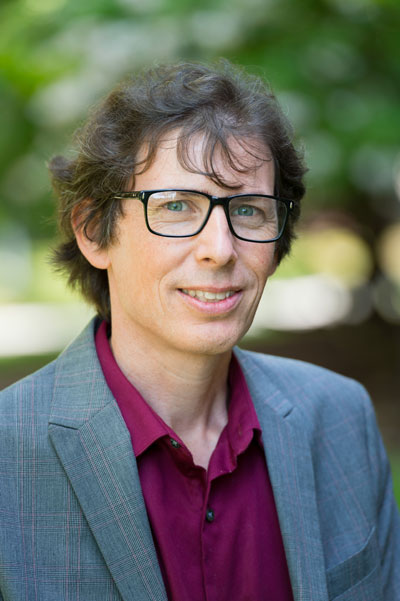
Steven Rogak is a Professor in the Department of Mechanical Engineering at the University of British Columbia's Faculty of Applied Science. He holds a P.Eng. license and degrees including a B.A.Sc. in Mechanical Engineering from UBC, and M.Sc. and Ph.D. from Caltech. P.Eng., University of British Columbia B.A.Sc., University of British Columbia M.Sc., Ph.D., California Institute of Technology His research focuses on aerosol science, particularly solid nanoparticles from combustion processes, their climate and health impacts, and mitigation strategies. Key areas include: Soot morphology and transport properties Engine emission reduction via fuel injectors Indoor air filtration systems Membrane-based energy exchangers Atmospheric particulate analysis The 15 most recent articles span experimental and theoretical studies on soot characterization, membrane technologies, and aerosol dynamics, with applications in climate modeling, healthcare ventilation, and sustainable materials. Collaborations include Westport Innovations and interdisciplinary teams. Rogak leads the Aerosol Laboratory at UBC, where he applies fluid mechanics and heat transfer fundamentals to address environmental and health challenges. He emphasizes experimental rigor and welcomes graduate students with expertise in these areas.
Professor Alexandra M. Schmidt is a leading academic in Biostatistics at McGill University, holding an endowed University Chair. She specializes in spatial and spatio-temporal modeling, particularly in epidemiology and environmental health. Previously, she served as a Full Professor at the Federal University of Rio de Janeiro (2012–2016). Her research focuses on Bayesian methodologies for analyzing complex processes, including disease spread, environmental hazards, and socio-economic disparities. She has authored influential books such as Spatio-Temporal Methods in Environmental Epidemiology with R (2023) and contributed to over 150 peer-reviewed articles. Key awards include the ISBA Fellowship (2024), ASA Fellowship (2020), and the Abdel El-Shaarawi Award (2008). Education: PhD in Statistics (2001, University of Sheffield, UK), MSc and BSc in Statistics (Federal University of Rio de Janeiro, Brazil). Research interests span Bayesian inference, spatial statistics, and environmental epidemiology. She has advised numerous PhD/MSc students and collaborated on projects linking statistical methods to public health challenges, such as modeling dengue outbreaks and air pollution impacts. Active in academic service, she has chaired major conferences (e.g., 2022 ISBA World Meeting) and serves on editorial boards of top journals like Bayesian Analysis and Canadian Journal of Statistics . Teaching includes advanced courses on generalized linear models, spatial epidemiology, and Bayesian analysis. Her work bridges theoretical statistics with practical applications, addressing global health issues through innovative spatio-temporal modeling techniques.
Gustavo J. Bobonis is a Professor in the Department of Economics at the University of Toronto, with affiliations at the Munk School of Global Affairs and Public Policy. He holds a Ph.D. from the University of California, Berkeley (2005) and a B.A. from the University of Puerto Rico at Rio Piedras (2000). He co-directs the Forward Society Lab and is actively involved in research on development, labor, political economy, and economic history. Research Interests: His work focuses on development economics, particularly the impact of public policies on poverty, violence, education, and governance. He employs rigorous empirical methods, including field experiments and quasi-experimental designs, to analyze issues such as intimate partner violence, corruption, clientelism, and human capital accumulation. His research is geographically concentrated in Latin America and Puerto Rico. Recent Research Trends: His recent publications and working papers (2022–2025) demonstrate a strong focus on institutional reform, including anti-corruption audits, domestic violence courts, and education management. He also investigates long-term social impacts of welfare programs and climate adaptation strategies. His interdisciplinary approach bridges economics, public policy, and social science. Scientific Awards: U of T Department of Economics Faculty Award for Excellence in Undergraduate Teaching, 2015 John C. Polanyi Prize in Economic Science, 2009 National Academy of Education / Spencer Foundation Postdoctoral Fellow, 2008 Advising and Grants: While specific student names are not listed, he advises graduate students through the Honours Essay and research workshops. He leads collaborative research projects funded through grants and affiliations with J-PAL and BREAD, often involving large interdisciplinary teams. His work includes randomized evaluations and long-term follow-ups, suggesting sustained funding and research support. Labs and Teams: He co-directs the Forward Society Lab, which likely supports policy-relevant research on social development. He frequently collaborates with economists such as Paul Gertler, Marco Gonzalez-Navarro, Simeon Nichter, and Luis R. Cámara Fuertes. His affiliations with J-PAL and BREAD indicate integration into major global research networks focused on development and poverty alleviation.
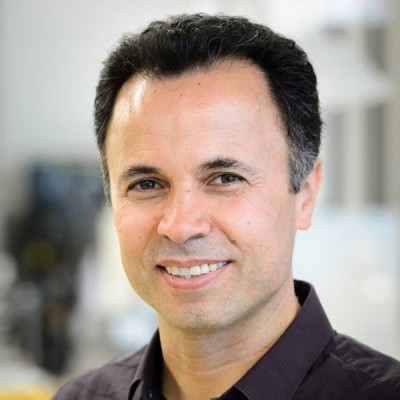
Dr. Madjid Mohseni is a Professor in the Department of Chemical and Biological Engineering at the University of British Columbia's Faculty of Applied Science. He serves as the Scientific Director of the Community Circle on Scaling Business Innovation for Humanity with his office located in CHBE 221. Dr. Mohseni leads the Water Laboratory (http://waterlab.chbe.ubc.ca/), focusing on water quality and advanced treatment technologies for drinking water applications. Dr. Mohseni earned his Ph.D. (1998) and M.A.Sc. (1994) from the University of Toronto, and his B.Sc. from Amirkabir University of Technology in Iran. His educational background has prepared him for his current research in water treatment and environmental engineering. His research program centers on developing, evaluating, and implementing advanced oxidation processes (AOPs), particularly UV-based AOPs, ion exchange, and electrochemical processes. His laboratory conducts both laboratory-scale development and pilot-scale field evaluations at partner community sites. Current work emphasizes PFAS remediation through various approaches including advanced oxidation/reduction processes, ion exchange technologies, and electrochemical methods. He also investigates novel materials like MXenes for water purification and develops practical solutions for municipal and community water systems. Analysis of Dr. Mohseni's recent publications reveals a strong focus on emerging contaminants, particularly PFAS, with significant emphasis on UV-based treatments and vacuum UV technology. His research consistently bridges fundamental science with real-world applications, developing technologies specifically tailored for small community water systems while addressing critical water quality challenges. Dr. Mohseni maintains affiliations with the Clean Energy Research Centre and the Bioproducts Institute at UBC, demonstrating his commitment to interdisciplinary research that addresses environmental challenges through innovative engineering solutions. His work aims to advance the science behind water treatment technologies while offering communities more efficient and cost-effective solutions to protect human health and the environment.
Dr. Amir Hakami is a Professor in the Department of Civil & Environmental Engineering at Carleton University , where he leads the Carleton Atmospheric Modelling Group . His research focuses on advanced air quality modeling techniques to inform environmental policy. Degrees: B.Sc. (Polytechnic of Tehran), M.Sc., Ph.D. (Georgia Tech), Postdoc (Caltech) Contact: Office 3454 Mackenzie Building, Phone: 613-520-2600 ext. 8609, Email: amir.hakami@carleton.ca Research Interests: Air quality modeling at multiple spatial scales Adjoint sensitivity analysis for atmospheric response Inverse modeling and data assimilation techniques Uncertainty quantification in environmental systems Interdisciplinary applications in policy, public health, and economics Teaching: Courses include Environmental Engineering Systems Modeling , Contaminant Transport , and Air Pollution & Emissions Control at undergraduate and graduate levels. Research Group: The group includes Ph.D. candidates, postdoctoral fellows, and alumni working on topics ranging from atmospheric chemistry to sustainable energy systems. Members come from diverse backgrounds in engineering, science, and policy disciplines.
Carey J. Simonson is a Professor and former Interim Dean in the Department of Mechanical Engineering at the University of Saskatchewan's College of Engineering. His research program focuses on energy efficiency in buildings, examining heat and moisture transfer phenomena in HVAC systems and porous building materials. Key research areas include air-to-air energy recovery technologies, moisture management in building envelopes, and mitigation of frosting/fouling in heat exchangers. This work addresses the significant energy consumption of buildings (30-40% of national energy use in developed countries) and indoor environmental quality. He maintains active collaborations with international researchers in Norway and Finland through NSERC-funded projects. With over 170 publications, his work spans experimental and theoretical investigations of coupled heat-moisture transfer processes.
Patrick Baylis is an Assistant Professor of Environmental Economics at the Vancouver School of Economics, University of British Columbia. His research focuses on how people respond to environmental threats such as wildfires, air pollution, and extreme temperatures. He employs large datasets, natural language processing, and spatial information in his work, primarily using R/RStudio and Python for data analysis. Dr. Baylis earned his PhD from the University of California Berkeley in 2016 in Agricultural and Resource Economics. Prior to joining UBC, he was a postdoctoral fellow at the Stanford Center on Food Security and the Environment. He also worked as a research assistant at the Energy Institute at Haas and is a proud alumnus of Carleton College. His research interests span environmental economics with a particular focus on climate change impacts, energy economics, and behavioral responses to environmental threats. His work often examines the intersection of climate, health, and economic behavior, using innovative methods like social media data analysis to measure sentiment responses to temperature changes and other environmental factors. Analysis of his publication record reveals a strong focus on using big data approaches to understand human responses to environmental challenges. His work frequently appears in top journals including Nature Climate Change, PNAS, and the Journal of Public Economics. His research spans multiple subfields including wildfire economics, air quality valuation, climate migration, and the behavioral impacts of temperature extremes. Dr. Baylis has received significant media attention for his work, with coverage in major outlets including The New York Times, The Washington Post, The Guardian, and The Atlantic. His research on temperature and suicide rates, as well as climate perception, has been particularly influential in connecting environmental conditions with human behavior and mental health outcomes. He maintains an active research program examining critical environmental challenges, including wildfire risk, air pollution impacts, climate adaptation strategies, and the economic dimensions of climate change. His work combines rigorous economic analysis with innovative data collection and processing methods to provide new insights into how humans respond to environmental threats.
Hisham Zerriffi is an Associate Professor at the University of British Columbia (UBC) in the Department of Forest Resources Management, Faculty of Forestry. He also serves as Associate Dean for Equity, Diversity, and Inclusion. His research intersects technology, energy, and the environment, focusing on rural areas in the Global South. Affiliation: BioProducts Institute Affiliation: Clean Energy Research Centre Affiliation: Institute for Resources, Environment and Sustainability His research examines institutional factors in technology diffusion, household energy choices, and welfare impacts of energy use. Current projects include analyzing forest density's ecological impact, clean cooking transitions in India, and decentralized energy systems. Recent publications address just transitions, biomass energy economics, and policy misalignments in Indigenous communities. He has authored works on climate change mitigation via forest carbon credits and rural electrification strategies. Scientific Award: Ivan Head South/North Research Chair As a PhD supervisor, he has guided Natalie Payer on urban energy poverty in the U.S. He collaborates on interdisciplinary grants and leads the Energy Resources, Development and Environment Lab (ERDELab).
Amanda Giang serves as Assistant Professor at the University of British Columbia's Faculty of Applied Science, Department of Mechanical Engineering, holding a Canada Research Chair in Environmental Modelling for Policy. She maintains a joint appointment with the Institute for Resources, Environment and Sustainability (IRES). Her educational background includes a B.A.Sc. from the University of Toronto, followed by M.S. and Ph.D. degrees from MIT, with postdoctoral training at MIT and Harvard. Dr. Giang's research employs interdisciplinary approaches to develop modeling tools for environmental policy analysis, focusing on pollution assessment, environmental injustice, and the intersection of air quality, decarbonization, and equity. Her work emphasizes action-oriented partnerships with community organizations and government health/environment agencies. Current projects address freight transport decarbonization equity, cumulative impact assessment methodologies for overburdened communities, and holistic environmental impact evaluation in technology design. Her recent publications demonstrate expertise across environmental modeling, policy analysis, and justice frameworks, with significant contributions to understanding spatial inequities in environmental risk distribution and developing community-engaged research methodologies. UBC Killam Research Prize, 2023 Dr. Giang actively collaborates with community groups and government authorities through her LEAP (Learning, Environmental Assessment, and Policy) research group. Her work integrates technical modeling with real-world policy applications, particularly in urban environmental planning contexts where equity considerations are paramount. She has developed innovative frameworks for cumulative impact assessment and environmental justice analysis that directly inform regulatory decision-making processes. Her research laboratory focuses on developing open-source modeling tools for environmental policy analysis while maintaining strong community partnerships that ensure research addresses pressing local environmental justice concerns.
Dr. Joshua Brinkerhoff is an Associate Professor in Mechanical Engineering at the University of British Columbia Okanagan Campus. He serves as the Associate Director for Research & Industrial Partnerships in the School of Engineering and leads the UBC-Okanagan Computational Fluid Dynamics Laboratory. His research spans computational fluid dynamics, turbomachinery, multiphase flows, hydrogen safety, wind energy, and biofluid mechanics. He teaches courses in mechanics of materials, alternative energy systems, turbulence, computational fluid dynamics, and aircraft design. PhD, Aerospace Engineering (Carleton University, Ottawa, ON) BEng, Aerospace Engineering (Carleton University) Dr. Brinkerhoff’s research interests include: Computational Fluid Dynamics (CFD) for laminar-to-turbulent transition and instability analysis Wind energy systems and turbine aerodynamics Hydrogen storage and safety protocols for transportation Biofluid mechanics for respiratory diseases and aneurysm modeling Multiphase flows in industrial and environmental contexts His publications focus on CFD simulations for: Aerosol dispersion and mitigation in indoor environments Wind farm interactions and atmospheric gravity waves Cavitation and phase transitions in cryogenic and LNG systems Heat transfer optimization in industrial and thermal systems Instability dynamics in buoyancy-driven and swept flows Turbulent structures in fluidized beds and reactors Dr. Brinkerhoff has no listed scientific awards in the provided data but has extensive contributions to renewable energy, hydrogen safety, and medical fluid dynamics. His laboratory develops open-source tools like TOSCA for large-eddy simulations and investigates practical applications in urban air quality, dental aerosol control, and turbine wake modeling.
Miriam Diamond is a Professor at the Department of Earth Sciences and School of the Environment, University of Toronto. She holds cross-appointments in Chemical Engineering, Dalla Lana School of Public Health, and Physical & Environmental Sciences. PhD in Chemical Engineering (University of Toronto, 1990) MSc in Mining Engineering (Queen’s University, 1984) MSc in Zoology (University of Alberta, 1980) Her research focuses on chemical contaminant fate, transport, and exposure in indoor and urban environments, Arctic regions, and Great Lakes systems. She develops mathematical models , passive sampling methods , and policy frameworks to address pollution from flame retardants, phthalates, PFAS, and microplastics. Recent publications highlight microplastic extraction techniques , sleeping children’s exposure , and polymeric flame retardant risks . Key awards include the Royal Society of Canada Fellowship and 2025 President’s Impact Award . She supervises PhD candidates Anna Shalin , Lin Boynton , and others. Her policy contributions include serving on the Canadian Chemical Management Plan Science Committee and co-chairing the Earth Commissioner initiative.
René Jr Landry is a full Professor in the Department of Electrical Engineering at École de technologie supérieure (ETS), Université du Québec, specializing in Global Navigation Satellite Systems (GNSS), avionics, and wireless communication technologies. His academic journey includes a B.Ing. from Polytechnique Montréal, M.Sc. from University of Surrey (UK), and Ph.D. from SupAréo in Toulouse. He maintains active research leadership through two key laboratories: LASSENA (Laboratory of Space Technologies, Embedded Systems, Navigation and Avionics) and LACIME (Communications and Microelectronic Integration Laboratory). His research spans critical aerospace navigation domains including GNSS signal processing, inertial navigation systems, software-defined radio for avionics, radio frequency interference mitigation, and indoor positioning technologies. Landry's work addresses real-world challenges in satellite navigation robustness, precision positioning in urban/denied environments, and next-generation avionic system security. His current projects focus on blockchain-enhanced IoT security, AI-driven GNSS disruption analysis, and adaptive RF front-ends for multi-band avionics applications. Analysis of his recent publications reveals strong emphasis on resilient positioning systems through multi-constellation integration (particularly Iridium-NEXT), blockchain applications for navigation security, and explainable AI techniques for GNSS signal quality assessment. His work increasingly bridges traditional navigation engineering with cutting-edge security and machine learning paradigms. 2014 Prix d'excellence du c.a. pour les services à la collectivité Landry has supervised over 100 graduate students across doctoral, master's, and research projects since 2005, with current supervision extending through Summer 2025. His research funding supports multiple industry partnerships focused on avionics certification, software-defined radio implementations, and next-generation navigation systems. The LASSENA laboratory under his leadership develops certified avionic products from open-source SDR platforms and advances multi-sensor fusion techniques for challenging navigation environments. His research infrastructure includes specialized facilities for GNSS signal simulation, avionics hardware testing, and multi-sensor integration. Current work emphasizes flight-tested validation of RF front-end technologies, blockchain-secured navigation data, and real-time interference mitigation systems for aviation applications.
Jonathan Abbatt is a Professor of Chemistry at the University of Toronto, specializing in environmental chemistry with a focus on atmospheric processes. His research examines multiphase chemistry in indoor and outdoor environments, particularly aerosol particle interactions and their impacts on climate and air quality. He leads the Abbatt Group, which investigates topics such as Arctic chemistry, indoor chemical transformations, and brown carbon aging. Research interests span indoor/outdoor chemical reactions, aerosol physics, and environmental modeling. Notable projects include studies on ozone deposition on indoor surfaces, biomass burning emissions, and reactive chlorine sources in urban areas. His work integrates lab experiments, field measurements, and computational models. Recent studies highlight indoor surface reactivity, wildfire impacts on ozone, and multiphase oxidation mechanisms. Collaborations with institutions like Environment and Climate Change Canada ensure practical applications of his findings. Students and postdocs in his lab contribute to advancing knowledge in air quality and climate change mitigation.
Dr. John W. Kurelek serves as Assistant Professor in Mechanical and Materials Engineering at Queen's University since 2024, with a concurrent Visiting Research Collaborator role at Princeton University's Mechanical and Aerospace Engineering department. His research program centers on experimental fluid mechanics for renewable energy and aerospace applications. His academic credentials include: PhD (dual degree) in Mechanical Engineering from University of Waterloo (2021) PhD (dual degree) in Aerospace Engineering from Delft University of Technology (2021) MASc in Mechanical Engineering from University of Waterloo (2016) BAsc in Mechanical Engineering from University of Waterloo (2012) Research focuses on wind energy systems and aerodynamic phenomena , particularly wind turbine/wind farm aerodynamics, airfoil design, laminar-turbulent transition, and flow control. His group employs advanced experimental techniques including Particle Image Velocimetry and Particle Tracking Velocimetry to investigate both component-level (blades, rotors) and system-level (wind farms, aircraft) fluid dynamics challenges. Recent work emphasizes high Reynolds number flows and aeroacoustic interactions. Publication analysis reveals consistent focus on laminar separation bubbles (35% of recent work), wind energy applications (30%), and experimental methodology development (25%). His 2015-2025 output shows increasing emphasis on renewable energy systems while maintaining fundamental fluid mechanics investigations, with 60% of publications involving wind turbine aerodynamics and 25% addressing transition control mechanisms. No scientific awards are documented in the provided materials. Dr. Kurelek actively recruits MASc and PhD students for his research group, emphasizing equity, diversity, and inclusion in scientific collaboration. Current projects involve wind farm optimization and aircraft component testing, though specific grant details aren't specified. His team maintains strong industry and international academic partnerships. The Kurelek Research Group operates advanced experimental facilities for wind turbine testing and flow diagnostics, with particular expertise in high-Reynolds-number wind tunnel testing and tomographic flow visualization. Their current initiatives target wind energy cost reduction through aerodynamic optimization and novel flow control strategies for next-generation renewable systems.