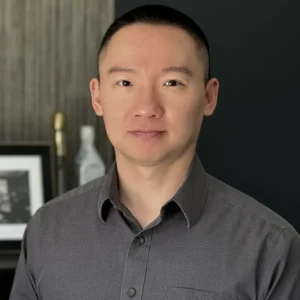
Dr. Vincent C.W. Chen is an Associate Professor in the Department of Exercise Science, Wellness and Sport at Georgian Court University, affiliated with the Hackensack Meridian Health School of Nursing and Wellness. His academic roles include teaching over 20 courses, including ES111, ES330, and ES350, while maintaining an active research agenda. He also serves as an Adjunct Associate Professor at the NJ-STEP Consortium. Education: Ph.D. in Health and Kinesiology (Texas A&M University, 2017); BS in Kinesiology (National University of Kaohsiung, 2005) Research Focus: Exercise Physiology, Nutrition, Muscle Biology, and Training Interventions His research explores topics like choline supplementation in aging adults, effects of resistance training on lipid profiles, and physiological responses to esports. He has secured grants from NASA NJSGC for projects on lymphatic massage, esports physiology, and pandemic impacts on health. Over 30 peer-reviewed publications and conference presentations reflect his expertise in muscle adaptation and nutritional strategies. Dr. Chen has held leadership roles, including Vice President of the North America Taiwanese Professors’ Association (2022–2023). His teaching spans exercise testing, sports nutrition, global health, and internship coordination. Research labs and teams involve collaborations with institutions like Texas A&M University and ongoing projects in applied exercise science.
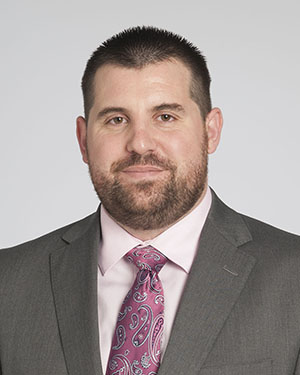
Dr. Antoine Louveau is an Assistant Professor of Molecular Medicine at the Cleveland Clinic Lerner College of Medicine at Case Western Reserve University (CCLCM-CWRU), where he serves as Principal Investigator of the Louveau Laboratory within the Lerner Research Institute. His research focuses on the critical interface between the brain and immune system, specifically investigating the role of meningeal lymphatic vessels in normal and pathological brain function. Dr. Louveau's research interests span multiple areas of neuroimmunology and neuroscience: Meningeal lymphatic system and its role in CNS immunity Neuroimmune interactions in neurological disorders Alzheimer's disease and multiple sclerosis pathogenesis Brain barriers and immune cell trafficking Neuroinflammation and therapeutic interventions His laboratory has made significant contributions to understanding how meningeal lymphatic vessels regulate CNS drainage and immune responses. Dr. Louveau's research has revealed connections between meningeal lymphatic dysfunction and neurological disorders including Alzheimer's disease and multiple sclerosis. His team has demonstrated how meningeal lymphatics impact microglial responses and the efficacy of immunotherapies for neurodegenerative conditions. Analysis of his publication record shows consistent focus on meningeal lymphatic structure, function, and therapeutic potential across neurological conditions. Dr. Louveau has received recognition as a "CIMER Trained Mentor," indicating completion of specialized mentorship training aimed at advancing mentoring relationships and promoting cultural change in research. As a principal investigator, Dr. Louveau mentors several trainees including postdoctoral fellows, graduate students, and undergraduate research students. His laboratory collaborates extensively with other researchers at Cleveland Clinic and beyond to investigate the complex relationships between the nervous and immune systems. The Louveau Laboratory is part of the Lerner Research Institute at Cleveland Clinic, a premier biomedical research institution that provides state-of-the-art facilities and resources for cutting-edge neuroscience research.
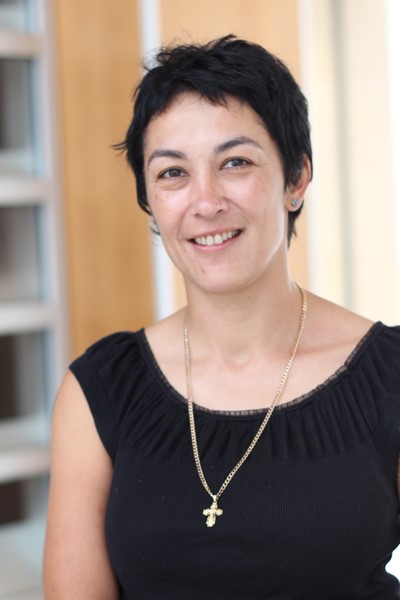
Laura Santambrogio is an Adjunct Professor in the Department of Pathology at Albert Einstein College of Medicine, affiliated with Weill Cornell Medicine. Her research focuses on antigen processing pathways, MHC class II presentation, and the role of lymphatic transport in immune tolerance. She investigates how aging impacts immune function and antigen presentation mechanisms. Key research areas include: Molecular analysis of endogenous/exogenous antigen pathways Lymph peptidome characterization and its role in self-tolerance Autophagy-mediated cytosolic antigen delivery to endosomes Impact of aging on dendritic cell antigen processing Her work bridges immunology with proteomics, exploring how tissue-derived peptides are transported via lymph and processed by antigen-presenting cells. Recent studies highlight aging-associated protein modifications and their effects on immune senescence. Selected publications (2011–2018) focus on antigen presentation mechanisms, autophagy pathways, and aging-related immunological changes. Collaborations include institutions like Weill Cornell, Montefiore, and international partners.
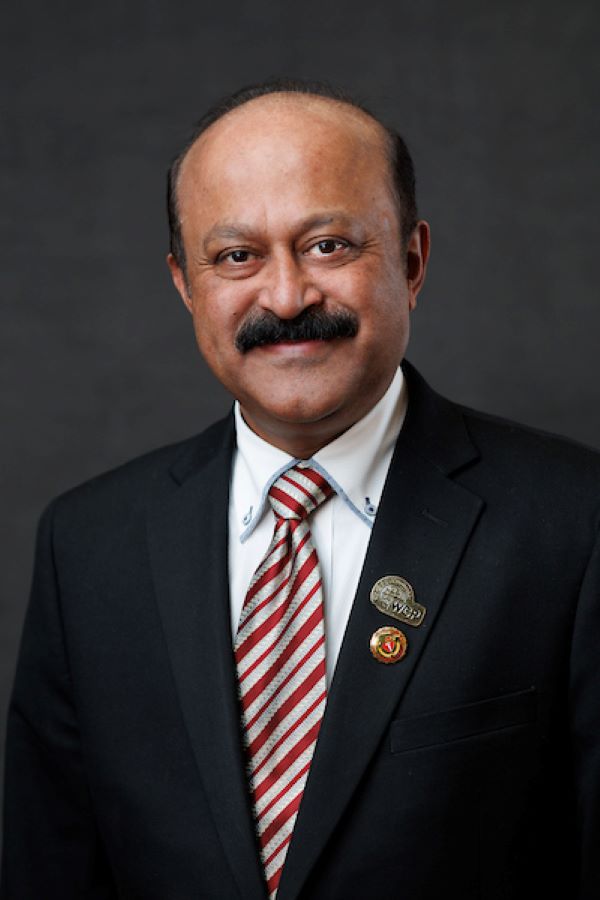
Ömer H. Yilmaz is the Eisen and Chang Career Development Associate Professor of Biology at the Koch Institute for Integrative Cancer Research at MIT and a gastrointestinal pathologist at the Massachusetts General Hospital and Harvard Medical School. He serves as Director of the MIT Stem Cell Initiative and leads a research laboratory focused on understanding how intestinal stem cells and their microenvironment adapt to diverse diets in tissue regeneration, aging, and cancer initiation and progression. Dr. Yilmaz graduated from the University of Michigan Medical School, where he performed thesis work under Professor Sean Morrison, followed by three years of postdoctoral training in Dr. David M. Sabatini's laboratory. Since establishing his lab in 2014, he has developed innovative approaches to model colon cancer progression. His research centers on the effects of dietary interventions on intestinal stem cell function, with key findings including how fasting, calorie restriction, and high-fat diets impact intestinal stem cell behavior and cancer development. His lab has pioneered CRISPR/Cas9 genome-edited intestinal cancer organoids and endoscopic methods for mucosal-directed genome editing to model the full spectrum of intestinal tumorigenesis from early lesions to metastasis. Dr. Yilmaz's publication record shows a consistent focus on diet-stem cell-cancer relationships, with recent work exploring polyamine-mediated stemness after fasting, SOX17's role in immune evasion of colorectal cancer, and metabolic pathways connecting dietary states to tumor behavior. His significant contributions have been recognized with prestigious awards: Harold Weintraub Award (2007) V Scholar Award (2015) Pew-Stewart Trust Fellowship (2016) Sidney Kimmel Fellowship (2016) Sabri Ulker International Science Prize (2018) AAAS Martin and Rose Wachtel Cancer Research Prize (2018) Dr. Yilmaz has mentored numerous postdoctoral fellows and researchers, with several former lab members now holding faculty positions at institutions including Columbia University and Arizona State University. His lab participates in Cancer Grand Challenges teams backed by $25 million funding to address critical questions in cancer research. The Yilmaz Lab employs cutting-edge organoid culture systems, CRISPR/Cas9 genome editing, and endoscopic techniques to study intestinal stem cell biology. Dr. Yilmaz collaborates extensively with researchers at Harvard Medical School, Duke University, and other institutions, with research directly relevant to developing dietary-based strategies for preventing and treating intestinal tract cancers.
Michelle Hook, PhD is an Associate Professor in the Department of Neuroscience & Experimental Therapeutics at the Texas A&M University School of Medicine. Her research focuses on the neurobiological and physiological consequences of spinal cord injury (SCI), with an emphasis on opioid-induced recovery impairment, depression/cognitive deficits, and bone loss. She holds a PhD from the University of New England (1998). Education : PhD in Neuroscience, University of New England, 1998 Research Interests : Dr. Hook’s lab investigates three core areas: (1) adverse effects of opioids (e.g., morphine, oxycodone) on SCI recovery mechanisms, including glial activation and neuronal death; (2) sex-dependent depression and cognitive deficits post-SCI, linking inflammatory biomarkers (e.g., cytokines, neurogenesis) to behavioral outcomes; and (3) sympathetic nervous system-driven bone loss via osteocyte dysfunction and marrow niche changes. Her work combines rodent models with translational strategies to identify adjuvants for opioid therapy, neuroprotective interventions, and bone preservation therapies. Key Contributions : Discovered that kappa opioid receptor antagonism mitigates morphine’s detrimental effects on SCI recovery Validated novel methods to assess depression-like behavior in SCI rats Identified osteocyte inflammation as a driver of post-SCI osteoporosis Future Directions : Expanding studies on gut-brain interactions in post-injury mood disorders, optimizing chemogenetic tools to modulate pain pathways, and developing implantable closed-loop systems for gait rehabilitation.
M. Nasir Uddin is a Research Associate Professor at Texas A&M University's Health Science Center College of Medicine, specializing in Medical Physiology. His research focuses on translational studies in maternal fetal medicine, particularly hypertension during pregnancy and ovarian cancer metastasis. He holds a PhD from Gifu University (Japan) and completed postdoctoral training at Texas A&M and Baylor Scott & White Healthcare. Education: B.Sc. (Hons) and M.Sc. in Biochemistry and Molecular Biology, University of Dhaka, Bangladesh (1988 & 1990) PhD in Molecular Biology, Gifu University, Japan (2000) Postdoctoral Fellow, Japan Society for Promotion of Science in Molecular Medicine (2003-2005) Postdoctoral Research Associate/Assistant Research Scientist at Texas A&M Health Science Center (2006-2010) Research Interests: Dr. Uddin’s lab investigates pathogenic mechanisms of preeclampsia (focusing on marinobufagenin and angiogenic imbalance) and novel therapeutic targets for ovarian cancer metastasis. He uses rodent/small monkey models, cell lines, and patient studies, collaborating with institutions like Baylor Scott & White Healthcare. Key Scientific Contributions: His work has identified marinobufagenin as a key biomarker for preeclampsia and explored pravastatin’s protective effects on cytotrophoblasts. He also discovered a novel inhibitor for ovarian cancer metastasis using plant-derived compounds like trimethylquercetin. Awards & Recognition: Not explicitly listed but includes FAHA (Fellow of the American Heart Association). Labs/Teams: Leads a multidisciplinary lab integrating molecular biology, pharmacology, and clinical research in maternal health and oncology. Collaborators include David Zawieja (lymphatic physiology), Thomas Kuehl (vascular biology), and others.
Guillermo Oliver , PhD, is the Thomas D. Spies Professor of Lymphatic Metabolism and Professor of Medicine (Nephrology and Hypertension) at Northwestern University Feinberg School of Medicine . He leads the Center for Vascular & Developmental Biology and the Oliver Lab, focusing on lymphatic vasculature development, forebrain, and eye morphogenesis. His work employs mouse models, 3D organ cultures, stem cells, and iPSCs. PhD, University of Uruguay (1990) Research Interests span lymphatic vasculature in health and disease, including its role in obesity, cardiovascular disease, inflammation, hypertension, atherosclerosis, glaucoma, and neurological disorders. His lab discovered transcription factor Prox1 as a lymphatic marker and its role in maintaining lymphatic cell identity. Recent work explores mitochondrial respiration's role in lymphatic development and Reelin in cardiac repair. Key Publications reveal groundbreaking findings on lymphatic-endothelial cell fate, VEGFC/D signaling in coronary lymphangiogenesis, lactate's role in eye development, and Reelin's therapeutic potential for cardiac diseases. His lab's studies link lymphatic defects to adult-onset obesity and Alzheimer's disease. Scientific Awards : Fundacion Jesus Sierra Visiting Scientist (2022) NAVBO Meritorious Earl P. Benditt Award (2021) Elected Member, Academia de Ciencias de America Latina (2020) External Board Member, Latin America Society for Developmental Biology (2019) AAAS Fellow (2011) Lymphatic Research Foundation Leadership Award (2008) Advising & Collaborations : Mentored 15+ lab alumni now in academia, industry, and research institutions across four countries. Current editorial roles include Journal of Clinical Investigation , Science Advances , and advisory panels for NIH-NHLBI and the Leducq Foundation. Funded by NIH O’Brien Kidney Center and Transatlantic Networks of Excellence grants.
Dr Leonid Nikitenko is a Lecturer in Biomedical Sciences at Hull York Medical School, University of Hull. His interdisciplinary research bridges biology, medicine, and computer science, focusing on endothelial cell roles in chronic diseases including cancer, idiopathic pulmonary fibrosis (IPF), cardiovascular disorders, and lymphoedema. He employs platform technologies like proteomics and genomics for early cancer detection, with a dedicated website ( www.endothelial-cell.com ) showcasing his work. Former lab alumni now hold positions at top institutions including Oxford, Warwick, and London-based hospitals and biotech companies. His research spans: Endothelial cell reprogramming in disease states Angiogenesis mechanisms in cancer and fibrosis Proteomic and genomic profiling for diagnostic signatures Coagulation-cancer axis in tumor vascularization GPCR signaling in vascular pathologies Recent publications highlight his work in: Quantitative proteomics of CLR interactome (2024) MAPK phosphorylation dynamics in endothelial cells (2023-2024) Single-cell RNA sequencing of aging lung endothelium in IPF (2022) Mechanistic studies on anticoagulant therapies in oncology (2019) Dr Nikitenko's work at the Hull Molecular Imaging Centre contributes to understanding vascular biology across multiple pathologies, with translational applications in diagnostic development and therapeutic targeting.
Alexander Gow is Professor of Molecular Medicine and Genetics, Pediatrics, and Neurology at Wayne State University, focusing on neurodegenerative diseases and white matter disorders. His research spans multiple disciplines including molecular genetics, neuroscience, and computational biology. PhD from University of Queensland (1990) Charles H. Gershenson Distinguished Fellow Associate Director, Center for Molecular Medicine and Genetics His research explores: Protein misfolding in Pelizaeus-Merzbacher disease Unfolded Protein Response (UPR) in neurodegeneration Claudin-11 protein's role in myelin and auditory function Drug development pipelines for neurodegenerative disorders Mouse models for white matter diseases Computational modeling of neural systems Recent publications focus on myelin integrity analysis, neurodegenerative modeling, and AI applications in biomedical research. Notable collaborations include researchers from Biomedical Engineering, Psychiatry, and Otolaryngology departments at Wayne State University. Scientific awards include multiple Research Excellence Awards from Wayne State University (2004, 2009, 2013) and the Charles H. Gershenson Distinguished Fellowship (2010).
Jorge A. Castorena, PhD, is an Assistant Professor in the Department of Pharmacology at Tulane University School of Medicine, where he leads research on lymphatic system function and dysfunction. His academic journey began with Bachelor's and Master's degrees in Physics from Universidad de Guanajuato in México, followed by a PhD in Bioengineering from the University of Missouri. After completing a postdoctoral fellowship under Dr. Michael J. Davis at the University of Missouri School of Medicine, he served as a Research Assistant Professor before joining Tulane University in 2020. Dr. Castorena's research program focuses on understanding the mechanisms through which the lymphatic system becomes dysfunctional and contributes to cardiovascular diseases. His lab investigates the critical relationship between obesity and lymphatic dysfunction, as well as the effects of aging on lymphatic system function. The lymphatic system serves multiple vital roles including returning interstitial fluid to circulation, immune cell trafficking, dietary lipid absorption, and unfortunately, serving as a pathway for cancer metastasis. His laboratory employs a sophisticated array of techniques including simultaneous multi-channel confocal microscopy for intracellular calcium imaging, pressure myography on isolated lymphatic vessels from animal models and humans, lymphatic primary cell cultures, and electron microscopy. The lab also develops innovative computational tools for automated data and image analysis, reflecting Dr. Castorena's strong physics and engineering background. Analysis of Dr. Castorena's publication record (2020-2025) reveals a strong focus on lymphatic physiology, with particular emphasis on calcium signaling mechanisms, lymphatic valve function, and the impact of metabolic stress on lymphatic contractility. His work frequently examines the role of specific ion channels (KATP, TRPV4, T-type calcium channels) and connexin proteins in lymphatic function. Recent publications demonstrate expanding research into connections between lymphatic function and neurological conditions via the glymphatic system. Dr. Castorena serves as a TIPS Mentor in Tulane's Biomedical Sciences Graduate Program, providing research opportunities for students interested in vascular biology, lymphatic physiology, and related interdisciplinary fields. His lab offers comprehensive training in advanced physiological techniques and computational analysis methods, preparing students for careers at the intersection of engineering, physics, and biomedical sciences.
Heather Himburg, PhD, serves as Professor in the Department of Radiation Oncology at the Medical College of Wisconsin (MCW), where her research focuses on radiation biology and therapeutic development for radiation injury mitigation. Her work bridges translational science and clinical applications in radiation oncology. Education: PhD in Biomedical Engineering, Duke University, 2005 MS in Biomedical Engineering, Ohio State University, 2001 BS in Physics, Miami University, 1998 Research Focus: Dr. Himburg's laboratory investigates acute and delayed radiation effects on multiple organ systems, with specialization in vascular injury mechanisms and bone marrow microenvironment dynamics. Her team develops countermeasures for hematopoietic acute radiation syndrome and studies cancer stem cell biology to improve radiation therapy safety. Current projects target radioprotective therapeutics for bone marrow, heart, lung, and kidney tissues using preclinical models established by MCW emeritus researchers Meetha Medhora and John Moulder. Publication Analysis: Her 2024-2025 publications reveal dominant themes in head and neck cancer therapeutics, radiation-induced organ toxicity, and immune modulation. Key trends include molecular radiosensitization strategies (CXCL12 pathways), advanced imaging for treatment response monitoring, and novel countermeasures for radiation syndromes. The work consistently integrates translational approaches from in vitro models to rodent studies, emphasizing clinical applicability in radiation oncology. Laboratory Structure: The Himburg Laboratory (MFRC 4072/4004 lab, 4076 office) operates as a collaborative hub with Brian Fish directing the Precision Irradiation Core. The team comprises research scientists, technologists, and coordinators specializing in vascular biology, stem cell assays, and radiation countermeasure development, supporting MCW's radiation oncology research infrastructure through the ROCKET Program.
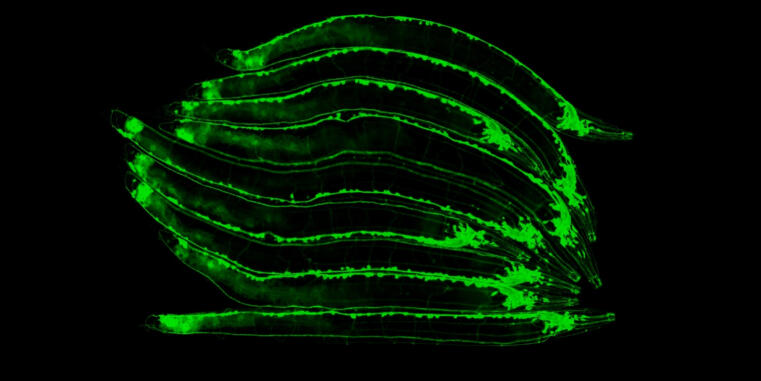
Prof. Dr. Eva Liebau is a Professor and Group Leader at the Institute for Integrative Cell Biology and Physiology, University of Münster, Germany, specializing in Molecular Physiology. She leads an active research group investigating glutathione metabolism, oxidative stress response, and parasitic nematodes, with significant involvement in the SãMBio German-Brazilian double degree program with the University of São Paulo. Her research focuses on the molecular mechanisms of genetic adaptation to xenobiotic compounds and oxidative stressors, using Caenorhabditis elegans as a model organism. Her work spans environmental stress response, thiol-based redox signaling, glutathione-related enzymes, regulation of translation, and the secretome of parasitic nematodes. She has made significant contributions to understanding the UFM1 cascade, a posttranslational modification system highly conserved in multicellular organisms. Prof. Liebau's recent publications reveal a strong trend toward anthelmintic drug discovery using natural compounds and plant extracts, with particular emphasis on understanding the mechanisms of action against parasitic nematodes. Her work bridges basic molecular research with applied parasitology, contributing to both fundamental understanding of stress responses and potential therapeutic applications. She actively supervises PhD and MSc students including Emma Schröder and Luka Ressmann, and collaborates extensively with international partners including the Institute of Biomedical Sciences at the University of São Paulo, the Institute of Pharmaceutical Biology and Phytochemistry at the University of Münster, and the Redox Homeostasis Group at the Institute of Biomedicine of Seville. Prof. Liebau is affiliated with multiple research networks including Cells in Motion, CRC 1009 (Breaking Barriers), CRC 1348 (Dynamic Cellular Interfaces), CRC 1459 (Intelligent Matter), and CRC 944 (Physiology and Dynamics of Cellular Microcompartments), and participates in several PhD programs including CiM-IMPRS, IRTG Graduate School, and SP BioSciences.
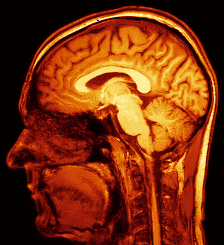
Professor Franklyn Howe serves as Professor of Magnetic Resonance Imaging and Director of the Neuroscience & Cell Biology Research Institute at City St George's, University of London (formed from the August 2024 merger of St George's, University of London and City University of London). With a career spanning since 1988 at St George's, he has established himself as a leading expert in multimodal MRI applications for disease diagnosis and treatment monitoring, particularly in brain tumor analysis. His work bridges physics, medical imaging, and clinical applications across multiple disease areas. Professor Howe earned his BA in Physics from the University of Oxford, followed by a DPhil on 'Magnetisation and microwave absorption in rare earth metal alloys' from the same institution in 1984. He completed postdoctoral research evaluating MRI contrast agents at St Bartholomew's Hospital and in MR image analysis at the Royal Postgraduate Medical School (now part of Imperial College School of Medicine) before joining St George's. Howe's research centers on developing automated analysis of multimodal MRI to aid diagnosis of brain tumors, using various MRI methods including perfusion and diffusion imaging for structural and functional information, and magnetic resonance spectroscopy (MRS) for biochemical data. He applies pattern recognition techniques to optimally combine data from different MRI methods, aiming to develop biomarkers for diagnosis, prognosis assessment, and treatment response monitoring. His work extends beyond brain tumors to dementia, Tourette syndrome, cerebrovascular disease, chronic obstructive pulmonary disease, lupus, lymphedema, osteoarthritis, and normal aging. In 1992, he was instrumental in developing MR Neurography at St George's, a non-invasive method for detailed nerve imaging. Analysis of Professor Howe's recent publications (2021-2024) reveals consistent focus on advancing MRI techniques across multiple clinical applications. His work demonstrates strong interdisciplinary collaboration, with significant contributions to lymphatic imaging, brain tumor characterization, neurodegenerative disorders, and quantitative MRI methodology. The publications show progression from fundamental technical improvements in MRI acquisition and processing toward increasingly sophisticated clinical applications, particularly in neuroimaging and vascular disorders. Chair of ISMRM MRS Study Group Co-founder and Chair of Pediatric MR Study Group Long-standing member of International Society of Magnetic Resonance in Medicine Professor Howe actively supervises lab-based MRes and BSc student research projects and library-based Special Study Courses on Biomedical Applications of Magnetic Resonance. He has secured substantial research funding from diverse sources including the Medical Research Council, Cancer Research UK, Alzheimer's Research UK, and St George's Hospital Charity. His collaborative approach is evident in the wide range of clinical research studies he participates in across multiple departments. As Director of the Neuroscience & Cell Biology Research Institute, Howe leads a research team including Ian Storey (Image Analyst) and Mike Mills (MRI physicist). He maintains extensive collaborations within St George's with Dr Thomas Barrick, Dr Atticus Hainsworth, Mr Timothy Jones (Neurosurgery), Dr Jeremy Isaacs (Neurology), Dr Pia Ostergaard, Prof Sahar Mansour (Clinical Genetics), Prof Nidhi Sofat (Rheumatology), and Mr Michael Hart (Neurosurgery), creating a robust interdisciplinary research environment focused on translating MRI advances into clinical practice.