Professor Beata Zarzycka, affiliated with the John Paul II Catholic University of Lublin , serves as a leading academic in the Department of Social Psychology and Psychology of Religion under the Faculty of Social Sciences . Her research bridges psychology and religious studies, focusing on spiritual well-being, religious coping, meaning-making processes, and mental health in Polish Catholic contexts. Over her career, she has explored faith transitions, therapeutic relationships, and the psychological impact of pandemics and chronic illness. Her publications span topics like deconversion in adolescence , religiosity and life satisfaction in seniors, and spiritual struggles in healthcare workers . She has validated key psychological scales (e.g., Religious Comfort and Strain) for Polish populations and investigated MMPI-2 and 16PF-5 in predicting religious vocation outcomes. Her work often employs mediation and moderation models to uncover complex psychological-spiritual dynamics. Recent studies include 2024 articles on parental attachment and adolescent deconversion, and 2023 work on religious support networks. She has received national honors like the Bronze Medal for Long Service and KEN Medal , reflecting her contributions to psychology and religious studies. Her peer-review activities for journals like International Journal for the Psychology of Religion and Roczniki Psychologiczne further highlight her academic leadership.
Rev. Prof. Dr. Hab. Marian Nowak (born 1955) is a Professor at the Department of General Pedagogy, Institute of Pedagogy , within the Faculty of Social Sciences at the John Paul II Catholic University of Lublin . His academic focus lies in personalistic Christian pedagogy , emphasizing human dignity, transcendence, and axiological foundations. Education : Ph.D. in Pedagogy (Salesianum University, Rome, 1989); habilitation in Pedagogy (Adam Mickiewicz University, Poznan, 1999). Roles : Director of the Pedagogy Institute (2000-2008, 2012-2019); Vice-Dean at KUL (2008-2012); President of the Christian Pedagogy Committee (2004-2019) and Section of Christian Pedagogy (2019-present). His research interests include: Personalistic Pedagogy (8 books, 15+ peer-reviewed articles in journals like PAEDAGOGIA CHRISTIANA ). Educational Axiology (2021 analysis of dignity in student-educator dynamics). Teacher Training (2022 work on ethical foundations for modern education). Resocialization and Ethics (2016 exploration of forgiveness, 2013 studies on human values). Key scientific contributions span systemic educational approaches (2024), pandemic-era family pedagogy (2023), and Martha Nussbaum’s capabilities theory in prisoner rehabilitation (2022). His 15 most recent articles (2010-2024) address spirituality in education, religious pedagogy, and axiological challenges. Scientific Leadership : Co-editor, Encyclopaedia of Pedagogy of the XXI Century (8 volumes). Editor-in-chief of Education and upbringing – Post-pandemic transformation (2023). Academic advisory roles for journals like Ruch Pedagogiczny (2017) and PAEDAGOGIA CHRISTIANA . Organized international ACISE conferences (2022) and national seminars on pedagogical methodology. Full Description : Rev. Prof. Nowak’s career intertwines academic rigor with clerical service . After ordination and roles as a priest, religion teacher, and prison chaplain, he joined KUL in 2001 as a Professor of General Pedagogy. His scholarly output includes 6 sole-authored books (e.g., Foundations of Christian Pedagogy , 1985; Theories and Concepts of Education , 2008) and 30 co-authored works. As a mentor, he has supervised 35 doctoral students. His international collaborations include research stays in Louvain (Belgium, 1994/1995) and ACISE conferences in France, Italy, and Scotland. Awards include leadership in Polish and Catholic educational commissions and recognition for advancing personalistic pedagogy through publications, conferences, and editorial work. Current projects focus on systemic educational collaboration and post-pandemic pedagogical adaptation.
Dr. Andy Nguyen is a Senior Lecturer in Structural Engineering at the University of Southern Queensland, within the School of Engineering. He is an active researcher and educator, specializing in the Structural Health Monitoring (SHM) of critical civil infrastructure such as bridges, buildings, and transport tunnels. Bachelor of Engineering (BEng), NUCE, 1999 Master of Engineering (MEng), NUCE, 2003 Doctor of Philosophy (PhD), Queensland University of Technology (QUT), 2014 Dr. Nguyen's research is at the forefront of integrating advanced technologies into civil engineering. His primary focus is on developing and deploying sophisticated SHM systems that utilize sensors, data analytics, and machine learning to provide real-time insights into the structural integrity of ageing infrastructure. His work aims to enable proactive maintenance, extend the lifespan of structures, and enhance public safety. He has successfully implemented monitoring systems on major bridges and high-rise buildings in Queensland and New South Wales, with systems capable of even detecting distant earthquake events. His research interests span Structural Health Monitoring, Machine Learning for Engineering, Damage Detection, Finite Element Model Updating, Sustainable Building Materials like bamboo, and the application of AI for automated condition assessment of transport infrastructure. The analysis of his recent publications reveals a strong and consistent research trajectory centered on the application of data-driven and AI methods to solve practical problems in civil infrastructure. His work frequently combines signal processing techniques (like Stockwell Transform) with deep learning models for tasks such as crack detection in concrete and pavement. He also conducts significant research on model updating for complex structures like cable-stayed and arch bridges, using vibration data and optimization algorithms. The integration of machine learning for overload classification and the development of cost-effective, automated monitoring systems are key trends in his recent output. Advanced Queensland Fellow (2024-2027) Dr. Nguyen is actively involved in research supervision and collaboration. He is currently supervising several postgraduate students on projects related to AI-powered condition assessment, bamboo as a sustainable building material, and railway track design. He receives research funding from the Queensland Government through his Advanced Queensland Fellowship. His research has direct practical applications, as evidenced by his public engagement, such as writing for The Conversation on safeguarding ageing bridges, and his work with the Australian Network of Structural Health Monitoring. Dr. Nguyen's work embodies the development of a next-generation 'Living' Laboratory for engineering education, where research, teaching, and real-world infrastructure monitoring are integrated. His current projects involve creating smart, automated fault detection systems and advancing 'digital twin'-based monitoring platforms for infrastructure.
Nandini Gupta is a Professor in the Department of Electrical Engineering at the Indian Institute of Technology Kanpur . Her research focuses on high voltage engineering, dielectric materials, and plasma discharges. Education : PhD (1998) and ME (1994) from Indian Institute of Science, Bangalore; BE (1991) from Jadavpur University, Kolkata Her work explores dielectric and insulation systems , nanoparticle-enhanced materials , and space charge dynamics in polymers. She has contributed to understanding surface degradation in nanodielectrics and plasma discharge phenomena . Recent publications analyze electric tree progression , nanofiller effects on epoxy resin, and charge transport mechanisms in insulating polymers.
Gerd Althoff is a distinguished Professor of Medieval History at the University of Münster, where he has served as Director of the Institute for Early Medieval Studies since 1997. He is actively involved in the Cluster of Excellence "Religion and Politics in Pre-Modern Cultures," leading research projects on religious categories of historical interpretation and the role of the Church in political decision-making. Previously, he held professorships at the universities of Bonn (1995) and Gießen (1990), establishing himself as a leading authority in medieval studies across German academia. Althoff's academic journey began with his Abitur at Amtsgymnasium Ibbenbüren in 1963, followed by studies in History and German Studies at the universities of Münster and Heidelberg (1965-1970). He earned his PhD from the University of Münster in 1974, served as an Assistant Lecturer at the University of Freiburg/Breisgau (1974-1980), and completed his postdoctoral lecture qualification (Habilitation) at the same institution in 1981. His academic career spans over five decades, marked by significant contributions to medieval historiography. Professor Althoff's research focuses on the intricate dynamics of medieval power structures, particularly examining how rituals, symbolic communication, and conflict resolution shaped political authority in the Middle Ages. His work explores the interplay between religious and secular power, with special attention to the Ottonian and Salian periods of German history. He investigates how medieval societies conceptualized divine justice, royal authority, and the mechanisms of trust-building that maintained social cohesion. His approach combines meticulous archival research with theoretical frameworks from sociology and communication studies, offering fresh perspectives on medieval political culture. Althoff's extensive publication record reveals a consistent focus on how power was negotiated, displayed, and maintained through ritualized practices in medieval Europe. His recent works demonstrate growing interest in the religious dimensions of historical interpretation, particularly how medieval thinkers understood divine intervention in worldly affairs. The recurring themes across his scholarship include the fluid boundaries between church and state, the performative aspects of political authority, and the evolving structures of medieval governance. His comparative approach, examining both German and broader European contexts, has significantly advanced our understanding of medieval political culture. Research Prize of the University of Münster (2005) Throughout his career, Professor Althoff has supervised numerous doctoral students whose work reflects his diverse research interests, from political rituals to religious authority in medieval Europe. His leadership extends to major collaborative research initiatives, including serving as Spokesperson for the Cluster of Excellence "Religion and Politics in Pre-Modern Cultures" (2007-2011) and as co-initiator and speaker of Collaborative Research Centre 496 "Symbolic Communication and Social Value Systems from the Middle Ages to the French Revolution" (1997-2003). His international recognition is evidenced by invitations as Visiting Professor at prestigious institutions including the École des Hautes Études en Sciences Sociales in Paris (1998) and the University of California, Berkeley (1995). As Director of the Institute for Early Medieval Studies at the University of Münster, Althoff has fostered a vibrant research environment focused on interdisciplinary approaches to medieval studies. His institute has been instrumental in advancing the field through graduate programs including "Written Culture and Society in the Middle Ages" and "Social Symbolism in the Middle Ages." The collaborative research culture he has cultivated continues to produce significant scholarship on medieval political, religious, and social structures.
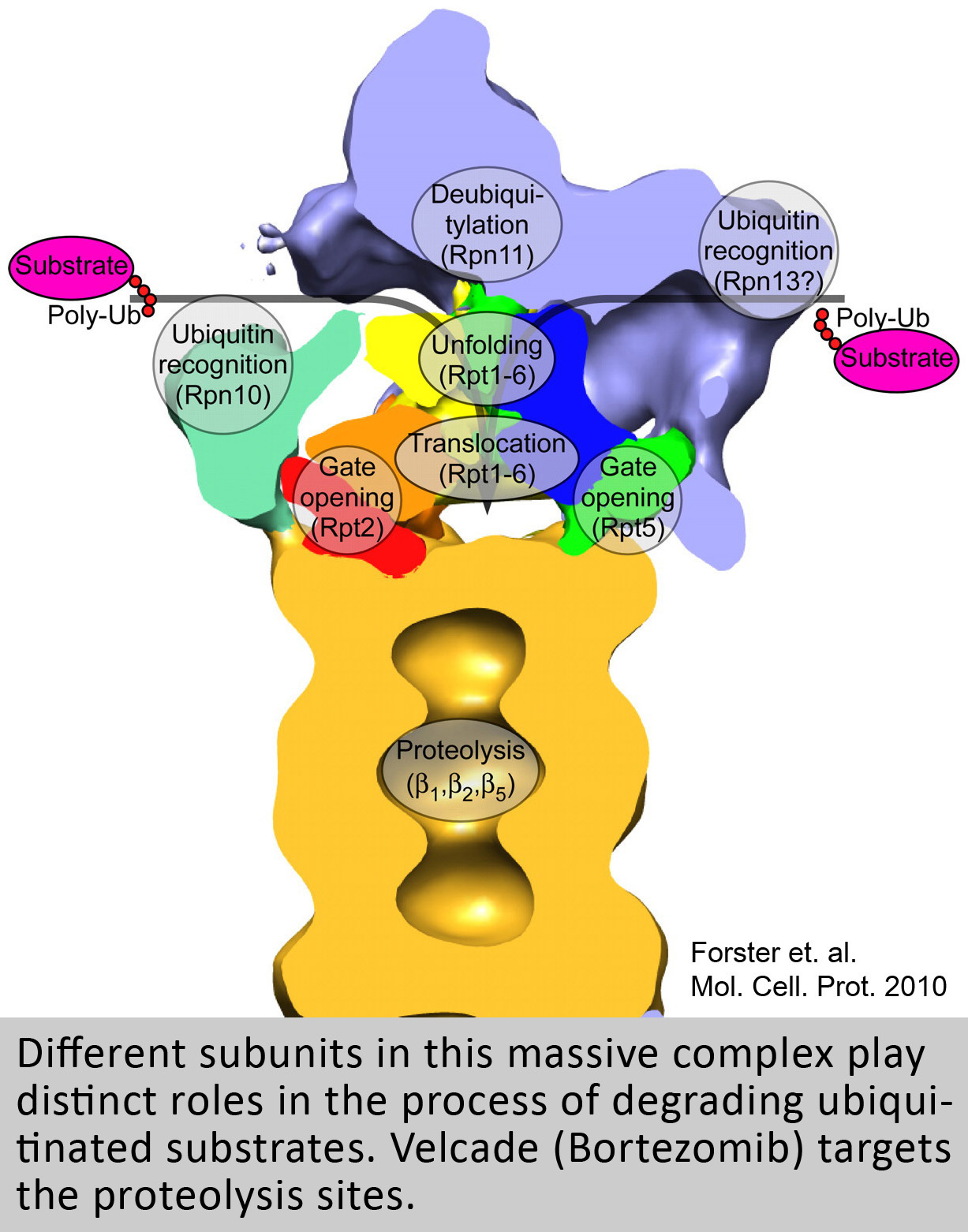
David M. Smith is a Professor at the West Virginia University School of Medicine , holding dual appointments in the Biochemistry and Molecular Medicine and Neuroscience departments. He is also a member of the WVU Cancer Institute and affiliated with the Rockefeller Neuroscience Institute . PhD from the University of South Florida School of Medicine Postdoctoral training at Harvard Medical School Research Focus : Molecular mechanisms of proteasome function, including substrate recognition, unfolding, and degradation. His work bridges fundamental enzymology with translational applications in cancer therapy and neurodegenerative diseases like Alzheimer's and Parkinson's. Key Article Trends : Recent publications emphasize proteasome activation mechanisms , neurodegenerative disease models , and structural insights into ATPase function . Grants : NIH R01 GM107129 (Mechanisms regulating proteasomal degradation), NIH R01 AG064188 (Proteasome function in Alzheimer's), and collaborations on projects like Protein-unfolding chaperones for blindness treatment . Lab Personnel : Includes graduate students Thomas Bradley, David Salcedo-Tacuma, Giovanni Howells, and Md Qamrul Islam, along with research technicians and undergraduates. Training emphasizes biochemical, biophysical, and computational techniques.
Irith Pomeranz is the Cadence Professor of Electrical and Computer Engineering at Purdue University's College of Engineering. Her research focuses on advanced testing methodologies for VLSI circuits, including functional test compaction, fault diagnosis, and built-in self-test (BIST) techniques. She is affiliated with the Department of Electrical and Computer Engineering and has contributed extensively to improving test efficiency and fault coverage in digital circuits. Her work addresses challenges such as aging effects, transition faults, and path delay faults, with a particular emphasis on practical implementations for industrial applications. Key areas of interest include modular test sequences, configuration-based compaction, and dynamic testing strategies for in-field environments. She has developed algorithms for dual-target diagnostic testing and synchronization mechanisms for online fault detection in logic blocks. Research Trends in her publications emphasize innovations like storage-based BIST schemes, adaptive test scheduling, and shared test data architectures. These advancements aim to reduce test data volume, improve fault coverage, and enhance reliability in modern integrated circuits. Her work often bridges theoretical foundations and practical hardware implementations. Grants & Advising : While specific grants or student advisees are not listed, her prolific publication record indicates active involvement in research projects and graduate supervision within Purdue's ECE department. Labs & Teams : Her contributions are likely tied to Purdue's VLSI and testing research groups, though specific lab affiliations are not detailed in the provided text.
Kat Haynes is an Honorary Fellow at the School of Earth, Atmospheric and Life Sciences (SEALS) at the University of Wollongong. Her research focuses on environmental change, disaster risk reduction, and community resilience through participatory processes. She holds a Ph.D. in Environmental Sciences from the University of East Anglia (2005). Her work emphasizes youth and community-centered initiatives, including post-disaster investigations in Australia and volcano risk communication in Montserrat. Haynes has received significant recognition, including the Australian Academy of Science ASPIRE Award (2015) for contributions to disaster risk reduction and climate adaptation. She leads or collaborates on grants such as the NSW Bushfire Inquiry (2021), Re-walking and Reawakening Country (2021), and Indigenous cultural burning research (2020). She has advised on multiple higher-degree research projects, including geochemistry studies of historical fires. Her research spans natural hazards, environmental management, and human geography, with a focus on wildfire management, flood risk communication, and elderly resilience during disasters. She collaborates with government and NGOs to institutionalize child-centric disaster resilience strategies. Haynes also contributes to global initiatives like the Centre for Environmental Risk Management of Bushfires and has published extensively on disaster preparedness and recovery.
William Hall is an Assistant Professor in the Psychology Department at Brock University. His research focuses on social identity threat, diversity, and inclusion, particularly examining how interpersonal interactions and organizational norms affect marginalized groups in STEM fields. He holds a Ph.D. from the University of British Columbia (UBC). His research explores how workplace cultures and policies can mitigate social identity threat for women and other underrepresented groups. Key areas include gender dynamics in STEM, organizational inclusion strategies, and the psychological impacts of implicit biases. He has published extensively in journals like Journal of Personality and Social Psychology and Social Psychological and Personality Science . William’s work emphasizes the interplay between individual experiences and systemic structures, advocating for identity-safe environments that foster belonging and reduce burnout. His lab website highlights ongoing projects and collaborations. No scientific awards are explicitly listed, but his contributions to organizational psychology are notable. He advises no listed students but collaborates on grants exploring workplace inclusion and gender equity.
Hina Tabassum is an Associate Professor at the Lassonde School of Engineering , York University, Canada, specializing in 5G/6G wireless communications and sensing applications. She was awarded the York Research Chair in 2023 for her work in 5G/6G-enabled mobility and sensing. Areas of Expertise: THz communications, WiFi sensing, and multi-band wireless systems Editorial Roles: Area Editor for IEEE OJCOMS and Associate Editor for multiple IEEE journals Research Focus : Ultra-reliable low-latency communication Reconfigurable intelligent surfaces (STAR-RIS) Machine-type communications Energy-efficient network design Scientific Recognition : Stanford's Top 2% World Researchers (2021-2024) Lassonde Innovation Early-Career Researcher Award (2023) N2Women Rising Stars (2022) Multiple IEEE Exemplary Editor/Reviewer Awards
Dr. Thomas A. Cooper is an Associate Professor at the Lassonde School of Engineering, York University, specializing in Mechanical Engineering. He focuses on solar energy systems, integrating thermal science, optics, and materials to develop technologies for solar energy conversion into electricity, heat, and fuels. His research has received international recognition through awards and fellowships. BASc (University of Toronto) MSc & DrSc (ETH Zurich) Research interests include solar concentrators, high-temperature materials, and thermochemical processes. His work spans fundamental and applied domains, such as radiation heat transfer , nonimaging optics , and CO2 capture materials . Recent publications highlight his innovation in solar thermal desalination, aerogel composites, and Martian dust conversion. Key article trends demonstrate expertise in concentrated solar power (2023), nonimaging optical design (2022), plasmonics (2017), and thermochemical redox cycles (2016). Collaborative projects with institutions like Synhelion AG and Toronto Metropolitan University emphasize interdisciplinary and industrial applications. ASME Solar Energy Graduate Student Award ETH Medal Hans Eggenberger Prize Chorafas Prize NSERC PGS-M/D Fellowships Swiss National Science Foundation Fellowship The CooperLab at York University houses advanced facilities for solar simulation, thermal testing, and spectroscopy. Active projects funded by NSERC, CFI, and Lassonde Innovation Fund explore photothermal materials, CO2 capture, and Martian resource utilization. The lab advises graduate researchers like Matteo Timpano and Niknaz Atashdehghan.
Karen Freiberg is Senior Lecturer Emerita at the University of Maryland, Baltimore County's Department of Psychology. She holds a Ph.D. in Developmental Psychology from Syracuse University (1974) and specializes in health psychology and physiological psychology. Education: Ph.D. in Developmental Psychology, Syracuse University, 1974 Research Interests: Dr. Freiberg focuses on health psychology, physiological psychology, and educational resource development. She has authored several textbooks on developmental psychology. Publications: Her works include comprehensive textbooks covering human development across the lifespan, with editions recognized by the American Nurses Association.
Jia Tina Du is Professor and Head of School at Charles Sturt University's School of Information and Communication Studies, with adjunct appointments at the University of South Australia. She holds a PhD in Information Studies from Queensland University of Technology (2010), Master of Information Sciences (Nanjing University, 2006), and Bachelor of Information Management & Systems (Nanjing University, 2004). Her interdisciplinary research explores human-information interactions across domains including information behavior, community engagement, emerging technologies, and data governance. Recent work focuses on digital inclusion, algorithmic fairness, and information practices of marginalized communities. Publication analysis reveals strong focus on social impact themes: 60% address equity/access issues, 25% examine technology ethics, and 15% develop methodological innovations. Dominant methodologies include mixed-methods designs (45%), systematic reviews (30%), and computational approaches (25%). Australian Research Council DECRA Fellowship ASIS&T Distinguished Member (2023) National Field Leader in Library & Information Science (2020) 6 Best Paper Awards Winnovation Award Leads the Information and Innovation Lab supervising 22 PhD completions and 8 current candidates. Research has attracted AUD$1.9M+ in competitive funding. Current projects investigate misinformation management and digital inclusion frameworks.
Jason Stearns is an Associate Professor in the Department of International Studies at Simon Fraser University's School for International Studies. He specializes in African political dynamics, with a focus on the Democratic Republic of Congo (DRC), civil war, human rights, and international relations. His research examines conflict drivers, UN peacekeeping efficacy, and humanitarian intervention impacts. Education: Ph.D. in Political Science, Yale University (2016) M.A. in International Relations, Yale University (2011) B.A. in Political Science, Amherst College (2001) Research Interests: Stearns explores the interplay between social, economic, and political trends in Africa's conflict landscapes. His work analyzes how urbanization, state privatization, Chinese influence, and fluctuating foreign aid reshape contentious politics (both peaceful and violent). He emphasizes the role of ideology and cultural narratives in shaping visions of societal justice post-Cold War. Key Projects: He founded the Congo Research Group (CRG) in 2014, based at NYU, which investigates DRC conflicts, amplifies Congolese voices, and promotes policy accountability. CRG has produced reports on Beni massacres, Kasai region violence, presidential family asset investigations, and the Kivu Security Tracker with Human Rights Watch. Grants & Advising: No specific grants are highlighted in the text, but his work with CRG and institutions like the UN Group of Experts demonstrates extensive field and policy engagement. No formal advisees are listed. Labs/Teams: Leads the Congo Research Group, collaborating with Human Rights Watch and international think tanks to document violence and inform policy.
Dr. Lori McKee is an Associate Professor and Graduate Chair in the Department of Curriculum Studies at the University of Saskatchewan's College of Education. With 20 years of elementary teaching experience, her work bridges classroom practice and academic research in literacies, pedagogies, and teacher professional learning. She specializes in multimodal pedagogies, intergenerational learning, and equity-centered literacy instruction. Education: Ph.D. in Multimodal Pedagogies, Western University (2018) M.Ed. in Multiliteracies and Multilingualism, Western University (2013) B.Ed. in Primary-Junior Education, Queen’s University (1997) B.A.Sc. in Child Studies, University of Guelph (1996) Research Interests: Dr. McKee’s research focuses on literacies education across diverse contexts, including: Intergenerational learning programs connecting elders and children Equitable pedagogical strategies for literacy instruction Professional development for teacher educators Integration of digital and multimodal tools in teaching Teaching Contributions: She teaches graduate courses in curriculum research and project design, as well as undergraduate courses in elementary English Language Arts and literacy assessment. Her pedagogy emphasizes reflective practice and adapting instruction to contemporary educational challenges. Collaborations: Engages with schools, elder care facilities, and teacher communities to co-design curricula. Active in national and international research networks, including the Reading Pedagogies of Equity Project.