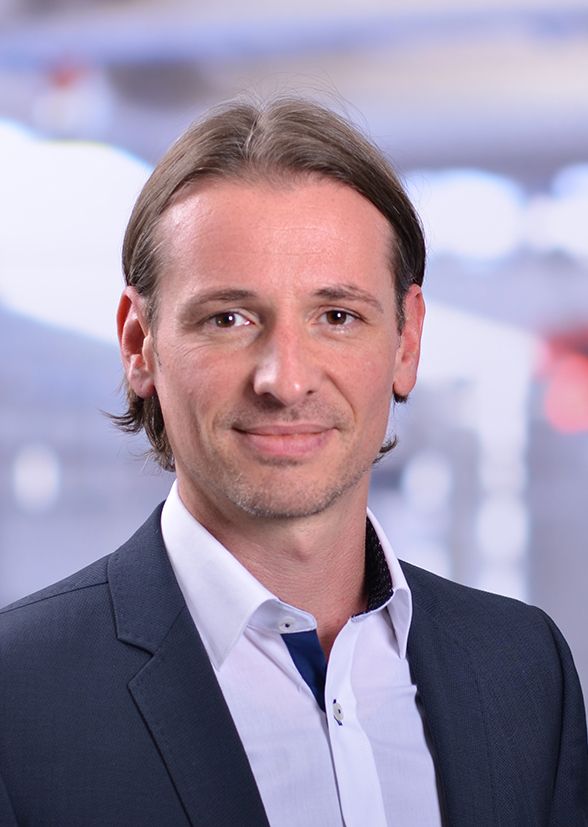
Dr. phil. Stefan Ladwig is a researcher at the Institute for Automotive Engineering (Institut für Kraftfahrzeuge) at RWTH Aachen University, specializing in traffic psychology, user acceptance, and human-machine interaction for automated driving systems. His work addresses psychological and ergonomic aspects of emerging mobility technologies, including seating ergonomics, trust-building mechanisms, and communication strategies for autonomous delivery robots. Research Focus: Automated driving, interior design psychology, driver/passenger behavior, and safety requirements. Projects: Lead roles in UrbANT (autonomous delivery robot) and SteeringBow (dynamic driving experience). Collaborations: Affiliated with Aldenhoven Testing Center, Future Mobility Partnership e.V., and innocam.NRW. Ladwig’s recent publications examine rotated seating positions, visual dominance in speed adaptation, and trust-relevant driving scenarios, reflecting his interdisciplinary approach to optimizing human-vehicle interactions. His work spans ergonomics, energy management, and behavioral interventions to enhance safety and usability in next-generation mobility solutions.
Barbara Zanchetta is a Senior Lecturer in the Department of War Studies at King’s College London, affiliated with the Faculty of Social Science & Public Policy. She specializes in Cold War history, American foreign policy, and transatlantic relations. Her work examines US-Soviet détente, nuclear arms control, and the strategic implications of post-Cold War policies. She is the author of The Transformation of American International Power in the 1970's and co-author of Transatlantic Relations since 1945 . Currently, she is researching US policies toward the Persian Gulf and their role in the collapse of the Soviet Union. Her teaching includes courses on international history, US national security, and the War on Terror. She is affiliated with the Sir Michael Howard Centre for the History of War, the Latin American Security Research Group, and the Centre for Grand Strategy. Her research explores the intersections of diplomacy, conflict, and security policy, with a focus on Cold War legacies and modern geopolitical challenges. Zanchetta has organized international conferences, including a hybrid event in Paris on the consequences of the Cold War’s end. Her commentary on contemporary issues, such as NATO’s expansion and Russia’s aggression in Ukraine, reflects her expertise in historical and strategic analysis.
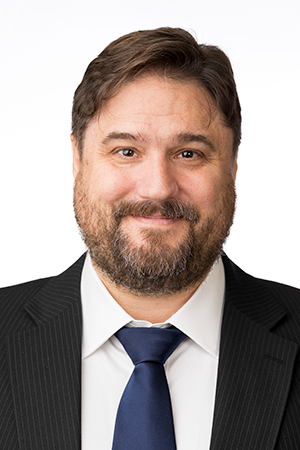
Christin A. Knowlton, MD, MA serves as Associate Professor of Therapeutic Radiology at Yale School of Medicine, where she holds dual leadership roles as Vice Chair for Accreditation in Therapeutic Radiology and Medical Director of Smilow Cancer Hospital Care Center-Hamden. Her clinical practice focuses on delivering high-quality, patient-centered radiation oncology services with specialization in breast cancer, lung cancer, bone metastases, and thymoma treatments. Dr. Knowlton's educational background includes a BA from Oberlin College (1994), MA from New York University (1998), MD from SUNY at Stonybrook (2006), and residency training at Hahnemann University Hospital/Drexel University College of Medicine (2011). Her research program centers on optimizing radiation therapy protocols, with particular emphasis on hypofractionation techniques, stereotactic body radiation therapy (SBRT), and management of radiation-related toxicities including pneumonitis and esophagitis. Analysis of her 15 most recent publications reveals a consistent research trajectory focused on improving outcomes in thoracic and breast radiation oncology through dose optimization, toxicity prediction modeling, and innovative treatment approaches for oligometastatic disease. Her work frequently addresses the balance between therapeutic efficacy and radiation-induced complications, with growing emphasis on molecular risk assessment and personalized treatment planning. Smilow Luminary Award of Excellence in Patient Care (2019) National Comprehensive Cancer Network (NCCN) Fellows Recognition Program As a clinician-educator, Dr. Knowlton emphasizes the importance of patient communication and multidisciplinary teamwork, collaborating closely with nursing, physics, dosimetry, and therapy staff to deliver comprehensive cancer care. Her leadership in accreditation reflects her commitment to maintaining the highest standards in radiation oncology practice and education. Dr. Knowlton's clinical trial involvement, including the DD3 trial of dose-deescalated SBRT for centrally located lung cancer, demonstrates her active contribution to advancing evidence-based radiation oncology practice.
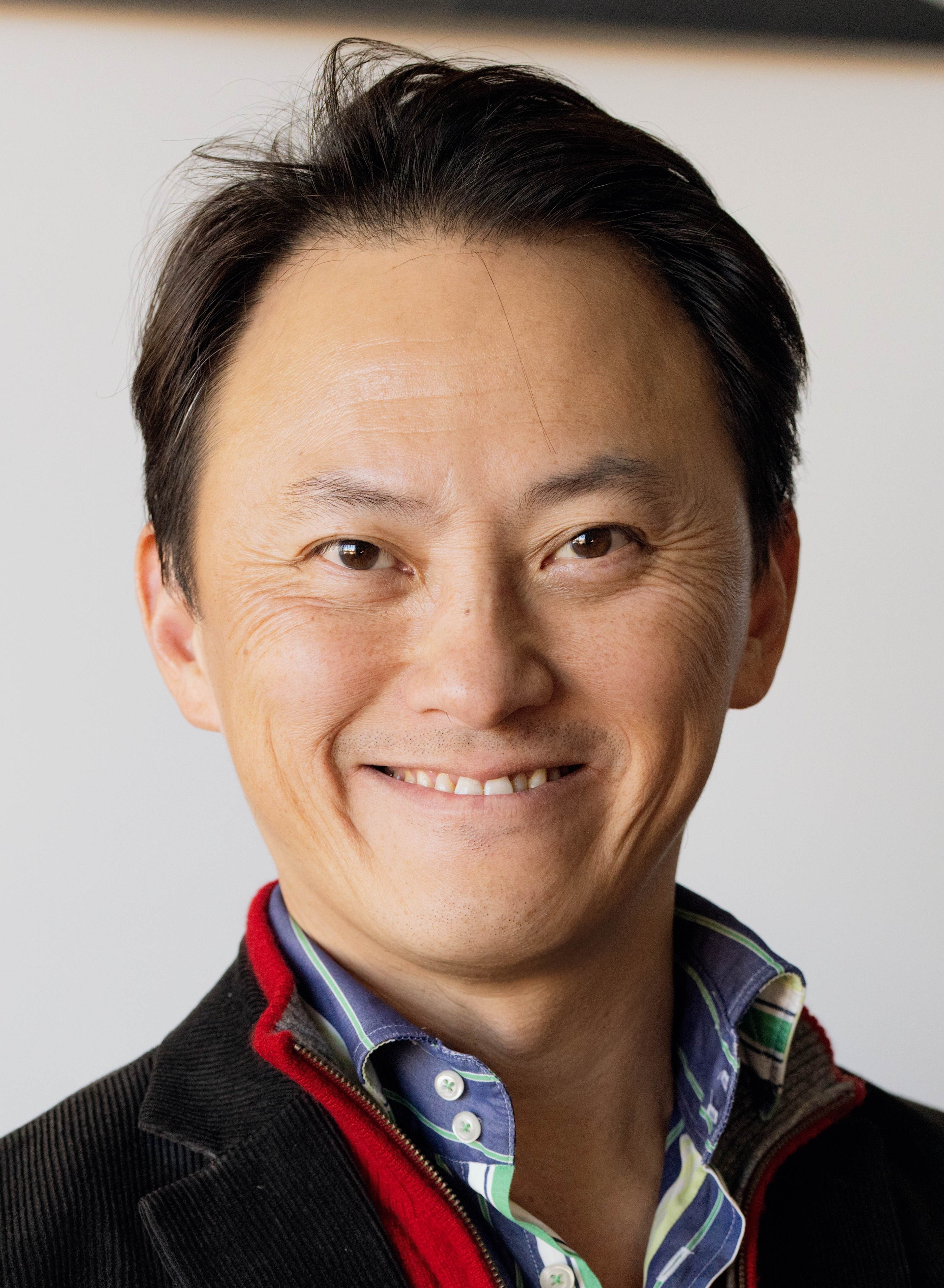
Emily D. Gottfried, PhD, is an Associate Professor at the Medical University of South Carolina (MUSC) in the Department of Psychiatry and Behavioral Sciences, College of Medicine. She serves as Director of the MUSC Sexual Behaviors Clinic and Lab (SBCL) and CPSPD Student Education & Research, conducting forensic evaluations, physiological sexual arousal assessments, and mentoring students. She is licensed in South Carolina and Georgia, and a National Register Health Service Psychologist. Bachelor’s in Psychology, San Diego State University Master’s in Psychology, Teachers College, Columbia University PhD in Clinical Psychology, Florida State University Her research focuses on sex offender risk assessment , malingering detection (PPG/VPP technology), female offender psychology , and forensic evaluation validity . Recent work includes dimensional personality models and QAnon-related threat analysis . She has published extensively on psychopathy , penile/vaginal plethysmography , and mental health court outcomes . Notable publication trends include Forensic validity of symptom detection tools Psychopathy in female offenders Technology's role in sexual behavior assessment Telehealth adaptation during pandemics MMPI-2-RF applications in correctional settings Psychological factors in civil commitment She leads ongoing funded studies on female sexual arousal and police officer behavioral outcomes , operating at the intersection of forensic science and clinical psychology .
Jonathan Santo is a Professor of Psychology at the University of Nebraska at Omaha (UNO), where he serves as Director of the Graduate Developmental Psychology Program and as a faculty member in the Office of Latino/Latin-American Studies. His research explores peer relations, cultural differences in self-esteem, and classroom-level influences on child and adolescent development, with a focus on improving school environments and fostering positive social interactions. ORCA Faculty Fellow His research spans broad areas including Developmental Psychology , Social Support Systems , and Cross-Cultural Peer Dynamics , with specific attention to peer victimization , self-continuity , school climate , and developmental trajectories in Brazilian and Colombian youth . Recent publications analyze topics like hikikomori experiences , friendship security , and HPA axis dysregulation in adolescents. Scientific awards include the ORCA Faculty Fellow recognition. His work often involves longitudinal assessments of peer relationships cross-cultural comparisons (Brazil, Colombia, China, Nigeria, Singapore, U.S.) policy-focused blog posts on family separations and school interventions
Professor Louis Schmidt is a leading academic in the Department of Psychology, Neuroscience & Behaviour at McMaster University , with a research focus on developmental psychophysiology, temperament, and the long-term effects of early adversity. His work bridges neuroscience, psychology, and behavioral science, emphasizing the interplay between brain function and socio-emotional development across the lifespan. Key research themes: Shyness, social anxiety, autism spectrum disorder, schizophrenia, and outcomes of extremely low birth weight. Recognized for mentoring postdoctoral fellow Kristie Poole, who was celebrated as a role model in the Child Emotion Laboratory. Scientific Awards : Royal Society of Canada recognition for contributions to research and scholarship. Research Trends from 15 recent publications include: Neurophysiological mechanisms of shyness (EEG, ERP, RSA) Impact of antenatal corticosteroids on adult brain function Intergenerational effects of maternal mental health interventions Cross-cultural comparisons of temperamental shyness Developmental consequences of preterm birth Behavioral and neural correlates of social anxiety in diverse populations Grants & Collaborations : Led the SNACS randomized controlled trial on antenatal corticosteroids, with applications in obstetrics and developmental neuroscience. Collaborates extensively on topics like autism spectrum disorder, schizophrenia, and emotion regulation. Labs & Teams : Directs the Child Emotion Laboratory at McMaster University, fostering interdisciplinary research on developmental psychopathology and neural mechanisms of temperament.
Kingsley Fong is an Associate Professor of Finance at the UNSW Business School , specifically within the School of Banking and Finance . He holds a PhD from the University of Sydney and a BCom (Hons) from UNSW. His research focuses on market microstructure , investment , household finance , and sustainable finance , and he co-founded the RISE Finance Lab to explore finance's role in societal well-being. He also developed the DATKIS framework for systemic coherence in financial practices. Research Interests : Market microstructure, household finance, sustainable finance, and empirical finance. Teaching : Courses such as WEALTH MANAGEMENT AND CLIENT ENGAGEMENT , SUSTAINABLE INVESTING , and SUSTAINABLE FINANCE . Key Trends in Research : His work spans liquidity proxies, algorithmic trading impacts, broker-client dynamics, and sustainable finance innovations. Notable collaborations include studies on market quality, tax-driven trading, and household investment behavior. Scientific Awards : 2017 Review of Finance Spängler IQAM Prize 2021 Aspen Institute Ideas Worth Teaching Award 2022 S&P Global Decarbonisation Hackathon Engagement : Co-Founder of UNSW RISE Finance Lab (2025) Australian Sustainable Finance Institute Reference Group (2024) Deputy Head of School Banking and Finance (2011–2019) Contact : k.fong@unsw.edu.au | Location : UNSW Business School, Ref E12, Level 3, Room 344B.
Dorothy L. Espelage is the William C. Friday Distinguished Professor of Education at the University of North Carolina at Chapel Hill, affiliated with the School of Education's Applied Developmental Science and Special Education (ADSSE) department. She holds joint appointments in Human Development and Family Science (HDFS) and School Psychology, and leads the Diverse and Resilient Educators Advised through Mentorship (DREAM) initiative. Her research focuses on translating empirical findings into prevention programs targeting bullying, teen dating violence, and school safety. Dr. Espelage advises U.S. Congress on anti-bullying legislation and has secured over $15 million in external funding. Education: Ph.D. in Counseling Psychology (1997), Indiana University M.S. in Clinical Psychology (1993), Radford University B.S. in Psychology (1991), Virginia Commonwealth University Research Interests: Prevention science, social-emotional learning interventions, bullying and cyberbullying prevention, school-based suicide prevention, and addressing violence against educators. Her work emphasizes policy development and community engagement, with a focus on marginalized youth such as LGBTQ+ adolescents and students with disabilities. Key Contributions: Developed evidence-based programs like Sources of Strength and DIAL (Disability Anti-Bullying Training). Authored influential books including Bullying in North American Schools and Handbook of Bullying in Schools . Her recent studies explore racial disparities in bullying-suicidality links and violence against school staff. Awards & Recognition: Lifetime Achievement Award (APA Division 17, 2023) 2023 BRNET-WABF Career Award Invited speaker at White House Bullying Summit (2011) Advising & Grants: Mentor for early-career researchers through the DREAM program. Current grants focus on school climate improvement, anti-bullying teacher training, and mental health equity initiatives. Collaborates with CDC, NIH, and NIJ on dissemination efforts. Labs & Teams: Leads transdisciplinary teams at UNC and previously at University of Illinois Urbana-Champaign (Gutgsell Professorship) and University of Florida. Engaged in global anti-bullying advocacy through organizations like the World Anti-Bullying Forum.
Brett Laursen is a Professor of Psychology at Florida Atlantic University's Charles E. Schmidt College of Science, with additional Docent Professor appointments in Educational Psychology at the University of Helsinki and in Social Developmental Psychology at the University of Jyväskylä in Finland. His research focuses on developmental psychology, particularly adolescent development, peer relationships, and social dynamics. Dr. Laursen earned his Ph.D. and M.A. in Child Psychology from the Institute of Child Development at the University of Minnesota and his B.A. in Psychology from Nebraska Wesleyan University. He also holds an Honorary Ph.D. from Örebro University in Sweden. His research program examines influence within close relationships, with particular focus on peer relationships during childhood and adolescence. Current projects include longitudinal studies of elementary and middle school children in Florida, Lithuanian youth transitioning from middle to secondary school, and child characteristics affecting parent engagement in literacy activities. His work consistently explores how social dynamics shape development, with special attention to friendship formation, dissolution, and influence processes. Analysis of his recent publications reveals a strong focus on peer relationships, social status, and developmental transitions. His research employs sophisticated longitudinal and genetically informed designs to examine how social contexts shape development across childhood and adolescence, with particular emphasis on the mechanisms through which peer influence operates. Fellow, American Psychological Association (Division 7, Developmental; Division 8, Social) Fellow and Charter Member, Association for Psychological Science Fellow, International Society for the Study of Behavioural Development Distinguished Alumnus, College of Education and Human Development, University of Minnesota Florida Atlantic University Scholar of the Year (2023-24 and 2016-17) Dr. Laursen has mentored numerous doctoral and master's students who have gone on to successful careers in academia and research. His research has been supported by major funding sources including the US National Institute of Child Health and Human Development, the US National Institute of Mental Health, the US National Science Foundation, Trygfonden, the Jacobs Foundation, and the European Social Fund. As Editor-in-Chief of Merrill Palmer Quarterly and Founding Editor of Cambridge Elements in Research Methods for Developmental Science, he plays a significant role in shaping the field's scholarly discourse. The Laursen Lab operates as a collaborative research team involving current students, alumni, and international collaborators including Professors Goda Kaniušonytė and Rita Žukauskienė of Mykolas Romeris University in Lithuania. The lab regularly presents research at major conferences including the Society for Research on Child Development.
Prof. Nicole Deitelhoff is Executive Director at the Peace Research Institute Frankfurt (PRIF) and holds a chair in International Relations and Theories of Global Order at Goethe University Frankfurt. She leads PRIF's International Institutions research department and co-leads the Frankfurt section of the Research Institute Social Cohesion (RISC). Her work examines contestation of international norms, world order politics, and democratic conflict integration. She has held visiting roles at Harvard, Hebrew University, and the European University Institute. Recognized with the Ernst-Otto Czempiel Award and Hessian Peace Prize, her research bridges academic rigor with policy relevance. Education : Ph.D. (summa cum laude) TU Darmstadt (2004), M.A. Political Science SUNY Buffalo (1998) Key Roles : Head of PRIF's Research Department since 2017, LOEWE Top Professor (2023), Co-speaker of Normative Orders Research Center Research Interests : Focuses on institutional legitimacy crises, norm dynamics, and security governance. Recent work analyzes the Ukraine war's impact on European order and democratic cohesion mechanisms. Awards : Includes the prestigious Hessian Peace Prize (2020) and sustained academic honors reflecting her contributions to global governance studies. Grants & Projects : Leads projects on Cold War comparisons ( PATTERN ), radicalization studies, and normative orders. Active in policy dialogue through initiatives like Global House of Young Voices .
Dr. Jason Webber is a Senior Lecturer in Biomedical Sciences at Swansea University Medical School. He holds an honorary position as a Research Fellow at Cardiff University and is a board member of the UK Society for Extracellular Vesicles. His research focuses on extracellular vesicles (EVs), particularly their role in cancer progression and as biomarkers for aggressive tumors like prostate cancer. He completed his PhD at Cardiff University's Institute of Nephrology in 2009 and received a Prostate Cancer UK Career Development Fellowship (2014–2020). Dr. Webber's expertise includes EV biology, tumor microenvironment dynamics, and translational research. He actively contributes to teaching modules such as 'Genetics of Cancer' and 'Advanced Research Topics in Biomedical Science'. His work spans collaborations with institutions like Erasmus MC and the CIC bioGUNE in Spain. Key grants include funding for projects like 'Extracellular Vesicle Glycoproteins for Prostate Cancer Diagnosis (EVGlyProD)' and investigations into EV roles in bone metastasis and rare diseases like tuberous sclerosis complex. His research highlights EVs' dual role as functional mediators of tumor growth and potential biomarkers. Notable achievements include demonstrating EV-HSPG's role in stromal activation and developing methodologies for EV-based diagnostics. Dr. Webber supervises multiple PhD and MSc students, emphasizing mentorship in EV research and cancer biology.
Jacqueline Woerner is Associate Professor in Sociology and Psychology at the University of Central Florida, where she directs the Social Theory, Relationships, and Interpersonal Violence Exposure (STRIVE) Lab. Her research examines the intersection of gender-based violence, substance use, and health risk behaviors. Education includes: PhD in Social Psychology from Wayne State University BS in Psychology from Appalachian State University Her NIH-funded research investigates how violence victimization relates to health behaviors through motivational frameworks. Current projects examine technology-facilitated sexual violence on dating apps and alcohol's role in intimate partner cyber abuse. She employs diverse methods including surveys, experiments, and daily diaries. As member of the Violence Against Women Faculty Cluster, she develops prevention strategies addressing sexual violence and health disparities. Funded projects include NIJ grants examining transitional housing models for domestic violence survivors. Honors include Rising Star Award for undergraduate mentoring and multiple teaching awards. She serves on editorial boards for Psychology of Violence and leads NIH-funded projects on dating app-facilitated violence.
Dr. Georgie Agar is a Lecturer at the School of Life & Health Sciences, Aston University , affiliated with the College of Health and Life Sciences and the Applied Health Research Group . Her research focuses on sleep disorders, self-injurious behavior, and caregiver impact in individuals with intellectual disabilities and rare genetic syndromes like Smith-Magenis and Angelman syndromes. Research Interests : Dr. Agar specializes in developing inclusive clinical assessment tools for sleep, pain, and behavior in neurodevelopmental populations. She employs mixed-methods, meta-analytic approaches, and longitudinal studies to explore sleep trajectories, behavioral conditioning models, and caregiver experiences. Publications : Her work spans sleep management in Smith-Magenis syndrome, overactivity metrics in genetic conditions, and systematic reviews on self-restraint in autism. Key journals include Molecular Autism , Orphanet Journal of Rare Diseases , and Research in Developmental Disabilities . Labs & Collaborations : She collaborates with the Aston Institute of Health & Neurodevelopment , focusing on neurodevelopmental research and cross-institutional partnerships in sleep and behavioral science.
Iona Cheng is a Professor in the Department of Epidemiology and Biostatistics at the University of California, San Francisco (UCSF), where she conducts groundbreaking research in cancer epidemiology. She serves as co-Investigator of the SEER Greater Bay Area Cancer Registry and is Principal Investigator of multiple NIH- and foundation-funded projects examining genetics, lifestyle factors, and neighborhood characteristics in relation to cancer risk. Dr. Cheng has developed an extensive research program focused on racial/ethnic differences in cancer risk and leads population-based cancer surveillance studies that document variations in cancer incidence and mortality patterns across diverse racial and ethnic groups. University of California, Davis, BS, 1990–1994, Physiology Yale University, MPH, 1999–2001, Chronic Disease Epidemiology University of Southern California, PhD, 2001–2005, Epidemiology University of California, San Francisco, Postdoc, 2006–2008, Genetic and Molecular Epidemiology Dr. Cheng's research spans multiple disciplines within cancer epidemiology, with particular emphasis on understanding how environmental exposures, genetic factors, and social determinants interact to influence cancer risk and outcomes across different racial and ethnic populations. Her work frequently examines the impact of air pollution, endocrine-disrupting chemicals, and neighborhood characteristics on cancer development and survival. She has made significant contributions to understanding cancer disparities among Asian American, Native Hawaiian, and Pacific Islander populations, bringing attention to the unique cancer risks and outcomes within these understudied groups. Her research often leverages the Multiethnic Cohort Study, one of the largest prospective studies of cancer incidence and mortality across diverse racial/ethnic populations. Analysis of Dr. Cheng's recent publications reveals a consistent focus on environmental and social determinants of cancer risk across multiple organ sites. Her work demonstrates a sophisticated integration of epidemiological methods with environmental exposure assessment, genetic analysis, and health disparities research. Many of her studies examine the intersection of environmental exposures and racial/ethnic disparities in cancer outcomes, particularly regarding breast cancer, lung cancer, and other malignancies. She has published extensively on the impact of air pollution on cancer risk and survival, as well as the effects of endocrine-disrupting chemicals like bisphenol A, parabens, and phthalates. American Association for Cancer Research Scholar-in-Training Award (2007) National Institutes of Health Loan Repayment Award (2007) National Institutes of Health Loan Repayment Renewal Award (2009) American Association for Cancer Research Faculty Scholar Award (2011) National Institutes of Health Loan Repayment Renewal Award (2011) National Institutes of Health Loan Repayment Renewal Award (2013) American Journal of Epidemiology/Society of Epidemiology Research Top 10 manuscripts (2014) Cancer Prevention Institute of California Mentoring Award (2015) American Society of Human Genetics Top poster As Principal Investigator of multiple NIH-funded projects, Dr. Cheng oversees substantial research grants focused on cancer epidemiology and health disparities. Her work often involves large interdisciplinary collaborations with researchers across multiple institutions, including the Multiethnic Cohort Study which follows over 200,000 participants from diverse racial/ethnic backgrounds. She has demonstrated leadership in mentoring junior researchers, particularly those from underrepresented backgrounds in science, as evidenced by her Cancer Prevention Institute of California Mentoring Award. Her research program integrates data from cancer registries, electronic health records, and geospatial information to provide comprehensive insights into cancer patterns and risk factors. Dr. Cheng's research is closely connected to the UCSF Helen Diller Family Comprehensive Cancer Center and leverages collaborations with Lawrence Berkeley National Laboratory, which provides advanced technological resources for cancer research. Her work benefits from access to extensive cohort data, sophisticated exposure assessment methods, and interdisciplinary expertise in genetics, environmental science, and computational biology available through these institutional partnerships. She frequently collaborates with researchers studying the genetic and environmental determinants of cancer across multiple organ systems, contributing to a more comprehensive understanding of cancer etiology and prevention strategies.
Dr. Silvia Baiocco serves as Assistant Professor at University of Rome Tor Vergata, teaching entrepreneurship, tourism management, and marketing courses across Bachelor and Master programs including 'Creation of Enterprises and Entrepreneurship' (Master), 'Fundamentals of Service Management' (Bachelor), and 'Tourism and Cultural Management for Sustainability' (Bachelor). Her institutional affiliation centers on Business Economics (sector ECON-07/A) with research rooted in co-evolutionary theory. Her research critically examines sustainable business model innovation through three interconnected lenses: (1) tourism-destination co-evolution in historic villages and Alberghi Diffusi, (2) university-industry knowledge exchange for sustainable spin-offs via PNICube Observatory frameworks, and (3) technology integration in smart tourism through AI-driven destination management. She emphasizes context-specific adaptation in both high-income (Italy) and low/middle-income settings (Ghana), with strong focus on social impact and heritage preservation. Analysis of her 2023-2025 publications reveals accelerating focus on digital tourism transformation (AI applications, smart city integration) and resilience-building in accommodation firms. Her work consistently applies co-evolutionary frameworks to decode organizational adaptation, particularly in sustainable entrepreneurship contexts. The PNICube Observatory reports highlight her policy-relevant contributions to university research valorization. As educator, Dr. Baiocco actively shapes future business leaders through courses spanning startup creation to sustainable destination management. Her research trajectory indicates deepening engagement with technology-mediated sustainability solutions and cross-sectoral innovation ecosystems, particularly through ongoing PNICube Observatory initiatives.