Megan Louise Willis is an Associate Professor at the School of Behavioural and Health Sciences, part of the Faculty of Health Sciences. Her research focuses on child maltreatment, intimate partner violence, emotion recognition, and social cognition. She has published extensively on topics such as the impact of childhood trauma, facial expression perception, and the psychological underpinnings of aggression. Her work integrates clinical, developmental, and experimental approaches to address societal challenges such as child welfare and mental health disparities. Recent studies explore the prevalence of child sexual abuse in religious organizations, the role of narcissism in violence, and cross-cultural responses to pandemic messaging. Research interests include: child maltreatment epidemiology, emotion processing deficits, and the intersection of personality traits and aggression. Co-leads interdisciplinary projects on facial perception and neurocognitive disorders.
Alyson Dodd is an Associate Professor and Head of Equality, Diversity and Inclusion in the Department of Psychology at Northumbria University. Her research focuses on psychological mechanisms in mental health, particularly risk factors for mania and bipolar disorder, emotion regulation, and university community well-being. Education: PhD in Psychology (2009), Fellow of the Higher Education Academy (FHEA) Her work explores transdiagnostic risk factors for mood disorders, develops interventions for mental health support in academic settings, and investigates measurement frameworks for community well-being. Recent research includes validating the Hypomanic Attitudes and Positive Predictive Inventory (HAPPI) and analyzing university environments' impact on staff/student well-being. Scientific accolades include: Fellow of the Higher Education Academy Leadership role in SMaRteN (UKRI-funded student mental health network) She supervises student projects and leads mental health research initiatives, with funding from the National Institute of Health Research, British Academy, and Office for Students (BRIGHTER).
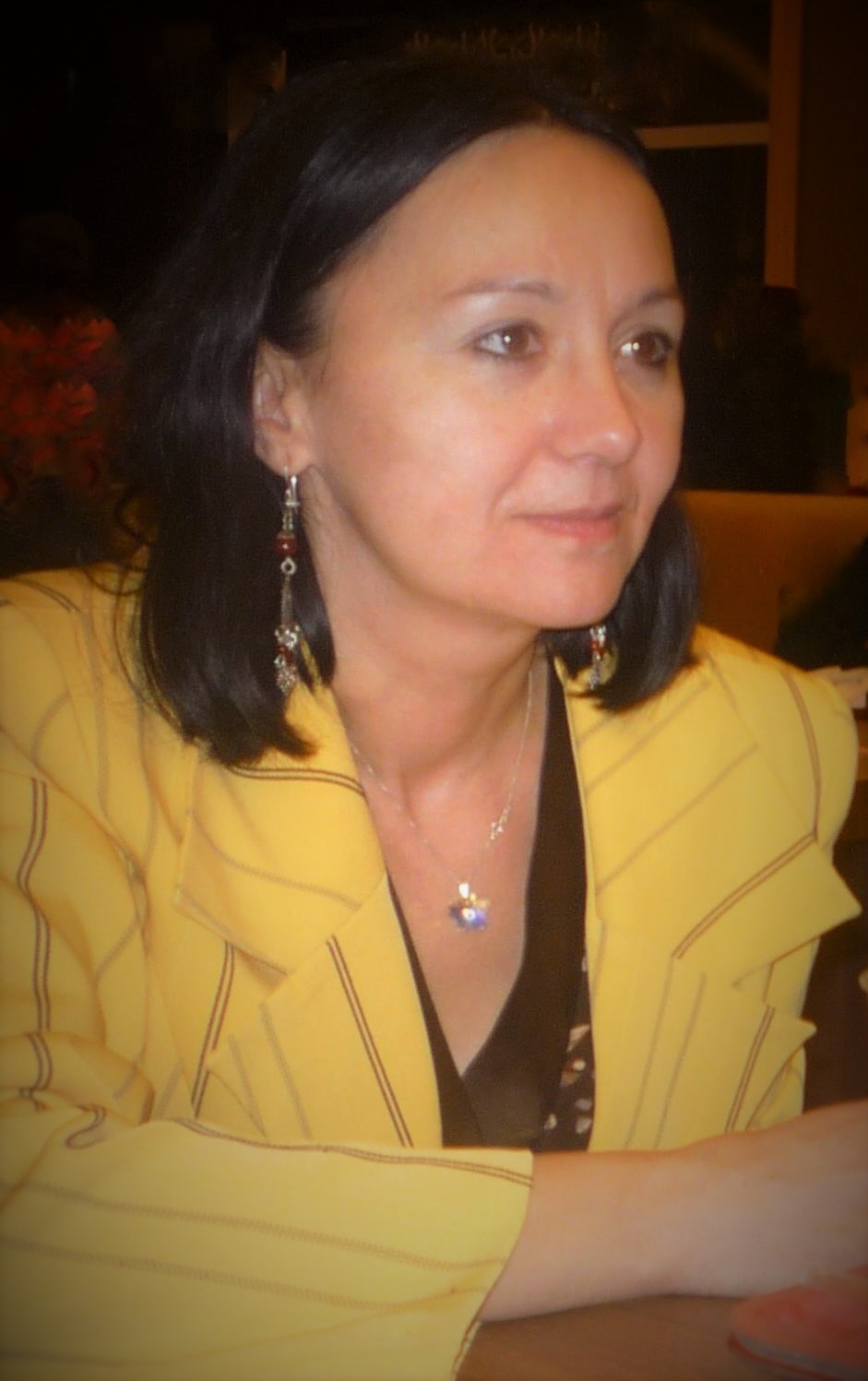
Professor Maria Jose Portillo Navarro is a faculty member at the University of Murcia's Faculty of Economics and Business, affiliated with the Department of Political Science, Social Anthropology and Public Finance. Her research focuses on Applied Economics with specialization in Territorial Treasury systems, taxation policy, and local government finance during economic crises. Her doctoral thesis examined tax reforms in the Murcia region (1945-1993), supervised by Dr. Enrique Egea Ibáñez. Current research explores tax morality, disability entrepreneurship, and fiscal challenges in municipalities. Recent publications concentrate on Spanish taxation systems, particularly during socioeconomic crises, with emerging themes in compliance behavior and regional economic disparities. Research employs both theoretical frameworks and empirical analysis of budgetary indicators.
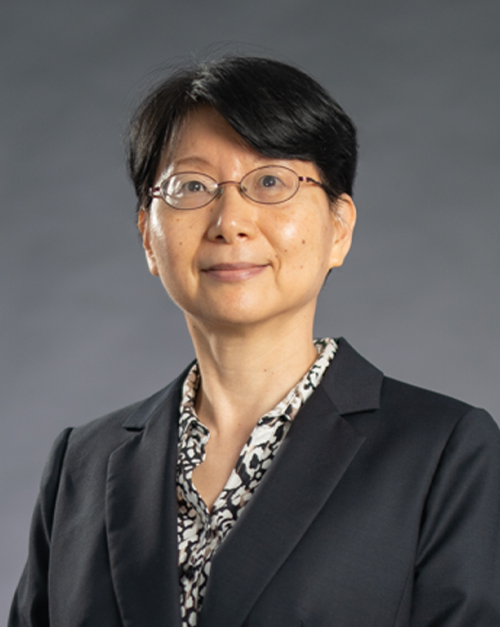
Yuping Zhao is an Associate Professor at the Decision & Information Sciences Department within the C. T. Bauer College of Business, University of Houston. She holds a PhD in Accounting from George Washington University, a MACC from Brigham Young University, and a Master of Arts in Economics from the University of Toledo, alongside a BA from Peking University. Her research focuses on auditing, financial reporting, and earnings management. She has published extensively in top-tier journals like The Accounting Review and Auditing: A Journal of Practice and Theory . Her work examines auditor behavior, financial misreporting, and governance mechanisms. Key topics include audit quality, auditor turnover, related-party transactions, and the impact of regulations like SOX 404 on financial accuracy. Dr. Zhao serves as an Associate Editor for Auditing: A Journal of Practice & Theory and Corporate Governance: An International Review , and sits on the editorial board of Contemporary Accounting Research . Her research contributes to understanding how audit processes and corporate governance structures influence financial transparency and compliance. Her recent articles analyze auditor responses to misreporting, the role of social networks in mitigating stock price risks, and the implications of audit partner quality for engagement outcomes. Her work bridges theoretical frameworks with empirical evidence to address critical issues in accounting and auditing practices.
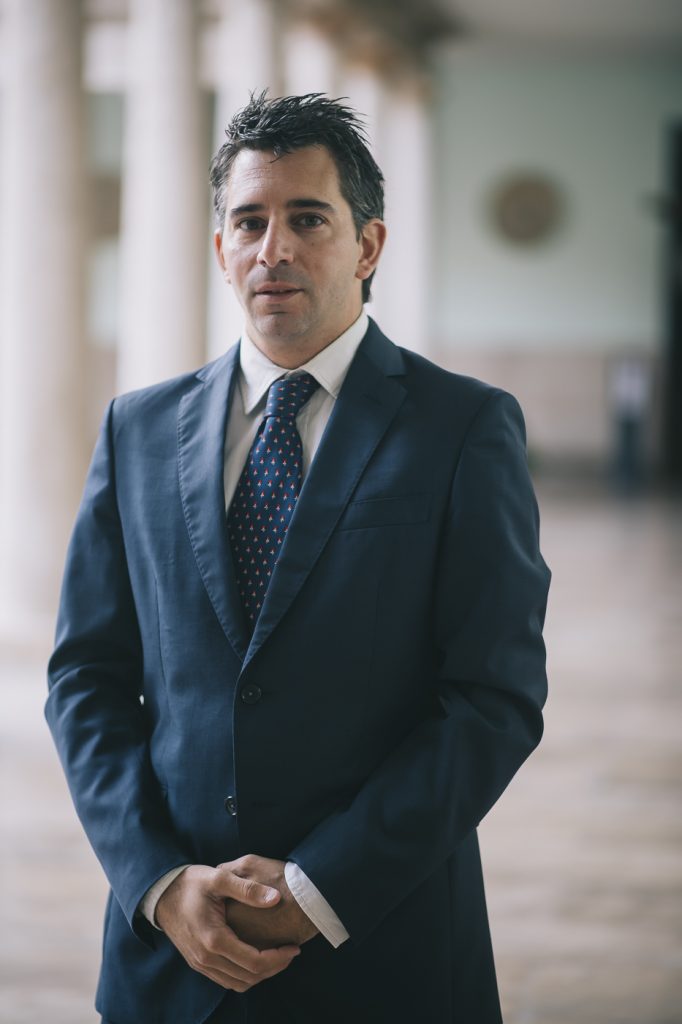
Dr. J. Carlos Pedrosa López is a Professor of Financial and Tax Law at the University of Valencia , specializing in international taxation . He holds a PhD in Tax Law from Universidad Carlos III de Madrid and dual degrees in Law and Economics from the University of Valencia. His research focuses on OECD Model Tax Convention , European tax law , and cross-border financial regulations . With over twenty scientific publications, he has contributed to journals like Revista Técnica Tributaria and Carta Tributaria , addressing topics such as permanent establishment attribution , hybrid financial instruments , and EU tax compliance . He has conducted research stays at European and American institutions and is a member of the ETICCs research group . His recent work includes analyzing 2024 EU court rulings on energy tax exemptions and stamp duty, as well as 2023 cases on capital movement restrictions and tax refund disputes. He actively participates in strategic alliances and technical training programs related to taxation and financial law.
Wen-Jun Gao is a Professor in the Department of Neurobiology & Anatomy at Drexel University College of Medicine. He holds a MD from Chongqing University of Medical Sciences and a PhD from the Shanghai Brain Research Institute, Chinese Academy of Sciences. His research focuses on functional plasticity of the prefrontal cortex, synaptic mechanisms, and psychiatric disorders such as schizophrenia, autism, and ADHD. Dr. Gao leads the Gao Lab, investigating monoaminergic regulation and neurodevelopmental processes. Research Highlights : Examines synaptic signaling and dopamine/norepinephrine regulation in prefrontal circuits. Investigates genetic and epigenetic factors in mental disorders using rodent models. Studies NMDA receptor dysfunction in schizophrenia and therapeutic interventions. Grants & Awards : NARSAD Independent Investigator Award (2015). NIH R01 grants on NMDA receptors and prefrontal dopamine. CURE grants exploring social behavior and aggression. Advising & Team : Guides graduate students (Alexander Benson, Jake Clarin) and MD/PhD trainees (Leigh Taylor Flynn). Labs focus on prefrontal circuitry and translational neuroscience.
Assoc. Univ. Dr. Ioana Darjan is an Associate Professor at the West University of Timisoara , affiliated with the Department of Educational Sciences . Her work bridges psychology and education, focusing on special psychopedagogy, cognitive-behavioral therapy, and behavioral management in educational settings. Education: Psychology and Pedagogy (BA), Psychopedagogy of Integrated Education (MA), Psychology (PhD) Her research interests span positive psychology , stress and trauma , wellbeing , and counseling . She specializes in speech and language therapy for children with emotional-behavioral disorders, developing programs to enhance assertiveness and resilience in educational environments. Recent publications analyze negative peer interactions (2024), resistance to educational reform (2024), and language peculiarities in ASD (2023). Her work often explores bullying dynamics , mental health attitudes , and aggression interventions . She directs postgraduate programs on Positive education and disciplinary strategies and Resilience and assertiveness in education , while serving as a senior LSCI (Life Space Crisis Intervention) trainer for professionals working with at-risk youth.
Cara Cunningham Warren is Professor of Law at University of Detroit Mercy School of Law, holding advanced degrees from University of Toronto and University of Detroit Mercy. She specializes in constitutional law, international law, and federalism. Her scholarship examines international institutions, water policy frameworks, and legal education reform. Research explores international criminal law legitimacy, post-truth era social dynamics, and federalism models in environmental policy. Recent publications analyze head-of-state accountability mechanisms and sanctuary city litigation strategies. Awards: Faculty Excellence Award (2023), James T. Barnes Sr. Memorial Faculty Scholar Award (2023), and recognition as top 10% SSRN author (2018). Administrative roles include Assistant Dean positions and chair of AALS Sections. Teaching includes Comparative Legal Writing, International Law, and International Institutions courses. Significant presentations include analysis of Ukraine conflict impacts on international order and cultural competency in legal education.
Dr. Jonathan Caudill serves as the Interim Dean and Professor in the College of Public Service at the University of Colorado Colorado Springs (UCCS). He holds a Ph.D. in Criminology from the University of Texas at Dallas, along with degrees in Criminal Justice from Sam Houston State University. His career spans practitioner experience in corrections, U.S. Marine Corps service, and roles as a Research Fellow at the Caruth Police Institute and founder of a public safety-focused institute in northern California. His research focuses on formal social control, including police-suspect interactions, patrol strategies, prosecutorial actions, institutional misconduct, and post-incarceration recidivism. He has published over 25 peer-reviewed studies and co-authored Lost Causes: Blended Sentencing, Second Chances, and the Texas Youth Commission . Current projects explore sentencing reform's social consequences through collaborations with California criminal justice agencies. Dr. Caudill serves as Co-Editor for and on the Editorial Board for Journal of Criminal Justice , reviewing topics like policing culture, gangs, and therapeutic program evaluations. His work bridges academic research with practical policy, emphasizing organizational behavior and institutional dynamics. Professional service includes editorial roles and ad hoc reviewing for journals. His research interests span policing strategies, correctional policy, and the interplay between legal processes and institutional outcomes. He has advised on organizational change in correctional systems and contributed to understanding recidivism through interdisciplinary lenses.
Emiliano Ricciardi is a Full Professor of Psychobiology and Psychophysiology at the IMT School for Advanced Studies Lucca. He holds leadership roles as Director of the PhD Program in 'Cognitive, Computational and Social Neurosciences' and Vice-Rector for Didactics. His expertise spans cognitive neuroscience, neuropsychology, and neuroimaging, with a focus on sensory deprivation and neural plasticity. Ricciardi completed his MD at the University of Pisa and a PhD in Neurosciences at Scuola Superiore Sant'Anna. He spent two years at NIH labs, acquiring expertise in PET and fMRI techniques. Research interests include cross-modal plasticity in sensory-deprived individuals, neural correlates of perception, and advanced neuroimaging analysis. His MoMiLab group integrates cognitive neuroscience with structural/functional imaging. Ricciardi has published over 120 peer-reviewed articles and serves on editorial boards for journals like Scientific Reports and Frontiers in Neurology . Awards include Young Investigator and Travel Fellowships, alongside invited lectures globally. His work bridges neuroscience with technology and cognitive science, emphasizing practical applications for sensory and cognitive enhancement. Education: MD (University of Pisa), PhD (Scuola Superiore Sant'Anna) Leadership: PhD Program Director, Vice-Rector Key Research Areas: Sensory Deprivation, Neuroplasticity, Multimodal Perception, Brain Imaging His research explores how sensory deprivation reshapes brain function, leveraging neuroimaging tools like fMRI and M/EEG. Ricciardi’s contributions include studies on sleep neurobiology, emotion regulation failures linked to frontal brain activity, and the impact of self-control on neural systems. He has pioneered interdisciplinary projects, including the 'Train the Brain' cognitive intervention trial for mild cognitive impairment.
Dr. Eleanor L Watts is a prominent researcher in cancer epidemiology with a focus on hormone-cancer relationships, particularly in prostate cancer. She actively collaborates with major international consortia including the European Prospective Investigation into Cancer and Nutrition (EPIC), UK Biobank, and PRACTICAL (Prostate Cancer Association Group to Investigate Cancer Associated Alterations in the Genome). Her work spans multiple institutions across Europe and involves large-scale prospective studies and Mendelian randomization analyses. Dr. Watts' research primarily investigates the complex relationships between endogenous hormones, biomarkers, and cancer risk. Her work has significantly contributed to understanding how sex hormones, insulin-like growth factors, and cardiorespiratory fitness influence cancer development, particularly prostate cancer. She has published extensively in high-impact journals including British Journal of Cancer, International Journal of Epidemiology, and Cancer Epidemiology, Biomarkers & Prevention. Her recent publications reveal an evolving research trajectory from hormone-cancer relationships toward broader investigations of lifestyle factors, fitness, and cancer risk. The methodological sophistication of her work, particularly the integration of observational epidemiology with genetic approaches like Mendelian randomization, demonstrates her position at the forefront of modern cancer epidemiology research. Her studies often involve massive datasets with thousands of participants across multiple countries. Dr. Watts' scientific contributions have focused particularly on prostate cancer biomarkers, hormone pathways, and risk prediction. Her work has important implications for cancer screening strategies, risk stratification, and understanding biological mechanisms underlying cancer development. She frequently collaborates with leading researchers across multiple international institutions, indicating her significant standing in the cancer epidemiology community.
CEYHUN ERSAN is an Associate Professor at the Department of Preschool Education, Faculty of Education, Alanya Alaaddin Keykubat University. He holds a Doctorate in Education from Pamukkale University (2017) and has extensive experience in preschool education, child development, and emotional regulation. His academic career includes roles as Department Chairman and Deputy Dean at multiple institutions, including Pamukkale University and Dumlupınar University. Education: Doctorate (2017): Pamukkale University, Education Institute Master's (2013): Pamukkale University, Preschool Education Bachelor's (2003): Pamukkale University, Preschool Teaching Research Interests: Dr. Ersan focuses on preschool education, child aggression, emotional regulation strategies, early language development, and the impact of family dynamics on child well-being. He has led projects like adapting stress measurement tools for children and developing ethical education programs for teacher candidates. Grants & Projects: TÜBİTAK Project (2022): Ethical education in content creation for preschool teachers Adaptation of the Perceived Stress Scale for Turkish children (2017) Leadership Roles: Department Chairman at Dumlupınar University (2012–2013) Deputy Dean at Pamukkale University (2016) Publications:** Over 25 peer-reviewed articles and book chapters on preschool education, child aggression, and emotion regulation. Recent work includes studies on sleep disorders, language development, and teacher training.
Emine AHMETOĞLU is a Professor in the Preschool Education Department at Trakya University's Education Faculty since 2017. Her academic background includes a Doctoral degree (2004) and post-doctoral studies (2024) focused on early childhood development. Her research spans early childhood education, inclusive practices, child temperament, autism spectrum disorder interventions, and parental involvement. She has authored/co-authored over 150 publications across international and national journals/conferences, with a focus on developmental psychology, special education, and cross-cultural studies. Key research areas include social acceptance programs in inclusive settings, cultural influences on child behavior, and effective teaching strategies for children with special needs. She has contributed to validated assessment tools like the Penn Interactive Peer Play Scale (PIPPS) and the Play Assessment for Group Settings (PAGS). Her work bridges theory and practice, emphasizing evidence-based interventions in preschool education. Recent projects address issues like the impact of screen time on toddlers, playground design for child development, and trauma-informed teaching. She collaborates internationally with researchers in North America and Europe through consortia like the Joint Effort Toddler Temperament Consortium. Her efforts have shaped Turkish educational policies on inclusive practices and early childhood teacher training.
Hatice Yıldız BURKOVİK is an academic researcher at Üsküdar Üniversitesi's Faculty of Psychology, holding a PhD (2021) in Psychology. Her work focuses on anxiety disorders, social phobia, stress, and neuroendocrinological mechanisms of aggression. She has supervised studies on parental attitudes and guilt in working mothers (2023). Education: Bachelor's in Psychology from İstanbul Üniversitesi (1984) Master's in Forensic Sciences (2000) PhD in Psychology from Üsküdar Üniversitesi (2021) Research interests include clinical psychology applications, bipolar disorder neurobiology, and psychopharmacology. Recent work explores hemisphere dominance in bipolar disorder (2017). Her book chapters and publications span cognitive-behavioral approaches to anxiety, forensic psychology, and rare neurological syndromes like Klein-Levin syndrome. Teaching includes advanced group psychotherapy and psychodrama courses (2023-2024).
Tom Hollenstein is a Professor in the Department of Psychology at Queen's University. His research focuses on socioemotional development and emotion regulation in adolescents, particularly using dynamic systems approaches and developmental psychopathology frameworks. He leads the Adolescent Dynamics Lab and has developed software tools like State Space Grids for analyzing emotional processes. Hollenstein holds degrees from the University of Massachusetts Amherst (B.A., 1989), University of Oregon (M.S., 2001), and University of Toronto (Ph.D., 2005). His work emphasizes understanding emotion dynamics through autonomic psychophysiology, behavioral expressions, and self-reported feelings. Key areas include shame and anxiety regulation, digital emotion regulation strategies, and the impact of technology on youth mental health. Hollenstein has published extensively in journals like Developmental Psychology and Emotion , and co-authored books such as The Development of Emotion Regulation: A Matter of Time (2018). His software tools are widely used for state-space grid analysis. Recent studies include examining mental health changes during the pandemic, the role of video games like MindLight in reducing anxiety, and bidirectional social media-emotion relationships. His research bridges theory and application, with practical implications for education and mental health interventions. Collaborations include work on neuroimaging studies of depression and teacher-student interaction dynamics. While no specific awards are listed, his contributions to methodological advancements in emotion research are notable. Ongoing projects explore digital emotional support systems and the future of higher education.