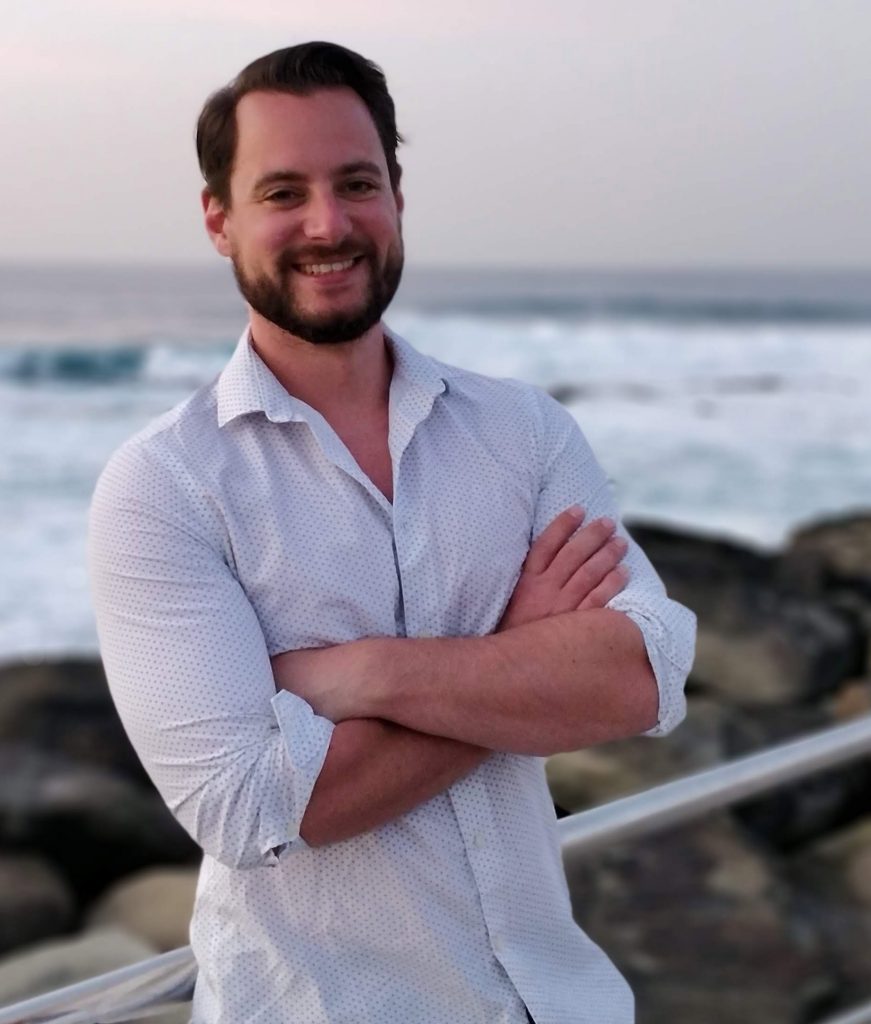
Andreas Körner is an Assistant Professor at TU Wien's Institute for Analysis and Scientific Computing. He holds roles in the Faculty of Mathematics and Geoinformation, focusing on Scientific Computing and Modeling. His research spans computational biology, reinforcement learning, control mathematics, and medical modeling (e.g., thyroid disease treatment). He leads the 'Mathematics in Simulation and Education' group, emphasizing digital teaching innovation. Education: Doctorate in Technical Mathematics (TU Wien, 2012), Dipl.-Ing. in Technical Mathematics (2009–2015), Dipl.-Ing. in Electrical Engineering (Telecommunications, TU Wien). Projects: Managed the 'Model-based treatment of thyroid diseases' (2020–2023), and previously worked as a Visiting Lecturer at University of Ljubljana (2015–2020). Awards: Multiple teaching excellence awards, including Best Teacher Awards (2023, 2020) and a Best Paper Award (2023). Teaching: Oversees service courses like Linear Algebra for Technical Physics and Differential Equations 1, plus advanced topics in mathematical modeling and simulation. His research integrates system simulation, ODE/DAE models, and AI-driven optimization. He promotes interdisciplinary work through groups like the IMMTL (Innovative Methods and Models for Teaching and Learning) and AKMATH.
Prof. Margaretha Gansterer is a full professor and Dean of the Faculty of Economics and Law at Alpen-Adria-Universität Klagenfurt. She leads the Institute for Production, Energy and Environmental Management and the Department of Production Management and Logistics. Her work focuses on production economics, logistics optimization, and collaborative transportation systems. Key research areas include supply chain resilience, vehicle routing problems, and disaster response logistics. Her research addresses challenges such as decentralized production planning, automated parcel locker networks, and emergency resource allocation during crises. Notable contributions include methodologies for demand uncertainty mitigation, horizontal collaboration in transportation, and optimization of multi-agent systems. Prof. Gansterer's recent publications (2023–2025) emphasize pandemic-related logistics, such as SARS-CoV-2 testing strategies in healthcare settings and contingency planning for driver absenteeism. She also explores innovative applications of combinatorial auctions and artificial intelligence in logistics decision-making. Research Priorities: Business Administration, Logistics, Production Management Leadership Roles: Senate Dean, Institute Head, Department Head Key Facilities: Production Management and Logistics Department (Campus South Wing East) Her work integrates simulation-based optimization with real-world supply chain modeling, contributing to both academic and practical advancements in operational efficiency and sustainability.
Martin Himly is an Associate Professor in Life Sciences and Medical Biology at the University of Salzburg, with extensive research activity spanning over two decades. His academic profile shows consistent publication output with over 200 publications and involvement in more than 30 research projects, demonstrating sustained scholarly productivity and significant research impact. His research focuses on nanotechnology, nanomaterial safety, and immunotoxicology, with particular emphasis on Safe and Sustainable-by-Design (SSbD) approaches. His work bridges materials science, environmental health, and medical applications, with notable contributions to understanding nanoparticle-protein interactions, nanomedicine development, and allergy research. Recent projects demonstrate his leadership in cutting-edge research areas including nanoplatforms for neuroscience, improving allergy diagnostics, and developing sustainable nanomaterials. Analysis of his publication trends reveals a strong focus on nanosafety, with increasing emphasis on sustainability aspects in recent years. His research spans both fundamental mechanistic studies of nanomaterial-biological interactions and applied research developing practical solutions for safer nanotechnology applications. The interdisciplinary nature of his work is evident in collaborations across environmental science, toxicology, and medical research domains. CAS President International Fellowship Initiative (PIFI) Scholarship (2024) International Guest Professor (2024) Kurt Zopf Preis (2023) 12. Schulwettbewerb zur Nanotechnologie vom Nanonetz Bayern e.V. (2018) AK Wissenschaftpreis (2017) As an active member of the scientific community, Himly serves as a peer reviewer for multiple high-impact journals including Environmental Pollution, Cell Biomaterials, and ACS Nano. He participates in significant scientific events such as the Venice Training School on SSbD of Advanced Materials and Chemicals, demonstrating his leadership in advancing standards for sustainable nanotechnology. His involvement with Scientists4Future Salzburg highlights his commitment to addressing societal challenges through scientific expertise.
Philip Riris is a Senior Lecturer in Archaeological & Palaeoenvironmental Modelling at Bournemouth University's Institute for the Modelling of Socio-Environmental Transitions (IMSET), following postdoctoral work at the UCL Institute of Archaeology. His research integrates archaeology, historical ecology, and computational methods to investigate past human societies in tropical South America through extensive fieldwork across Argentina, Brazil, Venezuela, Colombia, and Oman. Dr Riris earned his PhD in 2015 from the University of Southampton, focusing on hunter-gatherer land use in northern Argentina. His educational trajectory reflects deep specialization in quantitative archaeological methods and environmental reconstruction. His research centers on two interconnected domains: coupled human-environmental systems and computational approaches to rock art and sacred landscapes . Employing spatial analysis and agent-based modeling, he draws from physical geography, quantitative ecology, and complex systems theory to explore how ancient populations interacted with environmental change. Recent work demonstrates how frequent disturbances enhanced societal resilience, revealing sophisticated adaptation strategies to climate pressures in prehistory. His methodologies bridge archaeological data with ecological theory to model long-term socio-environmental dynamics. Analysis of his 2019-2024 publications reveals consistent focus on South American archaeology, particularly the Orinoco region and Amazonia. His work integrates computational techniques with traditional archaeological analysis to examine rock art sequences, demographic responses to climate change, and spatiotemporal patterns of cultural transmission. Key methodological contributions include developing resolution-aware approaches for cultural dispersal studies and formal resilience metrics for archaeological time series. Dr Riris has secured major research funding including the AHRC-funded Comparative Legacies of Human Land Use in the Brazilian Atlantic Forest (2023), British Academy's Connected Communities: Network approaches to rock art (2018), and Sainsbury Research Unit's Ancient Networks of Art project (2017). His external roles include Honorary Research Fellow at UCL Institute of Archaeology (2018-present) and visiting positions at Venezuelan and Argentinean research institutions. Media coverage of his work in National Geographic, Newsweek, and Archaeology Magazine highlights discoveries of monumental rock art in Venezuela and climate-demerography linkages in ancient South America.
Timo Damm is a PhD candidate at the Complexity Science Hub Vienna and researcher at the Institute of Social Ecology, University of Natural Resources and Life Sciences, Vienna (BOKU). His educational trajectory includes: 2024: PhD candidate in the "Digital Innovation School" (Complexity Science Hub Vienna) 2022-2024: Master in "Research in Public Administration and Organisational Science" (M.Sc) with "Complex Systems" track and Graduate Honours Interdisciplinary Seminars 2019-2022: Bachelor in "Global Management of Social Issues" (B.Sc.) with Tilburg Outreaching Honors Programme Damm investigates collective adaptation and resilience in activist and political collectives through empirical qualitative methods and agent-based modeling. His interdisciplinary work connects organizational theory with computational approaches to examine how social movements navigate evolving challenges. His research bridges social sciences with mathematical modeling, focusing on relational dynamics within networked action collectives. He has presented his work at academic conferences, including an upcoming presentation at Sunbelt 2025 on "LLM-aided Analysis of Adaptation Processes in a Networked Direct Action Collective" in Paris. Professional experience includes Research Assistant at Utrecht School of Governance and Student Assistant positions in Organisational Science and Statistics at Tilburg University.
Sigrid Stagl is a Full Professor and Head of Ecological Economics at the Vienna University of Economics and Business (WU Wien), where she also leads the Competence Center for Sustainability Transformation and Responsibility. Her research spans ecological economics, sustainability science, and climate policy, with particular focus on distribution issues, migration, and refugee research and management. She has published 112 scholarly works and led 36 research projects throughout her career. Professor Stagl's research interests center on the intersection of economics and sustainability, with particular emphasis on ecological economics, institutional economics, behavioral economics, multi-criteria decision support, evolutionary economics, energy transition, sustainable food systems, integrated assessment, agent-based modeling, energy economics, and green finance. Her work addresses critical contemporary challenges including climate policy acceptance, sustainable economic models beyond growth paradigms, and the social dimensions of environmental transitions. She approaches these issues through interdisciplinary frameworks that integrate social, economic, and ecological perspectives to develop holistic sustainability solutions. Her recent publications reveal a strong focus on climate policy acceptance in Austria, energy transition pathways, sustainable economic models, and the social dimensions of climate action. The research demonstrates increasing attention to practical implementation challenges of climate policies, the role of societal acceptance in successful transitions, and the development of place-based responsibility frameworks within global resource systems. Her work consistently bridges theoretical ecological economics with practical policy applications. Young Economist Award, Austrian Economic Association (2001) Forschungspreis für Ökologische Ökonomie der Schweisfurth-Stiftung, München (2000) Professor Stagl has been actively involved in numerous research projects and collaborations. Current projects include "Open Organizing for Energy Transition" (2025-2026), "WaterFin: Wechselwirkungen von Klimawandel, Wasserknappheit, Entwaldung und dem Finanzsystem" (2023-), "RCE Vienna - Regional Centre of Expertise for Educational on Sustainable Development" (2012-), "LADAME: Loss, Damages and Adaptation in Europe", and "EVN BEG Begleitung: Sozioökonomische Studie zu Bürgerenergiegemeinschaften (BEG)". She has served on numerous habilitation committees, appointment committees, and editorial boards, demonstrating her significant role in academic governance and knowledge dissemination. Professor Stagl leads the Department of Ecological Economics and the Competence Center for Sustainability Transformation and Responsibility at WU Wien. Her team focuses on interdisciplinary research that bridges economic theory with practical sustainability challenges, particularly examining how social, economic, and ecological systems interact in the context of climate change and resource management. The center serves as a hub for collaborative research across disciplinary boundaries, working with policymakers, civil society organizations, and international research networks to develop innovative approaches to sustainability transformation.
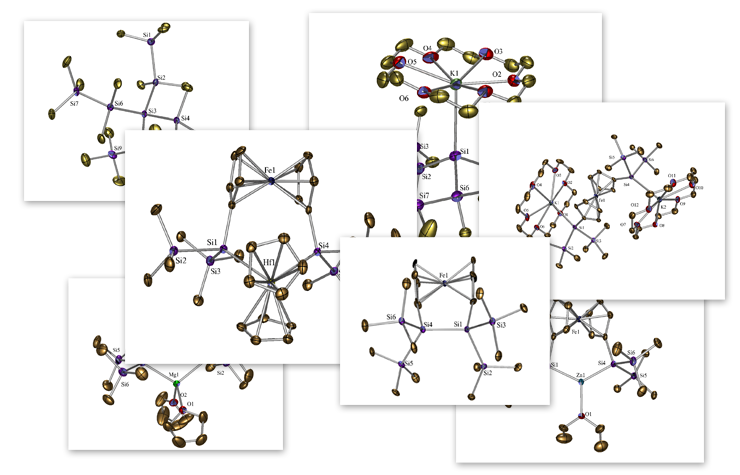
Christoph Marschner is an Associate Professor at the Institute of Inorganic Chemistry, Graz University of Technology, with additional affiliations to the University of Graz. His research focuses on organometallic chemistry of group 14 elements, particularly silicon and germanium, with applications in molecular electronics, nanotechnology, and catalysis. Education : B.Sc./M.Sc. in Technical Chemistry (TU Graz), Ph.D. in Organic Chemistry (TU Graz, 1992). Key Collaborations : Stanford University, University of California, Berkeley, Cork University College. Research Highlights : Developed methods for synthesizing polysilanes and their analogs. Explored σ-bond electron delocalization and hypercoordinate bonding. Pioneered studies on silylated metallocenes and reduced oxidation states. Investigated Lewis acid-catalyzed rearrangements in silicon chemistry. Scientific Contributions span 15+ years of FWF-funded projects and collaborations, including: Chiral Polysilanes (START-Prize 1999) Hypercoordinated Silanes (P 26417) Metalated Germanium (P 222678) Honors & Roles : Schrödinger Fellow (1992-93) APART Scholar (1996-99) Volume Editor, Science of Synthesis (2019–) Member, Junge Kurie (2008)
Tanja Stamm is a researcher affiliated with the Faculty of Computer Science and the Research Group Workflow Systems and Technology . Her work spans interdisciplinary domains, focusing on pharmacology, antimicrobial therapy, and aged care. Notable contributions include studies on drug penetration in lung tissue and physical activity interventions in elderly care. Research Areas : Pharmacokinetics in lung injury, antibiotic efficacy, gerontological health interventions. Key Collaborations : Involved in multidisciplinary studies with medical and pharmaceutical institutions. Her research aligns with UN Sustainable Development Goals in health and well-being. While her faculty affiliation is in computer science, her publications reflect health sciences expertise. Scientific Trends : Recent works emphasize inflammation's impact on drug distribution and evidence-based aged care practices.
Professor Christian Stary serves as Head of the Institute for Business Informatics - Communications Engineering at Johannes Kepler University Linz. With over 481 research outputs spanning conference proceedings, journal articles, book chapters, and literature reviews, he is a prominent figure in business informatics research. His research spans several key areas including Business Informatics, Communications Engineering, Knowledge Management, and Design Thinking. Professor Stary has published extensively on human-centric systems, AI applications in business processes, value network analysis, and digital process twins. His recent work focuses on integrating cognitive ergonomics with technological solutions to enhance human-computer interaction in business contexts. With 49 research projects to his name (11 currently active), Professor Stary has secured funding from various sources including EU programs and national research agencies. His current projects include 'KheepU Kommunikationsplattform' (2023-2026), continuing his long-standing research trajectory that began with projects like 'Scholion' in 2000. Professional Activities: Editor of the Journal of Interaction Science (Volumes 1-7 published 2013-2019) Head of Competence Center for Knowledge Management 384 recorded academic activities including invited talks and conference organization Professor Stary teaches doctoral seminars, dissertation colloquia, and master's thesis seminars, emphasizing practical applications of business informatics principles. His teaching approach integrates Design Thinking methodologies with AI applications, preparing students for contemporary challenges in business information systems.
Richard Heininger is a Senior Lecturer at the Institute for Business Informatics - Communications Engineering at Johannes Kepler University Linz, where he teaches Communications Engineering courses and conducts research in cyber-physical systems and digital process engineering. His research interests include: Communications Engineering Cyber-Physical Systems Digital Process Twins Autonomy in Multi-Agent Systems Knowledge Management Process Engineering Professor Heininger maintains an active research profile with 22 documented research outputs including 13 conference proceedings, 5 peer-reviewed articles, and 4 book chapters. His recent publications demonstrate a strong focus on the intersection of human factors and technical systems, particularly in the areas of digital process twins, vulnerability management, and autonomy negotiation in multi-agent systems. His notable recent works include research on managing customer deviance in last mile logistics, human-centric negotiation mechanisms for multi-agent systems, and improving vulnerability management through process mining techniques. Professor Heininger is actively engaged in teaching, offering multiple Communications Engineering courses for the 2025W semester in various formats including lectures (VL), practical seminars (PS), and exercise sessions (UE and SE). His office is located in Science Park 3, 1st floor, Room S3 0153 at JKU.
Dr. Justyna Rechthaler is a Research Associate at the University of Applied Sciences Wiener Neustadt, specifically based at the Biotech Campus Tulln. She specializes in Chromatography & Mass Spectrometry and contributes to the Master's Program in Bio Data Science. Her research focuses on proteomics, metabolomics, and bioinformatics applications across multiple domains. Dr. Rechthaler leads and contributes to several significant research projects including CIM (Tumor stroma analysis using nano LC-MS/MS), Myko-Ten (investigating mealworms for mycotoxin degradation), and OMICS 4.0 (bioinformatics in life science research). Her work combines advanced analytical techniques with computational approaches to address complex biological questions. Analysis of her recent publications (2022-2024) reveals a strong focus on optimizing protein identification in proteomics, particularly for insect models, with emphasis on sample preparation techniques and data processing methodologies. She also publishes extensively on metabolomics approaches for studying plant-pathogen interactions and novel microbial species with pharmaceutical potential. Her scientific contributions demonstrate expertise in: Nano LC-MS/MS methodologies Proteomics and metabolomics data analysis Mycotoxin research and food safety Cancer diagnostics and tumor microenvironment analysis Interdisciplinary bioinformatics approaches Dr. Rechthaler maintains active research collaborations, particularly with the University of Applied Sciences IMC Krems on cancer diagnostics projects that combine Raman microscopy with artificial intelligence. Her work bridges analytical chemistry, bioinformatics, and practical applications in healthcare and food safety. Her laboratory, known as Ra-Dia_M, focuses on advanced analytical techniques for biological research, particularly in the areas of proteomics and metabolomics, supporting multiple research projects across different scientific domains.
Dr. Ali Ozkes is a Research Professor at the Institute for Public Management & Governance and an affiliated researcher at the Competence Center for Applied AI & Scientific Computing at Vienna University of Economics and Business. He also holds a part-time professorship at SKEMA Business School. His academic journey includes a habilitation from University Paris 1 Panthéon-Sorbonne, a doctorate from École Polytechnique in Paris, a master's from Istanbul Bilgi University, and bachelor's degrees from the University of London and LSE. Dr. Ozkes' research spans several interconnected fields: Collective decision-making processes and consensus building Ethics of artificial intelligence and human-AI interaction Public administration and organizational behavior Behavioral social sciences and social choice theory Strategic decision-making in public and nonprofit sectors His recent publications (2024-2025) show a strong focus on the intersection of AI ethics, public administration, and organizational decision-making. Key themes include consensus building in leadership teams, ethical frameworks for AI in public sector applications, and cognitive models of decision-making. His work frequently appears in top journals across management, public administration, and AI ethics domains. Scientific recognition includes: WU Visiting Fellowship for Japan (2019) Dr. Ozkes actively supervises graduate students and has served on numerous doctoral committees. His research is supported by multiple interdisciplinary projects, including 'Morality, social choice and artificial intelligence' (2019-2021) and 'Establishment of an international research center for experimental financial markets' (2020-2025). He has collaborated with institutions worldwide including Aix-Marseille University, Caltech, Lund University, and Waseda University. Dr. Ozkes contributes significantly to academic service as co-editor of code and data for Management Science and co-editor of a special issue of Theory and Decision. He is also a member of several prestigious academic societies including the Academy of Management, Association for Computing Machinery, and Society for Social Choice and Welfare. His expertise was instrumental in developing the Code of Conduct for General Purpose AI Models under the EU AI Regulation.
Verena M. Dirsch serves as Professor and Deputy Head of the Department of Pharmaceutical Sciences at the University of Vienna, where she leads research in molecular pharmacology of natural products. As Principal Investigator in the Vienna Doctoral School of Pharmaceutical, Nutritional and Sport Sciences (VDS PhaNuSpo), she supervises doctoral candidates and teaches advanced courses including Basics of Drug Discovery and Experimental Methods in Drug Discovery . Her research centers on elucidating cellular mechanisms of natural products for cardiovascular and metabolic diseases, with nuclear receptors (ROR, LXR, RXR, PPAR) and transcription factors as primary targets. Using endothelial cells, vascular smooth muscle models, and macrophage systems, her lab investigates nitric oxide regulation, cell proliferation, and cholesterol efflux pathways. This integrates pharmacognosy with modern drug discovery to develop nature-derived therapeutics. Analysis of her 15 most recent publications (2021-2025) reveals a dominant focus on nuclear receptor modulation by natural compounds. Key trends include identification of lupane triterpenoids and diosgenin as ROR inverse agonists, limonoids as LXR activators, and leoligin derivatives as NF-κB inhibitors. Research combines metabolomics, molecular modeling, and functional assays to link chemical structures to biological activity in metabolic syndrome and atherosclerosis. Professor Dirsch actively mentors PhD students Lorenza Bertaina, Christine Coffey, and Patricia Haiss. Her research is supported by grants including Der RXR-Ligand LRK071 (2022-2025), TMC-VASC (2012-2014), and Drugs from Nature Targeting Inflammation (2008-2011), demonstrating sustained funding in natural product pharmacology. Her laboratory collaborates with phytochemistry and ethnopharmacology groups to identify bioactive compounds, using cell-based screening and in silico tools. Current projects target vascular protection through nuclear receptor modulation, with ongoing work extending through 2028 including international conference presentations on ROR pharmacology.
Steffen Nixdorf is a Consultant Lecturer at the Vienna University of Technology , affiliated with the Faculty of Mechanical Engineering and Operations Science and the Department of Production and Maintenance Management . His work bridges academic research and industrial applications. Ph.D. in Industrial Engineering (Mechanical Engineering specialization) Dipl.-Ing. and B.Sc. in Industrial Engineering (Mechanical Engineering) Research Interests : Knowledge Management in Production Systems Reciprocal Learning in Human-Robot Interaction Predictive Data Analytics for Maintenance Digital Twins in Cyber-Physical Systems Work-Based Learning Frameworks Recent Research Trends : Focus on adaptive learning systems for robotics training, reciprocal learning mechanisms in Industry 5.0 environments, and predictive analytics for maintenance optimization. Publications emphasize collaboration between humans and machines in smart manufacturing contexts. Scientific Recognition : Best Paper Award (2020) at IFAC Conference on Advanced Maintenance Engineering Teaching Activities : Leads courses on Production Information Management Systems at TU Wien since Wintersemester 2022.
Konstantin Schekotihin is an Associate Professor at the Department of Artificial Intelligence and Cybersecurity, Alpen-Adria University of Klagenfurt. His research focuses on artificial intelligence, machine learning, and semantic technologies with applications in industrial systems and semiconductor manufacturing. Reinforcement learning for industrial scheduling Answer Set Programming (ASP) and stream reasoning Failure analysis automation and ontology engineering Neuro-symbolic AI integration Knowledge-based systems in manufacturing Recent publications emphasize AI-driven optimization in semiconductor production, decomposition strategies for scheduling problems, and multi-agent systems for workflow management. His work combines symbolic reasoning with machine learning to address complex industrial challenges. Contact: Konstantin.Schekotihin@aau.at