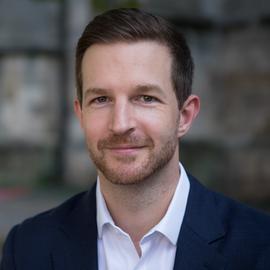
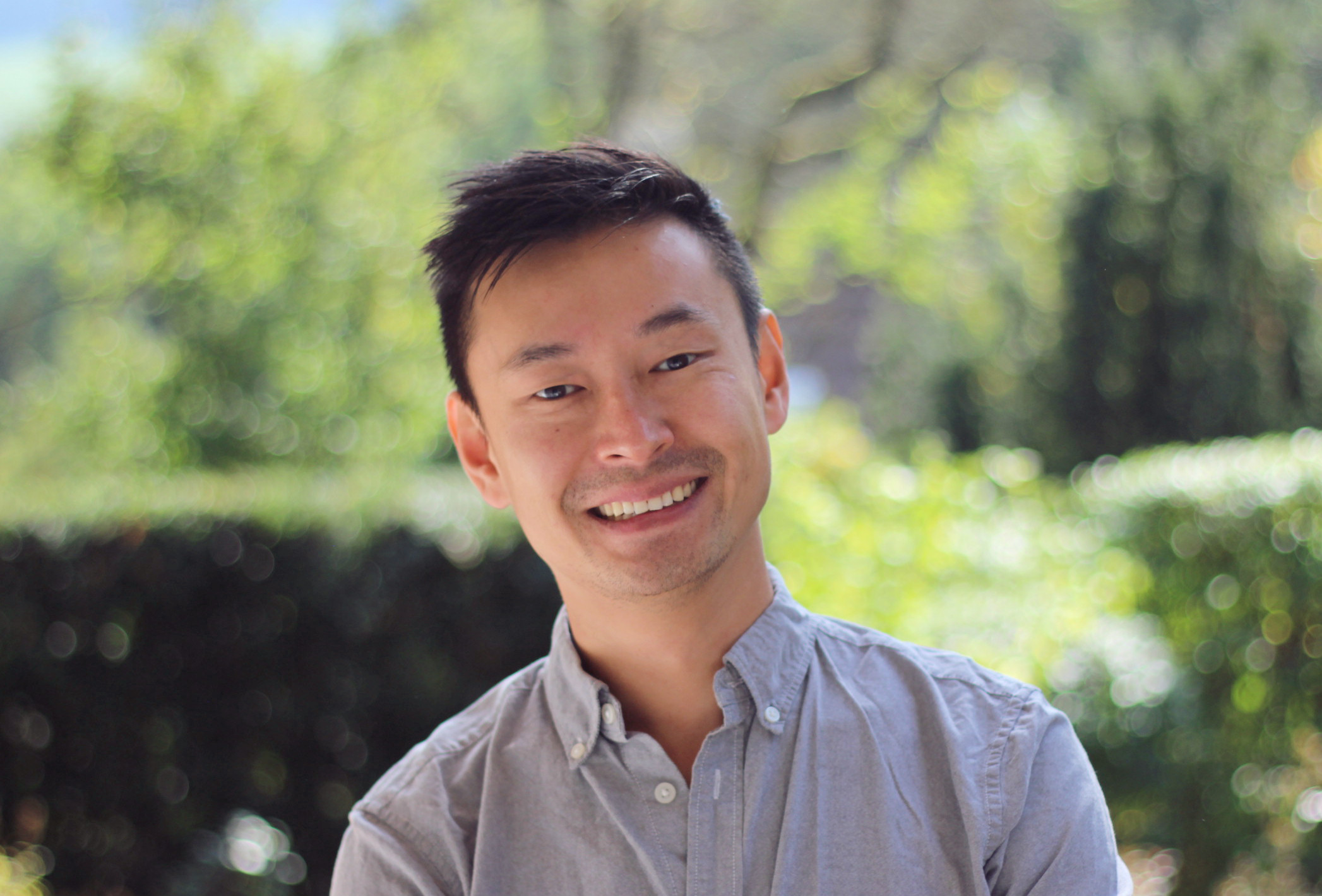
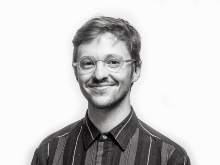
Michael Pradel is a full professor at the University of Stuttgart, specializing in software engineering, programming languages, and machine learning. He will join CISPA as a faculty member from September 2025 while retaining his Stuttgart position. His research focuses on: Neuro-symbolic software analysis Web application analysis Dynamic analysis and test generation Quantum software testing Machine learning for code Recent publications address: LLM-based program repair (RepairAgent, Treefix) WebAssembly analysis (Wasm-R3, LintQ) Python security and analysis (DyLin, DyPyBench) Quantum program analysis (LintQ) Scientific awards: Ernst-Denert Software Engineering Award Emmy Noether grant (1.3M Euro) ERC Starting Grant (1.5M Euro) 3x ACM SIGSOFT Distinguished Paper Award at FSE ACM Distinguished Member Best Paper/Distinguished Paper Awards at ISSTA, ASE, ASPLOS, MSR Key contributions include: DeepBugs for name-based bug detection Getafix for automated bug fixing LintQ for quantum program analysis DyLin for Python dynamic analysis Neuro-symbolic developer tools
Privatdozent Dr. Andreas Faust is a leading researcher at the European Institute for Molecular Imaging (EIMI) at the University of Münster, where he heads the Chemical Targeting Lab. His work focuses on developing innovative imaging agents for medical diagnostics, particularly in radiopharmaceutical chemistry and molecular imaging. He maintains strong affiliations with the Department of Nuclear Medicine at the University Hospital Münster and participates in the "Cells in Motion" excellence cluster, contributing to cutting-edge research at the intersection of chemistry, medicine, and imaging technology. Dr. Faust completed his chemistry studies at the University of Münster, earning his Diploma in 1999, followed by his doctoral degree (Dr. rer. nat.) in 2003 with research on artificial caffeine receptors. His academic journey continued with positions at the Department of Organic Chemistry and the Department of Nuclear Medicine before becoming head of the chemistry group at EIMI in 2011. Dr. Faust's research centers on organic and medicinal chemistry with specialization in radiopharmaceutical chemistry . His team develops novel tracers for diagnostic molecular imaging using positron emission tomography (PET), single-photon emission computed tomography (SPECT), optical imaging, and photoacoustic imaging. A significant portion of his work focuses on creating specific ligands for the alarmins S100A8/S100A9 and bacteria-specific tracers based on complex carbohydrates or siderophores. His research has important applications in inflammation imaging, infection diagnostics, and cancer theranostics, with emphasis on improving metabolic stability and target specificity of imaging agents. His publication record demonstrates consistent contributions to molecular imaging, with recent work emphasizing bacteria-specific PET tracers, inflammation imaging targeting S100 proteins, and novel optical imaging probes. The research shows a clear trajectory toward developing clinically applicable imaging agents with improved specificity and metabolic stability, particularly in the areas of infection diagnostics and inflammation monitoring. 2017: Best Poster Award at Symposium "Molecular Imaging Agents in Medicine," Groningen 2009: Young Investigator Award at Deutscher Röntgenkongress, Berlin 2005: Best Scientific Poster Award at 4th Annual Meeting of the Society of Molecular Imaging, Köln Dr. Faust leads multiple significant research projects, including as Coordinator of a project on immune cell distribution imaging (2019-2024) and as Principal Investigator for CRC-project A03 "Targeting of S100A8/A9 for imaging of inflammatory disorders" and research on vascular graft infections (both 2021-2024). His Chemical Targeting Lab comprises a multidisciplinary team working at the intersection of chemistry, microbiology, and medical imaging, securing substantial funding from the Innovative Medicines Initiative and DFG Collaborative Research Centre. The Chemical Targeting Lab maintains state-of-the-art facilities for chemical synthesis, radiochemistry, and biological testing. The lab collaborates extensively with microbiologists, clinicians, and imaging specialists to translate basic research into clinical applications. Current research directions include optimizing bacterial imaging probes for clinical diagnostics and developing new inflammation-specific tracers for early disease detection, with particular focus on S100A9-targeted imaging and siderophore-based bacterial detection systems.
Ralph Luetticke is a Professor of Economics at the University of Tübingen, affiliated with the Centre for Economic Policy Research and the Stone Centre on Wealth Concentration at University College London. His research focuses on fiscal/monetary policy, business cycles, and computational methods, emphasizing household heterogeneity. Key contributions include analyzing liquidity channels of fiscal policy, military multipliers, and unconventional policy shocks. Recent work explores military spending multipliers, endogenous gridpoint methods for distributional dynamics, and the distributional impacts of monetary policy. His 2023 ERC Starting Grant ('AIRMAC') supports research into aggregate uncertainty in business cycles. Teaching includes advanced macroeconomics courses at UCL and Tübingen, emphasizing HANK models and policy analysis. Scientific awards include the ERC Starting Grant (2023). Research tools developed include the BASE for HANK toolbox (Julia) and open-source codes for heterogeneous agent modeling. His work bridges theoretical macroeconomics with empirical policy analysis, addressing modern challenges like inequality and pandemic stimulus effectiveness.
Felicitas Kleber is Professor of Speech Science in the Department of Language Science and Technology at Saarland University (Universität des Saarlandes). Her research profile demonstrates extensive expertise in experimental phonetics and laboratory phonology with a particular focus on German dialects and sound change phenomena. She maintains active research collaborations, most notably with J. Harrington and Ulrich Reubold, resulting in numerous high-impact publications in leading linguistics and phonetics journals. Her research interests span experimental phonetics and laboratory phonology with specific expertise in speech production and perception , sound change processes, German dialectology , phonological acquisition , and prosody and intonation analysis. Her work frequently examines the acoustic, perceptual, and articulatory dimensions of speech, particularly focusing on vowel and consonant quantity phenomena in German varieties. Analysis of her publication record reveals consistent methodological rigor with emphasis on acoustic analysis, perception experiments, and longitudinal studies. Her research often investigates sound changes in progress, particularly examining vowel fronting phenomena in both German and English varieties, and the relationship between speech production and perception mechanisms. Much of her work employs apparent-time analyses to track diachronic changes through synchronic variation across age groups. Professor Kleber serves as an Associate editor for the Journal of the Acoustical Society of America, reflecting her standing in the field. She has secured significant research funding including the DFG-funded project "Typology of vowel and consonant quantity in South German varieties: acoustic, auditory, and articulatory analyses of adult and child speakers" (2016-2024) and the DAAD-supported "Form and function of prosodic structure in Hungarian and German" (2015-2016). Her research methodology typically combines acoustic analysis with perception experiments and sometimes articulatory measurements to provide comprehensive insights into phonetic phenomena.
Dr. Conny H. Antoni serves as a Senior Research Professor in Work, Industrial, and Organizational Psychology at the Department of ABO Psychology, University of Trier. Their research focuses on digital collaboration, team dynamics, and psychosocial risk management in modern work environments.
Dr. Kevin G. Jamieson is a faculty member at the University of Washington , School of Computer Science , with prior affiliations at the University of California, Berkeley (Department of Electrical Engineering and Computer Sciences) and the University of Wisconsin-Madison (Department of Electrical and Computer Engineering). His work spans machine learning, reinforcement learning, bandit algorithms, and robotics. Current university: University of Washington Academic rank: Professor His research focuses on: Bandit algorithms and sequential decision-making Optimization in non-stationary environments Reinforcement learning with real-world applications Multi-agent systems and game theory Efficient data selection for multimodal learning Human-in-the-loop AI systems Recent publications highlight his expertise in pure exploration strategies, robotic manipulation, and bridging simulation-to-reality gaps in RL. He has mentored numerous collaborators, though formal student advising details are not explicitly listed here. No scientific awards are mentioned in the provided data.
Cuiyun Gao is a Full Professor and PhD Supervisor at the School of Computer Science and Technology, Harbin Institute of Technology, Shenzhen. She has established herself as a prominent researcher in the intersection of artificial intelligence and software engineering. Her educational background includes a PhD from the Chinese University of Hong Kong (completed in 2018), followed by postdoctoral work at CUHK and a Research Fellowship at Nanyang Technological University. She also had a visiting period at University College London supervised by Prof. Mark Harman and Prof. Federica Sarro. Dr. Gao's research primarily focuses on Software Repository Mining, Natural Language Processing, Code Analysis, Large Language Models, Source Code Understanding, User Review Analysis, Vulnerability Detection, and Mobile Advertising Analysis . Her work bridges the gap between traditional software engineering practices and modern AI techniques, particularly in the context of code intelligence and software maintenance. Her recent publications (2024-2025) demonstrate a strong emphasis on Large Language Models for code-related tasks, including code generation, optimization, vulnerability detection, and software engineering applications. Her research shows a clear trend toward addressing practical challenges in integrating LLMs into the software development lifecycle while maintaining code quality and security. Scientific Awards: Distinguished Paper Award at ASE 2023 Best Paper Award of the Track at ICSE 2024 Distinguished Paper Award at ICSE 2024 Dr. Gao actively supervises multiple PhD and Master's students, contributing to the next generation of software engineering researchers. She has served on numerous conference committees including FSE, ISSTA, ICSE, ASE, and SANER. Her research has received significant attention in the software engineering community, with multiple papers published in top-tier venues like FSE, ICSE, ASE, and TSE. Her lab appears to be actively engaged in both theoretical research and practical applications, particularly in the context of WeChat and other industry collaborations, demonstrating strong industry-academia connections.
Dr. Wolfram Barfuss is the Argelander Professor of Integrated Systems Modeling for Sustainability Transitions at the University of Bonn, affiliated with the Center for Development Research (ZEF). He is a member of multiple interdisciplinary research areas including TRA Sustainable Futures, TRA Modeling, and TRA Individual and Societies, as well as the Cluster of Excellence PhenoRob and the Center for Earth System Observation and Computational Analysis (CESOC). He also collaborates with the Potsdam Institute for Climate Impact Research and the Earth Resilience Science Unit. His research focuses on understanding whether humanity is 'smart enough for the good life' by developing formal models of collective learning and decision-making in complex social-ecological systems. He integrates methods from complex systems, multi-agent reinforcement learning, and dynamical systems theory to explore sustainability transitions, cooperation, and Earth system resilience. The recent publications demonstrate a strong focus on modeling collective intelligence, cooperation in stochastic games, decision-making under uncertainty, and integrated World-Earth system modeling. His work spans disciplines including computer science, environmental science, game theory, and cognitive science, with frequent contributions to high-impact journals like PNAS , Nature Communications , and Environmental Research Letters . Argelander Professor for Integrated Systems Modeling for Sustainability Transitions Member, TRA Sustainable Futures Member, TRA Modeling Member, TRA Individual and Societies Cluster of Excellence PhenoRob Center for Earth System Observation and Computational Analysis (CESOC) Earth Resilience Science Unit (Potsdam) Earth Resilience and Sustainability Initiative (Princeton-Stockholm-Potsdam) Dr. Barfuss teaches graduate courses at the University of Bonn and Humboldt University Berlin, including Complex System Modeling of Human-Environment Interactions, Economics on Sustainability, Systems Modeling, and Introduction to Agent-Based Modeling. He leads the BarfussLab, where his team develops computational tools such as pyCRLD for modeling collective reinforcement learning dynamics. While specific student advisees are not listed, his lab and publications suggest active supervision and collaboration with early-career researchers. He has not received any explicitly mentioned scientific awards in the provided text. His research is supported through institutional affiliations and collaborative projects rather than individually listed grants.
Dr. Lucie Kruse is a researcher at the Department of Informatics, University of Hamburg, specializing in Human-Computer Interaction (HCI) and Virtual Reality (VR). Her work focuses on immersive user interfaces for cognitive and physical training, particularly for older adults and those with dementia. She has been an active member of the University of Hamburg's HCI group since 2018 and served on the Ethics Commission since 2023. Her research interests include: Virtual Reality Exergames Serious Games Assistive Technologies Accessibility in VR Mental Health Applications Her publications from 2021-2025 demonstrate expertise in designing VR systems for healthcare, analyzing age-related interaction patterns, and developing inclusive interfaces. She has received multiple awards including the 2024 Honorable Mention for Best Poster at ACM SUI and the 2023 Honorable Mention at ACM CHI. Scientific Awards: Honorable Mention for Best Poster Award at ACM SUI (2024) Runner-Up Prize at Metaverse for the Good (2024) Honorable Mention at ACM CHI'23 Interactive Demo (2023) Honorable Mention at ACM VRST (2021) She has supervised multiple theses on topics like AI agents for mental health, accessibility of chatbots for seniors, and VR exergame design. Her work spans collaborations with institutions like HITLab NZ and Western Sydney University's MARCS Institute.
Professor Charlotte Kloft is Head of the Department of Clinical Pharmacy & Biochemistry at the Institute of Pharmacy, Free University of Berlin since 2011, and spokesperson for the interdisciplinary Graduate Research Training Program PharMetrX 'Pharmacometrics and Computational Disease Modelling' since 2008. She previously served as Professor and Head of the Department of Clinical Pharmacy at Martin-Luther-University Halle-Wittenberg (2005-2011) and as Scientific Assistant/Senior Assistant at Freie Universität Berlin (1999-2005). Her academic credentials include a habilitation in Clinical Pharmacy from Freie Universität Berlin (2003) and a Dr. rer. nat. (summa cum laude) from the same institution (1997). She earned her license as a pharmacist in 1992 after completing pharmacy studies at Johannes Gutenberg-University, Mainz (1987-1991). Professor Kloft's research focuses on pharmacometrics, computational disease modeling, and therapeutic drug monitoring across multiple therapeutic areas. Her work bridges pharmaceutical sciences with clinical practice, with particular emphasis on personalized dosing strategies for oncology, antimicrobial resistance, and inflammatory bowel diseases. She has pioneered research in optimizing drug dosing through pharmacokinetic/pharmacodynamic modeling, with applications in both antibiotic and cancer therapies. Her recent publications demonstrate a strong evolution toward integrating advanced computational approaches with clinical pharmacology, including machine learning applications in pharmacometrics, personalized dosing strategies for biologics during pregnancy, and developing nationwide infrastructure for therapeutic drug monitoring in cancer therapy through the ON-TARGET study. Academic Center of Excellence of Pharsight (now Certara), USA (since 2000) Habilitationsreisestipendium of Dr. August and Dr. Anni Lesmüller-Stiftung (2002) Ernst-Reuter-Preis of Ernst-Reuter-Gesellschaft (1998) Joachim-Tiburtius-Preis of Berlin Senate (1998) Young Investigator Award of EORTC-PAMM (1997) Professor Kloft has successfully supervised numerous doctoral students whose research spans diverse areas including CAR-T cell therapy, antimicrobial resistance, inflammatory bowel disease treatment optimization, and pharmacokinetic modeling of novel therapeutic agents. Her research group has secured significant funding for projects including GlobalResist, ON-TARGET, ABIMMUNE, COMBINATORIALS, and TAIN. She leads a vibrant research ecosystem at the Free University of Berlin with strong collaborations across Europe and internationally, maintaining state-of-the-art laboratory facilities including Biosafety Level 2 certified labs for infectious disease research.
Charley Wu is an Independent Research Group Leader and W3 Professor of Computational Cognitive Science, currently transitioning from the University of Tübingen to Technische Universität Darmstadt. He leads the Human and Machine Cognition Lab (HMC Lab), jointly funded by the Excellence Cluster 'Machine Learning for Science' and the Tübingen AI Center, soon to be based at TU Darmstadt under a LOEWE Start Professorship and an ERC Starting Grant. University of Tübingen (former affiliation) Technische Universität Darmstadt (current/transitioning to) Human and Machine Cognition Lab (HMC Lab) Excellence Cluster 'Machine Learning for Science' Tübingen AI Center Charley Wu's research lies at the intersection of cognitive science and artificial intelligence, focusing on how humans learn and make decisions under uncertainty. Using computational models, statistical learning, and virtual reality experiments, he investigates the cognitive shortcuts and strategies people use to generalize and explore efficiently in complex environments. His work also explores social learning and collective intelligence through biologically inspired multi-agent systems. His recent publications, including a key paper in Nature Human Behaviour on generalization guiding exploration, reflect a strong trend toward integrating machine learning techniques with human behavioral data. The research emphasizes efficient inference, compressed representations, and compositional structures in cognition, bridging gaps between human and artificial intelligence. Notable scientific awards include: ERC Starting Grant: C⁴: Compositional Compression in Cognition and Culture LOEWE Start Professorship Dr. Wu is actively mentoring and expanding his research group, currently recruiting three fully-funded PhD students and one postdoctoral researcher. His lab is supported by competitive grants and institutional funding, indicating strong research momentum and future directions in computational models of cognition, AI-human alignment, and collective learning. He collaborates with leading researchers such as Fiery Cushman and Sam Gershman from his postdoctoral work at Harvard University. The Human and Machine Cognition Lab (HMC Lab) is a dynamic research environment focused on understanding the computational principles of human learning. As it transitions to TU Darmstadt, the lab will continue to explore fundamental questions in cognition using cutting-edge methodologies, including online experiments, multi-agent simulations, and AI-driven modeling.
Prof. Liqiu Meng serves as Chair of Cartography and Visual Analytics at the Technical University of Munich (TUM). He specializes in advanced geospatial research, digital cartography, and human-technology collaboration frameworks. Current Faculty at TUM Chair of Cartography and Visual Analytics Research Focus: His work bridges cartographic theory with cutting-edge technology, covering topics like 3D urban modeling, AI ethics visualization, geovisual analytics, and spatiotemporal data interpretation. Urban Morphology Analysis AI Ethics Cartography Geovisual Analytics 3D City Data Integration Location-Based Service Design Publications: Recent works (2025-2024) demonstrate expertise in explainable AI for urban analysis, multi-agent systems for geospatial interaction, and advanced spatial modeling techniques. Contact: liqiu.meng@tum.de | contact.lfk@ed.tum.de
Samuel Leder is a doctoral researcher at the Institute of Computational Design and Construction (ICD) under the Cluster of Excellence IntCDC at the University of Stuttgart. His work focuses on the integration of robotics and architectural design, particularly in developing distributed robotic systems for timber construction. He has been actively involved in research projects such as RP 19-1 – Robotic Kinematic System for Parallel Construction and RP 19-2 – Co-Design for Distributed Cooperative Multi-Robot Systems . Additionally, he serves on the Equal Opportunity Commission at ICD. Bachelor of Design in Architecture (summa cum laude), Washington University in St. Louis Bachelor of Applied Science in Systems Science and Engineering (magna cum laude), Washington University in St. Louis MSc in Architecture via the Integrative Technologies and Architectural Design Research (ITECH) program, University of Stuttgart Samuel’s research explores the synergies between agent-based modeling , robotic systems , and architectural design . His work aims to create minimal robotic machines capable of constructing complex spatial assemblies, particularly with timber structures . He investigates the co-design of robots and the structures they build, emphasizing modular systems and kinematic behaviors . Recent publications highlight advancements in digital twins , adaptive assembly , and human-robot collaboration for timber construction. The 15 most recent articles reveal trends in collective robotic construction , agent-based modeling , and material-robot interaction . These works emphasize timber fabrication , modular systems , and interactive simulation for large-scale construction tasks. Key sub-fields include adaptive assembly , cyber-physical systems , kinematic control , and human-guided robotics . Scientific Awards: German Academic Exchange Service (DAAD) Award for Outstanding Achievement Deutschlandstipendium Samuel’s research is conducted within the ICD at University of Stuttgart , where he collaborates on the Wood Building Systems for Distributed Robotics associated project. His work bridges architecture , robotics , and computational design , aiming to redefine on-site construction methodologies through innovative robotic systems.
Professor Laurence Jacquet is a distinguished economist at University of Cergy-Pontoise, where he leads research at THEMA (Théorie Economique, Modélisation et Applications). He maintains a prominent international profile as a Distinguished CESifo Affiliate and CESifo Research Network Fellow, contributing to Munich-based research initiatives in public economics. His research program centers on optimal taxation theory with specialized focus on multidimensional heterogeneity, labor market responses, and production regulation. Professor Jacquet investigates how tax systems interact with behavioral elasticities across income types, addressing fundamental questions about redistribution efficiency and policy design in contexts of rising inequality and demographic change. His methodological approach combines advanced mechanism design with practical fiscal policy applications. Analysis of his 12 CESifo Working Papers (2010-2025) reveals evolving research trajectories: early work established foundations in optimal income taxation with heterogeneous agents, while recent publications increasingly incorporate production-side considerations and regulatory frameworks. The consistent thread across his publication history is rigorous theoretical modeling of tax systems that account for both extensive and intensive margin responses in labor and capital markets. Professor Jacquet actively supervises graduate researchers through THEMA, a CNRS-affiliated research center fostering interdisciplinary economic modeling. His CESifo affiliation provides students with exceptional access to European policy networks and collaborative opportunities with leading public finance scholars across the continent. Current research priorities include analyzing tax reforms in contexts of international competition and designing transfer programs with optimal monitoring mechanisms. As director of THEMA research activities in public economics, Professor Jacquet oversees projects examining the trade-offs between equity and efficiency in modern tax systems. The center's work particularly addresses challenges posed by intangible capital, cross-border migration, and aging populations through sophisticated theoretical frameworks that inform real-world policy design.
Min Peng is a Professor at Wuhan University's School of Computer Science. His research focuses on artificial intelligence, machine learning, natural language processing, and knowledge graphs. He has collaborated extensively with institutions like Hefei University of Technology and the University of Chinese Academy of Sciences. His work bridges theoretical advancements in AI with practical applications in finance, social media analysis, and network optimization. Recent contributions include neural-symbolic reasoning frameworks, contrastive learning for knowledge graphs, and financial benchmarking with large language models. Research interests emphasize scalable machine learning models for complex reasoning tasks, explainable AI, and domain-specific applications in finance and social networks. Over 100 publications span venues like WWW, ACL, and NeurIPS, highlighting interdisciplinary impact. Notable projects include SymAgent (neural-symbolic agent frameworks), PIXIU (financial LLM benchmark), and DTC (commonsense machine comprehension). Key technical trends include integrating large language models with structured data, temporal knowledge graph reasoning, and transfer learning across domains. His work often addresses real-world challenges in data efficiency, interpretability, and cross-domain scalability. Current efforts explore financial LLMs, agent-based reasoning systems, and multimodal applications. While no specific grants or awards are listed in the provided data, his prolific publication record indicates sustained research excellence. Collaboration networks include teams in computer science, electrical engineering, and finance disciplines.