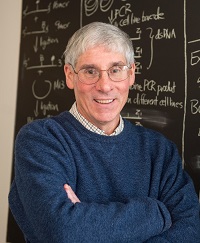
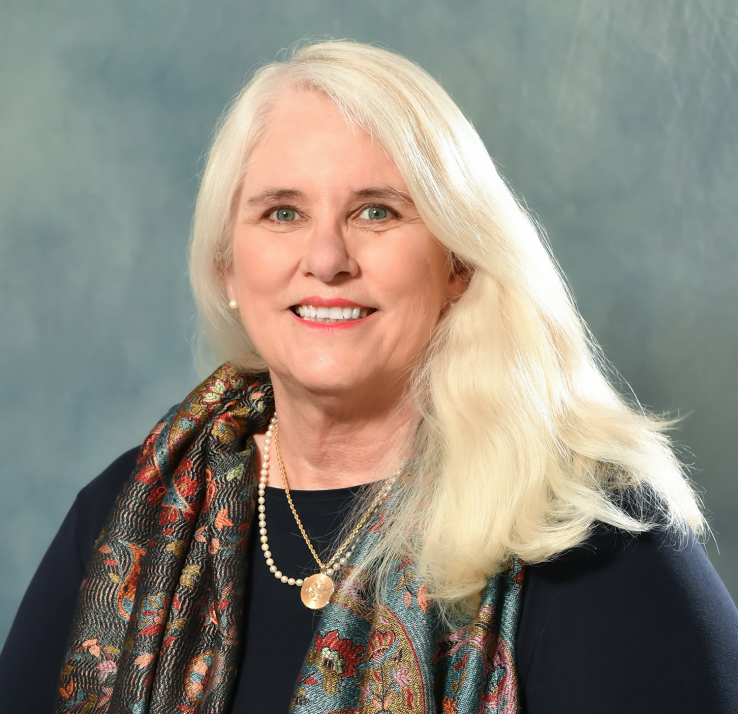
Natalie Johnson is an Associate Professor in Environmental and Occupational Health at the College of Veterinary Medicine, Texas A&M University. She chairs the Interdisciplinary Program in Toxicology and leads critical research on air pollution impacts on vulnerable populations. Education PhD in Toxicology, Texas A&M University College of Veterinary Medicine Postdoctoral Fellowship in Environmental Health Sciences, Johns Hopkins Bloomberg School of Public Health BS in Biology, Texas A&M University College of Science Her research focuses on inhalation toxicology , maternal exposure to pollutants , and gene-environment interactions . She directs the mobile responding to air pollution in disasters (mRAPiD van), a real-time chemical pollutant detection platform, and investigates emerging environmental chemicals in breast milk. Current projects include: Respiratory toxicology of inhaled pollutants Prenatal/pediatric air pollution exposure and immune development Development of green-engineered clays for toxin mitigation
Ine van der Fels-Klerx is an Associate Professor in Business Economics at Wageningen University & Research, with a focus on food safety and risk management. She is also a Programme and Account Management lead, overseeing interdisciplinary projects. Her work integrates economic analysis with food safety challenges, particularly addressing mycotoxin contamination, climate change impacts, and circular economy solutions. Key collaborations include projects on early warning systems for mycotoxins and cost-effective monitoring strategies for contaminants in food supply chains. Her research spans topics such as alternative protein sources, insect-based feed production, and resilient supply chain designs. Notable projects include developing decision support tools for risk-based monitoring and assessing the economic feasibility of food safety interventions. She has advised multiple PhD candidates, including those studying mycotoxin management in maize and climate change effects on aflatoxins. Media contributions highlight her expertise in food safety, including interviews on predicting grain contamination and smart monitoring techniques. She actively participates in workshops and conferences, discussing digitalization in food systems and the role of artificial intelligence in food safety prevention.
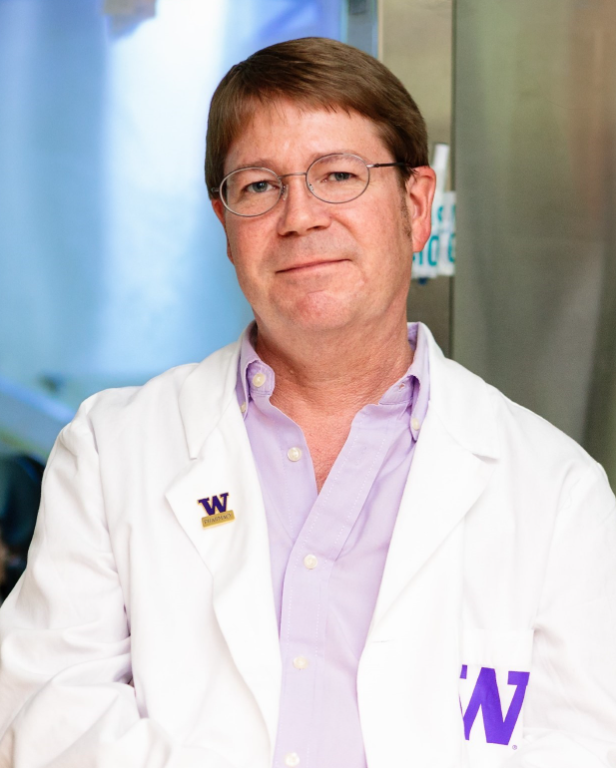
Edward Kelly is a Professor and Adjunct Professor at the University of Washington , affiliated with the School of Pharmacy and the Department of Pharmaceutics , as well as the Environmental & Occupational Health Sciences . He is the Co-Director of the Pharmaceutical Bioengineering Program and leads the Kelly Lab , which focuses on microphysiological systems (organs-on-chips) for preclinical toxicology and drug metabolism research. Education : BS, MS, and PhD in Biochemistry from UC Riverside and the University of Washington. His research interests center on ex vivo modeling of human organ physiology and toxicological responses to drugs and xenobiotics, with a focus on liver and kidney ADME organs . His lab is pioneering the use of organs-on-chips to replace animal testing (the 3 Rs) and study disease models and microgravity effects on the International Space Station. His publications highlight the application of microphysiological systems in nephrotoxicity , drug metabolism , and multi-organ coupling . Key themes include toxicology , translational research , and biomedical engineering for preclinical models . Edward Kelly teaches courses such as Biotechnology and Biopharmaceuticals , Drug Disposition Science , and Pharmacokinetics . His lab actively accepts students , and he collaborates with institutions like the Comparative Health Outcomes, Policy, and Economics (CHOICE) Institute and the Program on Pharmacokinetics of Drugs of Abuse during Pregnancy (UWPKDAP) .
Susan C. J. Sumner is a Professor of Nutrition at the University of North Carolina at Chapel Hill's Gillings School of Global Public Health. She serves as Director of the Metabolomics and Exposome Laboratory (MEL) at UNC Chapel Hill and leads research initiatives in precision nutrition and personalized medicine. Her research spans maternal and child health, diabetes, toxicology, cancer, microbiome, and addiction, with a focus on using untargeted metabolomics/exposome technologies to identify biomarkers for disease detection and intervention strategies. She has received grants from NHLBI, NIGMS, NCI, NIDDK, and NIEHS. Mechanistic insights into environmental chemical metabolites Multi-omics approaches to obesity-related health outcomes Exposome analysis for lifespan health impacts Dr. Sumner earned her B.S. and Ph.D. in Chemistry from North Carolina State University, followed by postdoctoral research at the National Heart, Lung, and Blood Institute (NHLBI).
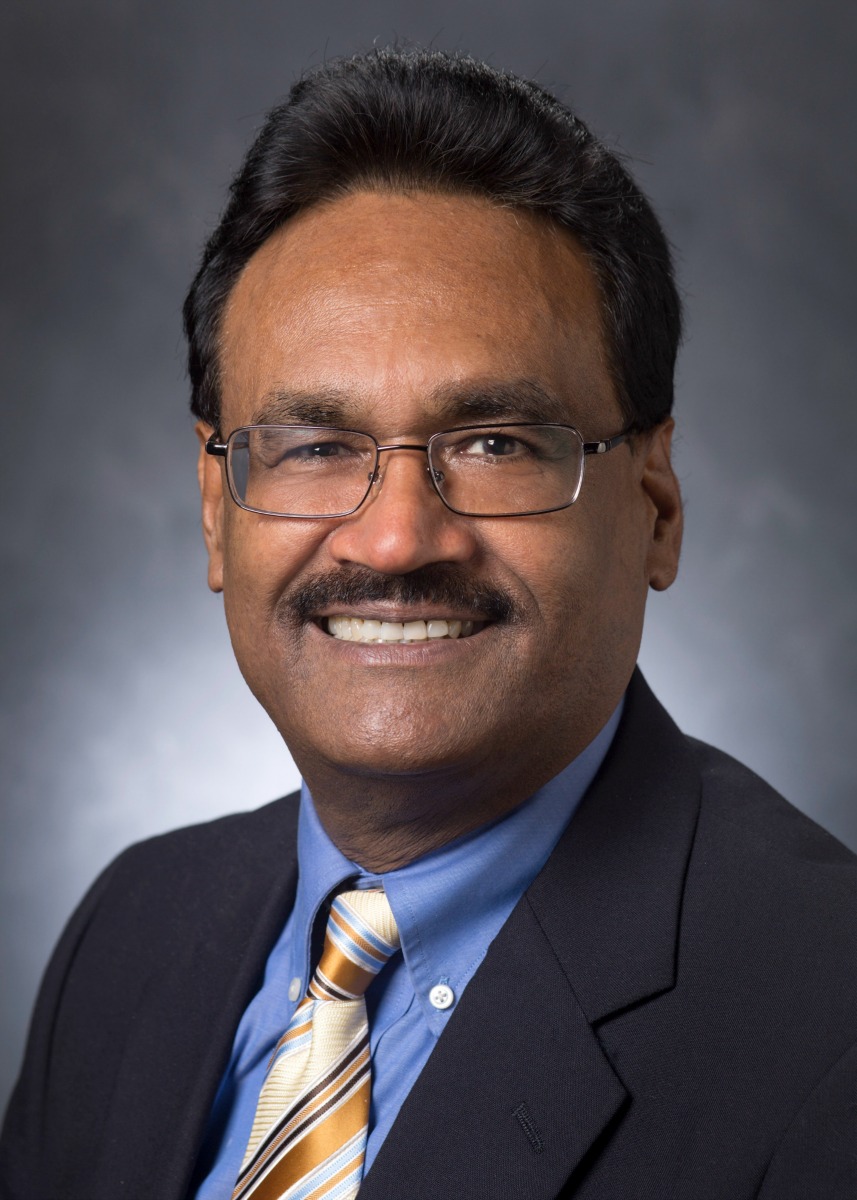
Dr. Rakesh K. Singh is a Professor in the Department of Food Science & Technology at the University of Georgia, part of the College of Agricultural and Environmental Sciences (CAES). His research focuses on value-added food processing using advanced technologies such as UV irradiation, high-pressure processing (HTST), atmospheric cold plasma, and radio frequency (RF) heating. Key projects include aflatoxin decontamination in peanuts, pathogen inactivation in dairy and juices, and optimization of food powder pasteurization. He teaches courses such as Food Science Internship (FDST 3910/8910) and Multidisciplinary Topics in Foods (FDST7020E). His work bridges food safety, engineering, and biochemical analysis, with recent publications emphasizing novel decontamination methods and material science applications in food processing. Research interests span food safety innovations, thermal and non-thermal processing technologies, and the physicochemical properties of food matrices. Notable studies include RF-assisted milk powder pasteurization, cold plasma modification of dairy proteins, and UV/H₂O₂ detoxification systems. His contributions address challenges in food preservation, microbial control, and quality enhancement across diverse products like meats, juices, and spice powders. Publications highlight interdisciplinary approaches, combining engineering principles with biochemical insights. Recent trends in his work include optimization of RF heating uniformity, evaluation of novel antimicrobial coatings, and mechanistic studies of food toxin interactions. His research has implications for both industrial food processing and academic advancements in food safety methodologies.
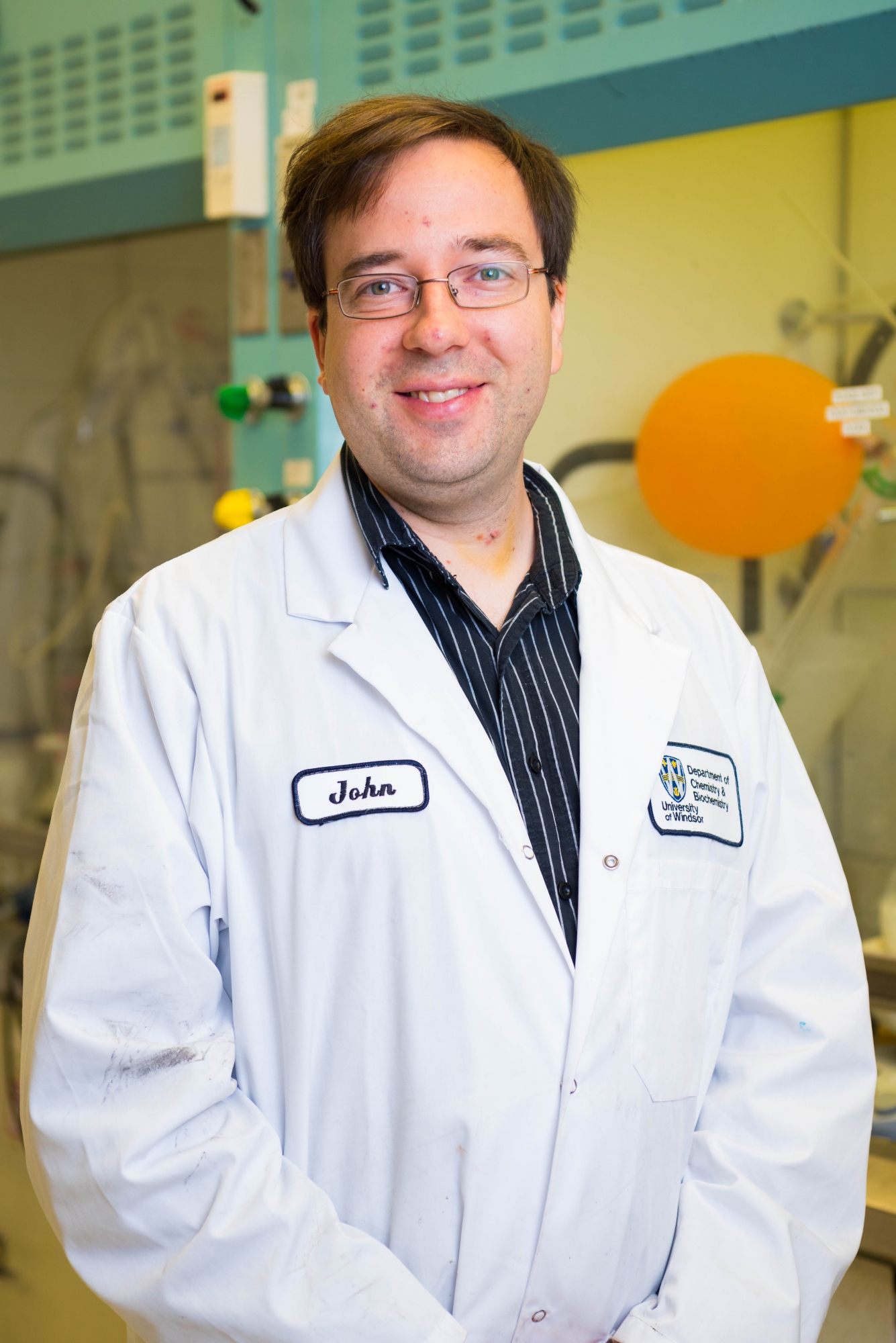
Dr. John F. Trant is an Associate Professor in the Department of Chemistry and Biochemistry at the University of Windsor. His work focuses on synthetic and bioorganic chemistry, materials science, and drug discovery. He leads the Trant Team, which integrates computational design with experimental chemistry to develop novel biologically active compounds and advanced materials. Key research areas include peptide and carbohydrate chemistry for medical applications, stable synthetic carbohydrates, and drug delivery systems. Research interests span peptide drugs for autoimmune diseases, ring-shaped cavitand molecules for antibiotic resistance solutions, and materials derived from biomolecules. Collaborations with academic and industrial partners address interdisciplinary challenges in drug development, formulation science, and nanotechnology. The lab emphasizes iterative design through synthesis, bioassay, and computational modeling. Current projects include universal drug delivery particles, enzymatic mimics using cavitands, and targeted therapies for aggressive cancers. The team also explores synthetic methods for cannabinoids, boron-based cancer agents, and nanodiamond drug delivery systems. Funding sources include government grants and industrial partnerships. Teaching responsibilities cover organic chemistry, biochemistry, and materials science. The lab maintains strong ties to industry through formulation science and analytical chemistry projects. Open to postdoctoral researchers in molecular biology, peptide synthesis, and analytical instrumentation.
Luca Dellafiora is an Associate Professor at the Department of Food and Pharmaceutical Sciences, University of Parma, specializing in Food Chemistry (SSD CHIM/07-B). He leads international mobility coordination for the Master's Degree in Human Nutrition Sciences and manages internship programs. His research focuses on hybrid in silico/in vitro approaches to assess chemical risks and benefits in foods, particularly xenobiotics and mycotoxins. Education PhD in Food Science and Technology (2015), University of Parma Master's in Molecular Biology (2011), University of Parma Bachelor's in Biology (2008), University of Parma Research Interests Prof. Dellafiora investigates chemical and chemico-toxicological aspects of food compounds using computational and experimental methods. Key areas include mycotoxin metabolism , bioactive compound interactions , endocrine disruption , and food risk assessment . His work addresses detoxification strategies and masked mycotoxin analysis. Recent publications highlight trends in in silico modeling for toxin-receptor interactions, foodborne pathogen adhesion , and molecular mechanisms of contaminants . Articles span computational toxicology, mycotoxin research, and food safety innovations. Coordinates Telephone: 902073 Office: Science Park Area 17/A, Chemical Building Email: luca.dellafiora@unipr.it
Prof. Dr. Ilkay Aydogan is affiliated with the Faculty of Veterinary Medicine at an unspecified university, specializing in the Department of Animal Science and Nutrition . Their research focuses on Animal Nutrition , Nutritional Diseases , and Toxicology , with particular emphasis on dietary interventions and biochemical impacts in poultry and livestock. Key Research Areas: Animal Nutrition and Feed Additives Toxicological Effects of Environmental Pollutants Gastrointestinal Health in Broilers Mycotoxin Mitigation Strategies Recent Publications highlight studies on: Alternative feed ingredients (hemp seed oil, garlic, black cumin) Antioxidant supplementation (vitamin C, E, green tea extracts) Mycotoxin and heavy metal toxicity mitigation Prebiotic and probiotic applications in poultry These works span disciplines including Poultry Science , Biochemistry , and Environmental Toxicology . No scientific awards or student mentoring details were found in the provided texts.
Youjun Deng is an Associate Professor in Soil & Clay Mineralogy at Texas A&M University's College of Agriculture & Life Sciences. He holds a Ph.D. from Texas A&M (2001) and teaches Soil Mineralogy annually. His research focuses on molecular mechanisms of soil/clay interactions with contaminants (e.g., aflatoxins), environmental remediation via mineral transformations, and advanced spectroscopic methods. Key areas include agricultural impacts on soil weathering, bauxite residue remediation, and clay-based alternatives to antibiotics. Research spans diverse environments: agricultural soils, mine tailings, polar regions, and even Mars soil analogs. Recent work explores carbon capture via rock powder and pyocyanin adsorption dynamics. He collaborates on aflatoxin mitigation strategies, including clay-polymer sensors and enterosorbent development. Education: Ph.D., Texas A&M University (2001). Students include Chia-Wei Lin. Active in AgriLife Research, with grants focused on mineralogical solutions to environmental and agricultural challenges. Laboratory work emphasizes molecular modeling and synchrotron-based analyses.
Michael Sulyok is a prominent researcher at the Institute of Bioanalytics and Agro-Metabolomics, University of Natural Resources and Life Sciences, Vienna (BOKU), specializing in advanced analytical methods for food and feed safety. His work focuses on developing quantitative LC-MS/MS techniques capable of detecting over 1000 fungal metabolites and plant toxins at sub-μg/kg levels, leveraging one of the world's largest collections of fungal metabolite standards. He actively collaborates with international partners including Wageningen University and Nigerian research institutions. His core research interests include: Overcoming matrix effects in multi-toxin analysis Validation of high-throughput LC-MS/MS methods Climate change impacts on mycotoxin occurrence Infrared spectroscopy (NIR/MIR) for rapid on-field screening Diffusion patterns of toxins in mold-affected foods Emerging contaminants beyond EU-regulated mycotoxins Analysis of his 2025 publications reveals strong emphasis on real-time monitoring solutions, particularly portable infrared spectroscopy integrated into agricultural machinery for wheat quality assessment. His team is pioneering the use of CO2 sensors and 3D-printed modules for early contamination detection, while expanding multi-analyte coverage to plant-based alternatives and animal feeds under diverse environmental conditions. No scientific awards were documented in the provided materials. Sulyok supervises graduate theses at BOKU as indicated by his participation in Doc Day events, though specific student names were not disclosed. His research is supported by EU-funded consortia including FFoQSI and MycoKey, with extensive field work in Africa examining mycotoxin exposure in dairy cattle, maize, and infant foods. He leads a specialized team within BOKU's Tulln campus facility, utilizing cutting-edge mass spectrometers and chemometric approaches. The group maintains critical reference standards for fungal metabolites and is currently developing combine harvester-integrated NIR systems for wheat breeding, alongside investigating fungal metabolite profiles in aquaponics and novel matrices like vegan cheeses and moldy bread.
John Essigmann is the William R. (1956) and Betsy P. Leitch Professor in Residence of Chemistry at the Massachusetts Institute of Technology, with joint appointments in the Department of Chemistry and Department of Biological Engineering. He previously served as Director of the Center for Environmental Health Sciences (2012-2019) and Associate Head of the Department of Chemistry (until 2012). Currently, he directs the MIT T32 Training Grant in Toxicology and maintains an active research program focused on DNA damage mechanisms. His educational background includes undergraduate studies at Northeastern University and a Ph.D. from MIT under Professor Gerald Wogan, a pioneer in toxicology. His doctoral work investigated metabolic activation and DNA binding of aflatoxin B1 and related fungal toxins. Essigmann's research centers on understanding how DNA lesions caused by environmental toxins and chemotherapeutic drugs lead to mutations, cancer, and cell death. His laboratory pioneered methods to synthesize oligonucleotides containing specific DNA adducts and introduce them into viral genomes to study mutational outcomes. This work has provided fundamental insights into carcinogenesis mechanisms and informed the development of anticancer strategies like 'lethal mutagenesis.' His research spans molecular toxicology, DNA repair mechanisms, mutagenesis, and the molecular etiology of human cancer. Analysis of his recent publications reveals consistent focus on DNA damage mechanisms, with particular emphasis on environmental carcinogens like nitrosamines and aflatoxins. His work increasingly integrates advanced detection technologies, next-generation sequencing, and structural biology approaches to understand mutational signatures and DNA repair pathways. The research shows strong translational potential in cancer prevention, early detection of carcinogens, and development of novel therapeutic strategies. National Cancer Institute Outstanding Investigator Award (1989) Arthur C. Smith Award (1998, 2020) Mutation Research Award for Scientific Excellence (2000) Susan B. Komen Breast Cancer Foundation Award (2000) Thailand's Gold Medal (2004) MERIT Award from the National Cancer Institute (2008) Martin Luther King, Jr., Leadership Award (2009) Founders Award from the Chemical Toxicology Division of the American Chemical Society (2021) Essigmann has mentored numerous graduate students and postdoctoral researchers, with Dr. Bogdan Fedeles representing one prominent example who has published landmark reviews from the Essigmann Lab. His research has been consistently supported by major NIH grants, including a decade-long NCI Outstanding Investigator Award and the current T32 Training Grant in Toxicology. He has served on numerous national review panels, including as past chair of the NIH Chemical Pathology Study Section and service on the Council of the National Institute of Environmental Health Sciences. The Essigmann Lab, housed within MIT's Department of Chemistry, maintains strong collaborative ties with other MIT research groups including the Swager Lab (nanosensors for carcinogen detection). The lab has historically maintained connections with Thailand through research and teaching at the Chulabhorn Research Institute and other Thai institutions, reflecting Essigmann's international recognition for work on problems affecting the developing world.
Abdel-Aziz Mohammed Sayed is a researcher at Egypt's National Research Centre with 140 publications spanning 27 years, accumulating 2,838 citations and a very high H-index. His work demonstrates significant academic influence in toxicology and microbiology. His research focuses on toxicology (mycotoxin detoxification, nanotoxicology), microbiology (actinomycetes identification, antimicrobial properties), and biotechnology (enzyme applications in textiles). He specializes in natural product solutions for oxidative stress and genotoxicity. Analysis of his 2011-2020 publications reveals consistent interdisciplinary work bridging chemistry and biology. Key themes include microbial metabolite applications against aflatoxins, plant-based nanoparticle toxicity mitigation, and industrial enzyme optimization – particularly cellulases and proteases for textile processing. His research receives substantial institutional support through sponsors including the National Science Foundation, National Institutes of Health, and National Research Centre, reflecting its scientific significance and real-world applicability.
Howard Glauert is a Professor in the Department of Pharmacology and Nutritional Sciences at the University of Kentucky. He is also a member of the Markey Cancer Center's Cancer Research Priority Initiative and the Molecular and Cellular Oncology Research Program. His work bridges environmental toxicology and nutritional science to study cancer mechanisms. Education: Ph.D. in Pharmacology, Michigan State University (1982) B.A. in Biology, University of Missouri-Columbia (1974) Research interests focus on environmental chemical-induced carcinogenesis and nutritional interventions. Key areas include: Mechanisms of persistent organic pollutants (PCBs, dioxins) Dietary modulation of cancer risk Peroxisome proliferators and PPAR signaling Cigarette smoke effects on pancreatic/lung cancer Mouse models for cancer research Scientific awards include a high-impact research profile with an h-index of 34 and over 3,400 citations. His work aligns with UN Sustainable Development Goals for health and well-being. Key grants include National Cancer Institute funding for selenium supplementation and lung cancer prevention, and University of Iowa research on PCBs. He has collaborated extensively with investigators like Gary Gairola and Edward Lee.
Professor Vladimir Nešić is a full professor at the Department of Forensic Veterinary Medicine and Legal Regulations within the Faculty of Veterinary Medicine at the University of Belgrade. He teaches multiple courses including Forensic Veterinary Medicine and Regulations in Veterinary Medicine, Ethics and Communication in Veterinary Medicine, and Legal Regulations in Veterinary Medicine. Professor Nešić's research spans forensic veterinary medicine, veterinary toxicology (particularly mycotoxicology with emphasis on T-2 toxin), veterinary pathology, and DNA forensics in veterinary contexts. His work demonstrates expertise in applying forensic techniques to veterinary medicine and studying mycotoxin effects on animal health. His research interests include forensic veterinary pathology, mycotoxicology, animal disease diagnostics, and legal aspects of veterinary practice, with particular focus on forensic applications in veterinary medicine. Analysis of his recent publications reveals a consistent research trajectory in forensic veterinary medicine and mycotoxicology. His work shows increasing integration of molecular techniques in veterinary forensics, particularly in species identification and disease diagnosis. The research demonstrates practical applications in food safety, wildlife conservation, and legal contexts where veterinary expertise is required. His publications appear in both high-impact journals and specialized veterinary publications, indicating recognition across both scientific and professional veterinary communities. Professor Nešić has collaborated extensively with Darko Marinković and other researchers at the University of Belgrade, as well as with international colleagues. His teaching responsibilities include core courses in forensic veterinary medicine and legal regulations, reflecting his dual expertise in veterinary science and legal aspects of the profession.
Susan Sumner, PhD, is a Professor of Nutrition and Pharmacology at the University of North Carolina Chapel Hill, leading the Metabolomics and Exposome Laboratory (MEL) at the Nutrition Research Institute (NRI). She specializes in personalized medicine and precision nutrition, leveraging metabolomics and exposome technologies to identify biomarkers for disease prediction, treatment monitoring, and intervention strategies. Education: Dr. Sumner earned a B.S. and Ph.D. in Chemistry from North Carolina State University, followed by postdoctoral research at the National Heart Lung and Blood Institute (NHLBI). Research Interests: Her work focuses on metabolic perturbations linked to drugs, environmental chemicals, and dietary intake, with applications in maternal/child health, diabetes, toxicology, cancer, microbiome, and addiction. Key tools include untargeted metabolomics to study interactions between exposures and health outcomes. Grants & Leadership: She directs NIH-funded cores such as the Metabolomics Core of the Nutrition Obesity Resource Center and the NIH Common Fund Metabolomics and Clinical Assay Center. Recent grants include a 2022 award for predicting dietary responses and a 2019 grant for cardiovascular disease biomarkers. Labs & Teams: The Sumner Lab employs techniques like 700 MHz NMR spectroscopy and collaborates with global consortia. Key projects include the Human Cancer Metabolome Atlas and the NIH Nutrition for Precision Health Consortium. Future Work: Ongoing efforts aim to integrate metabolomics with AI for precision health, develop exposome analysis tools, and advance biomarker discovery for personalized interventions.