Southern University of Science and Technology (SUSTech)China
BAI Jiaming is an Associate Professor at the Department of Mechanical and Energy Engineering, College of Engineering, Southern University of Science and Technology (SUSTech). His research focuses on additive manufacturing (3D printing) of ceramics, nanocomposites, and functional materials, with applications in energy, biomedical engineering, aerospace, and electronics. Education: PhD (2014), MSc (2009), Loughborough University; BSc (2008), Beijing University of Chemical Technology Research interests: Development of high-speed 3D printing systems, additive design optimization, and industrialization of ceramic/nanocomposite manufacturing. His work bridges material science, structural engineering, and applied technologies. Recent publications highlight advancements in ceramic composites for biomedical and energy applications, graphene-based energy storage systems, and process innovations for zirconia and polymer composites. Key themes include material dispersion, thermal properties, and biomimetic design. Scientific Awards: Fellow of the Institute of Materials, Minerals and Mining (FIMMM); Top 2% Scientists worldwide Advising: Actively recruits postdoctoral fellows, PhD/Master's students, and research assistants. His group has secured over 10 national/provincial research grants. Labs: Affiliated with SUSTech’s Shenzhen Key Laboratory of Additive Manufacturing of High-Performance Materials, which focuses on overcoming industrial bottlenecks in metal/polymer/ceramic AM.
Southern University of Science and Technology (SUSTech)China
Dr. Xiong Yi is an Assistant Professor at the School of System Design and Intelligent Manufacturing (SDIM) at Southern University of Science and Technology (SUSTech) in Shenzhen, China. He leads the Computational Design and Fabrication (CoDeFab) research group, focusing on the integration of computational design methods with advanced manufacturing technologies, particularly in the field of additive manufacturing. Dr. Xiong has established himself as a leading researcher in computational design for additive manufacturing, with a strong international research background spanning Europe and Asia. Dr. Xiong's educational journey includes: Doctor of Science (DSc) in Engineering Design and Production from Aalto University, Finland (2012-2016) Master of Science (MSc) in Machine Automation from Tampere University of Technology, Finland (2010-2012) Bachelor of Engineering (BEng) in Mechanical Engineering from Hubei University of Technology, China (2006-2010) Dr. Xiong's research primarily focuses on computational design and fabrication methodologies, with particular emphasis on design for additive manufacturing (DfAM), intelligent manufacturing systems, and smart materials. His work bridges the gap between theoretical design principles and practical manufacturing constraints, developing novel approaches for the production of complex engineered products. He has pioneered research in continuous fiber-reinforced composite additive manufacturing, developing innovative process planning and optimization techniques that enable the production of high-performance structural components. His research in electrothermally controlled origami and 4D printing of smart materials represents cutting-edge work at the intersection of materials science, mechanical engineering, and computational design. Dr. Xiong's recent publications reveal a strong focus on continuous fiber-reinforced composites, with significant contributions to 4D printing, metamaterials, and intelligent process planning. His work integrates computational design with manufacturing constraints, creating novel approaches for topology optimization, toolpath planning, and structural design that consider both performance requirements and manufacturability limitations. The research demonstrates increasing sophistication in materials science applications, particularly in programmable materials and multi-functional structures. Dr. Xiong has received multiple prestigious awards for his research contributions, including: Best Presentation Award at the 24th Chinese Conference on Mechanisms and Machine Science (IFToMM CCMMS2024) Best Presentation Award at the International Conference on Frontiers of Additive Manufacturing Research (RAAM 2024) Best Paper Award at the International Conference on Design for 3D Printing (ICD3DP 2023) PhD Scholarship from Aalto University (2016) Research Travel Grant from the International Association for Vehicle System Dynamics (IAVSD) (2013) National Scholarship from the Ministry of Education (2008) As a dedicated educator and mentor, Dr. Xiong serves as a PhD supervisor at SUSTech and has successfully guided students who have gone on to pursue advanced studies and careers at prestigious institutions including Hong Kong Polytechnic University, Beihang University, DJI Innovations, and Singapore's A*STAR research institute. His research is supported by multiple competitive grants, including key projects from the National Key R&D Program of China, the National Natural Science Foundation of China, and provincial and municipal funding agencies. Dr. Xiong also serves on the editorial board of the Journal of Engineering Design and as a guest editor for Composites Communications, contributing to the advancement of his field through scholarly service. Dr. Xiong leads the CoDeFab research group, which maintains a strong collaborative culture focused on 'design leading manufacturing, manufacturing driving design, and digital-intelligent integration.' The group has developed several advanced manufacturing platforms, including multi-axis continuous fiber-reinforced composite additive manufacturing systems, smart composite additive manufacturing platforms, and multifunctional soft matter open manufacturing platforms. With a focus on practical applications and innovation, the CoDeFab group actively collaborates with industry partners and has established a joint laboratory to bridge academic research with industrial implementation.
Southern University of Science and Technology (SUSTech)China
Dr. Wenjun Lu is an Associate Professor and Principal Investigator at Southern University of Science and Technology (SUSTech), with a focus on metallic materials design, advanced characterization, and mechanical property control. She completed her Ph.D. and B.Sc. at Imperial College London and served as a Postdoctoral Fellow at the Max Planck Institute for Steel Research under Dierk Raabe and Gerhard Dehm. Her research areas include: Metallic Materials Design and Additive Manufacturing Hydrogen Embrittlement and Corrosion Grain Boundary Engineering and Phase Transformation In-situ TEM and Spherical Aberration-Corrected STEM Key publication trends: Focus on lightweight steels, high-entropy alloys, and additive manufacturing Advanced characterization techniques (TEM/3D APT/Cryo-FIB) Mechanical behavior optimization through nanostructures Scientific Awards: Outstanding Young Scientist Award (2021) Top 2% Scientists in the World (2021) Outstanding Reviewer for Journal of Alloys and Compounds (2018) Research Leadership: National Natural Science Foundation of China (52371110) Ministry of Science and Technology Project (2022YFB4600700) Guangdong Provincial Fund (20231515011510)
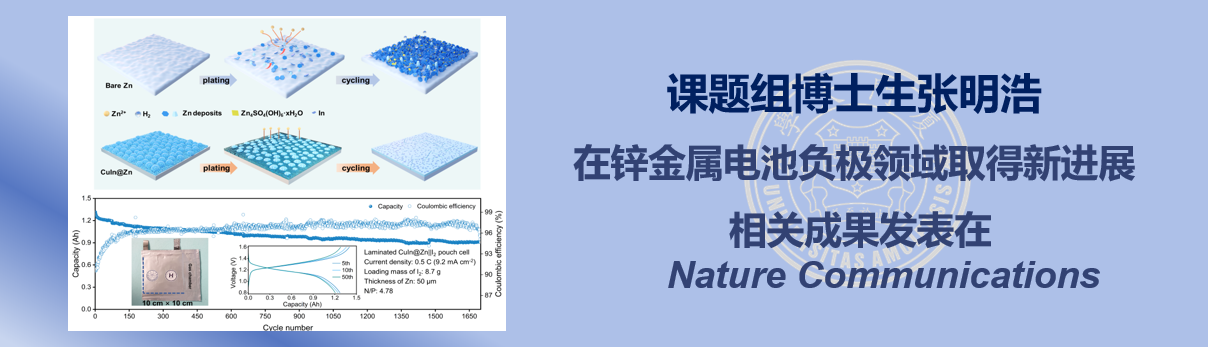
Lu Xihong is a Professor and Doctoral Supervisor at the School of Chemistry, Sun Yat-sen University. He holds a PhD from the same institution and has held academic positions since 2013, progressing from Lecturer to Associate Professor, and ultimately to his current rank of Professor since 2019. His research focuses on nano-energy materials, electrochemical energy storage devices (e.g., supercapacitors, aqueous metal-ion batteries, electrocatalysis), and microbial fuel cells. He has been awarded multiple national and provincial grants, including the National Excellent Young Scientists Fund Project and Guangdong Provincial Science and Technology Projects. Lu has authored over 100 peer-reviewed articles in top journals such as Advanced Materials , Angewandte Chemie International Edition , and ACS Energy Letters , with a focus on energy storage materials and electrochemical systems. Education: PhD in Chemistry, Sun Yat-sen University (2008–2013) Joint PhD in Chemistry, University of California, Santa Cruz (2011–2013) Bachelor of Science in Chemistry, Sun Yat-sen University (2004–2008) Research Highlights: Key projects include developing high-energy-density supercapacitors, stable bismuth-based batteries, and advanced electrocatalysts for water splitting. His work emphasizes surface engineering of nanomaterials and functional composites. Awards: Notable recognitions include the 2017 Guangdong Province Teaching Achievement Award (5th contributor), 2015 Guangdong Natural Science Award (3rd contributor), and 2013 China Youth Science and Technology Innovation Award. Grants & Projects: Over 10 funded projects, including National Natural Science Foundation of China grants, NSFC-Shanxi Joint Funds, and provincial innovation programs. He also leads collaborations with industry partners like Electric Power Research Institute of Guangdong Power Grid. Labs & Teams: Leads research groups focused on electrochemical energy storage at Sun Yat-sen University, with a dedicated lab website: http://ce.sysu.edu.cn/electrochemistry/ .
Southern University of Science and Technology (SUSTech)China
Dr. Zhubing He is a Professor in the Department of Materials Science and Engineering at Southern University of Science and Technology (SUSTech), where he serves as Director of the Shenzhen Key Laboratory of Functional Materials for Full-spectrum Power Generation. He is recognized as a Shenzhen 'Peacock Plan' Class B Talent and is an expert in solar energy conversion technology with extensive contributions to photovoltaic research. His educational background includes a PhD in Applied Physics and Materials Science from City University of Hong Kong (2009), a Master's degree in Materials from University of Science and Technology of China (2006), and a Bachelor's degree in Materials from Hefei University of Technology (2001). Professor He's research focuses on developing carbon-neutral photovoltaic-thermal synergistic solar full-spectrum power generation technology, with particular emphasis on interface physical chemistry of materials, devices and systems. His work spans five main areas: (1) high-efficiency photovoltaic cells; (2) interfacial carrier transport and recombination; (3) nano-optics-based interfacial photothermal conversion; (4) organic-inorganic hybrid phase-change heat storage materials; and (5) photovoltaic-thermal synergistic power generation technology. His recent publications demonstrate a strong focus on tin-lead mixed perovskite solar cells, with numerous high-impact papers in journals like Nature, Science Advances, Joule, and Advanced Materials. His research shows consistent innovation in interface engineering, defect passivation, and molecular design for improved photovoltaic efficiency and stability. 2021 Shenzhen Natural Science Award Second Prize 2018 SUSTech Excellent Teaching Award 2017 SUSTech Young Research Award 2012 Shenzhen Peacock Plan Class B Talent 2009 City University of Hong Kong Outstanding Doctoral Thesis Award 2006 Chinese Academy of Sciences President's Award Professor He has mentored numerous graduate students and postdoctoral researchers, with several students contributing as co-authors on his recent publications. He has secured over 10 research projects including key projects from the National Natural Science Foundation of China and the Ministry of Science and Technology. His teaching portfolio includes graduate courses on advanced solar materials and undergraduate courses on photovoltaic technology and engineering fundamentals.
Southern University of Science and Technology (SUSTech)China
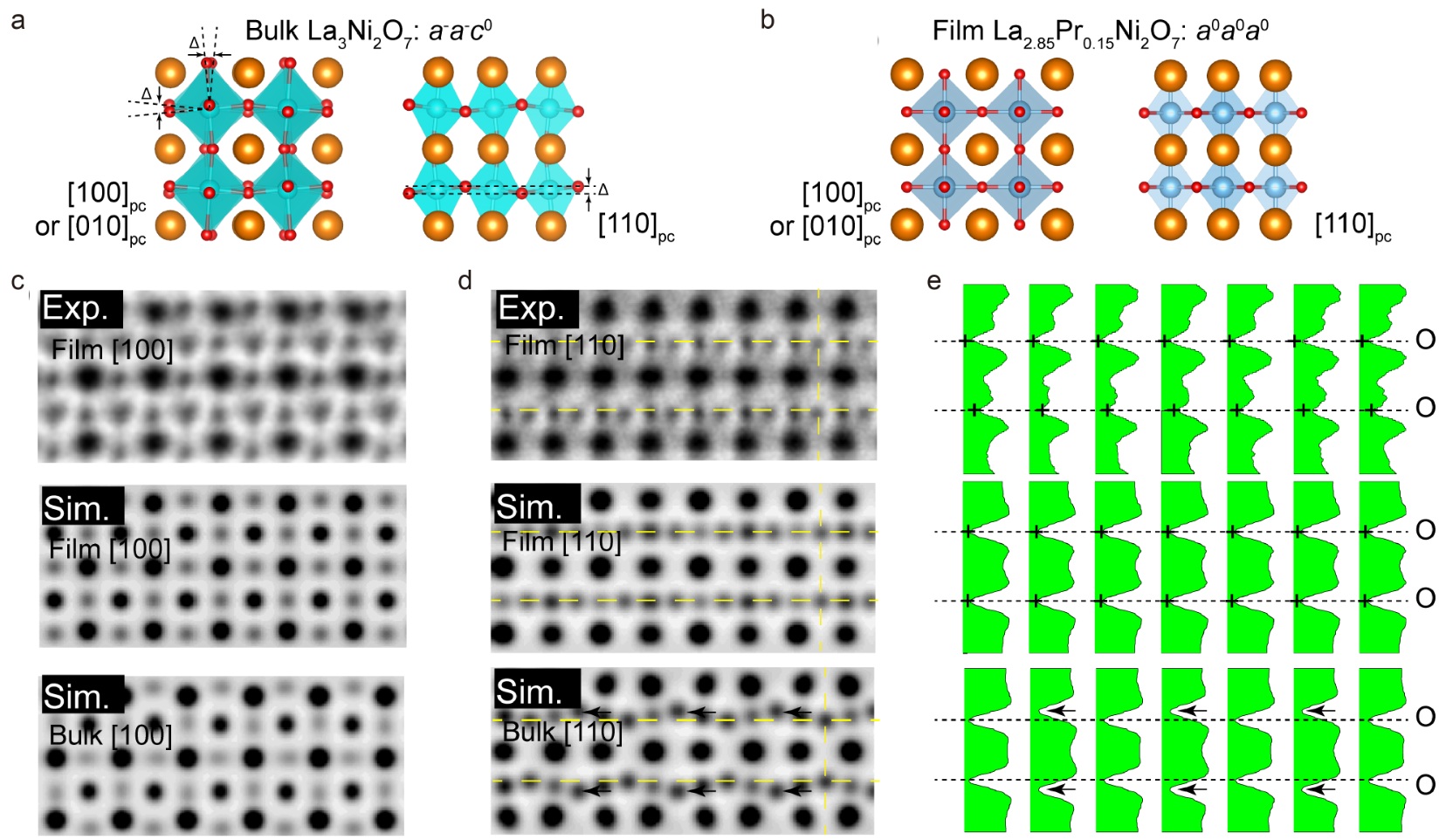
Prof. Junhao Lin is a tenured Full Professor at the Department of Physics, Southern University of Science and Technology (SUSTech). With a dual background in experimental and theoretical physics, he specializes in atomic-scale characterization of 2D materials, combining aberration-corrected STEM, EELS spectroscopy, and density functional theory calculations to study defect-structure-property relationships. Ph.D. (2015) from Vanderbilt University Postdoctoral work at National Advanced Institute of Science and Technology (Japan) under Kazu Suenaga Research Interests : Atomic-scale defect engineering in 2D materials In-situ high-resolution electron microscopy under external stimuli High-energy-resolution EELS for optical property characterization Quantum material structure-property correlations Publication Trends : Over 130 high-impact publications (Nature, Science, PRL) focusing on 2D material defects, phase transitions, and atomic engineering. Recent works explore nickelate superconductivity, magnetic phenomena in topological materials, and energy storage applications. Scientific Recognition : MIT Technology Review TR35 China (2021, Visionary category) Elsevier 2024 Highly Cited Researcher (China) Multiple international conference awards 8+ million RMB investment in glove-box interconnected lab systems Lab Overview : The Advanced Low-Dimensional Materials Laboratory at SUSTech (10+ members) integrates atomic-resolution STEM, in-situ TEM, and computational modeling. Collaborations span Oak Ridge National Lab, Peking University, and Singaporean/Japanese institutions.
Wen-Gui Weng is a Professor at the College of Chemistry and Chemical Engineering at Xiamen University , China. He earned his Ph.D. from Case Western Reserve University in 2007, followed by postdoctoral training at the University of Delaware. His research spans mechanochemistry, supramolecular polymers, and biomedical polymers, with a strong publication record in high-impact journals. Education: Ph.D. in Chemistry, Case Western Reserve University (2007) M.S. in Chemistry, Huaqiao University (2003) B.S. in Chemistry, Huaqiao University (2000) Postdoctoral Fellow, University of Delaware Research Interests: His work focuses on reactive polymers , supramolecular polymers , topological polymers , polymer nanocomposites , and biomimetic and biomedical polymers . He is particularly known for developing mechanoresponsive materials that can sense and respond to mechanical stimuli, including self-healing polymers and mechanochromic systems. His research group explores force-induced chemical reactions at the single-molecule level and designs dynamic covalent networks with tunable mechanical and optical properties. These materials have applications in smart coatings , biomedical devices , and adaptive materials . Scientific Contributions: Prof. Weng has published over 27 peer-reviewed articles in top-tier journals such as Nature Communications , Journal of the American Chemical Society , and Angewandte Chemie . His work is highly cited and recognized for advancing the field of polymer mechanochemistry . Contact: Email: wgweng@xmu.edu.cn Phone: +86 (0592) 2182430 Address: College of Chemistry and Chemical Engineering, Xiamen University, Fujian Province, 361005, China
Southern University of Science and Technology (SUSTech)China
Professor Cheng Xing is a distinguished faculty member at the Department of Materials Science and Engineering within the College of Engineering at Southern University of Science and Technology (SUSTech). Since 2013 , he has served as a Professor and previously held a Director position at the Analytical Testing Center until 2020 , after which he became the Director of the Laboratory and Equipment Management Department . His academic journey includes a PhD in Electrical Engineering from the University of Michigan (2005), an MS in Geochemistry from Stanford University (1999), and a BS in Geochemistry from the University of Science and Technology of China (1997) Research Interests: Micro/Nanofabrication Techniques Nano-Optics and Photonic Devices Organic Semiconductor Materials Bio-MEMS and Digital Microfluidics Integrated Macroelectronics Publication Trends reflect expertise in Nanoimprint Lithography , High-Performance Semiconductor Devices , and Advanced Bio-MEMS Systems , with recent work focusing on Metasurface Applications , Flexible Electronics , and Cost-Effective Nanofabrication . His 15 Most Recent Articles (2023-2002) span Materials Science , Nanotechnology , and Optical Engineering . Scientific Recognition: 2011: NSF CAREER Award 2011: DARPA Young Faculty Award 2013: Shenzhen Peacock Project B 2014: Shenzhen Government Special Allowance 2018: Shenzhen Pengcheng Scholar Administrative Roles include leadership positions at SUSTech's Analytical Testing Center (2013-2020) and Director of Laboratory and Equipment Management Department (2020-present). His work bridges Academic Research and Industrial Application , with grants supporting innovations in Nanostructured Materials and Smart Sensing Systems .
Southern University of Science and Technology (SUSTech)China
Prof. Ke Wang is a faculty member at the Southern University of Science and Technology (SUSTech) since 2019, holding the title of Professor in the School of System Design and Intelligent Manufacturing. With a Ph.D. in Polymer Chemistry and Physics from Sun Yat-Sen University (2000), he also holds graduate degrees in Polymer Chemistry (M.Sc., USTC 1990) and Chemistry (B.Sc., Zhengzhou University 1984). Education: Ph.D., Polymer Chemistry and Physics, Sun Yat-Sen University (2000) M.Sc., Polymer Chemistry, University of Science and Technology of China (1990) B.Sc., Chemistry, Zhengzhou University (1984) His research focuses on polymer composites for advanced applications, including: Multiphase polymer systems Fiber reinforced composites Advanced functional composites Energy materials Electronic ceramics Recent publications highlight his work on: Polymer electrolytes for lithium batteries Thermoset composites with ultra-low dielectric loss Thermal conductivity enhancement in polymer matrices Flame-retardant materials for energy storage Composite materials for microelectronics Nanoporous functional materials in battery applications Contact Information: Email: wangk7@sustech.edu.cn Office: Room 305, Block 1, Innovation Valley, SUSTech, Shenzhen Phone: 0755-88015547
Dr. Sohail Yasin is a Research Associate at Zhejiang University in Hangzhou, China, affiliated with the research group of Prof. Zheng Qiang and Prof. Song Yihu. He holds a dual Ph.D. in Materials Engineering (University of Lille, France) and Chemical Engineering (Politecnico di Torino, Italy), completed in 2017 and 2018 respectively. His research focuses on sustainable materials, polymer nanocomposites, life cycle assessment, and textile waste valorization, with technical expertise in rheology, ionic liquids, and nanomaterial applications. Research interests include: Polymeric waste management and sustainable plastics Design and characterization of rubber nanocomposites Eco-friendly flame retardants for textiles Life cycle assessment (LCA) of technical textiles Functional materials for wearable electronics His publications (2019–2022) predominantly explore advanced polymer composites, rheological behavior of nanomaterials, and sustainable textile engineering, reflecting interdisciplinary work across materials science, environmental engineering, and nanotechnology. Awards & Grants: China Postdoctoral Science Foundation (2020, ~€90,000) Commonwealth Scholarship (UK, 2018) Erasmus Mundus Fellowships (Italy/France, 2013–2017) Best Innovative Research Idea (Shanghai, 2017) Multiple Chinese Government Scholarships (2011, 2017) He leads projects on polymer waste valorization and nanocomposite development, collaborating with international teams. As an editorial board member for Fibers and Coatings (MDPI), he actively contributes to peer review in materials and sustainability journals.
Yang Delin is a Professor in the Department of Innovation, Entrepreneurship and Strategy at Tsinghua University's School of Economics and Management, specializing in institutional innovation, technology entrepreneurship, and intellectual property systems within China's economic context. His work bridges academic research with practical applications in Zhongguancun Science Park and national innovation policy. Education: 1982: Bachelor of Physics, Central China Normal University 1991: Master of Quantum Electronics, Wuhan Institute of Physics, Chinese Academy of Sciences 1997: PhD in Business Administration, Graduate School of Chinese Academy of Social Sciences Professor Yang's research centers on institutional dynamics in innovation ecosystems, with emphasis on university spin-offs, technology commercialization barriers, and entrepreneurial behavior of technologists. His empirical studies reveal critical patterns in Chinese innovation systems, particularly how policy frameworks influence knowledge transfer and venture formation in science parks. Recent work examines motivation drivers for technical experts transitioning to management roles and cross-cultural innovation models. Analysis of his publication trajectory shows consistent focus on China's unique innovation challenges, evolving from early studies on university-enterprise interfaces to contemporary investigations of intellectual property strategy in SMEs. His work demonstrates methodological diversity, combining case studies from Zhongguancun with large-scale surveys of technology entrepreneurs. Scientific Awards: China Technology and Economy Outstanding Contribution Award (2018) Tsinghua University Teaching Achievement First Prize (2010) Beijing Educational Science Research Outstanding Achievement Award Second Prize (2008) Advanced Worker by Tsinghua SEM (2003, 2005) Yunnan Science and Technology Progress Award Second Prize (2000) Professor Yang maintains strong industry connections through MIT Sloan collaborations (2005, 2006-2007 Fulbright Scholar) and consults on national innovation policy. His teaching integrates theoretical frameworks with real-world case studies from China's technology sector.
Southern University of Science and Technology (SUSTech)China
Deng Yi is a Teaching Professor in the Department of Biology at Southern University of Science and Technology (SUSTech), where she has established herself as a leading researcher in cell-matrix adhesion mechanisms and their implications for disease. She joined SUSTech in 2012 as an Associate Professor and was promoted to Teaching Professor in 2020, following extensive postdoctoral training at the National Institutes of Health (NIH) in the United States. Educational Background: PhD in Biology from Ruhr-University Bochum (Germany), 2002 MS in Biology from Shandong University, 1999 BS in Biology from Shandong University, 1996 Research Interests: Dr. Deng's research program focuses on understanding the molecular mechanisms of cell-extracellular matrix interactions and their relationship to health and disease. Her laboratory investigates how cell-matrix adhesions regulate cell motility, growth, and signaling pathways through the formation of key protein complexes including ILK-PINCH-parvin and kindlin-migfilin-filamin. Using advanced fluorescence microscopy techniques combined with biochemical approaches, her team studies these dynamic processes at multiple spatial scales. Her work has significant implications for understanding cancer metastasis, tumor development, and pancreatic beta-cell function in diabetes. Publication Trends: Analysis of Dr. Deng's recent publications reveals a strong focus on integrin-mediated cell adhesion mechanisms, with increasing attention to cancer biology applications in her most recent work. Her research spans developmental biology using Xenopus models, structural biology of adhesion proteins, and translational studies in diabetes and cancer. The consistent use of advanced imaging techniques and molecular approaches demonstrates methodological coherence across her publication portfolio. Scientific Recognition: Extensive publication record in high-impact journals including PNAS, Journal of Biological Chemistry, and Oncogene Research contributions to understanding kindlin-mediated integrin activation mechanisms Significant findings on RSU1 regulation of MEK-ERK signaling in tumor development Teaching and Mentoring: Dr. Deng is actively involved in undergraduate education at SUSTech, teaching core courses including Molecular Biology (BIO320), Cell Biology (BIO206), and Advanced Cell Biology (BIO323). She emphasizes hands-on research experience for students and integrates her cutting-edge research findings into classroom instruction. Her laboratory provides research opportunities for undergraduate and graduate students interested in cell biology and disease mechanisms. Research Infrastructure: Dr. Deng leads a well-equipped research team within the Department of Biology at SUSTech, utilizing advanced cell biology techniques including live-cell imaging and fluorescence-based technologies. Her laboratory collaborates with other research groups at SUSTech and maintains connections with international collaborators, particularly in Germany and Hong Kong where she conducted earlier research.
Jie Tang is a Professor at the Department of Computer Science, Tsinghua University , and a Fellow of ACM, AAAI, IEEE . His research focuses on Artificial General Intelligence (AGI) , with significant contributions to large pre-trained models like GLM-130B, ChatGLM, CogView, CogVideo, and CodeGeex. Research Trends : Jie Tang's work spans AGI development with human-like reasoning Graph Neural Networks for network representation Social network mining and influence modeling Academic knowledge graph construction (AMiner system) Advancing foundation models for cross-modal tasks Scientific Awards : SIGKDD Test-of-Time Award SIGKDD Service Award NSFC Distinguished Young Scholar 2nd National Award for Science & Technology Advising and Grants : He mentors highly-motivated students and postdocs in AGI research. His work has received extensive funding and recognition, including over 400 publications in top conferences (IJCAI, AAAI, NeurIPS, KDD) and journals (TPAMI, TKDE).
Shunliu Deng is an Associate Professor at the College of Chemistry and Chemical Engineering, Xiamen University. He earned his BS (1998) and PhD (2003) from Xiamen University, followed by postdoctoral research at the University of Maryland (2008-2010). His academic career began at Xiamen University in 2003, where he continues to serve as Associate Professor since 2009. Research Focus: Deng specializes in carbon-based nanomaterials, with expertise in: Synthesis and separation of carbon nanotubes and graphene Controllable chemical modification techniques Nanomaterial properties optimization for advanced applications Publication Trends: Recent work (2011-2017) demonstrates consistent focus on functionalization strategies for carbon nanomaterials. Key themes include diameter-selective modifications of nanotubes, graphene quantum dot synthesis, hybrid nanocomposites for biomedical applications, and novel exfoliation methods. His research bridges fundamental chemistry with materials engineering applications.
Jin-Bao Zhao is a Professor at the College of Chemistry and Chemical Engineering , Xiamen University, leading research in chemical energy storage systems and related materials since 2011. His work focuses on lithium-ion batteries with high capacity density and fuel cell technologies. Education: Bachelor's (1984) and Master's (1987) in Electrochemical and Polymer Engineering from Harbin Institute of Technology PhD (1996) in Polymer Chemistry, Kyoto University Research Interests include: Advanced lithium-ion battery materials Solid-state electrolyte development Thermal stability enhancement in separators Electrocatalyst design for oxygen reduction Functional membrane technology Energy storage system safety Publication Trends show a focus on separator engineering, nanocomposite electrodes, and solvation structure analysis, with collaborations across China and Japan. His Scientific Awards include: 20th China Patent Excellence Award (2018) Xiamen Science and Technology Major Contribution Award (2018) Fujian Province Science and Technology Progress Second Prize (2017) China Aviation Industry Corporation Science and Technology Award (2014) Students have achieved national scholarships and graduated with impactful research. The Chemical Power Sources and Energy Storage Materials Laboratory under his leadership has developed pilot production lines and received multiple industry recognitions.