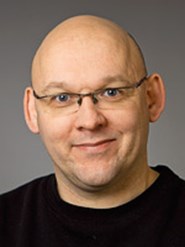
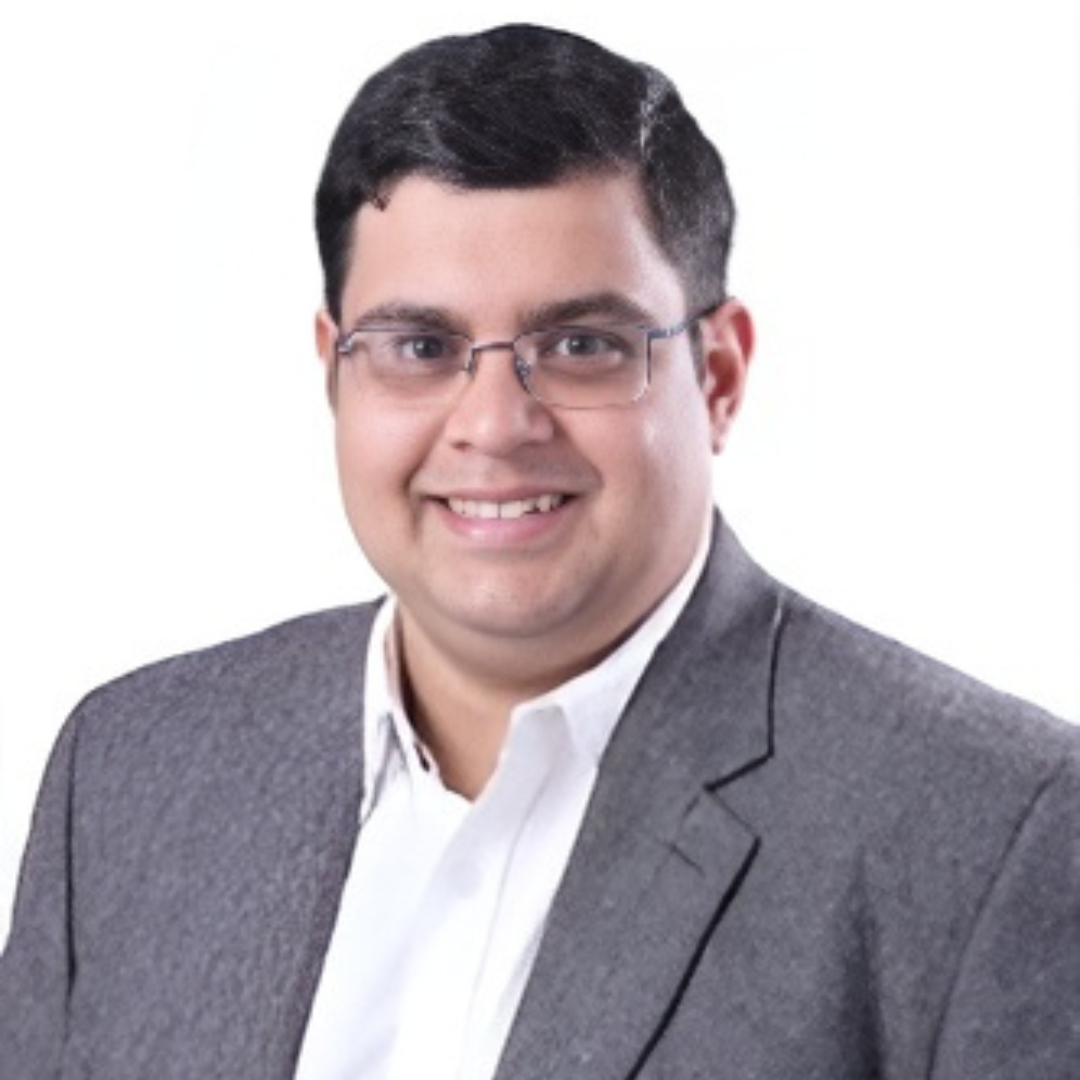
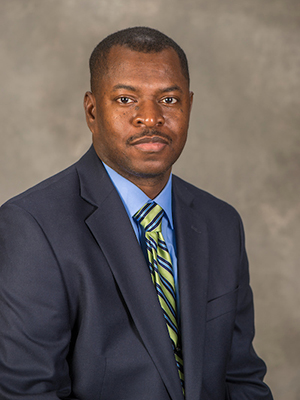
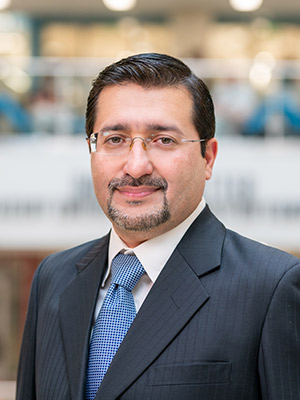
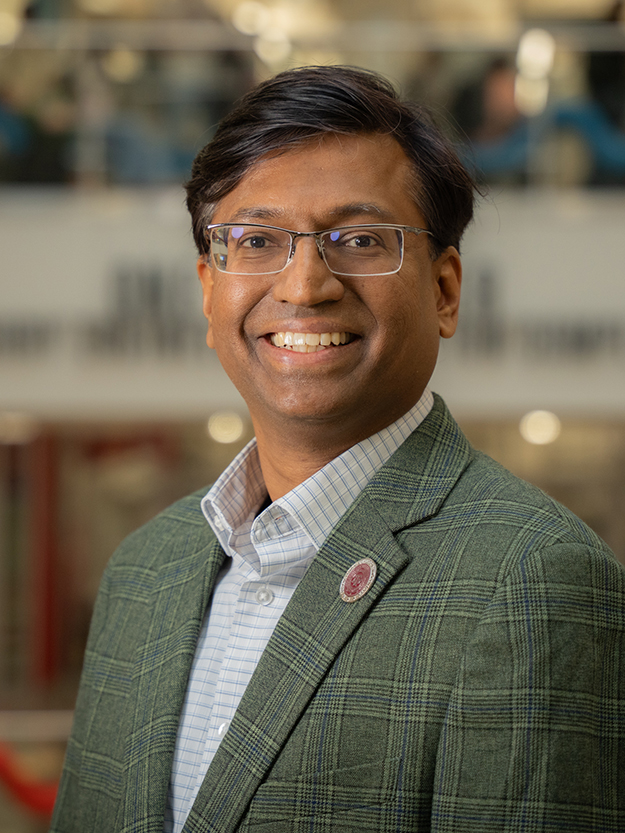
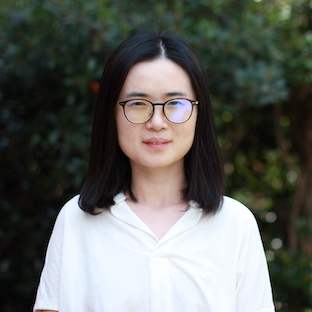
Per Åhag is an Associate Professor at the Department of Mathematics and Mathematical Statistics, Umeå University. His research spans several complex variables, pluripotential theory, and differential geometry, with applications in Kähler geometry, polyfold theory, and mathematical education. Current research projects include 'Mathematical Modeling for Sustainable Development and Societal Change' (2024-2029) and 'Tensors and Geometric Metrics on Manifold-like Polyfolds' (2022-2026). He explores mathematical education through studies like 'Students' Perspectives on Artificial Intelligence' (2022-2024) and 'Formative Assessment and Personalized Learning' (2022-2024). Recent publications address complex Hessian equations, geodesics in m-subharmonic functions, and educational strategies. His work intersects pure mathematics and applied educational psychology, demonstrating a commitment to both theoretical and pedagogical advancements.
Hani Kbashi is a Researcher at Aston University's School of Computer Science and Digital Technologies, affiliated with the Aston Institute of Photonic Technologies (AiPT). His primary affiliations include the College of Engineering and Physical Sciences. His research focuses on advanced photonics, fiber lasers, and optical communications, with notable contributions to dual-comb lasers, rogue wave dynamics, and 5G-enabled photonic systems. Key research areas include polarization multiplexing, vector soliton phenomena, and high-stability laser systems for applications in lidar, spectroscopy, and wireless communication. His work frequently addresses challenges in multi-wavelength generation, phase stability, and nonlinear dynamics within fiber laser cavities. Collaborative efforts span academic and industrial partners, emphasizing translational research in photonic technologies. His publications (45+ outputs) reflect deep expertise in fiber laser design, optical sensor development, and next-generation communication systems. He holds an ORCID identifier: 0000-0002-6343-248X . Labs and initiatives include the Aston Institute of Photonic Technologies (AiPT), where he contributes to cutting-edge photonic device fabrication and testing. His research trends prioritize scalability, stability, and integration of photonic solutions into real-world systems.
George Alexandropoulos is an Associate Professor at the Department of Informatics and Telecommunications, National and Kapodistrian University of Athens. His research focuses on telecommunications, signal processing, and reconfigurable intelligent surfaces (RIS) for next-generation wireless networks. He has contributed to advancements in integrated sensing and communications (ISAC), 6G technologies, and holographic beamforming. His work includes experimental validation of RIS prototypes, optimization of RIS-assisted systems, and analysis of secure communication strategies. Research interests include RIS hardware design, channel modeling, and applications in IoT, UAV communications, and disaster recovery networks. He explores topics like energy-efficient RIS operation, multi-RIS coordination, and RIS-enabled localization. His studies often address challenges at sub-THz frequencies, mutual coupling effects, and hardware impairments. Publications emphasize practical implementations of RIS in both indoor and outdoor settings, with a focus on real-world performance evaluation. Awards and grants are not explicitly mentioned, but his extensive publication record indicates significant academic contributions. His research often integrates machine learning for RIS configuration and reinforcement learning for resource optimization in dynamic networks.
Dr. Sheldon Williamson is a Professor and NSERC Canada Research Chair in Electric Energy Storage Systems for Transportation Electrification at Ontario Tech University's Department of Electrical, Computer and Software Engineering, Faculty of Engineering and Applied Science. His research focuses on advanced energy storage technologies, power electronics, and their integration into transportation systems and smart grids. Education: Ph.D. (Electrical Engineering, Illinois Institute of Technology, 2006), M.S. (Electrical Engineering, Illinois Institute of Technology, 2002), B.E. (Electrical Engineering, University of Mumbai, 1999). Research Interests - Electric Energy Storage Systems for Transportation Electrification - Battery Management Systems (BMS) and Thermal Safety - Wireless Power Transfer and Charging Infrastructure - Cyber-Physical Security in EV Systems - Smart Grid Integration of Renewable Energy Publications : Over 50 peer-reviewed articles from 2021–2025, focusing on battery technologies, power electronics, and electrification challenges. Key themes include solid-state batteries, cloud-based BMS architectures, and dynamic wireless charging systems. No scientific awards explicitly listed in provided texts. Active in academic leadership and curriculum development within the department.
Nicholas Sitar is the Edward G. Cahill and John R. Cahill Professor of Civil Engineering at the University of California, Berkeley , affiliated with the Department of Civil and Environmental Engineering under the College of Engineering. His career spans decades of pioneering work in geotechnical earthquake engineering and computational geomechanics. Education : Ph.D. in Civil Engineering (Geotechnical) from Stanford University (1979), M.S. in Geology (Hydrogeology) from Stanford University (1975), B.A.Sc. in Geological Engineering from the University of Windsor, Canada (1973). Research Interests : Dr. Sitar’s research focuses on geotechnical earthquake engineering , seismic slope stability , and rock erosion , with a strong emphasis on computational methods like the Discrete Element Method (DEM) and Lattice Boltzmann Method (LBM). He pioneered the application of wireless sensor networks for seismic monitoring and developed advanced DEM-LBM coupling techniques to model rock-fluid interactions, including tsunami waves triggered by rock slope failures and scour in unlined rock channels. Publication Trends : His recent work highlights 3D numerical modeling of granular flows, rock slope kinematics, and depositional fabric analysis using X-ray tomography. He explores seismic earth pressures, levee stability under variable seepage, and dynamic rock-water interactions, often integrating stochastic methods and high-fidelity simulations. Contact : He can be reached at sitar@berkeley.edu in his office at 449 Davis Hall, with office hours on Wednesdays and Thursdays.
Athanasios Gkelias is a Research Fellow in the Department of Electrical and Electronic Engineering at Imperial College London's Faculty of Engineering. His research focuses on advanced wireless communication systems, network optimization, machine learning applications, and quantum computing methodologies. He contributes to interdisciplinary projects involving IoT coalitions, adversarial signal detection, and cognitive behavior analysis. Key research areas include: (1) Network resource management in Software-Defined Networks (SDN), (2) Localization systems for indoor environments, (3) 3D reconstruction using photometric stereo and origami-based modeling, and (4) distributed optimization frameworks for ad-hoc networks. His recent work explores quantum approaches to combinatorial optimization and self-supervised learning methods. Publications span 20+ years with notable contributions in network coding, vehicular ad-hoc networks (VANETs), and cross-layer design for wireless mesh networks. His work emphasizes practical implementations through frameworks like iVisher for caller ID spoofing detection and cooperative MAC protocols for multi-antenna systems. No scientific awards are listed in the provided information. His research has been applied in healthcare technology through emotion understanding systems for Alzheimer’s patients and in battlefield communication through IoBT coalitions. Active participation in Imperial College's Engineering faculty reflects his commitment to advancing telecommunications and network science.
Markeljan Fishta is a Researcher at the Department of Electronics and Telecommunications (DET) of the Polytechnic University of Turin. His roles include teaching assistance in courses such as PCB Design for PhD students, Analog Electronics for Master’s students, and Foundations of Electronics for Aerospace Engineering undergraduates. His research focuses on electromagnetic compatibility (EMC), power electronics, and wireless communication systems, particularly in reducing electromagnetic interference (EMI) in power converters and developing acoustic-based communication for smart water networks. His recent work emphasizes EMI mitigation techniques in wide bandgap (WBG) inverters, GaN-based DC-DC converters, and sigma-delta modulators. Additionally, he explores in-pipe acoustic communication for urban water infrastructure, addressing challenges in channel modeling and data transmission reliability. Fishta collaborates with researchers like Franco Fiori and Erica Raviola on these topics, contributing to both theoretical advancements and applied solutions. His publications reflect a multidisciplinary approach, spanning IEEE Transactions on Electromagnetic Compatibility and international workshops. His research trends show a strong emphasis on source-based EMI reduction strategies, robust modulator design, and innovative communication methods for infrastructure monitoring. Fishta’s teaching contributions span multiple engineering programs, demonstrating his commitment to both academic instruction and cutting-edge research in electronic systems and communication technologies.
Raghubir Singh is a Lecturer in the Department of Computer Science at the University of Bath, specializing in edge AI and distributed machine learning systems for optimization problems with scientific and social applications. Education: Doctor of Engineering in Computer Science, University of Bristol (Thesis: Computation Offloading in Heterogeneous Networks) Research interests: Digital Health Data Science Distributed AI Ubiquitous Computing Data Engineering Edge Intelligence His work explores edge computing's potential to unlock societal benefits through efficient AI deployment. Publication trends indicate strong focus on edge-cloud continuum optimization, carbon-neutral networks, and health informatics, spanning computer science, AI, and IoT domains with practical implementations in gaming and pandemic response. Scientific awards: Fellow of the Higher Education Academy Teaching: Delivers advanced postgraduate instruction in machine learning and deep learning methodologies.
Garth V. Crosby is an Associate Professor at Texas A&M University's Department of Engineering Technology and Industrial Distribution within the College of Engineering. He is also affiliated with the Multidisciplinary Engineering program. His research focuses on IoT and IIoT security, cyber-physical systems, and STEM education innovation. Crosby holds a Ph.D. in Electrical Engineering from Florida International University (2007), an M.S. in Computer Engineering, and a B.S. in Electronics (Applied Physics) from the University of the West Indies. His work spans cybersecurity frameworks for emerging technologies, including blockchain-based federated learning, post-quantum cryptography, and IoT threat mitigation. He has contributed to educational advancements through online lab design and faculty efficacy studies in hybrid learning environments. Crosby's recent publications emphasize securing robotic IoT systems, supply chain blockchain applications, and ransomware evasion techniques using generative AI. His research portfolio includes over 40 peer-reviewed articles in journals like IEEE Transactions and conferences such as ASEE and FiCloud. Key themes include volunteer cloud reliability models (ProTrust), edge computing security, and educational technology evaluation. Crosby's interdisciplinary approach bridges engineering systems with pedagogical innovation, addressing both technical and human factors in modern technological challenges.
Dr. Muhammad Faeyz Karim is an Instructional Associate Professor in the Department of Engineering Technology and Industrial Distribution at Texas A&M University, with a faculty affiliation at the Texas A&M Energy Institute. His expertise spans microwave engineering, quantum photonics, and wireless systems. He holds a PhD in Electrical Engineering from Nanyang Technological University (2008), an MBA from Lancaster University (2012), and advanced degrees in Communication Engineering and Electrical Engineering. His research focuses on microwave/mmWave radar, wireless power transfer, quantum optics, and metamaterials. Key applications include bio-sensing, non-destructive testing (NDT), and energy harvesting. Notable achievements include a Best Paper Award at the 2004 Asia Pacific Conference and nominations for the Nanyang Education Award (2020/2021). Dr. Karim leads the MiWiRa Lab, advancing radar, wireless, and microwave technologies for healthcare monitoring and industrial applications. His work emphasizes collaboration across disciplines, with recent breakthroughs in quantum photonic chips for secure communication and AI-driven sensor systems. Publications span high-impact journals like Science Advances , Nature Communications , and ACS Photonics . Labs/Teams: MiWiRa Lab (Microwave, Wireless, and Radar Research) Grants: Active funding in quantum photonics, mmWave systems, and energy harvesting (details not specified) Teaching: Courses in engineering technology and industrial distribution
Srinivas Shakkottai is a Professor in the Department of Electrical and Computer Engineering (ECE) and affiliated faculty in the Department of Computer Science and Engineering (CSE) at Texas A&M University. He holds a Ph.D. from the University of Illinois at Urbana-Champaign (2007), followed by a postdoctoral stint at Stanford University. Since 2008, he has been at Texas A&M, advancing through roles from Assistant to Associate Professor before attaining full Professor status. Education: Ph.D., Electrical Engineering, University of Illinois at Urbana-Champaign (2007) Postdoctoral Associate, Stanford University Research Interests: Focus on algorithms for communication, energy, and transportation networks. Key areas include wireless networks, reinforcement learning, caching/content distribution, multi-agent learning, game theory, networked markets, and systems design. He co-directs the LENS Laboratory and the Texas A&M Initiative on Connected Intelligence (TICI). Key Awards: NSF CAREER Award (2012) Google Faculty Research Award (2010) Defense Threat Reduction Agency Young Investigator Award (2009) Grants & Labs: Leads research projects funded by NSF, including collaborative efforts on EdgeRIC (NextG cellular networks) and Caching systems. Active in labs focused on AI-driven network optimization and intelligent control systems. Lab & Teams: Co-director of LENS Lab and TICI, emphasizing real-time intelligent control, edge computing, and networked intelligence.
Yiyu Ou is an Associate Professor in the Department of Electrical and Photonics Engineering at the Technical University of Denmark (DTU), where she leads research in optoelectronic devices, particularly light-emitting diodes (LEDs) and biomedical photonics. Her work bridges materials science, semiconductor engineering, and sustainable technology development. Department: Electrical and Photonics Engineering Institution: Technical University of Denmark (DTU) Research Focus: LED Systems, Silicon Carbide, Biomedical Implants Her research interests center on the development of advanced optoelectronic materials and devices, with a strong emphasis on nitride-based LEDs, fluorescent silicon carbide, and wireless optoelectronic biomedical implants. She explores novel packaging techniques, light extraction efficiency, and UV disinfection systems, contributing significantly to sustainable photonics and healthcare technologies. The recent trend in her publications shows a clear trajectory toward applied photonics in medicine and environmental health, including wireless implants, UV-B phototherapy, and wearable disinfection systems. Her work combines semiconductor physics with biomedical applications, demonstrating innovation in both materials and system integration. Scientific Awards and Recognition: No specific awards listed in the provided text. Yiyu Ou has served as Principal Investigator (PI) and supervisor on multiple research projects, including the DISOLE disinfection initiative and PhD supervision. Her grants focus on implantable UV-LED systems and innovative white LED light sources, often funded by Danish and European research councils. She collaborates extensively across disciplines, particularly with medical researchers and material scientists. She is affiliated with the Photonics group at DTU Fotonik, where her team works on diode lasers and LED systems. Research areas include porous SiC fabrication, hybrid white LEDs, and high-efficiency nitride devices, contributing to both fundamental science and commercial applications.
Sancho Salcedo Sanz is a Full Professor at the Universidad de Alcalá, affiliated with the Signal Theory and Communications Department and the GHEODE Research Group. His work focuses on applying machine learning and optimization techniques to energy systems, climate science, and environmental modeling. He holds PhDs from Universidad Complutense de Madrid (2019) and Universidad Carlos III de Madrid (2002). Key research interests include deep learning for energy price prediction, spatio-temporal climate analysis, and hybrid models for renewable energy forecasting. His GHEODE group develops optimization algorithms for network design and distributed systems. Recent publications highlight advancements in extreme weather prediction, smart grid optimization, and explainable AI for environmental monitoring. He has pioneered methodologies like Autoencoder-based flow analogues for heatwave reconstruction and multi-method ensembles for energy demand modeling. Labs/Teams: Leader of the GHEODE Group, specializing in modern heuristics and network design. Collaborates extensively on interdisciplinary projects combining AI with environmental and engineering applications.
Dr.-Ing. Eduard Heidebrecht is a researcher at the Chair of High Frequency Electronics within the Faculty of Electrical Engineering and Information Technology at RWTH Aachen University, Germany. He is based at the ICT Cube 2 building on Kopernikusstraße in Aachen, where he contributes to advanced research in high-frequency electronic systems. His research focuses on key areas in modern electronics, including high frequency and microwave engineering, radio frequency integrated circuit design, electromagnetic compatibility, and wireless communication systems. These domains are critical to the development of next-generation communication technologies, radar systems, and 5G/6G infrastructure. The Chair of High Frequency Electronics at RWTH Aachen is known for its strong emphasis on both theoretical and applied research in RF and microwave technologies. Dr. Heidebrecht's work aligns with the group's mission to innovate in circuit design, signal integrity, and high-speed electronic systems. No recent publications or scientific awards were listed in the provided information. However, his affiliation with one of Europe's leading technical universities suggests active participation in collaborative research projects and contributions to cutting-edge advancements in electrical engineering. Email: eduard.heidebrecht@hfe.rwth-aachen.de Office Location: ICT Cube 2, Electrical Engineering [2321], Kopernikusstr. 16, 52074 Aachen, Germany Phone: +49 241 80-42351
Qin Lu is an Assistant Professor at the University of Georgia's School of Electrical & Computer Engineering. Her research focuses on robust and adaptive Bayesian methods for decision-making using sequential/networked data, including online Gaussian processes, Bayesian optimization, reinforcement learning, and spatio-temporal inference over graphs. Applications span autonomous systems and mobile edge computing. Education details are not explicitly listed in the provided text. Her work emphasizes scalability and uncertainty quantification, with contributions to edge computing resource management, active learning strategies, and multi-agent systems in IoT. Recent publications highlight advancements in Gaussian process dynamical modeling, adaptive Bayesian optimization, and ensemble learning techniques for online systems. No scientific awards are mentioned in the provided materials. Advising and grants details are not provided, though her research indicates collaborations in autonomous systems, underwater acoustics, and sensor networks. She is affiliated with the Boyd GSRC building and reachable at Qin.Lu@uga.edu.