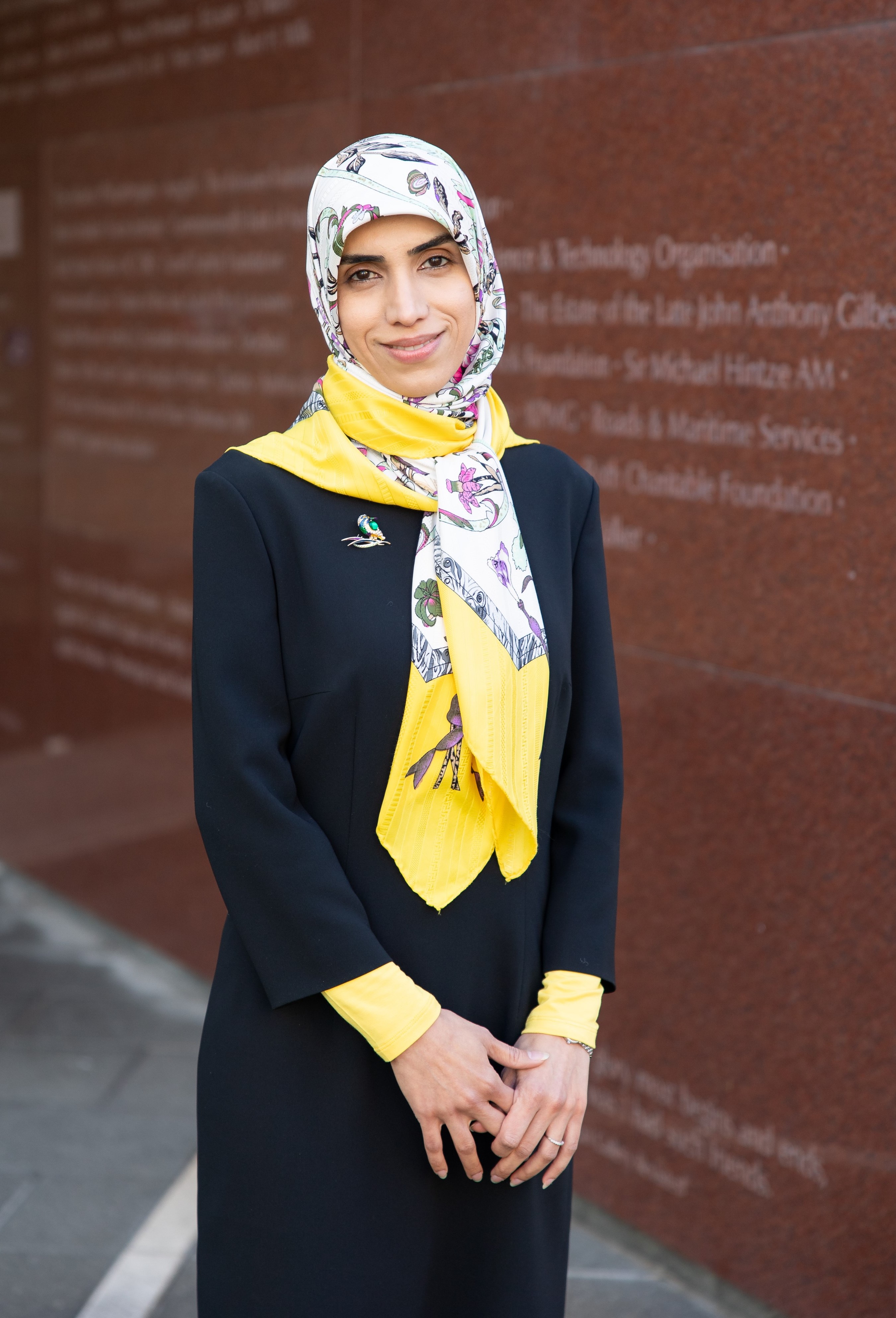
Enrico Lugliمشاهده پروفایل
پژوهشگر
- Immunology
- Cancer Immunotherapy
- T Cell Biology
- +۳ مورد دیگر
Enrico Lugli serves as Group Leader of the Translational Immunology Lab and Head of the Flow Cytometry core facility at Humanitas University, where he directs cutting-edge research in cancer immunology using single-cell technologies. Education: PhD in Immunology, University of Modena and Reggio Emilia, Italy Postdoctoral training at Vaccine Research Center, National Institutes of Health, USA His research focuses on dissecting T cell responses in cancer through high-dimensional approaches including 30-parameter flow cytometry and single-cell RNA sequencing. Key investigations target stem-like memory T cell differentiation pathways and immunosuppressive mechanisms mediated by regulatory T cells in tumor microenvironments, aiming to overcome resistance to current immunotherapies. Analysis of his publication record (2011-2023) reveals consistent innovation in T cell biology, particularly in characterizing stem-like progenitor subsets and hyperactivated regulatory T cells across multiple cancer types. The work demonstrates a progression from fundamental discoveries of T cell subsets to clinical translation using advanced computational and spatial profiling techniques. Scientific Awards: European Research Council Starting Grant Lloyd J. Old STAR award from Cancer Research Institute Fondazione AIRC grant Italian Ministry of Health grant Dr. Lugli mentors four PhD students and leads a multidisciplinary team including bioinformaticians and postdoctoral fellows. His ERC-funded research program investigates T cell differentiation dynamics and immunosuppressive networks, with recent work identifying hyperactivated Treg subsets as therapeutic targets in cholangiocarcinoma and other solid tumors. The Translational Immunology Lab operates within Humanitas University's research ecosystem, integrating the Flow Cytometry core facility to enable high-parameter immune profiling. Current initiatives include developing computational tools like CRUSTY for flow cytometry data analysis and exploring metabolic pathways that sustain immunosuppressive cell functions.