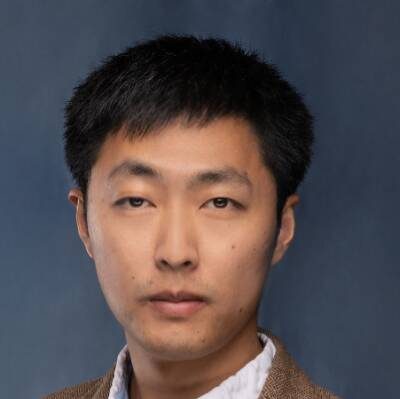
Dr. Wei Shao is an Assistant Professor in the College of Medicine at the University of Florida, specializing in artificial intelligence applications in medical imaging. His work focuses on developing machine learning algorithms for medical image registration, segmentation, and diagnosis, with a particular emphasis on integrating these tools into clinical workflows. Dr. Shao holds a Ph.D. in Electrical and Computer Engineering from Stanford University (2022), preceded by M.S. degrees in Mathematics and Electrical and Computer Engineering from the University of Iowa (2019-2018). His postdoctoral training focused on deep learning and medical imaging. His research projects include: Machine learning algorithms for multimodal image registration and segmentation AI-driven disease diagnosis on medical images Integrating image processing into clinical practices Notable contributions include advancements in 3D medical image segmentation, text-guided models for radiology, and AI-enhanced micro-ultrasound for prostate cancer screening. His work bridges computational methods with clinical needs, aiming to improve diagnostic accuracy and patient care. Recent publications highlight innovations in diffusion models, vision-language integration for medical imaging, and robust artifact detection in 4DCT scans. These studies underscore his commitment to advancing AI-driven solutions in healthcare.
Tarek Fahmy serves as Associate Professor of Biomedical Engineering at Yale University's School of Engineering with additional appointments in Immunobiology. His research focuses on biomaterials-driven immunotherapy and immunodiagnostics, directing the Fahmy Laboratory in Yale's Malone Engineering Center. The lab develops nano- and micro-scale systems for artificial antigen presentation, vaccine delivery, and non-invasive immune monitoring, with applications in cancer immunotherapy and autoimmune disease treatment. Ph.D., The Johns Hopkins University Dr. Fahmy pioneers biomimetic material design to modulate immune responses through four core approaches: artificial antigen-presenting cell platforms using biodegradable polymers for T cell stimulation; modular nanoparticle vaccines enabling rapid pathogen response; label-free electronic sensors for real-time immune monitoring; and MRI-based cellular tracking of immune cells. His work integrates polymer chemistry, nanotechnology, and immunology to create adaptable systems for targeted drug delivery—particularly in lupus treatment—and cancer immunotherapy, emphasizing FDA-approved biocompatible materials for clinical translation. Analysis of his publication record reveals consistent innovation in nanomaterial applications for immune modulation. Key trends include development of pH-responsive dendrimers for dual drug delivery/imaging, carbon nanotube-based platforms for enhanced lymphocyte activation, and nanowire sensors enabling label-free T cell response detection. His research demonstrates increasing focus on translational applications , with recent work targeting autoimmune T cells in lupus and developing modular vaccine systems against emerging pathogens. Early Career Award from the Coulter Foundation (2006) for "Multimodal Nanoparticles for Targeting Autoimmune T Cells in Systemic Lupus Erythematosus" Ranked among top five translational junior faculty by Bioentrepreneur (Nature Biotechnology) in 2013 Dr. Fahmy leads a multidisciplinary team supported by National Institutes of Health (NIH), National Science Foundation (NSF), Yale Institute of Nanoscale and Quantum Engineering, and Wallace Coulter Foundation grants. His lab maintains active collaborations with Yale School of Medicine clinicians including Dr. Joseph Craft (Rheumatology Chief) and imaging specialists, focusing on translating nanoparticle technologies from bench to bedside. Current projects emphasize clinical applications for autoimmune disease diagnosis and targeted therapy. The Fahmy Laboratory occupies 1,700 sq. ft. in Yale's Malone Engineering Center, featuring polymer formulation facilities, biosafety level 2+ tissue culture suites, cell analysis equipment, and animal study infrastructure. The lab shares Yale School of Medicine resources including 4T/8T/11T MRI scanners and Yale Bioimage Suite® for advanced imaging analysis, enabling integrated research from materials synthesis to in vivo validation.
Dr. Rafeef Garbi is a Professor at the Department of Electrical and Computer Engineering, University of British Columbia, and the Founder/Director of the Biomedical Signal and Image Computing Laboratory (BiSICL). Her multidisciplinary research integrates artificial intelligence, computer vision, and medical imaging for clinical applications in pediatric orthopedics, oncology, and neurology. PhD (Chalmers University, Sweden), MSc (with distinction), Technical Licentiate Research Focus: Specializing in Medical Image Computing and Visual Computing , her lab develops AI-driven solutions for: Automated segmentation and analysis of multi-dimensional biomedical data Clinically-translatable biomarkers for disease assessment Computer-aided intervention systems in surgical contexts Scientific Leadership: UBC Killam Faculty Research Fellow Peter Wall Institute for Advanced Studies Early Career Scholar Senior IEEE Member & Founding IEEE EMBS Vancouver Section Member Key Collaborations: Active in the Medical Image Computing and Computer Assisted Intervention (MICCAI) Society and CAIDA: UBC ICICS Centre for Artificial Intelligence Decision-making and Action. Her team bridges engineering, medicine, and computational biology through translational research.
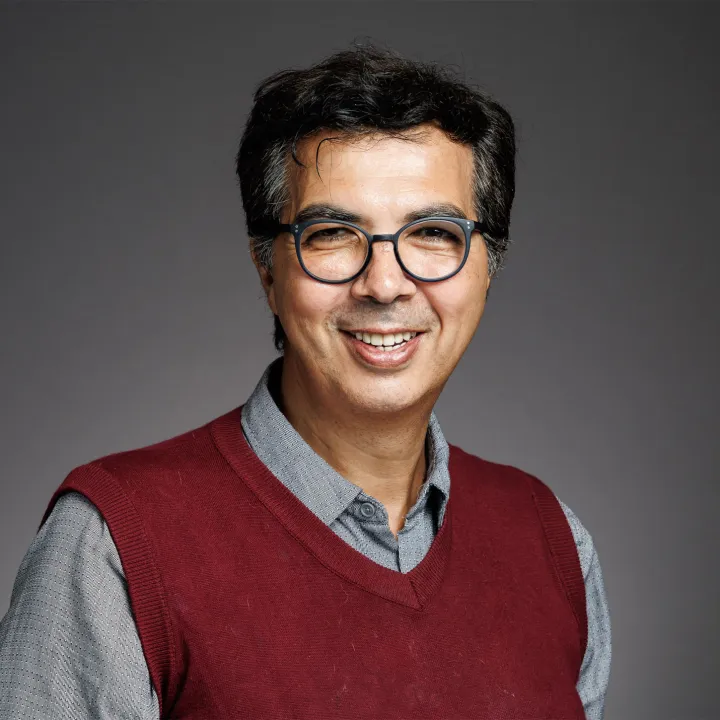
Michael A. Newton is a Professor and Chair of the Department of Biostatistics and Medical Informatics at the University of Wisconsin–Madison, School of Medicine and Public Health. His research focuses on statistical methodologies for high-dimensional biomedical data, including cancer biology, immunology, and genomics. He is renowned for developing empirical Bayesian methods, stochastic models, and computational tools for analyzing molecular data. His work integrates statistical theory with interdisciplinary collaborations, contributing to advancements in translational biomedicine. Newton has held prestigious awards, including the Mortimer Spiegelman Award (2003) and the COPSS Presidents' Award (2004). He is an elected Fellow of the American Statistical Association and an elected Member of the International Statistical Institute. He leads the Biostatistics and Epidemiology Research and Design (BERD) core at the Institute for Clinical and Translational Research and is affiliated with the Carbone Comprehensive Cancer Center and the Center for Genome Science and Innovation. His teaching includes advanced courses in computational statistics, Bayesian analysis, and statistical methods in molecular biology. Newton directs graduate programs in Statistics and Biomedical Data Science, emphasizing interdisciplinary training.
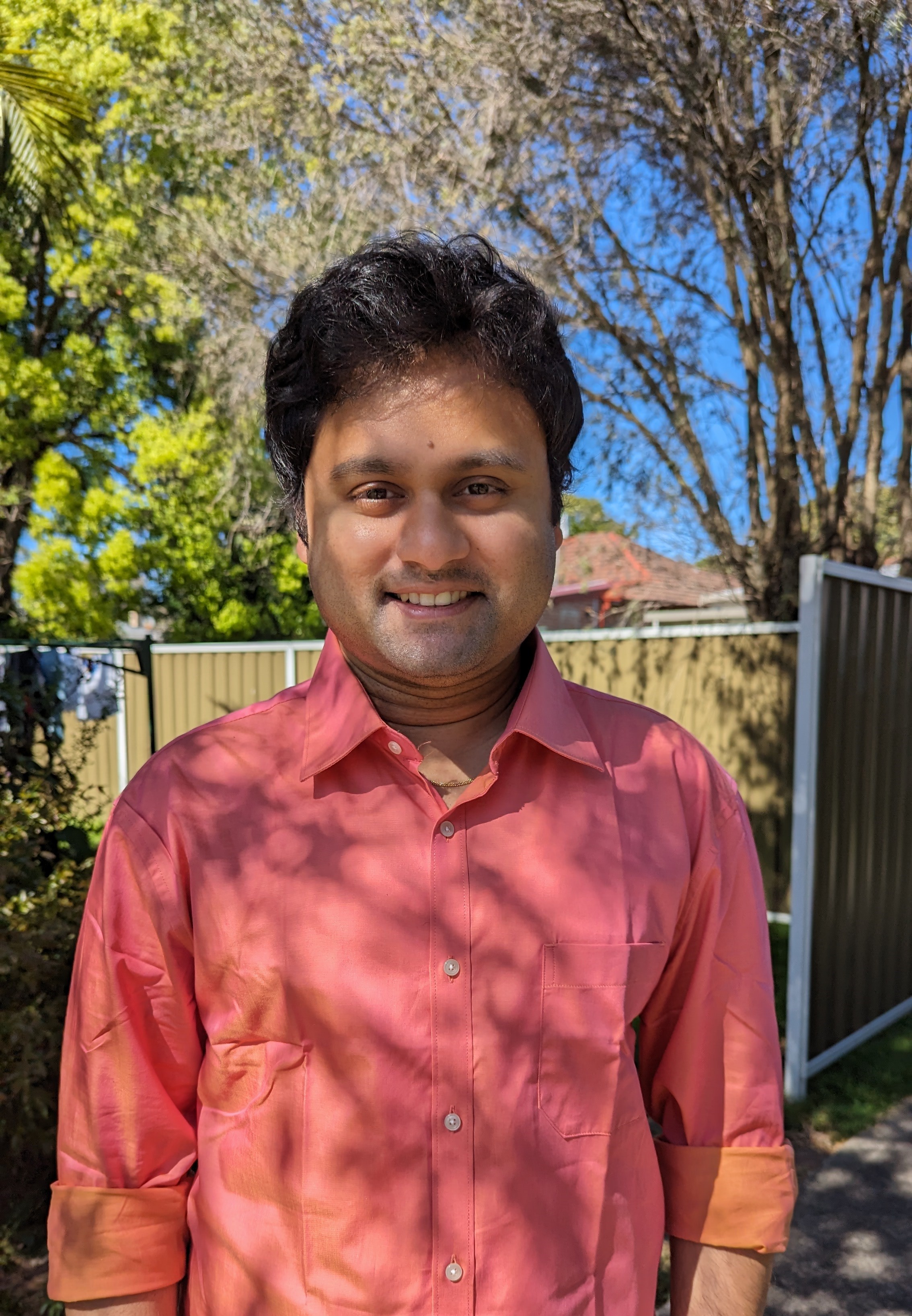
Raaj Kishore Biswas is a Biostatistician and Research Fellow at the Charles Perkins Centre, University of Sydney, and a part-time Research Biostatistician at Sydney Local Health District (NSW Health). He holds a PhD in Road Safety and Transport Analytics (UNSW Sydney, 2022) and advanced degrees in Biostatistics and Applied Statistics. His research focuses on lifestyle factors, non-communicable diseases, and global health equity, particularly in low- and middle-income countries (LMICs). Affiliations: Charles Perkins Centre, University of Sydney Sydney Local Health District (part-time) Member, Sydney Southeast Asia Centre Member, Charles Perkins Centre Research Interests: Biostatistical methods, public health analytics, physical activity epidemiology, maternal-child health, and global health policy. He specializes in analyzing large-scale datasets (e.g., UK Biobank) and collaborating on randomized controlled trials and observational studies. Publications: Over 80 peer-reviewed articles in journals like European Heart Journal , BMC Medicine , and PLOS One . Recent work emphasizes sleep patterns, cardiovascular risk, and pandemic preparedness in LMICs. Grants: Recipient of Charles Perkins Centre Professional Development Award (2024) and contributor to trials like the Active Women over 50 project. Labs/Teams: Leads the Physical Activity, Lifestyle, and Population Health team at Charles Perkins Centre, collaborating globally on projects addressing healthcare access and behavioral interventions.
Megan Steele is an Honorary Senior Research Fellow at the University of Queensland's School of Public Health. Her research focuses on public health interventions, mental health in forensic settings, cancer survivorship, and Indigenous health equity. She contributes to initiatives like the Aboriginal and Torres Strait Islander Impact Strategy and collaborates with law enforcement and healthcare agencies to improve crisis response and patient outcomes. Key research areas include forensic mental health patients' physical activity, suicide crisis interventions, and substance use among justice-involved youth. Her work integrates data linkage studies and systematic reviews to address healthcare gaps in vulnerable populations. She has co-authored over 70 publications spanning oncology, neuroprotection, and public health policy. Her recent studies highlight innovative methods like bioimpedance spectroscopy for lymphedema diagnosis and explore exercise safety in cancer survivors. Collaborations with German oncology centers inform integrative therapy approaches. While no formal awards are listed, her extensive publication record demonstrates significant scholarly impact. Advising and grant details are not explicitly stated, but her involvement in multi-disciplinary projects suggests active team-based research. She contributes to initiatives like the Mental Health and Climate Change Research Network and Public Health Connect platform, fostering cross-sectoral partnerships.
Hachemi Kadri is a Senior Lecturer in Pharmaceutical Chemistry at Kingston University, London (since January 2022). Previously, he served as an Assistant Professor (Research) at Durham University's Chemistry Department (2019–2021), where he contributed to the Global Network for Neglected Tropical Diseases initiative. He holds a PhD in Medicinal Chemistry and Drug Design from Cardiff University and an MPharm (Hons) from the University of Nottingham. Additionally, he is a GPhC-registered pharmacist. His research focuses on developing chemical approaches and tools to validate novel therapeutic targets for diseases including Chagas and Leishmaniasis, alongside drug discovery in immuno-oncology, neurodegenerative, and cardiovascular disease domains. His work has been supported by the prestigious MRC GCRF Fellowship. Teaching responsibilities include pharmaceutical chemistry modules, while his research integrates synthetic medicinal chemistry with pharmacological evaluation to advance translational medicine. Awards: MRC GCRF Fellowship (2019–2021)
Lesley W. Chow is an Associate Professor in Bioengineering and Materials Science & Engineering at Lehigh University. She leads the Chow Lab, focusing on designing biomaterials for regenerative medicine and tissue engineering, particularly musculoskeletal interfaces like the osteochondral junction. Her work integrates 3D printing, peptide-polymer conjugates, and self-assembly techniques to create hierarchical scaffolds mimicking native tissues. Chow holds a Ph.D. in Materials Science and Engineering from Northwestern University and a B.S. in Materials Science and Engineering from the University of Florida. Her research emphasizes understanding how tissue organization influences cell behavior and improving clinical translation of biomaterials. Key areas include osteochondral interface regeneration, immunomodulatory biomaterials, and spatially functionalized scaffolds using additive manufacturing. Her lab’s innovations address challenges in musculoskeletal repair, such as creating gradient scaffolds to replicate native tissue properties. Collaborations span biomaterials science, engineering, and clinical translation. She also advocates for diversity in engineering through frameworks promoting institutional accountability. Major grants include the NSF CAREER Award for spatially organized biomaterials. Her work is published in journals across biomaterials science and tissue engineering, with a focus on interdisciplinary solutions for complex tissue regeneration.
Professor Masatoshi Okutomi is affiliated with the Department of Systems and Control Engineering at the School of Engineering, Institute of Science Tokyo. His research focuses on advanced medical imaging techniques, particularly in endoscopy and 3D reconstruction, leveraging deep learning and neural networks. Key interests include virtual chromoendoscopy for cancer detection, image restoration, and stereo matching under challenging conditions. His work bridges computer vision and healthcare, addressing real-world applications such as MRI reconstruction and foggy stereo matching. Notable contributions include developing lightweight medical segmentation networks for edge devices and advancing neural radiance fields (NeRF) for novel view synthesis. His research spans diverse domains: from improving video quality assessment to enhancing object detection in high-dynamic-range images. Collaborative projects emphasize practical solutions for medical diagnostics and robust image processing in adverse environments. Recent articles highlight advancements in temporally-consistent video restoration, few-shot view synthesis, and degraded image classification using knowledge distillation. These innovations underscore his commitment to pushing boundaries in both theoretical computer vision and applied medical technology.
Alexander J. Stewart is an Associate Professor of Informatics at Indiana University Bloomington and an Honorary Professor of Mathematics at the University of St Andrews. He holds a PhD in Mathematical Biology from University College London (2010), and earlier degrees in Physics (Imperial College London) and Mathematical Biology (University College London). His research focuses on mathematical and computational models of social learning in online ecosystems, addressing topics such as misinformation, polarization, and cooperative behavior through lenses of game theory and evolutionary dynamics. Key themes include cultural evolution's interaction with algorithms, social network structures' impact on collective decisions, and cognitive mechanisms shaping social interactions. His work has been published in high-impact journals like Nature , PNAS , and Science Advances , addressing topics ranging from information gerrymandering to the evolution of stereotyping. He leads projects funded by the John Templeton Foundation, exploring cultural evolution and online social contracts. Advising over 7 graduate students and postdocs, he has mentored researchers now in academic and industry roles globally. His teaching includes advanced courses on game theory and social media dynamics. Media contributions include analyses on polarization's societal impacts and the dangers of algorithmic misinformation. Current research initiatives include modeling behavioral motivations for cooperation and investigating eco-evolutionary trade-offs in pathogen competition. His labs focus on interdisciplinary approaches to understanding complex social and biological systems.
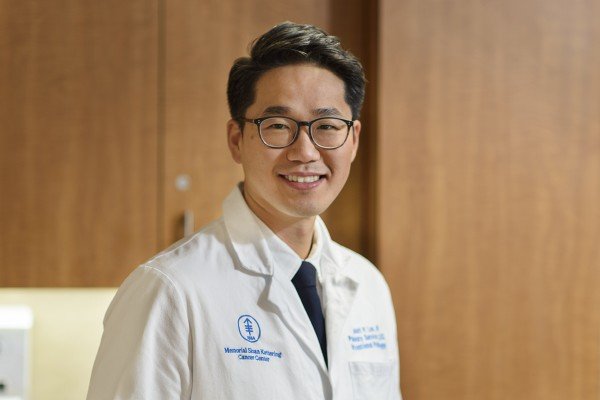
Robert P. Lee, MD, FCCP, DAABIP is a Clinical Professor and a leading Interventional Pulmonologist at Memorial Sloan Kettering Cancer Center (MSK). He serves as the Section Head of Interventional Pulmonology and the Program Director of the Interventional Pulmonology Fellowship. His clinical expertise focuses on advanced minimally invasive techniques for diagnosing and treating lung conditions such as pulmonary nodules, lung cancer, and pleural effusion. He specializes in robotic bronchoscopy, endobronchial ultrasound (EBUS), and electromagnetic navigation bronchoscopy. Dr. Lee completed his MD at Rutgers New Jersey Medical School, followed by residencies at Georgetown University Medical Center and fellowships at New York University School of Medicine and Lahey Clinic (Tufts University School of Medicine). He is board-certified in Pulmonary Disease, Critical Care Medicine, and Interventional Pulmonology. His research interests involve developing novel products and techniques to improve bronchoscopy and enable early lung cancer diagnosis. He collaborates with thoracic surgeons and interventional radiologists to optimize patient care and reduce invasive procedures. Dr. Lee sees patients at MSK locations in New York City and is fluent in English and Korean. He accepts multiple insurance plans, including Medicare and various private providers. Clinical trial participation opportunities are available through MSK’s extensive research programs. Dr. Lee discloses a relationship with AstraZeneca as part of MSK’s conflict of interest reporting.
Adebola A. Adedimeji is an Adjunct Professor in the Department of Epidemiology & Population Health at the Wake Forest University School of Medicine. She holds advanced degrees including an M.B.A., M.P.H., M.S., and Ph.D. Her research focuses on social and structural determinants of health, HIV prevention, stigma reduction, cancer education, and community-based interventions for marginalized populations. She is affiliated with the Health Behavior Research & Implementation Science division. Her work emphasizes implementation science and real-world evidence, particularly in sub-Saharan Africa. Key research themes include LGBTQ+ health, transgender HIV service access, substance use impacts on HIV care, and climate change linkages to sexual health. Publications span HIV stigma reduction interventions, pediatric HIV treatment strategies, cervical cancer screening barriers, and global health capacity-building initiatives. Notable collaborations include the Einstein-Rwanda program and studies in Nigeria and Uganda. She advocates for health equity and policy reforms addressing intersecting stigmas.
Dr. Karen Yeates is a Professor in the Division of Nephrology at Queen's University's School of Medicine. She holds cross-appointments in the Faculty of Health Sciences and is a member of Queen's Cancer Research Institute and Translational Institute of Medicine. Her work focuses on improving healthcare access through mHealth innovations in global settings, particularly sub-Saharan Africa and Indigenous communities. Education: MD (Queen's University), MPH (Harvard School of Public Health), Fellowship in Nephrology (Royal College of Physicians and Surgeons Canada). Research interests span global health equity, cardiovascular disease prevention, cervical cancer screening, and mobile health technology. Key projects include leading the PURE Study Tanzania (Prospective Urban and Rural Epidemiology) and the International Polypill Study for cardiovascular prevention. She pioneered smartphone-based interventions for hypertension management in rural communities and cervical cancer screening in Tanzania. Articles consistently address mHealth implementation, chronic disease epidemiology, and health systems strengthening. Recent work evaluates mobile health tools for malaria prevention and cervical precancer detection in resource-limited settings. Rising Stars in Global Health Award (2024) CIHR-Global Alliance grant for mHealth hypertension projects Principal Investigator for Grand Challenges Canada initiatives Advocates for equitable kidney care globally, contributing to ISN Global Kidney Health Atlas. Co-founded Queen’s University School of Medicine’s Office of Global Health to advance interdisciplinary global health training.
Yi-Chin Toh is a Professor in the Faculty of Engineering at Queensland University of Technology (QUT), leading the Micro Tissue Engineering Lab. She holds an ARC Future Fellowship and has held prior roles as an Assistant Professor at the National University of Singapore. Her expertise lies in microfluidic tissue models for drug testing and organ-on-a-chip technologies. She earned her B.Eng. (2001) and Ph.D. (2008) in Bioengineering from National University of Singapore, followed by postdoctoral training at MIT and A*STAR. Her research focuses on advancing alternative animal-free technologies, with notable contributions to multi-organ microfluidic platforms and 3D bioprinted tissue models. She has published over 70 peer-reviewed articles, secured eight patents, and received accolades like the 2022 Lab on a Chip Pioneers in Miniaturization Award and 2019 Global 3R Award. She holds editorial roles in journals like Biomicrofluidics and contributes to conferences such as MicroTAS. Key research areas include mechanobiology modeling, hepatic-microbiome interactions, and AI-driven single-cell analysis. Her lab’s work bridges academia and industry, emphasizing translational applications in drug safety and toxicology. Current projects include modular microfluidic platforms for multi-organ interactions and FDA-regulatory compliant non-animal testing systems. Education: B.Eng in Chemical Engineering, National University of Singapore (2001) Ph.D. in Bioengineering, National University of Singapore (2008) Awards & Leadership: Lab on a Chip Lectureship (2022), Global 3R Award (2019), ARC College of Experts member, and leadership roles in MicroTAS conferences. She also leads the ARC Training Centre for Cell and Tissue Engineering Technologies.
Pramita Bagchi is an Assistant Professor in the Department of Biostatistics & Bioinformatics at The George Washington University (GWU), affiliated with the Milken School of Public Health. She holds a Ph.D. in Statistics from the University of Michigan and completed a postdoctoral fellowship at Ruhr Universitat Bochum in Germany. Her research focuses on developing statistical methodologies for analyzing dependent data, particularly in high-dimensional and functional contexts such as time series, spatial data, and functional observations. Education: Ph.D. in Statistics, University of Michigan, Ann Arbor Postdoctoral Research, Department of Mathematics, Ruhr Universitat Bochum Research Interests: Functional Data Analysis Spatiotemporal Modeling High-Dimensional Data Non-Parametric Inference Healthcare Applications Methodological Development for Biomedical Data Publications span statistical theory (e.g., functional time series analysis) and applied health research (e.g., heart transplant biomarkers, acculturation effects in immigrant health). Recent work emphasizes methodological innovations for complex data structures, blending theoretical rigor with real-world applications in cardiology and epidemiology. Grants & Collaborations: NSF Grant: "Empirical Frequency Band Analysis for Functional Time Series" (2022–2025) INOVA Hospital Grant: "Clinical Data Analytics in Cardiac Transplantation" (2020–2023) Teaching includes advanced courses like Mathematical Statistics I (STAT 872), reflecting her expertise in statistical theory and methodology.