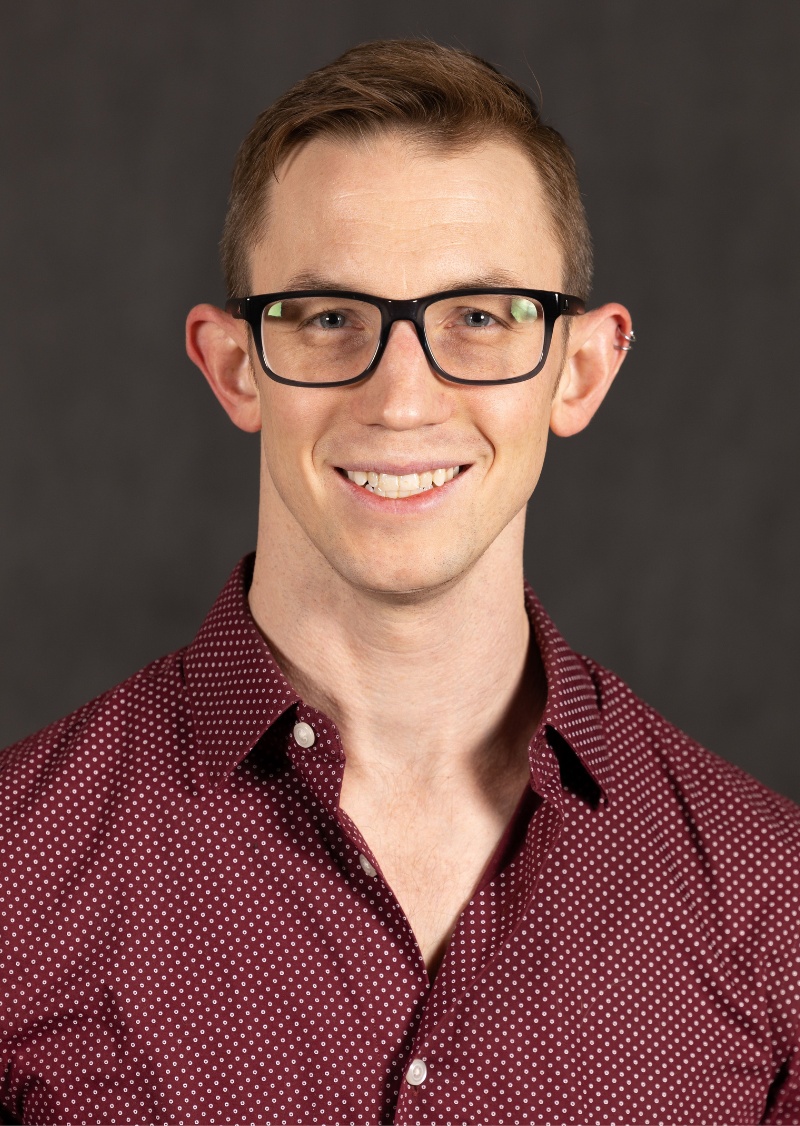
Dr. Rupali Banerjee is an Assistant Professor in the Department of Cell Biology at UT Southwestern Medical Center. Her research focuses on lipid metabolism, organelle contact sites, and cellular stress responses using Drosophila and mammalian models. Education: PhD in Biology (2015). Research Focus: Investigates lipid droplet biogenesis, ER-endolysosomal contact sites, and metabolic regulation. Key discoveries include Snazarus/SNX25 roles in autophagy and Mdm1-mediated lipid droplet formation at ER contact sites. Recent work explores actin cytoskeleton regulation of adipocyte size and inter-organ nutrient trafficking. Publication Trends: Her work (2003-2024) spans pigmentation genetics to advanced proximity labeling techniques. Recent studies characterize metabolic rewiring in lipid-depleted systems and ER-associated lipoprotein homeostasis, with consistent focus on membrane contact site biology. Model Systems: Leverages Drosophila genetics, yeast models, and mammalian cell systems to study evolutionarily conserved mechanisms of metabolic regulation and organelle dynamics.
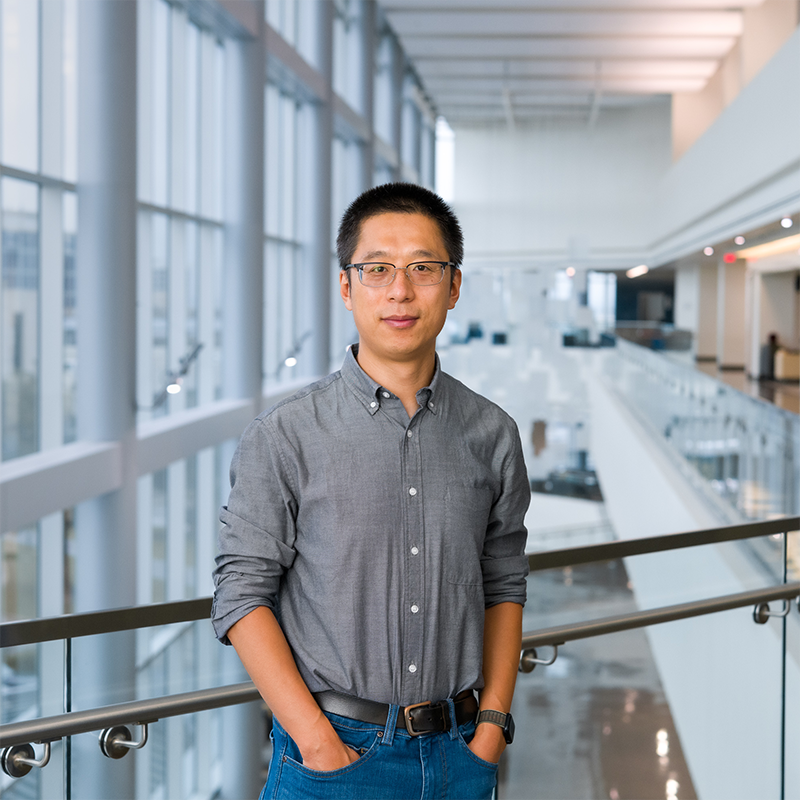
Dr. Jinhai Yu is a Researcher in the Department of Clinical Nutrition at the University of Texas Southwestern Medical Center, School of Medicine. He holds a PhD in Cell Biology from the Chinese Academy of Sciences (2014), specializing in lipid droplet biology within brown adipose tissue and adrenal glands. His postdoctoral training included studies at Tsinghua University (2014–2018) on fatty acid-mTOR signaling and at the UT Southwestern Center for Human Nutrition (2018–2021) focusing on non-small cell lung cancer (NSCLC)-associated cachexia. His current research investigates how STK11/LKB1 mutations in NSCLC trigger cachexia via GDF15 signaling. Key research interests include lipid droplet dynamics, cancer metabolism, adipose tissue regulation, and the molecular mechanisms underlying metabolic disorders. Dr. Yu has contributed to over 17 peer-reviewed publications, exploring topics such as lipid droplet proteomics, metabolic signaling pathways, and cancer-induced cachexia. His work integrates multi-omics approaches to understand cellular lipid storage and metabolic pathways.
Mohsin Khan, PhD, is an Associate Professor in the Department of Cardiovascular Sciences at the Lewis Katz School of Medicine, Temple University. He leads the Center for Metabolic Disease Research, focusing on cardiac regeneration and metabolic signaling. His work integrates stem cell biology, exosome-mediated communication, and epigenetic reprogramming to address cardiac repair deficits in aging/diabetes. Education: PhD in Molecular Biology, National Center of Excellence in Molecular Biology, Lahore (2008) MS in Zoology, Government College University, Lahore (2002) BS in Biological Sciences, Forman Christian College, Lahore (2000) Research Interests: Dr. Khan’s lab investigates neonatal cardiac repair mechanisms, embryonic microRNA signaling, and diabetes-induced cardiac dysfunction. Key projects include: Reactivation of embryonic factors to enhance adult heart repair Exosome-based therapies using stem cell-derived vesicles Metabolic regulation in cardiac progenitor cells Age-related epigenetic changes in heart repair capacity Publications: Over 80 peer-reviewed articles focus on miRNA regulation, exosome therapies, and metabolic-cardiac crosstalk. Recent work highlights LIN28A-driven regeneration and UCP2-mediated metabolic reprogramming. Honors: American Association for Cancer Research (AACR) American Association for the Advancement of Science (AAAS) Advising & Grants: Ongoing NIH-funded projects explore exosome-based cardiac repair and diabetes-cardiac axis modulation. Collaborations include Temple’s Institute of Regenerative Medicine and Engineering. Labs/Teams: Leads a multidisciplinary team at the Center for Metabolic Disease Research, collaborating with immunologists, bioengineers, and computational biologists to advance regenerative therapies.
Charlie Fehl is an Assistant Professor in the Department of Chemistry at Wayne State University's College of Liberal Arts and Sciences. His research focuses on developing chemical tools to understand sugar biology and treat metabolic diseases. Dr. Fehl leads the Fehl Lab, which aims to build a world where we can predict, control, and prevent metabolic diseases like cancer, diabetes, and obesity. Dr. Fehl's educational background includes: B.S. in Biochemistry from the University of Michigan (2009) Ph.D. in Medicinal Chemistry from the University of Kansas (2014) Postdoctoral Research Associate at the University of Oxford, UK (2014-2018) Dr. Fehl's research spans the intersection of chemical biology, glycobiology, and disease mechanisms. His lab develops highly selective chemical reactions that can occur in living cells to track sugar signaling motifs in disease states characterized by altered sugar metabolism. A key focus is on hexosamine sugar signaling pathways including glucosamines, which play critical roles in diseases resulting from unbalanced sugar usage. The Fehl Group designs innovative chemical tools such as light-controlled photosugars and cell compartment-specific "GlycoID" labeling strategies to precisely define the roles of hexosamine sugar-driven effects. Their work applies chemical biology tools at the interface of metabolism, disease, and cancer pathways to discover new roles for glucose-driven events in cells and disease, with particular emphasis on cancers that have elevated risk in patients with hyperglycemia. Analysis of Dr. Fehl's recent publications reveals a strong focus on O-GlcNAc biology, with particular emphasis on developing novel chemical tools for studying glycosylation in live cells. His research spans from fundamental chemical methodology development to applications in cancer biology and metabolic disease. A clear trend shows progression from basic chemical tool development toward increasingly sophisticated applications in disease models, particularly in understanding the connections between hyperglycemia, O-GlcNAc modification, and cancer progression. Dr. Fehl has received numerous prestigious awards and grants, including: University Research Grant (WSU, 2019-2020) Ebbing Faculty Development Award (WSU, 2020-2021) NIH R35 Grant (2021-2026): "Spatiotemporal tools to interrogate O-GlcNAc functions in cellular signaling" NSF CAREER award (2023-2028): "CAREER: Illuminating O-GlcNAc-driven functions of the human proteome" Mizutani Foundation for Glycoscience research grant (2023-2024): "Capturing real-time sugar signaling in cells with light-released O-GlcNAc probes" Michigan Diabetes Research Center Pilot & Feasibility Award (2024-2025): "Targeting aberrant O-linked N-acetylglucosamine (O-GlcNAc) glycosylation in prediabetic insulin resistance" Dr. Fehl is actively involved in training the next generation of chemical biology innovators through his research lab and teaching responsibilities. He teaches courses including Organic Spectroscopy (CHM6240/7240), Tools of Molecular Biology (CHM6635/7635), Organic Chemistry 1 (CHM1240), and Drug Design (CHM6270/7270). His research program is well-funded through multiple federal and foundation grants, allowing him to maintain an active research program investigating the connections between sugar metabolism, glycosylation, and disease states. The Fehl Lab operates from laboratory space in Chemistry building rooms 420 and 421 at Wayne State University. The lab brings together expertise in chemical synthesis, cell biology, and disease modeling to investigate how altered sugar metabolism contributes to disease. They maintain a dedicated disease project platform that investigates how hyperglycemia can lead to diabetes and different tumor types using a combination of in vitro and in vivo models. The lab is particularly known for developing innovative chemical tools like light-controlled photosugars and the GlycoID labeling strategy for studying glycosylation in live cells.
Aram Saeed is an Associate Professor in Healthcare Technologies at the School of Pharmacy , University of East Anglia (UEA), Norwich, UK. He holds leadership roles including Course Director for MPharm Pharmacy and BSc Pharmacology programs, and Tissue Engineering Special Topic Leader. His research focuses on ocular devices, nanotechnology, regenerative medicine, and 3D printing of medical materials, particularly intraocular lenses and drug delivery systems. Education & Career: PhD in Pharmacy (2006, University of Nottingham), followed by postdoctoral roles at NUI Galway and the EPSRC Centre for Innovative Manufacturing in Regenerative Medicine. Joined UEA in 2013 as Lecturer, progressing to his current rank in 2020. Research Interests & Expertise: Specializes in biodegradable polymers, stimuli-responsive materials, and advanced drug delivery systems. Key areas include ocular device innovation via 3D printing, nanocarrier systems for biologics, and 3D cell culture models for regenerative medicine. His work bridges polymer science, pharmaceuticals, and biomedical engineering. Awards & Recognition: Recipient of the Innovation and Impact Awards (2020 & 2021) and two PhD Supervisor of the Year awards (2018). Recognized for contributions to healthcare technologies, including patents on intraocular devices and publications in journals like Chemical Communications and Tissue Engineering . Grants & Projects: Led over 13 projects funded by EPSRC, Humane Research Trust, and Rosetrees Trust. Notable initiatives include developing next-generation intraocular lenses with drug delivery systems and creating xeno-free human intestinal tissue biobanks. Media & Outreach: Featured in international media for 3D printing innovations in ophthalmology, including articles in Brazil, the US, and the UK. Engages in public lectures and collaborates globally to advance healthcare technologies.
Roger J Davis is a Professor at UMass Chan Medical School, affiliated with multiple departments including Biochemistry and Molecular Biotechnology, Cancer Biology, and Neuroscience. His research focuses on the JNK signaling pathway's role in stress response, inflammation, cancer, and metabolic disorders. Queens' College, Cambridge: BA, MA, PhD in Biochemistry Dr. Davis' work explores how MAP kinase pathways link cellular stress to diseases like arthritis, diabetes, and cancer. His lab pioneered the molecular cloning of JNK and elucidates its mechanisms in gene expression, cell death, and survival. His recent publications emphasize JNK's involvement in metabolic regulation, cystic diseases, and liver pathology. Trends include JNK signaling in obesity-induced insulin resistance, cancer progression, and neurodegenerative conditions. Fellow, The Royal Society (2002) Member, European Molecular Biology Organization (2010) Fellow, American Academy of Microbiology (2012) Member, National Academy of Sciences (2018) Dr. Davis has served as Editor-in-Chief of Molecular and Cellular Biology and on editorial boards of eLife , Genes & Development , and Molecular Cell . His lab investigates signal transduction cross-talk, therapeutic strategies targeting JNK, and tissue-specific functions of MAP kinases.
Dr. Jason K Kim is a Professor at UMass Chan Medical School, holding multiple appointments across the T.H. Chan School of Medicine and Morningside Graduate School of Biomedical Sciences. He serves in the Department of Medicine (Division of Endocrinology & Diabetes), Program in Molecular Medicine, and several graduate programs including Biophysical Chemical and Computational Biology, Interdisciplinary Graduate Program, Masters in Clinical Investigation, MD/PhD Program, Population Health Sciences, and Postbaccalaureate Research Education Program. Dr. Kim earned his BS in Biological Sciences from University of California, Irvine, followed by a PhD in Physiology & Biophysics from University of Southern California. He completed postdoctoral training and served as Assistant Professor at Yale University School of Medicine in Endocrinology & Metabolism, then became Associate Professor at Penn State College of Medicine in Cellular & Molecular Physiology, before joining UMass Medical School as Professor of Molecular Medicine in 2008. With nearly 30 years of research experience, Dr. Kim has made significant contributions to understanding obesity, insulin resistance, and type 2 diabetes, with 166 peer-reviewed publications in high-impact journals including Nature, Science, and Cell Metabolism. His work focuses on the molecular link between inflammation and insulin resistance using transgenic mouse models, investigating how ER stress, macrophage function, and gut microbiome alterations contribute to metabolic disease. Notably, he serves as Program Director of the NIH-funded National Mouse Metabolic Phenotyping Center. Analysis of Dr. Kim's recent publications reveals a consistent focus on molecular mechanisms linking inflammation to metabolic dysfunction. His research spans multiple interconnected areas including macrophage polarization in obesity, cytokine signaling in insulin resistance, ER stress responses, gut microbiome interactions, and cardiac complications of diabetes. His work demonstrates strong translational potential with implications for therapeutic interventions targeting inflammatory pathways in metabolic disease. As Program Director of the NIH-funded National Mouse Metabolic Phenotyping Center, Dr. Kim oversees a critical resource for diabetes research that has studied over 400 genetic mouse models. His laboratory provides extensive training opportunities for graduate students through multiple programs at UMass, with lab rotations currently available. His research program represents a significant NIH-funded effort to understand the etiology of type 2 diabetes and identify potential therapeutic targets. Dr. Kim's research is conducted through multiple interconnected projects investigating GRP78 and unfolded protein response, IFNγ and IL-1α in inflammation, gut microbiome alterations, ER stress in diabetic heart disease, and IL-10's role in regulating glucose metabolism. His work leverages sophisticated mouse models and metabolic phenotyping approaches to bridge basic science discoveries with clinical applications in diabetes and obesity.
Nadav Ahituv, PhD, is a Professor in the Department of Bioengineering at the University of California, San Francisco (UCSF) School of Pharmacy. His research focuses on identifying gene regulatory elements and linking nucleotide variations to phenotypes such as morphological differences, drug responses, and human diseases. He pioneered techniques like massively parallel reporter assays (MPRAs) and cis-regulation therapy (CRT), and developed adipose modulation transplantation (AMT) for cancer therapy. Ahituv earned his PhD with distinction from Tel Aviv University in 2002. His work integrates genomic and computational approaches to study gene regulation in health and disease. Key research areas include functional characterization of enhancers, evolutionary genomics, and translational therapies targeting regulatory elements. His laboratory has received significant funding from NIH grants, including projects on obesity genetics, hernia susceptibility, and psychiatric disorder-associated regulatory elements. Recent publications highlight advancements in MPRAs, CRISPR-based screens, and the role of nullomers in disease. Awards include the 2024 ASHG Scientific Achievement Award and the 2014 ASCPT Leon I. Goldberg Young Investigator Award. Collaborations span institutions like UCSF, Stanford, and international research groups, reflecting his interdisciplinary approach to biomedical research.
Berit Løkensgard Strand is Professor at NTNU's Department of Biotechnology and Food Science, where she leads research on alginate biomaterials and biomedical applications. Her work focuses on fundamental properties of biopolymers and their functionalization for cell encapsulation and tissue engineering. Key research areas: Alginate hydrogel design and functionalization Cell encapsulation technologies for diabetes treatment Mineralized composites for bone tissue engineering Nanocomposite biomaterials Host responses to biomaterials Her group has developed alginate-based encapsulation systems for pancreatic islet transplantation that have progressed to clinical trials. Recent work explores nanostructured composites combining alginate with cellulose nanomaterials, and advanced characterization of host-biomaterial interactions using proteomic approaches. She maintains extensive collaborations with international research institutions and industry partners in biomedicine.
Jeremy Clark is a Professor at the Department of Clinical and Molecular Biochemistry, Faculty of Medicine, Pomeranian Medical University in Szczecin. His research spans medical sciences, genetics, and molecular biology with a focus on genetic variants, aging, and disease susceptibility. Research Areas: Genetic determinants of drug resistance and disease susceptibility Cardiovascular and metabolic biomarkers in newborns and adults Molecular mechanisms of aging and longevity Host-pathogen interactions in fungal infections Scientific Output: 52 publications with a total impact factor of 112.85 2,322 total ministry score 15 recent studies on genetic polymorphisms, cardiovascular markers, and fungal pathogenesis Contact: jeremy.clark@pum.edu.pl | Phone: +48 91 466 14 90
Professor Philip McCabe serves as Chairman of the Department of Psychology at the University of Miami's College of Arts and Sciences. His research focuses on the intersection of neuroscience, physiology, and psychosocial factors influencing health outcomes. Key areas include oxytocin's role in inflammation, metabolic regulation, and cardiovascular disease. He explores stress adaptation, tumor microenvironment dynamics, and biopsychosocial mechanisms in chronic conditions. Email: pmccabe@miami.edu Research Interests: Neuroendocrine regulation of inflammation and immunity Psychosocial factors in coronary artery disease and cancer Oxytocin's impact on metabolic health and tumor biology Sympathetic nervous system remodeling in atherosclerosis Recent Trends in Publications: Over the past decade, his work has emphasized oxytocin's dual role in mitigating inflammation while influencing tumor progression. Studies highlight translational applications in obesity, cardiovascular pathophysiology, and cancer biomarker discovery. Recent 2024 research advances understanding of pancreatic β-cell function through oxytocin receptor deletion. Grants & Labs: Active in NIH-funded projects on stress biology and endocrine signaling. Collaborates with medical schools on translational studies involving animal models and clinical cohorts.
Dr. Gul Tiryaki-Sonmez is a Professor and Chair of the Department of Exercise Sciences & Recreation at Lehman College, CUNY. She holds academic leadership roles including Director of the Exercise Science Program. With degrees from the Youth and Sport Academy in Ankara, Oklahoma State University, and the University of New Mexico, her expertise spans exercise physiology, sports performance, and metabolic health. Her research focuses on exercise's impact on appetite hormones, ergogenic aids, and biomechanics applications. She has authored two textbooks, 60+ peer-reviewed articles, and supervised 18 theses. Dr. Sonmez also serves as a journal editor and peer reviewer. Education: B.S., Youth and Sport Academy, Ankara, Turkey M.S., Oklahoma State University, USA Ph.D., University of New Mexico, USA Research Interests: Combining rigorous scientific inquiry with practical applications, Dr. Sonmez explores: - Hormonal regulation of appetite and metabolic health - Ergogenic aids and athletic performance optimization - Biomechanical principles in exercise design - Childhood obesity prevention strategies Her work bridges laboratory findings with real-world health promotion initiatives. Editorial Roles: Chief & Regional Editor for two international journals; peer reviewer for 7 scientific journals. Program Leadership: Developed undergraduate/graduate programs in physical education & exercise sciences. Served as Vice President of Academic Affairs and held administrative roles in training sciences and physical education departments. Publications: Over 60 peer-reviewed articles and two widely used textbooks in exercise physiology. Recent work includes studies on HIIT in diabetes management, taurine supplementation effects, and body composition analysis methodologies. Lab & Team Work: Leads research groups investigating exercise interventions for metabolic disorders and childhood obesity. Collaborates internationally on projects blending biomechanics with clinical outcomes.
Olena Doran is a Professor in Biomedical Research and currently serves as the College Dean in Research and Enterprise at the University of the West of England (UWE) Bristol. She holds dual affiliations within the College of Health, Science and Society and the Faculty of Health and Applied Sciences (HAS). Her roles have included Director of Research Development at the Institute of Bio-Sensing Technology and Centre Director of the Centre for Research in Biosciences between 2010–2017, followed by Associate Dean in Research and Enterprise at HAS before her current deanship since 2022. Education: Olena earned her BSc+MSc (Distinction) and PhD in Biology from Kharkov State University, Ukraine. She furthered her career through the European Fellowship Fund at the Nenski Institute of Experimental Biology in Poland and a Royal Society/NATO Fellowship at the University of Bristol, where she spent a decade contributing to apoptosis research. Research Interests: Her work focuses on molecular mechanisms underlying food quality traits, development of novel biosensing technologies, cancer biology (including ethnic-group specific prostate cancer), hepatic CYP450 systems in cancer and meat quality, and mitochondrial functions in aging and disease. These interests drive her interdisciplinary approach bridging food safety, animal health, and biomedical applications. Articles Trends: Over the past five years, her publications emphasize electrochemical biosensor innovation for food quality analysis (e.g., glycerol, fatty acids, vitamins) and antimicrobial strategies using plasma-activated water and nanoformulations targeting pathogens like Salmonella and E. coli. This reflects a strong focus on practical technologies for agri-food safety and livestock health. Scientific Awards: She has been recognized with the European Fellowship Fund and Royal Society/NATO Fellowship, supporting her early career research in molecular biology and apoptosis mechanisms. Advising & Grants: Olena has advised and mentored hundreds of students across undergraduate and postgraduate programs, including PhD Action Learning Sets. Her research has attracted £6m+ in grants from BBSRC, AHDB, EU, and industry partners. She actively reviews for funding bodies in the UK, New Zealand, Belgium, and Canada, and chairs strategic initiatives like the UK/China Partnership on Novel Technologies. Labs & Teams: As a leader, she established the Institute of Bio-Sensing Technology and directed the Centre for Research in Biosciences. Collaborations span over 100 institutions globally, including the Chinese Academy of Agricultural Sciences, Swedish University of Agricultural Sciences, and Pfizer Ltd. She is a member of the Board of Governors at Bristol Zoological Society and leads the Academic Research Science Network.
Dr. Stephanie Hansen is a Professor in the Department of Animal Science at Iowa State University, leading the Hansen Ruminant Nutrition Lab. Her research focuses on trace mineral nutrition, growth promoting technologies, and beef cattle health. She advises students pursuing degrees in Animal Science, Nutritional Sciences, or Toxicology. Education: B.S. (Animal Science) from Iowa State University (2002), M.S. (Animal Science) from North Carolina State University (2005), and Ph.D. (Nutrition) from North Carolina State University (2008). Research emphasizes zinc, copper, and manganese metabolism in beef cattle, with studies on transit stress, immune response modulation, and mineral supplementation strategies. Her work bridges nutritional science with practical applications in livestock production. Recent articles highlight advancements in understanding mineral interactions with anabolic implants, transit stress mitigation, and AI integration in animal science education. Students in her lab include Amy McLaughlin, Dathan Smerchek, Jacob Henderson, Emma Rients, and Brock Ortner. The lab collaborates on projects funded by industry and agricultural grants, focusing on improving beef cattle health and sustainable production practices. Notable contributions include optimizing trace mineral requirements for feedlot cattle and developing strategies to enhance immune resilience under stress conditions.
Dr. Barry J Bradford serves as Professor and C. E. Meadows Endowed Chair in Dairy Management and Nutrition within the Department of Animal Science at Michigan State University's College of Agriculture & Natural Resources. With a dual research and extension appointment, he leads the Dairy Metabolism Group, focusing on understanding dairy cattle metabolic physiology to improve the economic and environmental sustainability of dairy production. His work bridges academic research with practical application through his 50% Extension appointment where he collaborates directly with dairy producers. Dr. Bradford's research program centers on three primary areas: inflammation and immunity during the transition to lactation, nutrients as cellular signals, and evidence-based dairy management. His work on inflammation has helped document the underlying inflammatory state around calving and explores pharmacological and nutritional interventions. His research on nutrients as signals contributes to understanding how feed components directly impact cellular function, with applications of 'nutraceuticals' in livestock. His evidence-based management work applies rigorous statistical approaches to farm data to improve decision-making. The Dairy Metabolism Group integrates nutritional, environmental, and physiological variables to promote optimal health and productivity of dairy cattle. His recent publications demonstrate a strong focus on the intersection of metabolism and inflammation in dairy cattle, particularly during the transition period. Bradford's research often examines how nutritional interventions like rumen-protected choline and niacin affect inflammatory responses, metabolic health, and production outcomes. His work spans from fundamental cellular mechanisms to large-scale farm management practices, reflecting his commitment to translational research that benefits both dairy science and industry practice. Through his extension appointment, Dr. Bradford develops two-way learning opportunities with dairy management teams to improve evidence-based decision-making. He has conducted research demonstrating how first-lactation cows giving birth to heifer calves produce more milk for multiple lactations, influencing decisions on sexed semen use. His work emphasizes that farm-generated data is often underutilized, and few farms conduct their own studies to test management changes within their specific environments. With MSU expertise, dairy managers can develop more evidence-based approaches to optimize their operations. The Dairy Metabolism Group laboratory investigates metabolic physiology through various approaches including in vivo animal studies, tissue analyses, and cellular experiments. Their research aims to improve dairy cow well-being and the sustainability of the dairy industry, which plays a critical role in the food system by upcycling nutrients not suitable for non-ruminants into valuable products like milk, cheese, and ice cream.