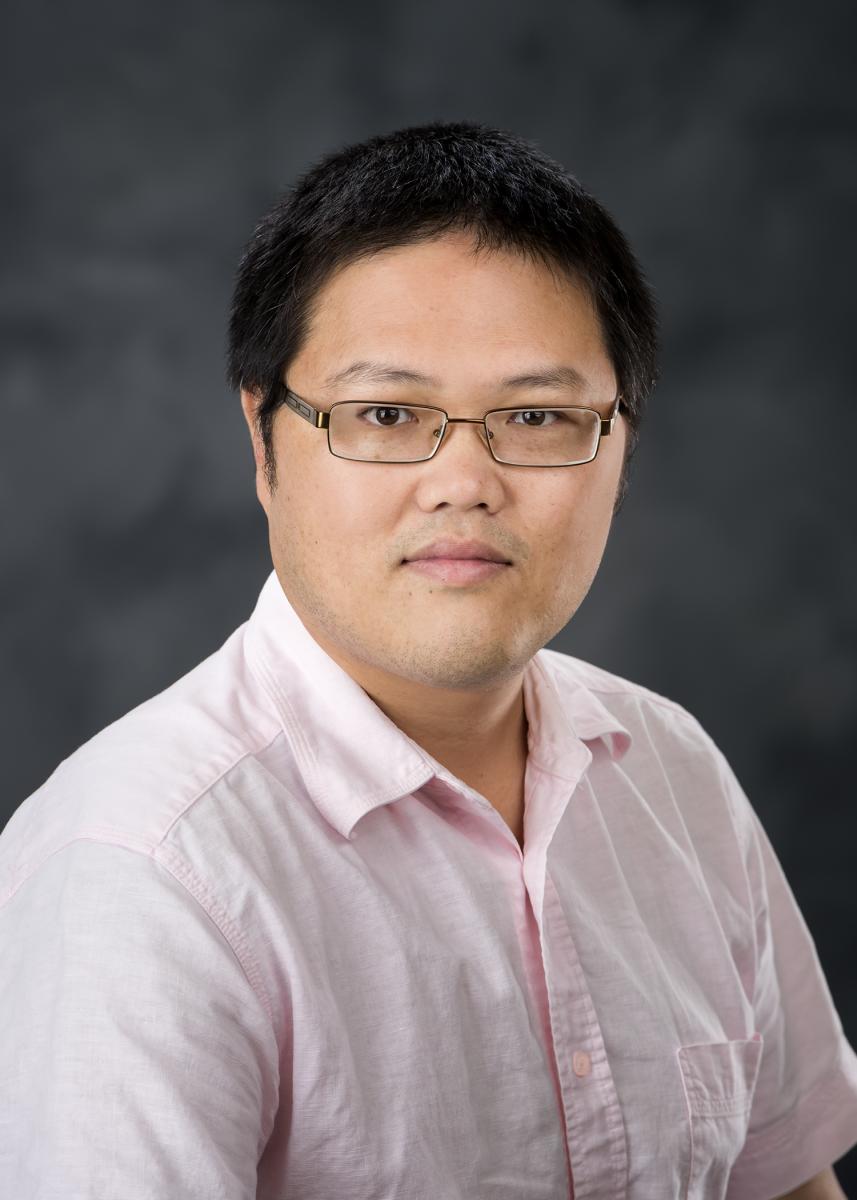
Dr. Tung-Lung Wu is Associate Professor of Statistics at Mississippi State University, specializing in applied probability and statistical methodology. His research develops analytical frameworks for boundary crossing problems, pattern distributions, and high-dimensional data. Research interests include first passage time calculations for stochastic processes, sequential analysis techniques in clinical trials, quality control applications of pattern distributions, and hypothesis testing for high-dimensional covariance structures. His work has applications in finance, manufacturing quality, and spatial epidemiology. Recent publications advance methods for scan statistics of Poisson processes, distribution-free control charts, and projected tests for covariance matrices. Analytical approaches include Markov chain imbedding techniques, random matrix projections, and adaptive scanning procedures. No awards, student advising, or laboratory affiliations are detailed in the source materials.
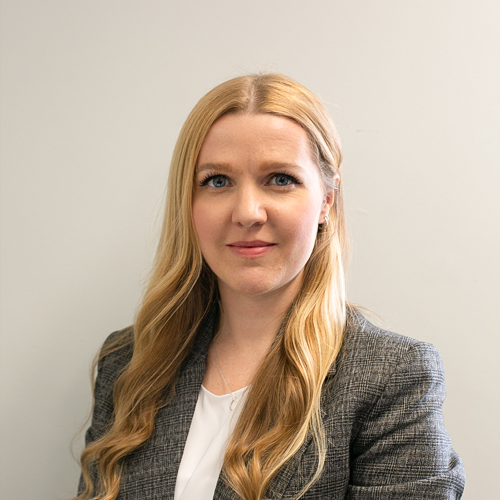
Cassidy Nelson is an Assistant Professor in the Department of Industrial and Systems Engineering at the Russ College of Engineering and Technology, Ohio University. Her research focuses on the intersection of augmented reality (AR) technologies with emergency response systems, healthcare applications, and education. She has contributed to the design and evaluation of AR-based training tools for mass casualty incidents, exergaming solutions, and pedagogical frameworks for serious games. Her work spans human factors engineering, medical triage systems, and behavioral health studies. Notable projects include the ARTTS augmented reality triage tool suite and the WISE initiative promoting gender equity in engineering. She has also explored player behavior in location-based AR games like Pokémon Go and analyzed the efficacy of AR training versus traditional methods. Earlier research includes studies on exercise adoption in mental health treatment, neuropsychological assessment, and placebo effects in stress testing. Her interdisciplinary approach bridges technology design, user-centered methodologies, and real-world application in crisis management and wellness. Professional activities include academic leadership in industrial engineering and collaborations on digital health innovations. She holds a faculty position at Ohio University's main campus in Athens, Ohio.
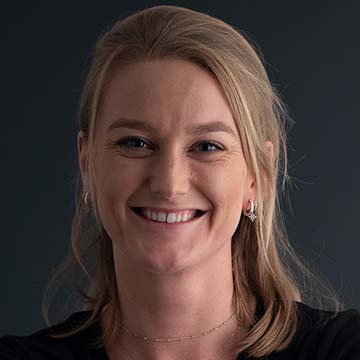
Chueh-Lung Laura Hwang is an Assistant Professor in the Department of Kinesiology at the College of Nursing and Health Innovation, The University of Texas at Arlington, where she has been employed since January 2022. She holds a PhD in Exercise Physiology from the University of Florida (2018), an MS in Cardiopulmonary Physical Therapy from National Taiwan University (2011), and a BS in Physical Therapy from the same institution (2009). Dr. Hwang is a licensed Physical Therapist in Texas and New York and maintains ACSM Clinical Exercise Physiologist certification. Her research focuses on cardiovascular adaptations to lifestyle factors, with primary interests in: The adverse effects of binge drinking on vascular function, blood pressure regulation, and metabolic health across age groups Exercise interventions for mitigating alcohol-related cardiovascular dysfunction Microvascular mechanisms underlying hypertension in special populations Sex-specific responses to alcohol and exercise Her work integrates clinical physiology with molecular mechanisms to develop preventive strategies. Analysis of her recent publications reveals strong emphasis on: Alcohol's impact on vascular stiffness, hemodynamics, and autonomic function Exercise testing as a diagnostic tool for masked hypertension Racial and gender disparities in cardiovascular responses Innovative biomarkers for alcohol use monitoring Interventional approaches combining behavioral science and physiology Dr. Hwang has received significant recognition including: Rising STARs Award from UT System (2022) Featured in Women's History Month at University of Florida (2021) Postdoctoral awards from University of Illinois at Chicago (2019-2020) American Heart Association Trainee Award (2019) Doctoral dissertation honors from University of Florida (2017-2018) She leads multiple funded projects: NIH R01 on binge drinking and blood pressure ($828K, 2022-2026) ACSM grant on exercise testing for hypertension (2024-2025) UTA interdisciplinary grants on alcohol monitoring and veteran health She advises 16+ students across doctoral, masters, and undergraduate levels in kinesiology and health sciences. Dr. Hwang directs an active vascular physiology research laboratory investigating alcohol-exercise interactions and mentors students in clinical assessment techniques. She collaborates with institutions including University of Illinois at Chicago and Vanderbilt University.
Dalila Rendon is an Assistant Professor (Practice) at Oregon State University's College of Agricultural Sciences, affiliated with both the Entomology Program and the Department of Horticulture. She serves as the Program Leader of the IR-4 Pesticide Registration Field Research Center at the North Willamette Research and Extension Center (NWREC). Her expertise focuses on Integrated Pest Management (IPM) strategies for specialty crops, with particular emphasis on invasive pests like Drosophila suzukii. Dr. Rendon collaborates with agricultural stakeholders to develop sustainable pest control solutions through field research and extension activities. Her research interests include optimizing cultural and chemical control methods for crop pests, understanding pest population dynamics, and evaluating biological control agents. She has pioneered studies on the ecological interactions of beneficial and pest arthropods in orchard ecosystems, as well as the transgenerational effects of nutrition on predatory mites. Dr. Rendon’s work integrates genomic analysis, behavioral studies, and applied field trials to address real-world agricultural challenges. Her publications highlight advancements in Drosophila suzukii management, including population genomics, overwintering survival mechanisms, and innovative control tactics using food-grade gums and molecular techniques. While she does not currently advise thesis students, her outreach efforts extend to developing regional pest management guides and collaborating with growers to implement IPM best practices. Dr. Rendon’s research is supported through partnerships with the IR-4 Project, which focuses on pesticide registration for minor crops. Her contributions bridge laboratory research with on-farm applications, ensuring practical solutions for agricultural sustainability.
Dr. Verity Longley is a Senior Lecturer and Department Disability Coordinator at the School of Psychology, Manchester Metropolitan University. She holds a PhD in Psychology (2018) from the University of Manchester, alongside BSc degrees in Occupational Therapy (2012) and Psychology (2006). Her expertise spans stroke rehabilitation, health inequalities, and dementia research, with a focus on inclusive education and healthcare access equity. She leads the school’s disability and neurodiversity peer support group and participates in committees such as the Psychology Equality and Diversity Committee. Dr. Longley has been recognized with multiple teaching awards, including nominations for Outstanding Commitment to Inclusive Teaching and Equality Champion honors. She serves as an honorary research associate at the University of Manchester and reviews for journals like Clinical Rehabilitation and the Stroke Association. Her research integrates qualitative and quantitative methods, addressing gaps in stroke rehabilitation for patients with pre-existing cognitive impairments and advancing health equity. She currently supervises one PhD student and has supported two successful completions. Education: PhD Psychology, University of Manchester (2018) BSc Occupational Therapy, University of the West of England (2012) BSc Psychology, University of Birmingham (2006) Research Interests: Dr. Longley’s work focuses on optimizing stroke rehabilitation, reducing healthcare disparities, and enhancing dementia care. She investigates interventions for spatial neglect post-stroke, health inequalities in stroke outcomes, and the use of digital tools for cognitive assessment. Her interdisciplinary approach combines clinical trials, qualitative interviews, and data analysis to improve patient outcomes. Awards and Recognition: 2025: Nominated for Outstanding Commitment to Inclusive Teaching 2023: Four-time Equality Champion nominee 2018: British Stroke Research Group Oral Prize and Verna Wright Prize Advising and Grants: Dr. Longley has supervised two successful PhD candidates and currently mentors one student. She secured an NIHR Development and Skills Enhancement Award (2020–2022) focused on clinical trials for complex interventions. Her research has been funded by the Stroke Association and NIHR CLAHRC Greater Manchester. Labs and Teams: She collaborates with the Stroke Association, the Society for Research in Rehabilitation (SRR), and the Organisation for Psychological Research in Stroke (OPSYRIS). She co-leads neurodiversity seminars and chairs the Disability and Neurodiversity peer support group.
Jennifer Kling is a Professor in the Crop and Soil Science Department at Oregon State University , where she has worked since 2001. Her research focuses on plant breeding, quantitative genetics, and experimental design. She teaches courses such as CROP 590 Experimental Design in Agriculture (online, 2017-2020) and PBG 650 Advanced Plant Breeding and Quantitative Genetics (2005-2015, 2019). Education : PhD in Genetics with minor in Statistics (1988, North Carolina State University), MSc in Agronomy with emphasis in Plant Breeding (1983, University of Nebraska), BSc in Crop Science (1980, Oregon State University) Her research spans tropical maize improvement under low-nitrogen conditions, Striga resistance breeding, meadowfoam genetics for oil quality, and Douglas-fir genomics for climate adaptation. Recent publications include work on nurse crops for sainfoin persistence (2020), SNP genotyping arrays for Douglas-fir (2020), and meadowfoam glucosinolate analysis (2011). She has contributed to genomic resources like the Barley Coordinated Agricultural Project (2012). Scientific Awards : Ten-year service award from the West and Central Africa Maize Research Network (1997) Three awards from IITA's Training Program (1997) Jennifer Kling has advised graduate students and collaborated on interdisciplinary projects involving crop physiology, genetic mapping, and sustainable agricultural systems. Her work extends to extension publications on meadowfoam pollination (2015) and technical reports on variety releases (2013). She continues to bridge academic research with practical applications in specialty crop development.
Leon Liegel is Courtesy Faculty in the Department of Forest Ecosystems & Society, College of Forestry , Oregon State University , where he teaches and conducts research focused on soil science, tropical forestry, and sustainable natural-resource management. Off-campus by appointment, he remains actively engaged through distance education and collaborative research networks. Education B.S. Forestry, University of Wisconsin–Stevens Point, 1970 M.S. World Forestry, State University of New York College of Environmental Science and Forestry, Syracuse, 1973 Ph.D. Forestry/Soil Science Co-Majors, North Carolina State University, Raleigh, 1981 Research & Teaching Interests Liegel’s scholarship integrates the soil-plant-atmosphere continuum with social-science dimensions of natural-resource policy. His work spans: Soil–site relationships for fast-growing exotic and native tropical tree species Forest-health monitoring and disturbance ecology Non-timber forest products (especially mushrooms) and their socioeconomic valuation Interdisciplinary methods merging biological, sociocultural, and managerial sciences Design of effective scientific posters for diverse audiences These themes are delivered to graduate students worldwide through OSU Ecampus, emphasizing sustainable resource management across temperate and tropical ecosystems. Publication Patterns Across more than four decades, Liegel’s publications reveal sustained emphasis on forest productivity , soil-site interactions , and socio-ecological dimensions of forest use . Early work quantified growth of Caribbean pines in Puerto Rican trials and hurricane impacts, while later studies expanded into non-timber forest products, integrative monitoring protocols, and science-communication tools. The corpus reflects increasing interdisciplinarity, moving from silvicultural experiments to coupled human–natural-system analyses. Awards & Honors No specific awards, fellowships, or medals are listed in the provided materials. Teaching, Grants & Student Mentoring Liegel co-developed and teaches the graduate online course SOIL 511 Soil: A Natural and Societal Resource (offered Winters 2019–2020, Summer 2021) and previously co-taught SNR 533 Nontimber Forest Products within the Sustainable Natural Resources Graduate Certificate Program (2007–2016). While no individual graduate advisees are named, his courses reach a global audience of natural-resource professionals. Laboratories & Collaborative Networks Though physically off-campus, Liegel collaborates closely with faculty in OSU’s Crop and Soil Science Department and with colleagues at North Carolina State University’s Crop and Soil Sciences Department. Joint course development and long-term research projects in Puerto Rico, California, and the Pacific Northwest constitute his distributed scholarly network.
Dr. Charlotte R. Stoner is a Senior Lecturer in Psychology at the University of Greenwich, within the School of Human Sciences under the Faculty of Education, Health and Human Sciences. She joined the university in 2020 after completing her PhD at University College London (UCL) in 2017. Her professional roles have included Programme Manager for CST-International, Research Fellow at UCL, and Research Associate at Queen Square Institute of Neurology, alongside clinical research at North East London NHS Foundation Trust. Dr. Stoner's research focuses on applying positive psychology approaches to dementia care, including developing interventions like the NOLA project funded by the National Institute for Health and Care Research (NIHR). Her work emphasizes psychosocial interventions, outcome measure validation, and implementation strategies in low-resource settings such as Brazil, India, and Tanzania. She also explores caregiver support systems and the impact of medication on cognitive health. Her academic leadership includes Programme Lead for the BSc Psychology with Counselling degree, where she teaches across undergraduate and postgraduate modules. Her recent publications (2022–2025) highlight themes like virtual dementia awareness courses, nature-based interventions, and cost-effectiveness analyses of non-pharmacological therapies. Dr. Stoner’s research has been supported by grants from NIHR and UCL initiatives, focusing on global health equity and dementia care innovation. She actively collaborates internationally to adapt evidence-based practices for diverse cultural contexts, emphasizing caregiver empowerment and patient-centered care.
Dr Andrew Townshend is a Senior Lecturer and Head of Discipline (Exercise Science) at the School of Behavioural and Health Sciences, Australian Catholic University (ACU). He holds expertise in distance running, pacing strategies, interval training, and gait retraining. His research focuses on optimizing athletic performance through physiological and biomechanical analysis, with recent work on energy cost in runners, interval training variability, and elite adolescent athlete development. Education: Completed a Bachelor of Applied Science (Human Movement) at Queensland University of Technology (QUT) in 2006, followed by a PhD in 2010 examining hill-running pacing strategies. Professional roles include Head of Discipline since 2020 and Senior Lecturer since 2018. Research Interests: Combines field-based and laboratory studies to explore pacing strategies, gait mechanics, and training methodologies. Key areas include the impact of gait retraining on energy efficiency, individual responses to interval training, and seasonal adaptations in elite athletes. Awards: Recognized with the Australian Postgraduate Industry Award (2006), Australian Postgraduate Award (2008), and QUT’s Vice-Chancellor’s Performance Award (2011). Advising & Grants: Supervised seven postgraduate students to completion, focusing on high-performance sport topics. Active in grant applications related to sports performance research. Labs/Teams: Leads research within ACU’s Sports Performance, Recovery, Injury and New Technologies (SPRINT) Research Centre, collaborating on projects related to athlete development and performance optimization.
Dr. Suzanna Russell is a Research Fellow at the Sports Performance, Recovery, Injury and New Technologies (SPRINT) Research Centre, Australian Catholic University. Her work focuses on mental fatigue, cognitive performance, and athlete/staff well-being in elite sports. She holds an accredited Sports Scientist (ESSA) certification and has collaborated with organizations like the Australian Institute of Sport and Queensland Academy of Sport. She completed her PhD on 'Mental Fatigue in Elite Sport' at the University of Queensland in 2020. Education: PhD in Sport Science (University of Queensland, 2020) Bachelor of Exercise and Sports Science (Hons I), University of Queensland (2016) Research Interests: Dr. Russell investigates mental fatigue's impact on elite athletes, recovery strategies, cognitive performance, and athlete well-being. She emphasizes evidence-based practices and collaborative partnerships for applied research impact. Awards: ESSA Medal (Highly Commended, 2021) Young Investigator Award Finalist (ESSA, 2020) University Medal (UQ, 2016) Advising & Grants: Supervisor (Provisional HDR accreditation) Lead researcher in projects funded by AIS ($244k), QAS ($152k), and ACU ($9.9k) Labs/Teams: SPRINT Research Centre, collaborating with national sports bodies (AIS, QAS) and international experts in sports science.
Wei Zhu is a Professor and Deputy Chair in the Department of Applied Mathematics and Statistics at Stony Brook University. She holds a Ph.D. in Biostatistics from UCLA (1996), an M.S. in Statistics from UIC (1992), and a B.S. in Mathematics from East China Normal University (1989). Her research focuses on biostatistics, brain image analysis, clinical trial design, and environmental modeling. Key areas include medical imaging algorithms, climate prediction systems, and statistical methodologies for biomedical studies. Her work spans interdisciplinary applications such as predictive analytics for kidney disease outcomes, synthetic data-driven climate forecasting, and cryptocurrency crash prediction frameworks. She has developed machine learning models for medical image segmentation and decision tree frameworks for risk stratification in pandemic contexts. Teaching includes courses like AMS 312 and AMS 572. Zhu’s research portfolio emphasizes translational statistics, with contributions to genomic modeling, financial market dynamics, and public health policy evaluation. Her lab addresses pressing challenges in healthcare analytics, environmental science, and computational biomedicine through rigorous statistical innovation.
Abu S. Shonchoy is an Associate Professor of Economics at the Steven J. Green School of International and Public Affairs, Florida International University (FIU), USA. He is a J-PAL affiliate professor and a fellow of IZA and GLO. His research focuses on global development and evidence-based policy, with specific interests in financial inclusion, skills training, infrastructure, and education. He conducts field experiments (RCTs) in South Asia and West Africa. Associate Professor, Department of Economics, FIU (2018–present) Researcher, New York University Center for Global Public Service and Social Impact (2016–2018) Research Associate, Institute of Developing Economies - Japan External Trade Organization (2010–2016) His research spans Development Economics , Financial Technology , and Public Health , often using field experiments to evaluate interventions in digital finance, education, and health. His work appears in journals like the American Economic Journal: Applied Economics , Journal of Health Economics , and Nature Scientific Reports . Recent articles explore topics such as mobile banking adoption , climate change impacts on productivity , and early childhood development programs . His experimental work in Bangladesh and India addresses issues like presbyopia interventions , vocational training , and pandemic response strategies . The articles demonstrate interdisciplinary collaboration and policy-driven research. Sasakawa Young Leadership Fellowship Neil Vousden Memorial Scholarship CDESG Best Paper Award ADB-IEA Innovative Policy Research Award FIU Top Scholar Award JADE Fuwa Award International Post-Graduate Research Scholarship
Professor Lena von Koch is a Senior Professor of Healthcare Research at Karolinska Institutet's Department of Neurobiology, Care Sciences and Society. She has been affiliated with KI since 2002, focusing on healthcare services research with an emphasis on stroke rehabilitation, patient-centered interventions, and global health initiatives. Her work bridges clinical practice and research, aiming to improve health outcomes for individuals with long-term disabilities and their families. PhD in 2000, Docent (Senior Lecturer) in 2006 Research areas: Stroke rehabilitation, health literacy, mobile health solutions, and participatory research methods Key collaborations: Dalarna University, Chalmers Institute of Technology, and international projects in Uganda Her research group explores how healthcare systems can better identify patient needs, with a focus on interventions that enhance self-management and reduce disparities in care access. Notable projects include developing mobile health tools for physical activity post-stroke and evaluating care transitions in both high- and low-income settings. Awarded the Verna Wright Prize (2015) and Karolinska Institutet Silver Medal (2019), her contributions have significantly impacted stroke care and rehabilitation strategies globally. She has led numerous grants, including those focusing on mobile health delivery and the impact of socioeconomic factors on dementia care. Professor von Koch is involved in educational initiatives, developing courses in healthcare science and mentoring researchers. Her work emphasizes interdisciplinary collaboration and the integration of patient perspectives in research design.
Tyler Frederick is Associate Professor and Undergraduate Program Director in Criminology and Justice at Ontario Tech University. He holds a PhD in Sociology from the University of Toronto and completed postdoctoral training at the Centre for Addiction and Mental Health. His research examines: Transitions out of homelessness for youth Measurement of housing stability Community-based interventions Current projects include developing culturally adapted housing programs for Indigenous youth and evaluating rent subsidy interventions through randomized controlled trials. Dr. Frederick employs qualitative methodologies to understand the lived experiences of marginalized populations.
Hjordis Lorenz is a Research Clinical Psychologist at the University of Oxford’s Department of Psychiatry, affiliated with the Oxford Centre for Anxiety Disorders and Trauma (OxCADAT). She collaborates with Dr. Eleanor Leigh on the implementation of online social anxiety cognitive therapy for adolescents (OSCA), focusing on overcoming treatment barriers in routine healthcare services through mixed-methods research. Her clinical work spans child health, common mental health difficulties, and specialist trauma care, complemented by her role as a Specialist Clinical Psychologist in the NHS. Dr. Lorenz holds a DPhil (PhD) and a DClinPsy from the University of Oxford, alongside a BA (Hons). Her research integrates clinical expertise with implementation science, emphasizing evidence-based interventions for anxiety disorders and bridging gaps between research and clinical practice. Her work explores trauma-related disorders, PTSD prevention in high-risk populations (e.g., student paramedics), and culturally adapted substance use treatments in global contexts like Zambia. Key research themes include psychological assessment tools for abstract/concrete thinking, trauma assessment challenges for junior practitioners, and systematic reviews of interventions for populations under ongoing threat (e.g., intimate partner violence, organized violence). Her contributions address both clinical and methodological innovations, prioritizing accessibility and feasibility in mental health service delivery. Her publications reflect interdisciplinary collaboration, with recent focus on intervention adaptations for marginalized populations and enhancing engagement through expressive arts. Dr. Lorenz’s work is showcased via the Cognitive Approaches to Mental health in Young people (CAMY) initiative ( https://camy.web.ox.ac.uk/ ), highlighting translational research for youth mental health.