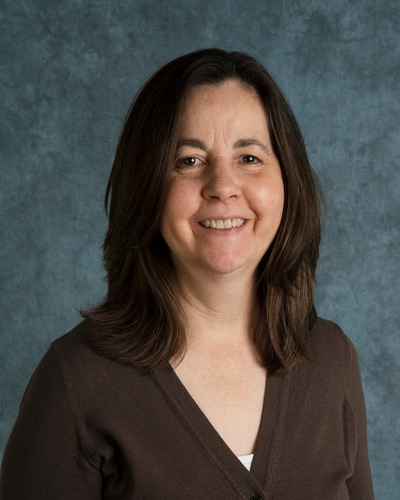
Robert Chavez is an Associate Professor at the Center for Translational Neuroscience within the College of Arts and Sciences at the University of Oregon . His research bridges cognitive neuroscience , social psychology , and data science to investigate neural mechanisms underlying self-perception and social cognition. Key research themes include: Neural representations of self and others Role of white matter connectivity in personality and social behavior Integration of computational methods with fMRI and diffusion MRI Implications for mental health and internalizing symptoms Recent publications emphasize social relationship dynamics , self-esteem regulation, and distributed brain markers of personality. No scientific awards or honors were explicitly mentioned. Dr. Chavez actively accepts doctoral students and collaborates within the Computational Social Neuroscience Lab .
Professor Sule Yildirim Yayilgan is a distinguished academic at the Department of Information Security and Communication Technology (IIK) within the Faculty of Information Technology and Electrical Engineering at the Norwegian University of Science and Technology (NTNU) in Gjøvik. She has held the position of Professor since 2020, following her tenure as Associate Professor from 2016-2020. Dr. Yayilgan previously served as Head of Department between 2005-2009 at HIHM (now part of NTNU). Her academic journey spans over 30 years in teaching and research, with significant contributions to interdisciplinary fields bridging AI, cybersecurity, and privacy. Her educational background includes a MSc in Computer Engineering (1995) and a PhD in Artificial Intelligence and Computer Science (2002). Dr. Yayilgan has led and participated in numerous international research projects funded by EU Horizon 2020, Eurostars, Erasmus+, and various Norwegian research councils. She currently leads the MR PET (Multidisciplinary Research group on Privacy and data protEcTion) research group and serves on the scientific board of NTNU's strategic area in Data Science. Dr. Yayilgan's research spans multiple domains with a unifying focus on ethical, legal, and privacy-preserving AI systems. Her work addresses critical challenges in health, energy, education, and security sectors through advanced AI methodologies. She has published over 100 journal and conference papers, with recent work focusing on hate speech detection, border security technology acceptance, smart grid security, and explainable AI applications. Her publications demonstrate a strong emphasis on practical implementations that balance technical innovation with societal considerations. As an active research leader, she currently oversees several significant projects including VIPA-DELF (vineyard disease detection using federated learning), METICOS (border control technology monitoring), CINELDI (intelligent electricity distribution), and AQMA (air quality monitoring). She also serves on multiple ethics boards and research integrity committees, reflecting her commitment to responsible innovation. Dr. Yayilgan has supervised numerous graduate students throughout her career, advising 41+2 (in progress) MSc students and 3+2 (periods) +6 (in progress) PhD candidates. Her administrative contributions include membership in NTNU's Research Integrity Committee, the Trondheim ACM Women Chapter, and various project management boards for EU-funded initiatives. She maintains active professional affiliations with IEEE, the International Association for Pattern Recognition, and COST Actions focused on language technologies and security research.
Lily An serves as an Assistant Professor of Quantitative Methodology within the Educational Policy Studies department at Georgia State University's College of Education & Human Development. She completed her Ph.D. in Education Policy and Program Evaluation at Harvard University in 2025, where she was affiliated with the Center for Education Policy Research as a PIER Fellow. Her academic credentials include: Ph.D. in Education Policy and Program Evaluation, Harvard University (2025) Ed.M. in Education Policy and Management, Harvard Graduate School of Education B.A. in Statistics, Williams College Dr. An's research focuses on advancing educational measurement techniques, developing rigorous program evaluation frameworks, and analyzing school accountability policies. She employs causal inference methods—including quasi-experimental designs—and specializes in meta-analyses of educational interventions. Her work frequently addresses summer learning programs' impacts on student outcomes, with particular attention to sociodemographic disparities in enrichment access and mathematics achievement gaps among low-income populations. She integrates psychometric tools to assess standardized testing validity within policy contexts. Analysis of her publication record (2019-2025) reveals a consistent trajectory in methodological innovation for education policy research. She has pioneered applications of Gaussian process regression in multidimensional regression discontinuity designs to overcome limitations of traditional analytic approaches, while her extensive meta-analytic work establishes evidence bases for summer learning interventions across cognitive, non-cognitive, and behavioral domains. Her scholarship bridges educational measurement, quantitative methodology, and K-12 policy implementation. Her professional recognitions include: PIER (Partnering in Education Research) Fellow, Center for Education Policy Research Equity and Inclusion Fellow, Harvard Graduate School of Education Summer Institute for Computational Social Science participant Just Education Policy Institute for Developing Scholars participant Dr. An has collaborated with state education agencies including the Massachusetts Department of Elementary and Secondary Education during her tenure as a research analyst at Brown University. Her current work continues this practice-oriented focus through quantitative analysis of policy effects on student outcomes, though specific grant funding details and advising activities were not documented in available sources.
Chris Selbach serves as an Associate Professor in Ecological Parasitology within the Department of Arctic and Marine Biology at UiT The Arctic University of Norway, a position he assumed in August 2022. His research spans international collaborations with institutions in South Africa (North-West University), New Zealand (University of Otago), Denmark (Aarhus University), the Czech Republic (Biology Centre CAS), and Germany (University of Duisburg-Essen), focusing on parasite-host dynamics in aquatic ecosystems. Dr. Selbach investigates fundamental questions in parasite ecology including the roles of parasites in ecosystems, host behavioral responses to parasitism (e.g., "fear of parasites"), and climate change impacts on trematode transmission. His work integrates field studies, experimental manipulations, and global meta-analyses to explore how temperature fluctuations affect infection dynamics and how host behavioral defenses alter ecosystem functioning in coastal and freshwater environments. Analysis of his 2020-2025 publications reveals a dominant focus on trematode infections under environmental stressors, with recurring themes of temperature-parasite relationships, host behavioral adaptations, and parasite biodiversity. His research increasingly bridges parasite ecology with the One Health framework, connecting aquatic parasite dynamics to human and environmental health concerns as evidenced by studies on SARS-CoV-2 ecology and swimmer's itch risk assessment. Scientific awards and honors were not mentioned in available information. While specific advising roles and grant funding details are absent from the provided text, his extensive collaborative publications and leadership in the TPOINT Project indicate active research mentorship and externally funded initiatives. Dr. Selbach leads the TPOINT Project, which appears central to his current research agenda in environmental parasitology. His international network supports investigations into parasite responses to anthropogenic stressors across diverse aquatic ecosystems, from European freshwater systems to Arctic marine environments.
Antonio Piccinno is an Associate Professor at the Department of Computer Science , University of Bari Aldo Moro (UNIBA). He is a founding member and coordinator of the IVU (Interaction, Visualization, Usability & UX) Laboratory , focusing on the interplay between Human-Computer Interaction (HCI) and Software Engineering through End-User Development (EUD) techniques. His career spans roles as Research Fellow , Assistant Professor , and now Associate Professor , with a Ph.D. in Computer Science from UNIBA (2005). His research interests include Human-Centered Design (HCD) , End-User Development (EUD) , Adaptive Interfaces , Secure Software Design , and Ambient Intelligence . He has authored over 150 publications and contributed to EU-funded projects like EUD-Net , FairsNet , and FAIRWIS . His work bridges academia and industry through collaborations with international institutions such as the University of Colorado at Boulder. His recent publications highlight trends in Human-AI Symbiosis , IoT for Cultural Heritage , and Security Education . He actively organizes conferences, including roles as Full Papers Co-Chair at INTERACT 2023/2021 and Founder/Co-Chair of workshops like CoPDA and PDEUD . He serves on the Steering Committee of IS-EUD and is a member of ACM , IEEE , and ACM SIGCHI . At UNIBA, he teaches Software Engineering (undergraduate) and Cloud Computing (graduate). He has supervised ~70 bachelor’s/master’s theses and one PhD student. The IVU Lab he co-founded investigates adaptive systems, ambient intelligence, and secure software design.
Nadia Steiber is a full Professor at the University of Vienna , affiliated with the Faculty of Social Sciences and Department of Sociology . She is a Research Scholar at the International Institute for Applied Systems Analysis since 2001. Her work spans labor markets, family dynamics, gender studies, and algorithmic fairness. Labor Market Economics (100%) Employment Patterns (69%) Panel Studies (68%) Household Dynamics (52%) Educational Mobility (34%) Steiber leads major projects like FAMREG (2024–2027) on family outcomes of assortative mating and HYPOFAM (2022–2026) on hypogamy’s societal impacts. Her recent publications focus on algorithmic ethics, child penalties in earnings, and computational reproducibility. She actively collaborates across Europe, contributing to debates on social integration and policy design. Her research aligns with UN Sustainable Development Goals, particularly Gender Equality and Reduced Inequalities . Steiber’s work bridges empirical sociology, econometrics, and computational ethics, emphasizing interdisciplinary approaches to modern societal challenges.
Jorg Huijding is a Professor at Utrecht University's Faculty of Social Sciences, specializing in Clinical Child & Family Studies . His work bridges education, research, and society through community-engaged learning , focusing on integrating social partners into pedagogical curricula and analyzing the benefits of such engagement. Research Interests Dynamics of Youth (DoY) initiatives Information processing in anxiety/aggression Parental interpretations of child behavior Self-regulation development in children Recent Trends include studies on frontal EEG activity, brain network connectivity, and childcare impacts on self-regulation. His articles emphasize longitudinal designs and multimodal methods (EEG, eye-tracking). Leadership Roles Bachelor's program Pedagogical Sciences Director UU-wide community engaged learning council member Chairman of national Pedagogics chamber Committee Involvement spans interdisciplinary education, Open Science, and clinical psychologist training reform. He contributed to the YOUth cohort study and the Healthy Urban Living Innovation Hub.
David Schena is an Assistant Professor in the Department of Psychology at Eastern Illinois University, specializing in autism spectrum disorders and neurodiverse transitions to adulthood. His research emphasizes skill development in self-advocacy, financial literacy, and daily living for autistic individuals. Education: Ph.D. in Applied Psychology and Prevention Science, University of Massachusetts Lowell (2023) M.S. in Applied Behavior Analysis, University of Massachusetts Lowell (2022) B.S. in Brain and Behavioral Science, Purdue University (2019) Research Focus: Dr. Schena's work centers on evidence-based interventions for neurodiverse populations, prioritizing participant perspectives in research design. His methodology integrates behavioral analysis with community-based participatory approaches to address gaps in adult transition support systems. Publication Trends: Recent publications (2020-2023) consistently address autism spectrum disorders through behavioral lenses, with recurring themes in adult transition challenges, self-advocacy training, and life-skills coaching. Collaborative work with Dr. Amy Hillier dominates his output, appearing in specialized journals like Journal of Applied Behavior Analysis and Advances in Autism , reflecting strong ties to clinical behavior analysis communities. Professional Engagement: Active in American Psychological Association Divisions 25 (Behavior Analysis) and 33 (Intellectual and Developmental Disabilities), plus the Association for Behavior Analysis International, demonstrating commitment to translating research into practical behavioral interventions.
Dr. Eamon C Armstrong serves as Clinical Associate Professor and Clerkship Director in the Department of Family and Community Medicine at the University of Arizona College of Medicine. Based at the BUMG Alvernon Family Medicine Clinic and Residency Program, he provides patient care while supervising residents and medical students in Tucson. His career spans institutions across the United States and South Africa, with board certification in Family Medicine through the American Board of Family Medicine. His educational foundation includes: MD from University of Witwatersrand, Johannesburg (1987) MS in International Primary Health Care from University of London (2012) Family Medicine Residency at Highland Hospitals/University of Rochester (1997) Faculty Development Fellowship at University of Wisconsin (1998) Dr. Armstrong's research centers on patient-centered evidence-based medicine (EBM) at the point of care, emphasizing just-in-time clinical decision support using electronic health records. He integrates the biopsychosocial model into resident training to enhance patient-centered clinical methods. His work explores EBM curriculum interventions' impact on physician performance and patient outcomes, with strong focus on organizational change and guideline implementation in primary care settings. Scholarly output reveals consistent EBM innovation since 1998, with publications addressing clinical question formulation, database selection, and practical implementation strategies. His work bridges theoretical evidence with frontline practice, particularly in fracture prevention, cardiovascular care, and vaccine policy. His teaching excellence is recognized through: Graduating Resident Class Faculty Award for Excellence in Teaching (2024) Multiple Faculty Awards for Excellence in Teaching (2024, 2022-2020) Teacher of the Year Award in Family Medicine (2004, 2001) Vice-Chancellor’s team teaching award (2013) Headley White Clinical Teacher of the Year (2002) As Clerkship Director, Dr. Armstrong mentors students through Family Medicine Clerkships (FCM 813C) and Topics courses (FCM 896U), emphasizing real-patient EBM application. His Pool Trust Grant for the EPOC Project demonstrates successful grant acquisition for point-of-care evidence systems. He cultivates resident-as-teacher skills through interactive workshops while maintaining active clinical practice. Dr. Armstrong contributes to the University of Arizona Family Medicine Residency Program's educational framework at Alvernon Clinic, focusing on biopsychosocial integration and evidence-based decision making in diverse clinical scenarios.
Borja del Pozo Cruz serves as an Adjunct Associate Professor in the Department of Sports Science and Clinical Biomechanics at the University of Southern Denmark's Faculty of Health Sciences. He is affiliated with the Research Unit of Muscle Physiology and Biomechanics and maintains an active research profile with 83 research outputs documented. His ORCID profile is available at https://orcid.org/0000-0003-3944-2212 . Dr. del Pozo Cruz specializes in physical activity research with particular expertise in accelerometer-based measurements, systematic reviews, and meta-analyses. His research fingerprint reveals significant contributions to Physical Activity (100%), Meta-Analysis (49%), Systematic Review (47%), Accelerometer applications (35%), Longitudinal Analysis (29%), Cardiovascular Disease research (28%), Biobank studies (23%), and UK Biobank investigations (21%). His work demonstrates strong international collaboration, with research spanning multiple countries and continents. His recent publications (2025) reveal a consistent focus on evidence-based analysis of movement behaviors, cardiovascular health, and screen time effects on children. These works appear in high-impact journals including Circulation , British Journal of Sports Medicine , and Psychological Bulletin , demonstrating the significant reach and influence of his research. His studies frequently employ meta-analytical approaches to synthesize evidence across multiple investigations. Dr. del Pozo Cruz has received notable media attention for his research, particularly regarding screen time effects on children. His systematic review analyzing 681 studies on children's screen use was picked up by over 160 news outlets, blogged about by 13 sources, and shared across social media platforms by numerous users. This work challenged prevailing notions about screen time 'hysteria,' finding only small benefits and drawbacks associated with children's screen use. His research has generated substantial academic engagement, with multiple publications accumulating significant reader metrics on platforms like Mendeley and receiving attention across various social media channels including X (formerly Twitter), Facebook, and Bluesky. His work on screen time effects alone was referenced by policy sources, demonstrating real-world impact beyond academic circles.
Susana Sanduvete Chaves serves as a Researcher in the Department of Psychology at the University of Seville, Spain, where she specializes in Behavioral Science Methodology. Her academic foundation includes a 2008 Doctorate from the University of Seville with the thesis "Innovaciones metodológicas en la evaluación de la formación continúa" (Methodological Innovations in Continuous Training Evaluation), supervised by Dr. Salvador Chacón Moscoso. She maintains active roles in both research methodology development and applied psychological interventions across clinical and educational settings. Her research program centers on three interconnected pillars: methodological quality assessment in psychological research, health psychology interventions, and educational innovations in psychology training. She has pioneered tools like the Methodological Quality Scale (MQS) and Methodological Quality Checklist for Observational Methodology (MQCOM), establishing rigorous standards for intervention program evaluation. In health psychology, her work targets chronic pain management, parental support for preterm infants, and quality-of-life improvements for autoimmune disorder patients. Educational contributions include bilingual teaching methodologies and active learning frameworks for psychology statistics courses. Analysis of her 2022-2025 publications reveals a strategic integration of methodological precision with real-world applications. Her health psychology studies predominantly employ randomized controlled trials and systematic reviews to evaluate interventions for vulnerable populations, while her methodological work emphasizes cross-cultural adaptation and international research standards. Educational publications document practical innovations in Spanish university settings, particularly regarding English-medium instruction challenges in psychology methodology courses. Though specific grant details remain undocumented in available sources, her extensive publication record in high-impact areas suggests sustained research funding and collaborative projects with healthcare institutions. Her work demonstrates consistent leadership in advancing methodological rigor within Spanish psychological research while addressing pressing clinical and educational needs through evidence-based interventions.
Michael Grothe-Hammer is a Professor in Sociology (Organization and Technology) at the Department of Sociology and Political Science (ISS) of the Norwegian University of Science and Technology (NTNU) in Trondheim, Norway, a position he has held since September 2024. Previously, he served as an Associate Professor at the same institution from April 2020 to September 2024. He heads the 'Organization & Society' Research Group at NTNU and serves as Co-Editor in Chief of the Journal of Organizational Sociology. Professor in Sociology at NTNU (2024-present) Associate Professor of Sociology at NTNU (2020-2024) Research Associate at Helmut Schmidt University Hamburg (2015-2020) Doctorate in Sociology from Helmut Schmidt University Hamburg (2015-2018) His research spans multiple dimensions of sociological theory with particular focus on organization theory, digitalization, and societal differentiation. Grothe-Hammer has developed Decisional Organization Theory as an integrated framework that articulates multiple concepts of organization theory. His work on ASMR represents a pioneering sociological examination of this emotional phenomenon, while his research on meta-organizations tackles how these entities address grand challenges through societal differentiation. His scholarship consistently applies systems theory to contemporary organizational phenomena, examining partial organization, communicative constitution of organizations, and the social construction of new emotional experiences. Analysis of his recent publications reveals a strong trajectory toward integrating social systems theory with contemporary organizational challenges. His work increasingly focuses on meta-organizations addressing grand challenges, algorithmic decision-making in organizations, and the theoretical renewal of organizational concepts through systems theory. The publications demonstrate a consistent pattern of applying Luhmannian systems theory to practical organizational phenomena while expanding the theoretical boundaries of organizational sociology. EGOS Best Paper Award 2016 (with Jörg Sydow, Olivier Berthod, and Ryan Hagen) Nominated for EGOS Best Student Paper Award 2017 Performance bonus from Helmut Schmidt University for 'outstanding, exceptional performance' (2017 & 2018) Finalist at Most Inspirational Paper Awards 2024 of European Academy of Management Outstanding Reviewer Award in 2024 Emerald Literati Awards for Kybernetes Wiley Top Downloaded Article (2019-2020 period) Grothe-Hammer has supervised numerous Master's and Bachelor's theses on diverse topics including project networks, digital collaboration, climate perceptions, sustainability policies, and various organizational phenomena. His leadership extends to multiple research projects including 'Meta-organizing grand challenges,' 'FIRE 21' (focused on fire services problem-solving), 'EUSEAS' (EU maritime sustainability), and 'CODIC' (comparative study on social inclusion). He leads the 'Organization and Society Research group' and is active in the 'Environment, Sustainability and Governance Research Group' and 'Digitalization and Social Life Research Group' at NTNU.
Dr. Sylvia Niehuis is a Professor in the Department of Human Development and Family Sciences at Texas Tech University’s College of Human Sciences. She also directs the SMITTEN Lab ( Studying Maturation, Interpersonal Transitions, Theory, and Emotions in Newlyweds ), where she and her team investigate romantic relationship development across dating and marital contexts. Education and Training: While specific degree details are not provided, the title “Ph.D.” and her appointment as Professor indicate completion of doctoral training in Human Development, Family Studies, or a closely related field. Research Interests: Dr. Niehuis’s program of research centers on how romantic relationships evolve within ecological systems—family, peers, culture, and even climate change. She examines idealization and disillusionment , the transition from dating to cohabitation and marriage , and relationship dissolution . Methodologically, she integrates surveys, daily diaries, interviews, experiments, physiological assays, language analysis, and functional magnetic resonance imaging (fMRI). Publication Trends: Her most recent work (2019–2024) demonstrates a consistent focus on disillusionment processes across multiple contexts—premarital pregnancy, dating-app use, neuroimaging correlates, and cross-cultural validation of measures. A growing emphasis on big-data and machine-learning approaches is evident, culminating in a 2020 PNAS paper leveraging 43 longitudinal couples studies. Scientific Awards: Berscheid-Hatfield Award for Distinguished Mid-Career Achievement, International Association for Relationship Research IARR Article Award (Runner-Up, 2019–2020) Top Four Paper Award, Interpersonal Communication Division, Western States Communication Association Integrated Scholar Recognition, Office of the Provost, Texas Tech University Nancy J. Bell Graduate Faculty Excellence in Mentoring Award Outstanding Faculty Mentor Award, Center for Active Learning and Undergraduate Engagement, TTU Teaching Award, International Association for Relationship Research Elected Membership, Teaching Academy, TTU President’s Excellence in Teaching Award, TTU Advising, Mentorship, and Funding: Dr. Niehuis has mentored numerous graduate and undergraduate researchers, many of whom appear as co-authors on her publications. Although she is currently not accepting new graduate students , the SMITTEN lab continues to foster collaboration among faculty, graduate, and undergraduate researchers through weekly meetings and shared projects. Laboratory and Team: The SMITTEN lab— Studying Maturation, Interpersonal Transitions, Theory, and Emotions in Newlyweds —maintains an active longitudinal project following predominantly Hispanic newlywed couples in the Lubbock area. The lab’s infrastructure supports survey, interview, and fMRI data collection, and it encourages community participation via hs.smitten@ttu.edu.
Ann Marie Ryan serves as Professor and Department Chair of the Department of Interdisciplinary Learning and Teaching (ILT) at the University of Texas at San Antonio's College of Education and Human Development, where she teaches ILT and Curriculum and Instruction courses. Her research concentrates on teacher preparation, secondary education, history/social studies pedagogy, and the history of education, with specialized expertise in Catholic school interactions with U.S. public education policy during the early-to-mid twentieth century. Her work examines teaching-learning connections across P-12 schools, communities, and teacher preparation programs, emphasizing historical consciousness and policy impacts on educational practice. Recent publications reveal three dominant trends: 1) Critical analysis of social studies curriculum under restrictive policies like Texas Senate Bill 3 using Rights of the Learner frameworks; 2) Historical investigations of Catholic education's relationship with public policy, eugenics, and institutional reforms; 3) Innovations in teacher preparation addressing indigenous postcolonial perspectives, international mindedness, and horizontal expertise development through professional learning communities. Scientific Awards and Honors: Co-editor of two volumes of Review of Research in Education Program Chair, AERA Division F (History and Historiography) (2017) Past President, Organization of Educational Historians Ryan's scholarly leadership extends through editorial work in premier journals including The Journal of Teacher Education and American Journal of Education, alongside active engagement in professional organizations shaping educational historiography and research methodology. Her publications demonstrate sustained contributions to understanding teacher identity formation, curriculum foundations, and historical policy contexts in education.
Claudia-Santi F. Fernandes serves as Vice President of Research and Evaluation at Born This Way Foundation while holding academic appointments as Assistant Clinical Professor in the Child Study Center and Assistant Professor Adjunct in the Department of Biomedical Informatics and Data Science at Yale School of Medicine. Her career bridges clinical practice, public health, and digital innovation with a focus on youth mental health and substance use prevention. Her educational background includes an EdD from Columbia University Teachers College in Health & Behavior Studies (2017) and an MA from New York University Steinhardt School in Applied Psychology (2009). Before transitioning to research, she worked as a public school teacher, bilingual school counselor in New York City, and founding leadership member at Bard High School Early College Newark. Dr. Fernandes specializes in developing and evaluating digital interventions to improve youth mental health and wellbeing, with particular emphasis on suicide prevention among youth who misuse substances. Her research employs a public health approach to scale evidence-based interventions through schools and digital platforms. She has led significant NIH-funded projects including the HEAL initiative to address opioid misuse in youth through school-based health centers. Her publication record demonstrates consistent focus on digital game interventions for health behavior change, with recent work spanning HIV prevention, opioid misuse prevention, mental health promotion, and school-based interventions. These studies reflect her commitment to innovative, technology-mediated approaches to reach youth at scale. Among her honors are the YCCI Scholar Award (2021), multiple NIDA/NIH Loan Repayment Program awards, and her current fellowship as a 2024-2025 Public Voices Fellow with The OpEd Project. Dr. Fernandes actively translates research into practice through collaborations with XRPediatrics, CHIL@Yale, and The ACCESS Lab. She previously served as Deputy Director of Mental Health & Wellbeing at the play2PREVENT Lab and as Project Director for the NIH/NIDA-funded HEAL initiative. Her work bridges research, policy, and implementation to improve youth mental health outcomes nationally.