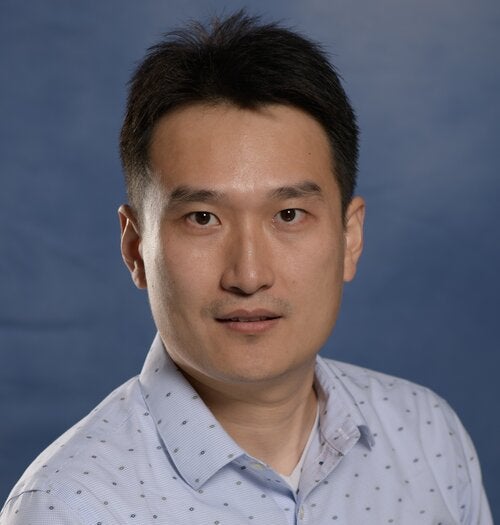
Gregory M. Shaver is the Reilly Professor of Mechanical Engineering and Director of Herrick Laboratories at Purdue University's School of Mechanical Engineering. He holds a Ph.D. (2005) and M.S. (2004) in Mechanical Engineering from Stanford University, and a B.S. (2000) from Purdue University where he graduated with highest distinction. His research focuses on model-based control of sustainable transportation systems, with emphasis on: Commercial vehicle powertrain optimization Internal combustion engine and after-treatment controls Flexible valve actuation for diesel/natural gas engines Connected/automated vehicle systems Battery modeling for energy storage Fundamental areas include thermodynamics, combustion, and control systems, applied to sustainable energy and transportation challenges. Publication analysis reveals consistent focus on engine efficiency innovations (cylinder deactivation, valve control), electrified transportation (hybrid systems, battery modeling), and emission reduction strategies. Recent work emphasizes real-world applications in medium-duty vehicles and thermal management. Awards and honors: 2014 Early Career Excellence in Research Award (Purdue Engineering) 2014 University Faculty Scholar 2011 Max Bentele SAE Award for Engine Technology Innovation Purdue BSME with Highest Distinction (2000) He leads research initiatives at Herrick Laboratories, supervising graduate students in projects funded by industry and government grants. Current work explores AI-enabled control for hybrid vehicles and low-emission combustion strategies.
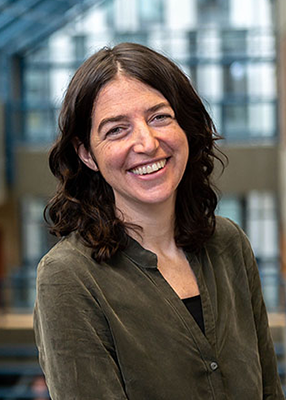
Jiayi (Jessie) Tong, PhD is an Assistant Professor in the Department of Biostatistics at Johns Hopkins University, with joint appointments in the Bloomberg School of Public Health and School of Medicine. She received her PhD from the University of Pennsylvania in 2024 and has rapidly established herself as a leading researcher in biostatistical methods for real-world data analysis. Dr. Tong's research program focuses on clinical evidence generation and evidence synthesis with real-world data (RWD). Her work spans three main areas: clinical evidence generation using data from distributed research networks, surrogate-assisted semi-supervised learning methods, and systematic reviews and meta-analyses. She has developed innovative statistical methodologies for analyzing electronic health records across multiple institutions while preserving patient privacy through distributed computing approaches. Her research has significant implications for improving evidence generation in healthcare, particularly for rare conditions and emerging health threats where traditional clinical trials may be impractical. Analysis of Dr. Tong's publication record reveals a strong emphasis on methodological innovation in biostatistics, particularly in the areas of federated learning, meta-analysis, and electronic health record analysis. Her work frequently addresses challenges in multi-site collaborative studies, developing one-shot algorithms that enable analysis without sharing patient-level data. Much of her recent research has focused on applications to SARS-CoV-2 infection and its sequelae, demonstrating the practical utility of her methodological contributions to pressing public health challenges. Dr. Tong has demonstrated exceptional productivity since completing her PhD in 2024, with numerous high-impact publications in top biostatistics and medical journals. Her work has been recognized through mentions on various platforms including Mendeley readership and blog coverage. As a new faculty member, Dr. Tong is actively building her research program and mentoring the next generation of biostatisticians. Her expertise in distributed analysis of healthcare data positions her at the forefront of methodological developments needed to address contemporary challenges in evidence generation.
Katalin Piniel is an Assistant Professor at the Department of English Applied Linguistics within the School of English and American Studies at Eötvös Loránd University, Budapest. Her work bridges applied linguistics and educational psychology , focusing on the dynamic interplay of emotions , including language anxiety , motivation, and self-efficacy in foreign language learning contexts, particularly in Hungary. PhD in Language Pedagogy (ELTE) Associate Editor of Studies in Second Language Learning and Teaching Active reviewer for applied linguistics journals Her research integrates complex dynamic systems theory to analyze longitudinal changes in affective variables and employs meta-analytic techniques to validate anxiety measurement tools like the Foreign Language Classroom Anxiety Scale (FLCAS) . She explores formative and summative assessment practices in Hungarian high schools and investigates flow experiences during language tasks. Her methodological interests include quantitative tools (e.g., Rasch analysis), collaborative research , and cross-cultural comparisons (e.g., Hungarian-Kazakh studies). Recent publications highlight trends in emotion-motivation dynamics , skills-based anxiety measurement , and the impact of online education on affective variables. She collaborates on projects examining special needs learners , including Deaf and hard-of-hearing students , in foreign language acquisition. Contact: brozik-piniel.katalin@btk.elte.hu | ORCID | Google Scholar | ResearchGate
Charles Denroche is Senior Lecturer in Linguistics and Applied Language Studies at the University of Westminster, based in the School of Humanities within the College of Liberal Arts and Sciences. His interdisciplinary career combines bioscience (Magdalen College, Oxford) with advanced linguistics (PhD UCL-IOE, PGDip Westminster, PGCE TESOL IOE), and extensive professional experience as translator, lexicographer and language educator. Education & Training MA in Bioscience – Magdalen College, University of Oxford PhD in Education (Linguistics) – UCL Institute of Education, University of London Post-Graduate Diploma in Linguistics – University of Westminster PGCE TESOL – UCL Institute of Education Certificate in English Phonology – International Phonetic Association Studies in Italian Language & Literature – University of Florence Studies in Germanistik & Anglistik – Heinrich Heine University of Düsseldorf Research Interests Denroche’s work centres on how meaning is made through language. His research integrates cognitive linguistics , semiotics and translation studies to explore the roles of metaphor and metonymy in discourse, multimodal communication and pedagogy. He is particularly interested in the cognitive processes that underlie figurative language, the interface between grammar and semantics, and how these insights can inform translator training and language education. Current projects extend his theory of metonymic processing to literary translation collaboration and the analysis of visual and multimodal texts, aiming to bridge theoretical linguistics with practical applications in education and professional practice. Recent Publications & Trends Over the past decade Denroche has produced a coherent body of work that moves from foundational theory-building—most notably the 2015 monograph Metonymy and Language —to innovative methodological applications such as using drawing as a research tool for metaphor-led discourse analysis. Across 15 key outputs (2011-2024), the research trajectory shows a consistent focus on metaphtonymy (the interplay of metaphor and metonymy) at text level and on developing practical frameworks for translators, educators and discourse analysts. Honours & Awards Award of Excellence in Teaching and Learning (2008) – Westminster Exchange, University of Westminster Doctoral Supervision & Grants Denroche currently supervises one active doctoral researcher (MPhil/PhD) investigating metaphor in Arabic urban literature. He welcomes applications from prospective postgraduate students in the areas of figurative language, semiotics/multimodality, discourse analysis and translation/interpreting studies. Professional Memberships & Service International Association for Cognitive Semiotics (IACS) Researching and Applying Metaphor (RaAM) External examiner for Birkbeck, University of Hertfordshire, UCL Institute of Education Reviewer for American Journal of Semiotics , Journal of Pragmatics , Language and Cognition , Cognitive Linguistics Studies , Metaphor and the Social World
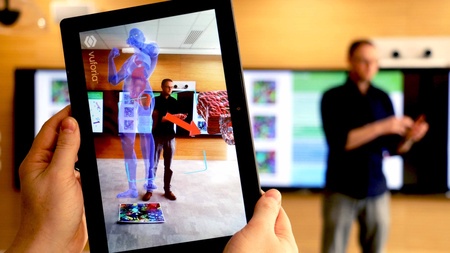
Professor John Barrow is a Professor of Biochemistry & Molecular Biology at the University of Aberdeen, where he also serves as Dean for Employability and Entrepreneurship since 2020. He is affiliated with the School of Medicine, Medical Sciences and Nutrition, based at the Institute of Medical Sciences on the Foresterhill Campus with office address at Ashgrove Road West, AB25 2ZD. Barrow earned his academic qualifications entirely from the University of Aberdeen: a BSc(Hons) in Biochemistry (2002), PhD in Molecular Biology (2005), and PGCert in Higher Education (2011). He was awarded Senior Fellow status with the Higher Education Academy in 2015. His academic career at Aberdeen has progressed from Postdoctoral research scientist (2005-2009), through Teaching Fellow (2009-2013) and Senior Teaching Fellow (2013-2015), to Senior Lecturer (Scholarship) (2015-2021), before becoming Professor in 2021. Professor Barrow's research primarily focuses on innovative approaches to biochemistry education, with particular emphasis on virtual reality and immersive learning technologies. His work bridges traditional biochemical knowledge with cutting-edge educational methodologies, creating engaging learning experiences for students. He has pioneered the use of virtual reality for teaching complex biochemical concepts such as the citric acid cycle and molecular structures. Additionally, his research extends to graduate attributes development, employability skills, and entrepreneurship education, reflecting his dual role as both educator and Dean for Employability and Entrepreneurship. Analysis of his recent publications reveals a strong trend toward educational technology and innovative teaching methods, particularly virtual and augmented reality applications in biochemistry education. His work spans molecular biology education, skills development, and the integration of enterprise and entrepreneurship into the academic curriculum. While his earlier career included more traditional molecular biology research on topics like gene promoters and receptor pathways, his recent focus has shifted predominantly toward educational innovation. His professional recognition includes: Senior Fellow of the Higher Education Academy (2015) As Dean for Employability and Entrepreneurship, Professor Barrow oversees initiatives that connect academic learning with real-world applications, including the ABDN Grad Challenge and Hack 2040 ideathon events. His work focuses on developing students' enterprise skills and preparing them for diverse career paths. He has been instrumental in creating programs like the Employability Boost Award, designed to enhance students' career readiness through structured skill development. Professor Barrow is actively involved in curriculum development at the University of Aberdeen, particularly in transforming and embedding graduate attributes across programs. His leadership extends to external examiner roles for institutions in Pakistan and reviewing for major academic publishers and journals. His innovative approach to education has positioned him as a leader in educational technology within the medical and biochemical sciences.
Dr. Carolin Vollenberg serves as a Post-Doctoral Researcher at the Chair of Information Systems & Transformation Management within the Faculty of Computer Science at the University of Duisburg-Essen (UDE). Her academic journey includes a PhD from the University of Muenster (2021-2025), an M.Sc. in Technical Consulting and Management from Hochschule Hamm-Lippstadt (2018-2020), and a B.Eng. in Biomedical Technology from the same institution (2014-2018). Prior to her current position, she worked as a Research Assistant at South Westphalia University of Applied Sciences and gained industry experience at Zapp Systems GmbH. PhD in Business Informatics (2021-2025), University of Muenster M.Sc. Technical Consulting and Management (2018-2020), Hochschule Hamm-Lippstadt B.Eng. Biomedical Technology (2014-2018), Hochschule Hamm-Lippstadt Research Focus: Vollenberg specializes in the governance of lightweight IT systems, digital transformation in public and healthcare sectors, and process mining applications. Her work bridges technical implementation with organizational behavior, particularly examining resistance to automation in sensitive domains like healthcare. She investigates how organizations navigate unintended consequences of technology adoption, with emphasis on RPA (Robotic Process Automation), omnichannel transformation, and data-driven process optimization. Her research methodology combines ethnographic field studies with quantitative process analysis. Publication Trends: Analysis of her 16 publications (2020-2025) reveals strong focus on healthcare IT (45% of works), public sector digitalization (30%), and foundational process management (25%). Recent output shows increasing emphasis on ethical dimensions of process mining and sustainability applications. Her collaborative work spans multiple European institutions with consistent publication in top IS conferences (ICIS, ECIS, HICSS). Best Paper nomination at HICSS-55 (2022) Associate Editor for General Track at Internationale Tagung Wirtschaftsinformatik (WI) 2025 Professional Engagement: Vollenberg actively contributes to academic discourse through editorial roles and peer review. Her industry collaborations with healthcare providers and public sector entities demonstrate applied research impact. Current projects examine virtual nursing transformations and crisis-responsive RPA implementations, reflecting her commitment to solving real-world operational challenges through information systems innovation.
Professor Paul Rayson is a Professor of Natural Language Processing in the School of Computing & Communications at Lancaster University, UK. He serves as Director of the UCREL (University Centre for Computer Corpus Research on Language) interdisciplinary research centre and is affiliated with multiple research institutes including Security Lancaster, the Lancaster Centre for Digital Humanities, and the Data Science Institute. Education: PhD in Computer Science, Lancaster University (2003) BSc (Hons) Computer Science and Mathematics, Lancaster University (1990) Professor Rayson's research focuses on semantic multilingual Natural Language Processing (NLP) in challenging linguistic environments with noisy language data, including historical texts, learner language, speech, email, and other computer-mediated communication. His work spans applications in dementia detection, mental health analysis, online child protection, cyber security, learner dictionaries, and text mining of biomedical literature, historical corpora, and financial narratives. He has developed semantic tagging tools like USAS (UCREL Semantic Analysis System) and Wmatrix for corpus analysis. Major Awards and Honors: FHEA (Fellow of the Higher Education Academy) MBCS (Member of the British Computer Society) Professor Rayson has supervised numerous PhD students in NLP and corpus linguistics, with eight current students and seven completed doctorates. He has led or co-investigated multiple major research projects including the £3.5m ESRC-funded Centre for Corpus Approaches to Social Science (CASS), the National Corpus of Contemporary Welsh, and projects related to mental health forums, financial narrative analysis, and cyber security. His research has been supported by ESRC, EPSRC, and other funding bodies. As Director of UCREL, he oversees research in corpus linguistics and NLP. He is also active in the Cyber Security Research Centre, Digital Health Group, and multiple Data Science Institute initiatives. His lab has developed several widely-used NLP tools including CLAWS for English POS tagging, USAS semantic analysis system, Wmatrix corpus analysis tool, and the Variant Detector (VARD) for historical texts.
Hailiang Chen serves as Professor in Innovation and Information Management, Assistant Dean (Taught Postgraduate), and Director of the Artificial Intelligence Research Institute at HKU Business School, The University of Hong Kong. His academic journey includes a PhD and MS from Purdue University and a BM from Tsinghua University. Doctoral Degree: Management Information Systems, Purdue University Master Degree: Economics, Purdue University Bachelor Degree: Information Management and Information Systems, Tsinghua University Professor Chen's research spans artificial intelligence, FinTech, social media analytics, and platform economics, with significant contributions to understanding how digital interactions shape financial markets and consumer behavior. His work frequently examines the intersection of technology adoption and economic outcomes, particularly in cryptocurrency markets, live-stream commerce, and venture capital decision-making. His research methodology combines large-scale data analysis with experimental designs to uncover causal relationships in digital ecosystems. His publications in elite journals like Journal of Financial Economics and Management Science demonstrate consistent impact, with multiple ESI Highly Cited Papers. Current projects include Gov-RAG for e-government services and comparative studies of AI search tools. His research has received continuous funding from Hong Kong's Research Grants Council for five consecutive years (2019-2023). Faculty Outstanding Researcher Award, HKU Business School (2022-23) INFORMS ISS Sandra A. Slaughter Early Career Award (2022) Association for Information Systems Early Career Award (2019) Three ESI Highly Cited Papers (Top 1% in field) Professor Chen actively contributes to academic service as Associate Editor for Journal of Management Information Systems and MIS Quarterly , and serves as Program Chair for the International Conference on Smart Finance. His industry collaborations include Alibaba, HSBC, and China Construction Bank, bridging academic research with real-world business applications in AI implementation and digital transformation.
Ruoqing Zhu is an Associate Professor in the Department of Statistics at the University of Illinois at Urbana-Champaign, with a primary appointment in the College of Liberal Arts & Sciences. He also serves as an inaugural member of the Carle Illinois College of Medicine, a Faculty Fellow at the National Center for Supercomputing Applications, and an affiliated researcher with the Carl R. Woese Institute for Genomic Biology and the Center for Genomic Diagnostics. His roles include PhD Program Director and Advisory Board member of Prenosis Inc. Dr. Zhu holds a Ph.D. in Biostatistics from the University of North Carolina at Chapel Hill (2013), an MA in Statistics from Bowling Green State University (2008), and dual B.S. degrees in Mathematics and Financial Engineering from Nanjing University (2006, 2005). His postdoctoral training was at Yale University’s Department of Biostatistics (2013–2015). His research focuses on developing statistical methods for decision-making in personalized medicine and reinforcement learning, addressing challenges such as model interpretability, high-dimensional data, and distributional shifts. Key areas include uncertainty quantification, causal inference, and applications in bioinformatics, nutrition, and infectious diseases. He co-teaches courses at Carle Illinois, including Data Science Project and Foundations: Molecules to Populations , and contributes to interdisciplinary initiatives like the Personalized Nutrition Initiative. His recent work emphasizes trustworthy AI in healthcare, including sepsis prediction tools, metabolomic analysis, and biomarker discovery. He is actively involved in translational research, bridging computational methods with clinical and public health applications.
Patricia Sieber is a Professor of Chinese Literature in the Department of East Asian Languages and Literatures at The Ohio State University. She holds a Ph.D. and M.A. in Chinese literature from the University of California, Berkeley. Her research focuses on print culture, performance culture, and transcultural studies, with emphasis on traditional Chinese drama's global afterlives. She directs the Translation and Interpreting Program and leads the Chinese Theater Collaborative project funded by OSU's Arts and Humanities Grant. Notable works include Theaters of Desire (2003) and editorial work on How To Read Chinese Drama (2022). Awards include the 2023 Ratner Teaching Award. She has held fellowships at the Library of Congress, Princeton Library, and Taipei's National Central Library. Active in scholarly societies, she serves on editorial boards for journals like Journal of Chinese Literature and Culture . Her teaching spans traditional Chinese literature, translation theory, and interdisciplinary courses. She pioneered experiential learning initiatives including a drama translation residency with Amy Ng. Her research has been supported by NEH, ACLS, Chiang Ching-Kuo Foundation, and DAAD grants. Public outreach includes collaborations with the Royal Shakespeare Company and media appearances (BBC, New York Times).
Dr. Lauren Emberson (she/her/hers) is an Associate Professor in the Department of Psychology at the University of British Columbia, Faculty of Arts. She directs the Baby Learning Lab, which is part of UBC's Early Development Research Group, a consortium focused on infant and child development. Prior to her position at UBC, Dr. Emberson was an Assistant Professor at Princeton University where she co-founded and co-directed the Princeton Baby and Princeton Kid Labs. Education: Postdoctoral Associate, University of Rochester (PI Aslin) Ph.D, Cornell University (PIs Amso, Goldstein, Spivey) B.Sc, University of British Columbia Dr. Emberson's research focuses on learning, perception (audition, vision, crossmodal or multisensory), language development, face/object perception, and attention in infants. She investigates these capacities using behavioral and neuroimaging techniques, particularly fNIRS (functional near infrared spectroscopy), working primarily with very young infants (birth through 1 year) and preterm/premature infants. Her work examines how infants' learning capacities contribute to rapid development of perception in ecological contexts, with implications for understanding how early life experiences affect later outcomes. Analysis of Dr. Emberson's recent publications reveals a consistent focus on infant perception, learning mechanisms, and neuroimaging methodology. Her work increasingly incorporates advanced fNIRS techniques while maintaining focus on fundamental questions about how infants learn from their environment. There's a growing emphasis on individual differences, cross-cultural comparisons, and applications to infants facing developmental challenges. Dr. Emberson serves on the editorial board of Infancy (journal of the International Congress of Infancy Studies) and is a consulting editor for the Journal of Cognitive Neuroscience . Her research has been published in top journals including PNAS, Current Biology, Psychological Science, Cognition, Developmental Science, and the Journal of Neuroscience. Dr. Emberson has secured significant research funding from prestigious organizations including the Bill and Melinda Gates Foundation, James S. McDonnell Foundation, Natural Sciences and Engineering Research Council (NSERC), Canadian Institutes of Health Research (CIHR), and the National Institutes of Health (NIH). She collaborates with clinicians at BC Women's and Children's Hospitals to understand how different early life experiences impact learning and brain development. Dr. Emberson is currently accepting graduate students into her research program. The Baby Learning Lab, under Dr. Emberson's direction, is part of UBC's Early Developmental Research Group and collaborates with multiple institutions. The lab strives to provide interactive research experiences for infants and families while advancing scientific understanding of early cognitive development. The lab acknowledges that it operates on the traditional, ancestral, and unceded territory of the xʷməθkʷəy̓əm (Musqueam) people.
Tridas Mukhopadhyay is the Deloitte Consulting Professor of e-Business at Carnegie Mellon University's Tepper School of Business, where he has served on the faculty since 1986. His academic journey at CMU progressed from Instructor of Information Systems (1986-1987) to Assistant Professor (1987-1993), Associate Professor (1993-1997), Professor (1998-present), and Deloitte Consulting Professor of e-Business (2000-present). He also served as Director of the MS in Electronic Commerce program from 1999-2004. Ph.D. in Computer and Information Systems, University of Michigan–Ann Arbor, 1987 M.B.A. in Computer and Information Systems, Indian Institute of Management Calcutta, 1981 B. Tech. in Electrical Engineering, Indian Institute of Technology Kharagpur, 1978 Professor Mukhopadhyay's research spans multiple critical areas in information systems and technology management. His work on strategic IT use examines how organizations derive business value from information technology investments. He has conducted extensive research on business-to-business commerce, particularly focusing on e-procurement systems, web-based marketplaces, and electronic intermediation models. His cybersecurity research investigates the economic aspects of cyber security, including liability mechanisms and patch release strategies. In software engineering, he has studied productivity, quality metrics, and offshore software development contracts. His most recent publications reveal several key trends in his research trajectory. There's a growing focus on digital platform economics, examining advertising models, virtual currency systems in gaming, and sharing economy dynamics. His work increasingly incorporates behavioral aspects, studying how users respond to personalized content and how backers exert control in crowdfunded projects. Methodologically, his research employs sophisticated analytical approaches including hierarchical Bayesian models, structural equation modeling, and natural experiment designs. CART Research Frontier Award, Carnegie Mellon, 2005 Distinguished Ph.D. Alum, Michigan Business School, 2004 Best Paper, International Conference on Information Systems, 2001 Best Paper, MIS Quarterly, 1995 Xerox Research Chair, Tepper School of Business, 1988-1989 Information Systems Society Distinguished Fellow, 2012 Professor Mukhopadhyay has served on numerous editorial boards including Information Systems Research (1994-2003), Management Science (1999-2003), and MIS Quarterly (1997-1999), demonstrating his significant contributions to the field. His consulting work with major organizations including Alcoa, Chrysler, Ford, General Motors, IBM, and governmental agencies like the United States Post Office and Pennsylvania Turnpike has provided practical insights that inform his academic research. He has been actively involved in university governance through committee service including the Business Technology Faculty Search Committee and the CMU Faculty Senate. His research has been supported through various industry partnerships and academic grants, though specific grant details aren't provided in the source material. His teaching focuses on Business Computing and Strategic IT courses, reflecting his expertise in both foundational information systems concepts and strategic applications of technology in business contexts.
Dr. Jingyun Wang is an Assistant Professor in the Department of Computer Science at Durham University. Previously, she held an Assistant Professor position at Kyushu University, Japan. Her primary affiliations include the Centre for Neurodiversity & Development and the Artificial Intelligence and Human Systems Group (AIHS), as well as the Pedagogical Innovation in Computer Science Group (PICS). She is a Fellow of the Higher Education Academy and has led or contributed to research projects funded by JSPS, JST, NICT, Innovate UK, and industry partners. Her research focuses on AI-driven educational technologies, including AI-based feedback systems, computational thinking education, game-based learning, and ontology techniques. She actively contributes to editorial boards (e.g., Computers & Education: Artificial Intelligence ) and serves as a conference chair for AIED, ICCE, and LTLE. Current research includes adaptive learning systems for mathematics education, serious games for cybersecurity training, and visualization tools for e-learning. Her scientific contributions span over 50 peer-reviewed publications, with recent work emphasizing learning analytics, multimodal systems, and digital health interventions. She advises multiple PhD students and mentors in professional recognition pathways. Key projects include developing the BETTER speech training system, the MEMORABLE cybersecurity game framework, and ontology-based language learning platforms.
Dr. Rathna Ramanathan is a leading academic and practitioner in intercultural communication and alternative publishing. Currently serving as Provost of Central Saint Martins and UAL Executive Dean for Global Affairs , she has previously held deanships at Central Saint Martins and the Royal College of Art. Based in London but originally from Chennai, India, her work bridges South Asian and global design practices. University of Reading - PhD in Typography and Graphic Communication Central Saint Martins - MA in Communication Design University of Madras - BA Fine Art Her research focuses on intercultural communication and alternative publishing in the Global South, examining how marginalized voices can be amplified through design. She explores the tension between tangible/intangible heritages and contemporary design, and investigates how form, media, and content interact in addressing social/political issues. Recent publications highlight her design research trends in decolonial publishing, critical typography, and intercultural book design. As a design educator , she emphasizes listening, cross-cultural learning, and sustainable practices. Her supervision includes postgraduate research students working on topics like female printers in India, exhibition design, and architectural lettering. Key scientific collaborations include major projects with Tara Books (international design awards), British Council-funded initiatives (Crafting Futures, Going Global Partnership), and the Murty Classical Library of India (Harvard University Press partnership). She consults on Indic typeface design with Adobe and Monotype. Her design lab at Central Saint Martins (M9Design) works with international networks of editors, translators, and type designers. Current team projects focus on digital/print transitions, bilingual typography, and preserving endangered typographic practices through innovative publishing formats.
Dr. Victoria C. P. Chen is a Professor in the Industrial, Manufacturing, and Systems Engineering (IMSE) department at The University of Texas at Arlington (UTA), where she has served since 2002. She previously held positions at the Georgia Institute of Technology from 1993-2001. Dr. Chen has held several leadership roles at UTA, including Interim Department Chair (2012-2014), Director of the Center on Stochastic Modeling, Optimization, & Statistics (COSMOS) (2008-2012, and again from 2017-present), and Director of Doctoral Studies (2019-present). She was also the George & Elizabeth Pickett Professor from 2015-2017 and was inducted into the UT Arlington Academy of Distinguished Teachers in 2019. Dr. Chen is actively involved with INFORMS (Institute for Operations Research and the Management Science), where she currently serves as Secretary on the Executive Board. Dr. Chen earned her B.S. in Mathematical Sciences from The Johns Hopkins University, and her M.S. and Ph.D. in Operations Research and Industrial Engineering from Cornell University. Her academic journey includes visiting professorships at the University of Genoa, Italy, and Iowa State University. Dr. Chen's research utilizes statistical perspectives to create new methodologies for operations research problems appearing in engineering and science. Her expertise includes the design of experiments, statistical modeling, and data mining, particularly for computer experiments and stochastic optimization. Through her statistics-based approach, she has developed computationally-tractable decision-making methods for many high-dimensional complex systems. Her work spans multiple domains including sustainability, energy, water management, healthcare, and law enforcement. Specific application areas include inventory forecasting, airline optimization, water reservoir networks, wastewater treatment, air quality monitoring, green building design, nurse assignment systems, and pain management programs. Her recent publications demonstrate continued innovation in mixed integer programming for electric vehicle charging stations, vacuum ultraviolet spectroscopy prediction, and sustainable building education. Senior Member, Institute for Operations Research and the Management Sciences (INFORMS) (2024) Data Mining Prize (Lifetime Achievement Award), INFORMS Society on Data Mining (2023) College of Engineering Teaching Award, UT Arlington (2021) Third Place Award, C3.ai COVID-19 Grand Challenge (2020) Academy of Distinguished Teachers, University of Texas at Arlington (2019) George & Elizabeth Pickett Professorship (2015-2017) As an educator and mentor, Dr. Chen has advised over 25 doctoral students across diverse research topics in operations research and systems engineering. She has secured substantial research funding from multiple sources including the National Science Foundation (over $1.5 million in active projects), Environmental Protection Agency, National Institute of Justice, and industry partners like Luminant and Dallas-Fort Worth International Airport. Her current research projects focus on decision analytics for sustainable urban environments, optimization for Texas water management, and statistical methods for pain management programs. She has served as Principal Investigator or Co-PI on more than 20 externally funded research projects totaling over $3 million in funding. Dr. Chen co-founded the Center on Stochastic Modeling, Optimization, & Statistics (COSMOS) at UTA with Dr. H. W. Corley. This research center brings together faculty and students from multiple disciplines to address complex problems through advanced statistical and optimization methods. She also leads interdisciplinary research teams working on projects related to sustainable infrastructure, energy systems, and healthcare optimization, frequently collaborating with researchers from civil engineering, environmental science, and medical fields.