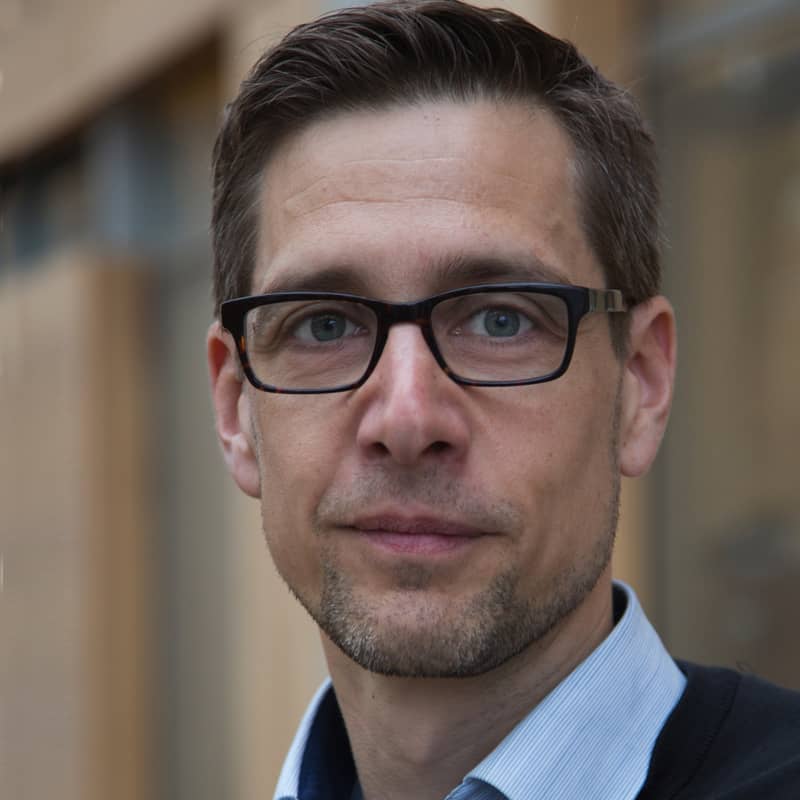
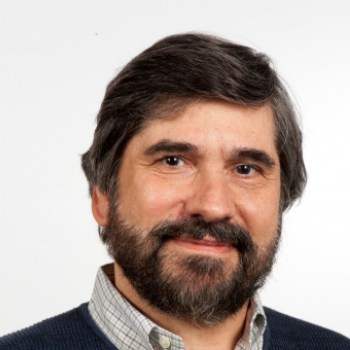
Dr. Frank Loh is a researcher at the Department of Computer Science III, University of Würzburg, specializing in energy efficiency, network performance, and Quality of Experience (QoE) in communication networks. His work focuses on optimizing LoRaWAN deployments, serverless computing, and edge-cloud environments, with an emphasis on reducing message collisions and improving resource utilization. He actively contributes to methodologies for gateway placement, traffic modeling, and energy consumption metrics. Research Areas Energy Efficiency in Communication Networks Quality of Service (QoS) and Quality of Experience (QoE) LoRaWAN Network Planning Edge and Serverless Computing Network Resource Analysis Recent Publications 2025: Energy modeling for 6G base stations 2025: Server cluster resilience via Markov models 2024: Serverless computing in edge-cloud environments 2024: LoRaWAN channel access optimization
Craig Lee is a Professor of Oceanography at the University of Washington, where he also serves as Senior Principal Oceanographer and Assistant Director for Research at the Applied Physics Laboratory. His work focuses on physical oceanography with emphasis on observational studies and instrument development. Lee leads research programs studying upper ocean dynamics, coastal processes, and high-latitude oceanography across diverse regions including the Arctic, North Atlantic, and South China Sea. Dr. Lee's educational background includes: B.S. in Electrical Engineering and Computer Science from the University of California, Berkeley (1987) Ph.D. in Physical Oceanography from the University of Washington (1995) Lee's primary research interests center on three interconnected areas: (1) upper ocean dynamics, particularly mesoscale and submesoscale fronts and eddies; (2) interactions between biology, biogeochemistry and ocean physics; and (3) high-latitude oceanography in changing Arctic environments. His work often combines field observations with instrument development to address fundamental questions about ocean circulation and its role in climate systems. He has pioneered approaches using autonomous platforms to study difficult-to-access regions like ice-covered waters. Analysis of Lee's recent publications reveals a strong focus on Arctic oceanography, upper ocean mixing processes, and the application of autonomous observing technologies. His research spans multiple ocean basins with particular emphasis on the Arctic, North Atlantic, and western Pacific. A notable trend is the increasing integration of biogeochemical measurements with physical oceanography to understand coupled systems. His work often addresses climate-relevant questions about ocean circulation, heat transport, and ecosystem responses to environmental change. Dr. Lee provides leadership through service on science steering committees for large research programs and advisory panels for U.S. Arctic efforts. He actively supports and advises graduate students while teaching courses on ocean circulation observations and experimental design. His team has developed innovative technologies including autonomous gliders for ice-covered waters, high-performance towed vehicles, and lightweight mooring systems. Lee leads a research team pursuing diverse field programs including Arctic PISCES, Stratified Ocean Dynamics of the Arctic (SODA), and studies of the Kuroshio Current. His group collaborates extensively with institutions worldwide and contributes to major international research initiatives focused on understanding ocean processes and their climate implications.
Denise Esserman is a Professor of Biostatistics at the Yale School of Public Health, where she joined the faculty in 2014. She is a member of the Yale Center for Analytical Sciences and collaborates with multiple departments at the Yale School of Medicine, including the Clinical and Translational Science Award Program, Patient-Centered Outcomes Research Institute, and the Cancer Center. Her research focuses on methodological aspects of clustered randomized trials and sample size calculations. Education: PhD in Biostatistics from Columbia University (2006) MS in Statistics from University of Georgia (2001) Dr. Esserman's research interests span several critical areas in biostatistics and public health methodology. She specializes in clustered randomized trials, with particular expertise in understanding how intraclass correlation coefficients (ICC) and other factors impact sample size calculations. Her work extends to longitudinal studies methodology, randomized controlled trial design, and sampling techniques. She has contributed significantly to statistical methods for clinical trials, healthcare data analysis, and public health research. Her interdisciplinary approach bridges theoretical statistics with practical applications in healthcare settings. Analysis of Dr. Esserman's recent publications reveals a strong focus on methodological innovations in clinical trial design and analysis, particularly for cluster-randomized trials. Her work spans healthcare applications including fall injury prevention in elderly populations, opioid use disorder treatment in international settings, pain management for hemodialysis patients, and validation of medical coding algorithms. She frequently employs advanced statistical techniques including Bayesian methods, mediation analysis, and methods for handling clustered data. Her research demonstrates a consistent commitment to improving the rigor and applicability of statistical methods in public health and clinical research. Dr. Esserman serves as a reviewer for several prestigious journals including the American Journal of Epidemiology, Arteriosclerosis, Thrombosis and Vascular Biology; Statistics in Biopharmaceutical Research; Clinical Trials; and Obesity. As a member of the Yale Center for Analytical Sciences, Dr. Esserman collaborates with numerous researchers across Yale University. Her current projects include the EQuIP trial (HIC ID 2000033355), where she serves as Sub Investigator with primary completion date of 08/31/2027, focusing on mental health and behavioral research for sexual minority women.
Professor Li Hui serves as the executive dean of the School of Network and Information Security at Xidian University, where he holds the position of second-level professor and doctoral supervisor. He is nationally recognized as a distinguished teacher and serves in multiple prestigious roles including member of the National Steering Committee for Postgraduate Education in Cryptography, inaugural president of ACM SIGSAC CHINA, and director of several major academic societies related to cryptography and information security. Professor Li's research spans cryptographic information security, privacy computing, information theory, and coding theory, with significant contributions to network and cyberspace security. His work demonstrates a strong focus on both theoretical foundations and practical applications, particularly in developing security protocols for emerging technologies like blockchain, federated learning systems, and IoT environments. His research output shows consistent innovation in balancing security requirements with computational efficiency across diverse application domains. With over 300 publications and more than 15,000 Google Scholar citations (H-index 60), Professor Li's scholarly impact is substantial. His recent publications demonstrate increasing emphasis on privacy-preserving machine learning, secure multi-party computation, and cryptographic protocols for distributed systems, reflecting the evolving security challenges in the AI era. Three second-class national teaching achievement awards Special prize and first-class national teaching achievement awards Four first-class provincial and ministerial science and technology progress awards Privacy Computing Theory award (Qian Weichang Chinese Information Processing Science and Technology Award) Multiple patents with over 80 granted inventions Professor Li leads the Cyber Changan Team and serves as head of the Shaanxi Provincial Innovation Team for Mobile Internet Security. He has successfully supervised numerous doctoral and master's students who have gone on to win prestigious competitions like the National College Student Information Security Competition. His research is supported by major national grants including a National Key R&D Program project and key projects from the National Natural Science Foundation of China.
Michael Weiss is a Lecturer in the Department of Mathematics at the University of Michigan. He teaches foundational courses such as Linear Algebra (MATH 217) and Explorations in Euclidean Geometry (MATH 431). His office is located in East Hall (Room 1868) at 530 Church Street, Ann Arbor, MI. Current Courses: MATH 217-004 (Linear Algebra), MATH 217-011 (Linear Algebra), MATH 431-001 (Explorations in Euclidean Geometry) Weiss’s research focuses on mathematics education, particularly on pedagogical strategies for teaching geometry and mathematical reasoning. His work explores the use of visual representations, interactive technologies, and narrative tools (e.g., comics) to enhance learning and teacher development. He emphasizes the role of theory-building in secondary geometry instruction and investigates how students translate abstract mathematical concepts into concrete reasoning. His publications highlight interdisciplinary approaches to education, integrating technology (e.g., animated stories, voice assistants) with traditional teaching methods. Keywords across his work include Mathematics Education , Geometry , Interactive Media , Visual Learning , and Teacher Training . Contact: mweiss@umich.edu
Professor Hakan Ali Çırpan is a distinguished faculty member at Istanbul Technical University's Faculty of Electrical and Electronics Engineering, where he serves as Professor in the Department of Electronics and Communication Engineering. He also holds the position of Vice Dean at Istanbul Technical University since 2021. With over three decades of academic experience, Professor Çırpan has established himself as a leading researcher in signal processing and communications. His educational background includes: PhD from Stevens Institute of Technology (1993-1997) Master's degree in Electrical-Electronic Engineering (with thesis) from Istanbul University (1989-1992) Bachelor's degree in Electrical and Electronic Engineering from Uludağ University (1985-1989) Professor Çırpan's research spans multiple domains within signal processing and communications. His primary interests include wireless communications, radar systems, machine learning applications in communications, and electronic warfare. His work on channel estimation, orthogonal frequency division multiplexing, and maximum likelihood methods has been particularly influential. He has pioneered research in areas such as source localization, spectrum sensing, and physical layer security. His recent work focuses on 5G/6G networks, AI-enhanced communications, and integrated sensing and communication systems. Analysis of his recent publications (2023-2025) reveals a strong focus on next-generation wireless technologies, particularly 5G/6G networks, AI integration in communications, and electronic warfare applications. His research demonstrates a consistent pattern of addressing fundamental challenges in signal processing while adapting to emerging technological needs. A significant portion of his recent work involves machine learning applications for spectrum management, optimization techniques for radar systems, and novel approaches to network slicing and resource allocation. His notable scientific achievements include: ASELSAN ACADEMY THESIS COMPETITION WINNER (2020) Professor Çırpan has supervised 59 theses throughout his career, mentoring numerous graduate students in the fields of signal processing and communications. He has secured significant research funding, including the "AI-Enhanced 5G/6G Networks with Integrated Camera and ISAC Systems" project (2023-2024) and the "Railway Vehicle Infrastructure New Generation Secure Communication Systems" TÜBİTAK project with a budget of ₺955,000. His research has practical applications in defense systems, railway communications, and next-generation wireless networks. His laboratory work focuses on wireless communications systems, radar signal processing, and AI-enhanced communication technologies. Professor Çırpan leads research teams working on projects related to 5G/6G networks, electronic warfare countermeasures, and secure communication systems. His group collaborates with industry partners like ASELSAN and conducts research with practical applications in national defense and critical infrastructure.
Dominik Roeser is a Professor and Associate Dean of Research Forests & Community Outreach at the University of British Columbia's Faculty of Forestry, Department of Forest Resources Management. With over 21 years of experience in forest research and innovation, he has built a comprehensive forest operations research program since joining UBC in 2018, following his tenure as Senior Director at FPInnovations where he managed multidisciplinary teams focused on improving forest sector competitiveness and wildfire management solutions in Western Canada. Professor Roeser's research interests center on sustainable forest management and the bioeconomy, with specific expertise in forest bioproduction, supply chain design, steep slope harvesting, and biomass operations. His work through the Forest Action Lab applies diverse research methods including productivity studies, field trials, and modeling to address sustainability challenges across different operational environments. His research portfolio spans sustainable forest biomass utilization, harvesting in difficult terrain, innovative forest planning tools, operational productivity, carbon management, and community sustainability impacts from reforestation. His publication record shows a strong focus on practical applications of forest science, with recent work emphasizing wildfire management, remote sensing technologies for precision forestry, biomass energy systems, and the socio-ecological dimensions of forest management. His research increasingly integrates advanced technologies like LiDAR and drone-based systems with traditional forest operations to address contemporary challenges in sustainable forest management. Roeser has received the Recognition Award from the Canadian Forest Service (2017) for his contributions to forest science and innovation. His work demonstrates significant impact on both academic understanding and practical implementation of sustainable forest operations across North America and Europe. As an educator, Professor Roeser teaches several key courses including FOPR 264 Introduction to Forest Operations, FOPR 362 Harvesting systems and forest access, FOPR 464 Operational planning and management, and FRST 452 Coastal field school. He considers educating the next generation of forestry professionals one of his passions, bridging theoretical knowledge with practical industry applications. The Forest Action Lab, led by Professor Roeser, represents a multidisciplinary research hub applying diverse methodologies to address forestry stakeholders' needs across British Columbia, Canada, and globally. The lab's work connects academic research with industry implementation, focusing on practical solutions for sustainable forest utilization in varied operational environments.
Rachel Hess, MD, MS is Professor of Population Health Sciences and Internal Medicine and Associate Vice President for Research-Health Sciences at the University of Utah Schools of the Health Sciences. She co-directs the Utah Clinical and Translational Science Institute and was founding Chief of the Division of Health System Innovation and Research (2014-2022). A board-certified General Internist and internationally recognized health-services researcher, she focuses on translating evidence into practice through health-information technology and patient-centered outcomes. Education & Training MD – University of New Mexico School of Medicine MS Clinical Research – University of Pittsburgh Fellowship – General Internal Medicine & Women’s Health, University of Pittsburgh / VA Pittsburgh Medical Center Chief Residency – Internal Medicine, Western Pennsylvania Hospital Residency – Internal Medicine, Temple University Hospital BA Mathematics – Washington University in St. Louis Research Focus Dr Hess’s program is dedicated to improving patient-centered outcomes by leveraging implementation science, health-information technology, and patient-reported measures. Her work spans: Design and nationwide deployment of EHR-integrated clinical decision support for cancer genetics, lung-cancer screening, heart-failure management, and antibiotic stewardship. Large multi-site pragmatic trials (ADAPTABLE, RECOVER, BRIDGE, MAINTAIN) examining effectiveness, equity, and scalability of digital-health interventions. Women’s health across the lifespan, including studies on menopause, sexual function, and post-COVID sequelae. Advanced analytics linking patient-reported outcomes (PROs) with healthcare utilization and cost. Scientific Awards & Recognition Board Certification, American Board of Internal Medicine (Internal Medicine) Leadership of NIH RECOVER Consortium adult cohort—one of the largest studies of Long COVID worldwide Principal investigator on >$50 million in federal and foundation funding (PCORI, NHLBI, NCI, AHRQ, CDC) Leadership & Service As Associate Vice President for Research she sets strategic priorities for the Schools of Medicine, Nursing, Pharmacy, Dentistry, and Health. She co-chairs the Utah Clinical and Translational Science Institute, oversees campus-wide clinical-trials infrastructure, and mentors interdisciplinary teams spanning informatics, behavioral science, epidemiology, and clinical medicine. Laboratories & Teams Dr Hess leads the Health System Innovation and Research (HSIR) group—an interdisciplinary unit of data scientists, implementation researchers, clinicians, and patient partners—dedicated to rapid-cycle testing and national scale-up of digital-health solutions.
Christos G. Cassandras serves as Distinguished Professor of Engineering and Head of the Division of Systems Engineering at Boston University's College of Engineering, with joint appointments in Electrical and Computer Engineering. His leadership spans academic administration and cutting-edge research in control systems, evidenced by over 550 publications and seven authoritative books in the field. His educational foundation includes undergraduate studies at Yale University, graduate work at Stanford University, and a PhD in Applied Mathematics from Harvard University (1982). This multidisciplinary background underpins his research approach. Dr. Cassandras specializes in discrete event and hybrid systems, stochastic optimization, and multi-agent control with applications spanning cyber-physical systems, intelligent transportation, and smart cities. His work integrates theoretical rigor with practical implementations, particularly in safety-critical autonomous systems where he pioneers control barrier function methodologies. Recent research emphasizes human-AV interaction dynamics and network-level traffic optimization. Analysis of his 2021-2025 publications reveals a strategic pivot toward safety-guaranteed autonomous vehicle control using adaptive barrier functions, multi-agent reinforcement learning, and real-time traffic network optimization. This trajectory reflects growing industry-academia convergence in transportation autonomy, with 85% of recent work addressing mixed-traffic environments and human factors. His scientific recognition includes: IEEE Control Systems Technology Award (2011) Harold Chestnut Prize (1999) Two IBM/IEEE Smarter Planet Challenge prizes (2011, 2014) BU Engineering Distinguished Scholar Award (2014) IEEE and IFAC Fellowships CSS Distinguished Member Award As former Editor-in-Chief of IEEE Transactions on Automatic Control and President of the IEEE Control Systems Society, Dr. Cassandras has shaped global research directions. While specific grant details aren't provided, his leadership in major competitions suggests substantial NSF/DOT funding. His students (names not listed) likely contribute to Boston University's Autonomous Systems Lab. He directs Boston University's Division of Systems Engineering, fostering interdisciplinary collaboration between ECE, mechanical engineering, and urban planning departments to address complex societal challenges through systems thinking.
Prof. Dr. Thomas Koop is a Professor of Physical Chemistry at Bielefeld University, where he leads the Atmospheric and Physical Chemistry research group within the Faculty of Chemistry. He has served as Dean of the Faculty of Chemistry from 2022-2024 and currently serves as Vice Dean (2024-2025). His research focuses on phase transition phenomena, particularly ice nucleation and growth, supercooled liquids, and the formation of amorphous glassy materials. His work has significant implications for understanding atmospheric aerosols, cloud formation mechanisms, and cryobiological processes. The group employs experimental techniques such as differential scanning calorimetry and optical cryo-microscopy, developing specialized equipment for studying phase transitions at micro and nanoscales. Prof. Koop's publication record shows a consistent focus on atmospheric chemistry with increasing exploration of biological ice nucleators, planetary atmospheres (including Venus), and the physical properties of atmospheric aerosols. His most cited work includes 'Water activity as the determinant for homogeneous ice nucleation in aqueous solutions' (Nature, 2000), which established fundamental principles in the field. 2024-2025: Vice Dean of Faculty of Chemistry 2022-2024: Dean of Faculty of Chemistry 2001-2022: Co-founder and Executive Editor of Atmospheric Chemistry and Physics Since 2004: Coordinator of Graduate School of Chemistry and Biochemistry Prof. Koop has mentored numerous students and postdoctoral researchers, contributing significantly to the development of the next generation of atmospheric scientists. His research has been supported by various funding agencies and has led to collaborations with institutions worldwide, from MIT and UC Berkeley to research centers in Switzerland and Israel.
Daniel Hershcovich is a Tenure Track Assistant Professor at the Department of Computer Science (Faculty of Science, University of Copenhagen) specializing in Natural Language Processing and Machine Learning . His research focuses on cross-cultural adaptation of language models, integrating human values into AI, and analyzing food-related cultural narratives for sustainable diets. Education: Ph.D. in Computational Neuroscience from Hebrew University of Jerusalem B.Sc. in Mathematics and Computer Science from Open University of Israel Recent publications highlight his work on multimodal models (haptic captioning, visual assistants for the blind), historical text analysis (Danish/Norwegian literature, euphemism detection), and cross-cultural NLP (recipe adaptation, cultural value alignment, climate awareness). His projects frequently combine AI ethics with domain-specific applications like food studies, historical linguistics, and accessibility research. Key collaborative networks include institutions in Denmark, Israel, and international partnerships through conferences like ACL, EMNLP, and workshops on cross-cultural NLP. The NLP section at DIKU serves as his primary affiliation for these efforts.
Ursula Zich is an Associate Professor at the Polytechnic of Turin's Department of Architecture and Design (DAD), where she serves as a member of the Student Discipline Commission. Born in Turin on July 16, 1969, she holds a Doctor of Architecture degree with highest honors from the Polytechnic of Turin (1994) and a Doctor of Research in Surveying and Representation of Architecture and the Environment from the University of Genoa. Her research interests focus on critical reading of drawing, descriptive geometry, history of representation, and physical models. She leads the MAG.IA (Mathematics, Architecture, Geometry. Application Interconnections) research line and the POLIMADE project exploring scientific applications of origami. Her work spans multiple ERC sectors including application of mathematics in sciences, computational modeling in cultural spheres, cultural studies, history of art and architecture, and museum studies. Zich has published extensively on architectural representation, with recent publications examining tangible geometries for inclusive game design, architectural heritage accessibility, and interdisciplinary approaches to architectural representation. Her research demonstrates consistent integration of mathematical principles with architectural representation techniques. Effective member of Study Group on Environmental Color Design (ECD) of the International Color Association (AIC), United States (2021-) Effective member of Italian Design Union (UID), Italy (2001-) She has served on the Program Committee for multiple Italian Conferences on Origami, Educational Dynamics and Teaching since 2014. Zich also co-invented a patent for a foldable aluminum foil food tray, demonstrating practical applications of her origami research. At the Polytechnic of Turin, she teaches architectural drawing, surveying, and geometric modeling courses across multiple academic years, maintaining an active teaching schedule through the 2025/26 academic year.
Jayne Wallace is a Professor of Craft, Digital Creativity, and Wellbeing at Northumbria University's School of Design. She leads the CoCreate research community, focusing on design, technology, and participation in human contexts. Her work includes EPSRC-funded projects like Enabling Ongoingness and the EU Marie Curie OpenDoTT initiative. Wallace co-founded the Journal of Jewellery Research and the Research Through Design conference series, emphasizing craft ethos and IoT ethics. Her research spans digital creativity, wellbeing, and participatory design, addressing dementia care, citizenship, and technology's societal impact. Education: PhD in Design Studies (2007). Notable collaborations include work with Beamish Museum on pottery and wellbeing, and projects like Centring and Connected Craft. She actively organizes workshops on ethical internet practices and co-creation methods. Research interests emphasize craft's role in digital innovation, mental health, and intergenerational dialogue. Awards include Best Paper Awards (2020) and an Honourable Mention (2018). Grants include EPSRC, AHRC, and EU funding. Her lab, CoCreate, involves over 50 researchers exploring design's societal applications.
Dr. Hossein Jahanshahloo is an Associate Professor of Financial Technology at Alliance Manchester Business School, The University of Manchester. Previously, he served as an Assistant Professor of Finance at Cardiff Business School (University of Cardiff). He holds a PhD in Finance from Leeds University Business School, alongside MSc and BSc degrees in Finance and Computer Software Engineering. His research focuses on Blockchain Technology, Cryptocurrencies, Market Microstructure, and Algorithmic Trading. He created the Cardiff University Bitcoin Database (CUBiD), which provides accessible cryptocurrency network data to academics and practitioners. His work contributes to UN Sustainable Development Goals related to innovation and infrastructure. He currently serves as an associate editor at the Journal of Research in International Business and Finance and holds a visiting researcher position at Technical University of Munich. His recent publications explore Bitcoin arbitrage dynamics, cryptocurrency market efficiency, and banking acquisition failures. Jahanshahloo advises PhD students and collaborates internationally on projects involving blockchain applications and financial technology innovations.
Professor Washington Yotto Ochieng serves as Head of the Department of Civil and Environmental Engineering and Chair Professor in Positioning and Navigation Systems at Imperial College London. He directs the Centre for Active Resilience and Security (CARS) and maintains key affiliations with the Centre for Systems Engineering and Innovation, Centre for Transport Engineering and Modelling, Institute for Molecular Science and Engineering, and Space Lab. His extensive advisory roles include the Science Museum Group Board of Trustees, Royal Institute of Navigation Presidency, and Royal Academy of Engineering Africa Steering Committee. His educational background includes a BSc (First Class) in Engineering from the University of Nairobi and MSc (Distinction) and PhD in Civil Engineering from the University of Nottingham. He received an honorary DSc from Technical University of Kenya in 2023. Ochieng's research pioneers critical infrastructure resilience, user-centric mobility, and positioning/navigation/timing (PNT) systems. He has designed satellite navigation systems (including Europe's EGNOS and GALILEO) for multi-domain applications and advanced Air Traffic Management and Intelligent Transport Systems. His work integrates geomatics, transportation engineering, and sustainable mobility to solve global urban infrastructure challenges, with recent emphasis on decarbonization and AI-driven solutions. His 2024-2025 publications reveal strong trends in sustainable transportation decarbonization, AI-optimized traffic management, and resilient urban positioning systems. Research focuses on hydrogen fuel cell trains, carbon-efficient aviation, and deep reinforcement learning applications for emission reduction, demonstrating interdisciplinary integration of engineering, environmental science, and artificial intelligence to address climate challenges. Fellow of the Royal Academy of Engineering (2013) Harold Spencer-Jones Gold Medal from Royal Institute of Navigation (2019) Doctor of Science (honoris causa) from Technical University of Kenya (2023) Elder of the Order of the Burning Spear (EBS) from Kenya (2023) Commander of the Order of the British Empire (CBE) (2024) Ochieng provides strategic guidance to UK Government bodies (Government Office for Science, Department for Transport, FCDO), European Parliament, and European Court of Auditors. His advisory work shaped the Blackett Review on Satellite-derived Time/Position, UK Space Strategy, and Future of Mobility report. He chairs the Science Museum London Advisory Board and leads FCDO's Sustainable Urban Economic Development program in Africa, with significant grant influence through UK National Physical Laboratory and Department for International Development. He directs the Centre for Active Resilience and Security (CARS) and leads Space Lab initiatives, focusing on mission-critical PNT systems and infrastructure resilience. His teams collaborate with international consortia including RTCM Special Committee 134 and US Institute of Navigation, developing next-generation navigation solutions for safety-critical applications across transport, aviation, and urban environments.