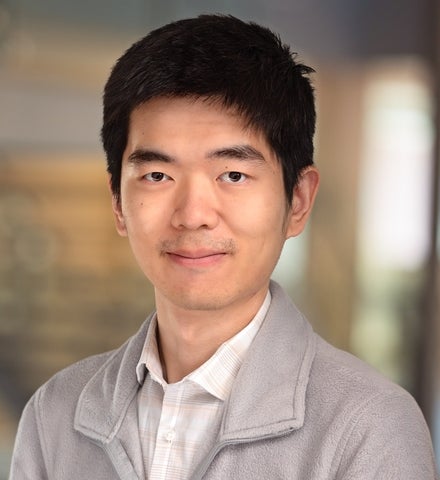
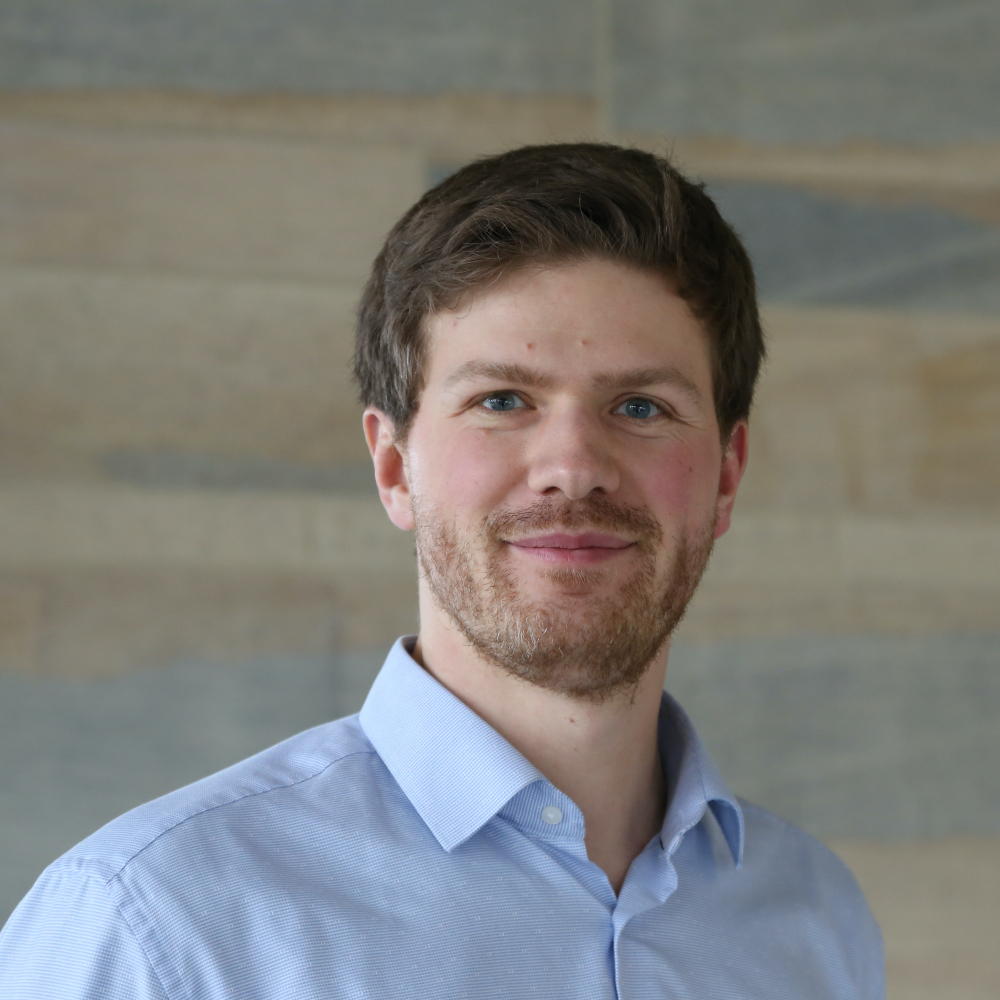
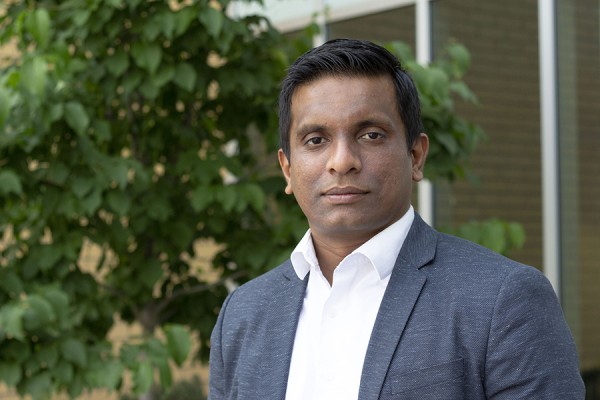
Christian Herglotz is a researcher affiliated with the University of Erlangen-Nuremberg , Germany. His work focuses on energy efficiency in video coding and decoding systems, with a particular emphasis on HEVC and VVC standards. He has published extensively in IEEE journals and conferences like ICIP, ICASSP, and QoMEX, often collaborating with André Kaup and Matthias Kränzler. Key research themes: energy-aware video compression, decoding power optimization, rate-energy-distortion modeling. Co-edited special sections on deep learning-based video coding. Recent Publications (2022-2025): Explored power reduction in HDR video encoding, motion prediction for 360-degree video, and heterogeneous quantization for DNN accelerators. His studies integrate machine learning with traditional codec design to improve energy efficiency. Technical Contributions: Developed models for decoding energy estimation, analyzed carbon impact of streaming devices, and proposed methods for viewport-adaptive motion compensation. Collaborative work spans thermal imaging for power analysis and reliability-aware DNN hardware optimization.
Aditi Chattopadhyay is a Regents' Professor and Ira A. Fulton Chair Professor of Mechanical and Aerospace Engineering at Arizona State University's School for Engineering of Matter, Transport and Energy (SEMTE). She directs the Adaptive Intelligent Materials and Systems (AIMS) Center and has held roles as associate editor for multiple journals including AIAA Journal and Journal of Structural Durability and Health Monitoring. Her research focuses on structural health monitoring, damage prognosis, multiscale modeling of heterogeneous materials, and adaptive structures. She has advised 29 doctoral and 25 master's students, authored over 165 journal papers, and secured grants from NASA, DOD, and industry partners. Notable awards include the Distinguished Alumnus Award from IIT Kharagpur and Fellowships from AIAA and ASME. Education : Ph.D. Aerospace Engineering, Georgia Institute of Technology (Year: 1980s) M.S. Aerospace Engineering, Georgia Institute of Technology B. Tech. Aeronautical Engineering (Honors), Indian Institute of Technology, Kharagpur (1980) Research Interests : Her work spans structural health monitoring of advanced composites, multifunctional materials, and aerospace materials under extreme conditions. She pioneers stress-responsive smart materials and damage precursor detection technologies. Key themes include: Composite materials under impact and fatigue Thermomechanical degradation of ceramics AI-driven health monitoring systems Recent Research Trends : Her 2020-2025 publications emphasize: Ceramic matrix composite (CMC) behavior under high-temperature oxidation Self-sensing composites using mechanophore polymers Asteroid material strength analysis for planetary defense Physics-informed machine learning for material failure prediction Awards & Recognition : 2020: Fellow, American Society of Mechanical Engineers (ASME) 2013: Distinguished Alumnus Award, IIT Kharagpur 1995: Outstanding Engineering Alumni, Georgia Tech Grants & Advising : Lead PI on over 50 grants totaling millions USD from NASA, DOD, and industry. Her advising spans 54 graduate students, with a focus on aerospace materials and structural systems. Labs & Centers : Director of ASU's AIMS Center, which develops intelligent materials for aerospace and defense applications. Collaborates with NASA, Army Research Lab, and Honeywell on transition of technologies to practice.
Qinglong Tian is an Assistant Professor in the Department of Statistics at the University of Waterloo. His research focuses on statistical methodology development with applications in reliability engineering, machine learning, and predictive modeling. He specializes in areas such as nonparametric estimation, domain adaptation, privacy-preserving data analysis, and Bayesian reliability analysis. His work bridges theoretical statistics with practical challenges in engineering and healthcare sectors. Key research interests include semi-supervised learning, ROC curve analysis, label shift adaptation, and prediction interval methods. He has contributed novel techniques for handling imperfect reference standards, continuous target shift, and heterogeneous reliability data. His recent publications address challenges in post-randomization data privacy and model-agnostic parameter estimation. Qinglong's methodological innovations are applied to real-world problems like pipeline life assessment, diagnostic testing accuracy, and failure prediction in complex systems. His interdisciplinary approach combines rigorous statistical theory with computational methods to solve modern data science challenges.
Jeffrey Kordower is the founding Director of the ASU-Banner Neurodegenerative Disease Research Center and holds the Charlene and J. Orin Edson Distinguished Professorship at Arizona State University's Biodesign Institute. He is affiliated with the School of Life Sciences. Previously, he served at Rush University Medical Center for over 30 years. His research focuses on neural transplantation, gene/stem cell therapies, and the pathogenesis of neurodegenerative diseases like Parkinson's and Alzheimer's, with a particular emphasis on molecular mechanisms, aging effects, and neuroinflammation. Education: Ph.D. from The City University of New York. Research interests include disease-modifying therapies, protein aggregation (α-synuclein, tau), neuroprotective strategies, and translational models. He pioneered techniques in nonhuman primate studies and has advanced understanding of Parkinson's pathology through innovative models like the PIGMO mouse. His work bridges basic science and clinical applications, addressing challenges in biomarker development and therapeutic delivery. Publications highlight advancements in gene therapy (e.g., CaV1.3-shRNA for dyskinesia mitigation), cross-disease pathology comparisons, and novel therapeutic targets. Collaborations emphasize multidisciplinary approaches to neurodegenerative disorders.
Jitendran Muthuswamy is an Associate Professor at Arizona State University (ASU), affiliated with the School of Biological and Health Systems Engineering and the School of Life Sciences. His research focuses on neural interfaces, neuromodulation for migraine pain, and brain-tissue mechanics. He holds editorial roles at Frontiers in Neuroscience , PLOS One , and IEEE Transactions on Neural Systems and Rehabilitation Engineering . Muthuswamy directs the Neural Microsystems Laboratory and has expertise in developing implantable devices for neural monitoring and stimulation. Education B.Tech., Electronics and Electrical Communication Engineering, Indian Institute of Technology Kharagpur M.S. and Ph.D., Biomedical Engineering, Rensselaer Polytechnic Institute Postdoctoral Fellowship, Johns Hopkins University Research Interests His work emphasizes neuromodulation therapies, neural interface design, and understanding cellular mechanisms of pain transmission. Key areas include intracranial pressure monitoring, optogenetic tools, and chronic implant stability. Recent projects involve wireless neurostimulators for migraine treatment and ultrasonically powered biosensors. Grants & Activities NIH Blueprint Medtech Accelerator Seedling (2023–2024) Arizona NEI Science and Technology Center (2024–2025) Flinn Foundation grants for occipital nerve neuromodulation (2021–2024) Teaching Muthuswamy teaches courses in biomedical engineering, including Biomedical Product Design , Cyber Biomedical Systems , and Honors Thesis Research .
Dr. Ananda Jayawardhana is a University Professor in the Department of Mathematics at Pittsburg State University, where he has taught since 1999. He holds a PhD in Statistics from the University of Missouri-Rolla and has developed specialized courses including Regression Analysis, Time Series Analysis, and Actuarial Mathematics. Recognized with multiple teaching awards including the College of Arts and Science Excellence in Teaching Award, he has served in numerous university leadership positions including Faculty Senate President. Research focuses on Bayesian statistical methods with applications in accelerated life testing and educational pedagogy. Key areas include: Bayesian prediction bounds in reliability engineering Measurement error correction in regression models Innovative statistics education methodologies Actuarial science applications Publications demonstrate consistent development of statistical methods for reliability testing and educational research. Recent pedagogical work explores flipped classroom models for teacher candidates. Awards recognize both educational leadership and statistical service contributions.
Manuel Torres Carrasco is an Associate Professor at the Department of Materials Science and Engineering and Chemical Engineering at Universidad Carlos III de Madrid. He serves as Deputy Director of the EPS for Teaching Planning and Continuing Education, and Deputy Director of the Department of Materials Science and Engineering and Chemical Engineering. His research focuses on sustainable cementitious materials, thermal energy storage systems, and material durability under extreme conditions. Education: Doctorate in Materials Science (not explicitly stated but inferred from research activity). Affiliations: Álvaro Alonso Barba Institute of Chemistry and Materials Technology. His work emphasizes eco-efficient materials derived from industrial by-products (e.g., slag, waste glass) and their application in thermal energy storage. Key research themes include alkali-activated cements, corrosion resistance of embedded steels, and life cycle assessment of construction materials. He has led multiple projects funded by institutions like the Madrid Regional Government and the European Commission. Recent publications highlight advancements in hybrid cements, thermal cycling performance of eco-materials, and corrosion mechanisms in sustainable mortars. His work bridges fundamental material science with industrial applications, particularly in renewable energy systems. Grants/Projects: "CALHORIA-CM-UC3M" (2024–2026): AI-optimized thermal storage systems. "DESARROLLO DE MATERIALES CEMENTICIOS ECOEFICIENTES" (2022–2025): Low-impact construction materials. "KrEaTive Habitat" (2016–2019): KET technologies for sustainable building materials. He advises students on topics like solar thermal energy storage and eco-friendly cement durability. His lab focuses on mineralogical characterization and wear resistance testing of novel composites.
Peter Murphy is Professor and Deputy Vice Chancellor for Research at University of South Australia. His research develops advanced coatings for energy-efficient windows and telecommunications infrastructure, with innovations in signal-transparent materials for 5G networks. Collaborations with Malaysian Automotive Robotics IoT Institute advance automotive glazing technologies. Research focuses: Low-emissivity coatings with microwave transparency Environmental durability testing Polymer substrate modification Corrosion protection mechanisms Publications demonstrate multifunctional coatings balancing optical, thermal, and communication requirements. Patented technologies improve energy efficiency in buildings while enabling next-generation connectivity.
Dr. Paul Hanel is a Senior Lecturer in the Department of Psychology at the University of Essex. His research focuses on social, political, and cross-cultural psychology, emphasizing human values, group similarities, and science communication. He holds a PhD from Cardiff University and has held appointments including Research Associate at the University of Bath. His work has been recognized with awards such as the Early Career Award from the British Psychological Society (2021). Educations: PhD (Psychology) from Cardiff University (2016); MSc and BSc in Psychology, plus a BA in Political Science and Sociology from Martin Luther University Halle-Wittenberg (2010–2013). Research Interests span human values, stereotypes, political psychology, remote work dynamics, and cross-cultural studies. He investigates how emphasizing group similarities reduces prejudice and enhances well-being. Recent projects include analyzing creativity in AI models and global measurement invariance of psychological scales. Publications (selected 2025 highlights): Explored climate adaptation motivational factors, developed GenAI creativity assessment frameworks, and conducted cross-cultural studies on psychological characteristics. His work frequently employs large-scale datasets and international collaborations. Grants include funding from the John Templeton Foundation and Ed-Heads Ltd for projects on intellectual humility and motivational messaging. Supervises PhD students in areas like moral distress in clinical psychology and pro-environmental behavior. Labs/Teams: Collaborates with global networks via initiatives like the Psychological Science Accelerator. His research emphasizes open science practices and methodological innovation.
Rajeev Ruparathna is a Professor in the Department of Civil Engineering at the University of Windsor, Faculty of Engineering. His research focuses on resilient infrastructure systems, sustainable construction practices, and innovative technologies like Building Information Modeling (BIM). He leads projects addressing seismic isolation, sustainable procurement, and disaster-resilient building design. Notably, his work explores the integration of technology in Northern Canadian construction, pandemic-safe construction scheduling, and life-cycle assessment of infrastructure. Collaborations with industry and academic partners emphasize practical applications of BIM for safety, efficiency, and environmental impact reduction. Ruparathna’s research also extends to material reclamation frameworks for circular economy practices and climate-conscious building operations. His academic contributions span over two decades, with a strong emphasis on bridging theory and real-world construction challenges. Advising students like Mariah Saad reflects his mentorship in advancing future engineers.
Jennifer E. Graham-Engeland serves as Professor of Biobehavioral Health and Associate Director of the Center for Healthy Aging at Penn State University's College of Health and Human Development. Her research program examines psychosocial stress pathways in aging-related health outcomes through the MESH Lab , with particular focus on inflammation-cognition links and stress response mechanisms. PhD in Social/Health Psychology from Stony Brook University Postdoctoral training in Psychoneuroimmunology at Ohio State University Research Themes include psychoneuroimmunology ( PMID 32215283 ), stress and cognitive aging ( BBR 2020 ), and social determinants of inflammation ( HP 2020 ). Recent publications demonstrate temporal relationships between acute stress and inflammatory markers ( BBR 2020 ), with special attention to gender differences ( Psychoendocrinology 2021 ) and racial disparities ( J Behav Med 2021 ). Publications Trends show consistent investigation of: Stress-inflammation-cognition nexus Social-environmental health determinants Gender-specific biological pathways Ecological momentary assessment methods Family stress transmission models Biological aging metrics Key Grants include: NIH R01 HL167642 (2023-2027): Pandemic stress and CVD risk P01 AG003949-38 (2022-2027): Depression and dementia pathways R03 AG081719 (2023-2025): Loneliness and dementia progression
Martin Sliwinski, Ph.D., is the Gregory H. Wolf Professor of Aging Studies and Professor of Human Development and Family Studies at Pennsylvania State University. He serves as Director of the Center for Healthy Aging. His research focuses on cognitive aging mechanisms, with emphasis on psychosocial and biological factors influencing cognitive health in mid-to-late life. Dr. Sliwinski develops and applies innovative digital methods for real-time cognitive assessment using smartphone-based technologies. Key research themes include: loneliness-cognition interactions, inflammation's role in cognitive decline, dietary interventions for neuroprotection, and epigenetic biomarkers of aging. He leads large-scale longitudinal studies involving ambulatory physiological monitoring and ecological momentary assessment. His work bridges clinical neuroscience with public health policy through translational studies on dementia prevention strategies. Notable contributions include pioneering high-frequency cognitive assessment protocols using mobile devices, which have advanced understanding of within-person cognitive variability. He collaborates with multidisciplinary teams to integrate metabolomics, neuroimaging, and sensor data for comprehensive aging research. Dr. Sliwinski's lab website (http://sliwinskilab.weebly.com) showcases ongoing studies in cognitive aging mechanisms and intervention development. Current projects explore: (1) digital phenotyping of preclinical Alzheimer's disease using smartphone data (2) neighborhood environment impacts on cognitive trajectories (3) biomarker-cognition relationships in type 1 diabetes patients (4) stress-cognition associations across gender and race. His work has been funded by NIH grants focusing on technology-driven aging research and health disparities.
Prof. Josef Fink is a faculty member at TU Wien's Institute of Structural Engineering (E212). His research focuses on railway bridge dynamics, track-bridge interaction, and structural dynamics analysis. He specializes in dynamic response evaluation of railway bridges under high-speed traffic, damping factor determination, and SCSC-plate (steel-concrete-steel composite) applications in bridge engineering. His work integrates experimental and numerical methods to address challenges in railway infrastructure resilience and vibration control. Key research areas include: ballasted track behavior, longitudinal/lateral track-bridge interaction, Lehr's damping coefficient analysis, and composite materials for bridge decks. He collaborates on projects such as the Network Lab and contributes to advancements in structural health monitoring and finite element modeling for bridge systems. Prof. Fink has supervised numerous theses on topics like SCSC plate performance, damping analysis, and bridge-soil interaction. His publications emphasize practical engineering solutions for dynamic railway infrastructure challenges.
Markus Arvidson is a Lecturer in Sociology at Karlstad University, Sweden. His research focuses on loyalty dynamics in organizational and everyday contexts, including loyalty conflicts, self-loyalty, and the interplay between time and loyalty in workplace strategies. He collaborates frequently with scholars like Jonas Axelsson, exploring themes such as social acceleration, ethical dilemmas, and resistance mechanisms. Key publications include analyses of loyalty conflicts among faculty administrators, the role of time in loyalty strategies (Tidslojalitet), and explorations of self-loyalty as an emotional and societal construct. His work often bridges sociology and social psychology, examining how loyalty manifests in professional and personal spheres. Arvidson has published over 50 peer-reviewed articles since 2003, with recent contributions emphasizing organizational behavior, workplace ethics, and conceptual frameworks for understanding loyalty. His research highlights practical implications for conflict resolution, ethical leadership, and temporal management in academic and corporate settings. He is based at the Department of Sociology at Karlstad University and can be reached at 5A 429 or via email: markus.arvidson@kau.se.
H.E. Vonkeman holds the following key academic and clinical positions: Professor and Chair of Patient Centered Health Technology at the University of Twente Faculty member in the Faculty of Behavioural, Management and Social Sciences Departmental affiliation with Psychology, Health and Technology (BMS-HIB-PHT) Medical Specialist at Medisch Spectrum Twente (MST) Director of MST Rheumatology Fellowship Board member of Dutch Society for Rheumatology (NVR) for Training & Education His research pioneers the transition of healthcare delivery from institutions to remote settings through technology, ensuring patient-centered relevance and societal value. Core focus areas include measuring patient perspectives (pain, fatigue, physical function) as treatment outcomes in chronic rheumatic diseases, implementing Value Based Health Care frameworks, and developing innovative technologies like telemonitoring systems, computer adaptive tests, and virtual reality therapy. He actively bridges discrepancies between patient and caregiver disease perceptions while fostering collaboration networks spanning patients, scientists, medical specialists, primary care professionals, and tech companies. Vonkeman strategically integrates health technology into medical education through his leadership roles, influencing physician and nurse training curricula at MST and via NVR initiatives. His work accelerates evidence-based technological adoption in healthcare while maintaining emphasis on multidimensional outcome measurement and patient quality of life enhancement.