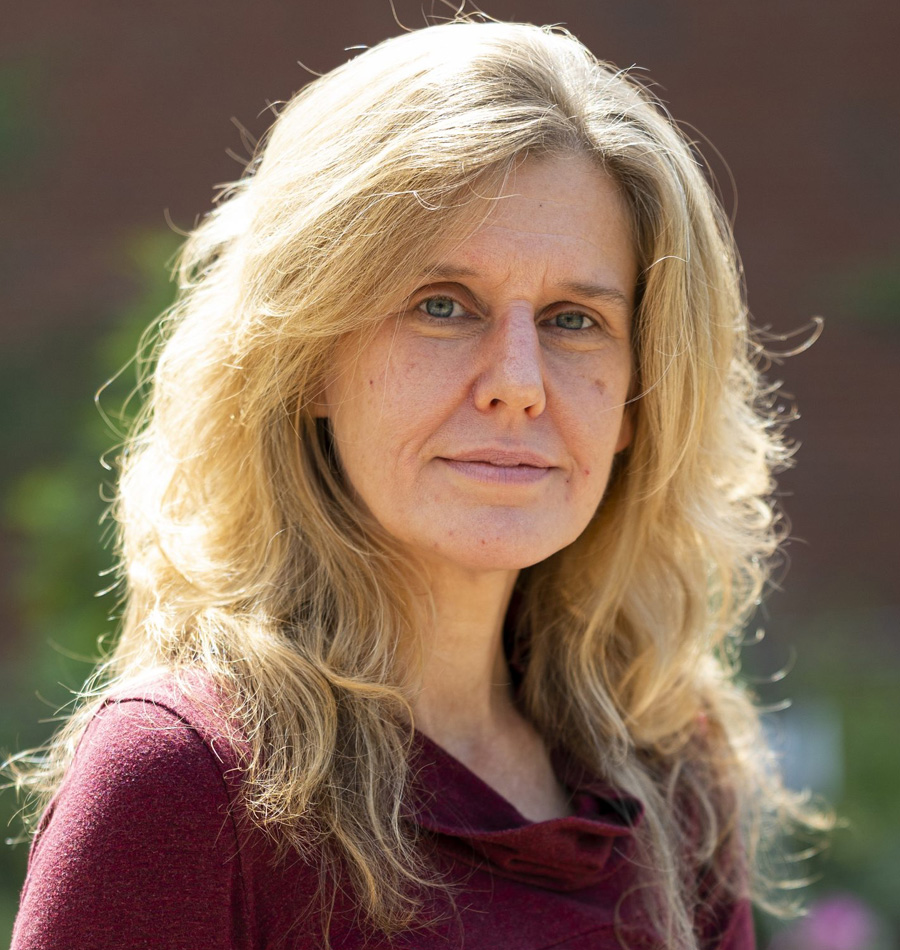
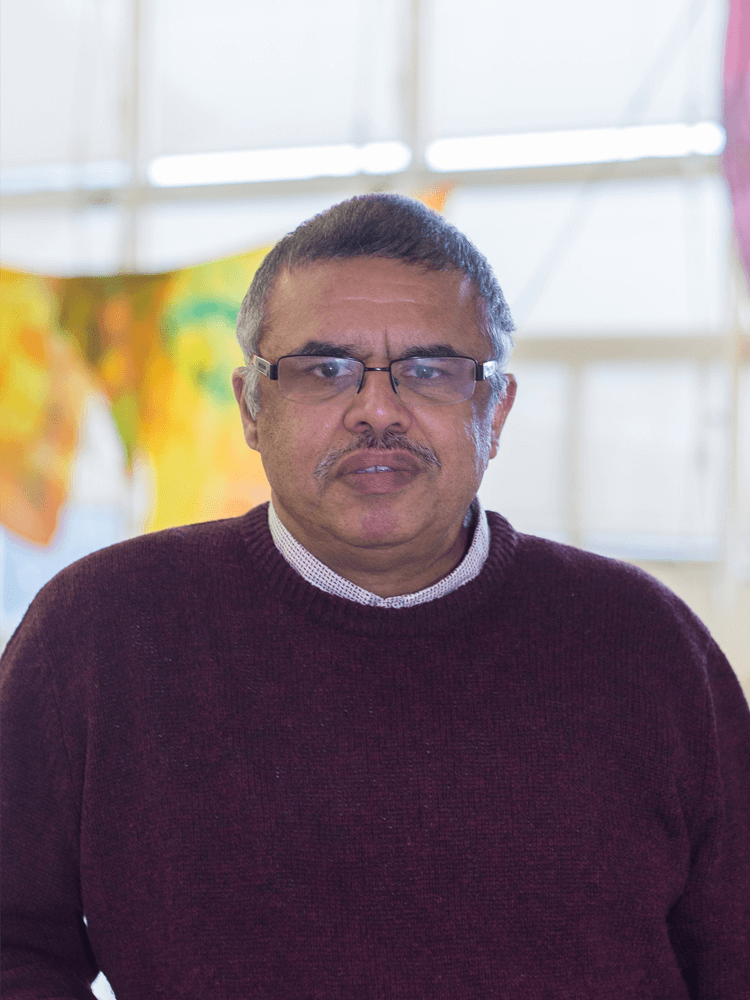
Joseph T. Mahoney is the Caterpillar Chair and Professor of Business Administration at the Gies College of Business, University of Illinois at Urbana-Champaign. He also serves as Associate Director of the Illinois Strategic Organizations Initiative (ISOI). His research focuses on strategic management, organizational economics, and governance theory, emphasizing topics like resource-based views, transaction costs, stakeholder management, and firm growth dynamics. Mahoney is a Fellow of the Strategic Management Society (2013) and an AOM Fellow (2012). Key research interests include Edith Penrose’s growth theory, real options analysis, and the interplay between corporate governance and stakeholder interests. His work bridges classical economic theories with modern organizational challenges, addressing topics such as firm boundaries, strategic decision-making under uncertainty, and institutional frameworks. Recent publications highlight explorations into resource redeployment, stakeholder governance frameworks, and the Penrose Effect. His contributions emphasize theoretical rigor while addressing practical managerial implications. Professional recognitions include leadership roles in academic initiatives and editorial contributions to journals like Strategy Science and Strategic Management Review . His research has been widely cited, with notable works on transaction cost economics and strategic alliances.
Rebecca L. Walker is a Professor in the Department of Philosophy (College of Arts and Sciences) and a Professor of Social Medicine in the School of Medicine at the University of North Carolina at Chapel Hill. She also serves as Core Faculty in the Center for Bioethics and is an Adjunct Professor in Public Policy. Her research focuses on biomedical ethics, particularly animal research, phase I clinical trials, and genomic ethics. Dr. Walker holds a Greenwall Foundation post-doctoral fellowship in bioethics and health policy (completed in 2001), and has held visiting faculty positions at the University of Michigan. She teaches courses on bioethics, virtue ethics, and the philosophy of medicine at both undergraduate and graduate levels, and contributes to the medical school curriculum in social and health systems. Her academic leadership roles include serving on UNC’s Animal Care and Use Committee, co-directing the Hospital Ethics Service’s education program, and leading NIH-funded grants such as the CMORE project on healthy volunteer research ethics. She is a Hastings Center Fellow (2021) and has authored/co-edited influential works like Of Mice and Primates: Virtue Ethics and Animal Research (2025) and The Social Medicine Reader (2019). Dr. Walker’s research spans ethical issues in biotechnology, distributive justice in healthcare, and the moral status of nonhuman animals. Her recent projects include a study on correctional health care providers’ professional challenges and a National Human Genome Research Institute grant examining incidental enhancements in gene editing technologies. She actively engages in policy debates around genomic screening, animal welfare, and translational research ethics. Her awards and recognitions include the Hastings Center Fellowship, which acknowledges her contributions to ethical scholarship in health, science, and technology. Her work bridges philosophical theory with applied ethics, emphasizing virtue ethics and interdisciplinary collaboration across medicine, policy, and the social sciences.
Professor Steven Eastwood is a Professor of Film Practice at Queen Mary University of London (QMUL), leading Film Practice and directing the BLOC arts complex. He holds a PhD from UCL Slade School of Fine Art (2007). His work bridges film, installation, and co-creation with neurodivergent communities, palliative care professionals, and medical educators. Eastwood's research focuses on neurodiversity representation, end-of-life narratives, and fact-fiction hybrid practices. Key works include The Stimming Pool (2024, co-created with Neurocultures Collective), ISLAND (2017, hospice documentary), and Buried Land (2010, Bosnian archaeology film). His ISLAND educational toolkit is used by NHS Trusts for medical training. Awards include Wellcome Trust grants, BFI London Film Festival premieres, and Grierson Award nominations. Academic Leadership: Head of Film Practice, QMUL Centre for Film & Ethics founder Education: BA/PhD from UCL, prior roles at University of East London and SUNY Buffalo Grants: Wellcome Trust, AHRC, Arts Council England, Paul Hamlyn Foundation Labs: BLOC cinema-lab complex with 4K Dolby Atmos facilities Research explores ethical filmmaking in sensitive domains like palliative care and autism advocacy. Recent projects include Autism Through Cinema (2018-2022) and Death and Dying studies through multiscreen installations. Supervision: 6 current PhD students focusing on documentary ethics, neurodiversity, and prison narratives External Examining: Practice-based film PhDs across UK institutions
Gert Helgesson is a Professor of Medical Ethics at the Department of Learning, Informatics, Management and Ethics (LIME), Karolinska Institutet, since 2015. He previously held an associate professorship (docent) at KI from 2008. His academic background includes a PhD in ethics from Uppsala University (2002), focusing on value assumptions in microeconomics. His research spans clinical and research ethics, emphasizing interdisciplinary collaboration. Key interests include authorship issues, patient-centered care, ethical dilemmas in psychiatry, and the ethics of compulsory care for patients with borderline personality disorder. He leads the Medical Ethics group at the Stockholm Centre for Healthcare Ethics (CHE), addressing topics like healthcare prioritization, patient rights, and research integrity. Education: PhD in Practical Philosophy (Ethics), Uppsala University (2002); Docent in Medical Ethics, Karolinska Institutet (2008). Research Interests: Medical ethics (clinical and research), authorship ethics, palliative care ethics, compulsory treatment ethics, and interdisciplinary ethics. Current projects include studying the 'best interest of the child' in social care decisions and analyzing non-standard plagiarism cases. Teaching: Research ethics for master’s and doctoral students, physician training in clinical ethics, and ethics for doctoral supervisors. Grants: Includes a Swedish Research Council grant (2024–2026) on child welfare decisions and a VINNOVA grant (2014–2018) on person-centered care in psychiatry and pediatrics. Labs/Teams: Co-founder of the Stockholm Centre for Healthcare Ethics (CHE), collaborating with KTH and Stockholm University. His group includes researchers like Niklas Juth, Manne Sjöstrand, and Antoinette Lundahl.
John Aloysius Zinda is an Associate Professor in the Department of Global Development at Cornell University and Director of the Polson Institute for Global Development. His research focuses on socio-environmental interactions, particularly flood risk management in the U.S. and rural development/conservation in China. He is affiliated with the East Asia Program and the Cornell Atkinson Center for Sustainability. Educated at Vanderbilt University (B.A.), Johns Hopkins-Nanjing (Certificate), University of Michigan (M.S.), and the University of Wisconsin-Madison (Ph.D.), Zinda teaches courses on environmental sociology, disaster risk, and GIS methods. His work bridges conceptual frameworks with empirical analyses of social-environmental systems, emphasizing equity and policy impact. Research emphasizes how marginalized communities navigate environmental risks and policies, including flood mitigation in New York and reforestation in China. Recent studies highlight racial disparities in flood preparedness and the tensions between authoritarian governance and ecological conservation. His publications span journals like Environmental Sociology , Society & Natural Resources , and World Development . Teaching includes GDEV 3240: Environmental Sociology and DSOC 6340: Risk and Disaster , fostering analytical skills for social-environmental advocacy. His research teams collaborate with governments and NGOs, producing actionable insights for sustainable development. Zinda's work addresses global challenges through interdisciplinary approaches, linking local practices to macro-level policies.
Tianna Paschel is an Associate Professor in the Department of African American Studies at the University of California, Berkeley. Her research focuses on the intersection of racial ideology, politics, and globalization in Latin America, particularly exploring shifts from universal citizenship to multicultural frameworks recognizing black populations’ rights. She is the author of Becoming Black Political Subjects (winner of multiple awards) and co-editor of Afro-Latin@s in Movement . Paschel holds affiliations with the American Political Science Association Task Force on Race and Class Inequality, the Network of Anti-Racist Action and Research (RAIAR), and the Law Section of the American Sociological Association. Her work examines black mobilization in Colombia and Brazil, anti-blackness in immigration politics, and transnational solidarity networks. Key themes include racialized state policies, intersectionality of race and class, and hemispheric black activism. Her research methods combine ethnography, archival work, and survey data analysis. Paschel’s scholarly contributions bridge sociology, political science, and ethnic studies. Her 2020s work explores California’s racialized immigration debates while earlier projects analyzed Latin America’s ethno-racial rights frameworks. She has received prestigious awards recognizing her groundbreaking analysis of race, statecraft, and social movements. Her professional service includes advising on anti-racist research initiatives and collaborating across disciplines to center black perspectives in academic discourse. Office hours are held Monday-Friday 9am-4pm in 660 Social Sciences Building, UC Berkeley.
Ellen T. Armour is the E. Rhodes and Leona B. Carpenter Professor of Feminist Theology at Vanderbilt Divinity School and the Graduate Department of Religion, where she directs the Carpenter Program in Religion, Gender, and Sexuality. She holds affiliated appointments in the Department of Philosophy and the Women’s and Gender Studies Program at Vanderbilt and served as a Faculty Fellow at the Robert Penn Warren Center for the Humanities (2017–2018). B.A., Stetson University (1980) M.A., Ph.D., Vanderbilt University (1989, 1993) Her research focuses on feminist theology, contemporary continental philosophy, and theories of sexuality, race, gender, disability, and embodiment. Her work engages interdisciplinary approaches to religion, particularly through poststructuralist and queer theoretical frameworks. Key themes in her publications include the intersection of religion and digital visual culture, decolonial ethics in theology, and the application of Judith Butler’s performativity theory to religious discourse. Her notable books include Seeing and Believing (2023), Signs and Wonders (2016), and Bodily Citations (co-editor, 2006). Scientific Awards: Clarence Day Dean’s Award for Outstanding Teaching (1999) Jameson Jones Award for Faculty Service (2005) Armour has held leadership roles such as Chair of the Religious Studies Department at Rhodes College (1991–2006) and Associate Dean of Academic Affairs at Vanderbilt (2019–present). Her affiliations include St. Augustine’s Chapel (formerly Baptist) and the Robert Penn Warren Center for the Humanities.
Eden K. Osucha is an Associate Professor of English at Bates College, specializing in 19th- and 20th-century American literature, African American studies, legal studies, and critical race theory. Her research examines intersections of race, privacy, and identity through law, literature, and media. She co-curated public humanities projects like Violence and Belonging: The 14th Amendment and American Literature and Site Seeing: 9/11 Through Documentary Shorts . Awards include the Mrs. Giles Whiting Fellowship and Ford Foundation Dissertation Fellowship. Her book manuscript, The Post-Racial Past: Race, Privacy and Identity Before the Obama Era , traces legal privacy’s racialized origins. She teaches courses on 9/11 literature, early American lit, and queer studies. As co-curator of the Literary Arts Live series, she brings prominent writers to campus including Colson Whitehead and Dinaw Mengestu. Key Affiliations: Programs in American Cultural Studies, African American Studies, Gender and Sexuality Studies Public Engagement: Maine Humanities Council collaborations, SPACE Gallery curation Recent Work: Explores 14th Amendment legacies, post-racial ideology, and surveillance studies Award-winning poet and creative writing advocate, Prof. Osucha’s interdisciplinary approach bridges literature, law, and visual culture. Her research highlights how racialized privacy frameworks shape contemporary discourses on race and identity.
Helen Verran is a Professorial Research Fellow at Charles Darwin University's Northern Institute within the Faculty of Arts and Society. An accomplished ethnographer with a distinguished career spanning seven universities across four continents, she has dedicated her academic life to exploring cross-cultural knowledge work, particularly with Indigenous communities. Before joining Charles Darwin University, she spent twenty-five years teaching and researching in History and Philosophy of Science at the University of Melbourne, where she collaborated extensively with Yolngu Aboriginal knowledge authorities. University of Melbourne (25 years in History and Philosophy of Science) Nigeria (8 years in the 1980s working with Yoruba teachers) Charles Darwin University (current position at the Northern Institute) Verran's research centers on ethnographic approaches to knowledge production in an era dominated by numerics, algorithms, and big data. She investigates how first-person experience and Indigenous knowledge systems can inform policy and governance, preventing crucial aspects of human experience from being lost in purely quantitative approaches. Her work spans Indigenous knowledge traditions, philosophy of science, comparative philosophy, and decolonizing practices, with particular focus on Yolngu Aboriginal Australian knowledge systems and Yoruba knowledge from Nigeria. She has developed innovative 'Ground Up' research methods that enhance Indigenous sovereignties and has made significant contributions to Science and Technology Studies (STS), especially regarding numbers and enumeration in cross-cultural contexts. Her recent publications reveal a sustained engagement with decolonizing methodologies, museum epistemology, Indigenous knowledge systems, and the philosophical implications of cross-cultural knowledge exchange. Verran's work consistently examines the tensions between different knowledge systems while developing practical approaches for working across these differences respectfully. She has made notable contributions to understanding Indigenous mathematics and the role of numbers in different cultural contexts, as evidenced by her award-winning book 'Science and an African Logic' (2001). Vice Chancellor's Award for Research Impact (2023) International prizes for 'Science and an African Logic' (2001) Referenced in Wikipedia pages Verran actively supervises postgraduate research and shares her expertise through 'Espresso Yourself!' sessions for Higher Degree by Research students. Her current projects include 'Design and evaluation as strategies/practices for exploring organisational sustainability' and 'Hope and a Decolonising Pedagogy,' reflecting her commitment to developing practical applications of her theoretical work. She has established collaborative research frameworks with Indigenous communities in Arnhem Land, particularly focused on digital technologies, environmental management, and education in remote settlements. As an active participant in academic networks, Verran organizes conferences and workshops on STS and Indigenous methodologies, including the 'Making and Doing Top End Science and Technology Studies together' event in 2024. Her work contributes significantly to Sustainable Development Goals related to quality education, reduced inequalities, and peace, justice and strong institutions.
Nancy Fraser is the Henry and Louise A. Loeb Professor of Philosophy and Politics at The New School for Social Research, a leading figure in critical social theory and political philosophy. She is a member of the Editorial Committee of New Left Review and has authored influential works on justice, capitalism, and feminist movements. Her research bridges philosophy with contemporary social issues, emphasizing the intersections of redistribution, recognition, and ecological crisis. Fraser holds a PhD from the City University of New York (1980). Her recent books include Cannibal Capitalism (2022) and Feminism for the 99% (2019). Her work has been translated into over 20 languages and cited by the Brazilian Supreme Court in landmark rulings. Her research interests span social and political theory, feminist theory, and contemporary European thought. Key themes include racial capitalism, social reproduction crises, and the rise of right-wing populism. Fraser has held prestigious fellowships and chairs, including the Nonino Prize (2022) and Chevalier de la Légion d’Honneur (2018). Teaching includes courses on imperialism, socialism, and anarchism, alongside independent studies and dissertation guidance. Her advocacy for social justice is reflected in her interdisciplinary approach to theory and activism.
Dr. Praveen Bhugra is a Senior Lecturer in Pharmacology at the University of Sunderland , where he has taught graduate courses including MPharm since 2006. His expertise spans cardiovascular, central nervous system, and autonomic pharmacology with a focus on receptor regulation in disease states. MSc (Pharmacology) from The Maharaja Sayajirao University of Baroda, India PhD (Medical Pharmacology) from Sardar Patel University, India His research integrates experimental pharmacology, molecular techniques (cell culture, calcium flux analysis), and biochemical approaches. Notably, he supervised PhD candidate Thomas Cherian (awarded 2014) on ureteral motility mechanisms. He authored the widely used textbook MCQs in Pharmacology (2000) and contributed to cardiovascular research during a 2000-2001 Visiting Scientist fellowship at the Institute of Cardiovascular Research, University of Manitoba, Canada. Recent publications (2015-2001) emphasize neurodegenerative pharmacology , hypertension mechanisms , and lipid mediator roles in cardiovascular disease . His work has been recognized with awards from the Indian Pharmacological Society and the International Society for Heart Research. Jaypur Prize (1985-86) C.L. Malhotra Research Prize (1994) Ahmedabad Branch Prizes (1996, 2001) National Academy of Medical Sciences Membership (2000) He has also contributed to public health research on probiotics in Clostridium difficile infection and participated in systematic reviews of substance abuse patterns in youth. Contact: praveen.bhugra@sunderland.ac.uk
Andy Stevens is a Senior Lecturer in Sport Management at the University of Winchester. His career includes roles as a consultant to the Football Association (FA), focusing on five-a-side football and futsal development, including strategies for the FA Futsal League and facility strategies. He has authored numerous reports for the SportBusiness Group and contributed to Sport Business magazine, specializing in venue and event management. His research explores sport industry strategy, management, and performance, with notable work on sport governance and facility development. His publications span academic journals, industry reports, and conference presentations, addressing topics like sport venue optimization, sustainability, and global sport events as soft power tools. He has advised organizations such as the Anschutz Entertainment Group and Disability Sport England (now Activity Alliance), contributing to event calendars including the London Wheelchair Marathon. His work bridges academic research and practical industry challenges, emphasizing adaptability and innovation in sport management.
Jose Antonio Gomez Hernandez is a Professor at the University of Murcia , affiliated with the Faculty of Communication and Documentation and the Department of Library and Documentation Science . He holds a Doctorate from the University of Murcia (2006), completing his thesis on the role of libraries in higher education. His research focuses on public libraries' societal roles, digital literacy, transparency in governance, and social inclusion. Key projects include the IRIS Program , which educates students on transparency and participatory governance. His work emphasizes libraries as hubs for digital empowerment, particularly for marginalized groups like migrant women and vulnerable populations. He has collaborated on projects funded by grants like OTRI 34820, addressing digital competencies and public library innovation. His publications explore topics such as public library functionality, citizen engagement, and the intersection of technology with civic rights. He is part of the Libraries, Archives and Information Culture research group. Recent articles highlight his contributions to understanding digital skills programs, social capital creation in libraries, and the alignment of libraries with UN Sustainable Development Goals. His work bridges academic research with practical initiatives, advocating for libraries as essential institutions in fostering equitable societies.
Noelle Higgins is an Associate Professor in Law at Maynooth University. She previously held academic roles at the Irish Centre for Human Rights (NUI Galway), the School of Law and Government (DCU), and served as Teaching and Learning Innovation Lead at ATU. Her academic qualifications include Master's degrees in Irish and Law, a Higher Diploma in Education, and a PhD from NUI Galway on 'Wars of National Liberation and Self-Determination.' Her research focuses on international human rights law, international humanitarian law, and international criminal law, with a current emphasis on cultural rights and cultural cleansing. She co-leads WG3 of the COST Action K-Peritia (cultural expertise in law) and is part of the Horizon2020 'ReCreating Europe' project on digital copyright law. She previously led an IRCHSS-funded project on international peace mediation. Her recent publications explore cultural heritage protection, indigenous rights, and the intersection of law and climate change. She has contributed extensively to legal education research, advocating for experiential learning tools like moot courts and field trips. Education: PhD (NUI Galway), LLM (International Human Rights Law), MA (Irish), Higher Diploma in Education Awards: None explicitly listed, but recognized for contributions to legal education and international law research Grants: Horizon2020 (2020), IRCHSS (2010) Labs/Teams: Member of the COST Action K-Peritia and ReCreating Europe Consortium.
Prof. Jeroen Temperman is a full professor of International Law at Erasmus School of Law, Erasmus University Rotterdam. He specializes in Freedom of Religion or Belief (FoRB), Human Rights, and the intersection of AI with religious rights. His academic roles include editor-in-chief of Religion & Human Rights (since 2005) and OSCE Panel of Experts member (2016–2022). He holds advanced degrees from institutions including Erasmus University (LL.M), European Inter-University Centre (E.MA), and University for Humanist Studies (MA). His research focuses on religious freedom in digital contexts, religious hatred jurisprudence, and education law. Notable works include Artificial Intelligence and Human Rights (Oxford UP) and Religious Speech, Hatred and LGBT Rights (Brill). He has received grants such as the H2020-funded NETHATE consortium and an ERC Starting Grant (RELIGAY). Education: LL.M (Distinction), Erasmus University Rotterdam E.MA (Honors), European Inter-University Centre MA (Cum Laude), Humanist Studies PhD, Irish Centre for Human Rights (NUI Galway) Awards: Fulbright Scholar (2014) EUR Fellowships Research Excellence Initiative grant Temperman has advised on over 150+ international engagements across 30 countries. His recent work explores AI ethics, religious autonomy in prisons, and conflicts between FoRB and LGBT rights. He leads interdisciplinary research teams addressing religious hatred through the NETHATE project. Lab/Team Affiliations: Principal Investigator in Horizon 2020 NETHATE consortium; Visiting Scholar roles at Washington College of Law (American University), Trinity College Dublin, and University of Siena.