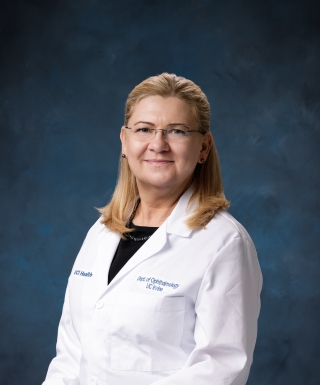
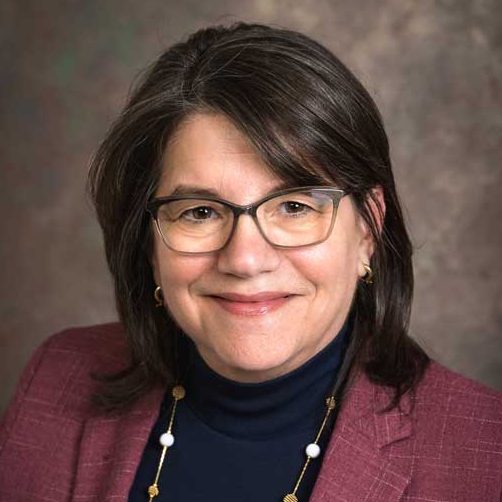
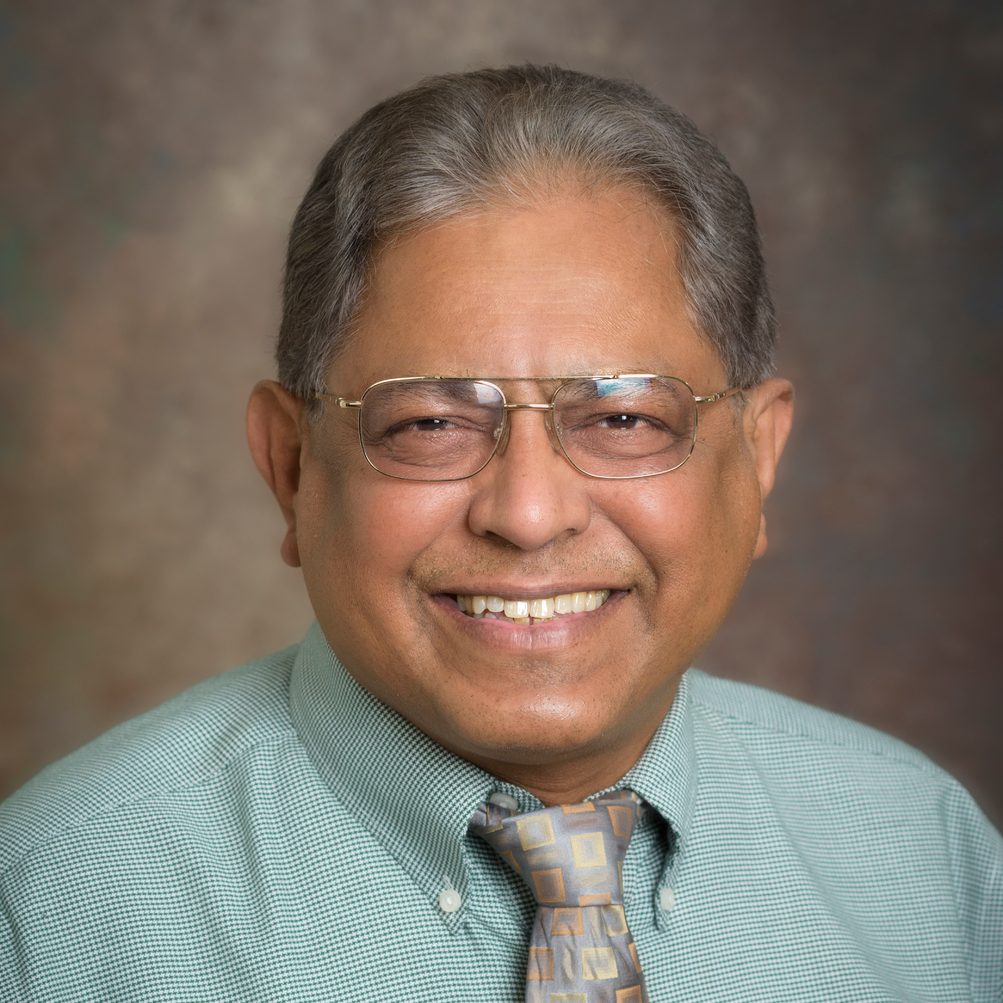
Mike Cheetham is a Professor of Molecular and Cell Biology at the UCL Institute of Ophthalmology, specializing in neurodegenerative disease mechanisms and therapies for inherited retinal dystrophies. His lab pioneered 3D retinal organoid models and developed an antisense therapy for LCA10 now in clinical trials. Education: PhD (University of London, 1991), BSc (University of Wales, Swansea, 1983) Research focuses on proteostasis in the nervous system, using stem cell and animal models to dissect molecular pathways in retinal dystrophies. Recent work includes gene editing for rhodopsin mutations and small molecule interventions for ciliary defects. Publications highlight advancements in CRISPRa-mediated therapies , ABCA4 variant rescue , and light-induced toxicity prevention , aligning with his expertise in molecular biology and ophthalmology. Collaborations: Extensive partnerships in gene therapy, retinal modeling, and neurodegeneration studies
Rando L. Allikmets is the William and Donna Acquavella Professor of Ophthalmic Sciences at Columbia University's College of Physicians and Surgeons. His research in Ophthalmology and Pathology and Cell Biology focuses on genetic basis of retinal diseases, particularly Stargardt disease and age-related macular degeneration (AMD). He leads a translational program encompassing gene discovery, molecular diagnostics, and therapeutic development. Academic Appointments William and Donna Acquavella Professor of Ophthalmic Sciences Department of Ophthalmology Department of Pathology and Cell Biology Research Focus Genetic variation in eye diseases ABCA4 gene and retinal dystrophies Complement pathway genetics in AMD Gene therapy for inherited retinal disorders Significant Contributions Discovery of ABCR/ABCA4's role in retinal diseases Development of gene chips for retinal mutation screening Identification of AMD susceptibility loci (CFH, CFB, C2) His work has produced over 150 publications, including seminal studies on ABCA4 mutations , AMD genetics , and retinal imaging biomarkers . He has received prestigious awards like the Foundation Fighting Blindness Visionary Award and Alcon Research Institute Award. Key therapeutic approaches include lentiviral gene therapy for Stargardt disease and small molecule modulation of the visual cycle. His laboratory maintains active collaborations with institutions across Europe and North America.
Robert Molday is a distinguished Professor in the Department of Biochemistry and Molecular Biology at the University of British Columbia's Faculty of Medicine. He also holds the position of Professor of Ophthalmology and Visual Sciences, serves as Director of the Centre for Macular Research, and is a Senior Member of the UBC Brain Research Centre. Additionally, he is a Member of the Neuroscience Graduate Program. Dr. Molday was the Canada Research Chair in Vision & Macular Degeneration from 2000 to 2021 and is a Fellow of the Royal Society of Canada. Dr. Molday received his BSc (Honours Chemistry) from the University of Pennsylvania in 1965, followed by an MSc in Chemistry from Georgetown University in 1967. He completed his PhD in Biochemistry at the University of Pennsylvania in 1971 and conducted postdoctoral research at the California Institute of Technology in 1975. Dr. Molday's research is directed toward determining the molecular structure and function of membrane proteins and elucidating their role in cell physiology and disease. His laboratory primarily focuses on vertebrate retinal photoreceptor proteins and their roles in: phototransduction and other signaling pathways; rod and cone photoreceptor cell structure and morphogenesis; lipid transport across membranes; protein and vesicle trafficking; and inherited retinal degenerative diseases which are a significant cause of blindness worldwide. His work has significant implications for understanding and treating conditions such as Stargardt macular degeneration, retinitis pigmentosa, and Leber Congenital Amaurosis. Analysis of Dr. Molday's recent publications reveals a strong focus on ABCA4 protein and its role in Stargardt disease, with numerous studies examining the structure, function, and disease-associated variants of this critical transporter. His work increasingly incorporates advanced structural biology techniques like cryo-EM to understand molecular mechanisms. There's also a growing emphasis on therapeutic approaches, including gene therapy and drug discovery for inherited retinal degenerative diseases. His research spans from fundamental molecular mechanisms to translational applications, demonstrating a comprehensive approach to understanding and treating retinal diseases. Canada Research Chair in Vision & Macular Degeneration (2000-2021) Fellow, Royal Society of Canada Dr. Molday leads an active research laboratory focused on retinal diseases and membrane proteins. His lab employs a wide range of techniques including generation and characterization of monoclonal antibodies, cDNA cloning and sequencing, heterologous protein expression, immunoaffinity purification, and cryo-electron microscopy. His research has been supported by numerous grants focused on understanding the molecular basis of retinal degenerative diseases and developing potential therapeutic interventions. Dr. Molday collaborates extensively with researchers in ophthalmology, neuroscience, and biochemistry to advance understanding of retinal function and disease. Dr. Molday directs the Centre for Macular Research at UBC and oversees a multidisciplinary team of researchers investigating the molecular mechanisms underlying macular degeneration and other retinal diseases. His laboratory is equipped with state-of-the-art facilities for biochemical, biophysical, and cell biological analyses of membrane proteins, particularly those involved in retinal function. The lab maintains specialized animal models, including knockout and transgenic mice, to study disease mechanisms and test potential therapeutic approaches for retinal degenerative conditions.
Dr. Dorota Skowronska-Krawczyk is an Associate Professor at the University of California, Irvine (UCI) School of Medicine, with joint appointments in the Departments of Physiology & Biophysics and Ophthalmology & Visual Sciences. Her research focuses on mechanisms of retinal ganglion cell (RGC) survival in glaucoma and age-related neurodegenerative diseases. Key Research Areas: Cellular senescence in optic neuropathies Lipid metabolism in retinal aging Senolytic drug interventions Epigenetic regulation of ocular diseases Publication Trends (2025): Recent work examines ELOVL2-mediated fatty acid metabolism in retinal degeneration, axonal transport defects in glaucoma models, and senolytic therapies for neuroprotection. She also explores enhancer element biology and lipid homeostasis in aging-related vision decline. Grants: Supported by NIH grants P30 EY022589 (core support), R01 EY027011 (RGC neuroprotection), and S10 OD026929 (microscopy infrastructure).
Dean Bok is a Professor in the Departments of Neurobiology and Ophthalmology at UCLA's David Geffen School of Medicine and the Jules Stein Eye Institute. His research focuses on retinal cell and molecular biology with emphasis on retinoid metabolism and photoreceptor-RPE interactions. His work investigates retinoid uptake and processing mechanisms in the retinal pigment epithelium (RPE), molecular pathways of retinal degeneration including retinitis pigmentosa and macular degeneration, and photoreceptor-RPE interactions in health and disease. Dr. Bok employs advanced techniques such as electron microscopy, laser confocal imaging, autoradiography, and transgenic mouse models to study these processes. Analysis of Dr. Bok's recent publications reveals consistent focus on retinal disease mechanisms and therapeutic interventions , with particular emphasis on vitamin A metabolism, lipofuscin accumulation, and neuroprotective strategies. His work bridges basic molecular research with translational applications for inherited and age-related retinal disorders. Dr. Bok's laboratory (B-182) at the Jules Stein Eye Institute has made seminal contributions including the discovery of photoreceptor outer segment disc shedding and RPE phagocytosis, identification of retinoid transport receptors , and development of transgenic mouse models for human retinal diseases.
Dr. Gabriel H. Travis is a Professor in the Department of Ophthalmology and Biological Chemistry at the David Geffen School of Medicine, UCLA. He holds the Charles Kenneth Feldman Chair in Ophthalmology. His research focuses on mechanisms of visual cycle regulation, retinal degeneration, and Müller cell function. Dr. Travis has led multiple NIH-funded projects, including studies on light-driven chromophore synthesis and Müller cells' role in visual pigment regeneration. His research interests include biochemical and genetic analysis of the visual cycle, mechanisms of cone and rod photoreceptor regeneration, and retinal diseases such as Stargardt macular degeneration. He has published extensively on topics like retinoid metabolism, RPE65 isomerase activity, and the role of ABCA4 in retinal dystrophies. Dr. Travis has been principal investigator on grants such as NIH R01EY024379, R01EY015844, and others spanning decades. His work has been recognized through his endowed chair and numerous co-authored studies. Collaborations with researchers like Radu RA and Sampath AP highlight his interdisciplinary impact. Key contributions include identifying RDH12's role in cone pigments and uncovering Rab28's regulation of visual cycle timing. His research bridges basic science and clinical applications, aiming to combat retinal degenerative diseases.
Esther Biswas-Fiss is a Professor and Chair in the Department of Medical & Molecular Sciences at the University of Delaware's College of Health Sciences. Her research focuses on genetic variations and their impact on protein function, particularly in inherited retinal diseases and viral oncogenesis. She holds a Ph.D. in Molecular Bioscience from Rutgers University, an M.S. in Biochemistry from the University of Maryland, and a B.S. in Chemistry from the University of Washington. Her laboratory investigates the molecular genetics of inherited macular degeneration, aiming to correlate genetic mutations with disease phenotypes. She also explores the role of genetic variation in HPV-mediated oncogenesis. Key projects include studying ABCA4 protein structure-function relationships and viral DNA replication mechanisms. Recent publications highlight advancements in ABCA4 variant analysis, tick-borne pathogen surveillance, and HPV replication mechanisms. She has pioneered methods like virus-like particles for assessing genetic variant pathogenicity and employs computational tools for in silico modeling of protein interactions. Her work bridges basic molecular research with clinical applications in retinal disease and infectious oncology. Dr. Biswas-Fiss leads the Medical & Molecular Sciences department, overseeing undergraduate and graduate programs in applied molecular biology, medical diagnostics, and biotechnology. Her interdisciplinary approach fosters innovation in both education and translational research.
Sam Biswas is a Professor in the Department of Medical & Molecular Sciences at the University of Delaware's College of Health Sciences. He holds a Ph.D. from the University of Washington (1981) and completed postdoctoral research at Stanford University. His research focuses on molecular mechanisms of HPV-induced oncogenesis, bacterial DNA replication in pathogens like E. coli and Bacillus anthracis, and ABC transporter-related inherited diseases (ABCA4/ABCA7). He collaborates with Dr. Esther Biswas-Fiss on pathogenesis studies. Teaching responsibilities include courses such as Basic Molecular Techniques Laboratory, Clinical & Physiological Chemistry II, and Medical Biochemistry. His lab investigates viral oncogenesis pathways and bacterial replication dynamics, contributing to novel therapeutic development. No awards are explicitly listed, but his work spans interdisciplinary collaborations in virology, microbiology, and genetic disease research. Laboratory activities emphasize molecular and cellular techniques, with a focus on translational research. No specific grants or student advisees are detailed in the provided information.
Krzysztof Palczewski is a Donald Bren Professor and Distinguished Professor at the University of California, Irvine (UCI), School of Medicine, with joint appointments in Pharmacology, Ophthalmology, and Chemical Biology. His research focuses on the molecular mechanisms of vision, retinal diseases, and structural biology of G protein-coupled receptors (GPCRs). Education: Ph.D., Biochemistry, Technical University of Wrocław, Poland (1986) M.S., Chemistry, University of Wrocław, Poland Research Interests: His laboratory investigates photoreceptor function, visual signaling pathways, and retinal disease mechanisms. Key areas include: Genome editing for inherited retinal disorders Structure-function relationships of rhodopsin and GPCRs Chromophore recycling (visual cycle) Development of small molecule therapies for age-related macular degeneration Grants & Awards: NIH R01 grants (EY030873, EY09339, EY030912) Member of National Academy of Sciences (2022) and National Academy of Medicine (2019) Paul Kayser International Award for Retina Research (2018) Professional Roles: Director of the UCI Center for Translational Vision Research. Previously held leadership roles at Case Western Reserve University (Chair of Pharmacology) and the University of Washington (Professorships in Ophthalmology and Pharmacology). Labs & Collaborations: Leads a multidisciplinary team integrating structural biology, genetics, and pharmacology. Collaborates with the Infrared Neuroimaging (INP) and Chemical Biology programs at UCI.
GONG Xin is an Associate Professor at the Department of Chemical Biology, School of Life Sciences, Southern University of Science and Technology (SUSTech), Shenzhen, China. His research focuses on structural biology, biochemical, and biophysical approaches to understand lipid metabolism regulatory proteins and their roles in disease mechanisms. Ph.D. in Biology (2015), Tsinghua University B.Eng. in Bioinformatics (2010), Huazhong University of Science and Technology Postdoctoral training at Princeton University (2017-2018) and Tsinghua University (2015-2017) His work investigates the molecular architecture and functional dynamics of membrane proteins involved in lipid metabolism, including Hedgehog signaling, ceramide synthesis, and cholesterol trafficking. Techniques include cryo-electron microscopy, X-ray crystallography, and biochemical assays. Recent publications highlight structural mechanisms of fungal drug resistance (2025), sphingolipid homeostasis regulation (2024), and insights into human lipid transporters like ABCA4 and ABCA3 (2021-2022). His studies often combine structural analysis with functional studies to reveal disease-related pathways. 2019 Outstanding Young Investigator Award, Guangdong Province 2019 National Leading Talent of Shenzhen 2019 Peacock Talent Plan (Level B), Shenzhen Dr. Gong teaches advanced courses in Protein Engineering, Bioseparations, and Frontiers in Bioseparations. His lab at SUSTech leverages state-of-the-art cryo-EM facilities, including six 300kV Titan Krios microscopes, for high-resolution structural studies.