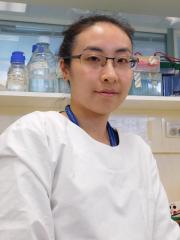
Dr Uda Ho is a Research Fellow at the School of Biomedical Sciences , The University of Queensland , with expertise spanning centrosome biology, DNA damage response, and inflammation. Her work intersects cancer development, cardiotoxicity, and developmental genetics. Bachelor of Science (The University of Queensland) Bachelor (Honours) (The University of Queensland) Doctor of Philosophy (The University of Queensland) Research interests include: Centrosome dynamics in cell differentiation Role of WDR62 in neurogenesis and cilia formation SMG1 in genomic stability and tumor suppression RNA metabolism in inflammatory regulation Cardiotoxicity mechanisms in cancer therapy Recent publications highlight work in: Trastuzumab-induced cardiotoxicity Centrosome reduction in cardiomyocytes WDR62's role in spermatogenesis and hippocampus development Microcephaly protein interactions DNA damage in hematopoietic cancers Grants and funding: Maternity Funding (2017-2018) from Advance Queensland Women's Academic Fund
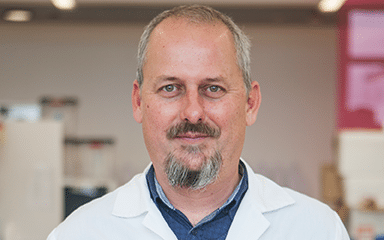
Professor Alistair Forrest is a Professor at the University of Western Australia based at the Harry Perkins Institute of Medical Research, serving as Associate Director Scientific and Co-Chair of the Research Leadership Team for the Genome Biology and Genetics Program and Cancer Program. His educational background includes a BSc(Hons) in Biotechnology from Murdoch University (1993), a Masters in Information Technology from Queensland University of Technology, and a PhD in Bioinformatics from the University of Queensland. Professor Forrest's research bridges genomics, bioinformatics, and clinical oncology, with expertise in next-generation sequencing (RNA-seq, CAGE, ChIP-seq) to investigate mammalian transcriptional networks, non-coding RNA biology, and cancer biomarker discovery. His work focuses on translating basic genomic findings into clinical applications for identifying novel drug targets and diagnostic markers in cancers including mesothelioma and hepatocellular carcinoma. Analysis of his recent publications (2023-2025) reveals a dominant focus on cancer immunotherapy mechanisms, tumor microenvironment dynamics, and spatial transcriptomics. Key themes include immune checkpoint therapy response biomarkers, clonal lymphocyte expansion, macrophage-mediated tumor progression, and molecular pathways underlying drug resistance in solid tumors. He has received significant recognition including: CJ Martin Fellowship Cancer Research Trust Senior Cancer Research Fellowship Professor Forrest leads genomic research initiatives at the Perkins Institute, leveraging his experience from coordinating the international FANTOM5 consortium (250+ scientists across 20 countries) to advance cancer systems biology. His current work integrates multi-omics approaches with clinical collaborations to develop novel therapeutic strategies.
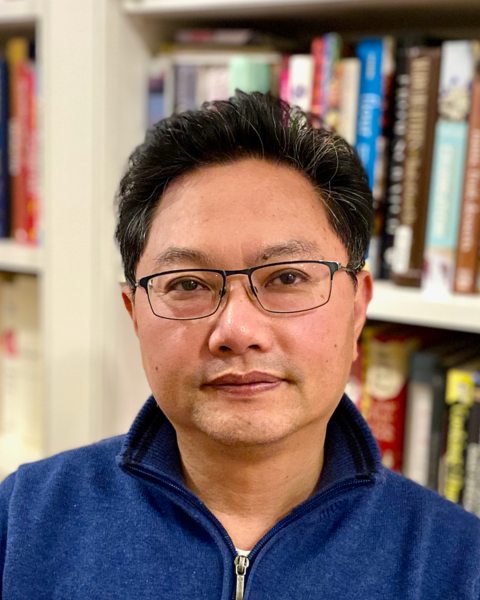
Zheng-Yi Chen is an Associate Professor of Otolaryngology Head and Neck Surgery at Harvard Medical School, affiliated with the Eaton-Peabody Laboratories at Massachusetts Eye and Ear Infirmary in Boston. His research focuses on developing therapies for hearing loss, including genetic, noise-induced, and age-related forms. Key areas include gene therapy, hair cell regeneration, and clinical translation of auditory neuroscience discoveries. Laboratory Website: Eaton-Peabody Laboratories Email: zheng-yi_chen@meei.harvard.edu Research Highlights Conducted the first successful clinical trial of OTOF gene therapy, restoring hearing in children with DFNB9 deafness. Developed gene editing treatments for genetic deafness in preclinical studies. Discovered FDA-approved drugs for noise-induced hearing loss protection. Investigated molecules promoting spiral ganglion neurofiber outgrowth for synaptopathy treatment. Created human inner ear organoids for disease modeling and drug screening. Technological Innovations Adult cochlea explant culture Innovative inner ear delivery systems
David Paul Corey serves as the Bertarelli Professor of Translational Medical Science at Harvard Medical School's Department of Neurobiology. His research focuses on mechanotransduction in vertebrate hair cells, particularly the structural and functional analysis of tip-link proteins (CDH23, PCDH15) and transduction channels (TMC1/2). The Corey Laboratory develops gene therapies for Usher syndrome and hereditary deafness using advanced techniques including X-ray crystallography Single-molecule force spectroscopy Adeno-associated viral vectors Cryo-electron microscopy Current translational work targets Usher syndrome type 1F through dual-AAV delivery systems and base editing approaches. The lab employs multidisciplinary methods combining biophysics , molecular genetics , and nanomechanical modeling to understand and treat sensory deficits. Recent publications highlight breakthroughs in Mini-PCDH15 protein design Primate gene therapy safety Transduction channel pore characterization Therapeutic force spectroscopy with ongoing clinical translation efforts. Scientific distinctions include: Bertarelli Foundation Professorship NIH grant collaborations Leadership in mechanotransduction
Yasmine El-Shamayleh is an Assistant Professor of Neuroscience at the Mortimer B. Zuckerman Mind Brain Behavior Institute , Columbia University. She holds a PhD in Neural Science from New York University and completed postdoctoral fellowships at the University of Washington. Education : BA in Biological Basis of Behavior (University of Pennsylvania), PhD in Neural Science (New York University), Postdoctoral Fellowships (University of Washington). Her research focuses on how neurons in the primate visual cortex encode object identity through shape processing, using optogenetics to dissect cortical circuits. Key areas include Cognitive Neuroscience , Systems Neuroscience , and Optogenetics . Recent work highlights transient neural inactivation effects in macaque cortex and immune responses to AAV-based optogenetic tools. Publications span 2010–2022 , emphasizing primate visual circuits, contour curvature coding, and dynamic occlusion representation. Trends include Neural Circuitry , Visual Perception , and Primate Research , with subtopics like Optogenetics , Decision-Making , and Sensory Integration .
Anna Dimberg is Professor at Uppsala University's Department of Immunology, Genetics and Pathology, where she leads the Vascular Biology research program. Her laboratory investigates tumor vascular abnormalities in cancers, with particular emphasis on glioblastoma. The research examines how altered vessel phenotypes influence tumor microenvironments and therapy responses, focusing on endothelial cell biology and vascular-immune interactions. Her research integrates multiple approaches: Molecular characterization of tumor endothelial cells using single-cell RNA sequencing Development of vascular normalization strategies to improve immunotherapy Investigation of endothelial-immune cell crosstalk in tumor progression AAV-based gene therapies to remodel tumor vasculature Patient-derived iPSC models of vascular disorders Publication analysis reveals consistent focus on vascular biology mechanisms in cancer contexts. Recent work emphasizes: vascular checkpoint targets (CD93, ELTD1), immunotherapy combination strategies, endothelial barrier regulation, and single-cell characterization of tumor vasculature. The research has progressively incorporated spatial transcriptomics and advanced immune profiling techniques since 2020. The laboratory maintains active collaborations as evidenced by multi-institutional publications and investigates both fundamental vascular biology mechanisms and translational applications for cancer therapy.
Gustavo D. Aguirre serves as Professor of Medical Genetics and Ophthalmology within the Department of Clinical Sciences and Advanced Medicine at the University of Pennsylvania School of Veterinary Medicine. His research program focuses on identifying genetic causes of inherited blindness and developing therapeutic interventions using naturally occurring canine models of human retinal diseases. His academic training includes: VMD, University of Pennsylvania, 1968 PhD, University of Pennsylvania, 1975 Residency in Ophthalmology, Wilmer Ophthalmological Institute, Johns Hopkins University, 1969-1971 Postdoctoral Fellow Research Dr. Aguirre's research centers on the molecular dissection of inherited retinal degenerations , with emphasis on: RPGR mutations in X-linked retinitis pigmentosa and associated gene therapy development Rhodopsin mutation mechanisms and light-induced photoreceptor damage pathways Bestrophin mutations causing multifocal retinopathy analogous to human Best disease His recent publications (2006-2009) demonstrate consistent innovation in canine translational models , spanning molecular genetics, AAV vector design for retinal gene delivery, and mechanistic studies of photoreceptor cell death. Key themes include establishing novel animal models for human diseases, developing surgical techniques for light-sensitive retinas, and evaluating neurotrophic factors for retinal preservation. No information regarding student advising or research grants was documented in the source material. Dr. Aguirre directs the Division of Experimental Retinal Therapies and the Sylvia M. Van Sloun Laboratory, where his team advances therapeutic strategies for inherited retinal degenerations through genetic, cellular, and surgical approaches.
Margret L. Casal, DVM, PhD, DECAR, is a Full Professor of Medical Genetics, Reproduction, and Pediatrics at the University of Pennsylvania's School of Veterinary Medicine. She earned her DVM from the University of Zürich (1984), an MS from the University of Bern (1988), and a PhD from the University of Pennsylvania (1999). Her clinical training includes residencies in pathology and medical genetics at the University of Zürich and Penn Vet. Dr. Casal's research focuses on genetic disorders in companion animals, with emphasis on: Lysosomal storage diseases (MPS I, VII) and their therapeutic interventions Canine genetic dermatopathies (ectodermal dysplasia, ichthyosis, lupus) Neonatal gene therapy and recombinant protein treatments Breed-specific inherited disorders Her work bridges veterinary and human medicine, developing translational models for rare genetic diseases. Her recent publications (2021-2025) predominantly explore: Gene therapy efficacy in feline/canine lysosomal disorders Biomechanical and proteomic analysis of skeletal manifestations Novel biomarkers for neurodegenerative conditions Genetic basis of dermatologic and ophthalmic syndromes Dr. Casal directs PennGen Laboratories and collaborates extensively on NIH-funded projects investigating therapeutic interventions for genetic diseases. She maintains active clinical services in genetics and pediatrics at the Ryan Veterinary Hospital.
Dr. Hande Ozdinler is an Associate Professor in the Ken & Ruth Davee Department of Neurology at Northwestern University's Feinberg School of Medicine, where she directs the Ozdinler Lab focused on upper motor neuron biology and pathology. Her research is supported by multiple institutional affiliations including the Chemistry of Life Processes Institute, Les Turner ALS Center, Mesulam Center for Cognitive Neurology and Alzheimer's Disease, and the Northwestern University Institute of Neuroscience. Dr. Ozdinler earned her PhD from Louisiana State University Health Sciences Center in 2002. Her research career has been dedicated to understanding selective neuronal vulnerability, particularly in corticospinal motor neurons affected in diseases like ALS, primary lateral sclerosis, and hereditary spastic paraplegia. Her laboratory investigates multiple aspects of upper motor neuron health and disease, with major research thrusts in biomarker discovery, drug development (particularly the compound NU-9), high-throughput drug screening platforms, electrophysiological characterization of diseased neurons, and gene therapy approaches. Her work has revealed that NU-9 improves neuronal health by addressing protein aggregation, mitochondrial instability, and endoplasmic reticulum integrity issues across multiple neurodegenerative conditions. Analysis of Dr. Ozdinler's recent publications shows a strong focus on protein interactome analyses (particularly TDP-43 and spastin), mitochondrial dysfunction in ALS, high-resolution neuronal network analysis using microelectrode arrays, and the development of targeted therapeutic approaches for upper motor neuron diseases. Her research increasingly integrates multi-omics approaches to identify biomarkers and therapeutic targets. CLP Cornew Innovation Award, CLP at Northwestern (2022) INVO N.XT Award for Drug Discovery, Northwestern University (2017) One of 10 Most Innovative Research of 2015, International Innovation (2016) Top 30 Most Influential Turkish American Women in USA, Turk of America (2016) Dr. Ozdinler has mentored numerous students and postdoctoral fellows who have gone on to successful careers in academia, industry, and medicine. Her laboratory has received significant grant support, including a $3.1 million grant from the National Institute on Aging for ALS drug discovery research. She serves on editorial boards for Somatosensory and Motor Research and Clinical and Translational Neuroscience, and chairs AKAVA Therapeutics' scientific advisory board. The Ozdinler Lab maintains active collaborations with multiple research centers and has developed innovative approaches to studying upper motor neuron diseases, including high-density microelectrode array systems and novel gene delivery methods.
Juan Antonio Hernández Bort serves as a Senior Research Fellow at the Department of Analytical Chemistry within the Faculty of Chemistry at the University of Vienna, where he contributes to the Biochemical Network Analysis Team's research in molecular and cellular systems. His primary research focuses on: Gene Therapy: Development of viral vector-based delivery systems for therapeutic applications Adeno-Associated Virus: Engineering and optimization of AAV vectors for gene delivery Cell Biology: Investigation of fundamental cellular mechanisms and processes Molecular Biology: Analysis of molecular interactions and genetic regulation pathways Mammalian Cells: Utilization of mammalian cell models for experimental research Within the Biochemical Network Analysis Team, Dr. Hernández Bort collaborates with researchers including Jürgen Zanghellini and Elena Afanaseva on biochemical network modeling. His senior research position indicates active leadership in ongoing projects, though specific details about academic advising and grant funding are not disclosed in available materials.
Dr. András Komáromy is an Associate Professor in the Department of Small Animal Clinical Sciences at Michigan State University's College of Veterinary Medicine. He also holds adjunct associate professor positions at the University of Pennsylvania and University of Florida. Specializing in comparative ophthalmology, his research focuses on inherited retinal diseases and glaucoma, with particular emphasis on gene therapy development for vision restoration. Dr. Komáromy earned his Doctor of Veterinary Medicine from the University of Zurich (1996) and PhD in Comparative Ophthalmology from the University of Florida (2002). He completed postdoctoral training at the University of Pennsylvania and is board-certified by both the American and European Colleges of Veterinary Ophthalmologists. His research program combines inherited retinal disease studies , gene therapy development , and translational glaucoma research , working with canine models that mirror human ocular pathologies. Current projects include ADAMTS10 mutation analysis , retinoid receptor agonist testing , and AAV vector engineering for improved ocular gene delivery. Scientific Recognition : ARVO Gold Fellow (2025) Shaffer Prize (2015) Fulbright Scholar for Glaucoma Research Recent grant funding includes: NIH-supported glaucoma gene therapy development Macquarie University NHMRC collaboration on 'Modified Serpin Therapeutics' Foundation Fighting Blindness grants for Stargardt disease modeling AbbVie pharmaceutical research partnerships The Komáromy Laboratory team includes research assistants and collaborators from Temple University , University of Florida , and Cornell University . Their work has established ground-breaking gene therapy treatments for achromatopsia that are now being adapted for human clinical trials.
Linda Watkins is a distinguished Professor in the Department of Psychology and Neuroscience at the University of Colorado Boulder. With an extensive publication record spanning neuroimmunology and pain research, she has established herself as a leading authority on the interactions between the immune and nervous systems in chronic pain conditions. Her research primarily focuses on neuroimmune signaling mechanisms in pain pathways, with particular emphasis on microglial activation, cytokine networks, and toll-like receptor signaling. Professor Watkins' work has demonstrated how immune mediators contribute to the transition from acute to chronic pain and how opioids can paradoxically amplify pain through neuroimmune mechanisms. Her laboratory investigates both fundamental mechanisms of pain and potential therapeutic interventions targeting neuroimmune pathways. Analysis of her recent publications reveals a consistent focus on translational pain research , with studies examining novel pain assessment methods (like the Two-Arm Rodent Somatosensory task), gene therapy approaches for pain treatment (particularly interleukin-10), and the impact of lifestyle factors like exercise on neuropathic pain development. Her work frequently incorporates sex differences in pain responses and examines how aging affects neuroinflammatory processes. Professor Watkins' research program has been highly productive, with over 600 publications and nearly 70,000 citations reflecting the significant impact of her work on the field of pain research. Her contributions have helped establish neuroimmunology as a critical framework for understanding chronic pain conditions. Her laboratory actively investigates multiple therapeutic approaches for neuropathic pain, including gene therapy, exercise interventions, and novel pharmacological targets such as TLR4 antagonists. This multi-pronged approach reflects her commitment to finding effective treatments for pain conditions that remain poorly managed by current therapies. Professor Watkins' work on the neuroimmune basis of pain has opened new avenues for understanding how the body's immune system contributes to chronic pain states and how these mechanisms might be targeted for therapeutic intervention, potentially leading to more effective pain treatments with fewer side effects than current opioid-based approaches.
Dr. Seung Min Shin is an Assistant Professor in the Department of Anesthesiology at the Medical College of Wisconsin, where he also serves as a member of the Cardiovascular Research Center. With a PhD from the School of Medicine Catholic University in Seoul, South Korea, Dr. Shin has dedicated nearly two decades to pain research at MCW, progressing from postdoctoral fellow to his current faculty position. BS, Kunsan National University, South Korea (1993-1997) MS, Sungkyunkwan University, South Korea (1997-1999) PhD, School of Medicine Catholic University, Seoul (2000-2006) Dr. Shin's research focuses on the molecular mechanisms of neuropathic pain, with particular expertise in ion channel physiology (Piezo channels, T-type calcium channels) and sensory neuron biology. His work bridges basic science with translational applications, developing novel gene therapy approaches for chronic pain management. Recent publications highlight his investigations into Schwann cell Piezo1 signaling in mechanical hypersensitivity, keratinocyte involvement in chemotherapy-induced neuropathy, and AAV-mediated targeted inhibition of pronociceptive channels. Analysis of Dr. Shin's 15 most recent publications reveals a strong emphasis on translational pain research, with approximately 60% focusing on novel therapeutic approaches for pain management and 40% examining fundamental mechanisms of pain pathways. His work demonstrates increasing collaboration with vascular biology researchers, particularly in studying cerebral blood flow in neurodegenerative conditions. Co-Investigator on multiple NIH-funded grants related to pain mechanisms and therapy development Co-holder of patent for sodium channel 1.7 inhibitory peptide for chronic pain treatment Active member of American Society for Neuroscience and Korean Society for Molecular and Cellular Biology Dr. Shin's laboratory maintains active collaborations with the Cardiovascular Research Center and multiple departments at MCW. His research program receives substantial support from NIH-NINDS and private foundations, enabling advanced studies in pain mechanisms and therapeutic development. Current projects focus on sensory neuron-specific gene therapy approaches, Schwann cell-pain interactions, and vascular contributions to cognitive impairment in dementia.
Hajime Hirase is a Professor at the Center for Translational Neuromedicine within the Faculty of Health and Medical Sciences at the University of Copenhagen. His research focuses on astrocytic signaling and its impact on neural circuit dynamics and behavioral performance. His educational background is not explicitly stated in the provided text, but he leads the Hirase Lab: Division of Neuron-Glia Circuitry, which develops advanced tools for neuroscience research. Dr. Hirase's research interests span multiple areas of neuroscience with a particular emphasis on astrocyte function. His work explores how astrocytes influence neural circuits, cerebral blood flow, and behavioral outcomes. He has made significant contributions to understanding the glymphatic system, neuron-glia interactions, and the role of astrocytes in sleep physiology and emotional regulation. His laboratory has developed numerous genetic tools including fluorescent blood AAVs (pAAV-P3-Alb-mNG, pAAV-P3-Alb-mScarlet) and astrocyte markers/biosensors that are available through Addgene and viral vector cores worldwide. Analysis of his recent publications reveals a strong focus on the intersection of astrocyte biology, neural circuit dynamics, and neurovascular coupling. His work consistently demonstrates how astrocytic signaling mechanisms influence broader brain functions including sleep-wake cycles, anxiety regulation, and seizure control. The research employs cutting-edge imaging techniques and genetic tools to investigate these complex systems. Dr. Hirase maintains active collaborations with prominent researchers including Maiken Nedergaard, as evidenced by multiple co-authored publications in high-impact journals such as Cell, PNAS, and Cell Metabolism. His work has received significant attention in the scientific community with several papers accumulating substantial citations and media coverage. His laboratory has developed important research resources including fluorescent blood AAVs, CRISPR AAVs, and astrocyte biosensors that are widely shared with the neuroscience community through Addgene and viral vector facilities. These tools have enabled researchers worldwide to study neurovascular and astrocyte functions with greater precision.
Dr. Giulia Risca is a researcher in the Department of Medicine and Surgery at the University of Milano-Bicocca, School of Medicine and Surgery. She recently completed her doctoral thesis on Bayesian methods for basket trials in rare diseases under the supervision of Professor Stefania Galimberti. Her research spans multiple domains including clinical trial methodology, hematology/oncology, and proteomics. Dr. Risca's research interests focus on developing innovative clinical trial designs for rare diseases, with particular expertise in Bayesian statistics and basket trial methodology. Her work addresses critical challenges in rare disease research where limited patient populations make traditional trial designs impractical. She has made significant contributions to understanding how information can be borrowed across sub-trials while maintaining appropriate statistical properties. Additionally, she conducts important translational research in CAR-T cell therapy for leukemia and develops diagnostic algorithms for iron metabolism disorders. Analysis of Dr. Risca's publication record reveals a strong focus on methodological innovation in clinical trials combined with impactful clinical applications. Her work demonstrates expertise in bridging statistical theory with practical clinical research needs, particularly in areas with limited patient populations. The publications span multiple disciplines but maintain a cohesive thread of methodological rigor applied to challenging clinical problems. Dr. Risca actively collaborates with clinical researchers across multiple medical specialties, contributing her statistical expertise to studies in hematology, oncology, nephrology, and ophthalmology. Her work on CARCIK-CD19 cell therapy, rare disease trial design, and diagnostic algorithms for iron overload represents significant contributions to their respective fields. She participates in multicenter studies across European institutions, demonstrating her integration into the broader research community. Dr. Risca leads research activities in biostatistics and clinical trial methodology, supervising analytical components of multiple clinical studies. Her work often involves developing and implementing sophisticated statistical approaches to address complex research questions where traditional methods are inadequate, particularly in the context of rare diseases with small sample sizes.