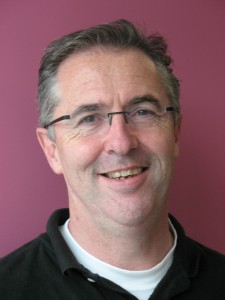
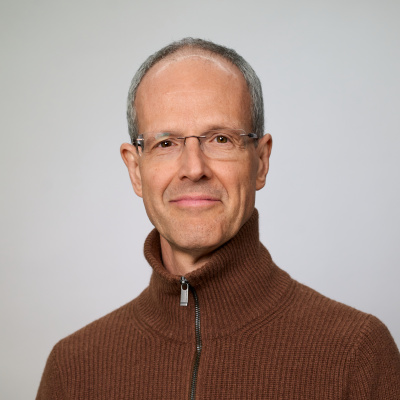
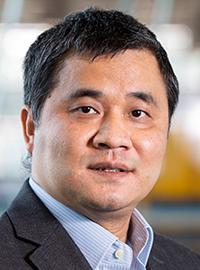
Michael Hahn is a researcher at the Institute of Osteology and Biomechanics within the University Medical Center Hamburg-Eppendorf. His work focuses on orthopedic surgery, biomechanics, and medical engineering, particularly in skeletal regeneration and implant stability. Research Interests : Orthopedic biomechanics, bone regeneration, trauma surgery, implantology, and medical technology. Publication Trends highlight interdisciplinary research at the intersection of orthopedics, dentistry, and radiation physics. His work includes studies on allograft integration, pedicle screw stability, transverse tarsal arch mechanics, and radiation effects on bone integrity. Collaborative projects often involve multiscale characterization of biomaterials and clinical translation of implant designs. Infrastructure Affiliation : Linked to UKE's Core Facilities , including research animal husbandry and specialized laboratories. Part of the Neuro-Immune Network Hamburg alliance.
Marco Pizzolato is an Associate Professor in the Department of Applied Mathematics and Computer Science at the Technical University of Denmark (DTU), specializing in Visual Computing with a focus on Magnetic Resonance Imaging (MRI), particularly diffusion MRI and biophysical modeling. He is also affiliated with the inter-departmental Microstructure & Plasticity (MAP) research group and has held visiting positions at the University of Verona, EPFL, and DRCMR. His educational background includes a PhD in Signal and Image Processing from INRIA Sophia Antipolis, a Master’s in Bioengineering from the University of Padua, and a Bachelor’s in Biomedical Engineering from the same institution. He previously served as an Assistant Professor at DTU and was a postdoctoral researcher under the Marie Curie COFUND Eurotech programme. Dr. Pizzolato's research centers on image and signal denoising, inverse problems, optimization, diffusion MRI, tractography, and Monte Carlo simulations. He actively contributes to the development of microstructural models for brain imaging, with applications in neurodegenerative diseases and brain connectivity. His work aligns with UN Sustainable Development Goals, particularly in advancing education and health through imaging technology. The recent publications reflect a strong trend in advancing diffusion MRI techniques, including ACID imaging, microscopic propagator modeling, myelin integrity mapping, and multi-scale white matter organization. These works emphasize biophysical accuracy, model validation, and integration across imaging modalities and species. Magna Cum Laude , ISMRM 2020 Magna Cum Laude , ISMRM 2022 First Place , Macaque Validation Challenge at ISBI 2018 First Place (Overall and HCP) , IronTrack Challenge 2019 (MICCAI) MICCAI Student Travel Award 2015 He has supervised PhD students such as Thøgersen, T. L. and Corral Bolaños, M. in projects related to microstructure MR imaging and myelin mapping. He has also been involved in significant grants and collaborative projects, including the Multimodal Microstructure-Informed Connectivity (MMINCARAV) initiative between Inria and EPFL, and the Sinergia consortium for Brain Communication Pathways . He co-organized multiple international events, including the MICCAI CDMRI workshops and challenges (2019–2021), and the ESMRMB Leaps in Microstructure Imaging workshop (2024). Dr. Pizzolato is an active member of the scientific community, serving as an editor for MICCAI workshop proceedings, a reviewer for major journals and conferences, and an invited speaker at ISMRM 2025. He leads and participates in several ongoing research projects at DTU focused on quantitative imaging, myelin mapping, and MRI-based connectivity, demonstrating sustained research leadership and external funding success.
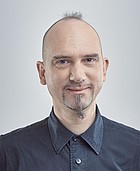
Dr. Christopher McCormick is a Senior Lecturer in Biomedical Engineering at the University of Strathclyde, United Kingdom. His work focuses on drug-eluting stents, biomaterials, vascular disease, and 3D printing for medical applications. University: University of Strathclyde Academic Rank: Senior Lecturer (Biomedical Engineering) Active Research Domains: Cardiology, Biomaterials, Drug Delivery, Tissue Engineering, Computational Modeling Research Interests: McCormick’s research combines mathematical modeling and experimental approaches to study drug release kinetics from stents, antimicrobial coatings, and vascular calcification. He explores 3D printing for patient-specific aortic grafts and synthetic heart valves, while also investigating oxidative stress in coronary stent coatings. Article Trends: His recent publications (2024–2025) emphasize antimicrobial PLGA coatings , polymeric heart valves , 3D-printed vascular models , and diamond-like carbon films . Keywords span Biomedical Engineering, Drug Delivery, and Tissue Engineering, with subfields like Nitric Oxide Release, Restenosis Prevention, and Multi-material Printing. Projects: Leads 19 research projects, including organ-on-a-chip vascular aging models, synthetic heart valve development, and antimicrobial coating optimization. Supervised 6 PhD/MSc students, with collaborations across cardiology, pharmacology, and materials science. Activities: Active in peer-reviewed publications (73 total), conference contributions, and dataset creation (6). His work has been cited over 200 times in Scopus.
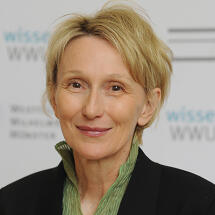
Professor Rob Krams is Chair of the Division of Bioengineering and Scientific Director of the CVDHub at Queen Mary University of London's School of Engineering and Materials Science. His research integrates engineering and molecular biology to study cardiovascular biomechanics, epigenetic regulation, and atherosclerosis. With over 500 publications, he focuses on mechanotransduction, shear stress effects on vascular biology, and advanced imaging techniques. Research Interests: His lab investigates how mechanical forces influence gene expression in endothelial cells using CRISPR, high-throughput screening, and fluid-structure interaction modeling. Key areas include non-coding RNA networks, synthetic biology approaches for vascular repair, and multi-scale computational models bridging cellular responses to hemodynamics. Publication Trends: Recent work emphasizes machine learning applications in hemodynamics, deep learning for plaque classification, and novel imaging techniques for shear stress quantification. His articles consistently explore intersections of computational modeling, molecular biology, and translational cardiology. Awards & Recognition: Established Investigator Award (2003–2008) Associate Editor for 12 scientific journals Research Infrastructure: Leads a multidisciplinary team at the Centre for Bioengineering, developing pipelines for in vivo endothelial cell isolation, RNA analysis, and CRISPR validation. Collaborates globally on projects involving intravascular imaging, animal models of atherosclerosis, and biomechanical diagnostics.
Dr. Ali Kosar is a Professor at Sabanci University's Mechatronics Engineering Program , with affiliations in Materials Science & Nanoengineering and Molecular Biology, Genetics & Bioengineering. As Co-Director of the Center of Excellence for Functional Surfaces and Interfaces for Nano Diagnostics (EFSUN) and Senior Researcher at SUNUM Nanotechnology Center, he leads a multidisciplinary research group spanning 30+ members. His work bridges microfluidics, heat transfer , and biomedical device design , focusing on cavitation-on-a-chip systems and microscale thermal management. Key research themes: Micro/Nanoscale Heat Transfer, Cavitation Dynamics, Biomedical Microdevices, Energy Applications Labs: Microfluidics and Microthermal Systems Laboratory, EFSUN, SUNUM His 175+ journal articles (h-index: 33) appear in journals like Physics of Fluids and Lab on a Chip , with recent work featured in Advanced NanoBioMed Research and Biosensors . He serves as Associate Editor of Applied Thermal Engineering and Subject Editor for Advanced Materials Interfaces . Scientific awards include ASME Fellow , TÜBA Membership , and multiple conference honors. His team has secured substantial national/international grants and developed technologies like the SUTAB (Sabanci University Tissue Ablating Bubbles) system.
Demetri Psaltis is a **Professor honoraire** at the École Polytechnique Fédérale de Lausanne (EPFL), affiliated with the School of Basic Sciences (STI) and the Department of Physics (PH-STI). He holds roles as **Chargé de cours** (Lecturer) across multiple departments including Microengineering (SMT-ENS), Electrical and Electronics Engineering (SEL-ENS), and serves as **Professeur hôte** (Host Professor) at the Laboratoire d'hémodynamique et de technologie cardiovasculaire (LHTC). His research focuses on advanced optical systems, biomedical imaging, nonlinear optics, and the integration of machine learning with optical technologies. Key affiliations include the Institute of Bioengineering (IBI-STI) and administrative roles in the IBI-STI-GE management unit. He has advised over 20 PhD students at EPFL, contributing significantly to their thesis work. His laboratories develop cutting-edge tools for applications in medical diagnostics, energy systems, and optical computing. Research interests span computational optical imaging, optical computing architectures, 3D printing with light, and AI-driven wavefront shaping. Recent publications emphasize innovations in hybrid neural networks, optical diffusion models, and scalable optical circuit switching. His work bridges fundamental physics with practical applications in healthcare and renewable energy sectors. Labs: Laboratoire d'hémodynamique et de technologie cardiovasculaire (LHTC), IBI-STI Institute Teaching:** Courses include Computational Optical Imaging, Optical Computing, and 3D Printing with Light.
Dr. Martin Dierolf is a researcher at the Technical University of Munich (TUM), working within the Department of Physics and the Chair of Biomedical Physics led by Prof. Dr. Franz Pfeiffer. He is actively involved in research related to X-ray imaging, particularly focusing on the Munich Compact Light Source (MuCLS) and its applications in biomedical research. His work spans both the optimization of the MuCLS machine performance and the development of experimental methods for biomedical applications. Dr. Dierolf's primary research interests include: Optimization of the Munich Compact Light Source (MuCLS) for biomedical research Development of experimental and algorithmic methods for ptychography Biomedical applications of ptychographic coherent diffractive imaging (PCDI) Wave-field characterization of focusing optics Scanning transmission X-ray microscopy Grating-based phase-contrast imaging techniques His recent publications demonstrate a strong focus on advancing X-ray imaging techniques, particularly using compact light sources. His work spans from fundamental physics of X-ray optics to practical medical applications, with particular emphasis on breast imaging, renal tissue analysis, and cardiovascular applications. A significant portion of his recent work focuses on the Munich Compact Light Source and how to optimize its use for various biomedical applications. Dr. Dierolf has received recognition for his academic supervision, having been awarded the Supervisory Award of the Graduate Center of the TUM Department of Physics in both 2019 and 2021. He has also received Best Poster Awards at international conferences in 2008 and 2009. As an educator, Dr. Dierolf serves as a lecturer and teaching assistant for courses in Modern X-Ray Physics at TUM. He is scheduled to teach in the Winter term 2025/26, indicating his ongoing active role at the university. His research is conducted within the framework of the Munich Compact Light Source facility, which represents a significant advancement in making synchrotron-like X-ray sources accessible in laboratory settings. This work has potential applications across multiple biomedical fields, from cancer research to cardiovascular imaging.
Melissa Krebs serves as Associate Professor in the Department of Chemical and Biological Engineering at Colorado School of Mines, where she leads research in biomaterial-driven tissue regeneration with applications spanning growth plate injuries, glaucoma, and diabetic wound healing. Her work bridges fundamental cell-microenvironment interactions with translational therapeutic development. Education: BS, MS – University of Rochester PhD – Case Western Reserve University Post-Doctoral Study – Case Western Reserve University and University of Colorado Anschutz Medical Campus Krebs' research centers on engineering biopolymer systems that control cellular responses through precise delivery of bioactive factors, mechanical cues, and insoluble signals. Her group investigates how extracellular matrix composition, growth factors, and cell-cell interactions influence tissue formation, with particular emphasis on trabecular meshwork behavior in glaucoma, growth plate cartilage regeneration, and diabetic wound repair mechanisms. This work integrates advanced biomaterials synthesis with 3D cell culture models to establish design principles for regenerative therapies. Analysis of recent publications reveals a dominant focus on zwitterionic and polyelectrolyte hydrogels for sustained anti-inflammatory delivery, particularly using cerium oxide nanoparticle-miRNA conjugates for diabetic wounds. The group has pioneered photopolymerization techniques for cell-instructive scaffolds and demonstrated significant advances in growth plate injury treatments through MAPK14-targeting siRNA delivery and microgel-based regeneration strategies. Scientific Awards: Faculty Excellence Award (2020) Mines Inventor of the Year (2017) Daniels Fund Faculty Fellow Award (2016) Boettcher Investigator (2013) TERMIS Young Investigator Award (2011) Professor Krebs directs the Krebs Research Group, securing substantial funding for translational projects including BRIGE (Biopolymer Regeneration of Injured Growth Plate Elements) and diabetic wound healing initiatives. Her lab has generated multiple patents for hydrogel drug delivery systems and microgel fabrication methods, with strong industry partnerships advancing clinical applications. Current grants focus on pediatric growth plate regeneration and glaucoma therapeutics. The Krebs Lab operates within Colorado School of Mines' Chemical and Biological Engineering facilities, utilizing advanced biomaterials characterization, 3D bioprinting, and in vitro disease modeling platforms to develop next-generation regenerative solutions with clinical impact.
Dr. Manfred Maitz serves as a Research Fellow and Group Leader at the Leibniz Institute of Polymer Research Dresden (IPF), specifically within the Max Bergmann Center of Biomaterials under the Division Polymer Biomaterials Science. He holds a secondary appointment as Guest Professor at Southwest Jiaotong University's School of Materials Science and Engineering in Chengdu, China, where he conducts annual research stays. His career spans institutions in Würzburg, Ulm, Magdeburg, Dresden, and Chengdu since the early 2000s. Dr. Maitz's research centers on hemocompatible surfaces for blood-contacting medical devices, with focus on feedback-responsive materials that regulate blood coagulation and inflammatory responses. His work targets critical applications including vascular stents, artificial heart valves, hemodialysis membranes, and extracorporeal circulation tubings. Recent publications demonstrate leadership in developing FXa-responsive hydrogels , heparin-releasing coatings , and platelet-mimetic surfaces that dynamically interact with blood components. Analysis of his 15 most recent articles (2023-2025) reveals dominant themes in stimuli-responsive anticoagulation , biomimetic surface engineering , and blood-material interaction mechanisms . His team frequently employs hydrogel-based delivery systems triggered by coagulation factors, with increasing focus on cancer-biomaterial interfaces and advanced in vitro blood models . Methodologically, his work bridges polymer chemistry, surface science, and translational hematology. As a recognized expert, he participates in the WTR (Working Group on Thrombosis and Hemostasis Research) at IPF and maintains active memberships in major societies including the Society for Biomaterials, German Society for Biomaterials, American Heart Association, and International Society on Thrombosis and Haemostasis. While specific awards aren't documented in the source material, his sustained leadership in high-impact journals like Nature Communications , Biomaterials , and Advanced Science underscores significant contributions to the field. Dr. Maitz's collaborative network spans Germany, China, and international institutions, with frequent co-authorship on vascular biomaterial projects. His group develops specialized in vitro blood flow models and hemocompatibility testing platforms that address limitations of static assays. Current work emphasizes clinical translation of responsive coatings for neurovascular implants and pancreatic cancer microenvironment modeling.
Dr Craig Boote is a Reader and Deputy Director of Postgraduate Research at Cardiff University's School of Optometry and Vision Sciences. With a distinguished career spanning over two decades, he has established himself as an expert in ocular biomechanics and structural biology. His research focuses on understanding the biophysical properties of corneal and scleral tissues and their role in vision and disease. Boote earned his BSc in Physics/Biochemistry (First Class Honors) from Keele University (1992-1995), followed by a PhD in Structural studies of DNA using diffraction and spectroscopic methods from the same institution (1995-1999). His academic journey continued with research positions at Cardiff University, progressing from Research Associate (1999-2001) to Senior Research Associate (2001-2011), Lecturer (2010-2014), and Senior Lecturer (2014-2020) before attaining his current position as Reader. Dr Boote's primary research interests center on the structural biology and biomechanics of ocular tissues, particularly the cornea and sclera. He investigates how the hierarchical organization of collagen and other extracellular matrix components governs corneal transparency and refractive function, and how these properties are compromised in diseases like keratoconus. His work also explores the role of scleral and optic nerve head micro-architecture in glaucoma pathogenesis, using elevated intraocular pressure as a key risk factor. By developing novel synchrotron x-ray scattering and laser scanning multiphoton imaging techniques, he quantifies tissue micro-architecture to build finite-element models that describe mechanical behavior under normal and pathological conditions. Analysis of Dr Boote's recent publications reveals a strong focus on corneal biomechanics, glaucoma research, and advanced imaging techniques. His work bridges fundamental structural biology with clinical applications, particularly in understanding corneal transparency mechanisms and developing therapeutic strategies for corneal diseases. A notable trend is the increasing integration of computational methods, machine learning, and artificial intelligence in ocular imaging and biomechanical modeling, reflecting the interdisciplinary nature of modern ophthalmic research. Dr Boote's scientific achievements have been recognized with numerous awards, including becoming a Fellow of the Royal Society of Biology (2022), Research Leave Fellowship from Cardiff University (2018), and the Research Merit Prize at the 5th World Corneal Congress (2005). He has also received visiting appointments at prestigious institutions including Newcastle Research & Innovation Institute and National University of Singapore. As Deputy Director of Postgraduate Research, Dr Boote actively supervises students, currently guiding Qian Ma and Xiaorui (Raya) Wang. His research has been supported by significant funding, including an NIH Project Grant as Principal Investigator (2016-2018), a Fight For Sight Project Grant (2012-2015), and contributions to a major MRC Programme Grant (2012-2017). He maintains active collaborations with leading researchers worldwide, including Dr Harry Quigley at Johns Hopkins University, Prof. Thao Nguyen, and researchers at Singapore Eye Research Institute. Dr Boote leads a research team that utilizes advanced x-ray scattering facilities and microscopic imaging modalities to investigate ocular tissue structure. His laboratory work integrates structural biology, biomechanics, and computational modeling to address fundamental questions about corneal transparency and glaucoma pathogenesis. The team collaborates with international partners across the US, Singapore, and Europe to translate basic science findings into potential clinical applications for corneal diseases and glaucoma.
Lydia Sorokin is a Professor at the Institute of Physiological Chemistry and Pathobiochemistry within the University of Münster , Germany. She serves as Spokesperson for the Cells in Motion Interfaculty Centre and actively contributes to the Imaging Network and CiM-IMPRS graduate program . Research Focus: Cell-matrix interactions, leukocyte extravasation, blood vessel biology, secondary lymphoid organs, and neuroinflammatory processes. Key Contributions: Elucidating laminin functions in vascular integrity, neuroinflammatory disease mechanisms, and extracellular matrix regulation of immune cell migration. Publication Trends: Recent studies (2022-2024) explore CNS macrophage heterogeneity , endothelial-laminin interactions , and neurovascular unit dysfunction in diseases like multiple sclerosis and cerebral small vessel disease. Earlier work (2012-2020) established roles for laminins and matrix metalloproteinases in blood-brain barrier regulation, immune cell trafficking, and tissue-specific matrix responses. Collaborations & Networks: Active in Cells in Motion , Imaging Network , and CiM-IMPRS graduate program. Collaborates with institutions across Europe on neurovascular and immunology research. Contact: sorokin@uni-muenster.de
Marcela Munera is an Associate Professor in Assistive Robotics at the University of the West of England (UWE Bristol). Her research focuses on robotic devices for rehabilitation, human-robot interaction, biomechanics, and movement analysis, with a particular emphasis on user-centered design approaches. Bioengineer, Universidad de Antioquia (Colombia) MSc in Mechanics and Materials, Ecole Nationale de Metz (France) PhD in Mechanics and Biomechanics, Université de Reims Champagne Ardenne (France) Key research areas include socially assistive robotics, rehabilitation robotics, and biomechanical modeling. She has led projects involving exoskeletons, smart walkers, and wearable sensors, often integrating participatory design and multimodal feedback mechanisms. Her publications highlight interdisciplinary applications in neurological rehabilitation (e.g., stroke, Parkinson's disease), autism therapy, and occupational health. Recent work explores smart upper-limb exoskeletons for construction workers, stress classification via novel sensors, and adaptive control systems for mobility assistance. FEDER, Region Champagne Ardenne Doctoral Grant Her doctoral research focused on industrial biomechanical assessments for sports performance and injury prevention, later expanding to human-centered rehabilitation robotics. She has collaborated on projects involving brain-computer interfaces, serious games, and cloud robotics frameworks like PoundCloud.
Michel C Milinkovitch is a Full Professor in the Department of Genetics and Evolution at the University of Geneva, leading the Laboratory of Artificial & Natural Evolution (LANE) . His research merges biology, physics, and computational modeling to unravel the developmental and evolutionary mechanisms behind life's complexity, focusing on reptiles and mammals. Institution: University of Geneva Contact: Sc3 4024B | +41 22 379 33 38 Research Interests span evolutionary developmental biology, biomechanics of skin appendages, reaction-diffusion systems, mechanical instabilities in morphogenesis, and computational modeling. He investigates how physical constraints interact with genetic networks to generate patterns in scales, feathers, and pigmentation. Scientific Contributions include groundbreaking work on mechanical vs. chemical patterning in crocodile scales, snake scale organization via somitic cues, and the role of the sonic hedgehog pathway in avian feather development. His team employs advanced imaging, CRISPR-Cas9, and 3D simulations to bridge micro- and macro-scale biological phenomena. Collaborators & Alumni include Senior Lecturer Athanasia Tzika and researchers like Pierre-Yves Helleboid and Gabriel N. Santos-Durán. The lab maintains strong ties with interdisciplinary institutions and contributes to open-access protocols in reptilian genome assembly.
Vincenzo Maria Sglavo is a Full Professor of Materials Science and Technology at the Department of Industrial Engineering , University of Trento , Italy. He coordinates the Doctoral Program in Industrial Innovation (M.D. 45/2013) and has held academic appointments at The Pennsylvania State University (Postdoctoral Fellow, 1993-1994) and as Adjunct Professor there (2001). His career spans over three decades, including roles as Assistant Professor (1989-1999) and Associate Professor (1999-2018) at the University of Trento. Education: Master’s in Materials Engineering (cum laude), University of Trento (1988) Research Interests focus on glasses and ceramics , with expertise in fatigue and fracture mechanics , chemical strengthening , high-strength ceramics , flash and cold sintering , solid oxide fuel cells (SOFC/SOEC), and 3D printing of inorganics . His work bridges fundamental material behavior and industrial applications, particularly in energy, construction, and biomedical fields. Recent publications highlight innovations in ultrafast high-temperature sintering for ceramics, 3D-printed alumina , alkali-activated limestone for construction, and plasma-assisted ammonia synthesis . He explores entropy-stabilized composites, glass joining techniques, and iron speciation effects in aluminosilicates. Scientific Awards include the AIMAT Prize (1996) AIAS Prize (2000) Outstanding Reviewer Award, Scripta Materialia (2019) Pfeil Award (2022) Nanomaterials 2023 Best Paper (Second Award) Fellow, European Ceramic Society (2023) Advising and Grants: He has advised 34 PhD students and over 100 Master’s theses , managing 50+ research projects funded by NATO, the EU, MUR, and private companies. His editorial roles include Associate Editor for the Journal of the American Ceramic Society and Frontiers in Ceramics . Labs and Teams: He collaborates with institutions like the Joint Research Centre (EC) , Universidade de San Carlos , and Instituto de Cerámica y Vidrio . His work integrates academic research with industrial consultancy, addressing technical challenges in ceramics, glass, and sustainable materials.
Changchun Zeng serves as Chair and Professor of Industrial and Manufacturing Engineering at the FAMU-FSU College of Engineering, a joint institution between Florida A&M University and Florida State University. His leadership spans academic administration and cutting-edge research in advanced materials science. He earned his Ph.D. from Ohio State University in 2004, establishing a foundation for his interdisciplinary work bridging polymer engineering and biomedical applications. His educational background underpins his innovative approach to materials design and manufacturing. Dr. Zeng's research centers on Polymeric Materials, Nanomaterials, and Composite Materials with pronounced emphasis on biomaterials for tissue engineering. His lab pioneers organoid-based models and extracellular vesicle technologies, developing auxetic scaffolds that regulate stem cell differentiation through mechanical and viscoelastic cues. Recent work integrates piezoresistive sensor design with neural and vascular applications, demonstrating translational potential for neuropathy treatments. Analysis of his 2023-2025 publications reveals three dominant trends: (1) Extracellular vesicle engineering from blood vessel and brain organoids for anti-senescence and neuropathy applications; (2) Development of auxetic foams and scaffolds with precisely controlled mechanical properties for tissue regeneration; (3) Advanced piezoelectret sensors leveraging cyclic olefin copolymers for flexible electronics. These intersect biomaterials, stem cell biology, and polymer physics to address unmet needs in regenerative medicine. Dr. Zeng actively mentors graduate students in the Industrial and Manufacturing Engineering program, supervising research in bioreactor design, stem cell-material interactions, and advanced manufacturing processes. His laboratory secures continuous funding for projects spanning NSF and NIH domains, particularly in biomaterials development and organoid-based disease modeling. The research group operates state-of-the-art facilities for polymer processing, nanomaterial characterization, and 3D bioprinting. Current team efforts focus on vertical wheel bioreactors for extracellular vesicle production, surface-engineered scaffolds for spinal cord regeneration, and piezoresistive sensor arrays for neural monitoring.