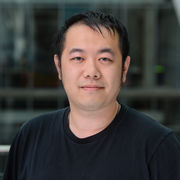
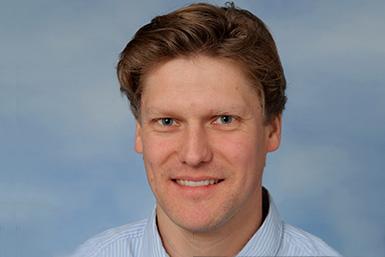
Dr. Tiantai Deng is a Lecturer in Electronics and Digital Systems at the School of Electrical and Electronic Engineering , University of Sheffield (since 2021). His industrial background includes a senior research engineer role at HiSilicon/Huawei , where he focused on hardware architecture design for CNN, GEMM, and image/video processing on FPGAs/ASICs. Education: BEng, MSc, PhD Research interests span FPGA-based hardware acceleration , sparse processing architecture for CNN/GEMM, number system design , approximation computing , and high-level design environments . His work integrates algorithm-hardware co-optimization for efficiency in AI and mathematical computing. Recent publications emphasize neurodynamic systems for opinion modeling, parallel processing elements for ODE/AI acceleration, and low-power FPGA implementations for clustering/modulation classification. Earlier work addressed combustion dynamics and image processing pipelines. Contact: t.deng@sheffield.ac.uk | Office: G108, Sir Frederick Mappin Building, Sheffield S1 3JD | ORCID 0000-0003-4507-5746
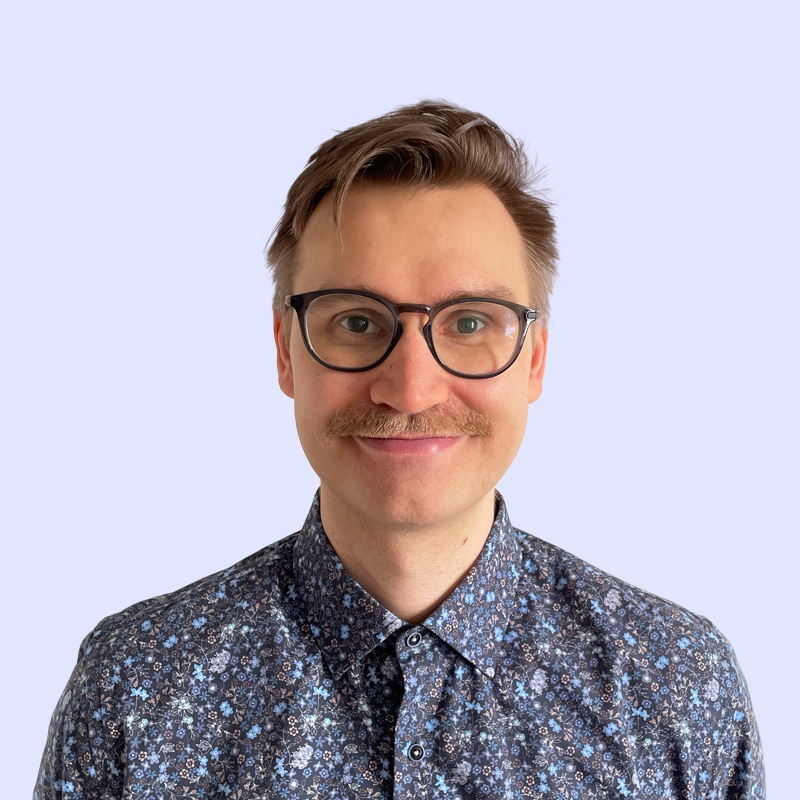
Prof. Monika Sester is a distinguished Professor and Executive Director of the Institute of Cartography and Geoinformatics at Leibniz University Hannover, within the Faculty of Civil Engineering and Geodetic Science. She also serves as Spokesperson for the Leibniz Research Center FZ:GEO and holds multiple leadership roles including Faculty Information Officer (FIO) for the Faculty of Civil Engineering and Geodetic Science, Ombudsman for Good Scientific Practice, and Exchange Coordinator for Geodetic Science and Geoinformatics. Her research focuses on the intersection of geospatial information science, cartography, and urban mobility. Prof. Sester's work spans several key areas: Geospatial data processing and analysis Cartographic representation and visualization Urban mobility and transportation systems Spatial data uncertainty and quality Digital mapping technologies and applications Historical map analysis and interpretation Prof. Sester's recent publications demonstrate a strong focus on applying advanced computational techniques to geospatial problems. Her work shows increasing emphasis on machine learning applications for map analysis, urban mobility optimization, and 3D spatial modeling. She has been particularly active in researching applications of deep learning for historical map interpretation, urban mobility patterns, and spatial uncertainty visualization. Her contributions to the field have been recognized through leadership positions in major research initiatives: Executive Director, Institute of Cartography and Geoinformatics Spokesperson, Leibniz Research Center FZ:GEO Faculty Information Officer, Faculty of Civil Engineering and Geodetic Science Ombudsman for Good Scientific Practice Member of multiple academic committees including the Admissions and Examination Board Prof. Sester actively collaborates with students and researchers across multiple projects focused on geospatial information systems, urban mobility, and cartographic visualization. Her leadership extends to guiding research directions within the Leibniz Research Center FZ:GEO, which brings together interdisciplinary expertise to address complex spatial challenges.
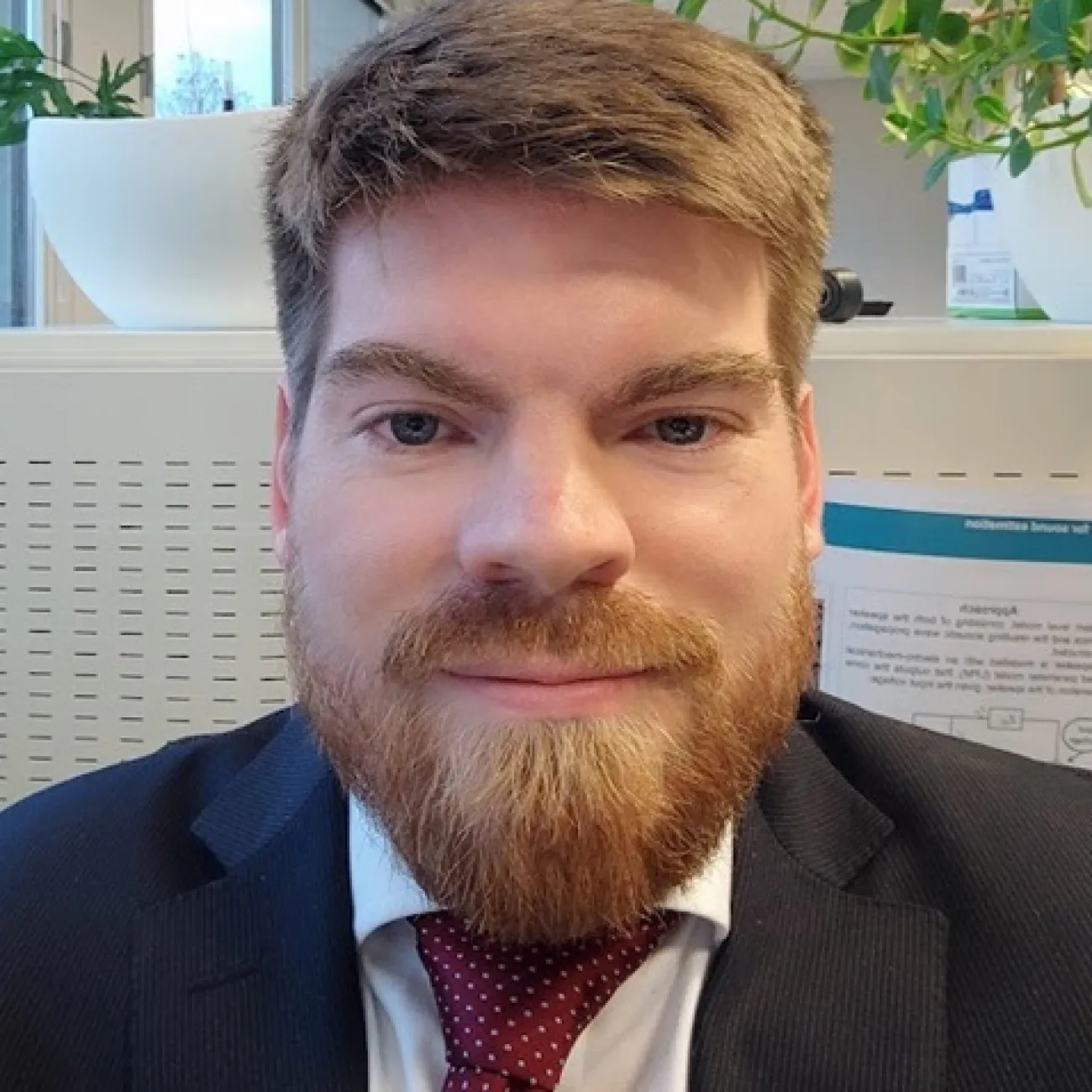
Xinliang An is an Associate Professor of Mathematics at the National University of Singapore (NUS), where he joined in July 2018. His research focuses on understanding singularity formation, regularity, asymptotic stability, long time behavior, and geometric shapes of solutions to important partial differential equations, with particular emphasis on Einstein's equations in general relativity, Euler equations and Navier-Stokes equations in fluid dynamics, and elastic wave equations in elastic mechanics. Dr. An received his Ph.D. in June 2014 from the Department of Mathematics at Princeton University, where he was advised by Professor Sergiu Klainerman, a renowned expert in general relativity and partial differential equations. His doctoral work laid the foundation for his subsequent research on gravitational collapse and singularity formation. Dr. An's research spans multiple areas of mathematical physics, with a focus on gravitational collapse, big bang singularities in cosmology, and the detailed mathematical analysis of fluid dynamics and elastic mechanics. His work bridges pure mathematics with theoretical physics, particularly in understanding the formation of singularities in Einstein's equations. He has made significant contributions to the mathematical theory of black hole formation, including the emergence of apparent horizons and the analysis of spacelike singularities inside black holes. His recent work extends to studying the stability of Taylor-Couette flows in fluid dynamics, demonstrating how rotational effects influence dissipation rates through enhanced dissipation phenomena. Analysis of Dr. An's publication record reveals a strong progression from vacuum spacetimes to more complex physical systems. His early work focused on trapped surface formation in vacuum Einstein equations, then expanded to include electromagnetic fields (Einstein-Maxwell system), charged scalar fields, and fluid dynamics. A key theme across his publications is the development of scale-critical techniques to analyze singularity formation, with numerous papers establishing polynomial blow-up upper bounds for various geometric quantities near singularities. His research demonstrates exceptional technical mastery in handling non-strictly hyperbolic systems with multiple wave speeds. Dr. An has made significant methodological contributions by connecting Christodoulou's short-pulse method with Klainerman-Rodnianski's signature counting argument to the peeling properties studied in small-data regimes. This innovative approach has allowed him to avoid elliptic estimates and geometric renormalizations in some cases, providing new technical improvements and simplifications to existing results. His work on low-regularity ill-posedness for elastic wave systems has established that the Cauchy problem for 3D elastic waves is ill-posed in H³(ℝ³) due to instantaneous shock formation.
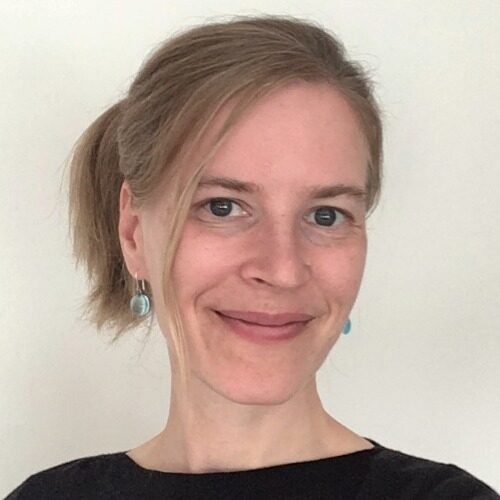
Luis Merino is an Associate Professor at the School of Engineering, Universidad Pablo de Olavide (UPO), Seville, Spain. He founded and leads the Service Robotics Laboratory and contributed to establishing the Systems Engineering and Automation division at UPO. He served as Vice-Dean for five years and currently coordinates the Computer Science degree program. Education: Ph.D. in Robotics from the University of Seville (2007), supervised by Anibal Ollero. Research: Focuses on cooperative robotic systems, human-robot collaboration, localization/navigation techniques, and machine learning in social robotics. His work includes leading 2 H2020, 4 FP7, 3 National R&D, and 3 Andalusian regional projects. Notable projects: MBZIRC 2020 (PI), collaboration with Honda Research Institute Japan, and EU-funded initiatives. He advocates for open-source code/datasets and industry technology transfer. Scientific Awards: ABB Award to the Best Doctoral Dissertation on Robotics (2007) Best Paper Award at ROBOT2019 Professional Roles: Associate Editor for Image and Vision Computing and IEEE Robotics and Automation Letters . Serves on ICRA/IROS conference program committees. Grant reviewer for FONDECYT (Chile), SBIR (USA), and ERC.
Jari Vepsäläinen is an Assistant Professor at Aalto University's Department of Energy and Mechanical Engineering under the College of Engineering. He serves as Director of the Fluid Power group and specializes in mechatronics design, energy efficiency, and generative design methodologies. Research focuses on physics-based modeling for energy recovery AI/ML applications in electromechanical system design Applications in robotics, heavy machinery, and sustainable transportation His recent publications demonstrate expertise in hybrid systems, fluid power optimization, and AI-driven engineering, with a strong emphasis on electrification and efficiency across automotive, maritime, and industrial domains. Key areas: Mechatronics, Energy Systems, Generative Design Technologies: Digital Twins, IoT, Machine Learning Current projects involve thermal energy systems, electric motor optimization, and advanced control algorithms for mobile machinery.
Dr. Sjoerd van Ophem is a Lecturer in Structural Dynamics at the Institute of Sound and Vibration Research (ISVR), University of Southampton. He holds a PhD in Mechanical Engineering from KU Leuven, Belgium, and previously studied at the University of Twente, Netherlands. Mechanical Engineering (BSc, MSc) Noise and Vibration (PhD, KU Leuven) His research focuses on vibro-acoustic digital twins for machine monitoring and noise reduction. Key methodologies include model order reduction, finite element simulations, and digital twin technologies applied to complex acoustic systems. Recent publications emphasize: Time-domain vibro-acoustic simulations Digital twin development Model reduction techniques Acoustic material characterization Moving sound source modeling Experimental modal analysis Scientific awards include: FWO postdoctoral fellowship (junior and senior) MSCA FP7 project ANTARES funding He supervises two PhD students and teaches: ISVR3059: Acoustical Engineering Design FEEG1201: An Introduction to Engineering Design
Clayton Souza Leite serves as a Visitor (Faculty) at Aalto University's Department of Information and Communications Engineering, specializing in Mobile Cloud Computing applications. His academic appointments reflect active engagement with the university's research community through multiple collaborative projects. His educational background includes a Doctor of Science in Technology (Electrical Engineering) awarded on January 30, 2023, and a Master's degree in Engineering and Technology from Universidade Federal de Pernambuco completed on March 16, 2016. Dr. Souza Leite's research expertise centers on Human Activity Recognition and Deep Learning methodologies, with significant contributions to Point Cloud Processing (40%) Deep Neural Networks (36%) Autonomous Driving systems (30%) Sliding Window techniques (30%) His work demonstrates strong interdisciplinary connections between computer vision, machine learning, and practical engineering applications. His recent publications (2023-2024) reveal a clear research trajectory focusing on wearable technology for healthcare applications and computer vision solutions for autonomous systems. The article portfolio shows increasing sophistication in applying deep learning to real-world problems, particularly in gesture recognition through smart gloves and traffic analysis systems. Dr. Souza Leite has been actively involved in multiple significant research projects including EMIL (European Media and Immersion Lab), VISTORE (Personalised Virtual Stroke Rehabilitation), and CEAMA (Cognitive Engine for Assembly and Maintenance Automation), demonstrating his capability to secure and contribute to substantial research funding initiatives. His collaborative network spans multiple institutions and projects, with particular emphasis on Extended Reality applications, Virtual Reality systems, and Mixed Reality environments as evidenced by his participation in projects like BF BalticWay and HI2OT Nordforsk.
Sonja Kivinen is a University Lecturer in Geoinformatics at the Department of Geographical and Historical Studies, Faculty of Social Sciences and Business Studies, University of Eastern Finland. Her research focuses on the intersection of climate change impacts, remote sensing applications, and sustainable resource management in Arctic environments. University Lecturer in Geoinformatics Department of Geographical and Historical Studies Faculty of Social Sciences and Business Studies University of Eastern Finland Research Interests Climate change effects on Arctic ecosystems Remote sensing for biodiversity mapping Environmental justice in natural resource management Post-mining land use strategies Integration of practitioner knowledge with scientific data Geospatial analysis of environmental patterns Key Publication Trends Her recent publications (2017-2024) demonstrate expertise in combining remote sensing with ecological monitoring to address issues like biodiversity conservation in boreal forests, reindeer husbandry adaptation to changing climatic conditions, and mining conflict resolution . She frequently collaborates with multidisciplinary teams across Finland and Europe. Projects Kivinen contributes to research groups including CEMMS (Research Center for Mining, Minerals and Society) and Digital Geosciences , both active since 2020. Her work often addresses policy implications through reports for the University of Eastern Finland and Finnish Environment Institute.
Prof. Dr. Lukas C. Kapitein is a leading researcher in Cell Biology, Neurobiology and Biophysics at the Faculty of Science, Utrecht University . His work bridges physics and neuroscience to understand how cells maintain their shape and intracellular organization, particularly in neurons. Academic Affiliation: Full Professor of Molecular and Cellular Biophysics since 2018 Key Collaborations: Co-manages the Gravitation project IMAGINE! with Anna Akhmanova Research Focus: The lab investigates the neuronal cytoskeleton , emphasizing microtubule organization and motor protein dynamics. They develop advanced optical methods to map cytoskeletal architecture and design intracellular assays to probe motor-cargo interactions, linking these to neurodegenerative disease mechanisms. Awards: ERC Consolidator Grant (2018), ERC Starting Grant (2013), NWO VIDI (2013), NWO ALW-VENI (2011), Erasmus MC Fellowship (2011). Students: PhD students include Albert Serweta, Thijs Makaske, Jasper Schelt, and Varsha Mahapatra. The lab also features postdocs and technical staff in microscopy and protein engineering. Methods: Combines protein engineering , super-resolution microscopy (STED, Localization, Expansion), and mathematical modeling to resolve microtubule polarity, transport rules, and dendritic spine dynamics.
Francois Lauze is an Associate Professor at the Department of Computer Science , University of Copenhagen, affiliated with the Image Analysis, Computational Modelling and Geometry research group. His work bridges mathematical rigor and practical applications in image processing and shape analysis. Research Focus: Mathematical Image Analysis (variational/PDE methods) Differential and Riemannian geometry for shape statistics Applications: image inpainting, motion estimation, segmentation, medical imaging Contact: Email: francois@di.ku.dk Phone: +4535335671, +4521553933 Location: Universitetsparken 1, 2100 Copenhagen Ø Recent publications highlight advancements in SE(3) group CNNs for diffusion imaging, locally orderless networks for efficient processing, and refractive multi-view stereo techniques. His work integrates geometric modeling with computational implementations, emphasizing medical and video applications.
Jill Dowen is a Professor in the Department of Genetics at the University of North Carolina at Chapel Hill, focusing on the interplay between genome organization and gene expression. Her lab investigates how DNA looping influences cellular identity during development and disease, utilizing embryonic stem cells, cancer cells, and functional genomics approaches. Research interests include: Chromatin structure and transcriptional regulation 3D genome architecture in disease contexts Role of cohesin and Polycomb complexes in gene expression Histone modifications and their impact on chromatin dynamics Her recent publications highlight advancements in understanding cohesin's regulatory mechanisms, histone acetylation's role in MLL complex function, and Polycomb repressive complex interactions with lncRNA. The lab actively trains scientists and accepts applications for postdoctoral and graduate positions through the UNC BBSP PhD Program.
Paolo Maranzana , holding a Ph.D. from the University of Michigan (2018), is affiliated with Boğaziçi University. His work spans Roman and Early Byzantine archaeology, focusing on economic isolation in Late Roman Central Anatolia, environmental impacts on ancient societies, and 3D reconstructions for educational and tourism purposes. Research Interests: Ancient economy, environmental archaeology, Late Roman pottery, fortifications, and urban-rural settlements. Teaching: Coordinating HIST 105: The Making of the Modern World I , HIST 346: The Art and Architecture of the Roman World , and Latin language courses. The 2019–2021 publications highlight interdisciplinary research on climate change in Late Antiquity, Late Roman fortifications in Sinop and Galatia, and economic dynamics in Anatolia. His work bridges archaeological analysis with historical climate studies and regional economic networks. Scientific Awards: Rust Family Grant (2019, $7,000) for the Gabii project. Dumbarton Oaks Project Grant (2019, $3,600) for Late Roman economy in Anatolia. Rackham International Research Award (2017, $5,600) and other grants from the University of Michigan (2016–2019). His methodological approach integrates archaeological records, economic history, and digital reconstructions to address Late Roman societal challenges.
Prof. Dr. Ian Gibson holds dual roles at the University of Twente: Professor of Industrial Design Engineering at the Faculty of Engineering Technology and Scientific Director of the Fraunhofer Project Centre in Complex Systems Engineering. He bridges academic research with industrial applications, guiding professors on research and career development while leading applied projects in additive manufacturing and digital twinning. Education: University of Hull (BSc in Electronic Engineering, PhD in Industrial Robotics) International experience: Taught and researched in Hong Kong, Singapore, and Australia Key contributions: Pioneering work in Additive Manufacturing, Springer e-book "Additive Manufacturing Technologies" (1M+ downloads), co-editor of Rapid Prototyping Journal His research focuses on Additive Manufacturing , 3D Printing , and Complex Systems Engineering for industrial applications in healthcare, aerospace, automotive, and manufacturing sectors. The Fraunhofer Project Centre conducts project-based research that directly benefits local industries through technological innovation and process optimization. As Scientific Director since 2018, Gibson emphasizes problem-based learning , connecting university research with real-world challenges. He teaches "Design for X" and "Additive Manufacturing" courses, where students build 3D printers and engage in practical design projects. His work has been recognized by the prestigious FAME award in 2017, one of only 10 recipients globally.
Hans-Martin Schwab is an Assistant Professor at the Biomedical Engineering Department of Eindhoven University of Technology (TU/e), affiliated with the Eindhoven MedTech Innovation Center and the Photoacoustics and Ultrasound Laboratory. His research focuses on advanced ultrasound and photoacoustic imaging techniques, including multi-perspective imaging, model-based artifact reduction, and deep learning-assisted signal processing. He contributes to UN Sustainable Development Goals through innovations in medical imaging technologies. His expertise spans transducer engineering, circumferential strain imaging, and ultrasound reconstruction methods. Recent collaborations involve international teams working on applications like vascular strain analysis and tissue regeneration using ultrasound phased arrays. Over 28 publications since 2020 highlight contributions to photoacoustic imaging systems, numerical simulations, and clinical ultrasound advancements. Prof. Schwab teaches courses on ultrasound imaging, clinical measurements, and blood oxygenation imaging. He has supervised numerous projects, including DBL initiatives on light/sound integration for medical imaging. His work emphasizes translating theoretical models into practical clinical tools, with a focus on improving diagnostic accuracy and patient outcomes.
Maximiliano Gutierrez is a Research Professor at the Francis Crick Institute, London, UK. His work focuses on understanding how intracellular pathogens like Mycobacterium tuberculosis evade host immune defenses. He leads an independent research group investigating cellular mechanisms of pathogen survival and host cell responses, employing cutting-edge imaging techniques and model systems. Education: PhD in Biochemistry (2005), Universidad Nacional de San Luis, Argentina. Postdoc at EMBL (Heidelberg) and Helmholtz Centre for Infection Research (Braunschweig). Research Interests: Host-pathogen interactions, tuberculosis pathogenesis, lysosomal biology, macrophage function, and development of imaging technologies for pathogen studies. Lab Innovations: Pioneered correlative 3D imaging to study M. tuberculosis lesions in vivo. Explores host lipid metabolism and autophagy pathways in bacterial survival. Collaborates on novel antibiotic strategies targeting bacterial virulence factors.