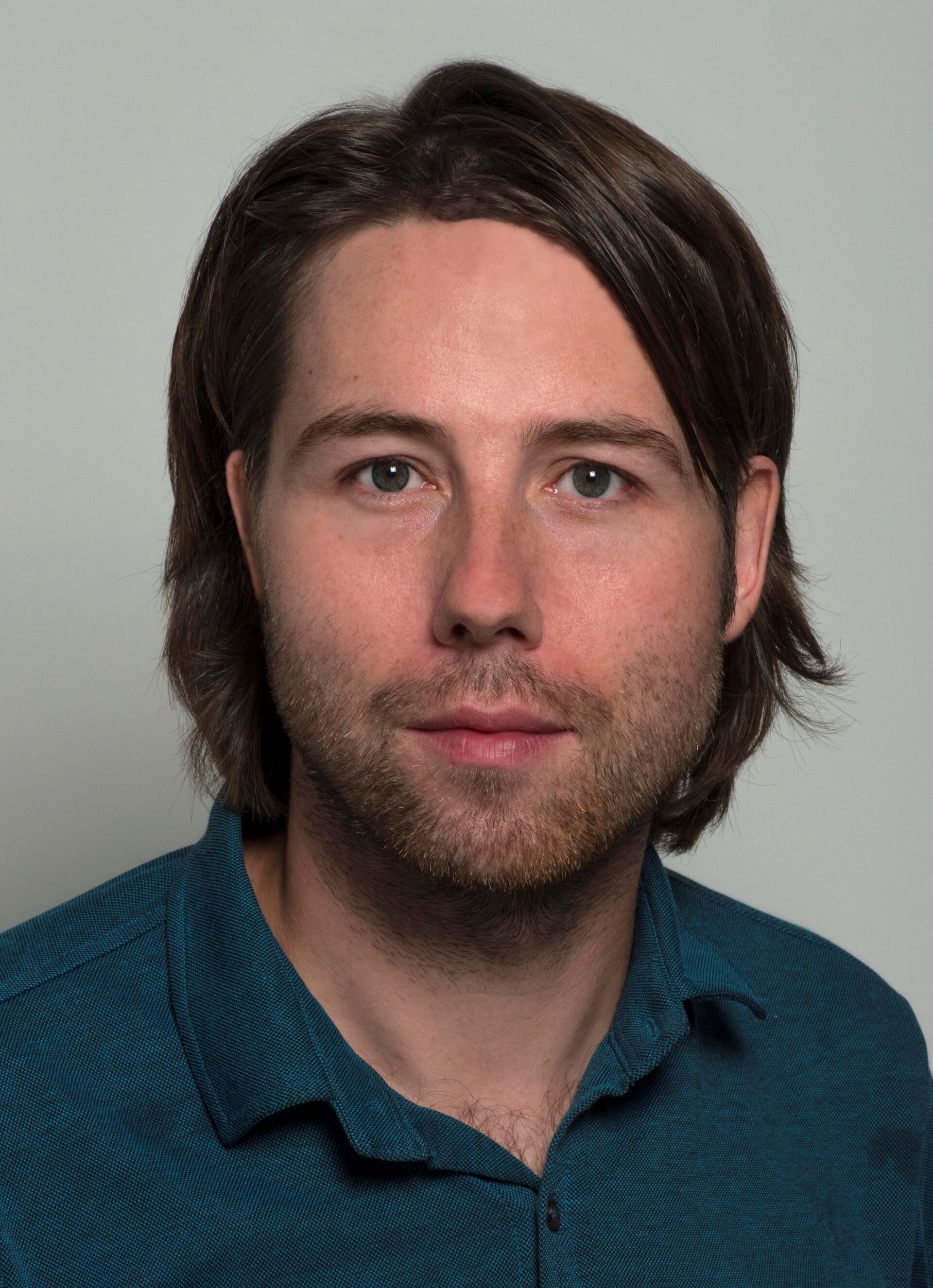
Mathias Busek is a Researcher at the Hybrid Technology Hub within the University of Oslo's Faculty of Medicine. His work focuses on developing advanced microfluidic systems including organ-on-chip technologies, hypoxia modeling platforms, and 3D bioprinting applications. Dr. Busek designs pneumatically actuated microsystems and develops computational models for microfluidic network optimization. His research enables precise control of cellular microenvironments for applications in drug testing and disease modeling. Current projects investigate metabolic crosstalk between organs using pump-less recirculating platforms and develop analytical systems for organoid medium analysis compliant with FDA standards. Busek's publications demonstrate consistent innovation in microengineering approaches for biological applications, with recent advances in 3D-printed tooling for microfluidics and stem cell-derived tissue models. His work bridges engineering precision with biological complexity to create physiologically relevant in vitro systems. Major Scientific Awards: Fraunhofer Institute Award for Innovative Product Development (2017) European EARTO Innovation Award, 3rd Place (2018) Scientia II Fellowship - Marie Curie Co-fund Project (2019) Teaching & Supervision: Conducts practical training in microfluidics and lectures on organ-on-chip technology. No specific student advisees are named in source materials.
Prof. Wouter Dhert is a Professor in the Faculty of Veterinary Medicine at Utrecht University, holding a position within the Management and Policy Support department. His primary role involves advancing translational musculoskeletal research and overseeing interdisciplinary initiatives in regenerative medicine. His research focuses on biofabrication, 3D printing technologies for medical applications, and regenerative strategies for cartilage and bone repair. Key projects include developing biocompatible hydrogels for cartilage regeneration and studying BMP-2 signaling pathways in bone formation. He also explores ethical considerations in regenerative medicine clinical trials. Recent publications highlight advancements in bioprinting heterogeneous cartilage constructs, evaluating osteoinductive materials, and comparing surgical graft alternatives like OP-1 protein versus autografts in spinal fusion. His work consistently integrates veterinary and human medical perspectives, emphasizing translational potential. Prof. Dhert collaborates extensively with research teams on biomaterial design and has contributed to studies on inflammation's role in osteogenesis. His lab's innovations include novel hydrogel reinforcement methods and predictive models for bone regeneration efficacy. Current efforts prioritize bridging laboratory discoveries with clinical applications in orthopedics and regenerative therapies.
Kristian Gjertsen Kjelgård serves as an Associate Professor in the Department of Informatics at the University of Oslo's Faculty of Mathematics and Natural Sciences, where he actively contributes to the Nanoelectronics (NANO) research group. His academic role centers on advancing microwave engineering and nanoelectronic systems with practical applications in environmental and biomedical domains. His research program integrates ultra-wideband radar technology, 3D-printed RF components, and CMOS circuit design to solve complex sensing challenges. Key focus areas include snow water equivalent monitoring through bi-static SAR systems, non-invasive biomedical instrumentation for heart rate and tissue characterization, and hardware security countermeasures against side-channel attacks. His innovative work on differential probing techniques and body-coupled antennas demonstrates cross-disciplinary impact across geoscience and healthcare. Analysis of his 2018-2024 publications reveals a strategic trajectory toward additive manufacturing integration in microwave engineering, producing functional components like 3D-printed waveguide transitions, absorbers, and specialized antennas. The research consistently bridges two critical application domains: environmental remote sensing (particularly snow hydrology monitoring) and biomedical sensing (including wearable health technologies). This dual-focus approach has yielded practical solutions for snowpack inspection, transcutaneous biomedical monitoring, and secure hardware implementations. No specific scientific awards were documented in the source material, though his extensive publication record in IEEE conferences and journals indicates significant scholarly contributions. Within the Department of Informatics, Dr. Kjelgård collaborates extensively through the Nanoelectronics research group, which maintains strong interdisciplinary connections between electrical engineering, materials science, and computer science. The group's facilities support advanced work in RF circuit design, electromagnetic simulation, and additive manufacturing for radar and sensing applications, with ongoing projects targeting next-generation environmental monitoring systems and biomedical instrumentation.
Arvind Pathak is a Professor of Radiology, Radiological Science, Oncology, Biomedical Engineering, and Electrical Engineering at Johns Hopkins University School of Medicine. He directs the Image-based Systems Biology Laboratory, focusing on transforming healthcare through advanced imaging technologies. He holds affiliations with Sidney Kimmel Comprehensive Cancer Center, Institute for Computational Medicine, and Translational Tissue Engineering Center. His research integrates engineering, medicine, and design to develop tools for disease insights, biomarker discovery, and health impact. Education: BS in Electronics Engineering from University of Poona, India; PhD in Functional Imaging from Medical College of Wisconsin and Marquette University. Postdoctoral training in Molecular Imaging at Johns Hopkins. Recognized globally for contributions to functional and molecular imaging, with awards including the ISMRM Outstanding Teacher Award and Susan Komen Career Catalyst Award. Research Interests: Functional & Molecular Imaging, Image-based Biomarkers for Precision Medicine, Neuroimaging, Tissue Engineering, Vascular Systems Biology. His lab develops hardware/software tools like VascuViz and HemoSYS, advancing vascular phenotyping and tumor hemodynamics analysis. Recent work includes miniature microscopes for in vivo imaging and oxygen-generating scaffolds for bone regeneration. Leadership & Mentoring: Over 100 mentored students/staff, diversity initiatives, and editorial roles. Awards include 125 Hopkins Hero recognition for educational/research contributions. Active in imaging review panels and funding agencies. Lab & Collaborations: Pathak Lab emphasizes interdisciplinary approaches, with open postdoctoral/fellowship positions. Collaborates on benchtop models for interventional radiology and deep learning for behavioral predictions from neuronal data.
Jeroen Eyckmans is a Research Assistant Professor in the Department of Biomedical Engineering at Boston University. His primary appointment is as a Research Faculty member, focusing on interdisciplinary research at the intersection of engineering and biology. Education: PhD in Medical Sciences, KU Leuven, Leuven, Belgium M.S. in Physical Education and Kinesiology, Leuven, Belgium Research Interests: Prof. Eyckmans’s research program focuses on understanding the mechanical and biochemical mechanisms driving tissue repair and regeneration. By integrating microfabrication, nanotechnology, and molecular biology, his lab develops biomimetic models to study wound healing in both soft and mineralized tissues. Key areas include the study of fibrosis, skeletal organoid biology, and reverse tissue engineering. The ultimate goal is to design targeted strategies for healing musculoskeletal tissues post-injury. Publications Overview: His recent publications highlight advancements in biomaterials for wound healing, 3D modeling of vascular systems, and the biomechanics of tissue repair. The work emphasizes interdisciplinary approaches, combining engineering principles with biological systems to innovate in tissue engineering and regenerative medicine. Advising & Grants: No advising or grant information is available in the provided text. Labs/Teams: He is affiliated with the CILSE (Center for Industrialized Life Sciences Engineering) at Boston University, contributing to cutting-edge research in biomedical engineering.
Paul De Bank is a Senior Lecturer in the Department of Life Sciences at the University of Bath, affiliated with multiple research centres including the Centre for Therapeutic Innovation, Bath Institute for the Augmented Human, Centre for Bioengineering & Biomedical Technologies, and Centre for Integrated Materials, Processes & Structures. His research focuses on biomaterial applications in tissue engineering and controlled drug delivery. His educational background includes a PhD in Organic Chemistry, Molecular Pharmacology, and Biochemistry from the University of Nottingham (2000) and a BSc in Biochemistry & Biological Chemistry from the same institution (1995). De Bank's research interests center on developing 3D biomaterial scaffolds (hydrogels, nanofibers, microcarriers) for tissue regeneration—particularly musculoskeletal repair—and designing controlled drug delivery systems. His work includes antibiotic-releasing matrices for biofilm treatment and cell carrier systems. Current projects investigate nasal drug delivery models, protein-based hydrogels, and spectroscopic bacterial discrimination techniques. He has secured research funding from EPSRC, BBSRC, MRC, Royal Society, EU, FAPESP, and the University of Bath for projects such as: Light Sheet Fluorescence Microscopy development Photopatterned Dendrons for Tissue Engineering Self-assembled cell aggregates De Bank actively supervises doctoral candidates and teaches courses in drug delivery systems, tissue engineering, and biochemical analysis techniques.
My Hedhammar is Professor in Biotechnology at KTH Royal Institute of Technology developing innovative methods for tissue engineering using recombinant spider silk. Her laboratory creates three-dimensional tissue models that mimic natural cellular environments. Research focuses on spider silk-derived biomaterials that serve as scaffolds for cell cultivation, enabling the creation of complex tissue structures including vascularized models. Applications include cancer tumor modeling and diabetes treatment through pancreatic islet transplantation. Recent publications (2023-2025) demonstrate advancements in silk functionalization, cryopreservation techniques, and disease-specific models. Work consistently bridges biomaterial science with clinical applications in regenerative medicine and drug development.
Dr. Wei Li is a Professor of Dermatology and Director of the MSS Graduate Program at the University of Southern California. His research focuses on wound healing mechanisms, tumor-secreted molecules as drug targets for triple-negative breast cancer (TNBC), and signal transduction pathways governing cell motility. Experimental models include primary human skin cells, patient-derived xenograft (PDX) models for TNBC, and pig models for wound healing. Dr. Li's work bridges basic science and translational medicine, with emphasis on identifying therapeutic targets and developing novel treatments. Education: PhD in Biomedical Sciences His research interests include the role of heat shock proteins (e.g., Hsp90α) in wound healing, cancer metastasis, and hypoxia response. He investigates how extracellular Hsp90 mediates tumor-stromal communication and promotes cell migration. Recent findings highlight Hsp90α's non-chaperone functions in tissue repair and tumorigenesis. Publications emphasize Hsp90 biology, with contributions to understanding its signaling pathways, therapeutic potential, and clinical applications. Key themes include drug target validation, exosome-mediated communication, and hypoxia-driven cellular adaptations. Awards: USC Stevens Center for Innovation Technology Commercialization Award (2017, 2018), Elected Member of the National Academy of Inventors (2017–present). Dr. Li advises graduate students in the Biomedical and Biological Sciences programs. His lab collaborates on projects involving molecular mechanisms of wound healing, cancer biology, and biomaterials for tissue engineering.
Associate Professor Peter Noble is an academic at The University of Western Australia (UWA), leading the Department of Anatomy, Physiology and Human Biology. His roles include teaching and coordinating units such as PHYL1001 and PHYL3004. He holds a PhD in Respiratory Physiology (2006) and transitioned to a full-time academic position in 2017 after NHMRC fellowships. Education: PhD in Respiratory Physiology (2006). Research Interests: Focused on airway structural abnormalities contributing to obstructive diseases like asthma and COPD. Key projects include developing optical coherence tomography (OCT) as a diagnostic tool and studying airway smooth muscle remodeling. His work addresses clinical paradoxes such as bronchial thermoplasty efficacy. Funding: Over $10M in grants, including NHMRC Project Grants (e.g., APP1180854, 2019), SCGH/Charlies Foundation grants (2023), and international collaborations like the Marsden Grant (2023). Research spans airway adipose tissue, fetal lung development, and steroid effects in preterm infants. Awards: NHMRC Early Career and Career Development Fellowships, BrightSpark Foundation Fellowship, and SCGH/Charlies Foundation grants. Grants & Projects: Includes equipment grants (e.g., optical coherence tomography systems) and studies on fetal treatments for congenital diaphragmatic hernia. Collaborations involve institutions like Telethon Kids Institute and Sir Charles Gairdner Hospital. Labs/Teams: Part of the Institute for Paediatric Perioperative Excellence and leads the UWA Medical School’s research initiatives. Active in developing clinical diagnostics and translational research.
Nuria Maria Pastor-Soler, MD, PhD, FASN, is an Associate Professor of Medicine and Assistant Dean for Research Mentoring at the Keck School of Medicine of the University of Southern California (USC). She also serves as the Associate Vice Chair for Faculty Development and Director of the Required Scholarly Project Program. Her research focuses on kidney acid-base homeostasis, vacuolar proton ATPase (V-ATPase) regulation, and renal transport mechanisms. Key interests include metabolic pathways in chronic kidney disease and renal cell carcinoma biomarker discovery. Dr. Pastor-Soler earned her MD from Jefferson Medical College and a PhD in Biochemistry and Molecular Biology from Thomas Jefferson University. She completed her Nephrology Fellowship at Brigham and Women’s/Massachusetts General Hospital. Her research explores V-ATPase in kidney and male reproductive tract physiology, sodium transport regulation via bicarbonate-sensitive adenylyl cyclase (sAC), and WNK kinase signaling in salt transport. She investigates how acidosis impacts renal metabolism in CKD progression and seeks clinical biomarkers for renal carcinoma. Notable awards include the American Heart Association’s Council for the Kidney in Cardiovascular Disease Chair (2016), American Physiological Society Young Investigator Award (2012), and Claflin Distinguished Scholar Award (2005). Her work spans over 70 peer-reviewed publications, emphasizing kidney organoid engineering, drug delivery systems for polycystic kidney disease, and AMP-activated protein kinase (AMPK) signaling in renal health. Dr. Pastor-Soler mentors trainees through the Required Scholarly Project Program and holds leadership roles in professional societies. Her lab integrates ex vivo kidney slices, cell cultures, and organoids to model renal pathophysiology and test therapeutic strategies.
Nicholas A. Kurniawan is an Associate Professor in the Soft Tissue Engineering and Mechanobiology group at the Department of Biomedical Engineering, Eindhoven University of Technology (TU/e). He is also a member of the Institute for Complex Molecular Systems (ICMS). His research focuses on understanding cellular behavior in different physical environments through the creation of precisely controlled biomimetic cellular environments. He received his PhD in 2012 from the National University of Singapore, where he studied the role of matrix viscoelasticity in cancer metastasis. Following this, he conducted postdoctoral research as a Marie Curie Fellow at AMOLF in Amsterdam, investigating hierarchical structure-property relations in the cytoskeleton and extracellular matrices. In 2015, he joined TU/e to establish his research group. Dr. Kurniawan's research is highly interdisciplinary, spanning biophysics, cell biology, protein polymers, biomechanics, and soft matter. His work centers on creating biomimetic cellular environments at multiple scales—from 2D micropatterns to 3D extracellular matrices and bioreactors—where physical and mechanical cues to cells can be precisely controlled. These in vitro platforms enable systematic breakdown of the origins of basic cellular behavior, such as orientation, migration, and differentiation. The overarching goal is to apply these insights to direct cell response in vivo, for example to promote tissue regeneration or slow down disease progression. His fingerprint includes significant contributions to Tissue Engineering (100%), Fibroblast research (70%), Rigidity studies (63%), Multiscale Engineering (63%), Cell Function (55%), Biological Tissue Engineering (52%), Microenvironments (49%), and In Vitro studies (46%). His recent publications (2023-2025) demonstrate a strong focus on cellular mechanobiology, particularly how substrate properties (stiffness, topography, adhesion) influence fibroblast behavior. There is growing emphasis on dynamic and photoresponsive biomaterials, organoid engineering, and computational approaches to tissue analysis. His work shows a clear trajectory toward increasingly sophisticated control of cellular microenvironments and deeper understanding of how physical cues translate to cellular responses. ERC Starting Grant for 'Control cell communication and tissue regeneration' (2019) Dr. Kurniawan has supervised 34 students and research projects. He led the 'Advaessel' research project (2020-2021) focused on advanced materials processing for regenerating blood vessels. His research is supported by significant funding that enables cutting-edge investigations into cellular mechanobiology and tissue engineering. The Soft Tissue Engineering and Mechanobiology group employs a highly collaborative approach, working with researchers across disciplines to develop biomimetic cellular environments that bridge fundamental science with clinical applications in regenerative medicine. The research group maintains state-of-the-art facilities for biomaterial fabrication, cell culture, and mechanical characterization. They employ advanced techniques including UV-photopatterning, two-photon printing, and dynamic substrate topographies to create precisely controlled cellular microenvironments. Their work bridges fundamental cell biology with translational applications in cardiovascular tissue regeneration and disease modeling.
Ana C. Manjua is a Postdoctoral Researcher at the Eindhoven University of Technology, Department of Biomedical Engineering, specializing in Cell-Matrix Interactions for Cardiovascular Tissue Regeneration. Her work focuses on advanced biomedical engineering solutions, including 3D bioprinting and vascularization models. Primary Affiliation: Eindhoven University of Technology, Department of Biomedical Engineering (Cell-Matrix Interactions in Cardiovascular Tissue Regeneration group) Research Interests: Ana's research integrates biomedical engineering with regenerative medicine, targeting vascularization challenges through innovative 3D bioprinting and magnetic-responsive vascular platforms. Key areas include stem cell applications, biomaterial development, and microfluidic systems for tissue engineering. Publication Trends: Recent work highlights advancements in magnetic bioink formulations, vascular tissue engineering, and in vitro model development, demonstrating interdisciplinary expertise spanning materials science, biomedical engineering, and regenerative medicine. Collaborations: Engages with NOVA University Lisbon, Royal Society of Chemistry, and international conferences like MicroTAS.
Dr Mitchell Lawrence is a Senior Research Fellow in the Department of Anatomy and Developmental Biology at Monash University. He leads research focused on prostate cancer, emphasizing patient-centered approaches to identify clinical challenges and develop novel therapies. His work involves collaborations with the Melbourne Urological Research Alliance (MURAL) to utilize patient-derived xenografts and organoids for drug discovery. Key contributions include advancements in understanding tumor biology, clinical trial improvements, and global equitable access to prostate cancer care. Roles: Laboratory Head, Biomedicine Discovery Institute Affiliations: Monash University, Victorian Cancer Agency, Prostate Cancer Foundation of Australia Research Interests: Prostate cancer pathogenesis, tumor microenvironment dynamics, and therapeutic development. Dr Lawrence's work aligns with the UN Sustainable Development Goals, targeting Thriving Communities through innovations in global health equity. Recent projects include studying essential medicines for prostate cancer treatment and optimizing patient-derived models for preclinical research. His research has been supported by grants from the NHMRC, Victorian Cancer Agency, and other organizations. Key Awards: Endocrine Society of Australia Mid-Career Research Award, Astellas Best Translational Award Community Engagement: Co-leads Monash Prostate Cancer Support Group, organizes lab open days for patients/families Professional Service: Chair of Melbourne Urological Research Alliance Prostate Access Committee, member of multiple steering committees and ethics boards.
Dr. Claire Higgins is a Reader in Tissue Regeneration at the Department of Bioengineering, Faculty of Engineering, Imperial College London. Her research focuses on understanding mechanisms of tissue development and regeneration using the hair follicle as a model. Key affiliations include the Centre for Advanced Therapeutics, Centre for Blast Injury Studies, Immuno-Pathology Network, and Organ-on-chip Network of Excellence. She holds a B.Sc. in Natural Sciences and a Ph.D. in Skin Developmental Biology from Durham University (2007). Her research interests span clinical sciences, oncology, biochemistry, and biomedical engineering. Recent work investigates hair follicle interactions, fibroblast behavior under mechanical stimulation, and regenerative strategies for skin and bone tissue. Notable contributions include developing microneedle-based delivery systems and exploring hair follicle transplantation for scar remodeling. She received a Career Development Award from the Dermatology Foundation in 2014. Publications highlight interdisciplinary approaches, combining biomechanics, molecular biology, and clinical applications. Her lab collaborates broadly, addressing challenges in wound healing, fibrosis, and trauma recovery. Current projects include skin adaptation in amputees and mechanotransduction in osteogenesis. Grants and awards support her work in translational regenerative medicine.
Dr. Dilara Perver is a Lecturer and Jr. Group Leader at ETH Zürich, affiliated with the Department of Health Sciences and Technology and the Institute of Translational Medicine. She holds a Dr. Sc. ETH Zürich, complemented by M.Sc. degrees in Biology and Chemistry from Hacettepe University (Turkey). Her research focuses on ex-vivo technologies for immuno-cellular therapies targeting hematological malignancies, predictive microphysiological models for leukemia/lymphoma, and development of bioreactors for stem cell expansion. She has authored numerous peer-reviewed articles and book chapters, with a particular emphasis on bone marrow niche engineering and extracellular matrix dynamics. Key professional milestones include a postdoctoral role at ETH Zürich, an internship at Novartis in CAR-T cell therapy development, and leadership roles in academic associations like AVETH and the Scientific Staff Association of Health Sciences and Technology. She has secured grants such as the TÜBİTAK Doctoral Research Grant (USD 120,000) and the National Graduate Student Prestige Scholarship. Her work bridges biomaterials, stem cell biology, and clinical translation, with implications for regenerative medicine and oncology. Dr. Perver is actively involved in teaching and science communication, having completed training in project management, entrepreneurship, and clinical trial design. Her contributions to interdisciplinary research and innovation are further highlighted by her memberships in societies like the International Society for Stem Cell Research (ISSCR) and the European Society for Blood and Marrow Transplantation (EBMT).