معرفی
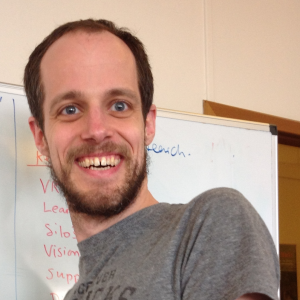
Zachary Neal is a Professor in the Department of Psychology at Michigan State University, affiliated with the Social-Personality program. He is an active researcher in network science, with interdisciplinary work spanning psychology, sociology, education, and geography. He serves as editor of Global Networks and promotes open science through initiatives like the Recommendations for Sharing Network Data and Materials.
- Position: Professor
- Institution: Michigan State University
- Department: Psychology
- School: College of Social Science
- Email: zpneal@msu.edu
- Website: www.zacharyneal.com
- Bluesky: @zpneal.bsky.social
His research focuses on networks, particularly ego networks, two-mode networks, and cognitive social structures. He emphasizes methodological rigor, open data practices, and the use of R for network analysis. He is also known for his work on childfree identity and public scholarship.
The most recent publications reflect a strong commitment to open science, data sharing standards, network pedagogy, and interdisciplinary collaboration. Themes include network visualization (e.g., 'nutrition labels'), higher-order networks, and the social dynamics of research communities. His work bridges theoretical network science with practical applications in health, education, and policy.
Scientific Recognition:
- SIPS 2025 Commendation for Recommendations for Sharing Network Data and Materials
- Editor, Global Networks
- Organizer of teaching initiatives in network science
Zachary Neal is actively involved in mentoring students, promoting best practices in research, and securing collaborative grants related to network science and open scholarship. He contributes to the academic community through conference organization (e.g., Sunbelt), editorial work, and public engagement on social media. He leads research initiatives that often involve cross-institutional teams and open-source tools.
He is associated with research groups and labs focused on computational social science, network analysis, and open research practices. His work on the Moral Minds Lab (via affiliation) and independent projects indicates leadership in teams that study social cognition and behavior through network lenses. Future work is likely to expand on data sharing frameworks, network teaching tools, and the social implications of network structures in diverse contexts.