معرفی
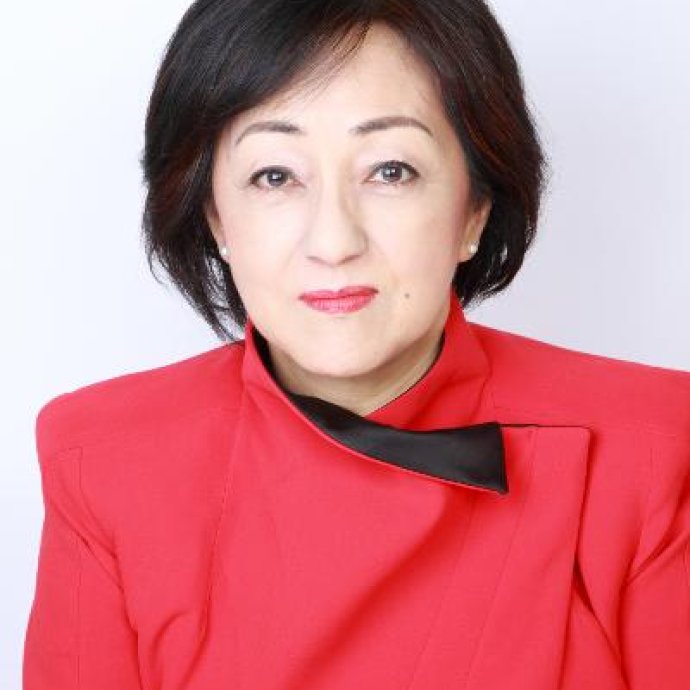
Yuji Uesugi is a Professor at Waseda University's Faculty of International Research and Education, School of International Liberal Studies. He holds a Ph.D. from the University of Kent and teaches courses on peacebuilding, conflict resolution, and international relations. His work focuses on the intersection of theory and practice in peacebuilding, particularly examining Japan's role in international peace operations and the development of hybrid approaches that bridge local and international perspectives.
Professor Uesugi's primary research interests include International Security, Security Sector Reform, Civil-Military Coordination, Conflict Analysis, UN Peacekeeping Operations, Peacebuilding, and Conflict Resolution. His work emphasizes context-specific peacebuilding approaches with particular focus on Asian contexts including Timor-Leste, the Philippines (Mindanao), and Japan's peacebuilding contributions. He has developed significant theoretical contributions around 'hybrid peacebuilding' that integrates local ownership with international support frameworks.
His recent publications demonstrate a clear trend toward examining Japan's unique contributions to peace operations through the 'All-Japan Approach,' which emphasizes integrated inter-agency and civil-military coordination. His case studies on Timor-Leste, Mindanao, and Okinawa reveal practical implementation challenges in post-conflict settings, with particular attention to security sector reform, peace dividends, and the relationship between development and security in peacebuilding contexts.
Professor Uesugi has secured multiple research grants from the Japan Society for the Promotion of Science (JSPS), focusing on hybrid peacebuilding, conflict resolution mechanisms in Asia, and Japan's role in international peace operations. His research projects often involve international collaboration with institutions in Canada, the UK, and New Zealand, reflecting his commitment to bridging theoretical frameworks with practical implementation across diverse cultural contexts.