معرفی
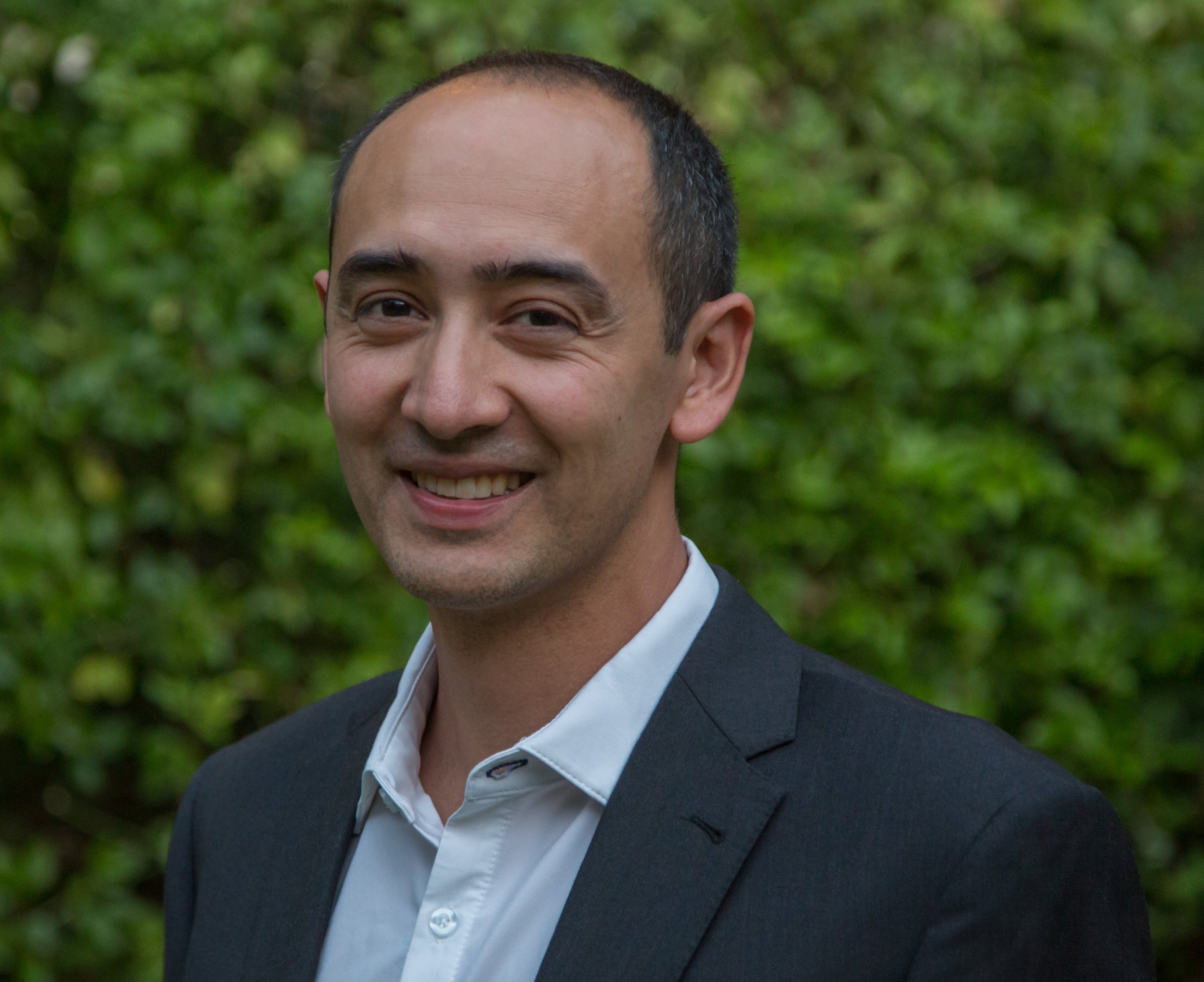
Yasuhiro Mochizuki serves as an Assistant Professor (tenure-track) at the Center for Data Science, Waseda University since April 2022, following six years at RIKEN (2016-2022). His interdisciplinary research bridges neuroscience, cognitive science, and data science to investigate human decision-making processes and mental health mechanisms through computational modeling approaches.
- PhD in Science, Kyoto University Graduate School of Science (2012-2016)
- Bachelor's/Master's in Natural Sciences Tripos, University of Cambridge (2006-2010)
Dr. Mochizuki's research examines how physical activity influences cognitive and affective processes, with particular focus on risk preference dynamics in changing environments. His work integrates animal foraging theory with human economic behavior, exploring computational markers for depression and anxiety through decision-making paradigms. He investigates how positive memory retrieval affects risk assessment and how exercise intensity differentially impacts creative thinking components.
His publication record demonstrates consistent interdisciplinary integration of neuroscience, psychiatry, and data science. Recent papers reveal three dominant trends: computational psychiatry applications for predicting depressive symptoms, cross-species comparisons of decision-making mechanisms, and non-linear relationships between physical activity and mental health outcomes. His methodological approach combines reinforcement learning models, neuroeconomic paradigms, and large-scale longitudinal data analysis.
- Japan Society for the Promotion of Science Grant: Predicting depressive symptoms from economic decision-making tendencies (2024-2027)
- Committee Member, Computational Psychiatry Research Society (2023-present)
Dr. Mochizuki actively contributes to academic service through multiple professional societies including the Japanese Psychological Association, Society for Neuroscience, and Japanese Neuroscience Society. His teaching portfolio at Waseda's Global Education Center includes Statistics Literacy, Data Science, and Mathematics courses across all quarters. He has developed social outreach activities including mindfulness meditation workshops and media appearances discussing exercise-brain health relationships.