معرفی
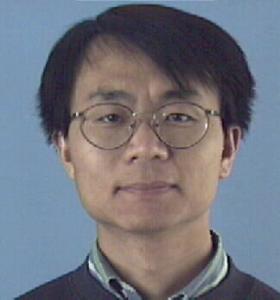
Professor Yanqiu Zhu is a distinguished academic at the University of Exeter, holding the Chair of Functional Materials within the Department of Engineering, College of Engineering, Mathematics and Physical Sciences. He leads the Functional Materials Laboratory and has previously held key research positions at the University of Nottingham and the University of Sussex. His career spans decades of innovation in nanomaterials and functional composites.
His research expertise lies in the experimental synthesis and characterization of advanced nanomaterials and nanocomposites. Key areas include carbon nanotubes, graphene, transition metal oxides, sulphide nanotubes, and inorganic fullerenes. His team employs techniques such as chemical vapour deposition, solid-state synthesis, and soft-chemistry methods to develop nanostructures with tailored functionalities.
Prof. Zhu’s work bridges fundamental science and applied technologies, with applications in energy storage (supercapacitors, batteries, solar cells), nanodevices, toxic gas and biomedical sensing, and high-performance lightweight composites for dynamic protection. His publications exceed 200 peer-reviewed papers, with over 15,000 citations and an h-index of 66–67.
His scientific excellence has been recognized through prestigious awards and fellowships:
- Royal Society Industry Fellow (RSIF)
- Fellow of the Royal Society of Chemistry (FRSC)
- Fellow of the Institute of Materials, Minerals and Mining (FIMMM)
- EPSRC Advanced Research Fellowship
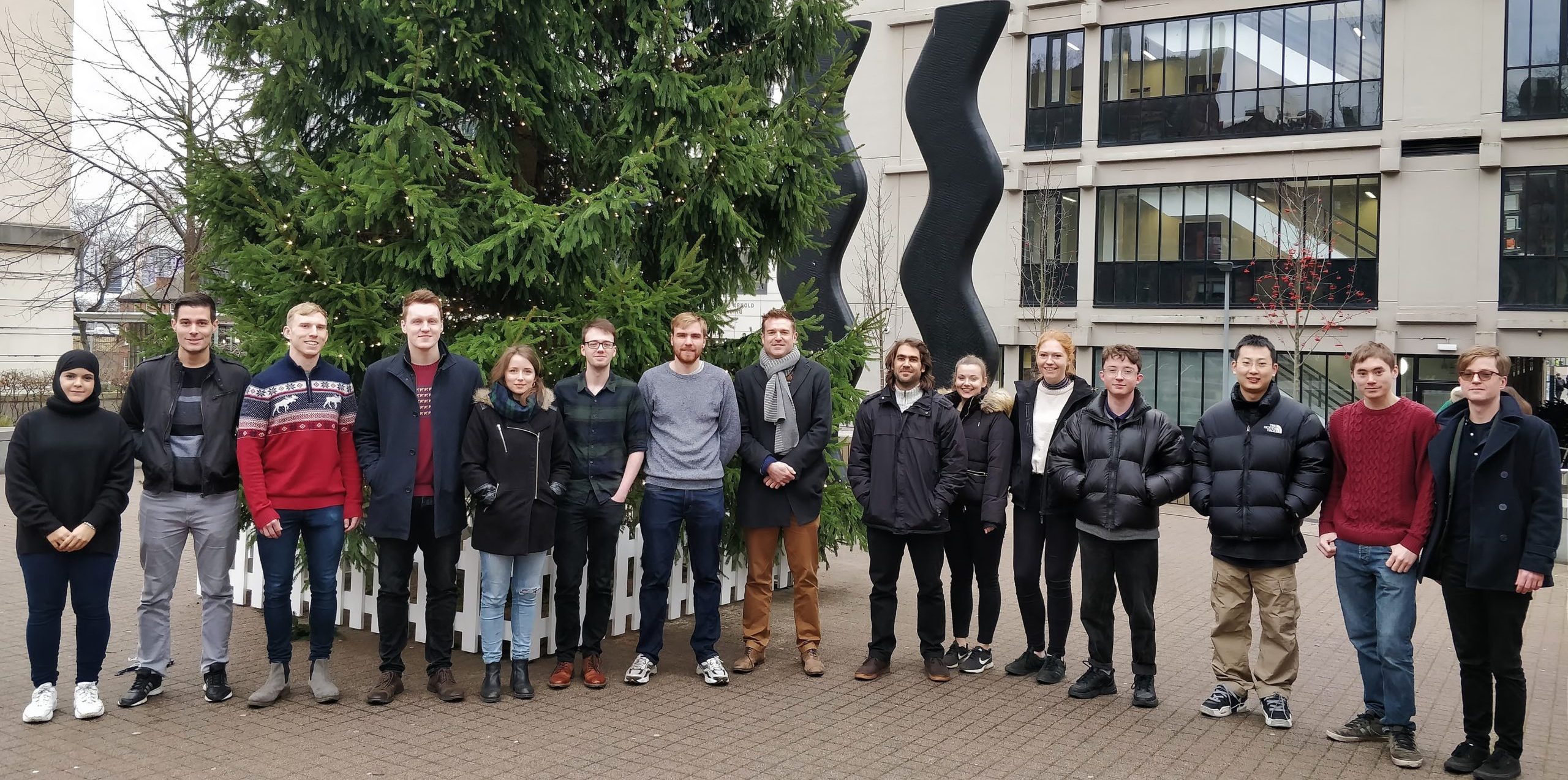
He actively supervises PhD students and supports applications for scholarships such as the CSC. His research is supported by major grants and centers on developing next-generation functional materials for real-world technological challenges. He established the Nanotubes Laboratory at Nottingham and expanded it into the Functional Materials Lab at Exeter.
The Functional Materials Laboratory focuses on 1D, 2D, and 3D nanostructures, interfacial engineering in nanocomposites, and performance under extreme conditions like high pressure. The lab fosters interdisciplinary collaboration across engineering, chemistry, physics, and biomedicine.
حوزههای پژوهشی