معرفی
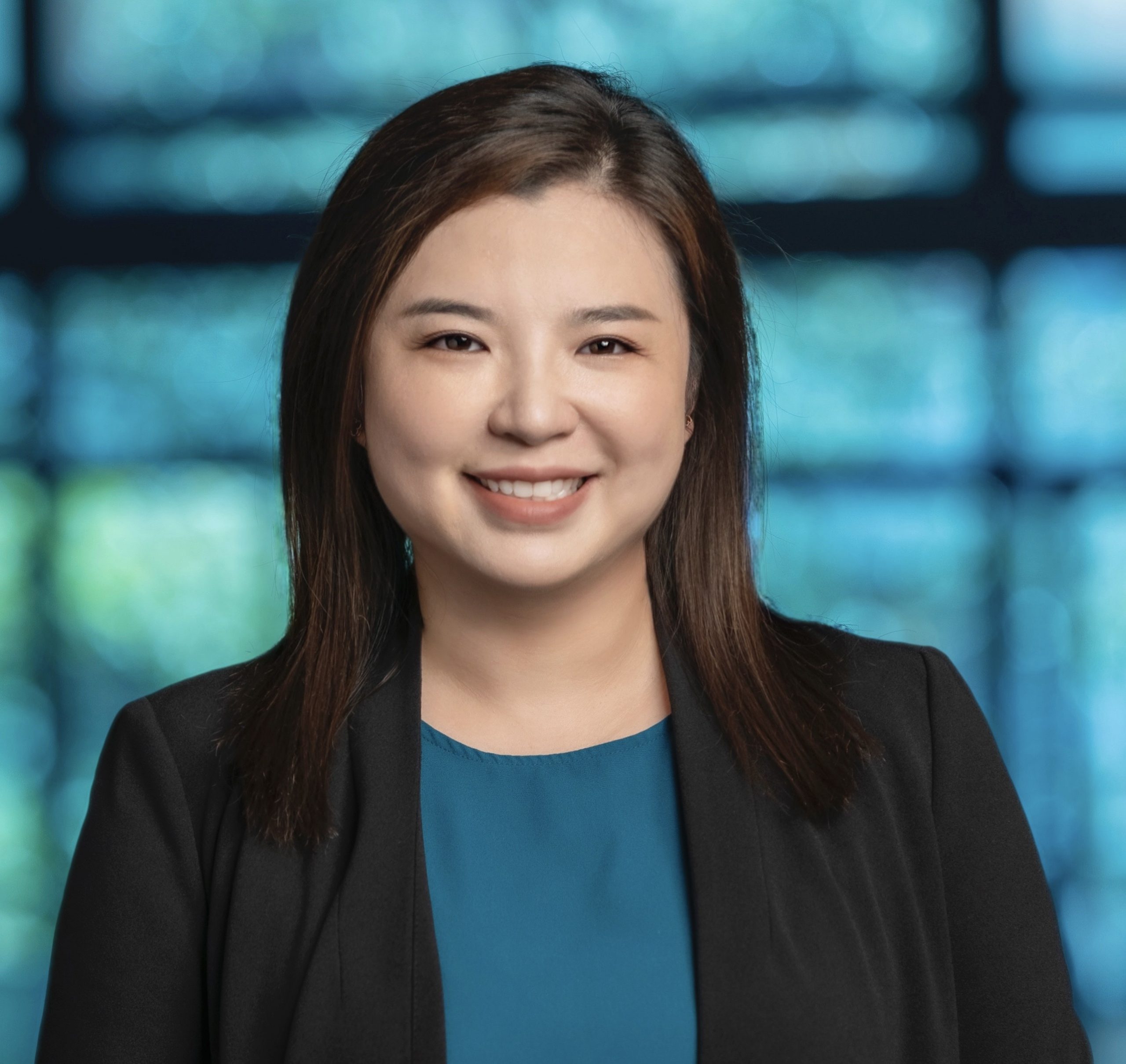
Xue (Sherry) Gao is a Presidential Penn Compact Associate Professor at the University of Pennsylvania, holding dual appointments in Bioengineering and Chemical and Biomolecular Engineering. Her laboratory focuses on pioneering genome-editing technologies, particularly CRISPR-based systems, to address challenges in disease treatment, diagnostic innovation, and natural product discovery.
Her research explores cutting-edge applications of CRISPR-Cas systems in genetic engineering, including base editing, prime editing, and multiplex genetic perturbations. Key areas include developing biosensors for rapid nucleic acid detection, engineering enzymes for natural product synthesis, and advancing therapies for genetic disorders like hearing loss. Collaborations span biotechnology, nanotechnology, and healthcare sectors.
Notable achievements include the creation of CRISPR-FET biosensors for SARS-CoV-2 detection and the design of inducible gene-editing tools with reduced off-target effects. Her work bridges fundamental biochemical research with translational applications, emphasizing precision medicine and industrial biotechnology.
Dr. Gao’s expertise in fungal natural product biosynthesis complements her CRISPR work, with studies on RiPPs (Ribosomally-Produced Peptidyl Antibiotics) and enzymatic pathway engineering. Her lab also employs cell-free protein synthesis platforms for scalable natural product production.
Current projects include optimizing base editors for clinical use, exploring CRISPR-based diagnostics, and leveraging synthetic biology for drug discovery. The lab actively collaborates on translational initiatives to advance CRISPR technologies into clinical and industrial settings.
No scientific awards explicitly listed in provided texts.
Advising and grants: No specific advisee or grant details provided in current data. Lab hiring is ongoing for motivated researchers in CRISPR engineering and biosynthetic pathways.
Labs/Teams: The Gao Laboratory at the University of Pennsylvania focuses on interdisciplinary approaches to genome-editing tools, synthetic biology, and biotechnology applications. Collaborative networks include biomedical engineering, chemistry, and clinical partners.