معرفی
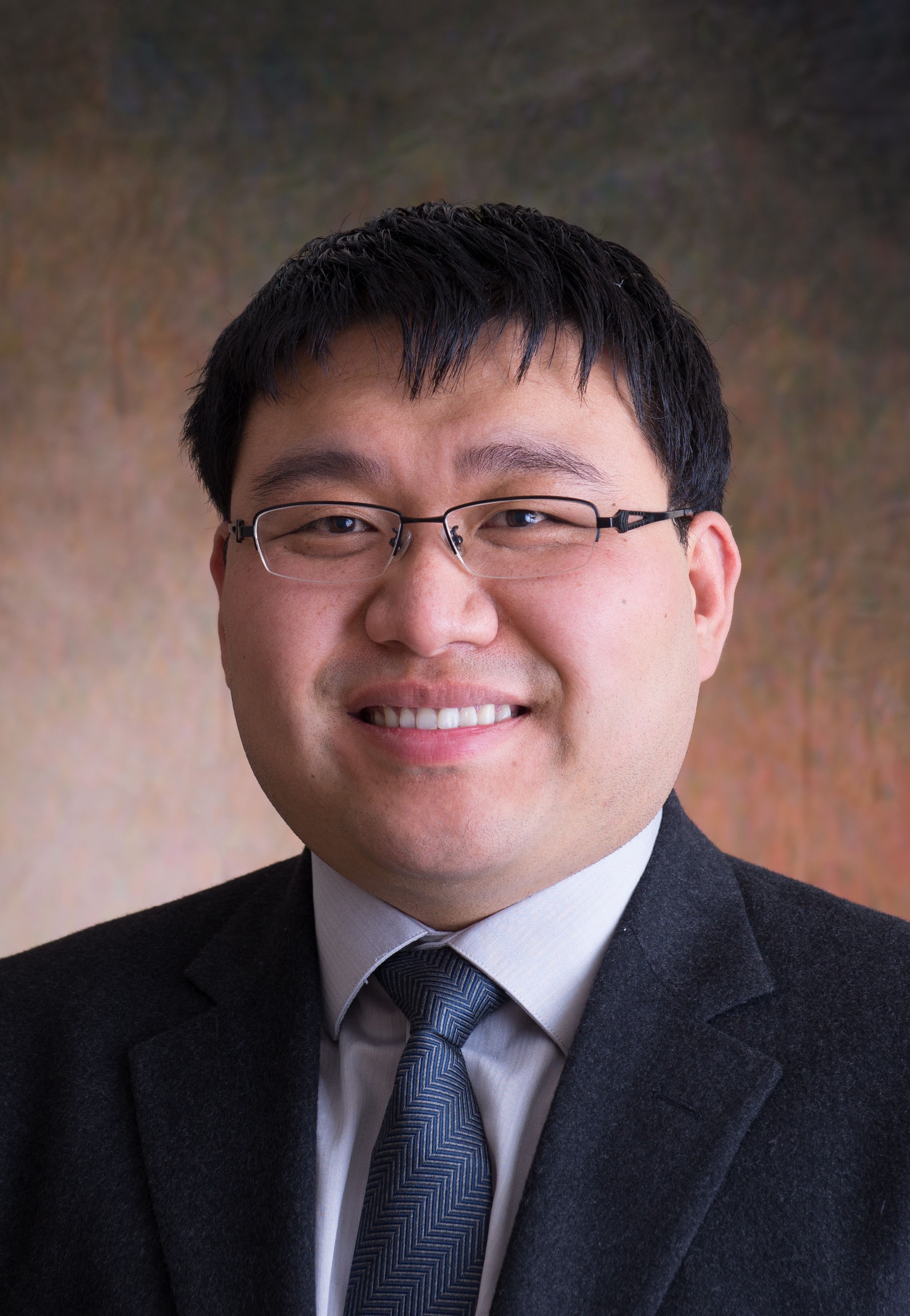
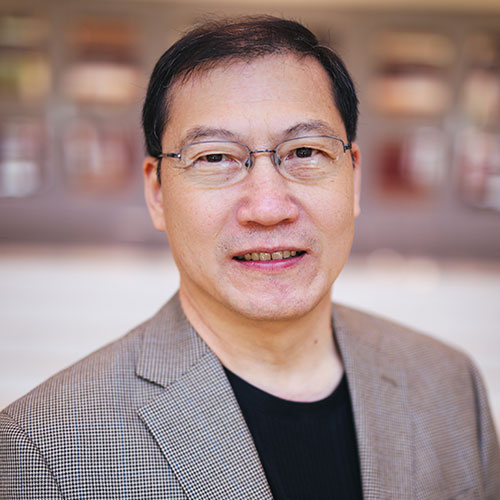
Xiaoping Sun is a Professor of Chemistry at the University of Charleston, serving as Chemistry Program Co-Director and Bio-Chem Program Director. His academic leadership includes former roles as Director of the Chemistry Program (2002-2013) and Founding Director of the Chemistry-Biology Dual-Major Program (2008-2013), alongside chairing the Kanawha Valley Section of the American Chemical Society (2012).
His educational background features a B.S. (1983) and M.S. (1986) in Chemistry from Peking University, China, a Ph.D. in Chemistry from the University of New Brunswick, Canada (1995), and postdoctoral training in Biochemistry at Albert Einstein College of Medicine (1998).
Dr. Sun's research spans three interconnected domains: uranium chemistry (uranyl spectroscopy and charge-transfer reactions for nuclear waste applications), synthetic organic chemistry (Lewis acid-catalyzed electrophilic aromatic substitution for organosulfur/selenium compounds), and theoretical chemistry (d-orbital-free bonding models in phosphorus compounds). His work consistently integrates UV-Vis, EPR, and fluorescence spectroscopies with mechanistic analysis.
Recent publications (2022-2006) reveal a progression from fundamental uranyl photophysics toward applied nuclear waste solutions and novel synthetic methodologies, demonstrating sustained NSF and NIST funding. Spectroscopic characterization of charge-transfer processes remains the unifying thread across his publication record.
He received the Appalachian College Association Faculty Fellowship in 2023.
- Appalachian College Association (ACA) Faculty Fellowship (2023)
Dr. Sun has secured major grants including NSF CHE1229498, West Virginia Science Instrumentation Grant DSR.20.11, and NIST GC-MS instrumentation funding (2022). His mentorship of undergraduate researchers is evidenced by student co-authors in publications and conference presentations, complemented by his textbook Organic Mechanisms: Reactions, Methodology, and Biological Applications (Wiley, 2013/2021).
He maintains active research in uranyl photochemistry and theoretical bonding models through collaborations with Marshall University and the Appalachian College Association, continuing to transform findings into educational materials.